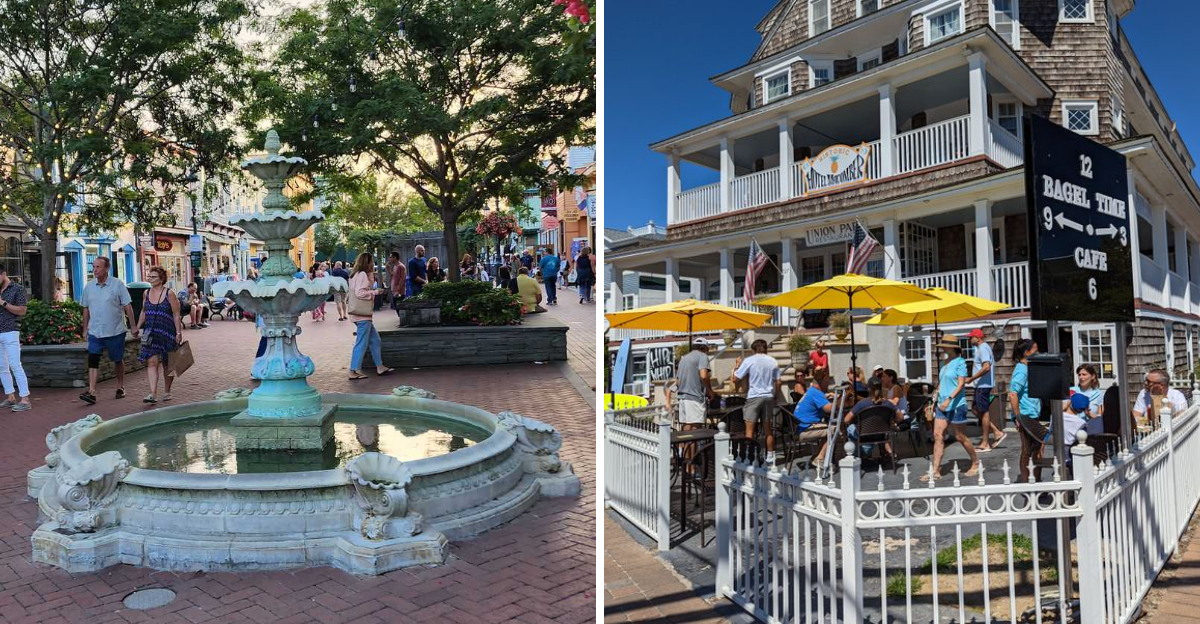
Cape May, New Jersey, sits at the very tip of the state’s southern peninsula, a place where Victorian elegance meets sandy beaches and salty ocean breezes.
For generations, travelers have flocked to this charming seaside city to admire its colorful gingerbread houses, stroll along pristine shorelines, and soak up the nostalgic atmosphere of a bygone era.
But popularity comes with a price, and Cape May has become a textbook example of a destination loved almost too much for its own good.
Traffic jams clog once-quiet streets, parking spaces vanish faster than ice cream on a July afternoon, and the delicate balance between preservation and progress teeters on a knife’s edge.
Overcrowding during peak season transforms tranquil neighborhoods into bustling tourist zones, leaving locals and longtime visitors longing for the quieter days of the past.
So what happens when too many people fall head over heels for the same slice of coastal paradise?
You get ten eye-opening realities that reveal both the magic and the madness of Cape May’s tourist boom.
Victorian House Tours Turned Into Crowded Cattle Calls
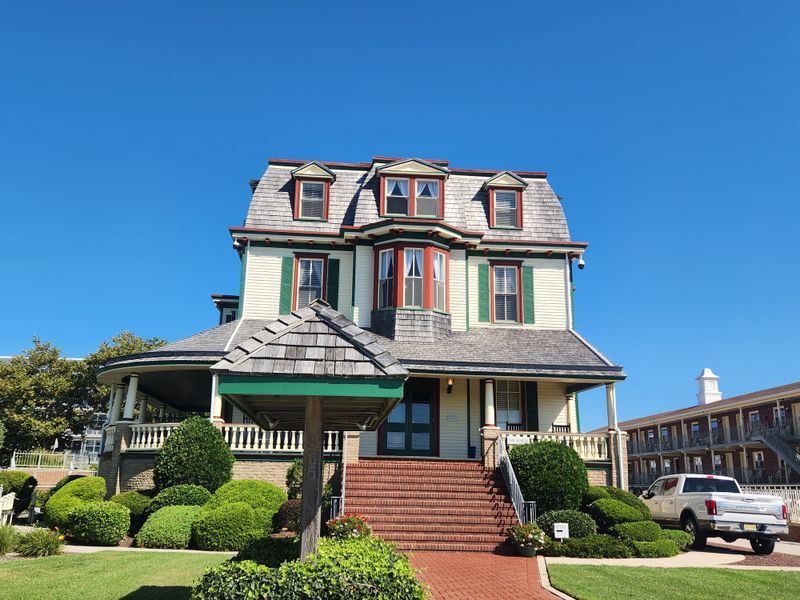
Grand Victorian homes once stood as quiet testaments to 19th-century craftsmanship, their intricate woodwork and pastel paint jobs whispering stories of seaside summers from a slower time. The Emlen Physick Estate at 1048 Washington Street, Cape May, NJ 08204, remains one of the most famous examples, drawing architecture buffs and history lovers from across the country.
But what used to be a leisurely afternoon admiring original furnishings and learning about the Physick family has morphed into a tightly scheduled procession of tour groups shuffling through room after room. Visitors barely have time to absorb the details of a hand-carved banister before the next wave of tourists presses in behind them.
Reservations fill up weeks in advance during summer and fall, leaving spontaneous travelers out in the cold. Guides rush through their scripts to keep the flow moving, and the intimate charm of exploring a historic home evaporates under the pressure of sheer numbers.
Photography becomes a challenge when every angle includes someone else’s selfie stick or backpack.
Local preservationists worry that the constant foot traffic accelerates wear and tear on delicate floors, wallpapers, and antique fixtures. Even with careful maintenance, the sheer volume of visitors takes a toll that no amount of restoration can fully reverse.
What was once a peaceful peek into the past now feels more like a theme park attraction, complete with gift shop upsells and timed entry tickets that strip away the magic of discovery and replace it with the efficiency of mass tourism.
Washington Street Mall Loses Its Small-Town Soul
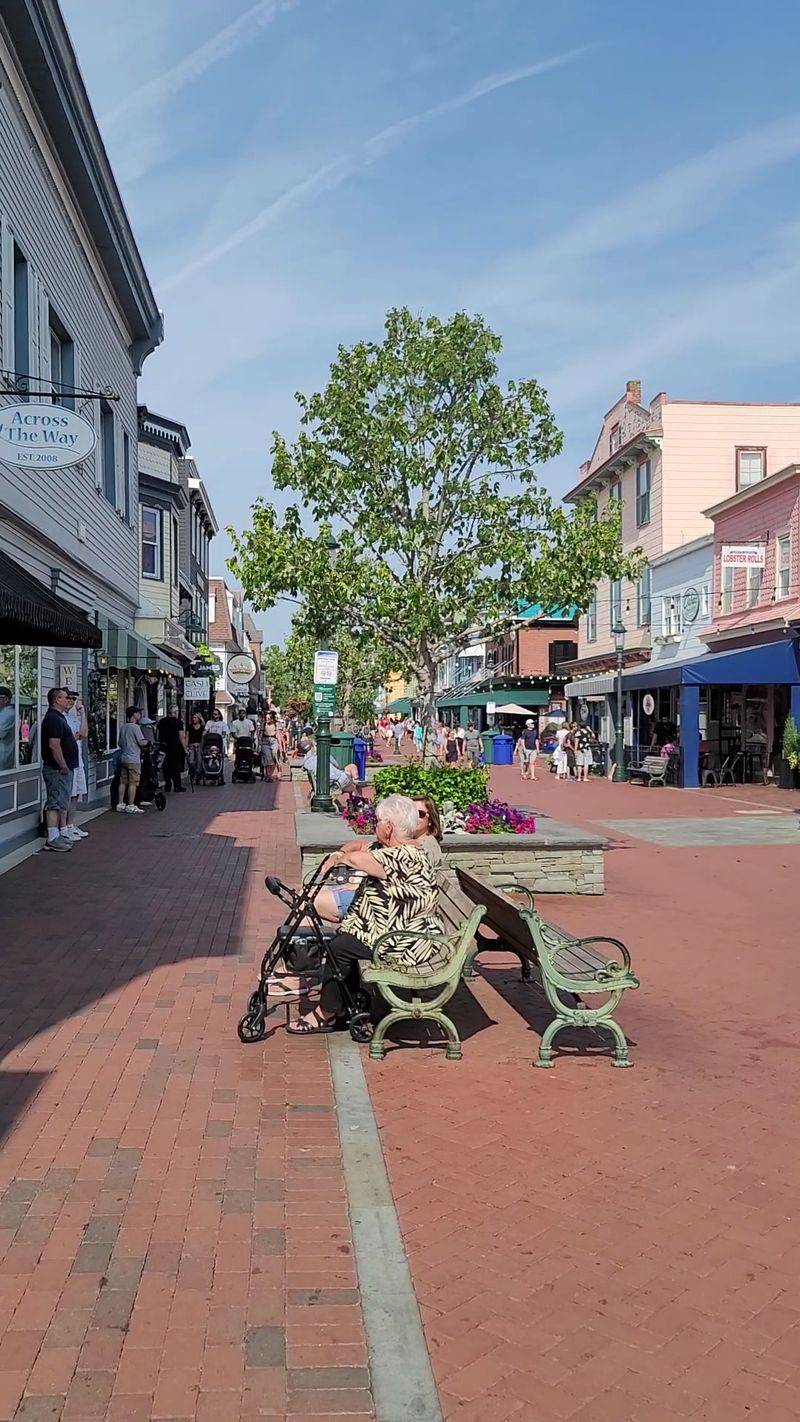
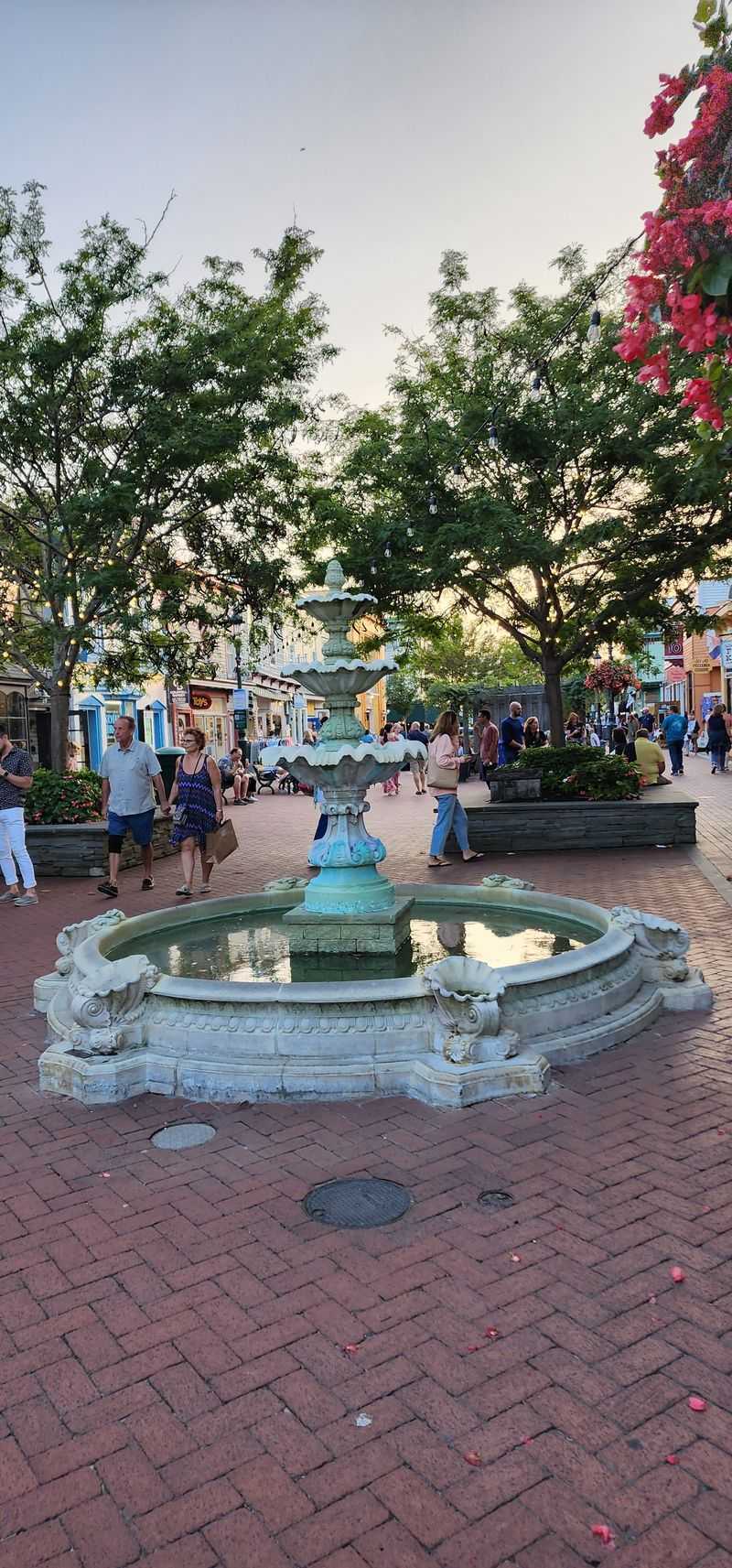
Washington Street Mall stretches across three pedestrian-only blocks in the heart of Cape May, lined with boutiques, ice cream parlors, and cozy cafes that once catered to a relaxed crowd of beachgoers and architecture enthusiasts. Decades ago, you could wander the brick sidewalks on a summer evening, chat with shop owners who knew your name, and browse handmade crafts without bumping elbows with strangers every three steps.
Today, that intimate village vibe has been swallowed by a tidal wave of foot traffic that turns shopping into a contact sport.
Peak season weekends see the mall packed shoulder to shoulder, with families pushing strollers, teenagers clutching oversized slushies, and tour groups blocking storefronts for photo ops. Independent retailers struggle to compete with chain stores that can afford the skyrocketing rents, and the quirky mom-and-pop shops that gave the mall its character are slowly being replaced by generic souvenir stands and national brands.
The charm that drew people here in the first place is being eroded by the very success it created.
Local business owners find themselves caught in a paradox where they need the tourist dollars to survive, yet the overwhelming crowds drive away the loyal customers who appreciated the unique offerings. Street performers and musicians add to the cacophony, making conversation nearly impossible.
The mall has become a victim of its own popularity, transforming from a quaint shopping district into a congested tourist corridor where the magic of small-town discovery gets trampled underfoot by thousands of visitors every single day.
Beach Access Points Overwhelmed and Overused
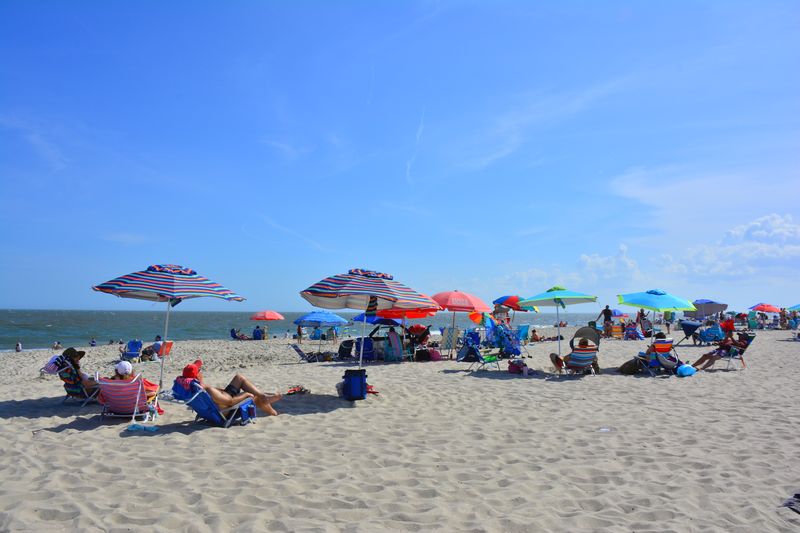
Cape May’s beaches have always been the main draw, offering soft sand, gentle waves, and stunning views where the Delaware Bay meets the Atlantic Ocean. Families used to claim their spots early in the morning, spread out their blankets, and enjoy hours of uninterrupted sun and surf with plenty of breathing room.
Those days feel like ancient history now, as summer weekends bring an onslaught of beachgoers that pack every inch of available sand from the dunes to the waterline.
Beach tag sales have skyrocketed, yet the revenue struggles to keep pace with the maintenance demands created by thousands of daily visitors. Trash overflows from bins faster than crews can empty them, and litter becomes a persistent problem despite the best efforts of cleanup teams.
Lifeguards work overtime managing the sheer volume of swimmers, and the peaceful soundtrack of crashing waves gets drowned out by blaring music, shouting kids, and the constant hum of beachside chatter.
Finding a parking spot near popular access points turns into a frustrating scavenger hunt that can eat up an hour or more of your beach day. Erosion accelerates as foot traffic wears down dune vegetation that once stabilized the shoreline, creating long-term environmental consequences that threaten the very beaches everyone comes to enjoy.
The natural beauty that made Cape May’s coastline famous is being loved to death, one overcrowded summer at a time, leaving both visitors and residents wondering if there will be any pristine shoreline left for future generations to treasure.
Cape May Lighthouse Parking Nightmare
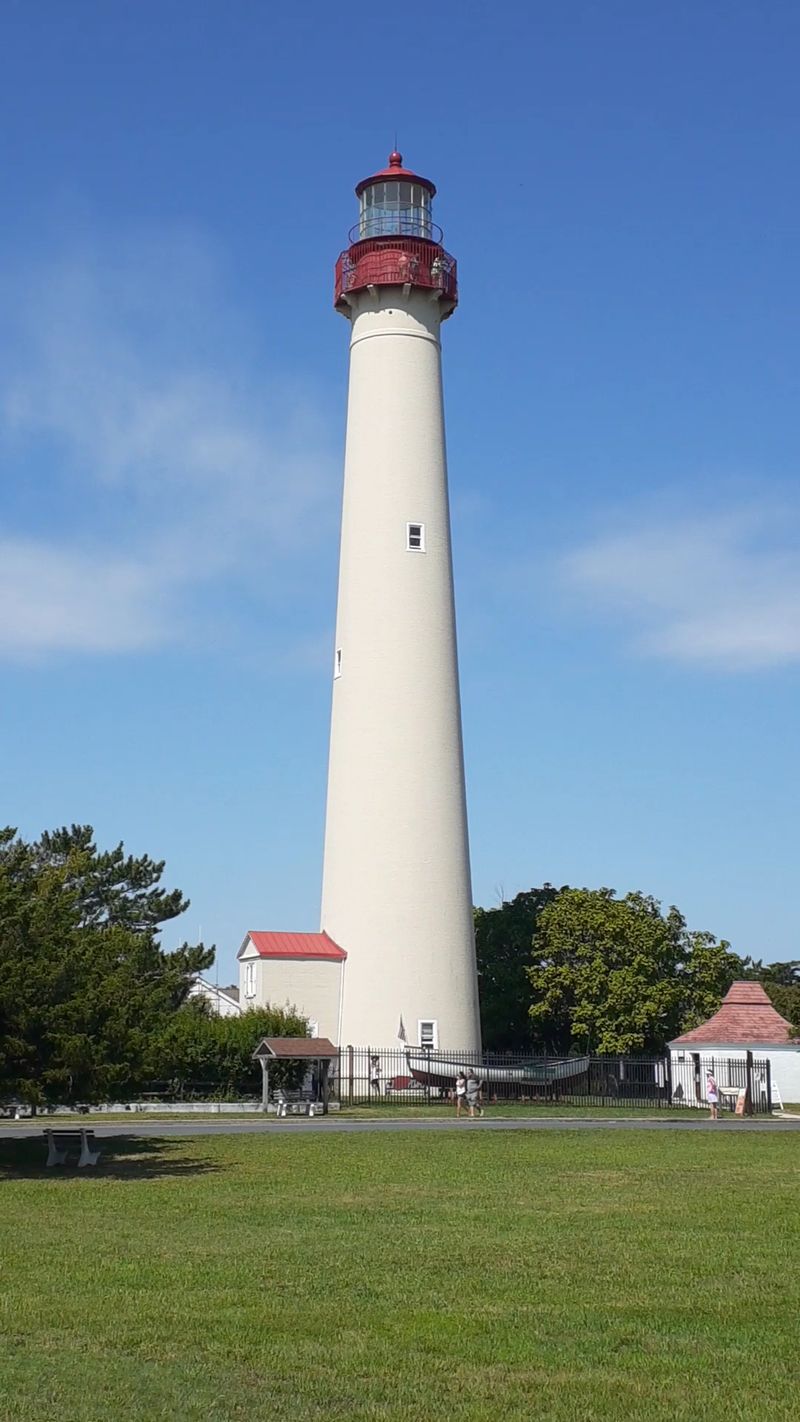
Standing tall at Cape May Point State Park, the Cape May Lighthouse has guided ships since 1859 and remains one of New Jersey’s most iconic landmarks. Climbing the 199 steps to the top rewards visitors with panoramic views of the Delaware Bay, Atlantic Ocean, and surrounding wetlands that stretch for miles in every direction.
But getting to that first step has become an ordeal that tests the patience of even the most enthusiastic lighthouse lovers.
The parking lot at Cape May Point State Park fills to capacity by mid-morning during peak season, forcing latecomers to circle endlessly or park illegally along narrow residential streets that were never designed for heavy traffic. Local homeowners have watched their quiet neighborhood transform into a de facto overflow lot, with frustrated tourists blocking driveways and trampling gardens in their desperation to find a spot.
Tempers flare, horns honk, and the serene experience of visiting a historic lighthouse gets hijacked by the stress of simply arriving.
Once inside, the narrow spiral staircase creates bottlenecks as climbers pause to catch their breath or snap photos, causing delays that ripple through the entire flow of visitors. The observation deck at the top becomes so crowded that people jostle for position at the railings, and the breathtaking views get interrupted by selfie sticks and elbows in your ribs.
Rangers do their best to manage the chaos, but there are only so many bodies you can squeeze into a 157-foot tower built more than a century before Instagram existed.
Restaurant Wait Times That Test Your Hunger
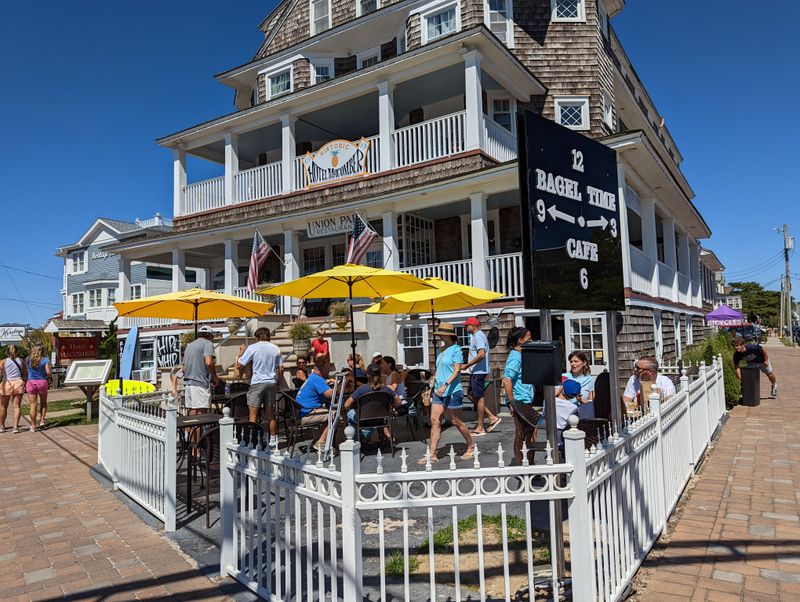
Cape May has earned a reputation as a foodie destination, with restaurants serving everything from fresh-caught seafood to farm-to-table cuisine that celebrates the bounty of southern New Jersey. Places like the Lobster House at 906 Schellenger’s Landing Road, Cape May, NJ 08204, have become legendary for their dockside dining and overflowing seafood platters.
But culinary fame comes with a downside when everyone wants a table at the same time, and wait times have ballooned to levels that would make even the most patient diner consider mutiny.
Two-hour waits become the norm at popular spots during summer evenings, with crowds spilling onto sidewalks and parking lots as hungry tourists clutch buzzers and pray their number gets called before midnight. Reservations book up days or even weeks in advance, leaving walk-in diners with limited options beyond fast food or overpriced tourist traps that prioritize volume over quality.
The stress of securing a decent meal overshadows the joy of dining out, turning what should be a highlight of your Cape May vacation into a logistical headache.
Restaurant staff work at a breakneck pace, and the quality of service inevitably suffers when servers are juggling too many tables and kitchens are churning out orders as fast as humanly possible. The leisurely, romantic dinners that Cape May was once famous for have been replaced by rushed meals where you feel the pressure to finish quickly and free up your table for the next group.
Local favorites that used to welcome regulars with open arms now prioritize tourist turnover, and the sense of community that made Cape May’s dining scene special has been diluted by sheer demand.
Bed and Breakfast Bookings Require Military Precision
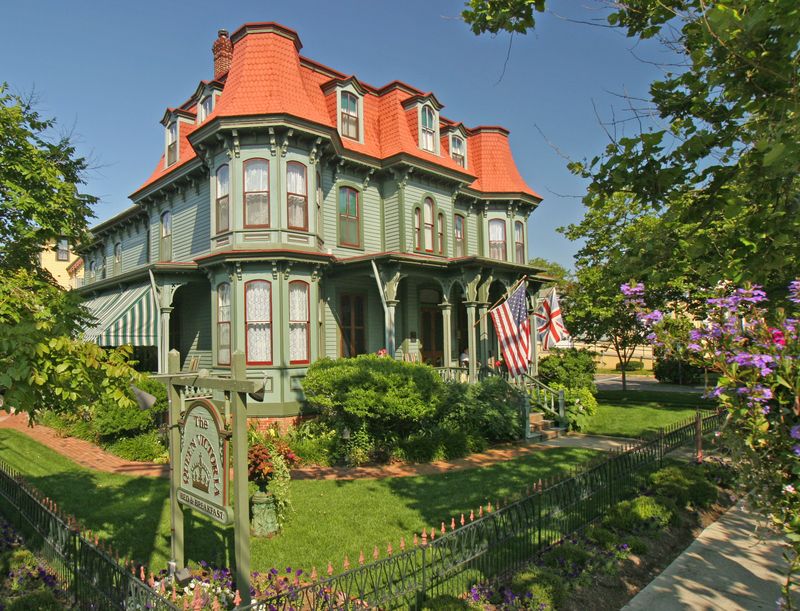
Staying overnight in one of Cape May’s charming bed and breakfasts used to be as simple as calling ahead a few weeks before your trip and choosing from several available rooms. Victorian inns with wraparound porches, antique furniture, and homemade breakfasts offered a cozy alternative to impersonal hotel chains, giving guests a taste of small-town hospitality and historic elegance.
That era of casual planning has vanished, replaced by a cutthroat booking environment where securing a room feels like winning the lottery.
Popular bed and breakfasts now require reservations six months to a year in advance for summer and fall weekends, and some properties fill up within hours of opening their booking calendars. Spontaneous getaways are essentially impossible unless you enjoy sleeping in your car or driving an hour inland to find a vacancy.
Prices have climbed steadily as demand outstrips supply, and what was once an affordable luxury has become a premium expense that stretches vacation budgets to the breaking point.
Innkeepers struggle to balance the desire to maintain a personal touch with the reality of running a business that operates at full capacity nearly year-round. Repeat guests who once enjoyed building relationships with hosts now find themselves competing with first-time visitors in an impersonal online reservation system.
The intimate, home-away-from-home experience that defined Cape May’s bed and breakfast culture has been industrialized by overwhelming demand, leaving both owners and guests longing for the days when hospitality mattered more than occupancy rates and a room with a view didn’t require months of advance planning and a small fortune.
Traffic Congestion Turns Scenic Drives Into Gridlock
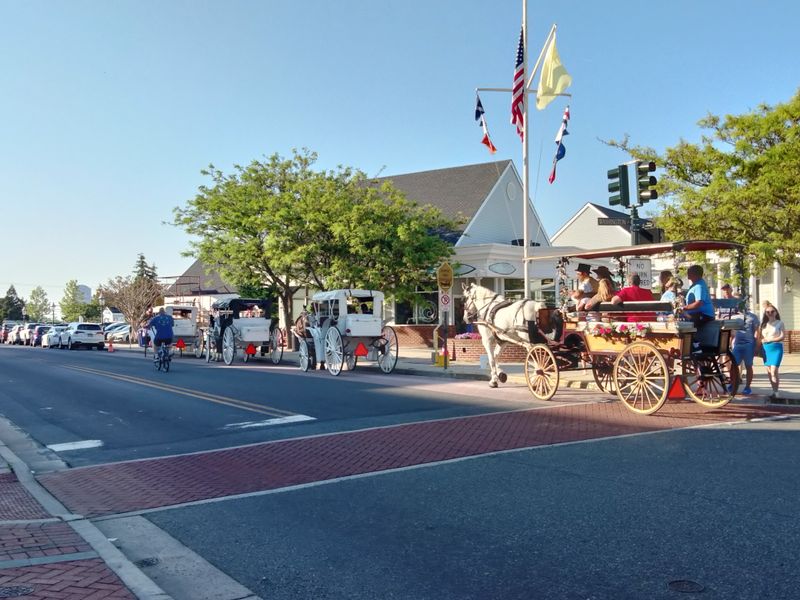
Cruising along Sunset Boulevard or Beach Avenue used to be one of the simple pleasures of visiting Cape May, with ocean views on one side and historic homes on the other creating a picture-perfect coastal drive. Cyclists and pedestrians shared the road with a modest flow of cars, and the pace felt relaxed enough to actually enjoy the scenery without white-knuckling the steering wheel.
Modern Cape May tells a different story, especially during summer months when traffic transforms these scenic routes into parking lots on wheels.
Bumper-to-bumper congestion clogs major arteries throughout the day, with backups extending for miles as visitors try to reach beaches, restaurants, and attractions. Simple errands that should take ten minutes can stretch into half-hour ordeals, and the frustration of sitting in traffic saps the vacation energy right out of your soul.
Emergency vehicles struggle to navigate the gridlock, raising serious safety concerns that have local officials scrambling for solutions that never seem to materialize.
Pedestrians and cyclists face their own hazards as impatient drivers make risky maneuvers to gain a few car lengths, and the formerly bike-friendly streets have become obstacle courses of distracted tourists and aggressive commuters. Air quality suffers as idling engines pump exhaust into the salt air, and the peaceful ambiance that once defined Cape May gets drowned out by honking horns and revving motors.
The very roads that were designed to showcase the town’s beauty have become sources of stress and pollution, proving that even the most scenic drive loses its charm when you spend it stuck behind a minivan going nowhere fast.
Wildlife Habitats Shrinking Under Development Pressure
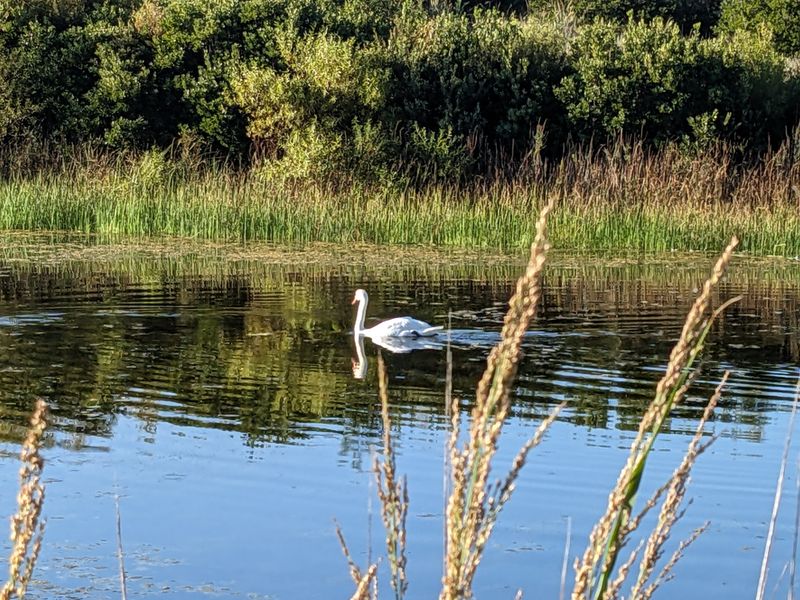
Cape May sits at a critical junction along the Atlantic Flyway, making it one of the premier bird-watching destinations in North America. Migratory species by the thousands pass through each spring and fall, relying on coastal marshes, dunes, and maritime forests for rest and refueling during their epic journeys.
Naturalists and conservationists have long cherished this ecological treasure, but the relentless push for more hotels, condos, and tourist infrastructure is squeezing wildlife into ever-smaller pockets of habitat.
Wetlands that once teemed with shorebirds and waterfowl have been drained or degraded to make room for parking lots and commercial development. Dune systems that provide crucial nesting grounds for piping plovers and least terns get trampled by beachgoers who ignore posted signs and roped-off areas.
Light pollution from new construction disrupts nocturnal species and confuses migrating birds, leading to deadly collisions with buildings and communication towers.
Local environmental groups fight an uphill battle to protect what remains, but economic interests often win out when development promises jobs and tax revenue. The delicate balance between tourism and conservation has tipped dangerously toward exploitation, and the very natural wonders that attract eco-tourists are being destroyed to accommodate more visitors.
Ironically, as Cape May loses its wild spaces, it also loses part of its unique appeal, becoming just another overdeveloped beach town where the only wildlife you see is on souvenir T-shirts and the only nature experience involves fighting crowds for a glimpse of the ocean between high-rise buildings blocking your view.
Souvenir Shops Outnumber Authentic Local Businesses

Walking through Cape May’s commercial districts used to mean discovering locally owned galleries, bookshops, and craft stores that reflected the town’s artistic spirit and historic character. Artisans sold handmade jewelry, painters displayed coastal landscapes, and booksellers recommended titles about maritime history and Victorian architecture.
Those authentic experiences are becoming harder to find as generic souvenir shops multiply like rabbits, peddling mass-produced trinkets that could come from any beach town in America.
T-shirts emblazoned with “Cape May” in identical fonts fill rack after rack, alongside plastic seashells made overseas, shot glasses, and refrigerator magnets that have zero connection to the town’s actual culture or history. High rents driven by tourist demand price out the independent retailers who once gave Cape May its distinctive flavor, leaving behind a homogenized landscape of cookie-cutter shops that prioritize quick sales over quality or originality.
The irony is palpable when visitors complain about the lack of unique shopping while filling their bags with cheap souvenirs that will end up in landfills within a year.
Local artists and craftspeople struggle to compete when tourists gravitate toward the lowest-priced tchotchkes rather than investing in genuine local work. The economic ecosystem that once supported a thriving creative community has been disrupted by the tourist machine, turning Cape May’s retail scene into a sad reflection of every other overdeveloped vacation spot.
What was once a destination for discerning travelers seeking authenticity has become a trap for impulse buyers who mistake quantity for quality and leave town without ever experiencing the real Cape May hiding beneath the layers of commercialization.
Seasonal Workers Replace Year-Round Community Ties
Cape May once thrived as a tight-knit community where generations of families lived year-round, operating businesses, teaching in schools, and maintaining the social fabric that made the town feel like home. Neighbors knew each other, local events drew genuine community participation, and there was a sense of continuity and shared identity that extended far beyond the summer tourist season.
That foundation has crumbled as skyrocketing property values and rents push out longtime residents, replacing them with seasonal workers who arrive in May and vanish by October.
Young people who grew up in Cape May find themselves priced out of their own hometown, forced to move inland or out of state in search of affordable housing and year-round employment. The workforce that keeps the tourism machine running now consists largely of temporary employees living in cramped shared housing, working multiple jobs to survive the high cost of living, and lacking any real investment in the community’s long-term well-being.
This revolving door of transient workers erodes institutional knowledge and creates a disconnect between the people serving tourists and the town they represent.
Schools struggle with declining enrollment as families flee to more affordable areas, and local institutions that once anchored community life face uncertain futures. The vibrant off-season culture that balanced Cape May’s tourist identity has withered, leaving behind a hollow shell that exists primarily to extract dollars from visitors.
When the crowds go home in late fall, the town feels like a ghost of itself, populated by a shrinking core of year-round residents who mourn the loss of the community they once knew and wonder if Cape May will ever again be a place where real people live real lives instead of just serving as stage hands in someone else’s vacation fantasy.
Dear Reader: This page may contain affiliate links which may earn a commission if you click through and make a purchase. Our independent journalism is not influenced by any advertiser or commercial initiative unless it is clearly marked as sponsored content. As travel products change, please be sure to reconfirm all details and stay up to date with current events to ensure a safe and successful trip.
