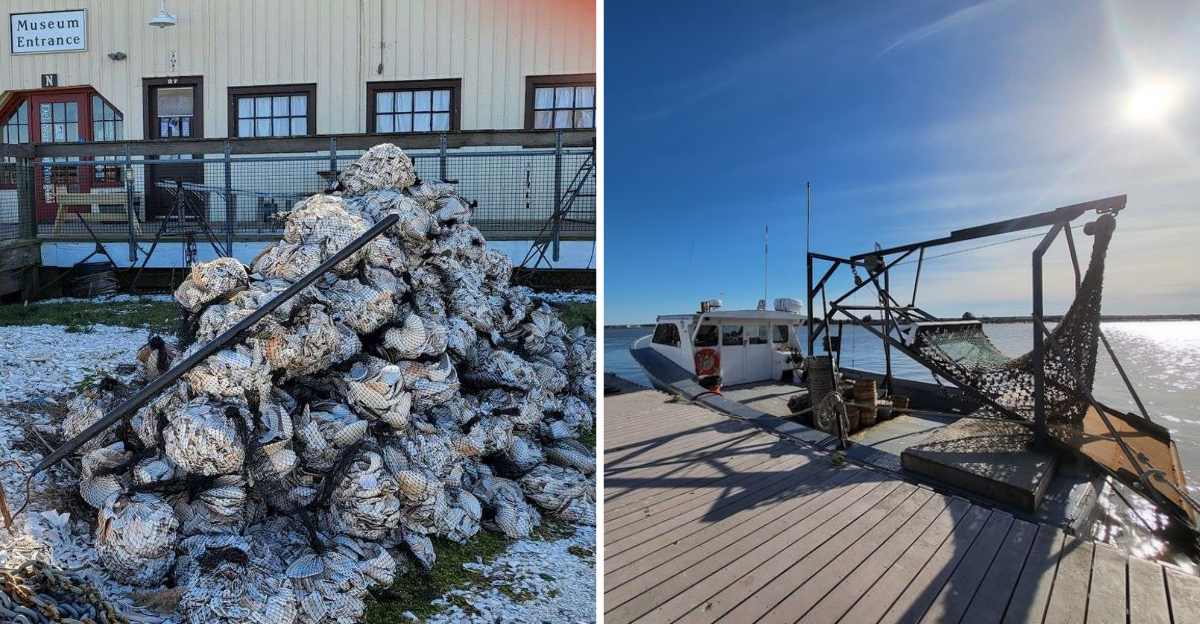
Back in the 1920s, this New Jersey town had millionaires lining its streets.
The source of all that wealth? Oysters.
Today, the historic packing houses still stand along the water in Bivalve, silent witnesses to a forgotten empire.
Two of the original 1904 shipping sheds now house the Delaware Bay Museum, where you can see what the “Oyster Capital of the World” once looked like.
Most people drive right past Cumberland County on their way to the Shore.
They have no idea what they are missing.
The Bivalve Oyster Packing Houses: Standing Tall Since the 1870s
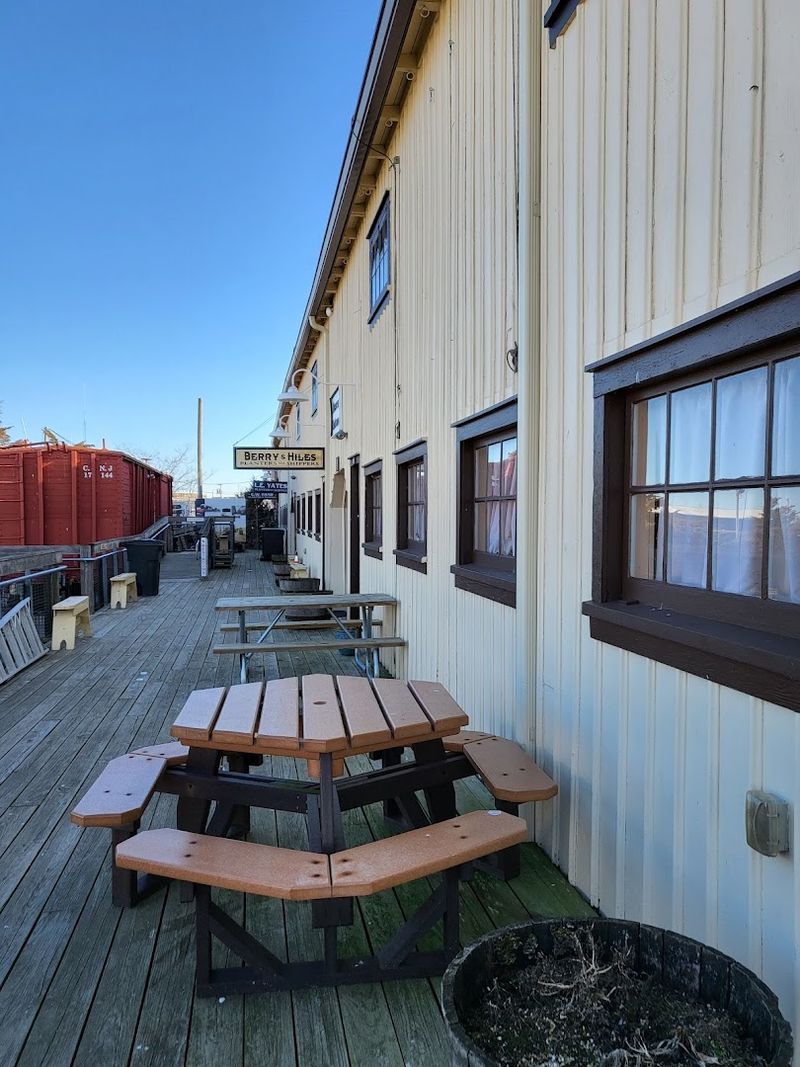
Walking up to the Bivalve packing houses for the first time feels like stepping through a door that history forgot to close. These structures were built in the 1870s, and somehow they are still standing, which is remarkable given how much the world has changed around them.
The wood is worn, the paint is long gone in places, but the bones of these buildings are solid in a way that makes you respect the people who built them.
They were the engine of a massive industry. Oysters harvested from Delaware Bay were brought here, processed at speed, and shipped off to cities like Philadelphia and New York.
The whole operation was designed for efficiency, and you can still read that purpose in the layout of the buildings today.
Preservation efforts have kept these structures accessible to visitors. The Bayshore Center at Bivalve now manages the site, making sure that what was built here is not forgotten.
Delaware Bay Oysters: The Flavor That Built a Town
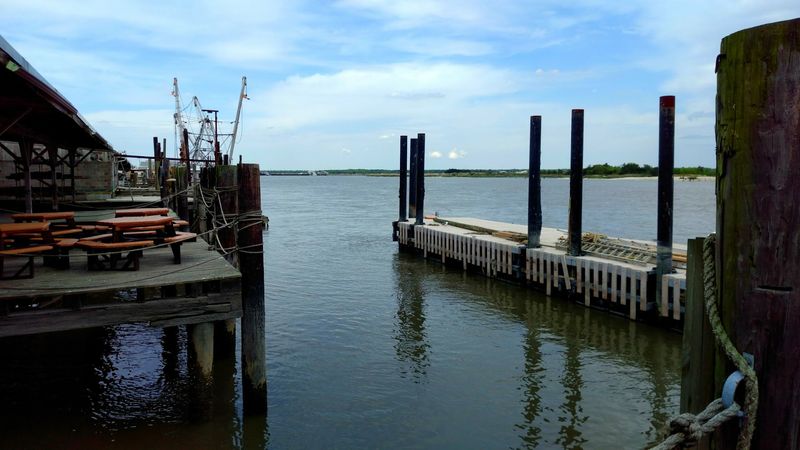
There is something almost unbelievable about eating an oyster pulled from the same bay that made an entire town wealthy over a century ago.
Delaware Bay oysters have a flavor that is briny, clean, and full of that coastal character that food people spend a lot of money chasing at fancy restaurants.
Here, it is just the local product, the same way it has always been.
The Bivalve Packing Company, established in 1946, is still operating and still harvesting oysters under the East Point Brand. Their focus on quality and sustainability means the oysters coming out of here today are held to strict standards.
That commitment to doing things right makes every bite feel connected to something larger than just a meal.
Getting oysters close to where they were harvested is a completely different experience from eating them somewhere inland. The freshness is obvious, and the connection to place makes the flavor hit differently in the best possible way.
The A.J. Meerwald: New Jersey’s Official Tall Ship
Few things stop you in your tracks quite like seeing a full-rigged schooner sitting at a dock in a town you almost drove past.
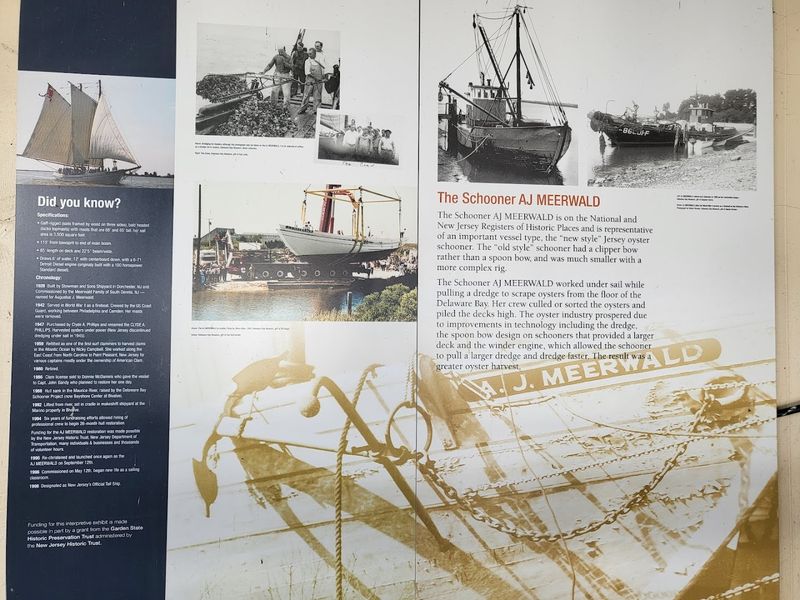
The A.J. Meerwald is a restored 1928 Delaware Bay oyster schooner, and it serves as New Jersey’s official tall ship. It is operated by the Bayshore Center at Bivalve, and it is genuinely one of the most impressive pieces of living history in the entire state.
The ship was originally built to work these very waters, dragging for oysters the old-fashioned way. After falling into disrepair, it was lovingly restored and brought back to the bay where it belongs.
Seeing it docked at Bivalve, you get a clear picture of the kind of vessels that once crowded this waterfront during the oyster boom.
Sailing programs and educational tours run from the Bayshore Center, giving visitors a hands-on sense of what maritime life looked like here a hundred years ago. It is the kind of experience that turns a casual visit into a lasting memory.
The Delaware Bay Museum: Where the Whole Story Lives
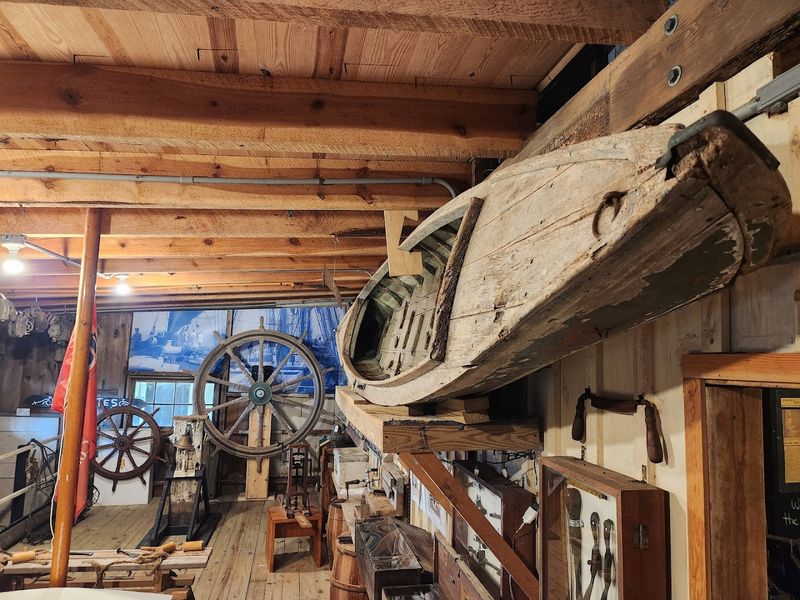
History has a way of feeling abstract until you are standing in front of the actual tools, photographs, and artifacts from the people who lived it. The Delaware Bay Museum, housed within the Bayshore Center at Bivalve, does exactly that kind of grounding work.
It puts the full arc of the oyster industry right in front of you in a way that is easy to absorb and hard to forget.
Exhibits cover everything from the mechanics of oystering to the cultural fabric of the communities that depended on it. Old equipment, period photographs, and detailed displays walk you through the rise and eventual decline of the industry.
The story of how disease devastated oyster populations in the mid-20th century is told honestly, without glossing over how hard that was for the people here.
What makes the museum work is that it feels personal rather than academic. The objects on display belonged to real people who worked this bay, and that human thread runs through every exhibit in a way that keeps the experience genuinely moving.
The Bridgeton and Port Norris Railroad: The Rail Line That Fed a Nation
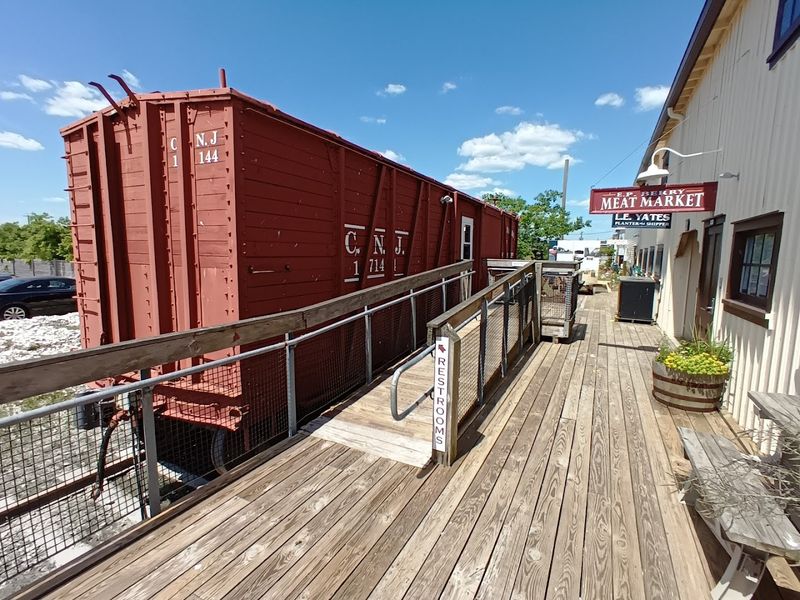
Before refrigerated trucks and interstate highways, getting perishable food to market fast was a logistical puzzle that could make or break an industry. The arrival of the Bridgeton and Port Norris Railroad in 1872 solved that puzzle for the oyster trade in a dramatic way.
Suddenly, oysters harvested from Delaware Bay could reach Philadelphia and New York in hours rather than days.
That rail connection transformed Bivalve from a productive waterfront community into a powerhouse of national food distribution. The speed and scale of what became possible changed everything.
At its peak, the region reportedly had more millionaires per square mile than anywhere else in New Jersey, a direct result of that railway-fueled efficiency.
The railroad itself is gone now, but its impact on the landscape and architecture of Bivalve is still visible if you know what you are looking at. The layout of the docks, the positioning of the packing houses, all of it was organized around getting product onto those trains as fast as possible.
That urgency is baked into the bones of the place.
The Maurice River: The Waterway That Made It All Possible
Every great food town has a natural resource at its heart, and for Bivalve that resource is the Maurice River. This waterway feeds into Delaware Bay and created the ideal conditions for oyster cultivation that drew harvesters here in the first place.
The river is still beautiful, still tidal, and still carrying that quiet power that shaped an entire regional economy.
Paddling or simply standing at the edge of the Maurice River gives you a completely different perspective on why this place mattered. The water is wide and calm in stretches, with marshgrass lining the banks and shorebirds working the shallows.
It is the kind of scenery that makes you slow down without even trying.
The river also supports a broader ecosystem that continues to make Delaware Bay one of the most productive bodies of water on the East Coast.
Birders, kayakers, and nature lovers come here alongside history enthusiasts, which gives Bivalve a layered appeal that goes well beyond just food tourism.
The river is the quiet center of everything.
The East Point Brand: Fresh Oysters With a Legacy Behind Them
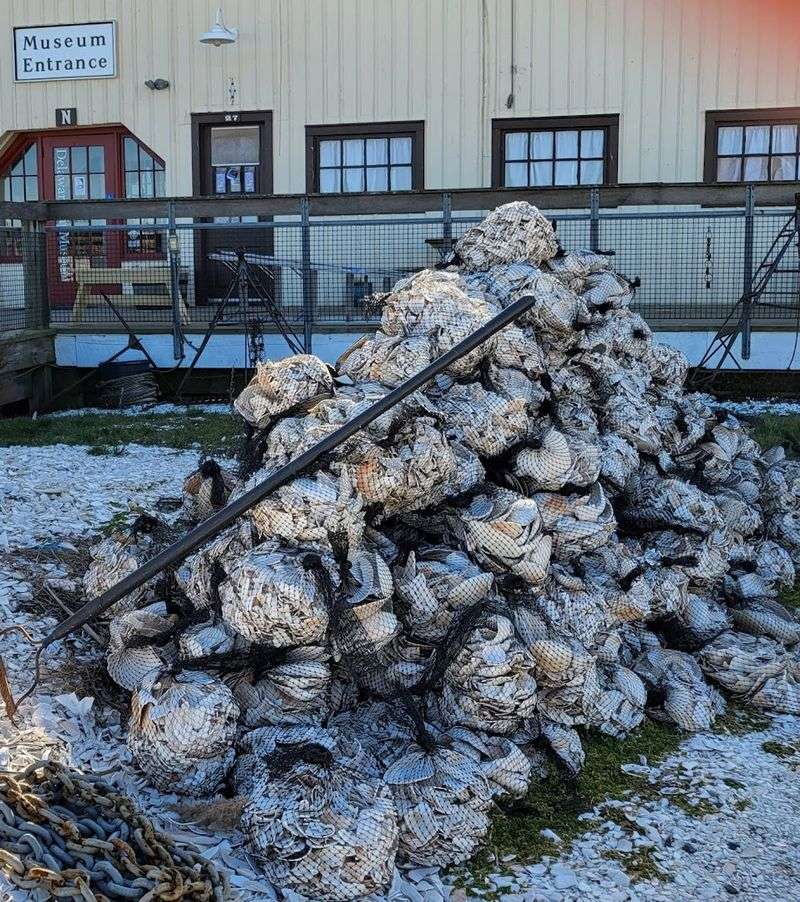
Some food brands carry a story so deep it changes how the product tastes, and the East Point Brand from the Bivalve Packing Company is exactly that kind of label.
Established in 1946, the company has been harvesting and processing Delaware Bay oysters for decades, keeping a tradition alive that most of the country did not even know was still running.
Picking up a bag of East Point oysters is a small act with a big history attached to it.
The company operates with a serious commitment to quality control and sustainable harvesting practices. Every oyster that goes out under that brand has been handled carefully, from the water to the processing floor to the packaging.
That level of attention shows up in the product, which has a consistency and freshness that repeat customers clearly appreciate.
Supporting a business like this one feels meaningful in a way that goes beyond just buying seafood. It is a direct connection to a community that built something remarkable here and has kept it going through hard times.
The oysters are excellent, and the backstory makes them even better.
The Oyster Industry’s Rise and Fall: A Story Worth Knowing
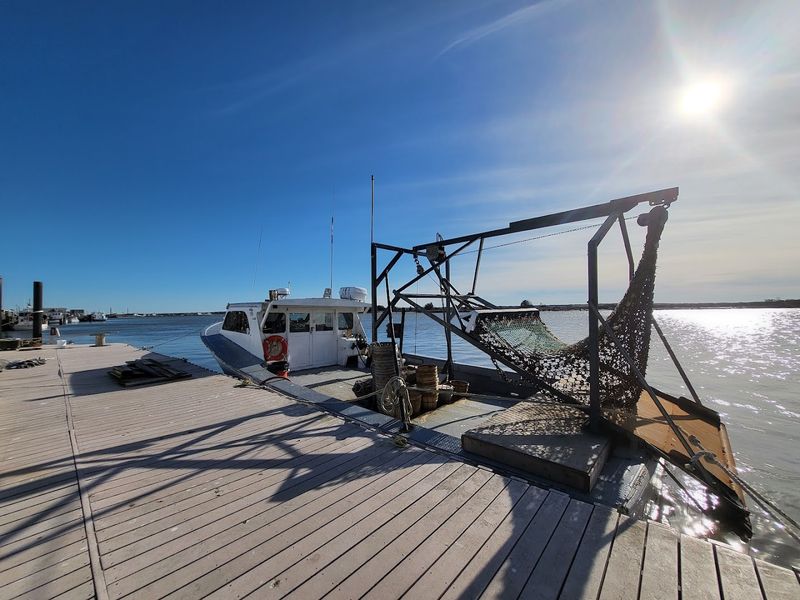
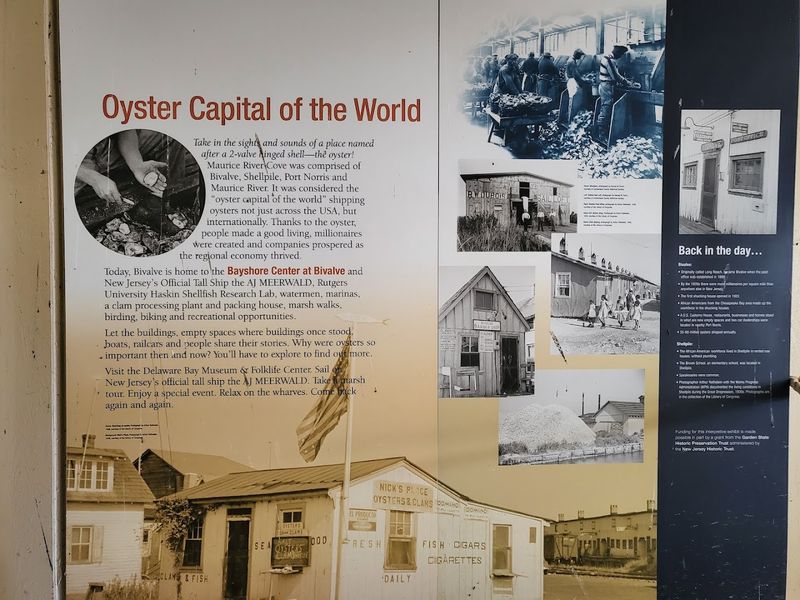
At its peak, the oyster industry around Bivalve and Port Norris was a genuine economic miracle.
The combination of ideal growing conditions, efficient rail transport, and skilled labor made this stretch of Delaware Bay the most productive oyster region in the world.
That level of success is hard to wrap your head around when you are standing in a quiet marsh town today.
The decline came in the mid-20th century, driven by two oyster diseases called MSX and Dermo that swept through Delaware Bay and devastated the population. The impact on the community was severe, and the industry never fully recovered to its former scale.
Entire ways of life that had existed for generations were upended in a relatively short period of time.
Understanding that arc, the rise, the boom, and the painful contraction, makes the preservation of the packing houses feel even more significant. These buildings are not just old structures.
They are physical evidence of something that was once extraordinary, and keeping them standing is an act of respect for everyone who worked here.
Planning Your Visit to Bivalve: What to Expect When You Arrive
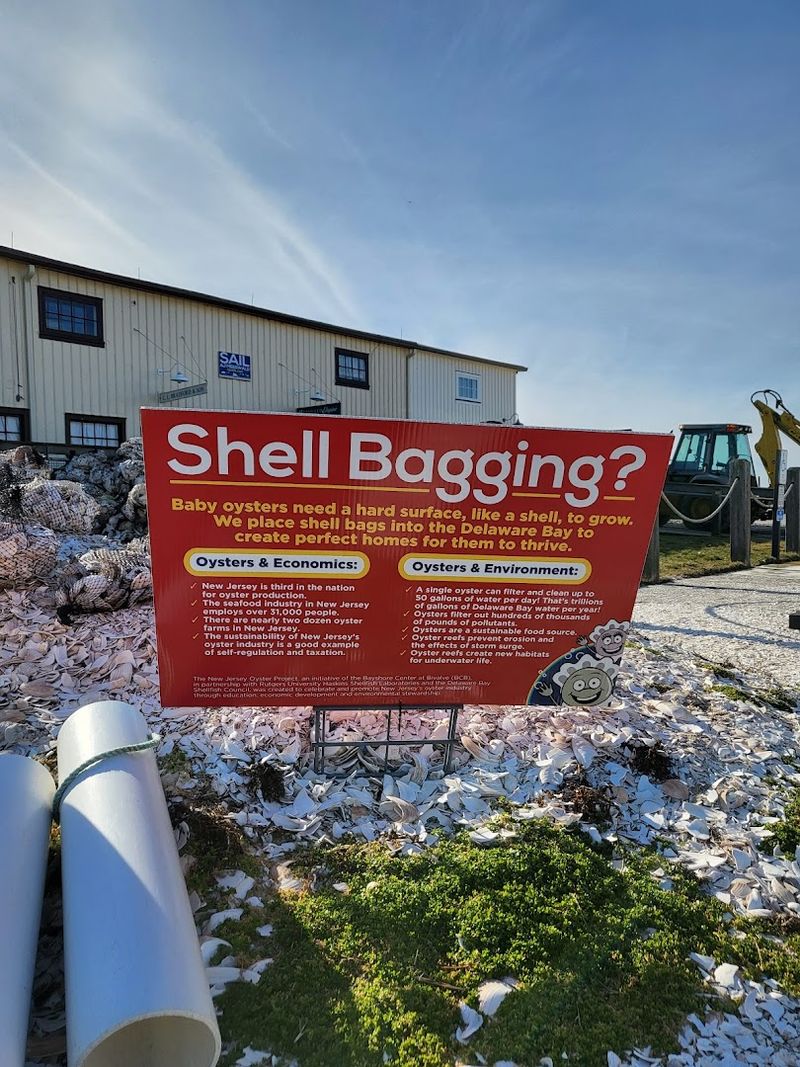
Getting to Bivalve requires a bit of intention, which is part of what makes arriving there feel like a reward.
The town sits in Commercial Township in Cumberland County, tucked along the Maurice River in a part of New Jersey that most people have never explored.
The drive in takes you through wide-open marshland that already starts telling you something about the character of this place.
The Bayshore Center at Bivalve is the main hub for visitors, and it is worth checking their schedule before you go since programs and ship tours run on specific dates. Bringing a cooler is a smart move if you plan to pick up fresh oysters from the Bivalve Packing Company while you are in the area.
A little planning goes a long way toward making the most of the trip.
Wear comfortable shoes, bring a camera, and give yourself more time than you think you will need. Bivalve has a way of pulling you in slowly, and before long you will find yourself lingering at the waterfront long after you planned to leave.
Address: Commercial Township, NJ 08349
