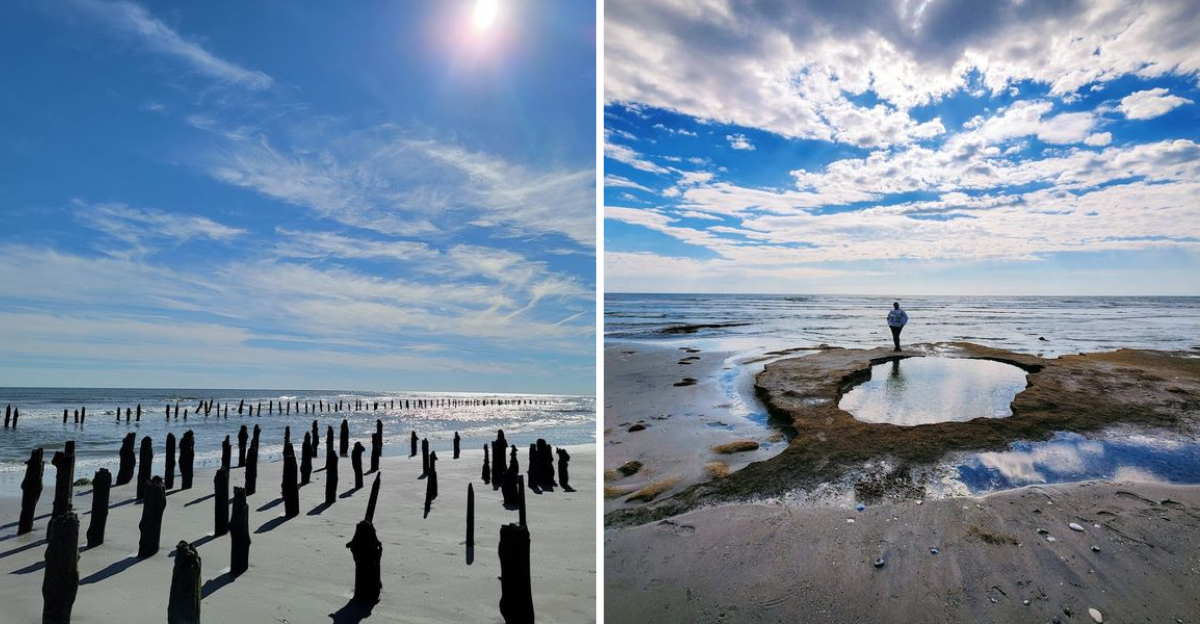
The slot machines fade. The salt wind takes over.
Fifteen minutes north of Atlantic City, a different New Jersey waits.
The dunes shift with every storm. The ocean crashes without a single souvenir shop in sight.
Endangered birds nest in the sand here, and the only rooftop bar is a osprey nest on a wooden pole.
No boardwalk. No french fries.
Just the hush of beach grass and the endless roar of the Atlantic.
You can hear your own heartbeat out here. That is how wild this place feels.
The casinos will still be blinking when you get back. Go see the real Jersey first.
The Dunes That Make You Question Everything You Know About New Jersey
Most people picture New Jersey beaches as crowded boardwalks lined with fried food stands. North Brigantine Natural Area has a completely different personality.
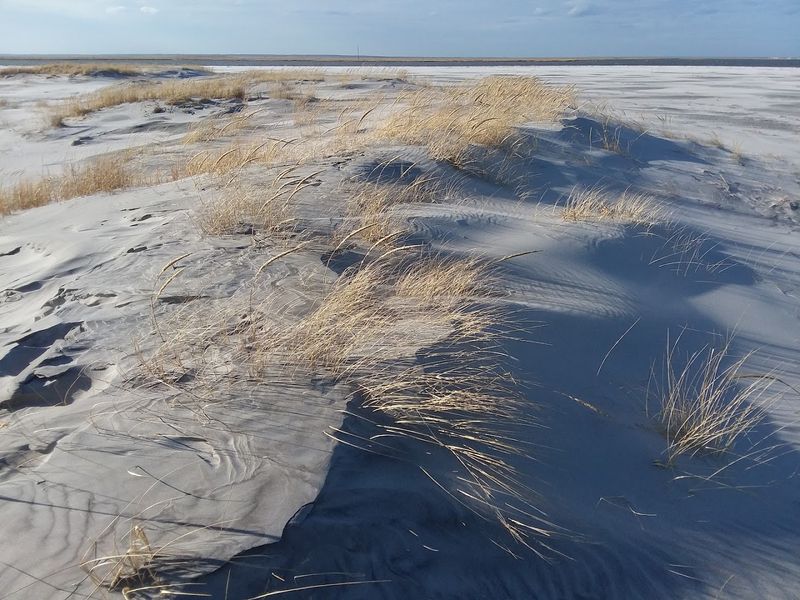
The dunes here are towering, wind-sculpted ridges of sand that stretch for roughly 2.5 miles along the northern tip of Brigantine Island.
Walking along the base of these dunes feels almost prehistoric. Sea oats and beach grass cling to the slopes, holding everything together in a fragile but determined grip.
The shapes shift with every storm, so no two visits ever look exactly the same.
What really catches you off guard is the silence. There are no food trucks parked nearby, no lifeguard whistles, no beach umbrellas crowding your view.
Just sand piled high against an enormous sky. The dunes act as a natural wall between the ocean and the marshland behind them, creating this layered landscape that genuinely rewards anyone who takes a slow walk and actually pays attention to their surroundings.
Birdwatching Heaven on the Jersey Shore
Birders have been quietly keeping this spot to themselves for years.
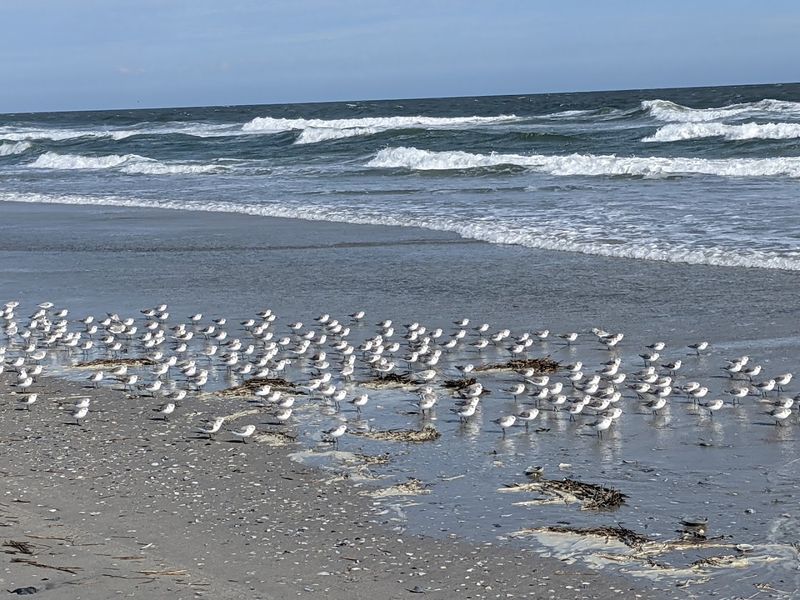
North Brigantine Natural Area is one of the few places along the New Jersey coast where you can reliably spot piping plovers, red knots, and dozens of other shorebird species without having to compete with beach crowds for viewing space.
The mix of open beach, tidal marsh, and maritime shrubland creates several different habitat types packed into a small area. That variety is exactly what draws such a wide range of birds.
During migration season, the numbers can be genuinely jaw-dropping.
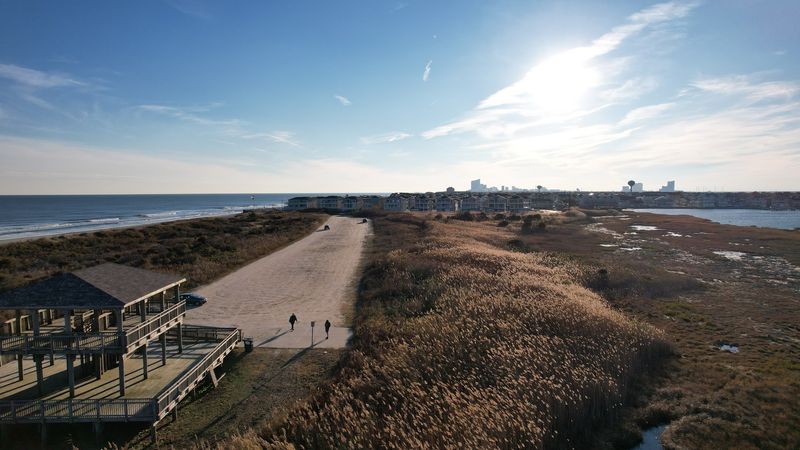
A two-story observation pavilion sits near the entrance, offering elevated views over the marshes and the ocean side simultaneously. Bring binoculars because the birds do not always cooperate by standing close to the path.
Early morning visits tend to be the most rewarding, when the light is soft and the beach is nearly empty. Serious birders often call this stretch of coast one of South Jersey’s most underrated wildlife destinations.
The Brigantine Inlet Lookout Trail Worth Every Step
Five point eight miles sounds like a commitment, but the Brigantine Inlet Lookout trail earns every single step.
The loop takes you through some of the most varied coastal scenery available anywhere in South Jersey, moving between open beach, sheltered dune paths, and marsh-edge views that feel genuinely remote.
The trail is not technical or difficult. It rewards a comfortable walking pace, the kind where you stop often and just look around.
Halfway through, the inlet opens up ahead of you and the view stretches all the way across to Ocean County.
There is something satisfying about reaching the northern tip of the island on foot and realizing how far you have actually walked from the parking area. The return leg along the bay side offers completely different scenery than the ocean side, which keeps the whole loop feeling fresh.
Pack water and wear sunscreen because shade is limited and the sun reflects off the sand in a way that sneaks up on you quickly.
Surf Fishing at the Edge of the Island
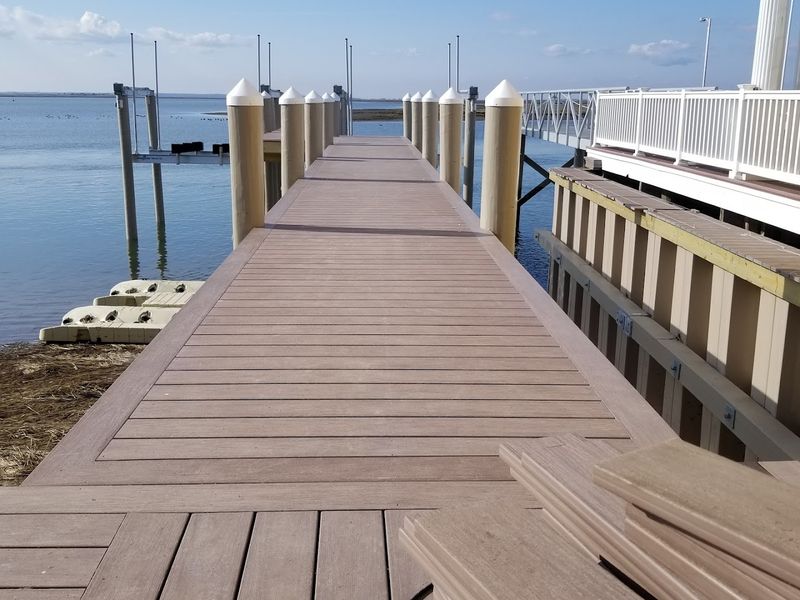
Fishing at North Brigantine feels like a completely different sport than fishing at a crowded public beach. The natural area’s remote stretch of shoreline means you are often casting into water that sees far less pressure than the popular spots further south.
That tends to make a real difference in what you pull up.
Striped bass, bluefish, and flounder are all common targets along this stretch of coast. The inlet area at the northern tip is especially productive during tidal changes, when baitfish concentrate and larger predators follow.
Experienced surf casters know to time their visits accordingly.
Vehicle permits are required for driving onto the beach, and they are limited. Getting there on foot is absolutely possible and often more peaceful.
The walk itself becomes part of the experience, carrying gear across the dunes with the sound of the ocean getting louder with each step. Permits can be arranged in advance through the state park system, and planning ahead makes the whole trip run much more smoothly.
Tidal Marshes That Look Like a Painting
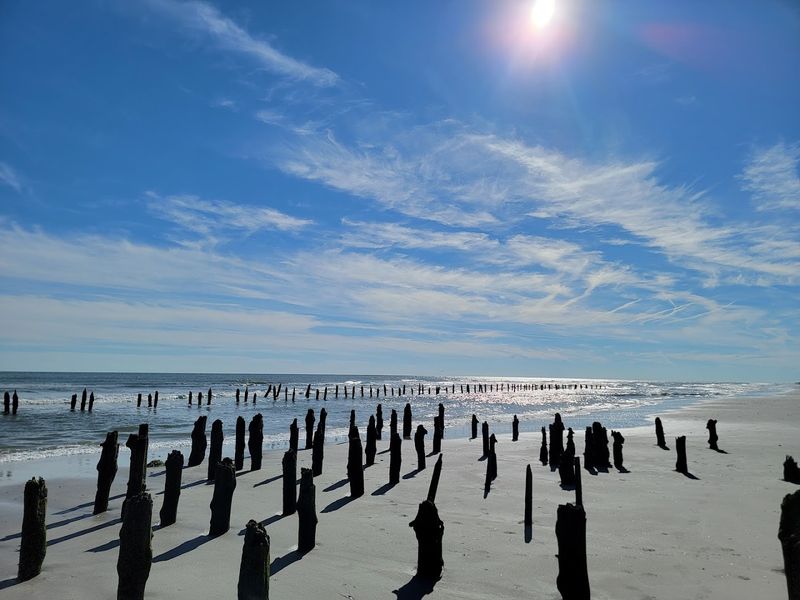
Standing on the observation tower and looking out over the marshes is one of those moments that makes you reach for your phone immediately, not to scroll, but to take a photo.
The cordgrass stretches in every direction in shades of green that shift depending on the season and the light.
Tidal marshes like these are among the most productive ecosystems on the planet. They filter water, store carbon, protect the shoreline from storm surge, and provide nursery habitat for fish and shellfish that eventually end up on dinner plates across the region.
Seeing all of that wild productivity from a wooden platform is quietly humbling.
Fall is a particularly striking time to visit. The grasses turn gold and amber, and the bird activity picks up dramatically as migratory species pass through.
Spring brings a different kind of energy, with nesting activity ramping up and the whole landscape turning vivid green almost overnight. Either season offers something genuinely memorable for anyone willing to slow down and look.
The Wild Beach Where Swimming Is Not the Point
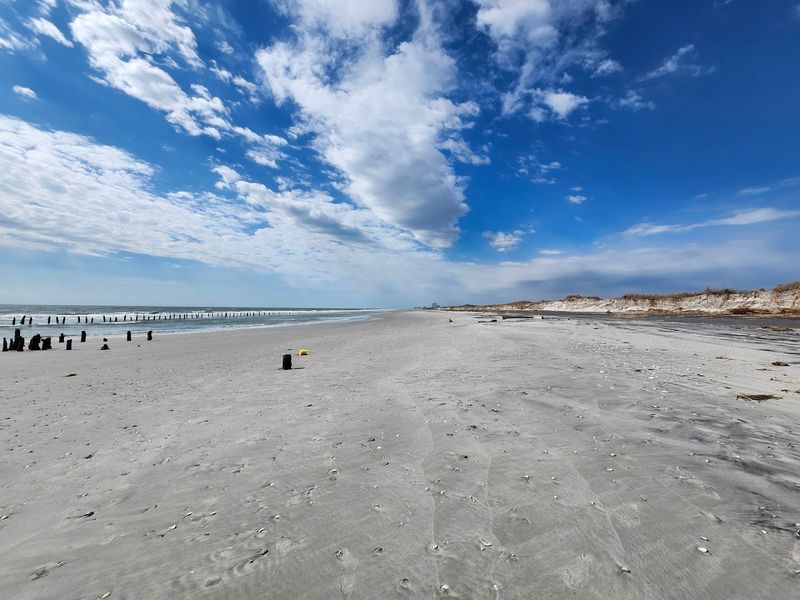
Swimming is not permitted at North Brigantine, and somehow that rule makes the whole beach feel more interesting.
Without the typical beach setup of swimmers and lifeguard chairs, the shoreline becomes something else entirely, a place for walking, beachcombing, watching, and simply existing near the ocean.
Beachcombers find some genuinely good stuff here. Driftwood in unusual shapes, crab shells, sea glass, and the occasional horseshoe crab mold all wash up along this stretch.
The beach does not get raked or groomed, so whatever the tide brings stays until the next tide takes it away.
Walking south from the entrance, the beach gradually empties out until it feels like you have the whole coastline to yourself. The waves are the same Atlantic Ocean waves as everywhere else along the Shore, but something about the absence of crowds makes them sound louder and look bigger.
This is the kind of beach that reminds you what the coast actually felt like before it got popular.
Maritime Forest Hidden Behind the Dunes
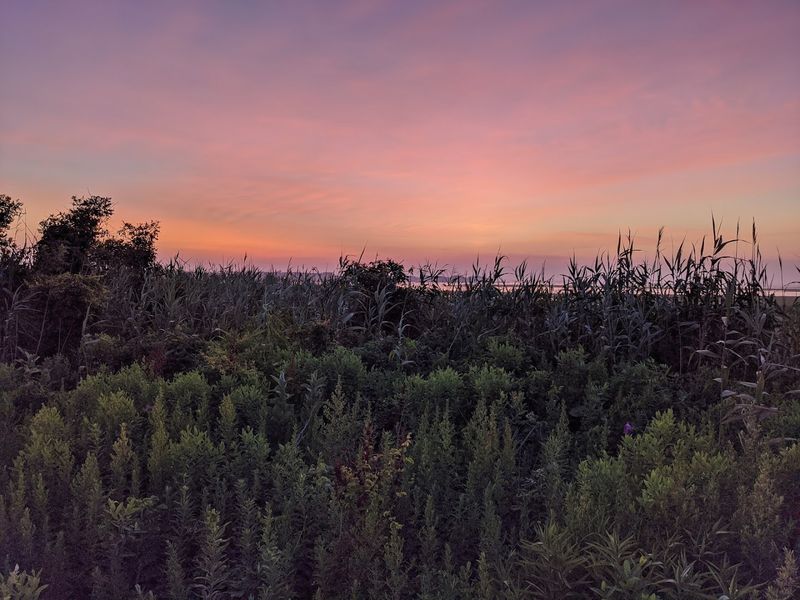
Most visitors focus on the beach and miss what is happening just behind the dune line.
A compact maritime forest of stunted holly, bayberry, and beach plum grows in the shelter of the dunes, shaped by decades of salt wind into low, dense tangles that look almost sculptural.
This kind of coastal shrubland is increasingly rare along the developed Jersey Shore. North Brigantine protects one of the better examples of it, and walking near the forest edge gives you a totally different sensory experience than the open beach.
The air smells different, earthier and slightly sweet from the bayberry.
Small songbirds use this habitat heavily, especially during migration, when the dense cover offers shelter and food. Yellow warblers, catbirds, and yellow-rumped warblers are all regulars here in season.
The maritime forest is not a destination most visitors plan for, but it consistently surprises people who wander close enough to really take it in. It adds a layer to the natural area that most coastal parks simply do not have.
Rare Species and the Quiet Work of Conservation
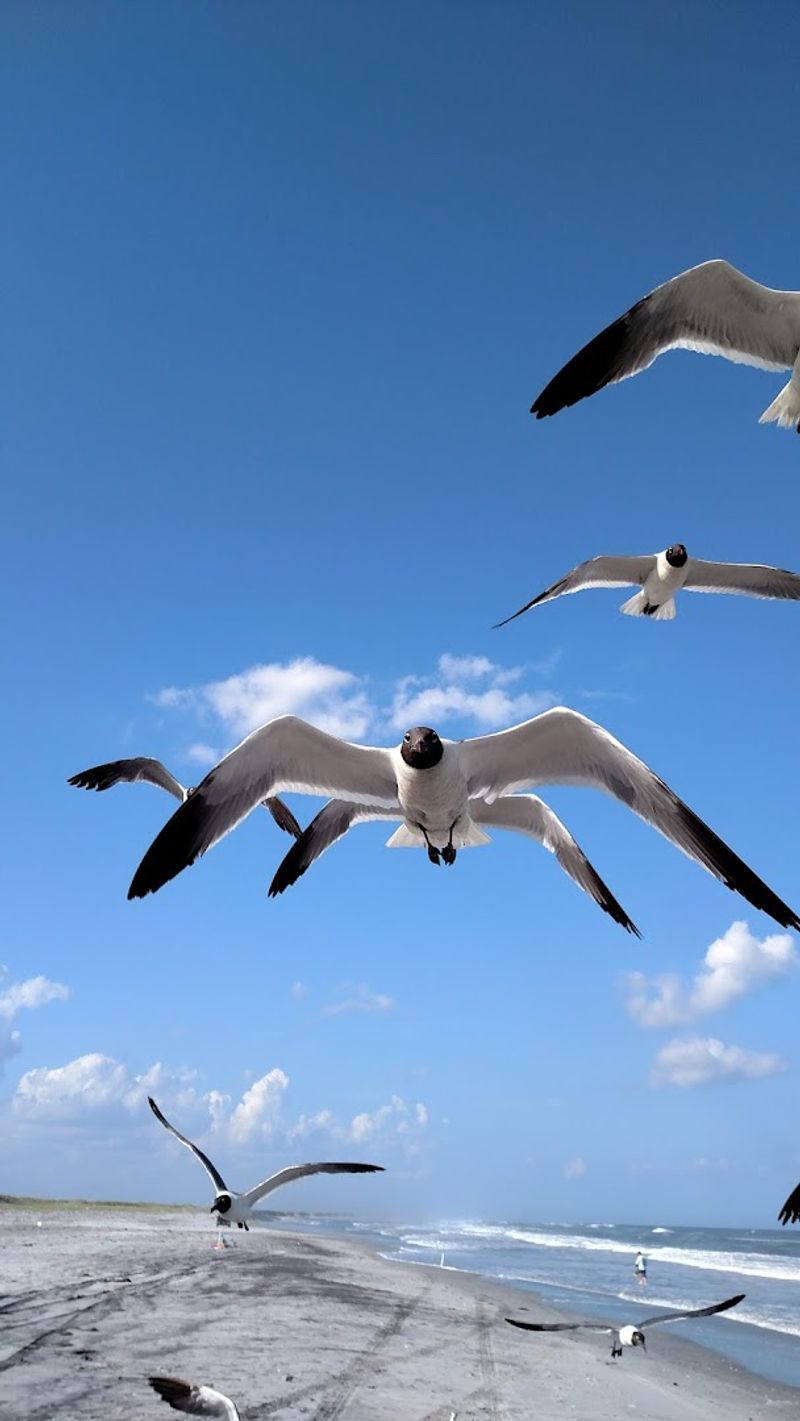
North Brigantine Natural Area is not just a pretty place to walk.
It is active habitat for species that are genuinely struggling to survive, including the piping plover and the red knot, both of which depend on undisturbed sandy beaches for nesting and feeding during critical parts of their life cycles.
The restrictions that sometimes frustrate visitors, like the seasonal dog ban from April through mid-September, exist specifically to protect these animals during their most vulnerable periods. Those rules are part of why the natural area still functions as real wildlife habitat rather than just a scenic backdrop.
Red knots are particularly remarkable birds. They make one of the longest migrations of any animal on Earth, traveling from the tip of South America to the Arctic and back each year.
Seeing one resting on the sand at North Brigantine means you are looking at a creature that has crossed continents. That context changes how the whole place feels, less like a park and more like a critical stop on an ancient route.
The Observation Tower View That Stops You Cold
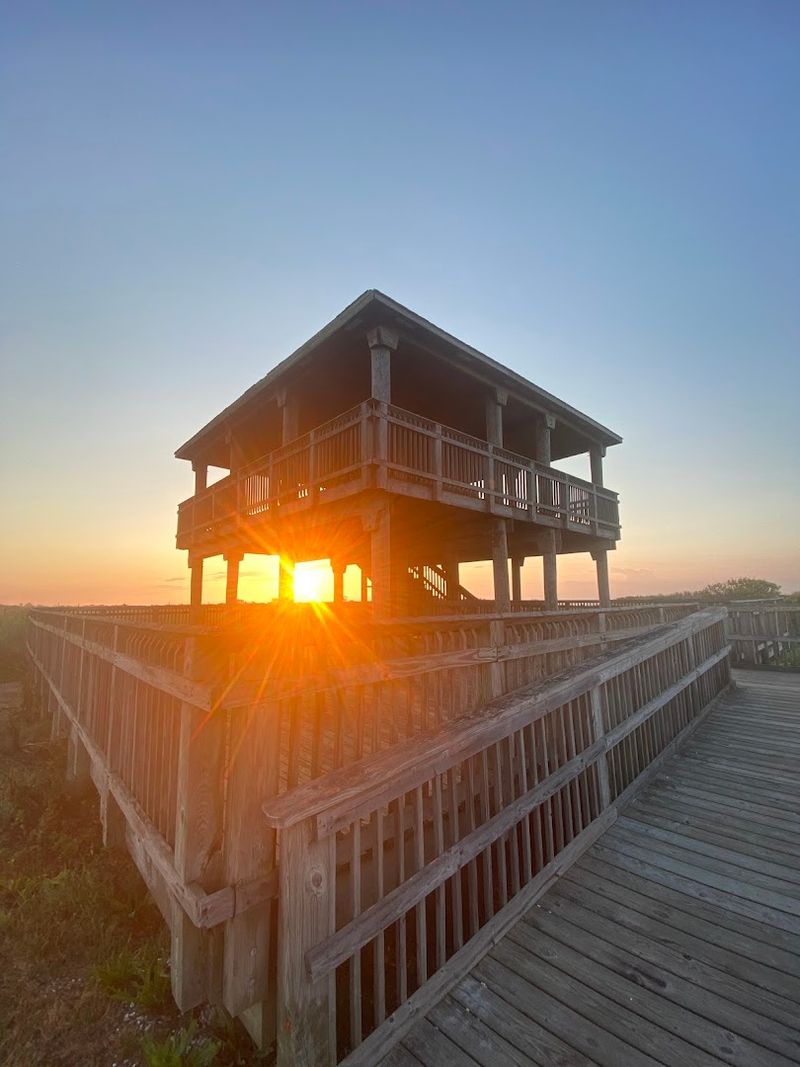
Some views need a little elevation to fully land, and the two-story observation pavilion at North Brigantine delivers exactly that. Climbing to the upper level and turning to face the marsh, the sense of scale shifts dramatically.
What looked like a patch of grass from the parking area reveals itself as miles of interconnected wetland stretching toward the bay.
The ocean side is visible from the same platform, which means you can scan both the Atlantic and the marsh in a single slow rotation. On a clear day, the contrast between the deep blue of the open water and the layered greens of the marsh is almost disorienting in the best way.
Sunrise visits are worth the early alarm. The light comes in low and warm from the east, catching the tops of the cordgrass and turning the water in the marsh channels a deep orange.
Photographers who know about this spot come back repeatedly. The view changes enough with the seasons and the time of day that it never quite repeats itself.
Only 15 Minutes From Atlantic City But a World Away
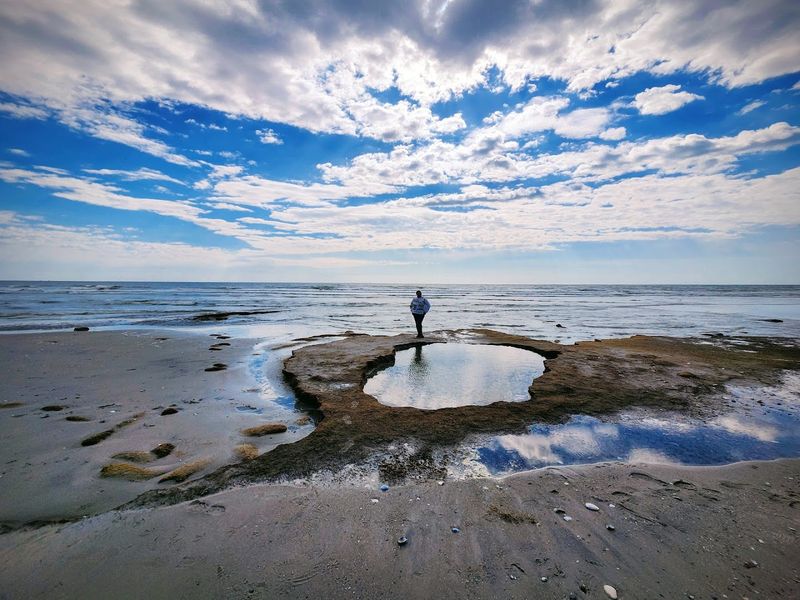
The proximity to Atlantic City is genuinely hard to wrap your head around until you experience it. Drive fifteen minutes south and you are surrounded by casinos, entertainment venues, and busy boardwalk energy.
Drive fifteen minutes north and you are standing on a beach that looks like it has never been developed at all.
That contrast is what makes North Brigantine feel so unusual. It is not remote in the way that requires a long drive or special planning.
The wildness here is just sitting there, right next to one of the most densely visited resort areas on the East Coast, waiting for anyone curious enough to make the short trip.
Brigantine City itself is a quiet residential island with a strong local character and good seafood options nearby for before or after your visit. The natural area fits naturally into a day that might also include a walk through town or a meal at a local spot.
The address to keep on hand: Address: Brigantine, NJ 08203.
