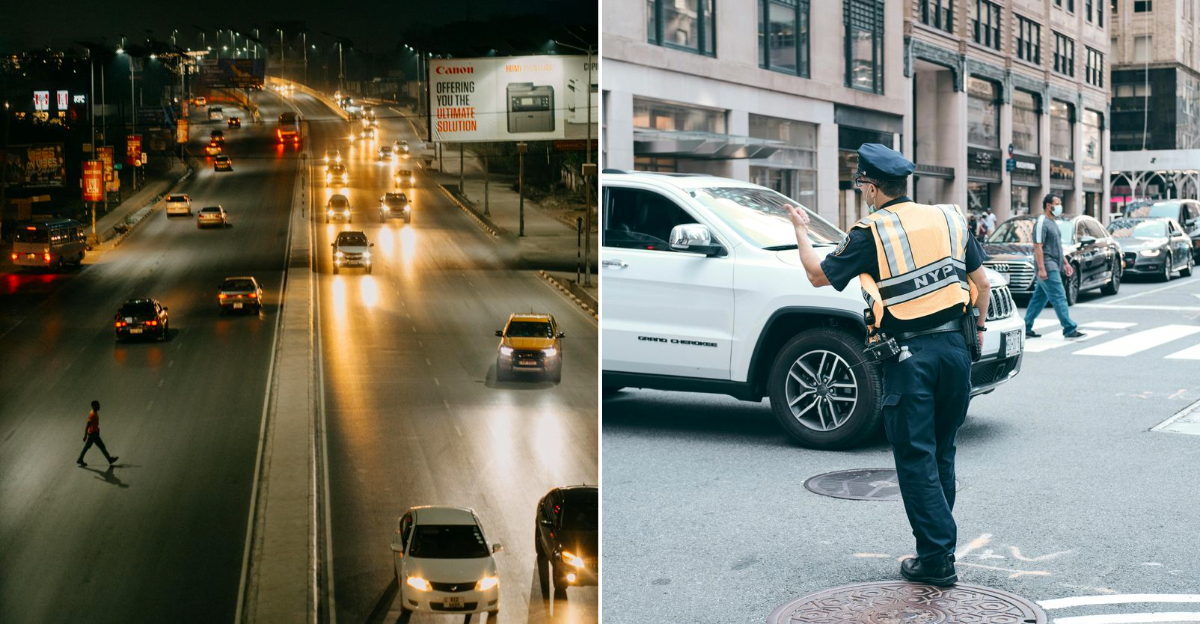
Would you believe a simple everyday habit can feel totally different once you do it in New York City? What seems casual in most places can turn into a regulated, watched, or politely corrected behavior the moment you step onto a packed sidewalk or subway platform.
This particular rule catches visitors off guard because it targets something people do without a second thought. It grew out of crowd control, safety concerns, and the city’s obsession with keeping millions of people moving without friction.
Local codes, posted signs, and building policies all add layers that make the habit feel more serious here than anywhere else.
Many tourists assume it is just a rumor or an old urban legend until a staff member points to a sign or an official offers a quick reminder.
In a city where space is tight and etiquette keeps the machine running, even small actions get special treatment. Knowing this rule ahead of time can save confusion, awkward moments, and a classic New York lesson in city behavior.
The Jaywalk Move New York City Stopped Ticketing
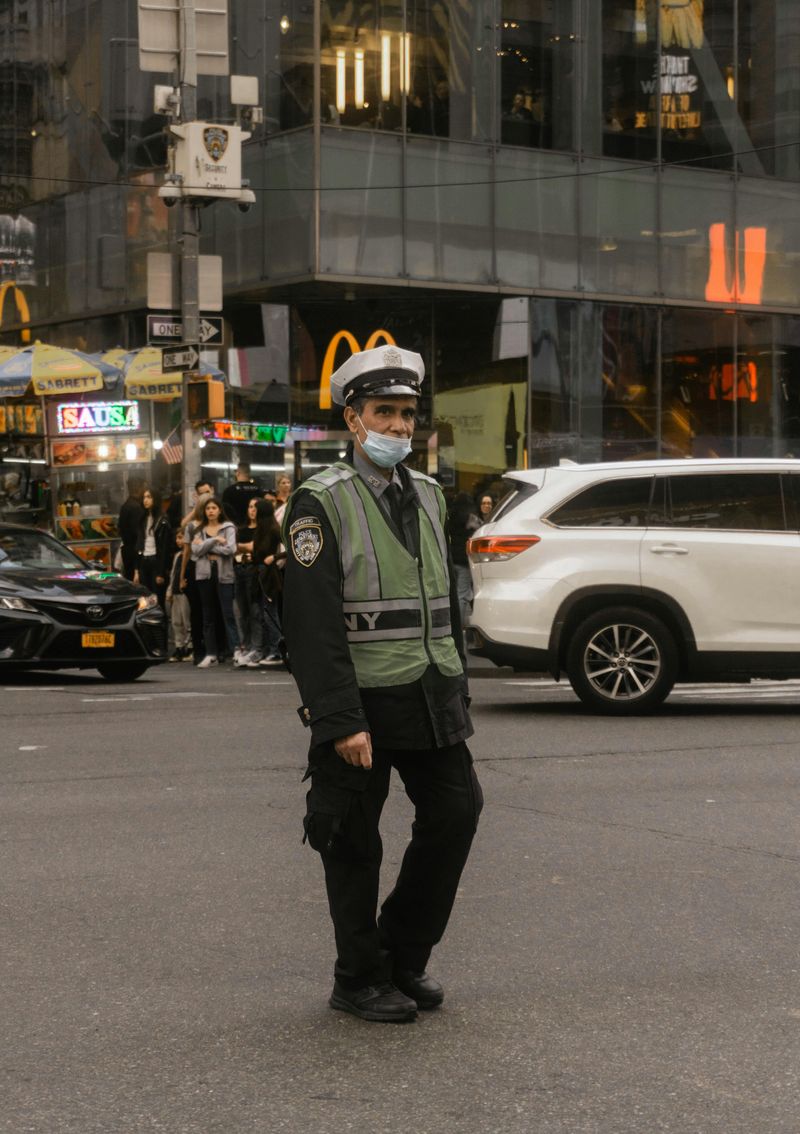
You know that little midblock hop people do when the light is way down the block and traffic has a gap? In New York City, that move is no longer the thing cops write you up for the way they used to.
It is not a hall pass to wander into moving traffic with headphones blasting.
Think of it more like the city saying the behavior itself is common, but safety still rules the moment.
The streets set the real terms. You look up, you read the lanes, and you only go when the gap is honest.
It feels different in the flow of Midtown and the calmer edges of the Village. The pressure of a ticket is gone, but the expectation to be alert sticks harder.
If a car has the right of way, that still matters. If you cause a mess, the law can still find a way to make it your problem.
This is about New York City adjusting to how people actually move.
It is not New York State saying everybody should copy the habit.
So watch for drivers locking eyes at the last second. Watch for bikes and delivery scooters sliding up the right side like a whisper.
The new vibe is simple. Step only when your gut and the gap both say yes.
How The Rule Redefines Crossing Midblock
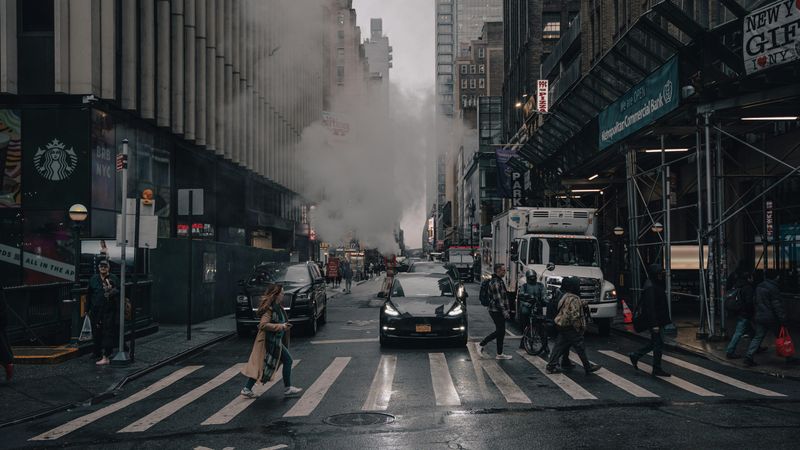
What changed is not the idea that streets are risky, but how the city treats a move that locals have made forever. Crossing between intersections is not an automatic ticket in New York City now.
That shift reframes midblock crossing as a judgment call.
You still yield to vehicles with the light, and you still own your outcome if you misread the flow.
Think of it like the city trusting you a bit more. Trust cuts both ways out here.
Cars and bikes are reading you too. They expect a clear signal from your body language, not a surprise lunge.
So you pause with purpose. You angle your shoulders toward the gap, and you commit when it is clean.
It feels less like breaking a rule and more like negotiating space.
You are not celebrating anything, you are just moving smart.
New York State still has its broader traffic rules, and drivers know them cold. That is why you keep their right of way front of mind.
Midblock does not mean middle of danger. It means you are choosing your moment like a local.
Why This “Common Habit” Became A Target
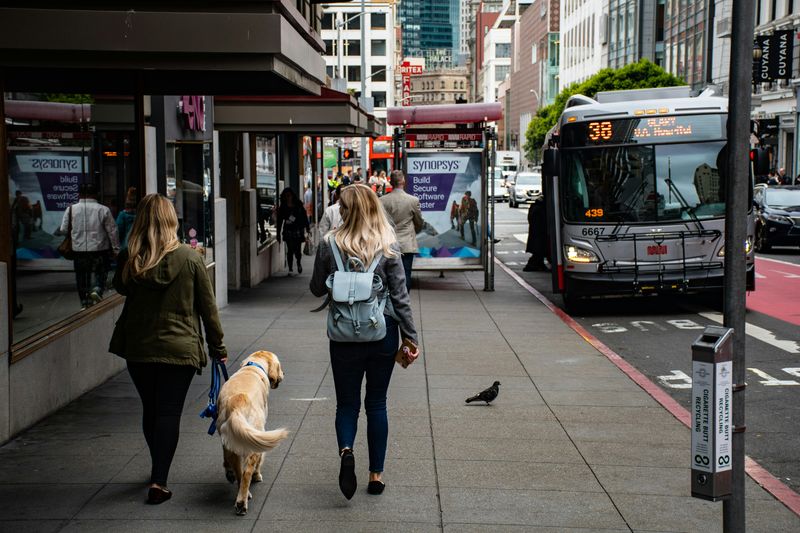
The habit was always visible, so it was an easy lever for enforcement.
You see someone step out, you stop them, you have a reason to start a conversation.
That setup created tension on busy corridors. It also did not necessarily make the streets safer, because the real crash patterns were not tied to careful midblock pauses.
So the conversation shifted toward actual risk. The city weighed where enforcement changes would do the most good.
Ticketing the everyday shuffle started to look like noise. Education, better signal timing, and street design began to feel like the signal.
Think curb extensions and daylighted corners. Think repainting crosswalks so drivers do not pretend they are optional.
The habit stayed common because it fit how people move between subway entrances, storefronts, and office lobbies.
You shave some steps, you save a light cycle, you keep the day moving.
Now the idea is to spend energy on the dangerous stuff. That puts midblock crossing into a different column.
The target shifted from the person taking a careful gap to the patterns that actually break bones. That is where New York should keep pushing.
Tickets Are Gone, Risk Still Isn’t
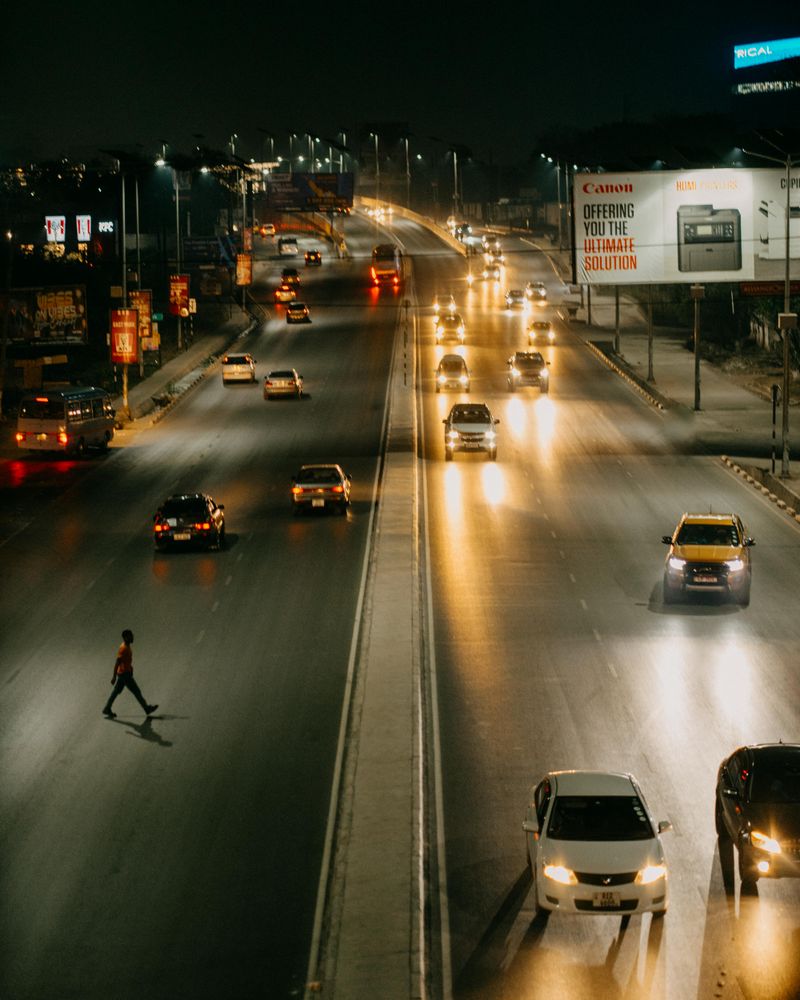
Here is the part that matters most when your shoes hit the curb. No ticket does not mean no danger.
Cars carry momentum that does not care about your schedule. Bikes arrive fast and quiet, especially in protected lanes or right at the parked car line.
You pick your head up and scan. You look for a second wave after the first cars clear.
At night the calculation shifts. Reflections wobble on wet paint, and depth gets weird.
If a driver owns the green, they are not expecting you.
You do not win a contest with a bumper, even in New York.
So you wait for space that feels generous, not barely enough. If it is tight, it is wrong.
This is not about fear. It is about rhythm and choosing windows that love you back.
New York City taught me that lesson the real way. New York State taught me to respect the rulebook too.
What Pedestrians Still Owe Drivers
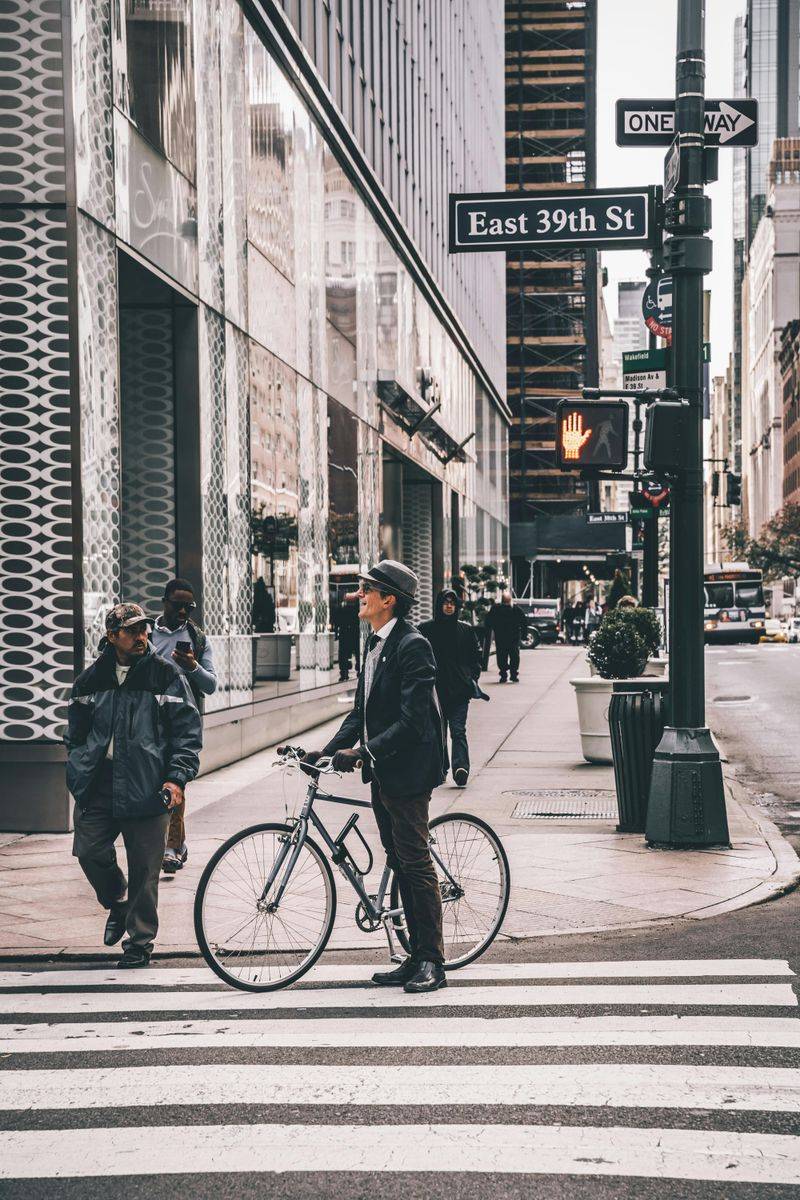
Even with the ticket pressure off, you still owe clarity. Drivers need to read your move like a headline, not a plot twist.
Face the lane you are crossing and show intention.
Do not drift diagonally like a leaf in a breeze.
When a driver has the right of way, you hold back. That rule has not changed in New York City or anywhere in New York State.
Bikes have their own momentum and their own signals. You watch the lane and treat it like traffic, because it is.
Give yourself room to stop if the vibe changes. That means no last second flinches either.
When you go, go fully and cleanly. Do not stop mid-lane to answer a text or rethink your life choices.
Eye contact is the oldest safety tool on the street.
One look can settle who moves first without a word.
You are sharing a living room made of asphalt and paint. Act like a good guest and you will usually be fine.
How Enforcement Worked Before The Change
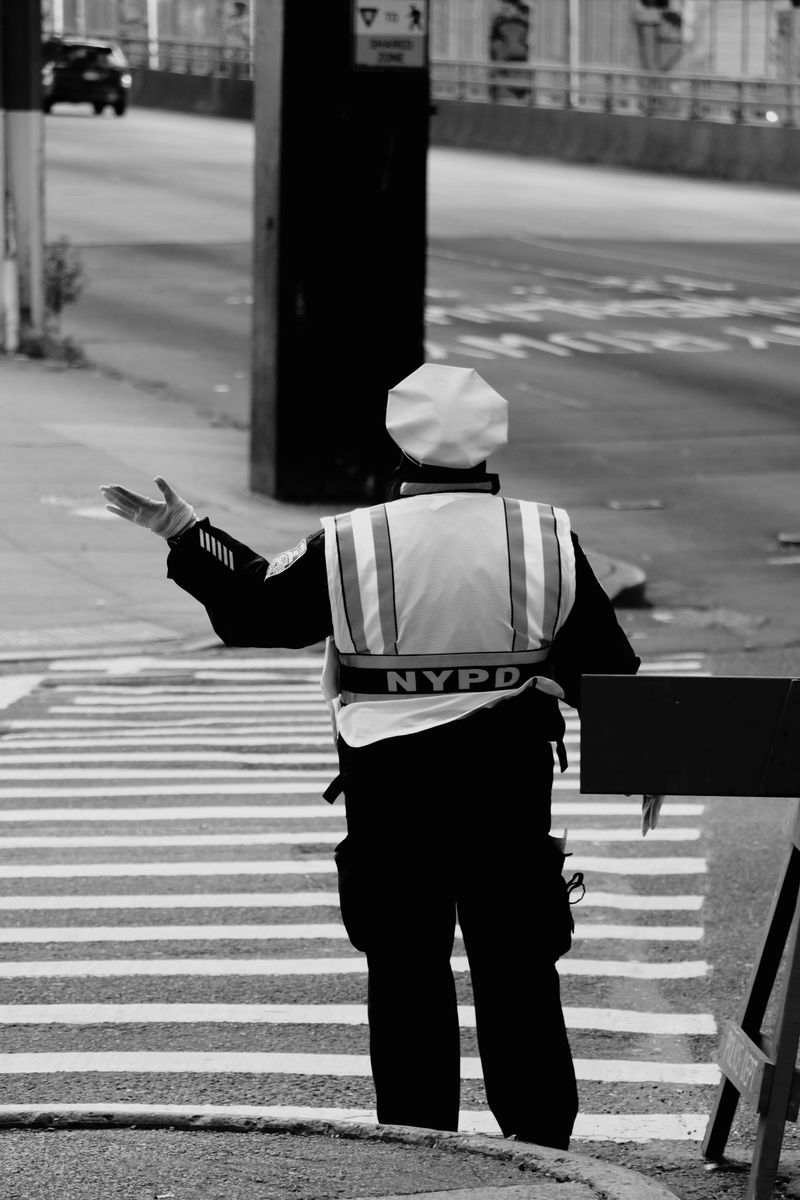
Back before the shift, you could get stopped for crossing outside the lines, especially on busy avenues. It was a quick, visible kind of enforcement.
Officers would watch the surge between lights and step in.
The stop could lead to a warning or a ticket, and sometimes a longer chat.
It felt like the street version of a speed trap. Locals learned to read corners where attention ran high.
The trouble was, it did not line up cleanly with crash patterns. The biggest harm came from fast turns, failure to yield, and messy visibility.
So the pressure moved toward driver behavior and design fixes. That is where the curve starts to bend.
Do not get me wrong, the old habit never died.
People just got better at the timing and the eye contact.
The change took away the gotcha moment for careful crossers. It left room for focusing on outcomes instead of reflex stops.
New York City is good at course corrections when the data nags. New York State keeps the backdrop steady while the city experiments.
Where It Feels Most Real In Manhattan
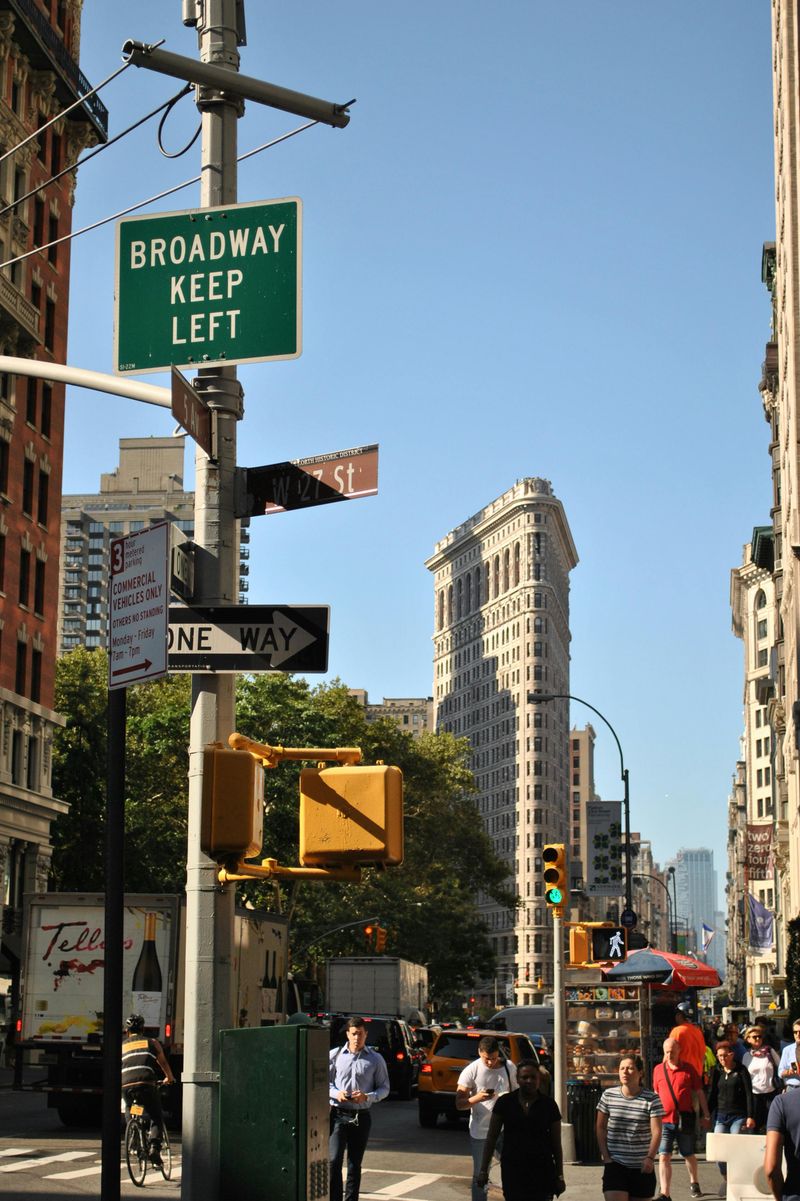
If you want to feel the change in your bones, stand on Broadway near Herald Square and watch the midblock dances. People chart straight lines between store doors and subway stairs like it is choreography.
Lexington Avenue delivers a different tempo.
The blocks stretch longer, buses breathe down the lane, and the gaps arrive like calm between waves.
In the Flatiron, the angles mess with sightlines. You learn to look twice across those funny intersections.
SoHo brings the slow roll of cars and the quick step of shoppers. Delivery trucks turn the curb into a shifting wall.
The West Side near Columbus Circle throws bikes into the mix.
Protected lanes make traffic feel layered, not linear.
On side streets by Gramercy, it goes quieter. That quiet can trick you into lazy reads.
Midtown never stops testing your timing. The gaps reward patience more than nerve.
This is Manhattan teaching by repetition. The law sets the stage, but the street shows you the script.
When You Can Still Get In Trouble
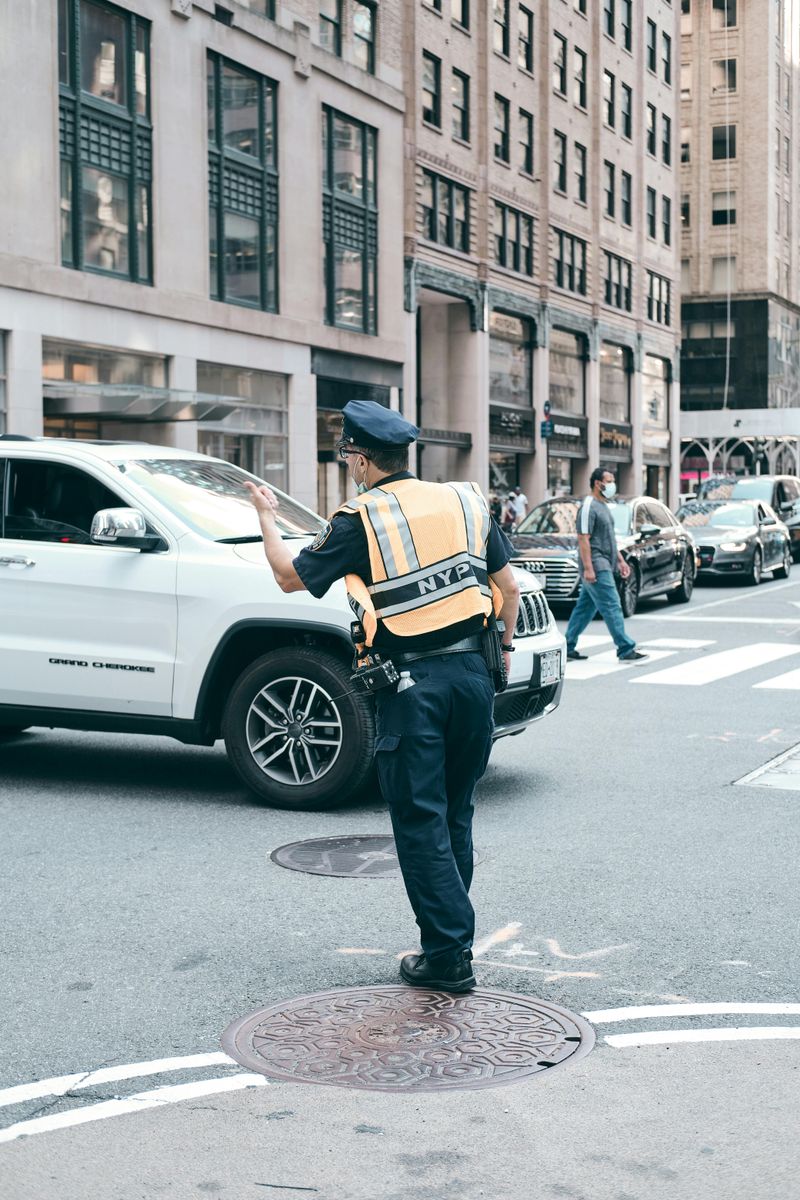
There are still ways to turn a casual crossing into a headache. Step into a lane when a driver clearly owns the right of way, and things can escalate fast.
If your move forces a car or bike to brake hard, you are not in the clear.
Causing a near miss can count against you if something goes wrong.
Ignore a traffic officer waving you back, and you will hear about it. That falls under a different kind of rule.
Blocking emergency vehicles is never a gray area. If sirens are bearing down, you freeze the plan and get out of the way.
Reckless is still reckless, and the label follows outcomes. You do not want that label attached to your day.
So pick moments that would look reasonable on video. That is a simple gut check that travels well.
New York City is flexible, not lawless. New York State backs that with broader rules you should respect.
The short version is easy. Cross smart, and the street will usually meet you halfway.
What Visitors Misread About The New Rule
Visitors sometimes hear no tickets and think it is open season. That is not how the street works here.
The rule is lighter on paper, but the dance is stricter in practice.
You carry your own safety like a backpack you never set down.
Times Square teaches the wrong lessons if you let it. The spectacle makes danger feel distant even when it is near.
Locals move on timing, not bravado. They watch buses, then bikes, then the sneaky left turn out of nowhere.
If you are unsure, wait for the crosswalk. Confidence is not worth a limp.
Ask yourself whether the gap would make sense to a driver seeing you for the first time. If the answer is no, reset and breathe.
New York City wants you to enjoy the walk.
New York State wants you to get home in one piece.
The rule is a nudge toward realism. It is not a dare.
A Classic New York Habit, New Status
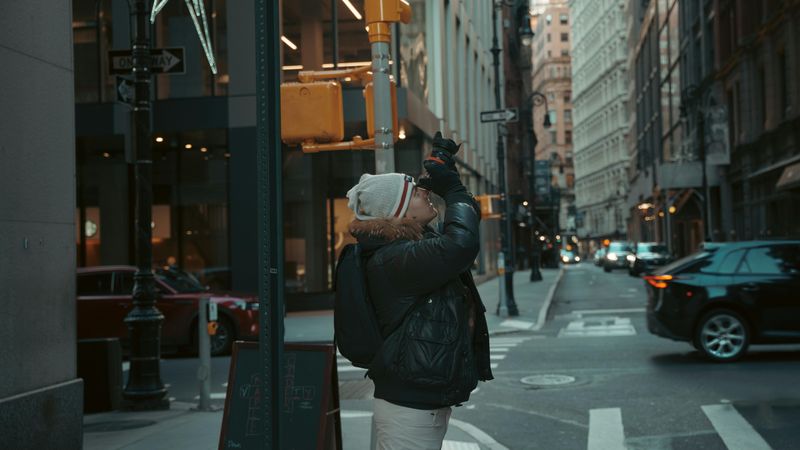
Jaywalking is so New York it might as well have a MetroCard. The city just updated its relationship status with the habit.
Instead of treating it like a crime of character, the system is treating it like a choice that needs care.
That is a healthier frame for a place built on shortcuts and quick reads.
The sidewalks and the lanes will never be tidy here. That is the point and the charm.
This shift asks you to be a better listener. The street talks in brake lights, turn signals, and tiny hesitations.
When those signals line up, you cross with respect and move on. When they do not, you wait and keep your day intact.
It is a small legal tweak that changes the mood of a block. It makes room for common sense to breathe.
New York City grows by testing what works and tossing what does not.
New York State keeps the guardrails in place while that happens.
So bring your shoes and your attention. The habit is welcome, the laziness is not.
Dear Reader: This page may contain affiliate links which may earn a commission if you click through and make a purchase. Our independent journalism is not influenced by any advertiser or commercial initiative unless it is clearly marked as sponsored content. As travel products change, please be sure to reconfirm all details and stay up to date with current events to ensure a safe and successful trip.
