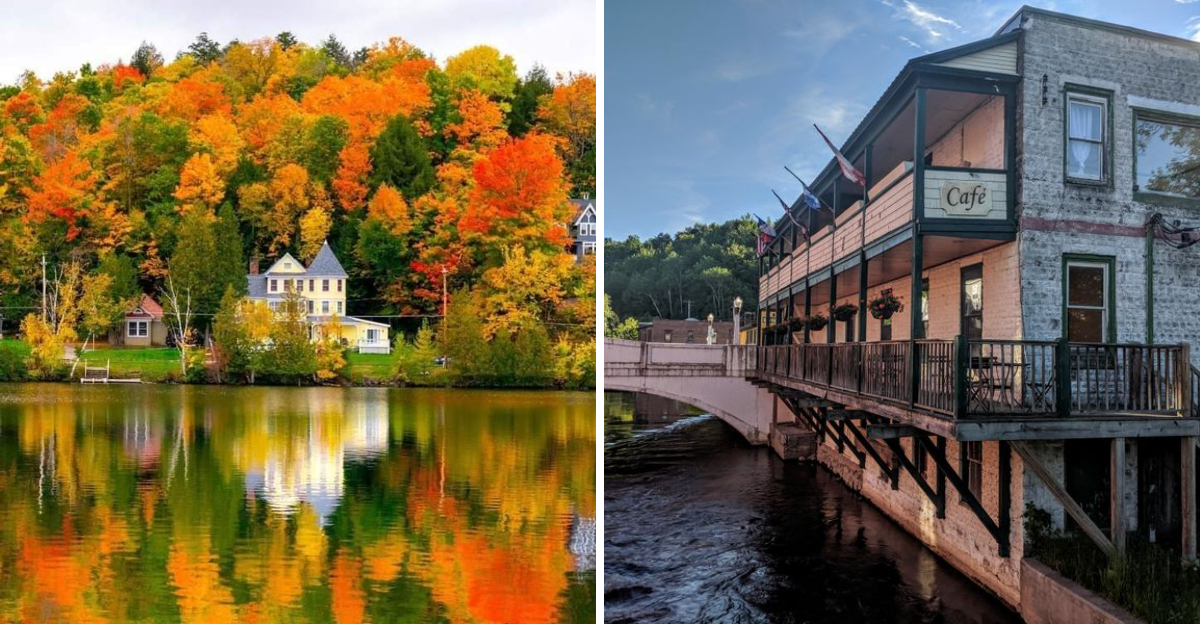
Saranac Lake in New York pulls you in with mountain air, quiet streets, and stories etched into wood and brick. You feel the past here, not as a museum piece, but as a living rhythm that shapes porches, pathways, and community pride. Step closer and the Victorian era is not far away, it is present in the cure cottages, the laboratories, and the winter rituals. Follow along and you will see how this village turned healing into architecture and history into everyday life.
Pioneer Health Resort
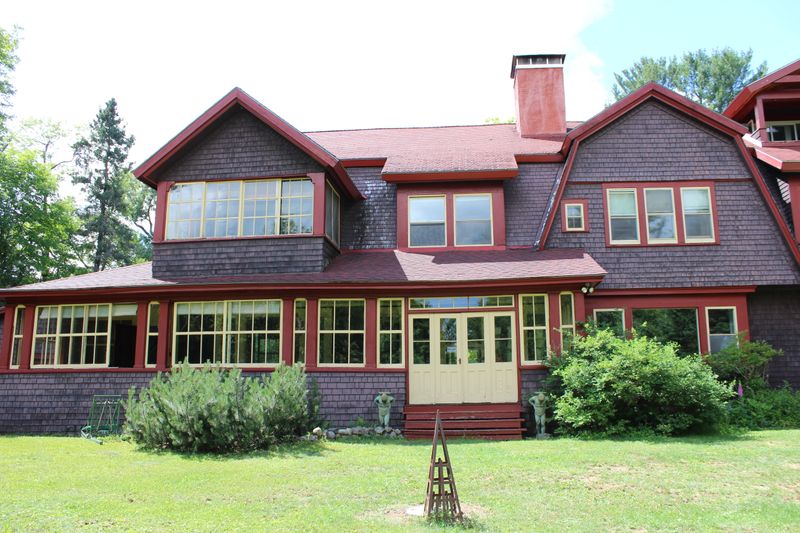
Saranac Lake, New York built its reputation as a mountain refuge where clear air and cold winters shaped a new approach to wellness.
The village, located around 44.325031, -74.131784 in the Adirondack Park, welcomed travelers who came seeking the fresh air cure and found a community organized around rest and recovery.
Walk the blocks near 3 Main Street, Saranac Lake, NY and you will notice deep porches, large windows, and a careful orientation toward light and breeze.
The idea was simple, give patients quiet, sunlight, and steady routine, then let the climate do its work.
Evidence of that approach remains in the rhythm of daily life, where porches feel like outdoor rooms and streets encourage slow pacing.
You can trace this health heritage in the layout of neighborhoods that balance proximity with privacy, a pattern that still guides renovations and zoning conversations.
Local guides and museum exhibits explain how rest hours, measured walks, and temperature management shaped the built environment you see today.
Architectural details tell the same story, from sleeping porches tucked under gables to glazed verandas positioned to catch winter sun without harsh wind.
Even modern businesses use these features, converting airy spaces into studios, galleries, and offices that keep the original character intact.
Across New York, few places hold onto this health resort identity as clearly, and Saranac Lake does it with everyday authenticity rather than staged nostalgia.
Dr. Edward Livingston Trudeau
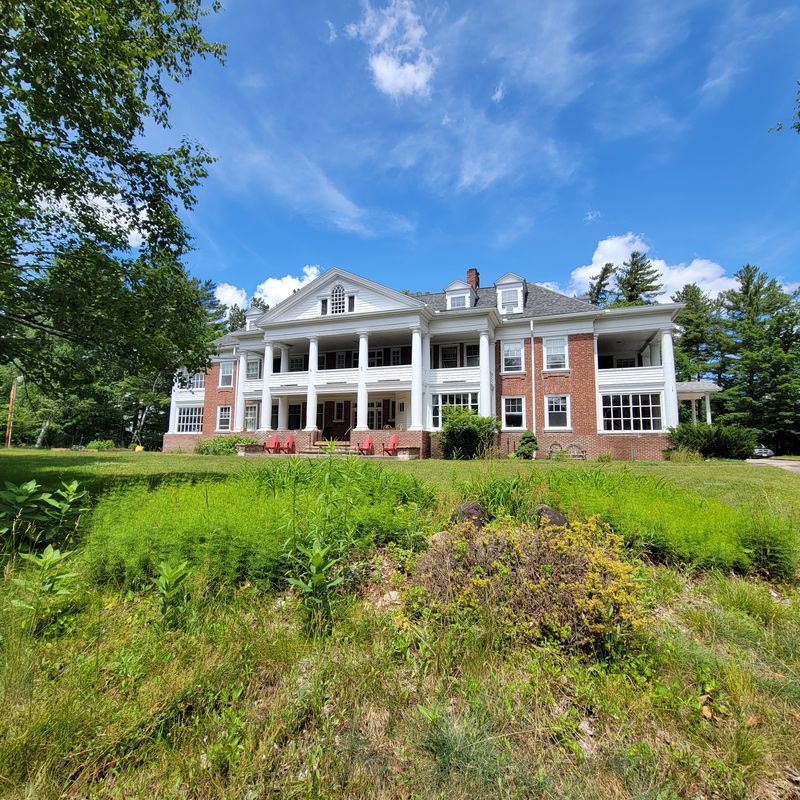
Dr. Edward Livingston Trudeau arrived in Saranac Lake, New York seeking relief in thin, crisp air, then stayed long enough to create a blueprint for modern community care.
He founded the Adirondack Cottage Sanitarium, later known as Trudeau Sanatorium, and built a network of cottages that turned medical theory into daily routine.
You can orient yourself at 89 Church Street, Saranac Lake, NY, where historical markers and exhibits help connect names, dates, and places to the streets around you.
Trudeau championed rest, cold air, and precise observation, a trio that sounds simple yet transformed outcomes for many patients.
The village grew alongside his work, weaving laboratories, cottages, and support services into a flexible system that scaled with need.
Trudeau also nurtured research, training, and a culture of compassion that still feels present in how locals talk about their neighborhood.
His legacy is visible in the way boards and shingles meet glass and porch screens, revealing the medical logic inside design choices.
Guided walks highlight how Trudeau’s ideas moved from single structures to a whole town that functioned as a campus.
You sense that continuity when you pass by former patient houses that now serve as homes and workplaces without losing their layered history.
In New York, Trudeau’s name remains linked with Saranac Lake, and here the connection reads less like a monument and more like a living thread.
Cure Cottages Architecture
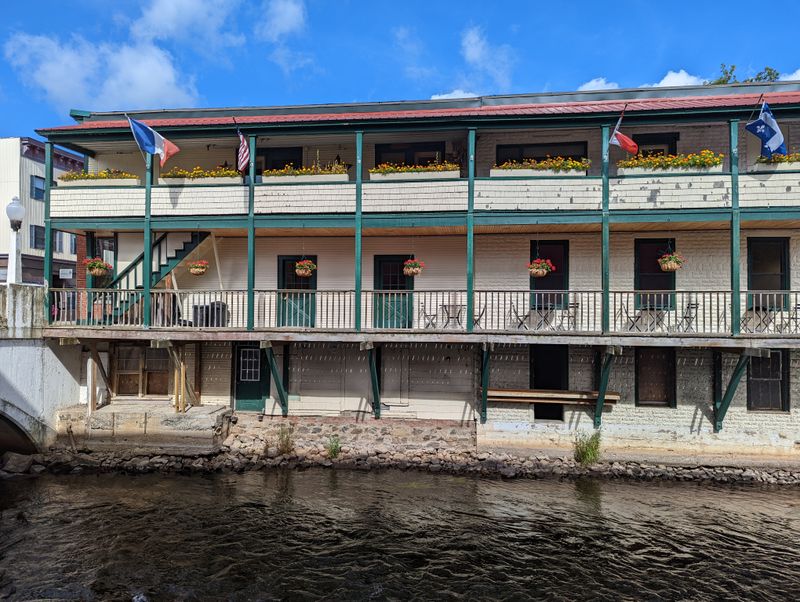
The cure cottages of Saranac Lake, New York are easy to spot, even for first time visitors, because the porches look like sunrooms designed for stillness.
Glassed in verandas, broad eaves, and angled seating show how patients once rested outdoors in comfort through all seasons.
Many examples stand near Helen Hill and on streets branching from 3 Main Street, Saranac Lake, NY, where you can compare porch proportions and window patterns.
Design choices favored warmth without stuffiness, good airflow without drafts, and quiet without isolation.
Builders mixed local materials with practical layouts, creating houses that look graceful and feel intentional down to the latch and screen.
Some cottages use multi level porches so multiple rooms connect to fresh air without sharing interior hallways.
Others place sleeping porches just off bedrooms, with sliding doors that made day and night transitions easy.
You may notice how railings, glazing, and trim vary block to block, which reflects personal needs and the evolving advice of local physicians.
Today many cottages remain homes, studios, and guesthouses, still catching morning light and mountain breezes as they were built to do.
This architecture tells a story of care turned into carpentry, and it is a story New York preserves here with unusual completeness.
Robert Louis Stevenson’s Winter
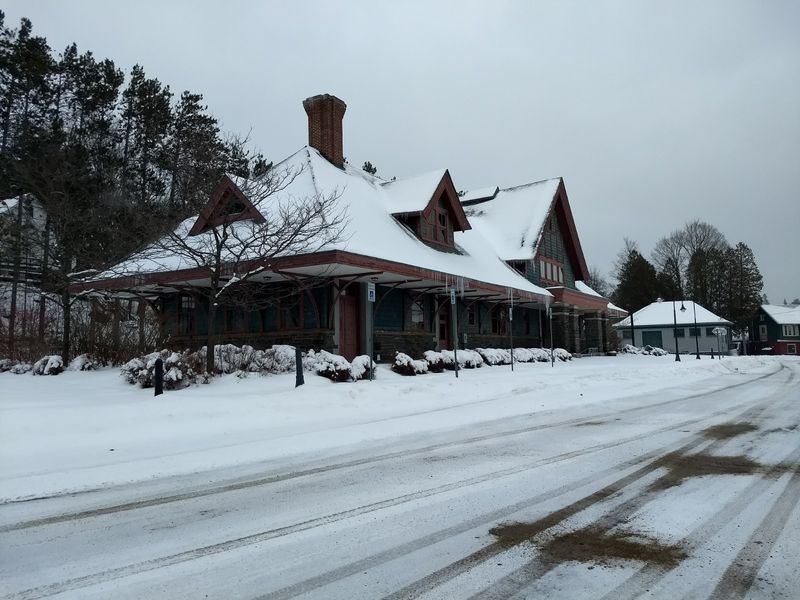
Robert Louis Stevenson spent a pivotal winter in Saranac Lake, New York while seeking relief, and the village has kept that chapter tangible.
The Robert Louis Stevenson Cottage Museum at 44 Stevenson Lane, Saranac Lake, NY shares artifacts, photographs, and context that link the writer to this landscape.
Visitors learn how rest, routine, and porch time shaped his days, even as he continued to work and correspond.
The cottage’s rooms feel human scaled, with sunlight turning windowpanes into soft lanterns on cold afternoons.
Interpretive displays explain how Stevenson’s presence boosted the village profile and inspired curiosity about the fresh air cure.
Docent stories add nuance to the timeline, showing a person balancing illness and creativity rather than a hollow legend.
Outside, the neighborhood carries similar architectural cues, so a short walk reveals porches that echo the cottage design.
Quiet streets make it easy to imagine the steady rhythms of rest that defined his stay.
The museum fits neatly into the larger narrative of health, research, and community that distinguishes this part of New York.
You leave with a sense that literature and place intertwine here, not as ornament, but as lived experience anchored to a porch.
First TB Research Lab
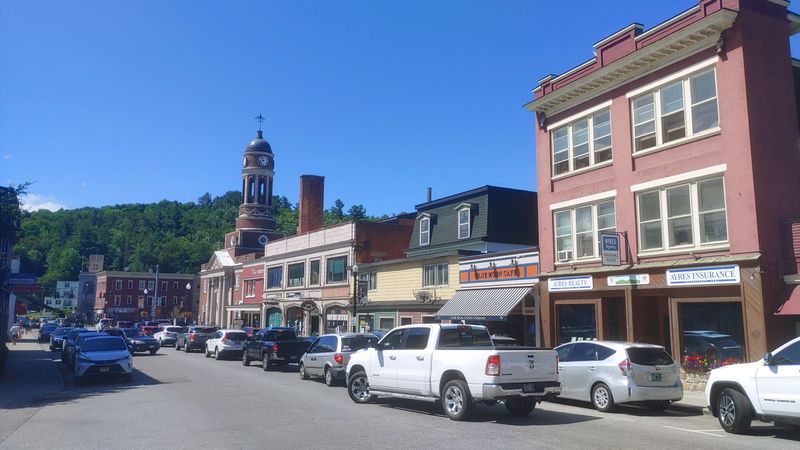
The Saranac Laboratory Museum marks a turning point in American medical history and it stands right in Saranac Lake, New York.
Located at 89 Church Street, Saranac Lake, NY, the former lab now hosts exhibits that outline early bacteriology and the local fight against tuberculosis.
Brick walls, tall windows, and careful restoration help you visualize how science unfolded in bright rooms with sturdy benches.
Displays connect lab advances with everyday life outside, showing how research informed porch design, patient routines, and public health.
Interactive panels present tools and methods that feel both rugged and ingenious, well suited to an Adirondack village in winter.
What stands out is the collaboration across nurses, physicians, carpenters, and patients, a web that made ideas practical.
The museum situates its story within New York’s broader health legacy without losing the village scale.
Walking here from nearby streets reveals how little distance separated experiment from application.
Stepping back outside, you notice the lab’s relationship to surrounding cottages, almost like a hub feeding knowledge into homes.
The site closes the loop between architecture and science, turning a brick building into a guide for how communities can heal together.
A Cottage Industry of Care
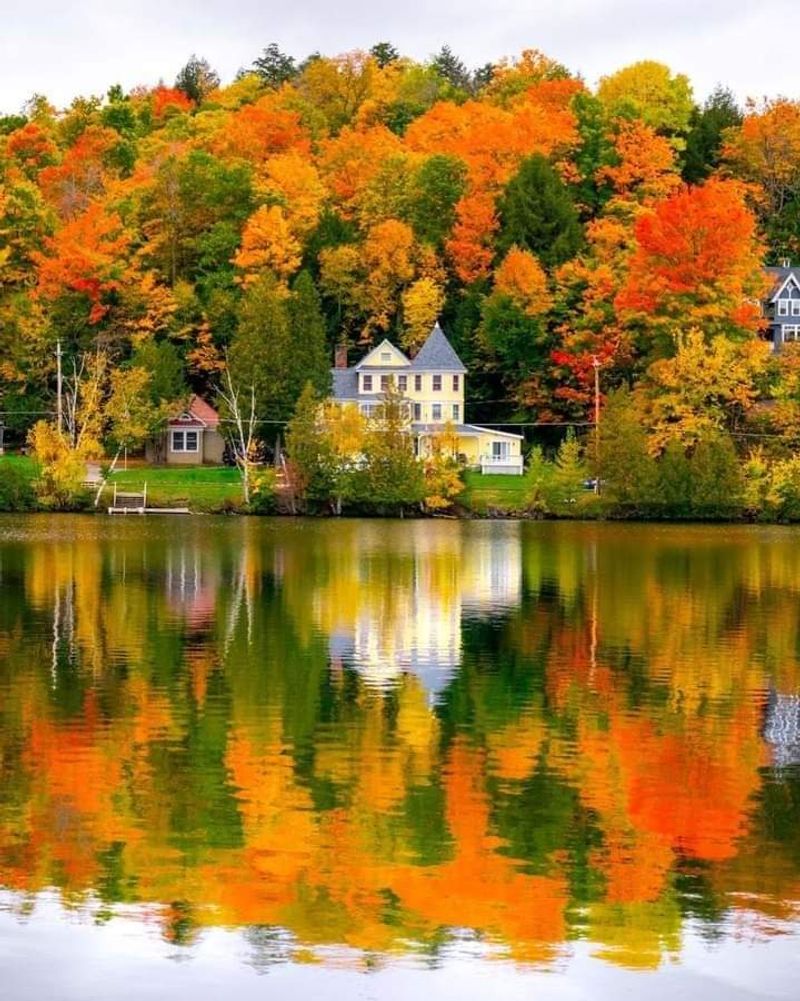
When the main sanatorium filled up, Saranac Lake, New York adapted with a network of private cottages that offered individualized care.
Residents converted homes into small scale facilities, aligning meals, rest, and porch hours with medical guidance.
The pattern survives in house forms along streets near 3 Main Street, Saranac Lake, NY and in neighborhoods that branch toward the lakes.
You can read the history in secondary entrances, porch thermometers, and built in benches that hint at former patient routines.
This distributed model spread income across families, creating resilience that lasted through seasonal shifts and wider economic changes.
It also brought patients into daily village life, softening lines between treatment spaces and ordinary homes.
Local stories emphasize how neighbors looked out for one another, mixing kindness with practical knowledge about temperature and rest.
Today, the same houses support creative businesses and long term residents while retaining the features that once structured care.
The sense of hospitality feels authentic because it grew from necessity rather than trend chasing.
Across New York, the phrase cottage industry often means small business, but here it also means a social fabric woven room by room.
A Community Without Prejudice
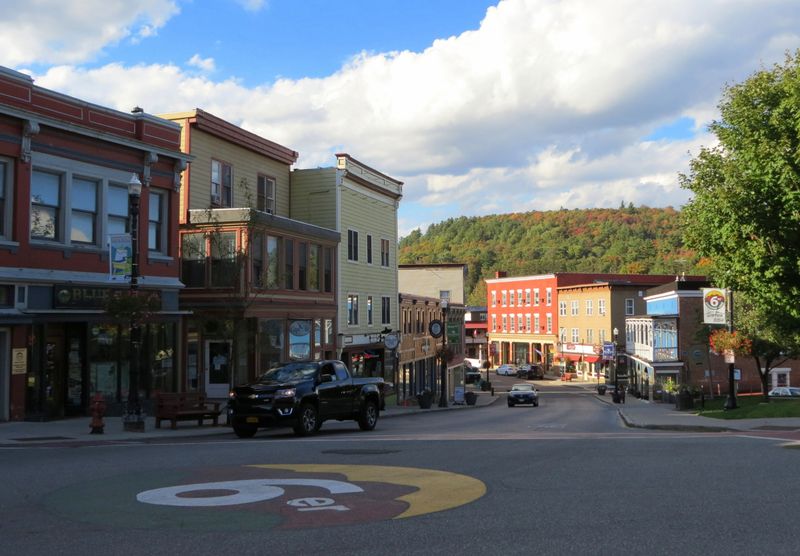
Unlike many towns that feared contagion, Saranac Lake, New York built a culture of acceptance that drew people in rather than pushing them away.
Patients were neighbors, not outsiders, and that attitude still shapes the way greetings linger on porches and sidewalks.
You feel it around the Harrietstown Town Hall at 39 Main Street, Saranac Lake, NY, where public events and civic life remain central.
This outlook encouraged recovered patients to stay, raise families, and contribute skills that enriched the village.
Healthcare workers, researchers, artists, and craftspeople found common ground in streets that rewarded patience and cooperation.
Oral histories describe networks of errands, notes, and visits that kept morale steady through long winters.
Today you see the legacy in inclusive programming, accessible walkways, and community groups that reflect many backgrounds.
Business owners honor that heritage by maintaining welcoming porches and seating areas that invite conversation.
The social contract here is quiet but strong, and it makes visiting feel less like passing through and more like being received.
In New York, that blend of openness and practicality stands out, and Saranac Lake wears it like a well loved coat.
The Annual Winter Carnival
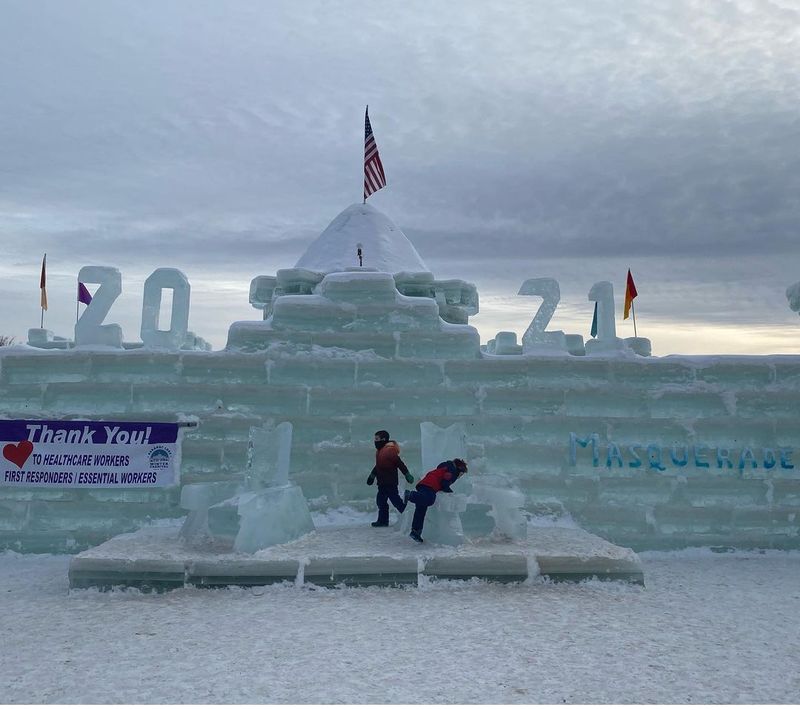
The Saranac Lake Winter Carnival turns deep cold into celebration and gives the village a signature landmark in ice.
Centered near Lake Flower along River Street, Saranac Lake, NY, the event showcases a temporary palace built from locally harvested ice blocks.
The structure rises like a crystalline fortress, with towers, arches, and glow that shifts as the sky darkens.
Volunteers shape, stack, and carve, working with precision that reflects long practice in these conditions.
Walking the perimeter lets you appreciate texture and scale without needing to join a crowd.
Even away from the palace, the village dresses up windows and porches, extending the spectacle across streets and storefronts.
Interpretive signs and local guides explain the tradition’s roots in patient morale and winter resilience.
The carnival week adds parades and outdoor activities, but the palace remains the emblem you remember.
It ties today’s festivities to the Victorian era impulse to turn health routines into community spirit.
Across New York, few winter events feel as site specific, and Saranac Lake owns that identity with pride and craft.
Famous Visitors and Neighbors
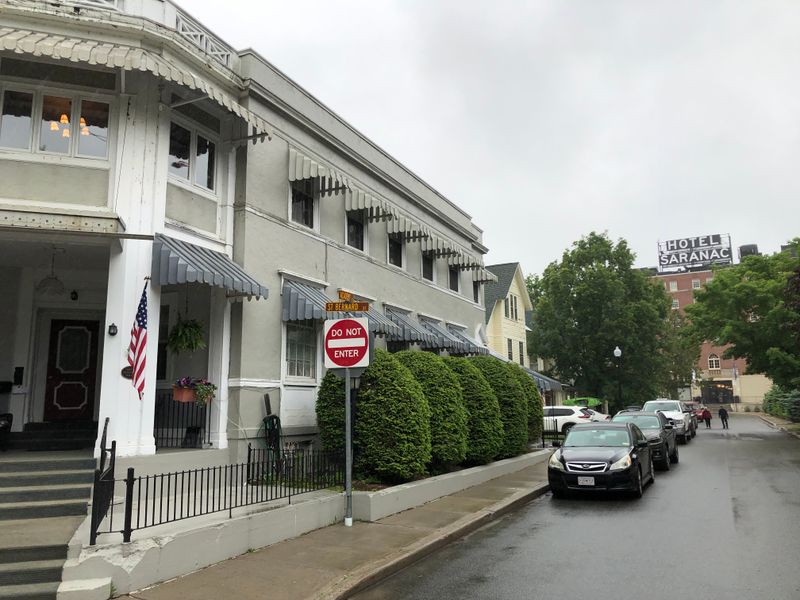
Many well known figures passed through Saranac Lake, New York, adding texture to a story already rich with science and architecture.
Robert Louis Stevenson is the most visible name, but interpretive trails and museum notes also reference Albert Einstein’s regional summers and Béla Bartók’s connections to the Adirondacks.
You can find context at 3 Main Street, Saranac Lake, NY where visitor information points you toward plaques, exhibits, and mapped walks.
The value of these visits is less celebrity and more how the village welcomed curiosity and quiet work.
Small houses with attentive design proved compatible with writing desks, manuscripts, and musical sketches.
That compatibility still exists, seen in studios tucked into upper floors and porches with winter views that clear the mind.
Local historians keep records updated, so details remain grounded in verified sources rather than rumor.
Street signs and museum labels avoid grand claims and stick to what can be traced and documented.
The net effect is a dignified kind of fame that supports, rather than overshadows, the daily life of the village.
Within New York, this balance feels rare, and Saranac Lake models how to honor names without losing its own.
Historic Preservation Today
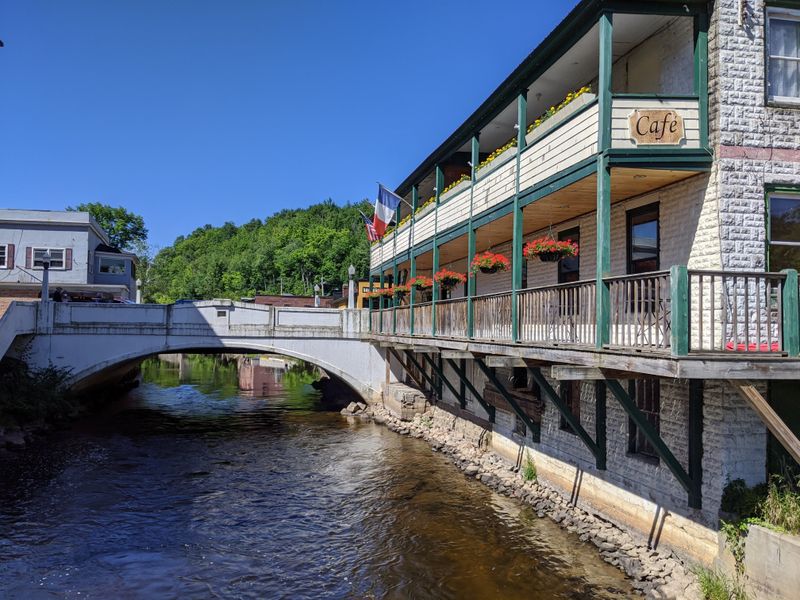
Saranac Lake, New York protects its heritage through formal listings and careful stewardship that keep buildings in use and in character.
The village features a high concentration of cure cottages and Victorian era structures counted on the National Register of Historic Places.
Walking near 3 Main Street, Saranac Lake, NY you see updated paint, repaired trim, and discreet modern systems that respect original design.
Preservation work here favors living history, which means active homes, studios, and offices instead of sealed displays.
Guidelines encourage maintaining porch enclosures, window ratios, and site orientation that carry the medical logic of the past.
Interpretive plaques offer concise context that helps you notice details you might otherwise overlook.
Local organizations host talks and tours, connecting residents and visitors with practical tips on repair and research.
This approach spreads knowledge so renovation stays consistent across many hands and budgets.
The result is a streetscape that looks cohesive without feeling staged or frozen in time.
Across New York, preservation can feel abstract, but in Saranac Lake it reads as everyday practice you can walk and see.
How to Explore Respectfully
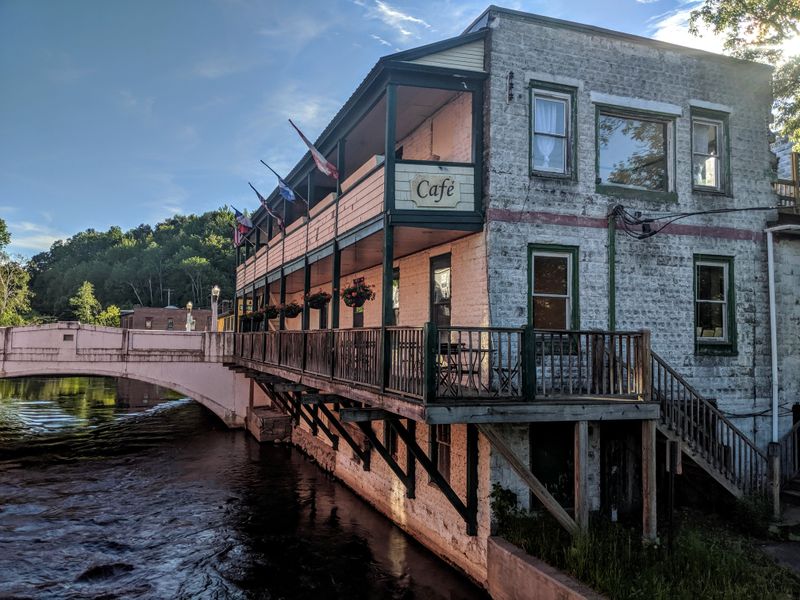
Saranac Lake, New York rewards slow exploration, and a respectful pace keeps the experience richer for everyone.
Begin at the visitor hub near 39 Main Street, Saranac Lake, NY, then branch into neighborhoods with an eye for porch design and quiet streets.
Many cure cottages remain private homes, so admire from the sidewalk and avoid stepping onto porches or drives.
When museum hours allow, stop into the Saranac Laboratory Museum and the Stevenson Cottage to connect spaces with stories.
Sidewalks can be icy in winter, so shoes with good traction help you linger safely and look closely.
Photograph architecture and ambiance rather than people, keeping the focus on the village fabric.
Local shops favor authenticity, with interiors that echo the warm wood and bright windows you see along the streets.
If you need orientation, staff at cultural sites share accurate maps and current details without fuss.
Plan short loops that let you compare porches, gables, and window grids across different blocks.
This mindful approach fits the spirit of New York hospitality here, quiet, steady, and attentive to place.
Dear Reader: This page may contain affiliate links which may earn a commission if you click through and make a purchase. Our independent journalism is not influenced by any advertiser or commercial initiative unless it is clearly marked as sponsored content. As travel products change, please be sure to reconfirm all details and stay up to date with current events to ensure a safe and successful trip.
