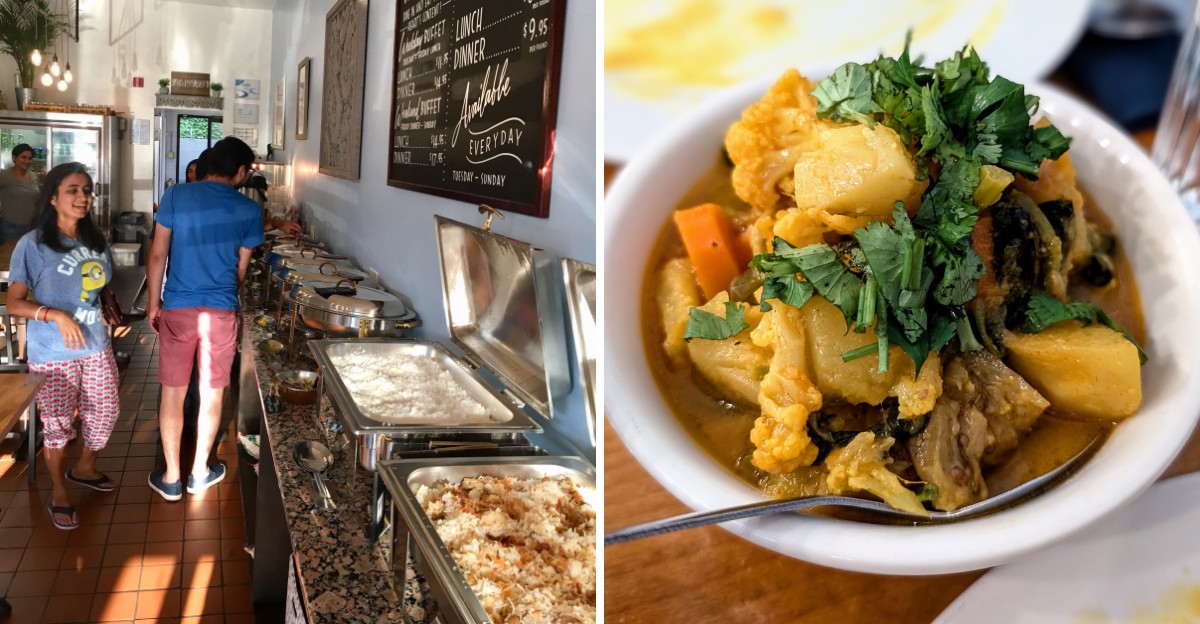
Well, this is one way to put a tiny dining room on a very big map.
A family-run New Jersey restaurant has landed on The New York Times’ 2026 list of 50 favorite restaurants in America, and the food here is deeply personal.
The kitchen specializes in Bangladeshi home cooking, with recipes shaped by family traditions rather than restaurant trends.
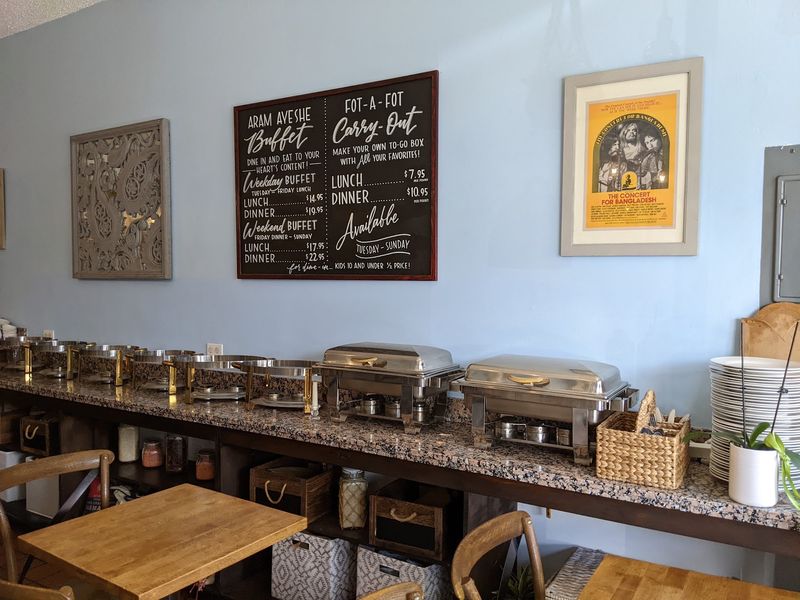
Weekdays bring a buffet and takeout, while weekends can turn into an elaborate multi-course affair.
Mustard oil, chiles, rice, curries, and carefully layered spices do plenty of the talking.
There is nothing sprawling or flashy about the place. That almost makes the national recognition more satisfying.
Big culinary moments do not always arrive beneath chandeliers. Sometimes they come from a small kitchen where someone is cooking the food they know by heart.
A Small Room With a Big Spotlight
Big national lists usually go to fancy dining rooms with long waitlists and white tablecloths. That is part of why this news feels so fun.
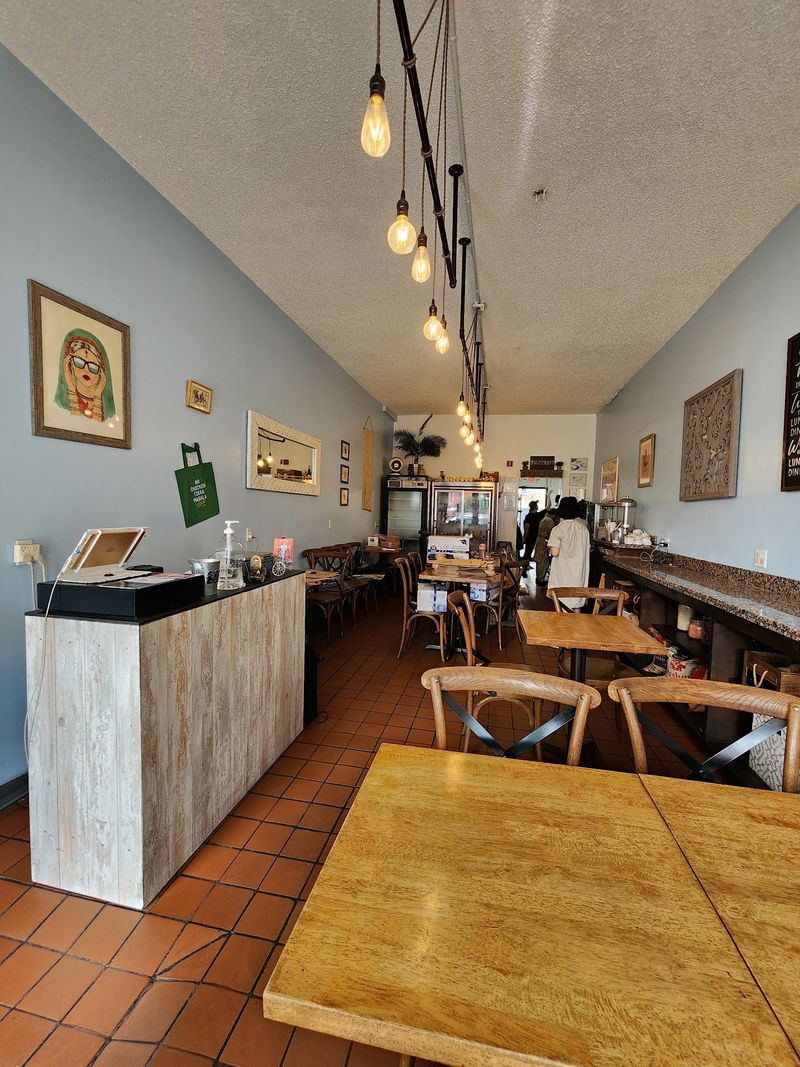
Korai Kitchen, a small Bangladeshi restaurant in Jersey City, was named by The New York Times as one of the 50 best restaurants in America.
The honor shines a light on food that many people have never tried before. Bangladeshi cooking is its own tradition, with its own flavors, and it often gets lumped together with other South Asian dishes.
Here, it stands proudly on its own.
I love when a humble spot gets this kind of attention. It proves that great cooking does not need a huge space or a flashy sign.
Sometimes it just needs heart, skill, and a recipe that has been cooked many times over.
The restaurant sits in the Journal Square area, a lively part of the city with plenty of everyday bustle. Finding it takes a little intention.
That small effort makes the arrival feel like uncovering a secret that the whole country is only now learning about, and that is pretty exciting.
Dawat Means Come to the Feast
There is a Bengali word that explains everything about this place. Dawat means a gathering, a feast, and a meal shared with people you care about.
Korai Kitchen builds its special dinners around that idea.
These Dawat dinners happen on select weekend nights and feel more like a party at a relative’s home than a regular night out. The meal lasts about three hours and moves through around eight courses.
Dishes arrive one after another in a steady, thoughtful rhythm, and the whole dining room eats together.
Three hours might sound like a long time. Trust me, it flies.
Between the tasting, the chatting, and the explanations about each plate, the evening slips by quickly.
A host guides guests through every course, sharing how a dish is made and how to enjoy it with other items on the table. That kind of storytelling turns dinner into a little lesson in culture.
You leave full, of course, but you also leave knowing much more about Bangladeshi traditions than when you arrived. It is a feast for the brain and the belly at the same time.
No Menu, No Problem
Surprise is on the menu, mostly because there is no fixed menu at all. For the Dawat dinners, the dishes change depending on what the kitchen feels inspired to cook.
Every visit can bring something different.
I find that kind of cooking thrilling. It is a bit like visiting a friend’s home and asking what is for dinner, then getting something wonderful you never expected.
Some nights lean on beloved everyday staples. Other nights bring out dishes usually saved for celebrations.
The cooking relies on something called andaz, a Bengali word for intuition. Instead of measuring every spoonful, the cook trusts years of practice and a well-trained sense of taste.
Decades of family cooking guide each pot, and that experience shows in the depth of flavor.
Here is a helpful tip for planning. Since the menu shifts, going back more than once is a smart move.
Each Dawat is its own adventure, so a second visit will not feel like a repeat. Think of it as collecting new flavors, one surprise evening at a time, without ever getting bored.
Mustard Oil, Chiles, and Plenty of Color
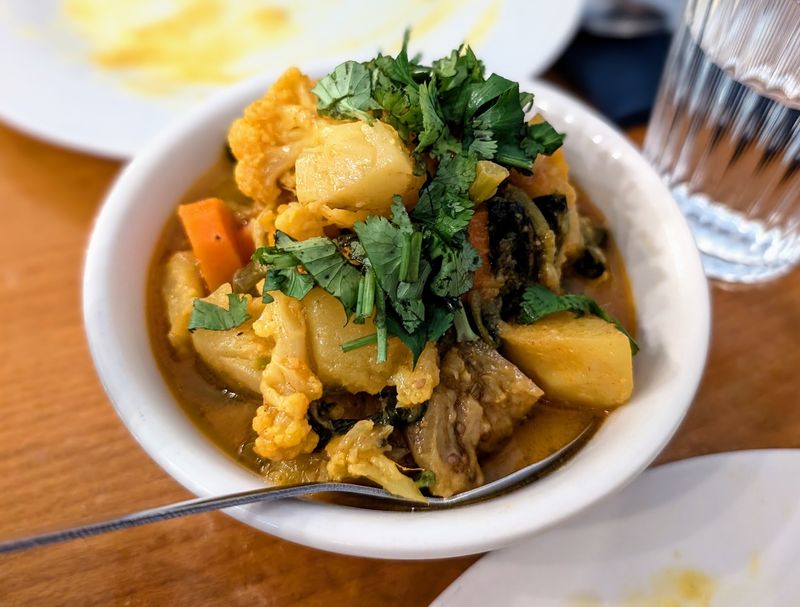
Forget what you think you know about South Asian takeout. You will not find chicken tikka masala here, and that is exactly the point.
The kitchen serves colorful, halal comfort food rooted in Bangladeshi heritage.
Two big flavor stars show up again and again. Mustard oil brings a sharp, slightly nutty bite, while chiles add bright heat that wakes up every spoonful.
Together, they give the food its bold personality.
Then come the supporting spices. Ginger, nutmeg, cumin, coriander, and turmeric all play their part, blending into flavors that feel layered but still comforting.
It is the kind of cooking that tastes both exciting and familiar, even if you have never had it before.
A fun thing to try is mixing bites. Guests often combine rice with different mashes and curries to create new flavor combos on their plate.
Go ahead and experiment a little. One forkful might be smoky, the next might be tangy, and another might sneak up with a spicy kick.
That playful mixing is half the joy of a Bangladeshi meal.
Ten Tables and a Whole Lot of Warmth
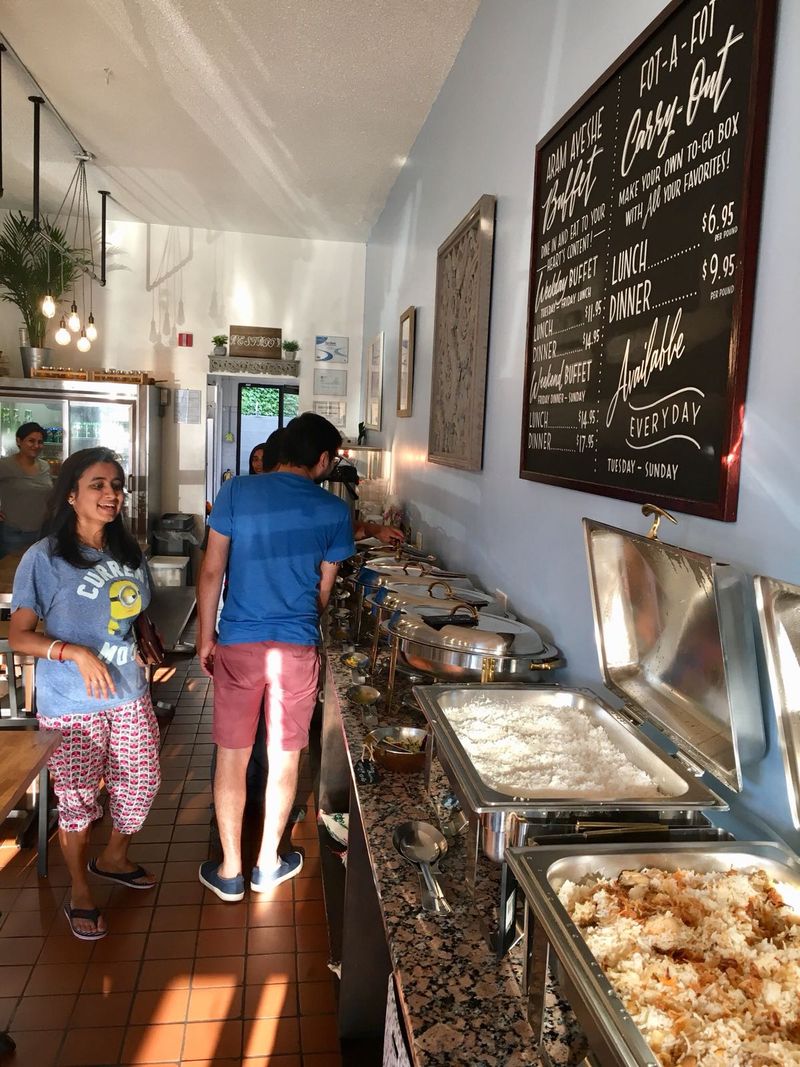
Cozy barely covers it. With only about ten tables, the dining room feels snug and tucked away, almost like a family living room set up for company.
Most tables are small, which keeps things close and friendly.
A tiny space changes the whole mood. Conversations drift from table to table, and laughter fills the room easily.
Nobody feels lost in a crowd.
That small size also makes seats hard to get. Reservations are a must for dining in, and the restaurant is clear that walk-ins will not work for eating inside.
Dinner spots can book up weeks ahead, so planning early is the best strategy.
Here is my honest advice. Put a reminder on your calendar and check for openings well before the weekend you want.
Cancellations do happen, so staying flexible can help too. Once you finally land a table, the reward is an evening that feels personal and special.
Being one of only a few groups in the room makes you feel less like a customer and more like an invited guest at a big family dinner.
Start With the Mashes
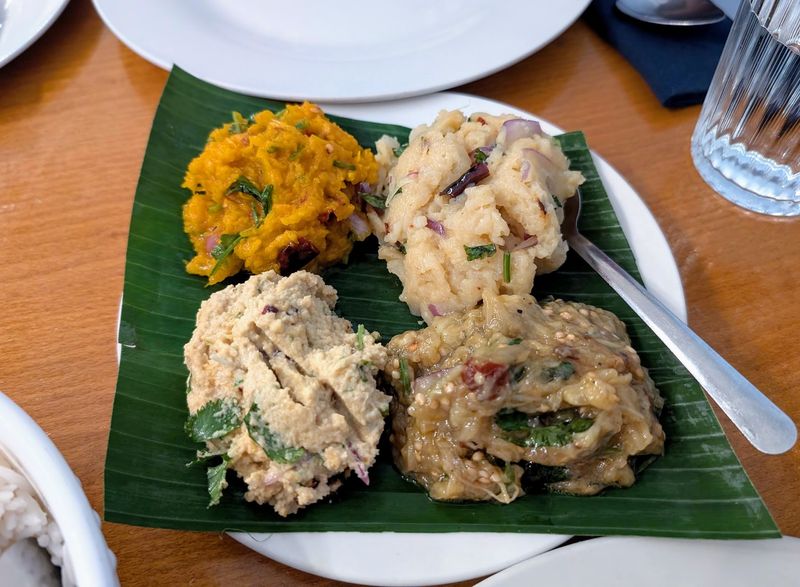
Mashes might not sound glamorous. Just wait.
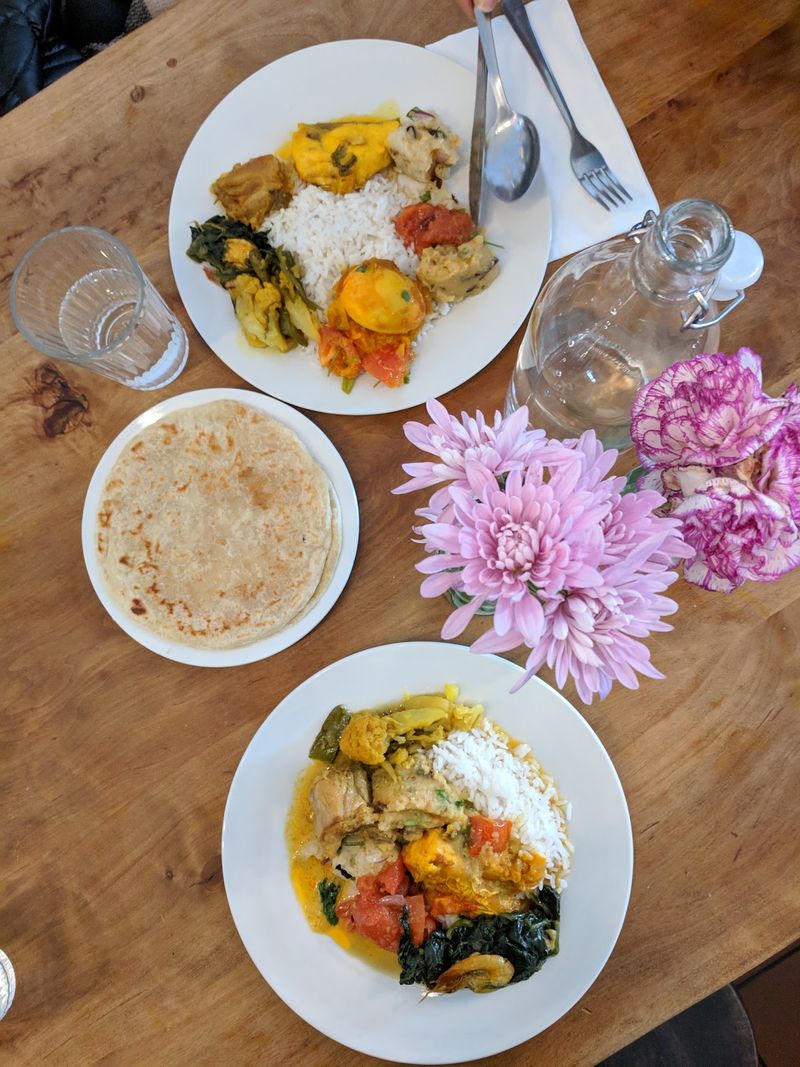
The meal often kicks off with a colorful sampler of bhorta, which are mashed dishes made from vegetables and other ingredients, served with a big bowl of rice.
Potato, pumpkin, peanut, and eggplant versions have all shown up at the start of the feast. Each one has its own texture and flavor, from creamy and mild to smoky and rich.
They are simple, homey, and surprisingly addictive.
These starters set the tone for everything that follows. They show how Bangladeshi home cooking turns humble ingredients into something memorable.
Next might come dal, a comforting lentil dish, plus vegetable curries and crispy fried bites.
Slow down during this part. Bangladeshi meals are meant to be relaxed and shared, not rushed.
Take small tastes, compare the mashes, and figure out your favorite. There are no wrong answers here, only delicious ones.
Starting gently like this also helps your stomach get ready for the bigger dishes coming later, and believe me, they are coming.
Roast Chicken, Goat Curry, and Fiery Favorites
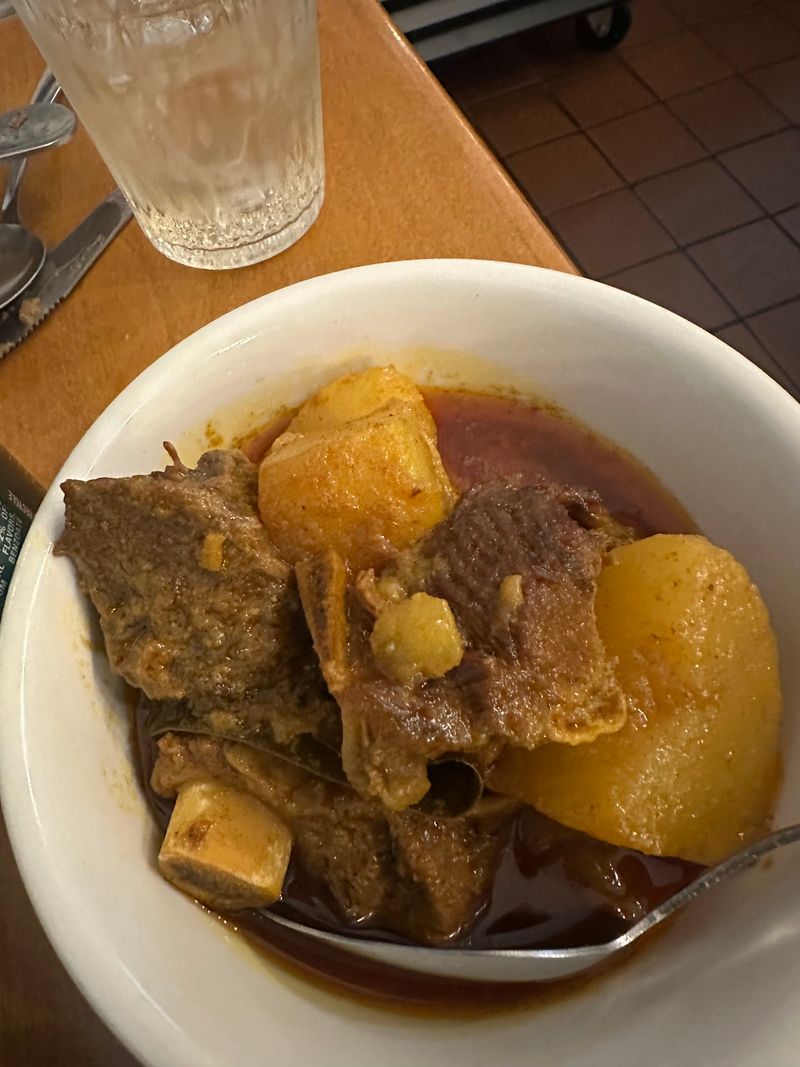
Hungry yet? The bigger dishes are where things get really exciting.
Even though the Dawat menu changes, some favorites have become well known among fans of Korai Kitchen.
Murgi roast, a tender roast chicken in a rich sauce, is one of the most loved plates. Kosha mangsho, a flavorful goat curry, brings deep and hearty flavor.
Chingri dopiaza, a juicy shrimp dish, is another crowd pleaser.
Fish lovers may spot ilish mach, made with hilsa, a fish highly prized in Bangladesh. Fried fish and beef dishes cooked until tender can also make an appearance.
Everything is prepared with careful attention to spice and texture.
And then there is the naga chili potato mash. It has a reputation for serious heat, so spice fans should keep an eye out.
If you are sensitive to spicy food, taste carefully and keep rice nearby to cool things down. Dessert often closes the night with mishti doi, a sweet baked yogurt that feels a bit like a soft cheesecake.
It is a gentle, lovely finish after such a bold lineup.
Go Ahead, Eat With Your Hands
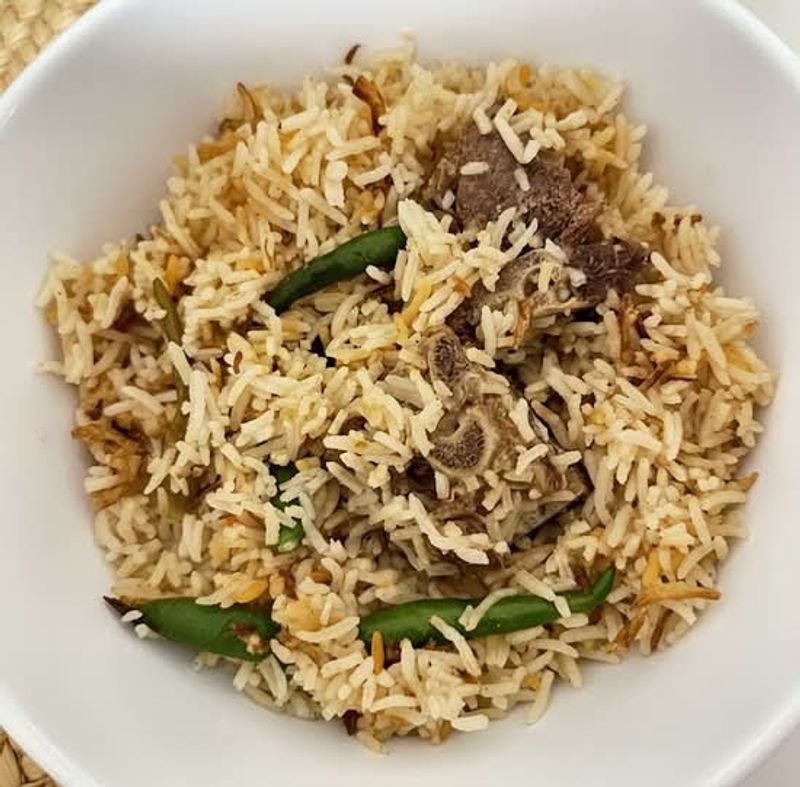
Clean fingers are overrated, at least for one night. Eating with your hands is the traditional Bengali way to enjoy a meal, and guests here are encouraged to give it a try.
Plenty of wet wipes are handed out, so no worries about the mess.
Why hands? Many people say it helps you mix rice and curry just right and feel more connected to the food.
It is a small change that makes the meal feel more personal.
Nervous about it? Totally fine.
Utensils are available, and some dishes, like soupy dal, are easier to eat with a spoon anyway.
A good approach is to switch back and forth. Try your hands with the mashes and rice, then grab a spoon when things get saucy.
The staff is friendly and happy to explain how to enjoy each dish. Nobody is judging your technique.
The warm, welcoming spirit of the room makes trying something new feel easy and fun, which is exactly how a family feast should feel.
Leftovers, Takeout, and a Taste at Home
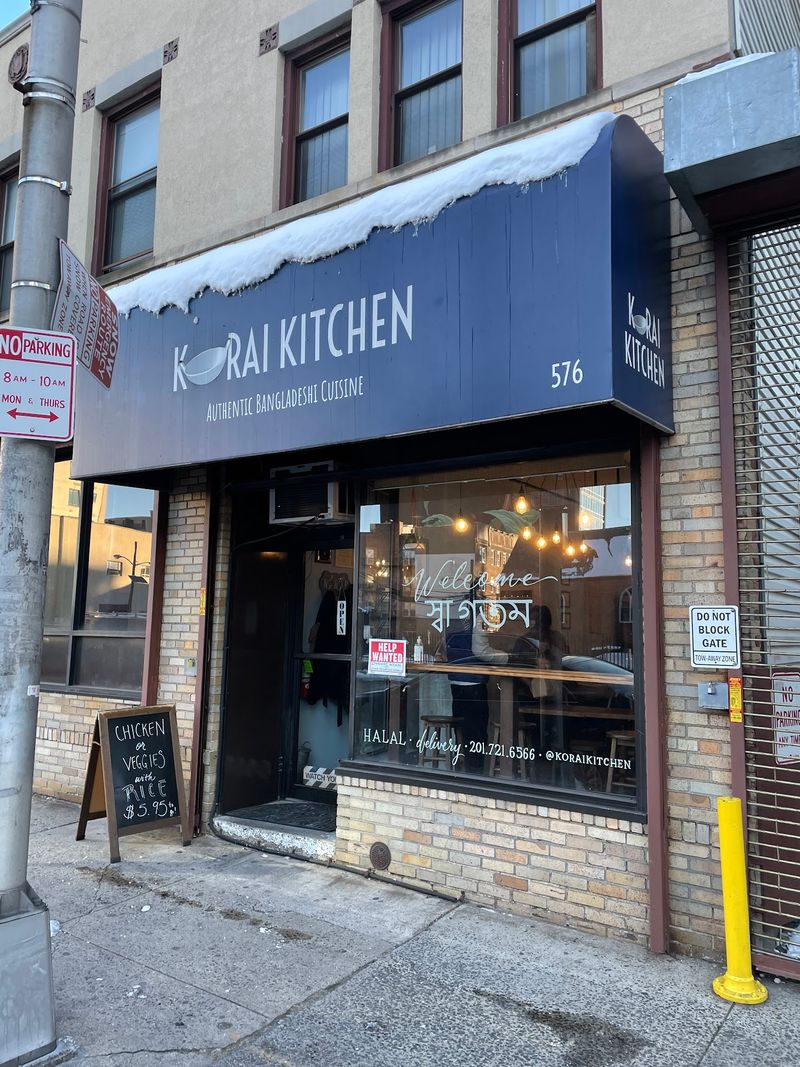
Nobody walks away hungry. The Dawat portions are famously generous, and whatever you cannot finish gets packed up to take home.
Many guests end up with enough leftovers for another meal or two.
Can’t snag a reservation? Don’t give up.
The restaurant also offers takeout and delivery, so its homestyle Bangladeshi dishes can reach your own kitchen table.
Curries, biryani, dal, and bhorta are all popular choices for ordering out. Weekend lunch hours also give another chance to try the food.
Either way, the heart of the cooking stays the same.
This is great news for anyone in New Jersey or visiting nearby. You can sample a few dishes at home first, then plan a Dawat night once you are hooked.
It is a smart way to explore a cuisine that deserves more attention. After all, the best restaurants in America are not only about fancy rooms.
Sometimes they are about generous food, big smiles, and flavors that feel like home.
Plan your visit to Korai Kitchen, 576 Summit Ave, Jersey City, NJ 07306.
