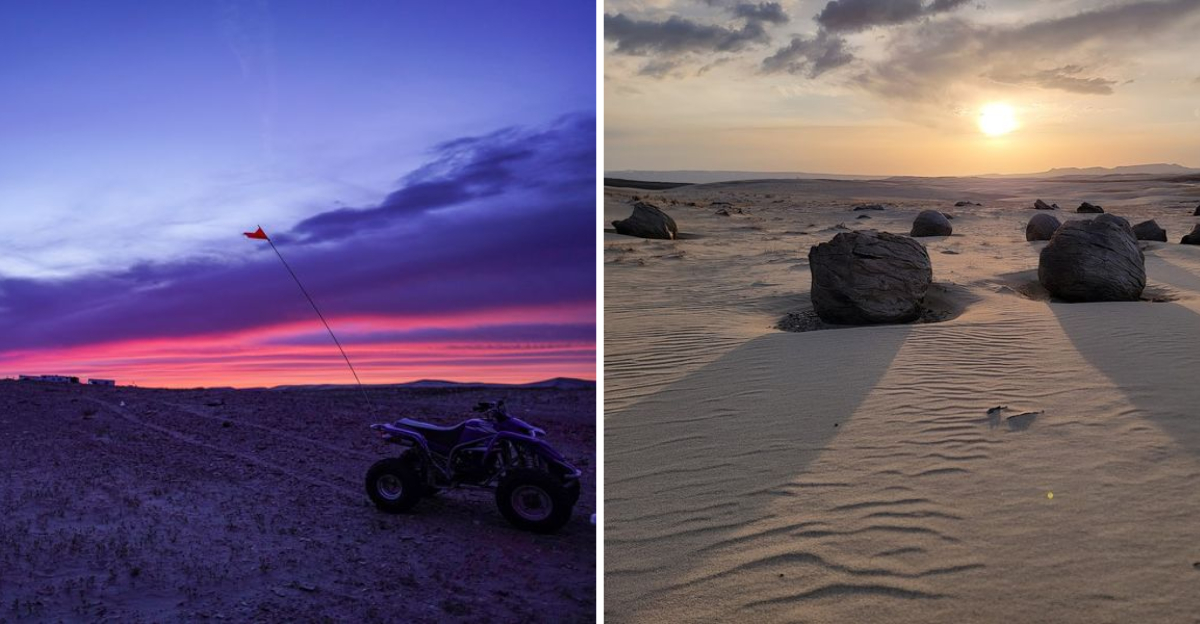
Most people drive through southwestern Wyoming without stopping. That used to be me too.
Then I heard about a place so remote and so quiet that the night sky there hits differently than anywhere I have been. The stars do not just appear here.
They flood the darkness in a way that made me stop mid step and just stare upward. No national park crowds.
No city glow creeping over the horizon. Just pure unfiltered sky stretching in every direction. The dunes are some of the largest in North America.
Once darkness falls, something magical takes over. Every stargazer owes themselves at least one night out here.
Why the Red Desert Sky Outshines Most National Parks
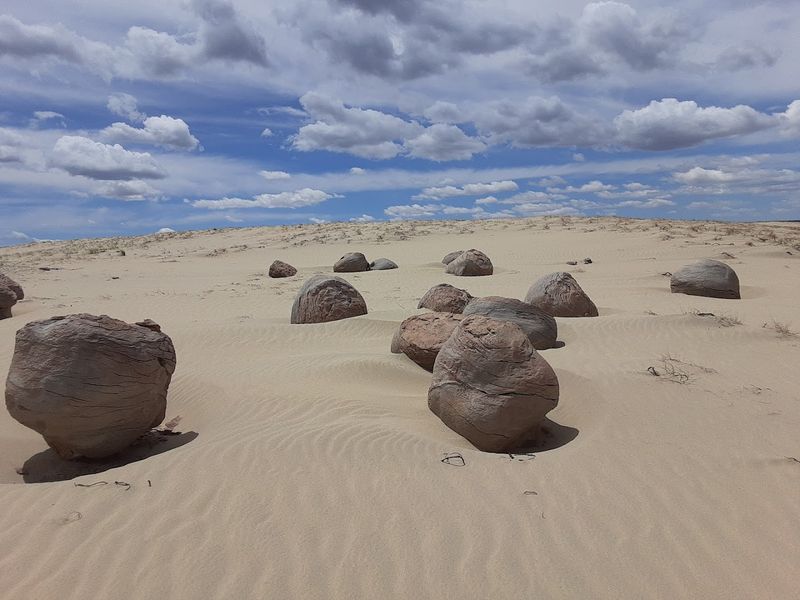
There is a number that stargazers use called the Bortle scale, and it measures how dark a sky truly is. A rating of one is the darkest possible, and the Red Desert consistently ranks near that end of the scale.
That puts it in rare company, even rarer than many celebrated national parks across the country.
Death Valley National Park is famous for its dark skies and earns high marks on the Bortle scale. Big Bend National Park holds the title of least light-polluted national park in the contiguous United States.
Yet the Red Desert near Killpecker rivals both, without the entrance fees, the crowds, or the long reservation lists.
The reason comes down to geography and population. Sweetwater County has very few towns, and the ones that exist are small and spread far apart.
Light from Rock Springs barely registers on the horizon when you are deep in the dunes. The flat, open terrain means your view of the sky runs uninterrupted from ground level in every direction, giving you a full dome of darkness that most parks simply cannot match.
It is the kind of sky that makes you rethink everything you thought you knew about stars.
Getting to Killpecker Sand Dunes: The Road Less Traveled
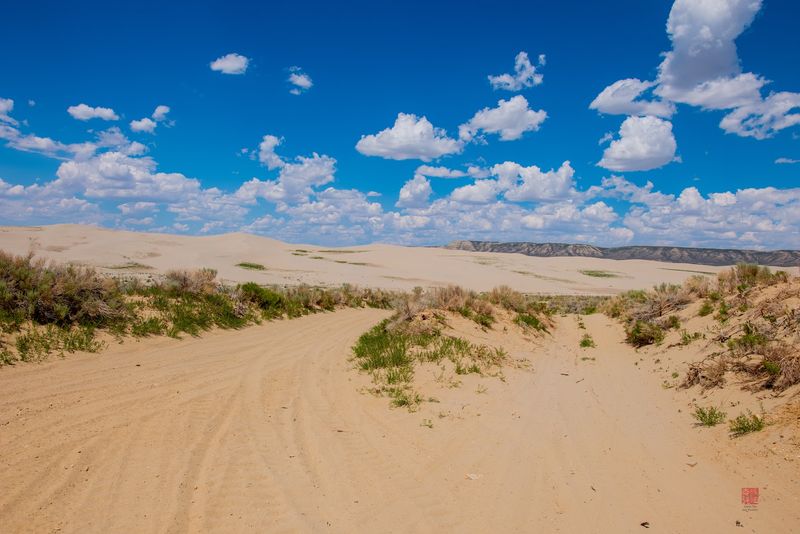
The drive out to Killpecker is part of the experience, even if it tests your patience a little. From Rock Springs, you head north on US-191 and then turn onto a long, unpaved dirt road that stretches for roughly 30 to 45 minutes before the dunes come into view.
The road is generally passable in a regular vehicle, though a higher clearance helps on rougher sections.
One thing nobody warns you about is the cattle. Open range grazing means cows wander freely across the road, and stopping to wait for a small herd to shuffle along is just part of the adventure.
It actually adds a certain charm to the whole trip, a reminder that this land is genuinely wild and shared with animals that have no interest in your schedule.
The remoteness of that drive is also exactly what guarantees the darkness you came for. Every mile away from the highway is another notch darker on your sky.
By the time you park and step out near the dunes, civilization feels genuinely far away. Bring a spare tire just in case, a few reviewers have mentioned nails left behind in the parking area from old campfire pallets.
The Dunes Themselves Are a Daytime Wonder Too
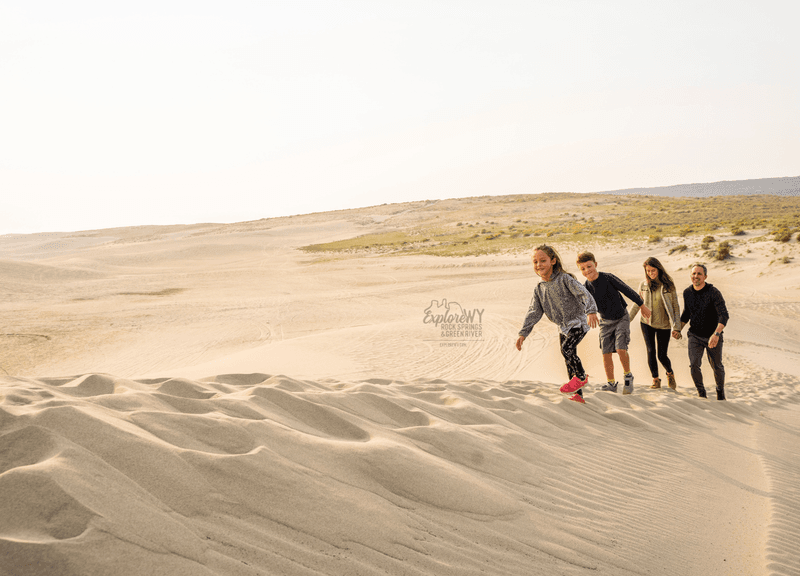
Before the stars come out, the dunes themselves deserve your full attention. Killpecker holds one of the largest active sand dune fields in North America, covering tens of thousands of acres.
The dunes shift and rebuild with the wind, so they look slightly different each visit, taller after a windy season, smoother after a calm one.
Some visitors compare the landscape to a beach minus the ocean, and that comparison is surprisingly accurate. The sand is pale and fine, the ridgelines curve beautifully, and the scale of the whole thing is genuinely hard to grasp until you are standing in the middle of it.
You can hike across them barefoot in cooler months, though sandals are a bad idea in summer heat since the sand gets very hot.
Hidden among the dunes are small ponds that form in the low areas between ridges, surprising little oases that appear and disappear depending on the season. Wildlife passes through regularly, and the drive in often includes sightings of antelope, wild horses, and various birds.
The Boars Tusk volcanic formation and White Mountain petroglyphs are also nearby, making the whole area rich with things to explore even before sunset arrives.
Camping Under That Infinite Wyoming Sky
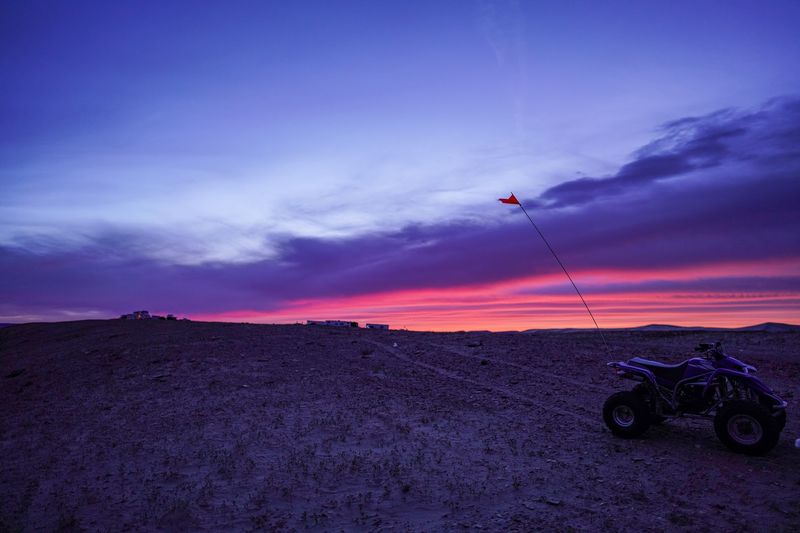
Camping at Killpecker is managed by the Bureau of Land Management, and the campground sits right at the edge of the dunes. It is primitive, meaning no hookups, no showers, and no shade structures, just open desert and that enormous sky.
For stargazers, the lack of amenities is actually a feature rather than a flaw.
One thing to plan around is the absence of shade. Several visitors have noted that the campground offers zero shelter from the sun during the day, so arriving in the late afternoon makes the most sense.
Once the sun drops, temperatures cool quickly in the high desert, and that is when the real reward begins.
Waking up before dawn to catch the sky in its darkest hour before sunrise is something worth setting an alarm for. The silence out here is almost physical, just wind across sand and the occasional distant animal sound.
There are no generators humming, no RV park lights buzzing, no road noise. The BLM manages the area as an open play area and campground, and the phone number for information is 307-775-6256 if you want to check conditions before heading out.
Going mid-week almost guarantees you will have the whole place to yourself.
What You Will Actually See When the Stars Come Out
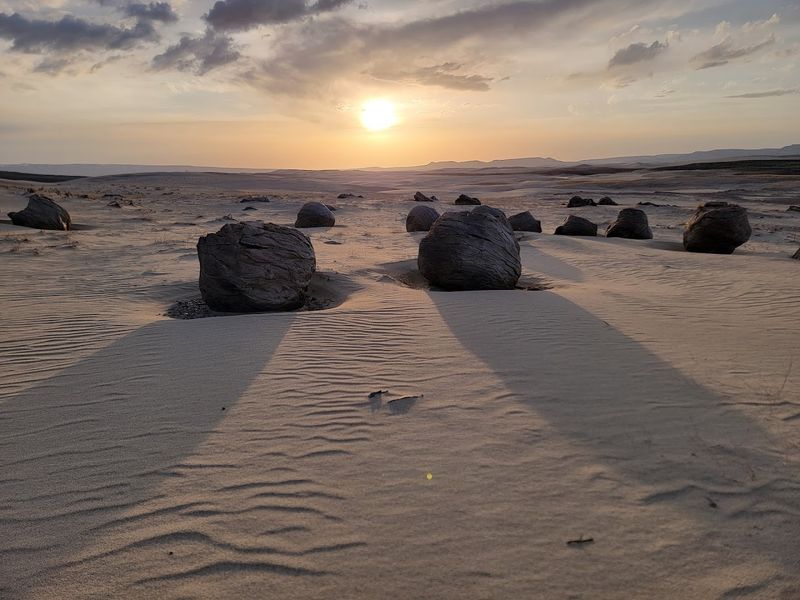
On a clear moonless night at Killpecker, the Milky Way appears as a thick, textured band of light stretching from one horizon to the other. It is not a faint smear like you might see from a suburban backyard.
It looks structural, almost three-dimensional, with dark lanes and bright clusters visible to the naked eye.
Meteor showers hit differently out here too. During peak events like the Perseids in August or the Geminids in December, the combination of zero light pollution and wide open sky means you catch meteors in your peripheral vision constantly, not just directly overhead.
It is the kind of show that makes the drive feel like the easiest decision you ever made.
Planets, when visible, are bright enough to cast faint shadows on the sand. Jupiter and Saturn reveal their color and intensity in a way that surprises people who have only ever seen them from a city.
If you bring even a basic pair of binoculars, you will spot star clusters and nebulae that most people have only ever seen in photographs. The sky at Killpecker is not just dark, it is generously, almost overwhelmingly full.
How Wyoming Is Working to Protect Its Dark Skies
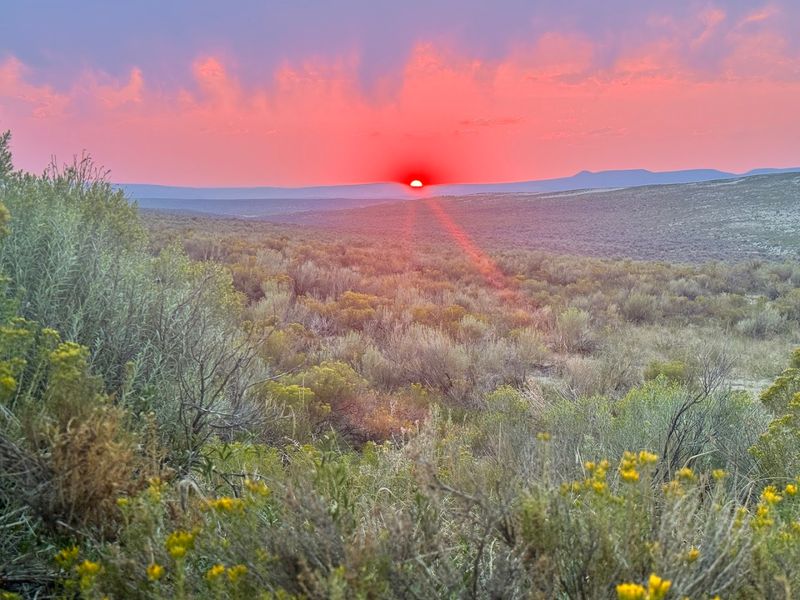
Wyoming takes its dark skies seriously, and there is real momentum behind protecting them. Sinks Canyon State Park received Wyoming’s first official Dark Sky Place designation in November 2023.
Then in April 2025, Teton County became the first county in the entire world to achieve an International Dark Sky designation, a genuinely historic moment for light pollution conservation.
The Greater Yellowstone Ecosystem, which includes BLM lands overlapping with the Red Desert region, is actively working toward International Dark Sky Reserve accreditation. That process involves communities, landowners, and government agencies all agreeing to reduce unnecessary outdoor lighting.
It is a slow process, but the progress is real and measurable.
The Killpecker area itself does not currently hold an official dark sky designation, but stargazing experts consistently recommend it alongside certified spots like Devils Tower and the Bighorn Mountains. The lack of a formal label does not change what your eyes see when you look up.
What protects the darkness here is the same thing that has always protected it: distance, sparse population, and a landscape that has never had much reason to light itself up. Wyoming is working to keep it that way, and visitors who respect the land help make that possible.
Tips for Planning Your Visit to Killpecker Sand Dunes
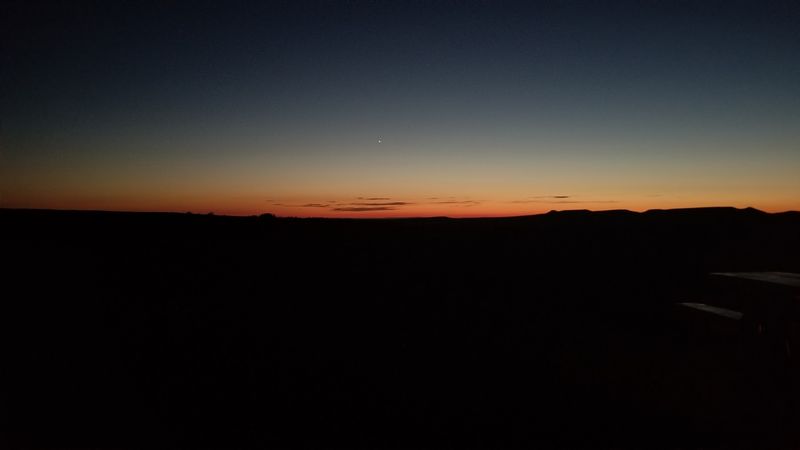
Timing your visit around the new moon phase makes a significant difference for stargazing. A full moon brightens the sky enough to wash out fainter stars and the Milky Way core, so checking a lunar calendar before you go is genuinely worth the two minutes it takes.
Late summer through early fall offers some of the best conditions, with warm nights and reliably clear skies.
Pack more water than you think you need. The desert heat is real, especially if you plan any daytime hiking across the dunes, and there is no water source at the campground.
Eight gallons for three days is not an exaggeration if you are active and the temperatures are high.
A red-light headlamp is the stargazer’s best friend out here. White light destroys your night vision in seconds, and it takes up to 30 minutes for your eyes to fully readjust.
Red light lets you move around camp, read a map, or find your gear without sacrificing what you came all this way to see. Bring layers too, desert nights drop fast once the sun is gone.
The dunes are managed by the BLM Rock Springs Field Office, and the area is open year-round, though winter access depends on road conditions after snow.
