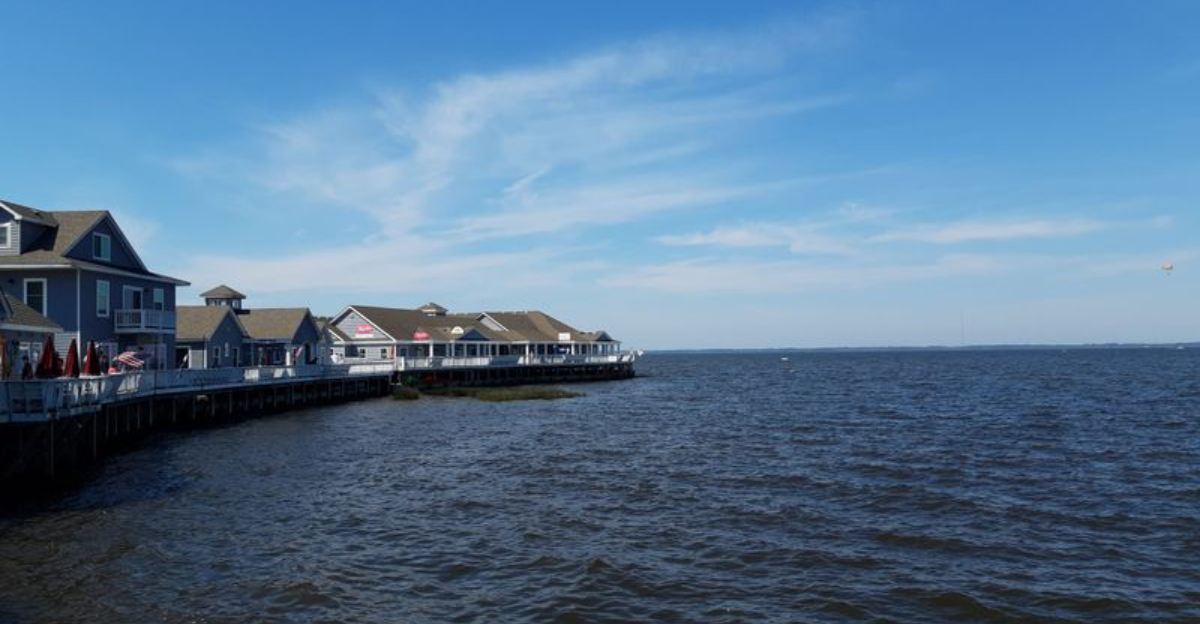
You hear the wind first, then you see North Carolina Highway 12 unfurl like a thin ribbon that dares the Atlantic to take another bite. After a storm, this North Carolina route shows edges and textures that locals quietly admire, a raw beauty sharpened by salt and light. The shacks look fragile, the dunes look taller, and the byway tells a story you can only read when the sky finally clears. If you want the real Outer Banks, this is where the pages turn.
Rodanthe Shacks After The Blow
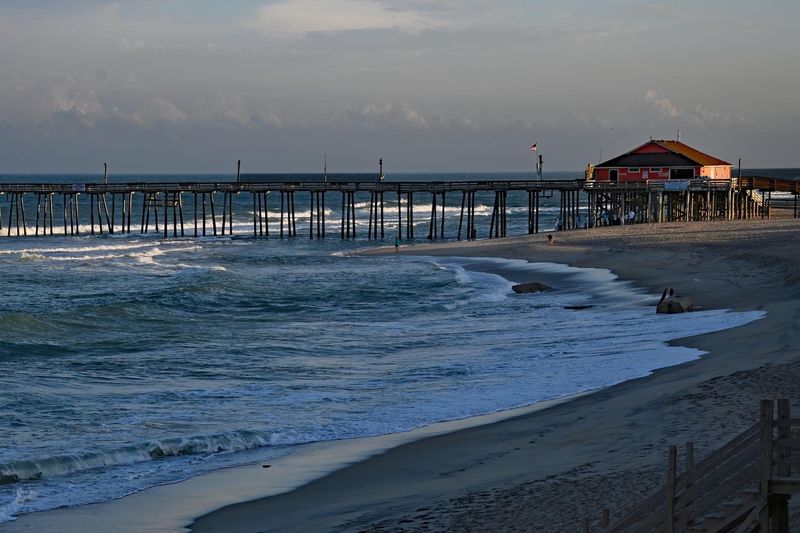
The route described is likely referring to the scenic drive along North Carolina Highway 12 through the Outer Banks, particularly areas like Rodanthe and Buxton.
The phrase coastal shack route is a colloquial description of the stretch of road lined with vulnerable, and sometimes dilapidated, beachfront homes that are frequently exposed to erosion and storm damage.
Locals and visitors sometimes find the coastline prettier or more interesting after a storm due to specific post-storm effects.
Exceptional Beachcombing and Shelling, storms churn up the ocean floor and deposit unique shells, sea glass, and other marine artifacts onto the beach, making it an ideal time for beachcombing.
Dramatic Scenery and Photography, the immediate aftermath of a storm can offer a beautiful, albeit eerie, contrast of dark skies, intense waves, and dramatic sunlight, which appeals to photographers and those who appreciate raw natural beauty.
Witnessing Nature’s Power, driving this vulnerable route after a storm provides a tangible, real-time example of the dynamic and powerful interactions between the ocean, barrier islands, and human development.
Homes are often seen close to collapse or are washed into the sea, offering a stark reminder of the temporary nature of building on a shifting coastline.
Less Crowded or Off-Season Appeal, the fall and winter, when storms are more frequent, are also the off-season, offering a quieter, less crowded experience for those who prefer solitude.
The Outer Banks National Scenic Byway is the official designation for this stretch, which includes the iconic Cape Hatteras National Seashore.
Pea Island Edges And Echoes
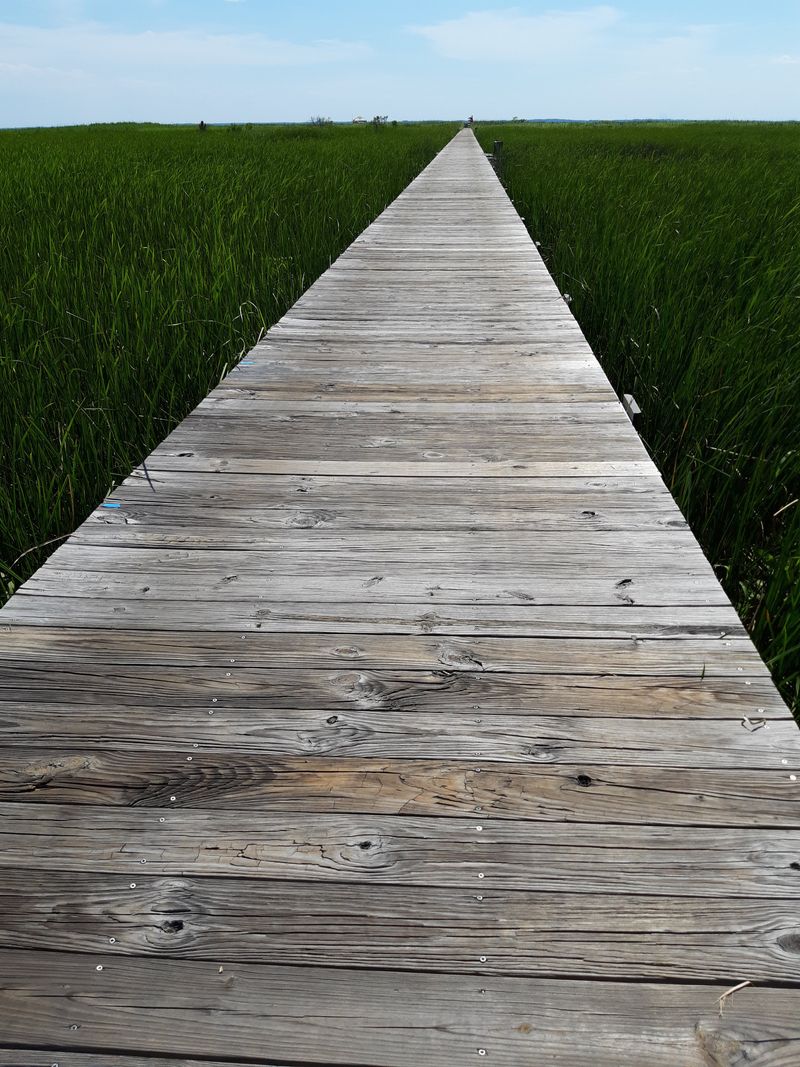
The route described is likely referring to the scenic drive along North Carolina Highway 12 through the Outer Banks, particularly areas like Rodanthe and Buxton.
The phrase coastal shack route is a colloquial description of the stretch of road lined with vulnerable, and sometimes dilapidated, beachfront homes that are frequently exposed to erosion and storm damage.
Locals and visitors sometimes find the coastline prettier or more interesting after a storm due to specific post-storm effects.
Exceptional Beachcombing and Shelling, storms churn up the ocean floor and deposit unique shells, sea glass, and other marine artifacts onto the beach, making it an ideal time for beachcombing.
Dramatic Scenery and Photography, the immediate aftermath of a storm can offer a beautiful, albeit eerie, contrast of dark skies, intense waves, and dramatic sunlight, which appeals to photographers and those who appreciate raw natural beauty.
Witnessing Nature’s Power, driving this vulnerable route after a storm provides a tangible, real-time example of the dynamic and powerful interactions between the ocean, barrier islands, and human development.
Homes are often seen close to collapse or are washed into the sea, offering a stark reminder of the temporary nature of building on a shifting coastline.
Less Crowded or Off-Season Appeal, the fall and winter, when storms are more frequent, are also the off-season, offering a quieter, less crowded experience for those who prefer solitude.
The Outer Banks National Scenic Byway is the official designation for this stretch, which includes the iconic Cape Hatteras National Seashore.
Avon Boardwalk Mood
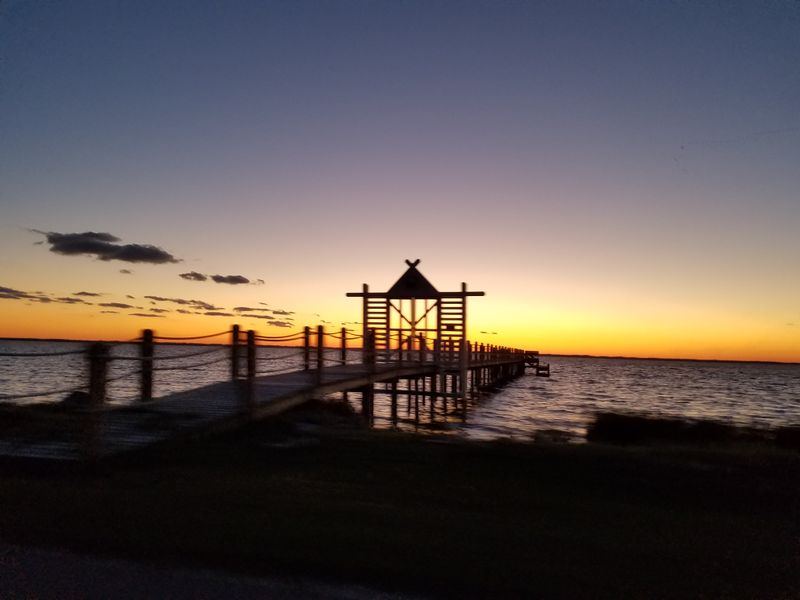
The route described is likely referring to the scenic drive along North Carolina Highway 12 through the Outer Banks, particularly areas like Rodanthe and Buxton.
The phrase coastal shack route is a colloquial description of the stretch of road lined with vulnerable, and sometimes dilapidated, beachfront homes that are frequently exposed to erosion and storm damage.
Locals and visitors sometimes find the coastline prettier or more interesting after a storm due to specific post-storm effects.
Exceptional Beachcombing and Shelling, storms churn up the ocean floor and deposit unique shells, sea glass, and other marine artifacts onto the beach, making it an ideal time for beachcombing.
Dramatic Scenery and Photography, the immediate aftermath of a storm can offer a beautiful, albeit eerie, contrast of dark skies, intense waves, and dramatic sunlight, which appeals to photographers and those who appreciate raw natural beauty.
Witnessing Nature’s Power, driving this vulnerable route after a storm provides a tangible, real-time example of the dynamic and powerful interactions between the ocean, barrier islands, and human development.
Homes are often seen close to collapse or are washed into the sea, offering a stark reminder of the temporary nature of building on a shifting coastline.
Less Crowded or Off-Season Appeal, the fall and winter, when storms are more frequent, are also the off-season, offering a quieter, less crowded experience for those who prefer solitude.
The Outer Banks National Scenic Byway is the official designation for this stretch, which includes the iconic Cape Hatteras National Seashore.
While some find a unique beauty in the storm-altered landscape, officials consistently warn of the dangers, including significant flooding, impassable sections of NC 12, and severe rip currents during and after weather events.
Buxton Bend Near The Light
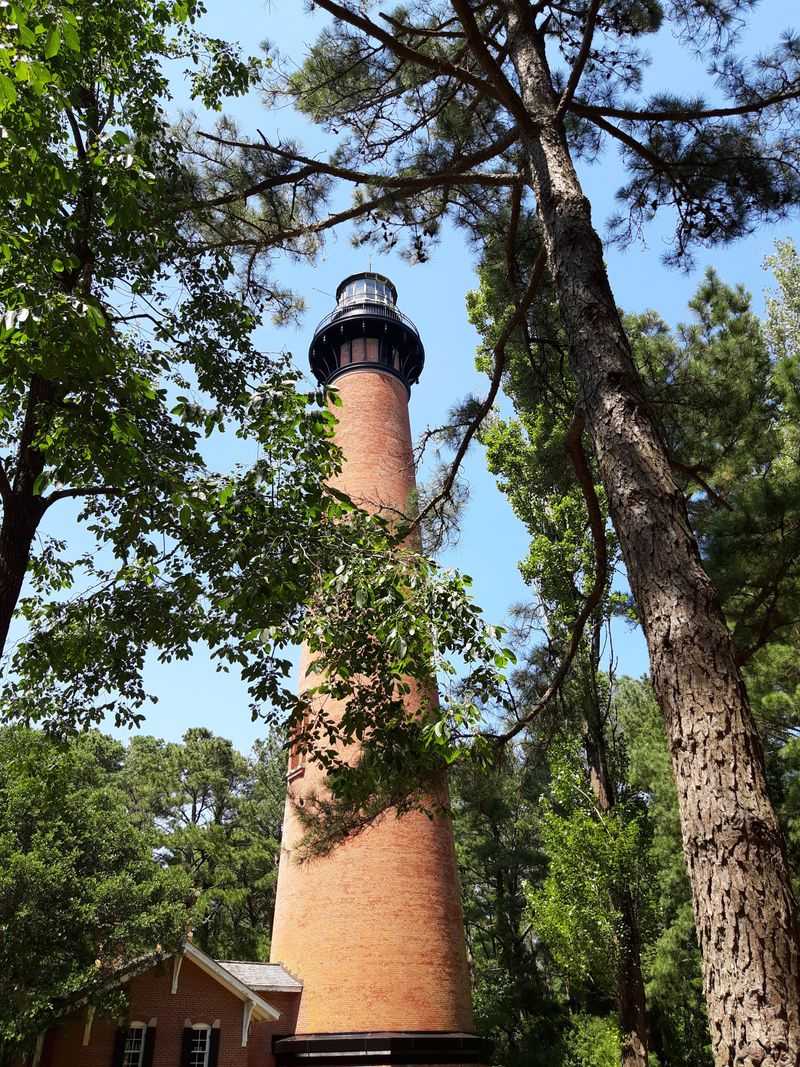
The route described is likely referring to the scenic drive along North Carolina Highway 12 through the Outer Banks, particularly areas like Rodanthe and Buxton.
The phrase coastal shack route is a colloquial description of the stretch of road lined with vulnerable, and sometimes dilapidated, beachfront homes that are frequently exposed to erosion and storm damage.
Locals and visitors sometimes find the coastline prettier or more interesting after a storm due to specific post-storm effects.
Exceptional Beachcombing and Shelling, storms churn up the ocean floor and deposit unique shells, sea glass, and other marine artifacts onto the beach, making it an ideal time for beachcombing.
Dramatic Scenery and Photography, the immediate aftermath of a storm can offer a beautiful, albeit eerie, contrast of dark skies, intense waves, and dramatic sunlight, which appeals to photographers and those who appreciate raw natural beauty.
Witnessing Nature’s Power, driving this vulnerable route after a storm provides a tangible, real-time example of the dynamic and powerful interactions between the ocean, barrier islands, and human development.
Homes are often seen close to collapse or are washed into the sea, offering a stark reminder of the temporary nature of building on a shifting coastline.
Less Crowded or Off-Season Appeal, the fall and winter, when storms are more frequent, are also the off-season, offering a quieter, less crowded experience for those who prefer solitude.
The Outer Banks National Scenic Byway is the official designation for this stretch, which includes the iconic Cape Hatteras National Seashore.
While some find a unique beauty in the storm-altered landscape, officials consistently warn of the dangers, including significant flooding, impassable sections of NC 12, and severe rip currents during and after weather events.
Hatteras Village Quiet Porches
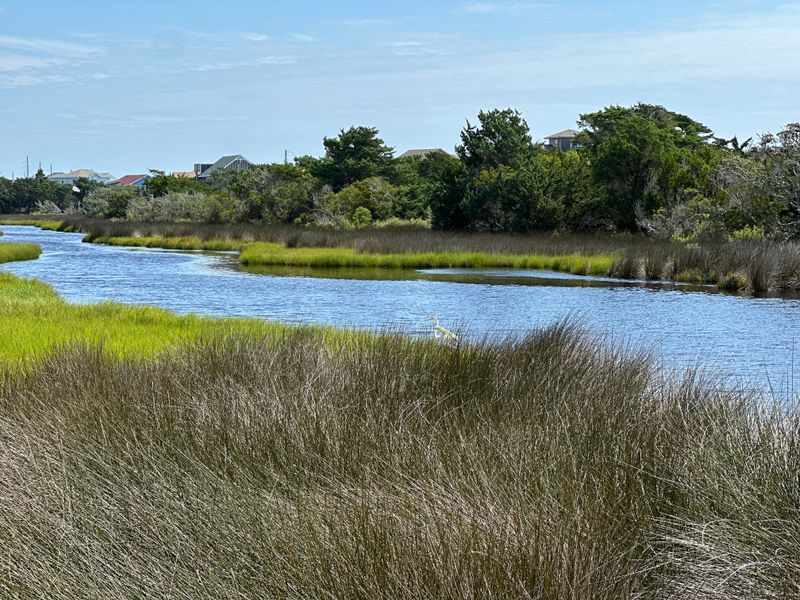
The route described is likely referring to the scenic drive along North Carolina Highway 12 through the Outer Banks, particularly areas like Rodanthe and Buxton.
The phrase coastal shack route is a colloquial description of the stretch of road lined with vulnerable, and sometimes dilapidated, beachfront homes that are frequently exposed to erosion and storm damage.
Locals and visitors sometimes find the coastline prettier or more interesting after a storm due to specific post-storm effects.
Exceptional Beachcombing and Shelling, storms churn up the ocean floor and deposit unique shells, sea glass, and other marine artifacts onto the beach, making it an ideal time for beachcombing.
Dramatic Scenery and Photography, the immediate aftermath of a storm can offer a beautiful, albeit eerie, contrast of dark skies, intense waves, and dramatic sunlight, which appeals to photographers and those who appreciate raw natural beauty.
Witnessing Nature’s Power, driving this vulnerable route after a storm provides a tangible, real-time example of the dynamic and powerful interactions between the ocean, barrier islands, and human development.
Homes are often seen close to collapse or are washed into the sea, offering a stark reminder of the temporary nature of building on a shifting coastline.
Less Crowded or Off-Season Appeal, the fall and winter, when storms are more frequent, are also the off-season, offering a quieter, less crowded experience for those who prefer solitude.
The Outer Banks National Scenic Byway is the official designation for this stretch, which includes the iconic Cape Hatteras National Seashore.
Frisco Dune Lines And Shade
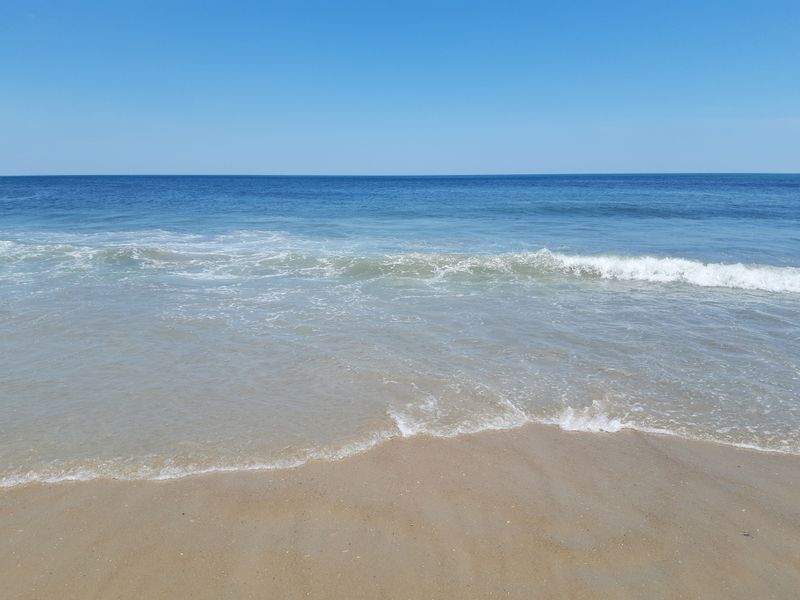
The route described is likely referring to the scenic drive along North Carolina Highway 12 through the Outer Banks, particularly areas like Rodanthe and Buxton.
The phrase coastal shack route is a colloquial description of the stretch of road lined with vulnerable, and sometimes dilapidated, beachfront homes that are frequently exposed to erosion and storm damage.
Locals and visitors sometimes find the coastline prettier or more interesting after a storm due to specific post-storm effects.
Exceptional Beachcombing and Shelling, storms churn up the ocean floor and deposit unique shells, sea glass, and other marine artifacts onto the beach, making it an ideal time for beachcombing.
Dramatic Scenery and Photography, the immediate aftermath of a storm can offer a beautiful, albeit eerie, contrast of dark skies, intense waves, and dramatic sunlight, which appeals to photographers and those who appreciate raw natural beauty.
Witnessing Nature’s Power, driving this vulnerable route after a storm provides a tangible, real-time example of the dynamic and powerful interactions between the ocean, barrier islands, and human development.
Homes are often seen close to collapse or are washed into the sea, offering a stark reminder of the temporary nature of building on a shifting coastline.
Less Crowded or Off-Season Appeal, the fall and winter, when storms are more frequent, are also the off-season, offering a quieter, less crowded experience for those who prefer solitude.
The Outer Banks National Scenic Byway is the official designation for this stretch, which includes the iconic Cape Hatteras National Seashore.
Salvo Porches Facing Weather
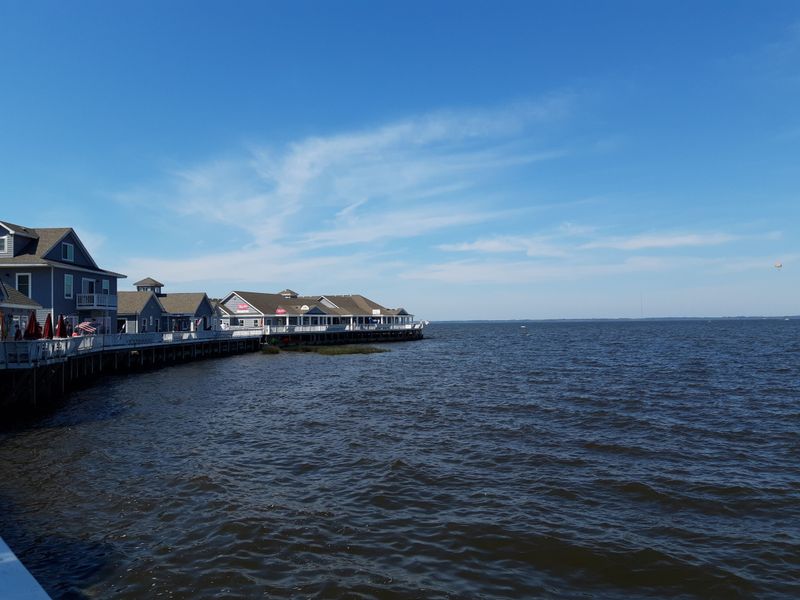
The route described is likely referring to the scenic drive along North Carolina Highway 12 through the Outer Banks, particularly areas like Rodanthe and Buxton.
The phrase coastal shack route is a colloquial description of the stretch of road lined with vulnerable, and sometimes dilapidated, beachfront homes that are frequently exposed to erosion and storm damage.
Locals and visitors sometimes find the coastline prettier or more interesting after a storm due to specific post-storm effects.
Exceptional Beachcombing and Shelling, storms churn up the ocean floor and deposit unique shells, sea glass, and other marine artifacts onto the beach, making it an ideal time for beachcombing.
Dramatic Scenery and Photography, the immediate aftermath of a storm can offer a beautiful, albeit eerie, contrast of dark skies, intense waves, and dramatic sunlight, which appeals to photographers and those who appreciate raw natural beauty.
Witnessing Nature’s Power, driving this vulnerable route after a storm provides a tangible, real-time example of the dynamic and powerful interactions between the ocean, barrier islands, and human development.
Homes are often seen close to collapse or are washed into the sea, offering a stark reminder of the temporary nature of building on a shifting coastline.
Less Crowded or Off-Season Appeal, the fall and winter, when storms are more frequent, are also the off-season, offering a quieter, less crowded experience for those who prefer solitude.
The Outer Banks National Scenic Byway is the official designation for this stretch, which includes the iconic Cape Hatteras National Seashore.
While some find a unique beauty in the storm-altered landscape, officials consistently warn of the dangers, including significant flooding, impassable sections of NC 12, and severe rip currents during and after weather events.
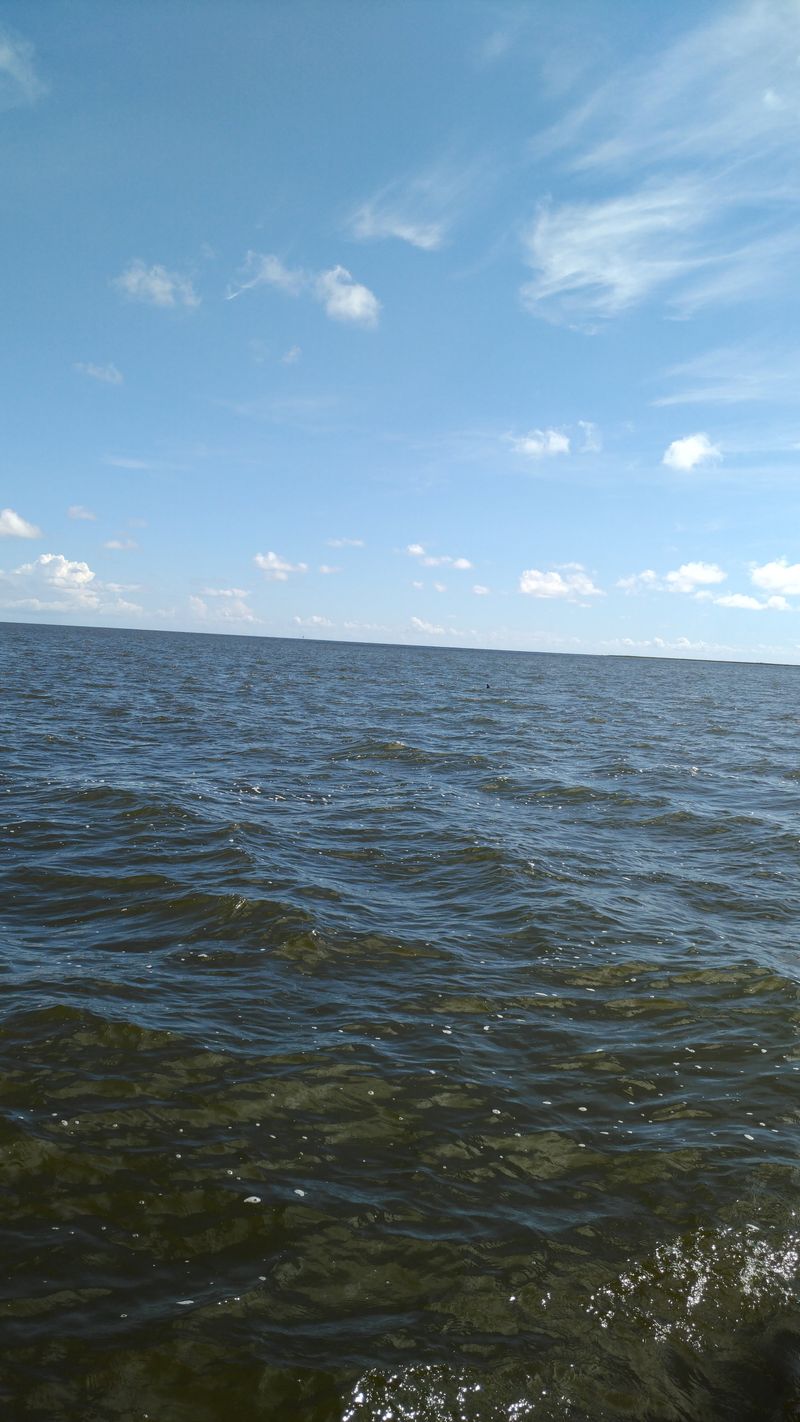
Ocracoke Ferry Approach Calm
The route described is likely referring to the scenic drive along North Carolina Highway 12 through the Outer Banks, particularly areas like Rodanthe and Buxton.
The phrase coastal shack route is a colloquial description of the stretch of road lined with vulnerable, and sometimes dilapidated, beachfront homes that are frequently exposed to erosion and storm damage.
Locals and visitors sometimes find the coastline prettier or more interesting after a storm due to specific post-storm effects.
Exceptional Beachcombing and Shelling, storms churn up the ocean floor and deposit unique shells, sea glass, and other marine artifacts onto the beach, making it an ideal time for beachcombing.
Dramatic Scenery and Photography, the immediate aftermath of a storm can offer a beautiful, albeit eerie, contrast of dark skies, intense waves, and dramatic sunlight, which appeals to photographers and those who appreciate raw natural beauty.
Witnessing Nature’s Power, driving this vulnerable route after a storm provides a tangible, real-time example of the dynamic and powerful interactions between the ocean, barrier islands, and human development.
Less Crowded or Off-Season Appeal, the fall and winter, when storms are more frequent, are also the off-season, offering a quieter, less crowded experience for those who prefer solitude.
The Outer Banks National Scenic Byway is the official designation for this stretch, which includes the iconic Cape Hatteras National Seashore.
While some find a unique beauty in the storm-altered landscape, officials consistently warn of the dangers, including significant flooding, impassable sections of NC 12, and severe rip currents during and after weather events.
This North Carolina crossing feels like a threshold where time takes a breath.
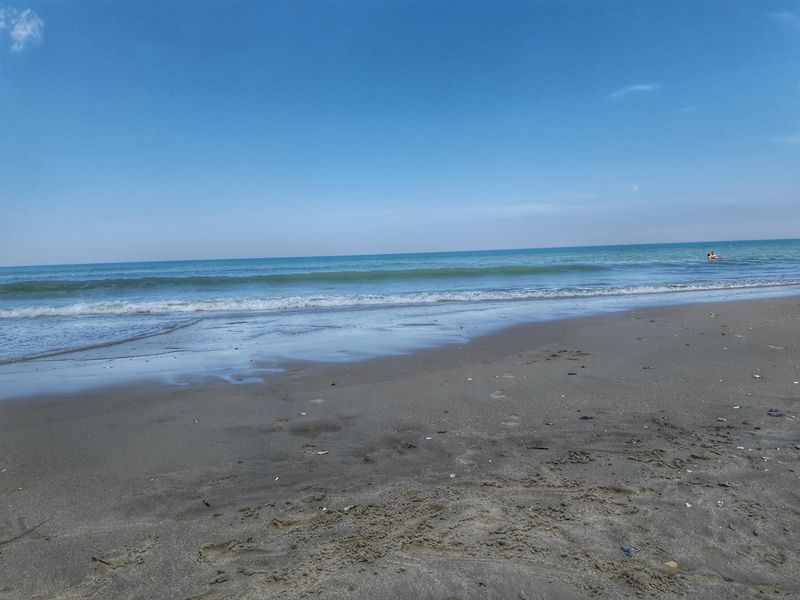
Kitty Hawk Overwash Watch
The route described is likely referring to the scenic drive along North Carolina Highway 12 through the Outer Banks, particularly areas like Rodanthe and Buxton.
The phrase coastal shack route is a colloquial description of the stretch of road lined with vulnerable, and sometimes dilapidated, beachfront homes that are frequently exposed to erosion and storm damage.
Locals and visitors sometimes find the coastline prettier or more interesting after a storm due to specific post-storm effects.
Dramatic Scenery and Photography, the immediate aftermath of a storm can offer a beautiful, albeit eerie, contrast of dark skies, intense waves, and dramatic sunlight, which appeals to photographers and those who appreciate raw natural beauty.
Witnessing Nature’s Power, driving this vulnerable route after a storm provides a tangible, real-time example of the dynamic and powerful interactions between the ocean, barrier islands, and human development.
Homes are often seen close to collapse or are washed into the sea, offering a stark reminder of the temporary nature of building on a shifting coastline.
Less Crowded or Off-Season Appeal, the fall and winter, when storms are more frequent, are also the off-season, offering a quieter, less crowded experience for those who prefer solitude.
The Outer Banks National Scenic Byway is the official designation for this stretch, which includes the iconic Cape Hatteras National Seashore.
While some find a unique beauty in the storm-altered landscape, officials consistently warn of the dangers, including significant flooding, impassable sections of NC 12, and severe rip currents during and after weather events.
The address remains North Carolina Highway 12, North Carolina, and the horizon keeps its promise.
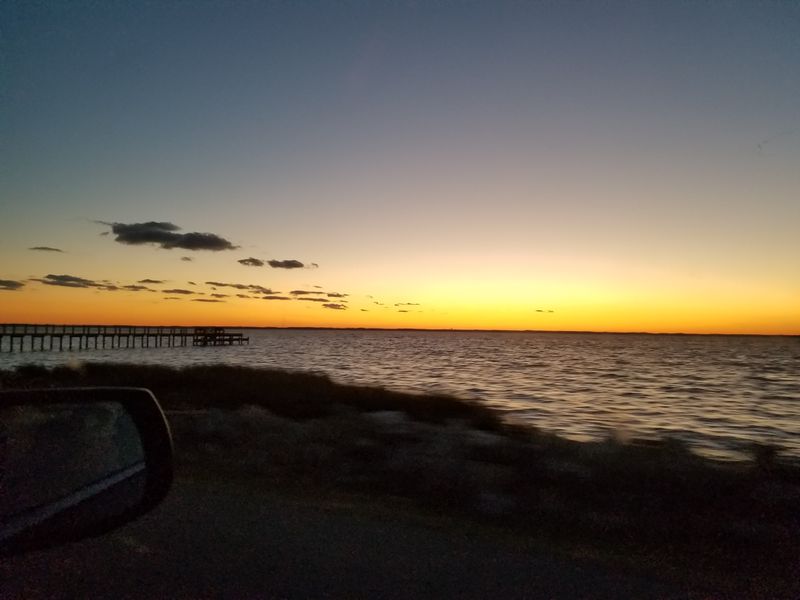
Nags Head Pier Silhouette
The route described is likely referring to the scenic drive along North Carolina Highway 12 through the Outer Banks, particularly areas like Rodanthe and Buxton.
The phrase coastal shack route is a colloquial description of the stretch of road lined with vulnerable, and sometimes dilapidated, beachfront homes that are frequently exposed to erosion and storm damage.
Exceptional Beachcombing and Shelling, storms churn up the ocean floor and deposit unique shells, sea glass, and other marine artifacts onto the beach, making it an ideal time for beachcombing.
Dramatic Scenery and Photography, the immediate aftermath of a storm can offer a beautiful, albeit eerie, contrast of dark skies, intense waves, and dramatic sunlight, which appeals to photographers and those who appreciate raw natural beauty.
Witnessing Nature’s Power, driving this vulnerable route after a storm provides a tangible, real-time example of the dynamic and powerful interactions between the ocean, barrier islands, and human development.
Less Crowded or Off-Season Appeal, the fall and winter, when storms are more frequent, are also the off-season, offering a quieter, less crowded experience for those who prefer solitude.
The Outer Banks National Scenic Byway is the official designation for this stretch, which includes the iconic Cape Hatteras National Seashore.
While some find a unique beauty in the storm-altered landscape, officials consistently warn of the dangers, including significant flooding, impassable sections of NC 12, and severe rip currents during and after weather events.
Nags Head throws a clean silhouette at dusk, with the pier standing like a metronome for the surf.
It is all part of North Carolina Highway 12, North Carolina, and it feels like the last page before night.
Dear Reader: This page may contain affiliate links which may earn a commission if you click through and make a purchase. Our independent journalism is not influenced by any advertiser or commercial initiative unless it is clearly marked as sponsored content. As travel products change, please be sure to reconfirm all details and stay up to date with current events to ensure a safe and successful trip.
