
Jackson, Mississippi sits quietly in the heart of the Deep South, often overlooked by travelers racing toward more famous destinations.
Yet this unassuming capital city holds a culinary secret that food lovers from across the country are starting to discover.
Behind modest storefronts and inside family-run kitchens, generations of cooks have perfected soul food recipes that represent some of the most authentic and delicious Southern cooking you’ll find anywhere.
From crispy fried catfish to slow-cooked greens that melt in your mouth, Jackson’s soul food scene offers an unforgettable taste of Mississippi culture and hospitality that makes this humble city worth every mile of the journey.
Bully’s Restaurant: A Soul Food Institution Since 1963
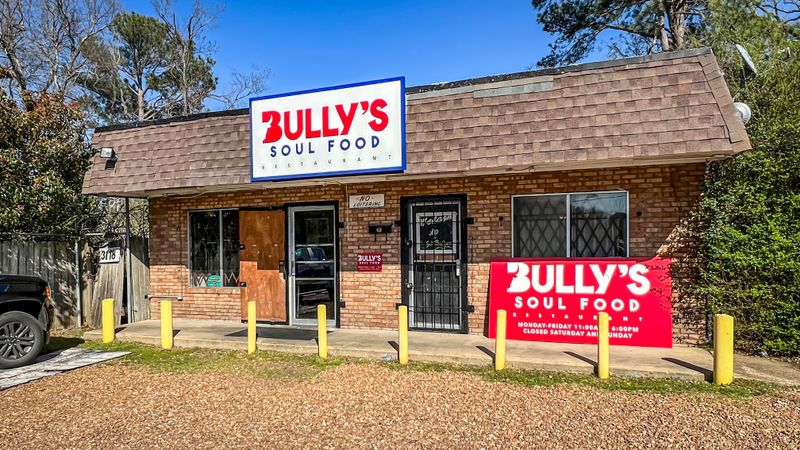
Walking into Bully’s Restaurant feels like stepping back in time to an era when dining meant more than just eating.
This Jackson landmark has been serving hungry locals and curious visitors since 1963, making it one of the oldest continuously operating soul food restaurants in the state.
The restaurant earned its reputation by doing simple things exceptionally well, never cutting corners or chasing trends.
Their fried chicken arrives at your table with a golden crust that shatters at first bite, revealing meat so tender it practically falls off the bone.
The secret lies in a buttermilk marinade passed down through generations, combined with a seasoning blend that remains closely guarded.
Collard greens simmer for hours with smoked turkey, developing a rich, savory depth that converts even skeptical first-timers.
Cornbread comes out piping hot, with crispy edges and a moist, slightly sweet interior that pairs perfectly with everything on your plate.
The atmosphere inside Bully’s captures authentic Southern hospitality without any pretense or tourist-focused gimmicks.
Worn booths and simple table settings remind you that this place focuses on food, not fancy decorations.
Regulars chat with staff members they’ve known for decades, creating a warm community feeling that makes newcomers feel instantly welcome.
Located at 3118 Livingston Road, Jackson, MS 39213, Bully’s represents everything that makes Jackson’s soul food scene special.
The restaurant proves that authenticity and consistency matter more than flashy marketing or trendy Instagram-worthy presentations.
The Mayflower Cafe: Where History Meets Comfort Food
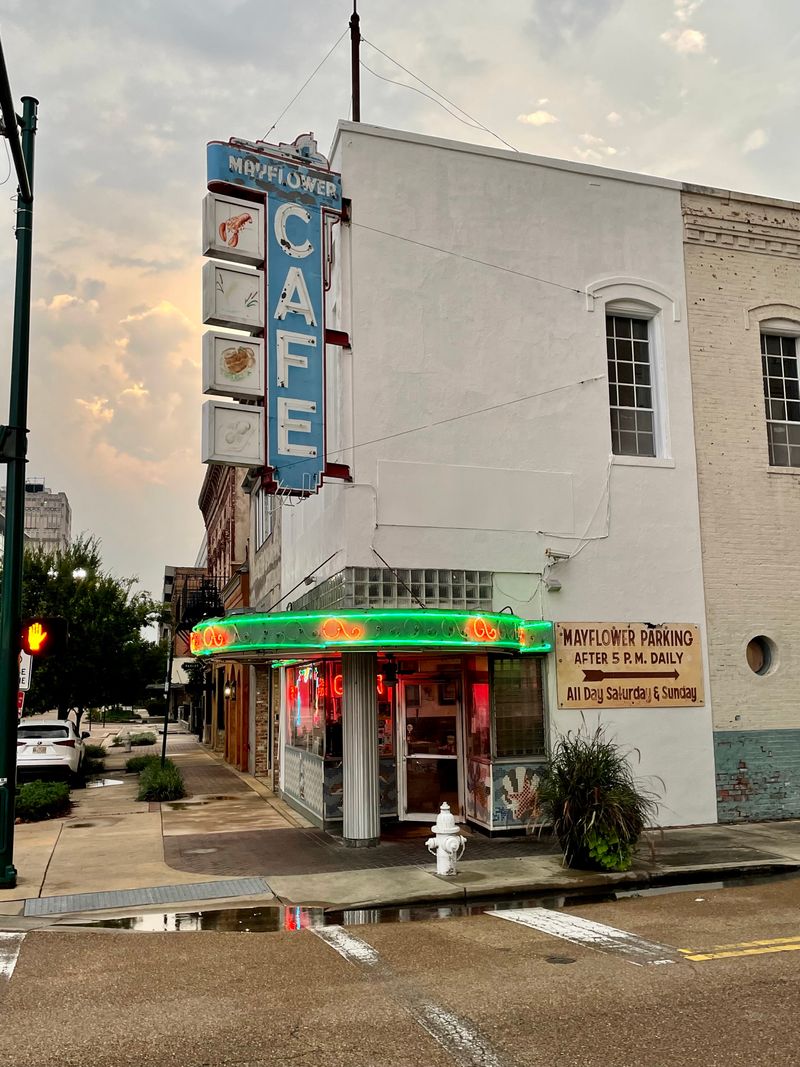
Some restaurants serve food, but The Mayflower Cafe serves history alongside every plate of comfort that leaves its kitchen.
Opening its doors in 1935, this downtown Jackson institution has witnessed nearly a century of the city’s evolution while maintaining its original character.
The long counter with spinning stools invites solo diners to settle in and watch skilled cooks work their magic on the griddle.
While not exclusively a soul food restaurant, The Mayflower offers Southern classics that showcase the region’s culinary traditions beautifully.
Their comeback sauce, a tangy pink condiment served with fried shrimp, has achieved legendary status among locals who guard the recipe’s mystery jealously.
Greek immigrant family roots blend seamlessly with Southern cooking traditions, creating a unique fusion that defines Jackson’s diverse food culture.
The restaurant’s fried catfish comes with a delicate cornmeal coating that provides crunch without overwhelming the sweet, mild fish inside.
Black-eyed peas seasoned with just the right amount of pepper and onion offer a taste of traditional Southern cooking at its finest.
Waitresses who’ve worked there for decades know regular customers by name and remember their usual orders without asking.
The Mayflower’s location at 123 West Capitol Street, Jackson, MS 39201 places it in the heart of downtown, making it accessible for both locals and visitors.
Stepping through its doors means joining a tradition that spans generations, where the past and present coexist comfortably.
This enduring establishment proves that great food and genuine hospitality never go out of style, regardless of changing trends.
Big Apple Inn: The Pig Ear Sandwich Pioneer
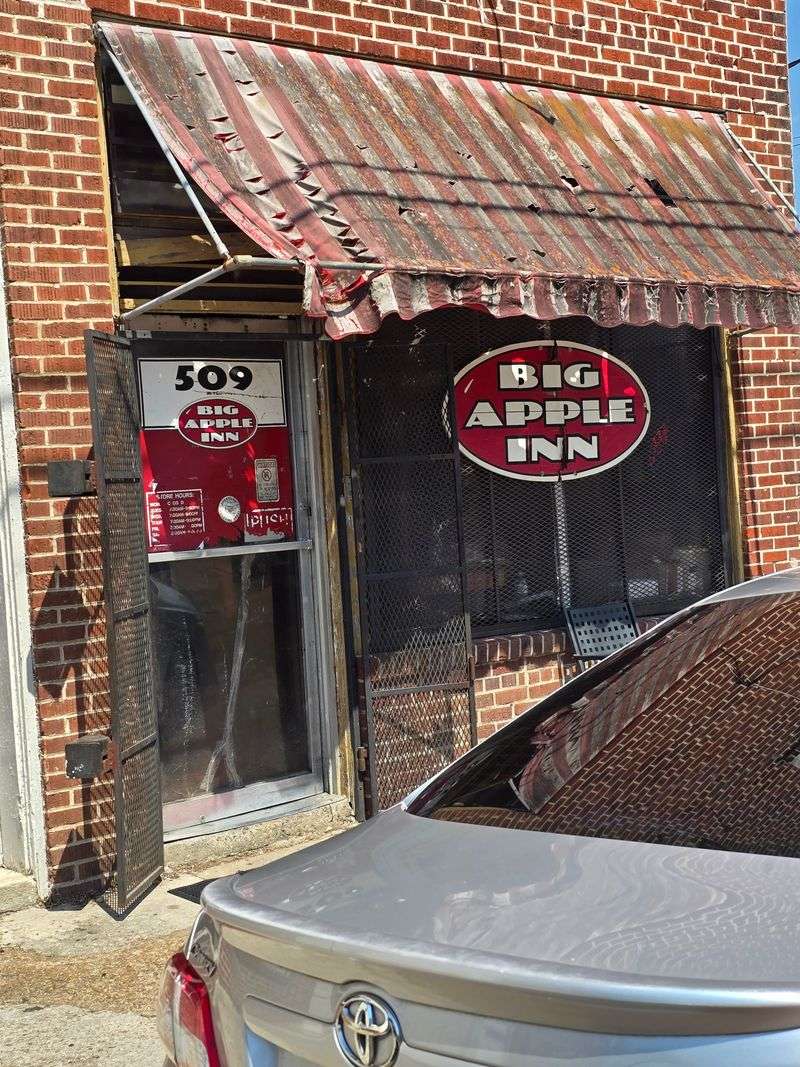
Adventurous eaters seeking authentic, unapologetically traditional soul food find their paradise at Big Apple Inn.
This tiny establishment, founded in 1939, specializes in dishes that many modern restaurants wouldn’t dare serve.
Their famous pig ear sandwich sounds unusual to outsiders but represents an important piece of African American culinary heritage.
During harder economic times, resourceful cooks used every part of the animal, creating delicious dishes from ingredients others discarded.
The pig ears at Big Apple Inn get slow-cooked until tender, then smothered in a spicy, tangy mustard-based sauce that creates an unforgettable flavor combination.
Served on white bread with slaw, this sandwich delivers a taste experience that challenges preconceptions about what soul food can be.
For those less adventurous, their smoked sausage sandwich offers a milder introduction to the restaurant’s straightforward approach to flavor.
The original location on Farish Street sits in Jackson’s historic African American business district, an area rich with civil rights history.
Faded photographs on the walls show generations of customers who’ve passed through these doors, from civil rights activists to everyday working folks.
The no-frills atmosphere focuses entirely on the food, with minimal seating and a counter where orders get called out in rapid succession.
Located at 509 North Farish Street, Jackson, MS 39202, Big Apple Inn represents culinary courage and cultural preservation.
Visiting this landmark means participating in a living tradition that honors the creativity and resilience of Southern African American cooks.
The Manship Wood Fired Kitchen: Upscale Southern Refinement
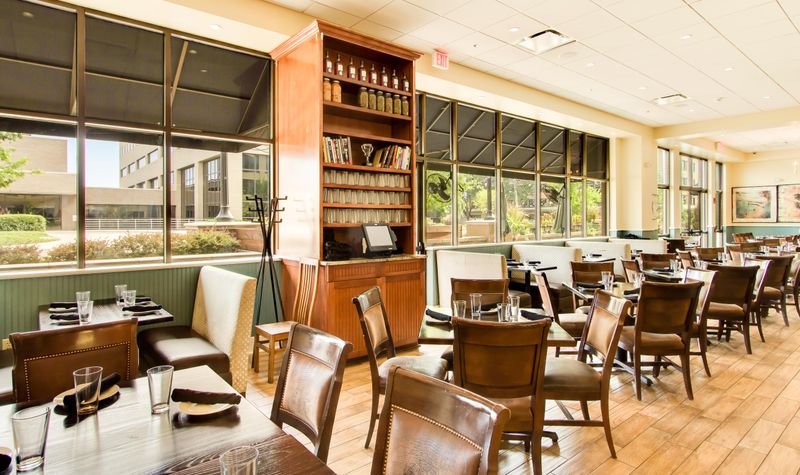
Not all soul food comes from humble hole-in-the-wall establishments with plastic chairs and paper plates.
The Manship Wood Fired Kitchen elevates Southern ingredients and cooking techniques to fine dining status without losing the heart of the cuisine.
Chef Nick Wallace brings a modern sensibility to traditional flavors, respecting their origins while presenting them in innovative ways.
The wood-fired oven that gives the restaurant its name imparts a subtle smokiness to dishes, enhancing rather than overpowering natural flavors.
Their interpretation of classic Southern vegetables transforms simple ingredients into revelations that remind diners why fresh, local produce matters.
Charred okra loses its sometimes slimy texture, becoming crispy and addictive with a light char that adds complexity.
Stone-ground grits arrive creamy and rich, proving that this humble staple deserves respect when prepared with care and quality ingredients.
The restaurant occupies a beautifully restored historic building in the Belhaven neighborhood, combining old-world charm with contemporary design elements.
Exposed brick walls and carefully chosen lighting create an atmosphere that feels both sophisticated and welcoming to diners of all backgrounds.
The Manship demonstrates that soul food’s influence extends beyond traditional preparations, inspiring creative interpretations that honor the past while embracing the present.
Located at 1200 North State Street, Jackson, MS 39202, this restaurant offers a different perspective on Jackson’s food scene.
It proves that the city’s culinary landscape includes both traditional soul food joints and refined establishments that draw inspiration from the same cultural roots.
The Civil Rights Legacy That Shaped Jackson’s Food Culture

Understanding Jackson’s soul food requires understanding the city’s pivotal role in the civil rights movement and African American cultural preservation.
Farish Street, once the thriving heart of Black business and culture in Jackson, served as a gathering place where food and freedom intersected.
Restaurants and cafes provided more than sustenance during the 1960s; they offered safe spaces where activists planned strategies and communities strengthened their resolve.
The Medgar Evers Home Museum, located at 2332 Margaret Walker Alexander Drive, Jackson, MS 39213, honors the civil rights leader assassinated in his driveway in 1963.
Visiting this preserved home reminds us that the people who fought for justice also gathered around dinner tables, sharing meals that nourished both body and spirit.
Soul food itself represents resilience and creativity born from hardship, as enslaved people and their descendants transformed limited ingredients into extraordinary dishes.
The cooking techniques and flavor profiles that define soul food carry forward African culinary traditions adapted to available Southern ingredients.
Jackson’s restaurants serve as living museums where these traditions continue, passed from generation to generation through careful teaching and practice.
The Mississippi Freedom Trail markers throughout the city connect historic sites, reminding visitors that food culture exists within larger social and political contexts.
Many soul food establishments in Jackson occupy buildings that witnessed history, their walls holding stories of struggle, celebration, and community solidarity.
Eating soul food in Jackson means participating in a cultural tradition that represents survival, joy, and the unbreakable bonds of community.
This context enriches every meal, transforming simple dishes into connections with a profound and ongoing story of American life.
Fried Catfish: Mississippi’s Signature Dish
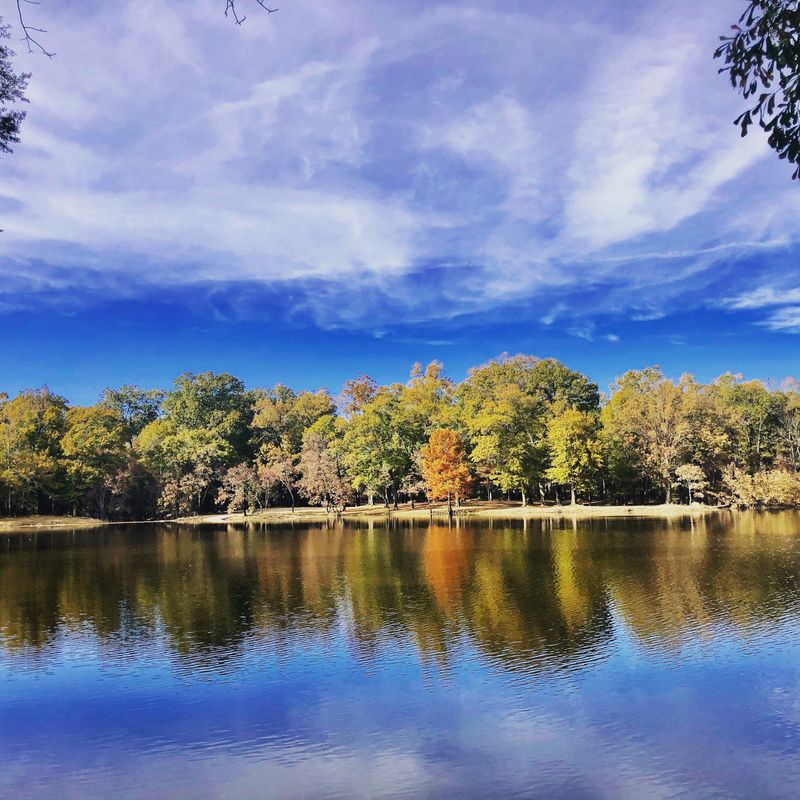
Rivers and lakes throughout Mississippi have provided catfish for centuries, making this bottom-feeding fish central to the state’s culinary identity.
Jackson’s soul food restaurants treat catfish preparation as a sacred art, with each establishment defending its particular approach to seasoning and frying.
The fish gets dredged in seasoned cornmeal rather than wheat flour, creating a distinctly Southern coating with more texture and a slightly sweet corn flavor.
Some cooks swear by soaking catfish in buttermilk overnight, claiming it removes any muddy taste while tenderizing the flesh.
Others insist that fresh catfish needs no soaking, that quality fish speaks for itself when properly seasoned and fried at the right temperature.
The oil temperature matters enormously; too cool and the coating absorbs grease, too hot and the outside burns before the inside cooks through.
Perfectly fried catfish emerges from the oil with a golden-brown crust that stays crispy even as it cools, shattering delicately when you bite down.
The meat inside should be snow-white, flaky, and moist, with a mild, slightly sweet flavor that carries the seasonings without being overwhelmed by them.
Traditional accompaniments include hushpuppies, small balls of cornmeal batter fried until golden, and creamy coleslaw that provides cool contrast to the hot fish.
Tartar sauce appears on most tables, though purists argue that well-prepared catfish needs nothing more than a squeeze of lemon.
Eating catfish in Jackson connects you to Mississippi’s agricultural and culinary heritage in the most direct and delicious way possible.
This dish represents the intersection of available resources, African American cooking traditions, and Southern hospitality that defines the region’s food culture.
LeFleur’s Bluff State Park: Nature’s Respite in the City

After indulging in Jackson’s rich soul food, visitors need somewhere to walk off their meals while enjoying Mississippi’s natural beauty.
LeFleur’s Bluff State Park provides 305 acres of wooded refuge right within the city limits, offering trails, fishing, and peaceful natural settings.
The park’s location along the Pearl River creates diverse habitats where wildlife thrives despite the urban surroundings.
Walking trails wind through forests of oak, hickory, and pine, their canopy providing shade even during Mississippi’s notoriously hot summers.
The Mississippi Museum of Natural Science sits within the park at 2148 Riverside Drive, Jackson, MS 39202, featuring aquariums showcasing native fish species.
Interactive exhibits teach visitors about the state’s ecosystems, from the Delta’s wetlands to the pine forests covering much of the interior.
Nature trails behind the museum offer opportunities to spot herons, turtles, and occasionally alligators in their natural habitat.
The park’s camping facilities allow visitors to extend their Jackson stay, falling asleep to cricket songs and waking to birdsong.
Fishing enthusiasts cast lines into the Pearl River, hoping to catch bass, catfish, or bream while enjoying the peaceful riverside atmosphere.
Picnic areas scattered throughout the park provide perfect spots for enjoying takeout from your favorite Jackson soul food restaurant surrounded by nature.
LeFleur’s Bluff reminds visitors that Jackson offers more than just exceptional food, that the city sits within a landscape of genuine natural beauty.
This green space provides balance to the indulgent eating that defines a proper Jackson food tour, offering exercise and fresh air between meals.
Collard Greens: The Soul Food Staple

No soul food meal feels complete without a generous serving of collard greens, that deep green vegetable that defines Southern cooking.
Jackson’s cooks approach collard preparation with the seriousness it deserves, understanding that great greens require time, patience, and the right seasonings.
Fresh collards arrive at restaurants in large bunches, their sturdy leaves requiring thorough washing to remove sand and grit.
Cooks strip the tough stems from each leaf, a time-consuming task that separates dedicated soul food kitchens from shortcuts-taking imposters.
The greens get chopped into ribbons and added to large pots where they’ll simmer for hours, gradually transforming from tough to tender.
Traditional recipes call for smoked meat, either ham hocks, turkey wings, or fatback, which infuses the greens with rich, smoky flavor.
Some cooks add a splash of vinegar or hot sauce to the pot, creating a tangy, spicy potlikker that many consider the best part.
This cooking liquid, rich with nutrients and flavor, gets sopped up with cornbread, creating a simple but profoundly satisfying combination.
Properly cooked collards retain some texture while becoming tender enough to cut with a fork, never mushy or overcooked.
The flavor should be complex, balancing the greens’ natural slight bitterness with smoky meat, savory seasonings, and subtle heat.
Eating collard greens in Jackson means tasting a dish with roots stretching back through centuries of African American culinary tradition.
This humble vegetable represents resourcefulness, nutrition, and the ability to create something delicious from simple, affordable ingredients.
The Mississippi State Capitol: Architectural Grandeur

Rising majestically above downtown Jackson, the Mississippi State Capitol building commands attention with its Beaux-Arts architecture and gleaming dome.
Completed in 1903, this National Historic Landmark represents an era when government buildings were designed to inspire awe and civic pride.
The exterior features white limestone and a copper dome covered in gold leaf that catches sunlight and glows against Mississippi’s bright blue skies.
Free guided tours take visitors through marble-lined hallways decorated with murals depicting Mississippi’s complex history from multiple perspectives.
The building sits at 400 High Street, Jackson, MS 39201, within easy walking distance of several excellent soul food restaurants.
Inside, the rotunda soars overhead, its ornate details and architectural craftsmanship showcasing the skill of early 20th-century builders.
The capitol played a significant role during the civil rights era, witnessing protests, legislative battles, and the gradual, hard-fought expansion of voting rights.
Visiting this building provides context for understanding Jackson’s place in American history, both its troubling aspects and its progress.
The surrounding grounds feature monuments and memorials that tell different parts of Mississippi’s story, inviting reflection and conversation.
After a morning exploring the capitol, visitors typically head to nearby restaurants for lunch, discussing what they’ve learned over plates of fried chicken and greens.
The juxtaposition of political history and food culture reveals how deeply intertwined these aspects of Southern life have always been.
Jackson’s identity as both state capital and soul food destination creates a unique travel experience that engages mind, heart, and appetite simultaneously.
Cornbread: The Essential Side Dish

Walk into any Jackson soul food restaurant and cornbread will appear on your table, either automatically or immediately upon request.
This essential accompaniment to soul food meals carries regional variations that spark passionate debates among Southern cooks.
Mississippi-style cornbread typically uses white cornmeal rather than yellow, creating a lighter color and slightly different flavor profile.
The batter gets mixed with buttermilk, eggs, and just enough flour to hold everything together without making the bread cakey.
Traditional cooks insist on baking cornbread in a cast-iron skillet preheated with bacon grease or oil until smoking hot.
Pouring the batter into the sizzling skillet creates those coveted crispy edges that provide textural contrast to the tender interior.
Sugar remains controversial; purists insist that real Southern cornbread contains no sugar, while others appreciate a subtle sweetness.
The bread should be sturdy enough to hold together when used to sop up potlikker or gravy, but tender enough to crumble satisfyingly in your mouth.
Some Jackson restaurants serve their cornbread as individual wedges, while others present it in squares cut from a large pan.
Either way, it arrives warm, releasing steam when you break it open and revealing a golden interior dotted with air pockets.
Butter melts immediately when spread on hot cornbread, creating a rich, indulgent bite that somehow makes every other dish on the table taste better.
Cornbread’s presence at every soul food meal represents Southern hospitality’s essence: simple, generous, and absolutely essential to the complete experience.
The Mississippi Museum of Natural Science: Educational Excellence

Science and nature enthusiasts find their Jackson destination at the Mississippi Museum of Natural Science, where the state’s ecosystems come alive through engaging exhibits.
The museum’s location within LeFleur’s Bluff State Park allows visitors to experience both curated exhibits and actual wilderness within the same visit.
Massive aquariums showcase native Mississippi fish species, from tiny darters to impressive alligator gar that can grow over six feet long.
The 100,000-gallon aquarium network replicates different aquatic habitats found throughout the state, from swift rivers to slow-moving bayous.
Interactive exhibits teach visitors about Mississippi’s biodiversity, including species found nowhere else on Earth that call this state home.
The museum sits at 2148 Riverside Drive, Jackson, MS 39202, making it accessible for families looking for educational activities between meals.
Nature trails extending from the museum building wind through forests where visitors can spot many of the same species featured in indoor exhibits.
Observation platforms overlook wetland areas where herons hunt and turtles sun themselves on logs, providing wildlife viewing opportunities within city limits.
The greenhouse displays native plants, including species that played important roles in traditional Southern cooking and medicine.
Educational programs throughout the year teach children and adults about conservation, ecology, and Mississippi’s natural heritage.
Visiting this museum adds depth to a Jackson food tour by connecting the region’s cuisine to its landscape and natural resources.
Understanding where catfish live, how collard greens grow, and what makes Mississippi’s soil so fertile enriches appreciation for the food those resources produce.
Macaroni and Cheese: Comfort Food Perfection

Among all soul food side dishes, macaroni and cheese holds a special place in diners’ hearts and on their plates.
Jackson’s soul food cooks elevate this simple dish to an art form, creating versions that bear little resemblance to boxed varieties.
Real soul food mac and cheese starts with a proper cheese sauce made from scratch using butter, flour, milk, and multiple cheese varieties.
Sharp cheddar provides the primary flavor, while additions like Velveeta ensure creaminess and that characteristic stretchy texture.
Some cooks add a touch of mustard powder or hot sauce to the cheese sauce, creating subtle complexity that makes people wonder what makes it taste so good.
The cooked pasta gets folded into the cheese sauce, then transferred to baking dishes where it will finish in the oven.
Additional cheese gets sprinkled on top, creating a golden, slightly crispy crust that provides textural contrast to the creamy interior.
The best versions achieve perfect balance: rich but not heavy, cheesy but not overwhelming, creamy but not soupy.
Each restaurant guards its particular recipe as a closely held secret, with small variations in cheese selection or seasoning creating distinctive signatures.
The dish appears on every soul food menu in Jackson, its presence as expected and essential as sweet tea or hot sauce.
Children and adults alike fill their plates with generous portions, understanding that no soul food meal feels complete without this creamy, comforting staple.
Macaroni and cheese represents soul food’s ability to take everyday ingredients and transform them into something that nourishes both body and spirit.
Sweet Tea: Mississippi’s Liquid Gold
Before your food arrives at any Jackson soul food restaurant, a server will ask one question: sweet or unsweet?
This query refers to tea, the default beverage throughout the South, where drinking anything else with soul food borders on sacrilege.
Sweet tea preparation follows a specific process that separates authentic Southern versions from pale imitations served elsewhere.
Strong black tea gets brewed hot, often using multiple tea bags to create a concentrated base that won’t taste watered down when poured over ice.
Sugar gets added while the tea is still hot, allowing it to dissolve completely and integrate throughout the liquid.
The amount of sugar shocks newcomers; Southern sweet tea contains enough sweetness to make your teeth ache if you’re not accustomed to it.
The hot, sweetened tea then gets diluted with cold water and poured over ice, creating that characteristic amber color and refreshing temperature.
Proper sweet tea should taste sweet but not syrupy, strong but not bitter, cold enough to refresh but not so cold it numbs your taste buds.
The beverage serves an important function beyond mere refreshment, cutting through the richness of fried foods and cleansing your palate between bites.
Servers keep your glass filled throughout the meal, returning regularly with pitchers to top off your tea before it runs dry.
Some Jackson restaurants offer their sweet tea for sale by the gallon, allowing visitors to take home a taste of their meal.
Drinking sweet tea in Mississippi means participating in a ritual as essential to Southern food culture as the food itself.
The Fondren District: Jackson’s Creative Heart

Jackson’s soul extends beyond its soul food, and the Fondren district showcases the city’s artistic and creative energy.
This walkable neighborhood combines vintage shops, art galleries, locally owned restaurants, and colorful murals that transform ordinary walls into public art.
The area’s renaissance over the past two decades demonstrates Jackson’s ability to honor its past while building a vibrant future.
Fondren’s restaurants range from traditional soul food to innovative fusion concepts that draw inspiration from multiple culinary traditions.
Coffee shops provide gathering spaces where artists, students, and professionals mix, discussing ideas over locally roasted beans.
Vintage clothing stores offer treasures from past decades, their carefully curated selections attracting shoppers from across the region.
The monthly Fondren First Thursday brings the community together with art walks, live music, and special promotions at participating businesses.
Murals throughout the district celebrate Mississippi culture, civil rights history, and local heroes, turning sidewalks into an outdoor art gallery.
The neighborhood’s tree-lined streets and historic homes create an atmosphere that feels both urban and intimate, modern and timeless.
Rainbow Co-op, a community-owned grocery store, provides organic produce and natural foods, catering to health-conscious residents and visitors.
Exploring Fondren reveals a side of Jackson that contradicts stereotypes about Mississippi, showing a progressive, creative community thriving in the heart of the Deep South.
This district proves that Jackson offers cultural richness beyond its restaurants, though several excellent eateries call Fondren home.
Fried Chicken: The Crown Jewel of Soul Food

If soul food had a king, fried chicken would wear the crown, and Jackson’s restaurants serve versions worthy of royalty.
Every soul food cook has opinions about proper fried chicken preparation, with techniques passed down through families for generations.
The process begins hours before cooking, with chicken pieces soaking in seasoned buttermilk that tenderizes the meat and helps seasonings penetrate deeply.
Flour gets seasoned with a carefully guarded blend of spices, salt, and pepper, creating the coating that will become that signature crispy crust.
Some cooks use a wet batter, while others prefer dry dredging, and still others swear by a combination that creates extra-crunchy texture.
The oil temperature must stay consistent throughout frying, hot enough to crisp the coating quickly but not so hot it burns before the chicken cooks through.
Dark meat pieces require longer cooking than white meat, so experienced cooks add them to the oil first, timing each piece perfectly.
Properly fried chicken emerges from the oil golden-brown, with a crust that stays crispy even as the chicken rests before serving.
The first bite should produce an audible crunch, giving way to juicy, flavorful meat seasoned all the way to the bone.
Different Jackson restaurants develop their own signature styles, some favoring heavily spiced versions while others prefer simpler seasoning that lets the chicken shine.
Eating exceptional fried chicken in Jackson means experiencing a dish that represents centuries of culinary evolution and cultural significance.
This iconic soul food staple connects diners to a tradition that celebrates resourcefulness, flavor, and the communal joy of sharing good food.
The Smith Robertson Museum: Preserving African American History

Understanding Jackson’s soul food culture requires understanding the African American community that created and preserved these culinary traditions.
The Smith Robertson Museum and Cultural Center, Mississippi’s first museum dedicated to African American heritage, provides essential historical context.
The building itself holds significance, originally serving as Jackson’s first public school for African American children when it opened in 1894.
Located at 528 Bloom Street, Jackson, MS 39202, the museum sits in a neighborhood rich with African American history and culture.
Exhibits trace African American life in Mississippi from pre-colonial African civilizations through slavery, Reconstruction, Jim Crow, and the civil rights movement.
Artifacts, photographs, and documents tell stories of struggle and triumph, showing how communities maintained cultural traditions despite tremendous obstacles.
The museum explores how African culinary practices survived the Middle Passage and evolved in America, directly connecting to soul food’s development.
Displays show traditional cooking implements and explain how enslaved people created flavorful dishes from limited ingredients and unwanted food scraps.
Understanding this history transforms soul food from simple comfort food into a powerful expression of cultural survival and creativity.
The museum hosts events, lectures, and programs that keep African American cultural traditions alive for new generations.
Visiting before exploring Jackson’s restaurants enriches the dining experience, adding layers of meaning to every bite of collards or cornbread.
This museum reminds us that food never exists in isolation, that every dish carries history, memory, and the stories of people who created it.
Candied Yams: Sweet Southern Tradition

Sweet potatoes transform into candy-like decadence when prepared as candied yams, a soul food side dish that blurs the line between vegetable and dessert.
Jackson’s soul food restaurants serve this dish year-round, refusing to reserve it exclusively for Thanksgiving despite its holiday associations.
The preparation begins with sweet potatoes peeled and sliced into rounds or chunks, then arranged in baking dishes.
A mixture of butter, brown sugar, cinnamon, nutmeg, and sometimes orange juice gets poured over the potatoes, creating the syrup that gives the dish its name.
As the yams bake, the sugar caramelizes and the potatoes soften, absorbing the sweet, spiced liquid and developing tender texture.
Some versions include marshmallows on top, added near the end of baking so they turn golden and slightly crispy on the surface.
Others skip the marshmallows, letting the natural sweetness of the potatoes shine through the brown sugar glaze.
The finished dish should be sweet but not cloying, with the spices adding warmth and complexity to prevent it from tasting one-dimensional.
Candied yams provide important balance on soul food plates, their sweetness contrasting with savory, salty, and spicy elements from other dishes.
The dish represents African American cooks’ creativity in making vegetables appealing and delicious, especially to children who might resist eating their vegetables.
Each bite delivers comfort and nostalgia, reminding diners of family gatherings and celebrations where this dish appeared on crowded tables.
Candied yams demonstrate soul food’s range, showing that this cuisine encompasses much more than just fried foods and greens.
Dear Reader: This page may contain affiliate links which may earn a commission if you click through and make a purchase. Our independent journalism is not influenced by any advertiser or commercial initiative unless it is clearly marked as sponsored content. As travel products change, please be sure to reconfirm all details and stay up to date with current events to ensure a safe and successful trip.
