Ever heard of a rule so strange you had to double-check if it was real? New Mexico has plenty of those, and some sound way too weird to be true.
From quirky laws that make you scratch your head to regulations that feel more like punchlines, this state has built a reputation for keeping things interesting.
What makes it fun is that these rules aren’t just urban legends. They’re written down, and in some cases, still technically enforceable.
You’ll find everything from odd restrictions that don’t quite make sense today to rules that probably had a purpose decades ago but now just feel outdated.
The first time I came across a few of these, I laughed out loud. It’s the kind of stuff you’d bring up at dinner just to see everyone’s reaction.
Whether you’re a local or just passing through, New Mexico’s “too weird to be true” rules are worth knowing about. So, ready to see which ones will make you shake your head?
1. You Can’t Chop Up The Anthem Into A Medley
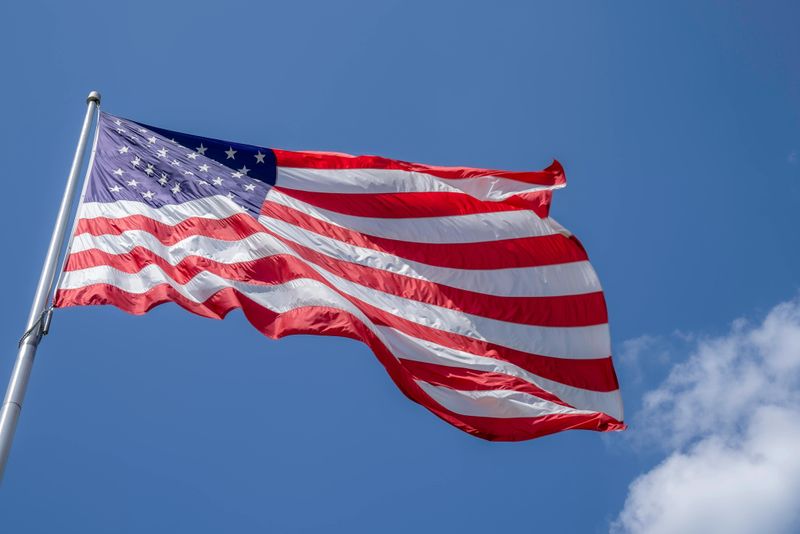
Here is one I did not expect to discuss at a roadside motel. New Mexico says the U.S. anthem and the state anthem have to be performed as full, separate pieces in public settings.
No remix vibe, no chopped medley tucked under a slideshow, just the whole thing with attention and respect.
I get the energy behind it. At a local event, the emcee joked about a mashup, then someone gently tapped the rule.
It felt like a talent show moment that wandered into state law, and yet the longer I thought about it the more local it felt, like a reminder that shared traditions matter in real time.
Think about the scene: a small stadium, flags quiet in the breeze, the crowd pausing together before the action starts.
The rule aims to protect that pause from becoming background noise you barely notice while fiddling with a camera strap.
Would a medley be catchier? Probably, but on this New Mexico loop, where town pride rolls deep and the band kids tune up behind the bleachers, playing it whole makes sense.
You can call it old school, though it also reads like community choreography.
So if you are planning an event and tempted to splice a few bars between announcements, maybe do a reset, let the songs breathe.
In a place where people know the words and glance at the flag the same way every time, the full version lands just right.
2. Leaving An Old Fridge Out Can Get You In Trouble

You would not think a rule would include something about abandoned refrigerators. Yet New Mexico spells it out with clear safety vibes that feel straight from a vintage poster.
If a fridge or airtight container can shut and trap someone, it cannot be left where a curious kid could climb in.
Driving through small towns, I noticed yard cleanups stacked near fences. That is where this rule starts to matter.
You do not leave a heavy door hanging loose or that chest freezer propped open with a wobbly brick.
The language sounds old fashioned, but the logic is sharp. Airtight space, handle within reach, door that seals, that is a ready made risk.
The rule says do not create a trap, and do not shrug it off as temporary.
I like how this state writes laws that live in the real world. People reuse, move, stash stuff, and sometimes forget about the danger sitting in plain view.
This one just asks for care before convenience.
So if you are fixing up a place or clearing a garage while passing through the state, deal with the appliance like it matters.
3. “Public Water” Includes Way More Than Rivers

This one hit me while following a narrow acequia that slid along a field like a quiet companion.
New Mexico treats public water broadly, not just rivers and creeks. The rule calls out acequias, canals, ditches, springs, wells, and even known ground waters.
It reads like someone walked the valley and listed every way water actually moves.
The list is precise, familiar, and shaped by communities that depend on shared flow, especially in dry seasons.
As a traveler, you notice the small gates and hand built banks. Pollute here and it does not stay put.
It drifts into fields, towns, and tap lines, and the impact is not theoretical.
I respect how the statute pulls the conversation out of postcard mode. Water is infrastructure, history, and neighborly trust.
When you cover all those channels, you also cover all the places people meet that water.
So if you are tempted to rinse paint or dump anything into what looks like a tiny ditch, picture the next town down the line.
The rule says treat it as shared. In this state, that view is not extra, it is basic community sense.
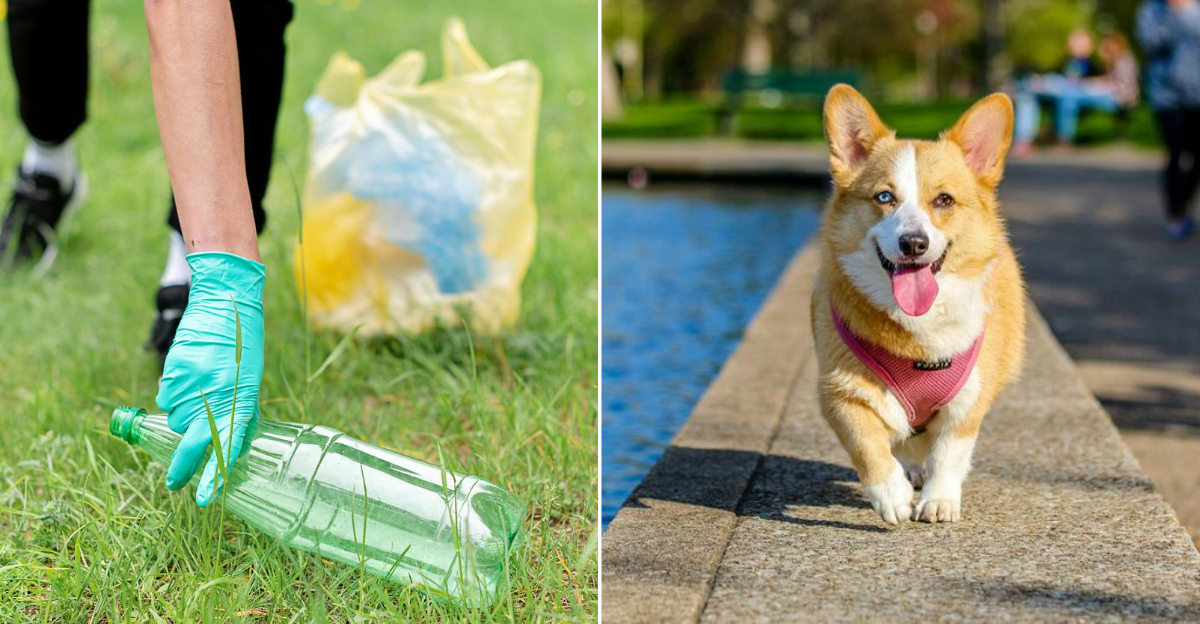
4. Littering Has A Straight-Up Set Fine

Some laws dance around the point, this one does not.
New Mexico spells out litter enforcement with uniform citations and a clear fine, and the language is about as direct as a highway sign.
On my drive, the shoulders look pretty tidy, and I started noticing why.
When the rule reads like “do not do it”, then backs it with a simple number, there is not much room for debate about a tossed wrapper or a bag fluttering off a tailgate.
I like the clarity, honestly. It keeps the conversation from turning into a shrug.
You drop it, you own it, and the state keeps the roads and trails from becoming everyone else’s clean up project.
It also fits the mood of travel here. Views open wide, and a single plastic thing feels ten times louder against that landscape.
The fine becomes less of a threat and more of a reminder to pack it in and pack it out.
The car becomes a tiny trash station between stops. No drama, just a small bag, a quick toss at the next bin, and miles that look like miles instead of a scattered to do list.
5. “Public Nuisance” Is Broader Than You Think

Ever hear someone say it is just a small hassle?
New Mexico’s public nuisance law does not buy that.
It defines nuisance as knowingly creating or maintaining something that affects a number of citizens without lawful authority, with details baked into the statute.
What jumps out is the scope. It is not tied to one obvious situation, it could be noise or conditions that ripple through a block or a town.
Driving through the state, you feel how one person’s setup can touch a lot of neighbors.
The wind carries sound, dust drifts across fences, and shared streets do not stop at one property line. The law draws a bright circle around community impact.
I like that it is not a hammer for every annoyance. It still asks for knowledge and reach, but it gives folks a tool when a private choice becomes a public mess.
If you are visiting or settling in for a bit, keep an eye on how your plans land outside your bubble. That backyard project might echo farther than you expect.
The statute’s message is simple: think beyond your own gate.
6. Hiding Your Identity Can Be A Real Problem

This one sounds like movie dialogue until you read the fine print. New Mexico’s concealing identity law is about intent.
It focuses on hiding your name or disguising yourself when the goal is to obstruct lawful duties or interfere with someone using legal rights.
Intent is the hinge here. Without it, a costume party would be chaos on paper.
With it, the rule points at situations where concealment is used to jam up a process or pressure someone.
On the road, I saw a plaza event where organizers reminded folks to keep things calm. It was casual, but you could hear the respect for the line the law draws.
You can show up, you can speak up, you just cannot use disguise to block lawful work or rights.
So while wandering New Mexico’s towns, remember the vibe is open, but the rules protect that openness. Communication stays cleaner when faces and names are not tools for obstruction.
7. Even “Touching A House” Can Count As Disorderly Conduct

Here is a phrase you do not hear every day. New Mexico’s disorderly conduct law includes language about intentionally touching an occupied house in an insolent way.
It lands like something from porch stories where a feud begins with a single tap on the siding.
At first I laughed, then I pictured late nights and doors that rattle like drums. If you mean to disturb or threaten, even a small gesture can be loud in the dark.
Walking past adobe homes, make sure to keep a polite distance from windows and gates. The texture of those walls almost invites a curious hand, but the vibe is clear.
Respect the space when people are inside.
It is one of those rules that updates old manners in legal form. Do not needle, do not taunt, do not poke a house like it cannot feel.
Folks live there, which means the building is part of their peace.
So when you roll through New Mexico’s neighborhoods on foot, keep your hands to yourself and your tone friendly.
The statute calls out behavior that turns a home into a target, and that is a line worth keeping.
8. State Park Day Use Has A Default Curfew
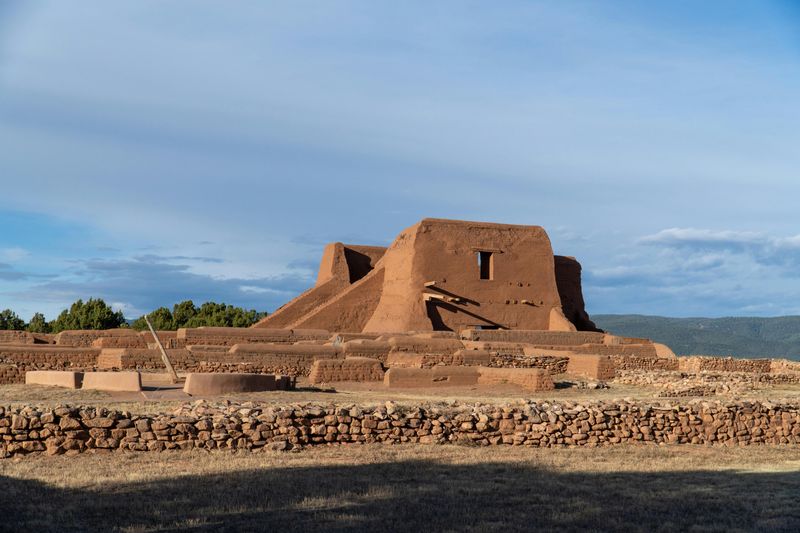
Planning sunset photos? Make sure to check the hours first.
In New Mexico State Parks, day use is usually set from early morning to evening, unless the superintendent posts something different at the site.
I learned this while chasing twilight along a lake where the sky went electric. A ranger pointed at the board, and that was that.
The rule is simple, but it surprised my road trip brain that likes to stretch the day.
What I like is the flexibility on paper with firmness on the ground. You look at the sign, you follow the posted time, and you keep the park rhythm smooth for everyone.
It also nudges you to plan better.
Want stars, or that last wash of color? Pick a park with posted hours that match your plan or switch to a place designed for late visits.
New Mexico parks carry big skies and calm water, and the rules keep those spaces steady. Before you unload a tripod or settle into a bench, scan the board.
It is one minute that can save the rest of your evening.
9. Dogs Have A Leash Length Limit In State Parks

Dog people, quick heads up! State parks here set a leash limit, not just a leash rule.
Leads cannot be longer than a specific length unless a posted area says otherwise.
I used to think long lines meant more freedom with the same control. On a narrow path, that extra distance turns into a sudden arc around a blind corner.
The rule is about space, sightlines, and the next hiker who does not expect a surprise.
You see the sign, you check your gear, and off you go. No drama, no math, just an easy yes or no.
So pack the right leash before you roll into a park. The desert wind does enough dancing without a line whipping across the path.
Short and steady makes the hike smoother for everyone you pass.
10. Picking Up After Pets Is Not Optional
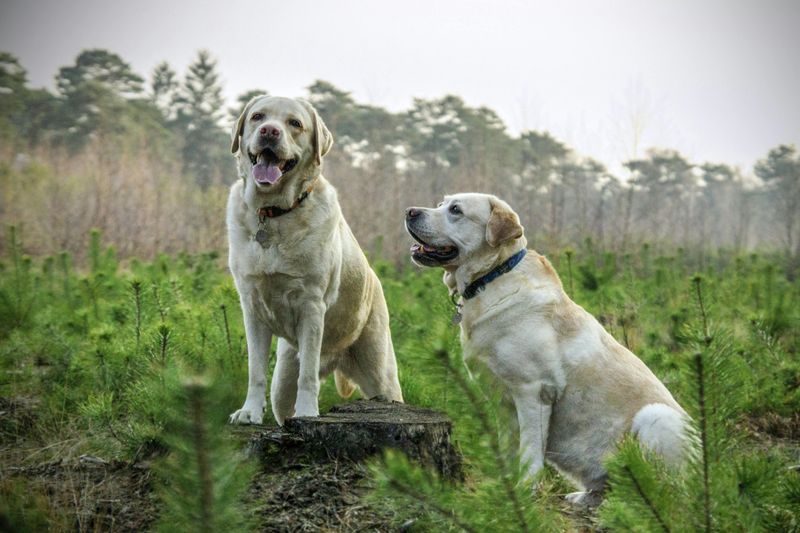
We all know the courtesy line, but New Mexico writes it out clean. In state parks, you have to pick up after your animals and keep things sanitary.
It is not a suggestion, and honestly it keeps the vibe friendly on every loop.
On my first stop, I grabbed a couple of bags at the trailhead box and never looked back. Nothing spoils a view faster than tiptoeing around what someone pretended would just disappear.
The rule turns a habit into a standard.
There is also a wildlife angle here. Left behind, stuff pulls attention where it does not belong.
Then you get a ripple of problems, and nobody wants that story.
I like how blunt the signs are. They keep the conversation quick and kind.
You are responsible for your animal from start to finish, period.
So if you are cruising across New Mexico with a four legged copilot, make the cleanup part of your pack list: bags, a small clip, and a quick stop at the next bin.
The land stays clean, the walk stays easy, and the next traveler thanks you without saying a word.
11. “Commercial Activity” On Certain Public Lands Needs A Permit
Here is where plans collide with rules in a hurry. Certain public lands in New Mexico require a commercial permit before you conduct a money based activity.
That covers paid photo sessions, guided trips, and similar work.
The logic is simple: commercial use has impacts beyond casual visits, from extra vehicles to staging and time on site. Permits help managers keep the place balanced for everyone.
When you map a stop, make sure to check who manages the land and what counts as commercial that day. It saves awkward moments and long drives back for paperwork.
The state’s landscapes are generous, but they are not a backstage area you can borrow without asking. Read the board, call ahead, and put the permit in your pocket.
The photos, the tour, the memory, they all feel better when the plan matches the rules.
Dear Reader: This page may contain affiliate links which may earn a commission if you click through and make a purchase. Our independent journalism is not influenced by any advertiser or commercial initiative unless it is clearly marked as sponsored content. As travel products change, please be sure to reconfirm all details and stay up to date with current events to ensure a safe and successful trip.
