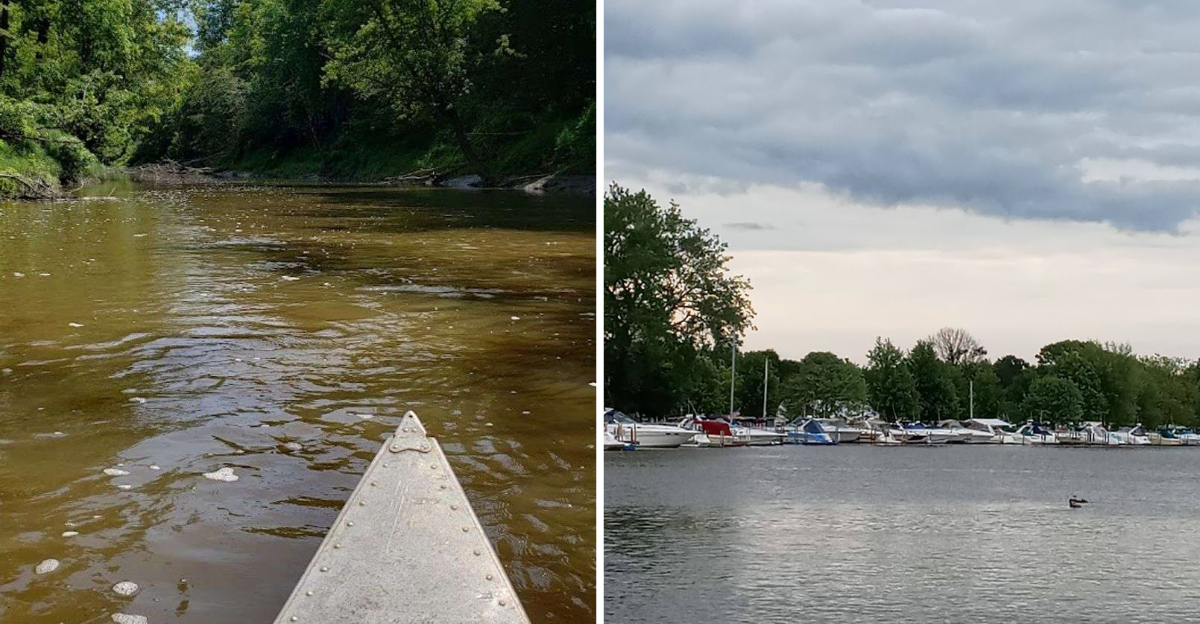
That river in Northeast Ohio most people outside the region have never heard of quietly holds one of the most meaningful conservation stories in the state. It winds through rugged shale valleys, swamp forests, and glacier carved hillsides before emptying into a great lake. I first came across it on a road trip, and honestly, the moment I saw those steep bluffs and clear water, something clicked.
In the nineteen seventies, Congress gave this river a designation that changed its fate forever, making it one of Ohio’s Wild and Scenic Rivers. That single act of protection set the stage for a remarkable ecological comeback that continues to unfold today. This is the story of a river that got a second chance.
What the Wild and Scenic Designation Actually Means
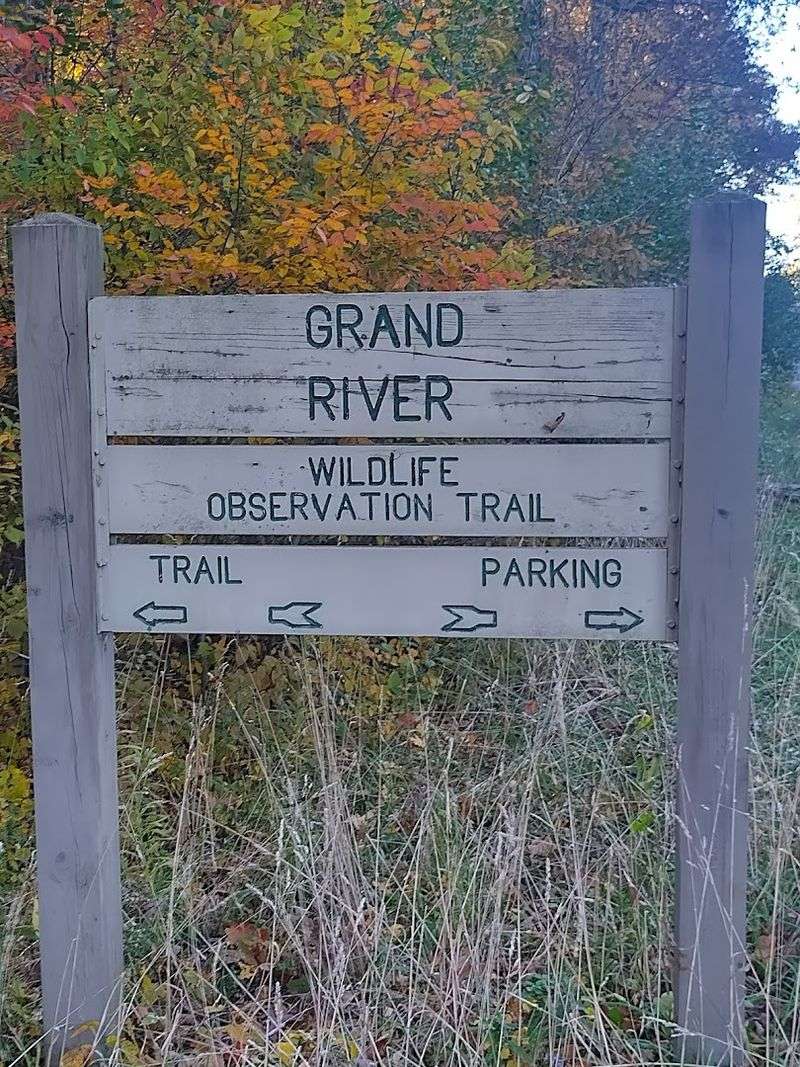
Not every river gets a shield, but the Grand River earned one. The Wild and Scenic Rivers Act, passed by Congress in 1968, was designed to protect rivers with outstanding natural, cultural, or recreational value from development and damming.
When the Grand River received its designation on January 17, 1974, it joined a very short list of rivers granted federal protection at the time.
The designation split the Grand River into two distinct sections. The upper 33-mile stretch, running from the US 322 bridge in Ashtabula County down to the Harpersfield covered bridge, received the “scenic” label.
The lower 23-mile stretch, from Harpersfield down to the Norfolk and Western Railroad trestle south of Painesville, earned the stricter “wild” classification.
What does that actually mean on the ground? It means no dams, no major development, and active management to preserve the river’s natural character.
Federal and state agencies work together to monitor water quality, protect riparian buffers, and limit activities that could harm the ecosystem. For the Grand River, this protection came at exactly the right time, before suburban sprawl from Cleveland could creep any further into its watershed.
The Rugged Topography That Saved a River
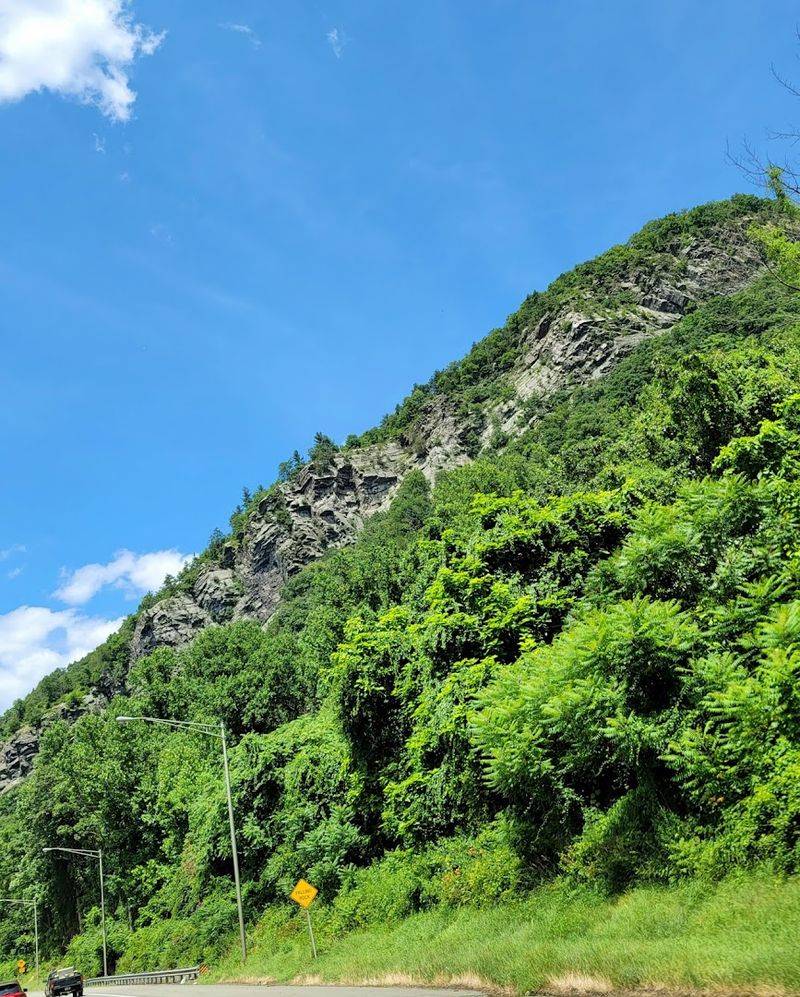
Geography played a quiet but powerful role in keeping the Grand River intact long before Congress stepped in. The river cuts through deeply incised valleys, particularly in Lake County, where steep walls of Chagrin Shale rise dramatically on either side.
Those bluffs made large-scale development logistically difficult, which meant the land was largely left alone.
After a good rainfall, the payoff is spectacular. Water pours over the shale bluffs in dozens of small waterfalls, filling the valley with sound and mist.
It feels genuinely wild in a way that surprises people who assume Northeast Ohio is all flat farmland and suburban roads.
The upper sections tell a different story visually but carry equal ecological weight. Broad swamp forests spread across the floodplain in Ashtabula County, creating dense, shadowy habitat that feels more like a Louisiana bayou than an Ohio river corridor.
These wetlands filter runoff, slow floodwaters, and provide critical nesting and feeding grounds for dozens of species. The combination of rocky lower gorges and forested upper wetlands gives the Grand River a biodiversity range that few rivers of its size can match.
That natural variety is both the product and the proof of its protected status.
River Otters Return to the Grand River
Few wildlife comebacks in Ohio carry as much emotional weight as the return of the river otter. By the mid-twentieth century, otters had been completely wiped out from Ohio due to trapping, habitat loss, and water pollution.
The Grand River’s recovery made it one of the first places where reintroduction efforts had a real shot at success.
In 1986 and again in 1988, river otters were reintroduced along the Grand River corridor. The swamp forests and clean water of the upper scenic section provided exactly the kind of undisturbed habitat these animals need.
The population took hold, and today otters are a confirmed resident species along this stretch of river.
Spotting one is still a genuine thrill. They tend to appear at dawn or dusk, slipping into the water near overhanging banks or playing in the shallows near logjams.
Kayakers paddling the upper Grand sometimes catch a glimpse of a sleek brown shape moving just below the surface before it disappears entirely. The otter’s return is one of the clearest indicators that the 1974 protection was not just symbolic.
It created real conditions for real wildlife to come back, and that is something worth celebrating every single time one of those animals surfaces.
Harpersfield Covered Bridge and the Heart of the Corridor
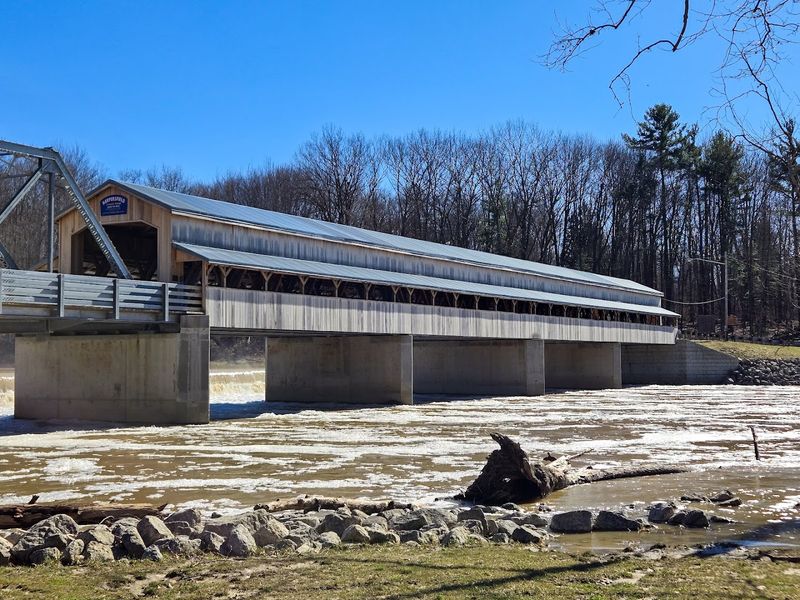
Right at the boundary between the wild and scenic sections sits one of the most photographed landmarks along the entire river corridor. The Harpersfield Covered Bridge in Ashtabula County is not just a pretty structure; it serves as a kind of geographic and symbolic dividing line between the two halves of the designated river.
Built in 1868 and later restored, the bridge spans the Grand River with that warm, weathered look that makes covered bridges so hard to photograph badly. A small county park surrounds it, with picnic areas, river access, and a short footbridge that lets you walk out over the water for a better view.
It is a popular stop for families, photographers, and anyone doing a longer paddle trip through the corridor.
The surrounding landscape shifts noticeably here. Upstream, the river moves through broader floodplain forests.
Downstream, the valley begins to tighten, and the shale bluffs start to close in. Visiting in October means golden and red canopy color reflecting off the water, which is the kind of scene that makes you forget you are only about an hour from Cleveland.
The bridge area also serves as a practical launch point for canoeists and kayakers heading into the wild section below.
Address: Harpersfield Covered Bridge, 4374 State Route 534, Geneva, OH 44041
Paddling the Wild Section: What to Expect on the Water
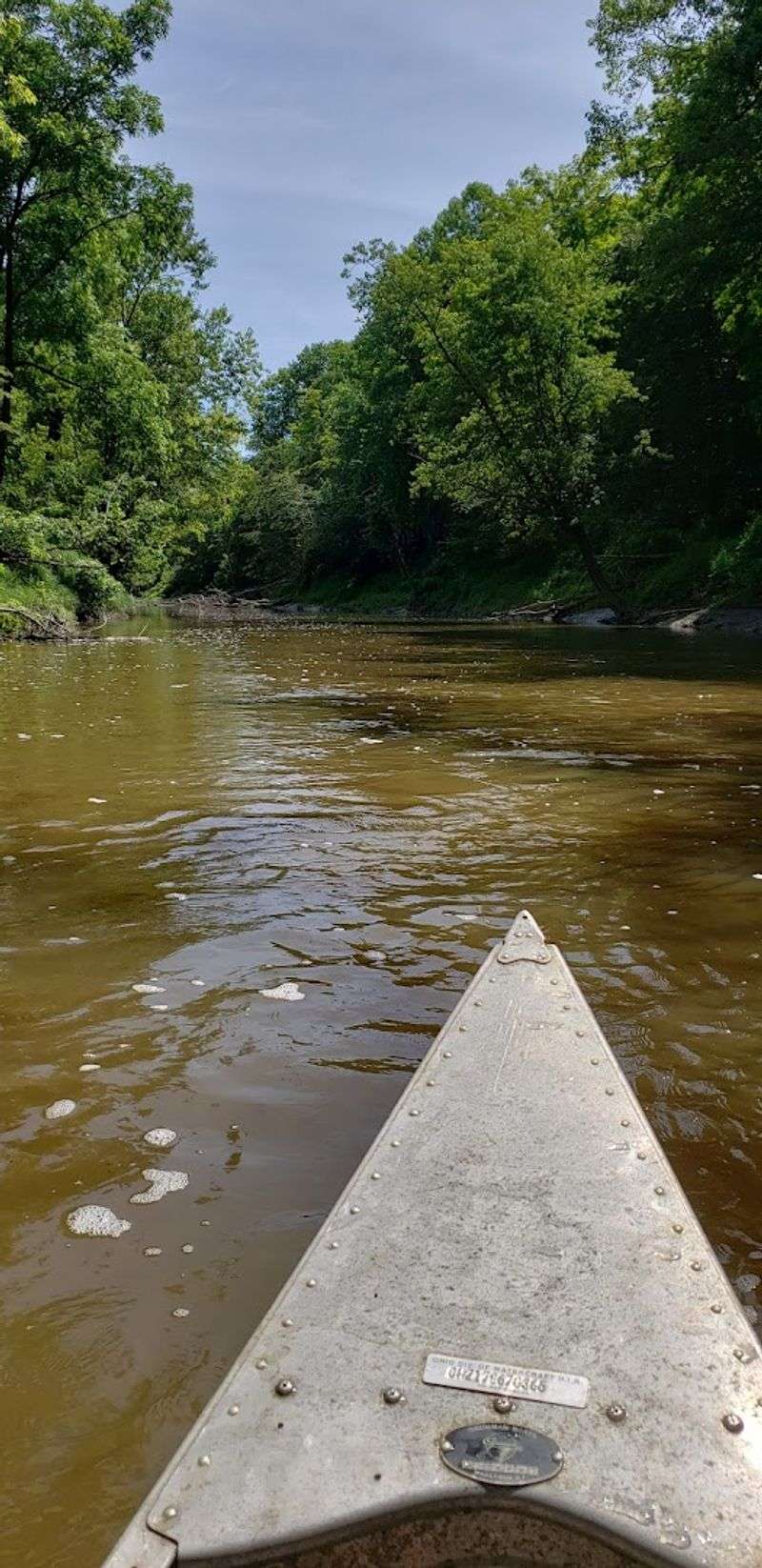
Putting a kayak or canoe into the wild section of the Grand River is one of those experiences that resets your sense of what Ohio looks like. The river moves with purpose here, not dangerously fast but with enough current to keep things interesting.
Riffles and small drops break up the flatwater, and the shale walls on either side create an almost canyon-like atmosphere in certain stretches.
The 23-mile wild section runs from the Harpersfield covered bridge downstream toward Painesville, and most paddlers break it into multiple day trips. Access points are intentionally limited to protect the corridor, so planning ahead matters.
The Ohio Department of Natural Resources maintains information on legal put-in and take-out locations.
What makes this stretch memorable is the quiet. Development stays well back from the river, and for long stretches you hear nothing but water, birds, and wind moving through the canopy above.
Great blue herons are almost guaranteed company, lifting off from shallow gravel bars as you round each bend. Bald eagles have also become a more regular sight in recent years, another sign of the ecosystem’s overall health.
The Grand River does not shout for attention. It rewards the paddlers who show up prepared, patient, and willing to move at the river’s own pace.
Fairport Harbor: Where the Grand River Meets Lake Erie
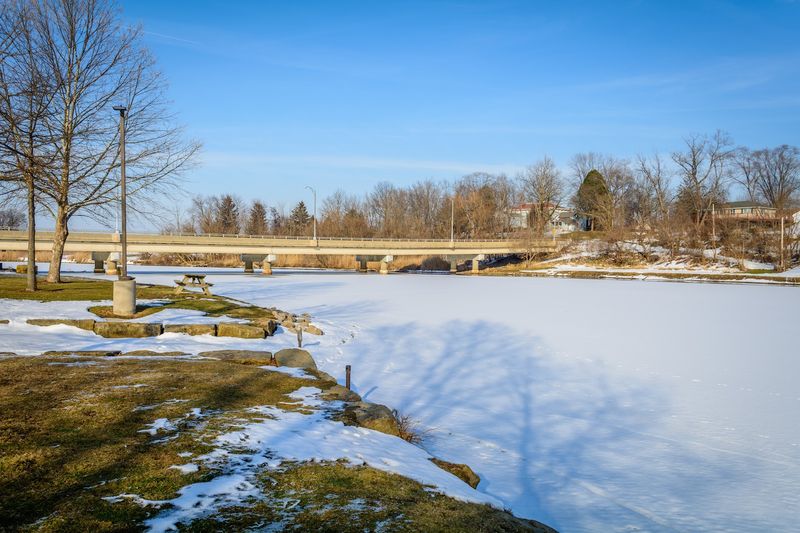
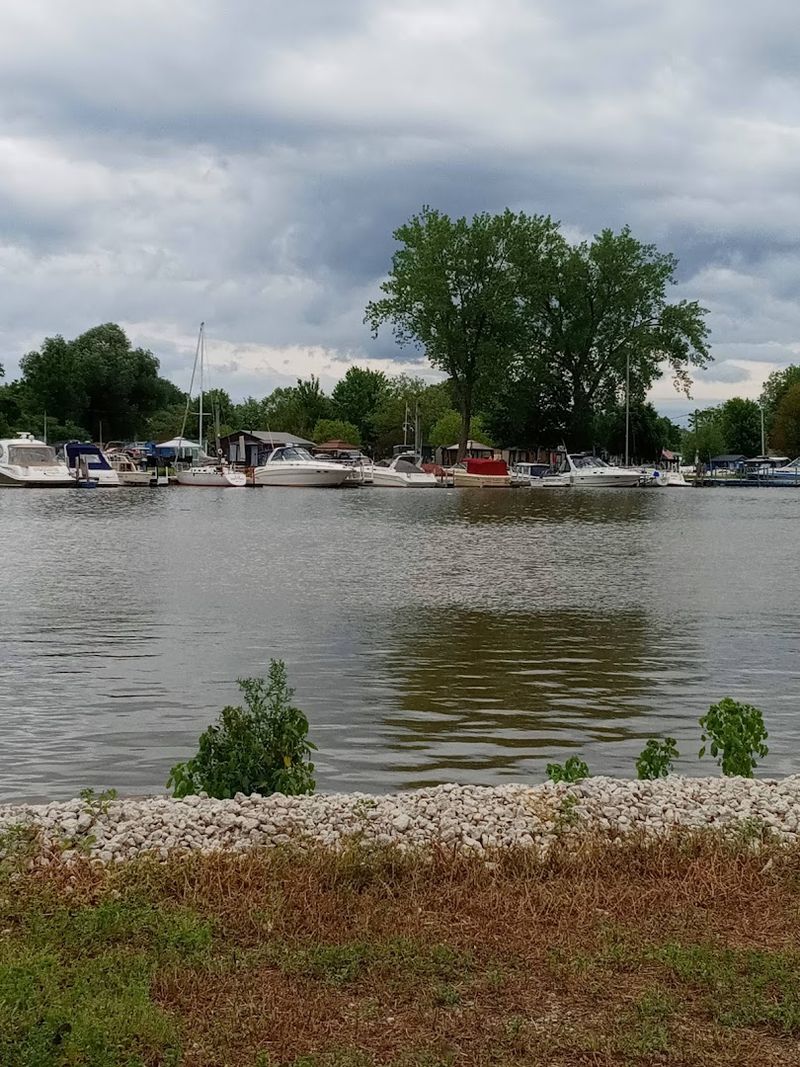
After 102.7 miles of forests, shale gorges, and swamp wetlands, the Grand River makes its final push into Lake Erie at Fairport Harbor. The transition from river to lake happens fast here, and standing at the mouth on a clear day gives you a real sense of the journey this water has made from Geauga County all the way to the lake’s southern shore.
Fairport Harbor itself is a small, charming village with a working marina, a public beach, and one of the most recognizable lighthouses on the Ohio lakeshore. The Fairport Harbor Lighthouse, built in 1871, now operates as a maritime museum and is open to the public during warmer months.
It sits right above the river’s mouth, making it a logical and rewarding final stop on any Grand River road trip.
The harbor area is also a productive fishing spot, particularly during walleye and steelhead runs in spring and fall. Anglers line the riverbanks near the mouth during peak season, taking advantage of the clean water conditions that the Wild and Scenic designation helped maintain.
The village has a few local spots to grab food after a day on the water. Fairport Harbor feels unhurried and genuine, a small-town endpoint that matches the quiet character of the river that flows through it.
Address: Fairport Harbor Lakefront Park, 301 Huntington Beach Dr, Fairport Harbor, OH 44077
Why the Grand River Still Matters in 2024 and Beyond
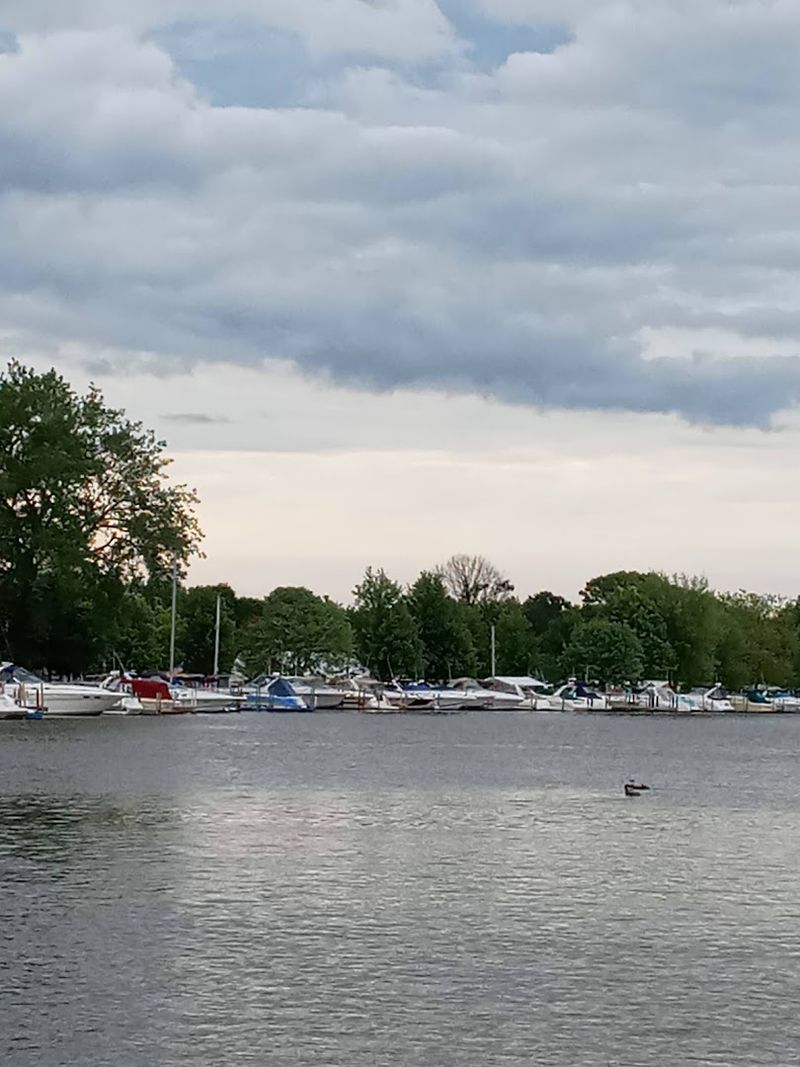
Fifty years after Congress acted, the Grand River stands as one of the more compelling arguments for proactive conservation. The designation did not just freeze the river in place; it created conditions for active recovery, from cleaner water to returning wildlife to protected floodplain forests that buffer surrounding communities from flooding.
The watershed spans roughly 712 square miles across five counties, including Ashtabula, Geauga, Lake, Portage, and Trumbull. That is a significant chunk of Northeast Ohio that benefits, directly or indirectly, from the health of this river system.
Wetlands along the upper corridor filter agricultural runoff. Forested slopes in the lower gorge stabilize the shale banks and prevent erosion into the channel.
Ongoing challenges exist, as they do for any river system. Invasive species, stormwater runoff from expanding development at the edges of the watershed, and the long-term effects of climate variability all require continued attention from land managers and local communities.
But the foundation is solid. The Grand River enters its second half-century of protection with cleaner water, more wildlife, and a growing network of advocates who understand what was nearly lost and what has been gained.
It is a reminder that when protection comes early enough and holds long enough, nature genuinely does find its way back.
