There is a stretch of the Ohio River where the pace still answers to itself, not to trends, traffic, or whatever the rest of the map is chasing this year.
In this town, routines matter more than reinvention, and neighbors still notice when something feels off or out of step.
You feel it right away in the way mornings unfold, how shops open without urgency, and how conversations stretch instead of being clipped short. The river sets the tempo, not the calendar, and that steady presence has shaped how people live here for generations.
Locals will tell you the town has its own rules, but they are not written down anywhere. They show up in habits, timing, and an unspoken agreement about how things should feel.
Spend a little time here and you realize the appeal is not nostalgia or resistance to change. It is confidence.
This place knows who it is, and it does not rush to explain itself.
River Geography Shaped A Self-Reliant Mindset
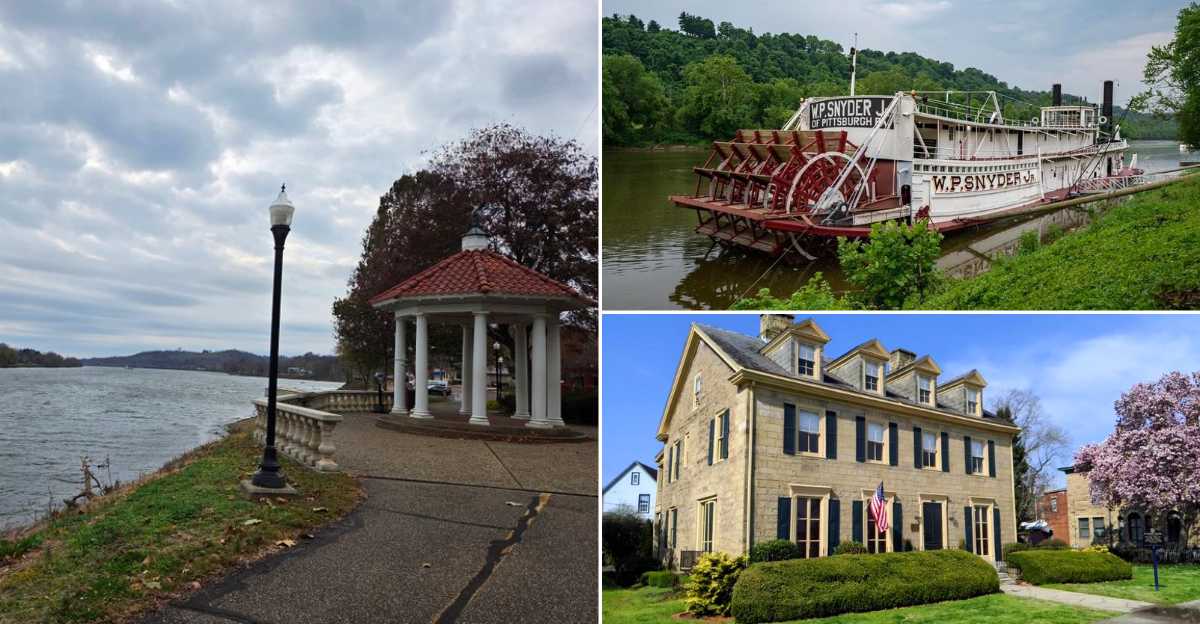
Start at Muskingum Park along Front Street, where the river bends like it is deciding the day for everyone.
Stand by the gazebo and you can feel how the water sets the rhythm without raising its voice.
The park at 301 Front St, Marietta, Ohio puts you right where the Muskingum flows into the Ohio River. Two currents meet, and the whole town seems to sync up.
Boats slide by, not rushing, just working. You watch and think, okay, this is how things get done here.
Look at the brick paths, the benches, the tall trees lining the lawn. None of it tries too hard, and yet it all holds together.
When the light shifts across the water, conversations slow without anyone admitting it.
Time stretches a bit, and no one complains.
If you want a clean snapshot of Marietta’s mindset, this is it. The ground and the river made an agreement, and people kept it.
Walk a little to the Putnam Bridge over the Muskingum, and the viewpoint widens. The bridge sits like a quiet narrator above the scene.
From there, you see neighborhoods stepping down toward the river’s edge. Streets follow old lines that make sense only when you look from above.
That layout nudges everyone toward patience. You roll with the bends instead of forcing straight lines.
It is not stubbornness, just a kind of practiced listening.
The water speaks slowly, and the town hears every word.
Historic Layouts Still Dictate Daily Movement
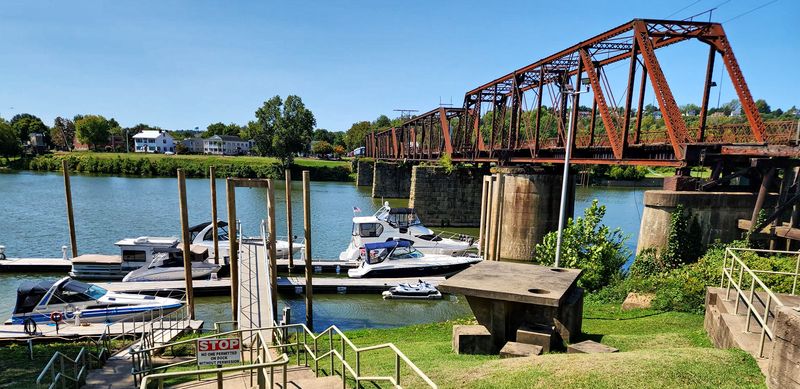
Harmar Village across the river makes the point without saying a thing. You cross the Harmar Railroad Bridge and feel the boards under your shoes, old but steady.
On Maple Street near Gilman Avenue, Marietta, Ohio, the grid turns quirky with alleys and odd corners.
Houses keep their porches close to the sidewalk like old neighbors refusing to move back.
It is not the kind of place that got widened for speed. It is the kind of place that tells you to slow down before you spill your coffee.
Even the sightlines play it patient. You round a corner and the river slips into view like it was waiting there.
Street names from another era keep showing up, and the pattern sticks in your head.
You start navigating by feel instead of signs.
That bridge is the real teacher. Each plank is a reminder that shortcuts are not the point here.
Walk past the train depot at 301 Maple St, and the walls carry a soft hush. The air smells like stories, the kind that do not need headlines.
People wave from steps without making a scene. It lands like a habit built over seasons.
The town’s bones nudge your route and your mood. There is a reason errands end up feeling like small visits.
By the time you cross back to Front Street, you are already moving at river speed. It feels less like a compromise and more like relief.
Local Traditions Outlast Outside Trends
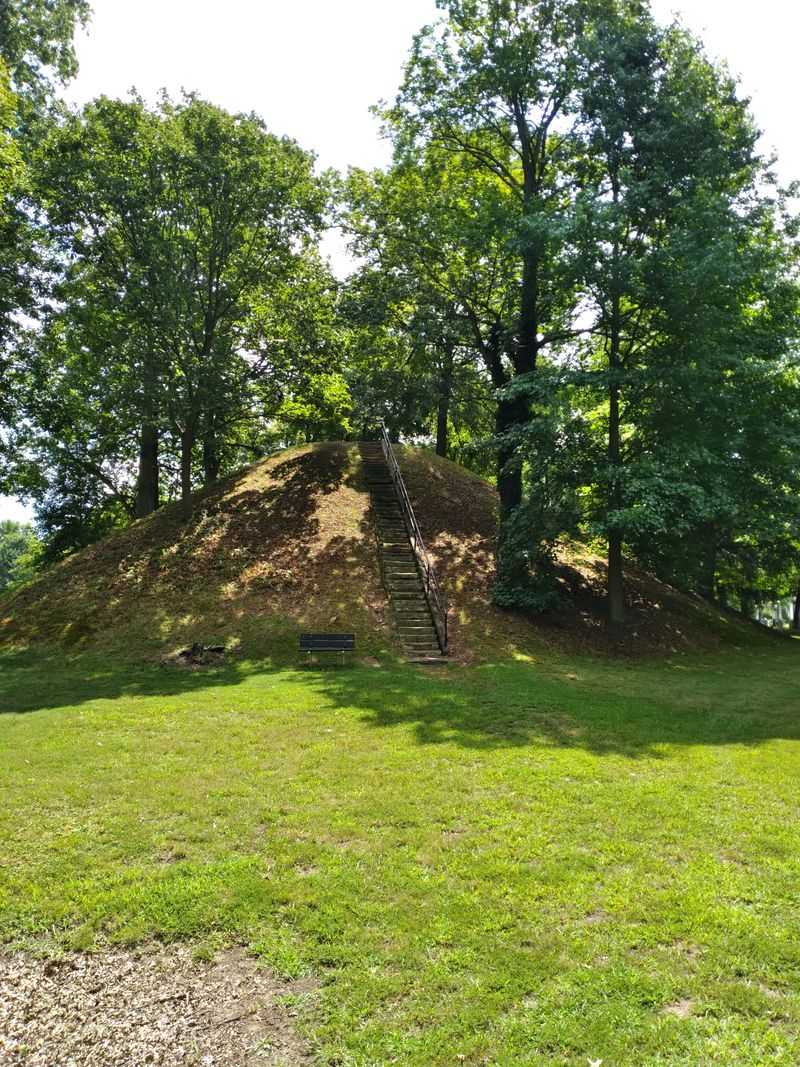
If you want to see how routine becomes identity, head to Mound Cemetery at Fifth and Scammel. The steps up the ancient earthwork feel like a quiet handshake with time.
Walking the paths at 514 Wooster St, Marietta, you notice how people move with care.
The hill centers the space, and life seems to orbit it.
No one is performing history here. It just sits in the open, steady and unbothered.
Neighbors pass through after errands, some pausing, some not. The place holds the pause either way.
You read names and think about how many routines stacked into a town. It feels less like memory and more like guidance.
Tradition is just repetition with love. Marietta does that without announcing it.
From the top, you can see rooftops tilting toward the rivers.
Streets line up like they are listening for instructions.
The wind comes around with that hushed park sound. It is not dramatic, just consistent.
You come away feeling steadier than when you walked in. That is the town’s way of voting for what lasts.
When trends drift through, they do not erase this cadence. They circle it, then fall in line, because the rhythm is stronger.
Community Routines Matter More Than Schedules
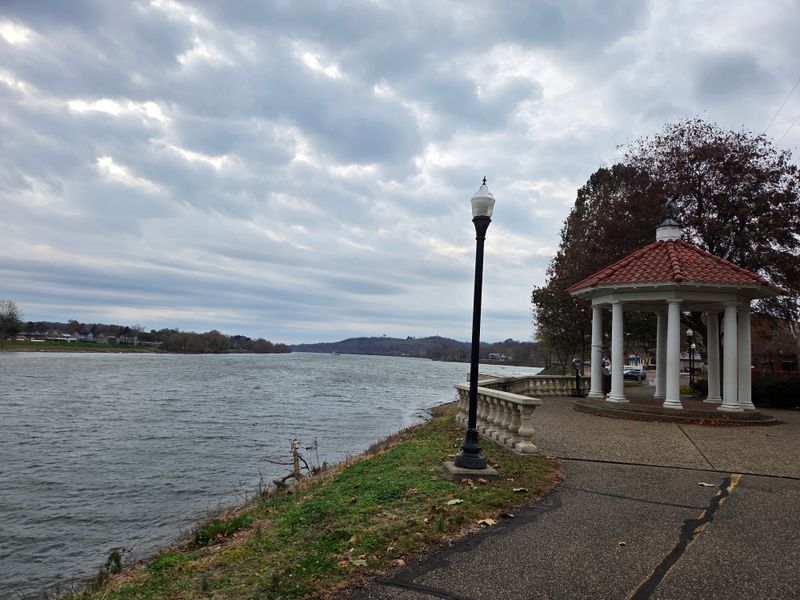
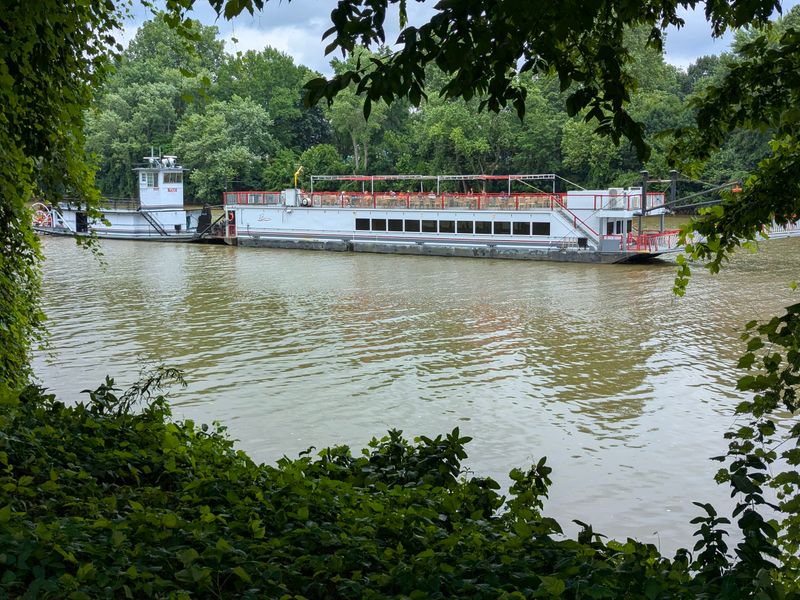
The Ohio River Levee walkway along Ohio Street is where schedules get gently ignored. People drift through at their own pace, and somehow everyone still meets who they need to meet.
Start around 600 Ohio St, Marietta, near the levee stairs and look downriver.
You will see joggers, strollers, and those quiet bench sitters who seem to have time stored away.
This is the town calendar without pages. The river writes the updates in little ripples.
You end up timing your day by who you run into. Plans loosen just enough to breathe.
The benches face the water like classroom seats with no test to take. That alone changes your posture.
You pick up tiny habits from the regulars.
A nod here, a wave there, and a moment saved for the view.
Boats mark the hour better than a phone. Clouds do it too when they stretch over the curve.
Let yourself sit longer than planned and you will see it. The world does not fall apart when you stay still.
Walk on and the town seems to follow. Streets feel nearer, like they shortened during the pause.
That is how routine claims the day here. Not with alarms, but with a path you take because it feels right.
Tourism Exists Without Redefining The Town
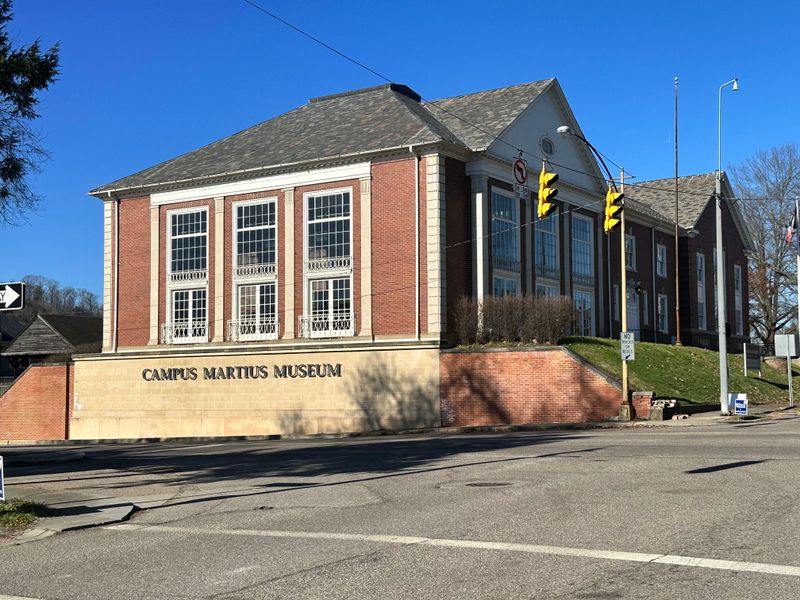
Duck into the Campus Martius Museum at 601 Second St, and you will notice something right away. Visitors adapt to the town instead of the other way around.
The exhibits feel anchored to daily life in Marietta, Ohio.
You can step out and still hear the rhythm of the streets.
Guides speak like neighbors talking across a fence. The tone is friendly, not polished to a shine.
Even the building’s rooms breathe slowly. You find yourself matching that pace without effort.
The museum sits a couple blocks from quiet homes and familiar corners. That proximity drains the hype right out of tourism.
People wander back toward the river when they are done.
No rush, no checklist pressure chasing their heels.
You get a sense that learning here is supposed to stick to your shoes. It travels with you as you walk.
Step outside and the town sounds return, soft and routine. The museum never tries to outshout them.
This is how Marietta keeps its center while greeting visitors. It shares, then it returns to work like a steady neighbor.
You leave feeling included, not steered. That difference is small and it matters.
Longtime Institutions Anchor Daily Life
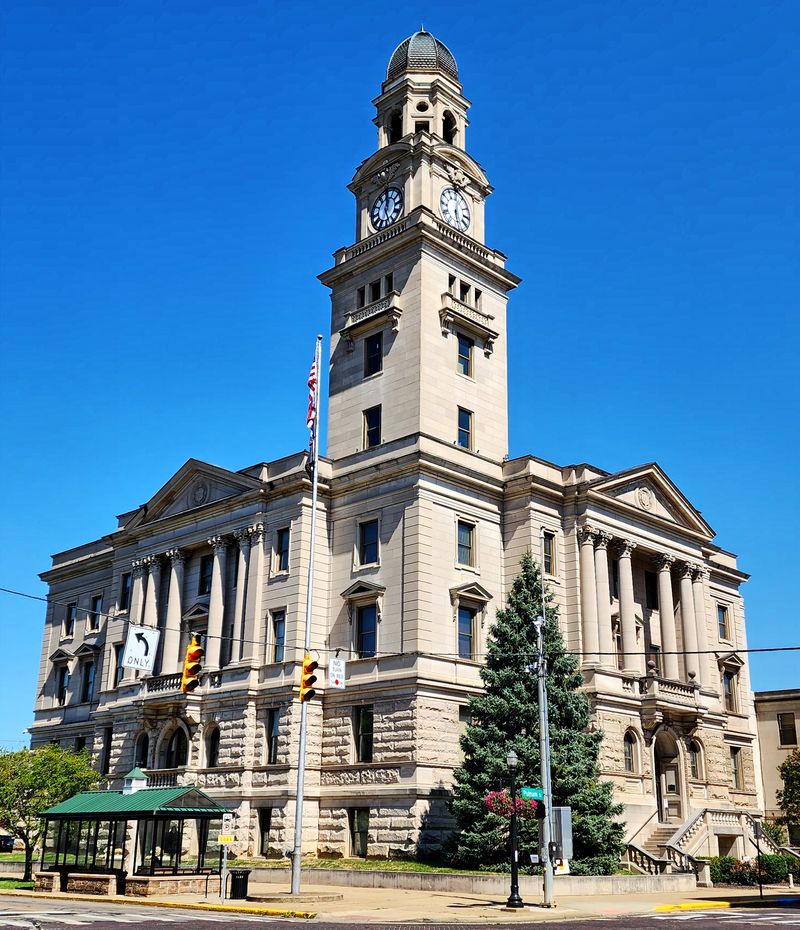
The Washington County Courthouse stands at 205 Putnam St, and it does not need to grandstand. The clock tower keeps quiet company with the square.
Walk the perimeter and listen to footsteps bounce off stone in downtown Marietta, Ohio.
Offices hum nearby like a soft engine.
People handle paperwork with small talk. The building sets the tone for patience.
It looks like a place where decisions get weighed, not hurried. You feel it even passing by.
On the corner, regulars exchange updates like weather reports. Nothing dramatic, just steady information.
This is what anchor means in a town. It keeps heavy things from drifting when currents change.
When you look up at the tower, the river is just a few blocks away. The two seem to nod at each other.
Light catches the brick in the late afternoon and settles your shoulders. It reads like continuity more than ceremony.
Run an errand here and you end up calmer than when you arrived. That is not a bad trade for a signature.
The courthouse stays put while the day moves around it. That steadiness rubs off on everything nearby.
Change Arrives Slowly And Stays Subtle
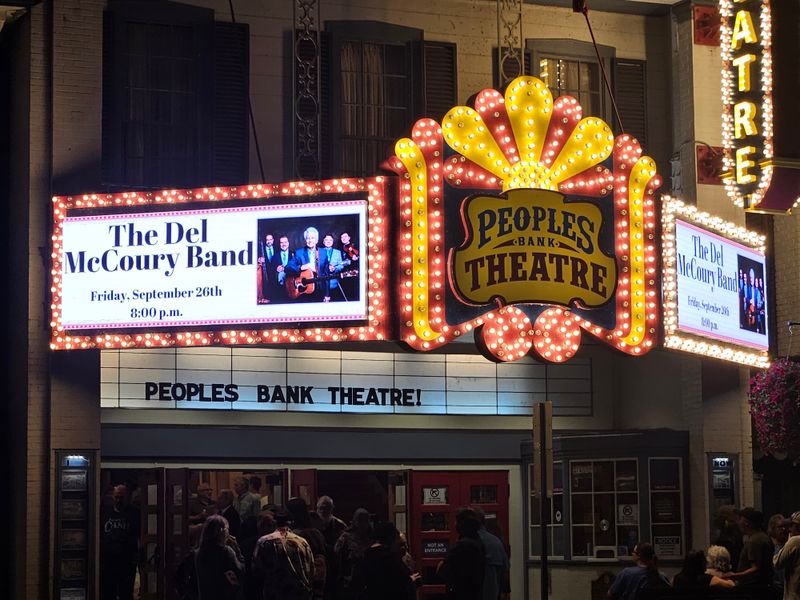
The Peoples Bank Theatre at 222 Putnam St tells that exact story with its marquee glow. It is restored, sure, but it still feels like Marietta talking in its usual tone.
Standing under the lights, you can see the downtown bricks holding their line.
The street carries old and new without fuss.
Updates here tend to whisper. The message still gets through.
Step into the lobby and the air feels measured. Conversation sits at that soft inside-voice level.
Walk back out and you notice how the sign fits the skyline. Nothing spikes, nothing shouts above the roofline.
That restraint looks like confidence. The town trusts its own volume knob.
Across Putnam Street, folks lean on corners and check the sky. It is an easy ritual before heading home.
Theatre nights spill onto sidewalks for a bit, then fade.
The rhythm goes back to normal without a jolt.
Change drifts in like the river adjusting course by inches. Everyone sees it without losing their footing.
It is not resistance, it is pacing. Marietta simply keeps time with itself.
Locals Measure Progress Differently
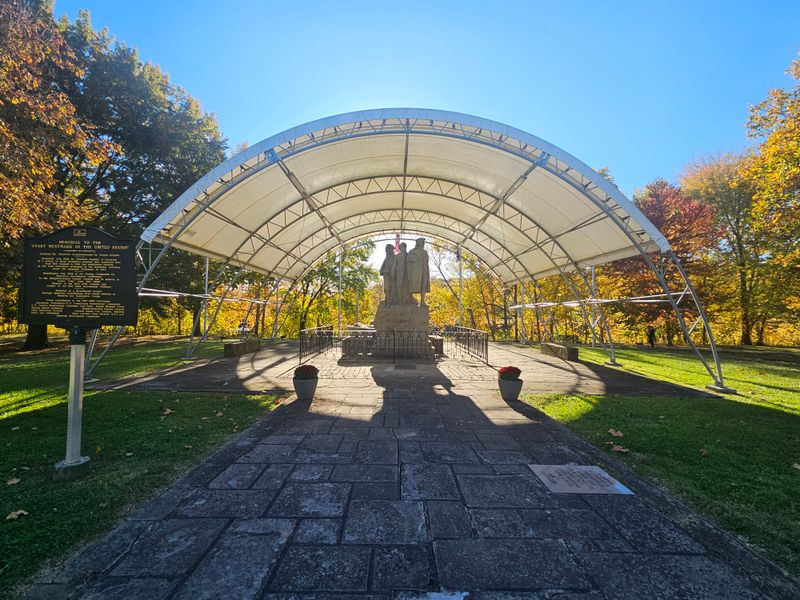
Head to East Muskingum Park along Front Street and you will get it quickly. Play structures and open lawns sit right where the river air can reach them.
The park near 501 Front St, Marietta gives you a front row seat to the daily slow roll.
Kids run, conversations loop, and nobody chases the clock.
Progress here looks like clean benches and steady paths. It sounds like laughter carrying a block or two.
Ask someone about improvements and they will point to shade, not spectacle. That answer makes sense once you sit down.
The river glints between branches and resets your head. Big wins get measured in small comforts.
You start counting good days instead of big headlines. That metric holds up better than you expect.
Walk to the edge and watch the current marking time. It does not miss, and it does not hurry.
A couple pushing a stroller nods and keeps moving. That is the local version of a progress report.
You leave with the sense that stability is not boring at all. It is a kind of care being practiced in public.
Ohio has towns that sprint and towns that stroll.
Marietta chooses the second and sticks with it.
The River Remains Central To Identity
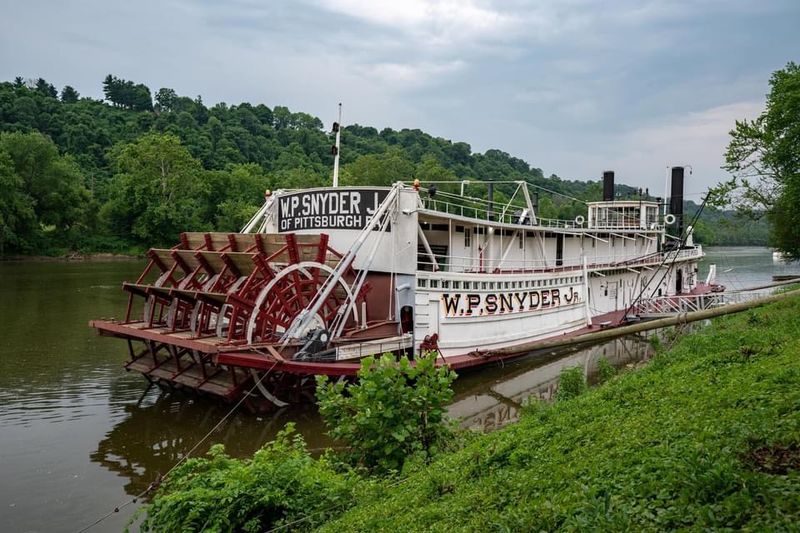
Climb the steps of the W. P.
Snyder Jr at the Ohio River Museum grounds, and look outward. From 601 Front St you get that wide water view that ties everything together.
The towboat sits like a classroom that never ends.
History feels like something you can step on and touch.
Walk the deck and the town unfolds along the banks. Streets tilt toward the river like students leaning in.
The museum campus speaks in quiet notes. Nothing here tries to rush the lesson.
You hear the soft clink of rigging and feel the boards underfoot. It is a steady drumbeat that lingers after you leave.
Look north and the Muskingum line shows up again. The confluence clicks into place like a key.
It is not just scenery, it is structure. The river sets the frame for how people choose their days.
When you step back onto the path, the pace returns to that familiar pulse.
The view follows you down the block.
Stand for a moment and let the breeze do its thing. You will understand more by listening than by listing facts.
That is how the river teaches here. It repeats itself until you get it.
Why Marietta Continues To Do Things Its Own Way
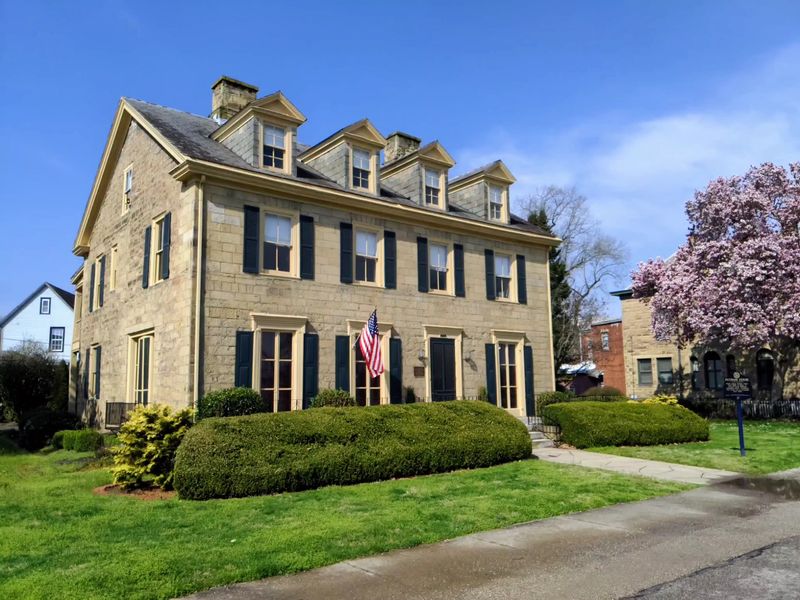
By the time we loop back to the corner of Second and Putnam, the pattern is clear. The town is not being contrary, it is being itself.
Marietta, Ohio sits inside its rivers and its routines like a well worn jacket. The fit is not tight, just right.
Look at the brickwork, the porches, the steady municipal buildings. Each piece does its job without fanfare.
You can feel it most when the streets get quiet. That is when the rules show up in plain view.
Neighbors handle change in small increments and keep moving. The pace lets things stick.
Visitors learn the rhythm by walking, not by reading. That lesson tends to last.
Ohio has plenty of towns, but this one steps to a softer drum.
The rivers keep the beat steady all the way through.
If we drive out now, the quiet will ride with us for a while. You might end up borrowing the pace for your week.
So yes, it lives by its own rules, calm and deliberate. That is the secret everyone already knows here.
We can come back and it will still be itself. That is kind of the point, right?
