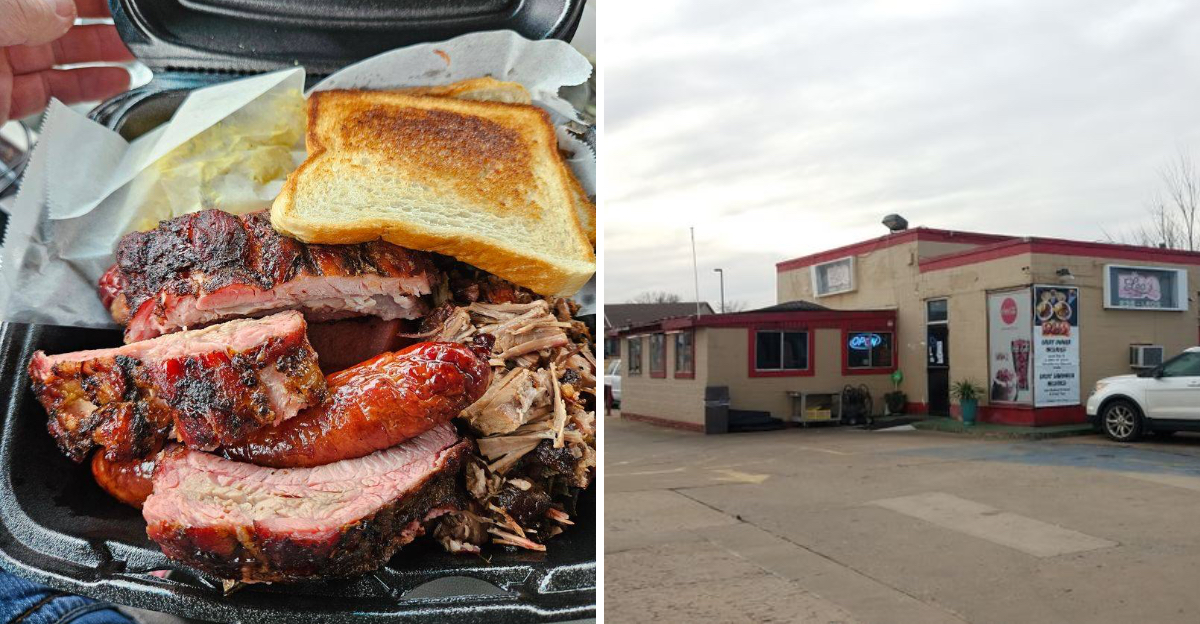
Oklahoma City hums with a rhythm all its own, where highways stretch wide and neighborhoods hold stories that span generations.
The northeast side of the city carries a particular authenticity that travelers often overlook, where family-run businesses anchor corners and locals know each other by name.
This part of Oklahoma feels grounded, unpretentious, and real in ways that larger tourist districts sometimes lack.
Against this backdrop sits a barbecue spot that has been feeding the community since the mid-1970s, a place where the building itself offers no grand promises and the exterior suggests nothing more than a modest roadside stop.
Yet those who know better pull into the lot with anticipation, drawn by decades of word-of-mouth praise and the unmistakable scent of hickory smoke drifting through the air.
Leo’s BBQ operates with a simplicity that feels increasingly rare, focusing entirely on what comes out of the smoker rather than what hangs on the walls.
The restaurant embodies a kind of culinary honesty that travelers seek when they venture off the beaten path, where reputation is built one plate at a time and nothing is left to chance.
For visitors exploring Oklahoma’s heartland, this unassuming corner represents the kind of discovery that makes a trip memorable, proving that the best experiences often hide in plain sight.
A Legacy That Started in 1974
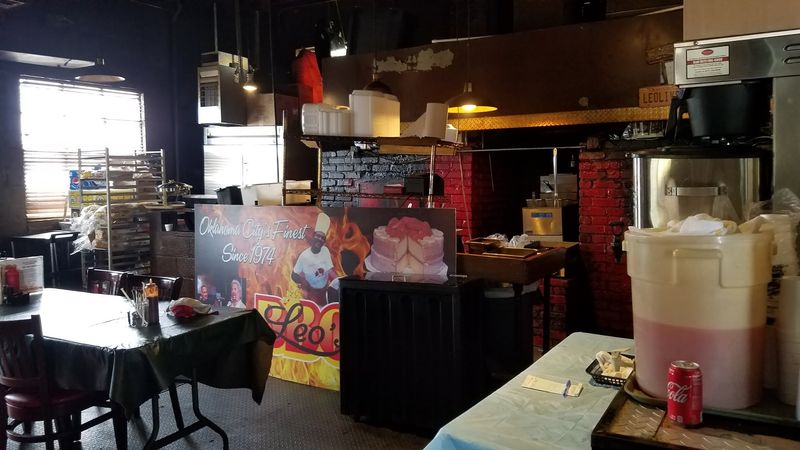
Long before barbecue became a trendy culinary obsession, Leo’s BBQ opened its doors in a neighborhood that valued substance over style.
The original owner built a reputation not through marketing campaigns but through consistent quality and a commitment to traditional smoking methods that require patience and skill.
Families who visited in the early years brought their children, who eventually brought their own children, creating a generational connection that few restaurants achieve.
The business has remained rooted in its original location on North Kelley Avenue, a deliberate choice that speaks to the owners’ dedication to the community that supported them from the beginning.
Over the decades, the restaurant has witnessed the neighborhood evolve while maintaining its own identity, serving as a constant in a changing landscape.
Charles, who now runs the operation, carries forward the principles established by his father, ensuring that the recipes and techniques remain unchanged.
This continuity matters to regular customers who return expecting the same flavors they remember from years past.
The walls inside hold decades of memories, though the focus has always been on what happens in the smoker rather than what decorates the dining area.
For travelers exploring Oklahoma, understanding this history adds depth to the experience, transforming a simple visit into a connection with the city’s culinary heritage.
The longevity itself tells a story about quality and community trust that cannot be manufactured or rushed.
Address: 3631 N Kelley Ave, Oklahoma City, Oklahoma.
The Unassuming Exterior That Tells No Lies
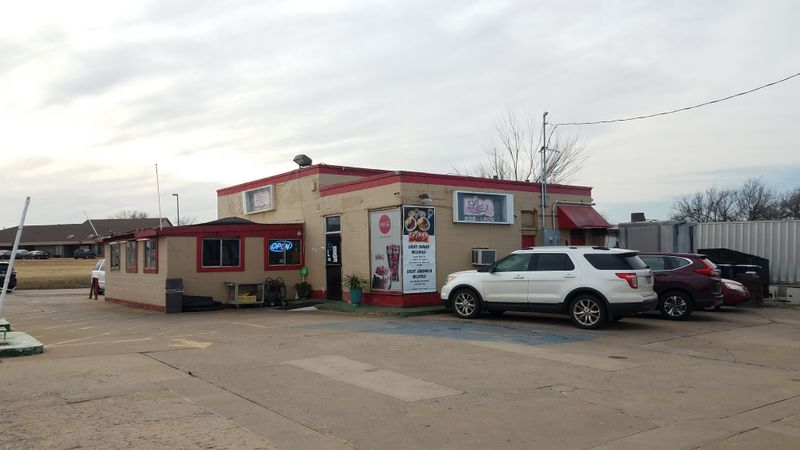
Pulling up to Leo’s BBQ offers no dramatic reveal, no carefully designed facade meant to lure passersby with visual appeal.
The building sits modestly along North Kelley Avenue, its appearance straightforward and functional rather than Instagram-ready.
This lack of pretension actually serves as the first honest introduction to what awaits inside, where everything prioritizes substance over showmanship.
Many first-time visitors admit to moments of hesitation, wondering if they’ve found the right place or if the online reviews might have been overly generous.
The parking lot sees a steady flow of cars throughout operating hours, a reliable indicator that locals know something worth knowing.
No flashy neon signs compete for attention, no elaborate landscaping attempts to create an atmosphere that doesn’t naturally exist.
Instead, the building stands as a testament to the idea that great barbecue needs no announcement beyond the smoke rising from the pit.
The exterior’s plainness becomes part of the story, a deliberate rejection of modern restaurant trends that emphasize aesthetic over execution.
Travelers accustomed to judging restaurants by their curb appeal must recalibrate their expectations here, trusting instead in the decades of praise that brought them to this corner.
The building’s modest appearance also reflects the broader character of this Oklahoma City neighborhood, where authenticity matters more than appearance.
Once inside, the disconnect between exterior and experience becomes immediately clear, validating the decision to look beyond surface impressions.
Hickory Smoke That Announces Itself
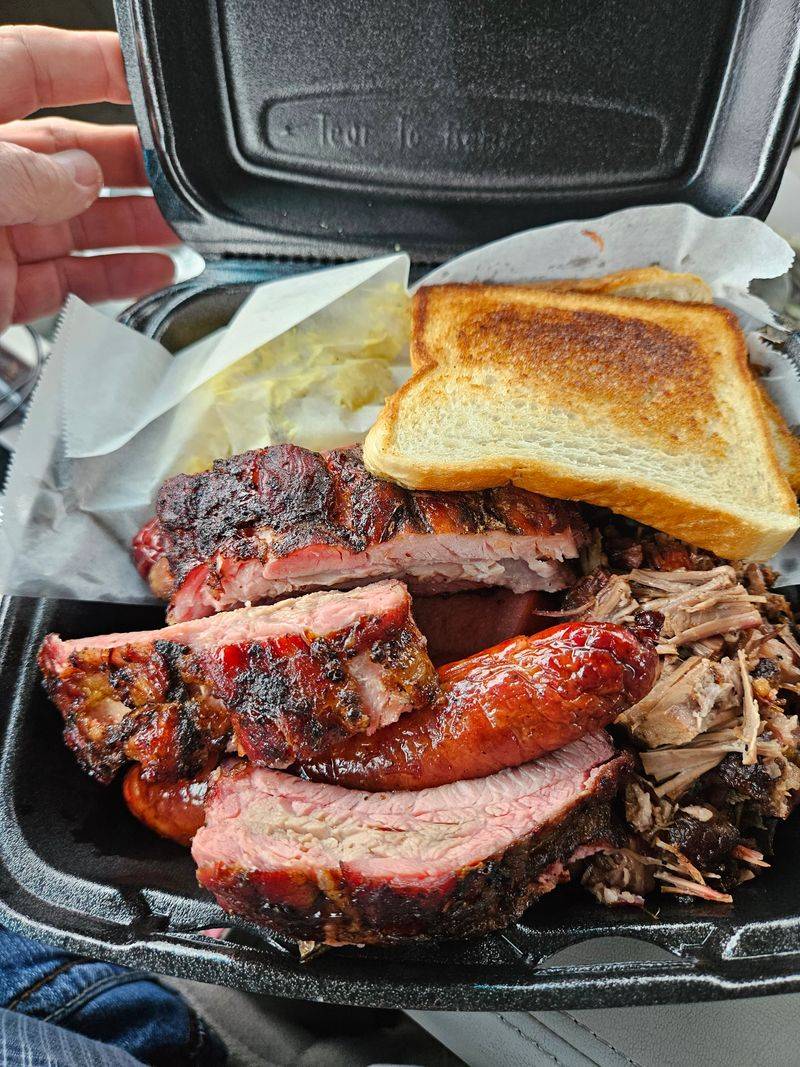
Before stepping inside, before seeing the serving counter, the scent of hickory smoke provides the first real clue about what makes this place special.
The aroma drifts through the air in waves, a rich and unmistakable signal that serious smoking is happening somewhere nearby.
Hickory wood burns at temperatures that require careful monitoring, releasing compounds that penetrate deep into whatever meat sits in the smoker.
This traditional approach demands time and attention, qualities that modern fast-casual restaurants often sacrifice in favor of efficiency.
The smoke itself becomes part of the neighborhood’s character, a familiar presence that locals associate with home and comfort.
For travelers unfamiliar with authentic pit barbecue, the intensity of the smoke might seem overwhelming at first, but it signals a commitment to traditional methods.
The wood selection matters enormously in barbecue, with hickory providing a stronger, more assertive flavor than fruitwoods like apple or cherry.
Oklahoma’s barbecue tradition embraces this boldness, creating profiles that stand up to hearty appetites and don’t apologize for their intensity.
Visitors often mention leaving with clothes that carry the scent for hours afterward, a side effect that regular customers accept as part of the experience.
The smoke serves as both a cooking medium and a promise, guaranteeing that what emerges from the pit will carry layers of flavor developed over hours of patient smoking.
This aromatic introduction sets expectations appropriately, preparing visitors for food that prioritizes depth and tradition over convenience.
The Drive-Through That Changed Everything
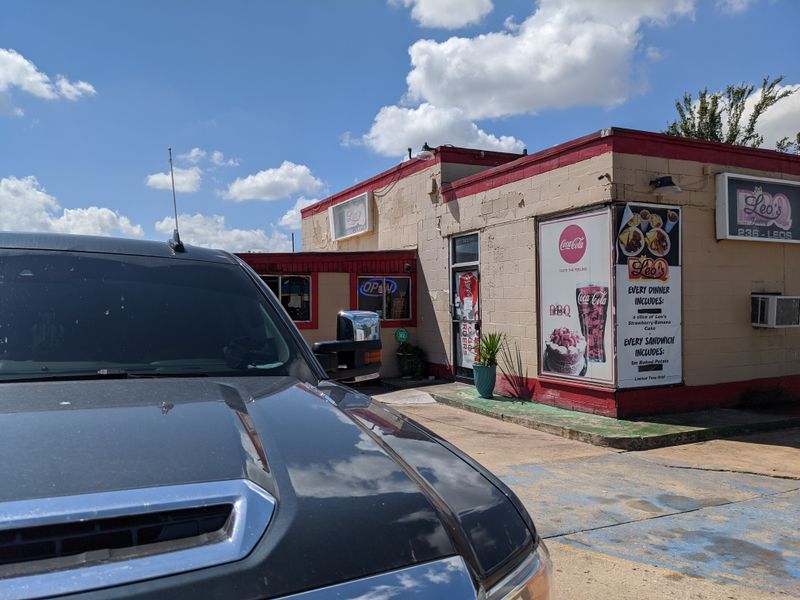
Several years ago, Leo’s BBQ adapted to changing times by adding a drive-through window, a modification that initially surprised longtime customers accustomed to dining inside.
The addition proved prescient, particularly during periods when indoor dining became complicated or impossible.
Currently, the restaurant operates primarily through this drive-through model, streamlining service while maintaining the quality that built its reputation.
Cars line up during peak hours, with drivers waiting patiently as orders are prepared fresh rather than held under heat lamps.
This service model actually suits barbecue well, allowing customers to transport their purchases home where they can enjoy them in comfortable surroundings.
The drive-through also makes Leo’s more accessible to travelers passing through Oklahoma City who might not have time for a sit-down experience but still want authentic local barbecue.
Staff members work efficiently at the window, taking orders and packaging everything with care to ensure it travels well.
The shift to drive-through service hasn’t diminished the personal touch that customers appreciate, with friendly exchanges happening even through the window.
Some regular customers miss the old dining room atmosphere, but most acknowledge that the food itself remains unchanged.
The drive-through model also reflects broader shifts in how Americans consume restaurant food, prioritizing convenience without sacrificing authenticity.
For a family-run business operating since 1974, this adaptation demonstrates flexibility and a willingness to meet customers where they are.
Limited Hours That Reflect the Process
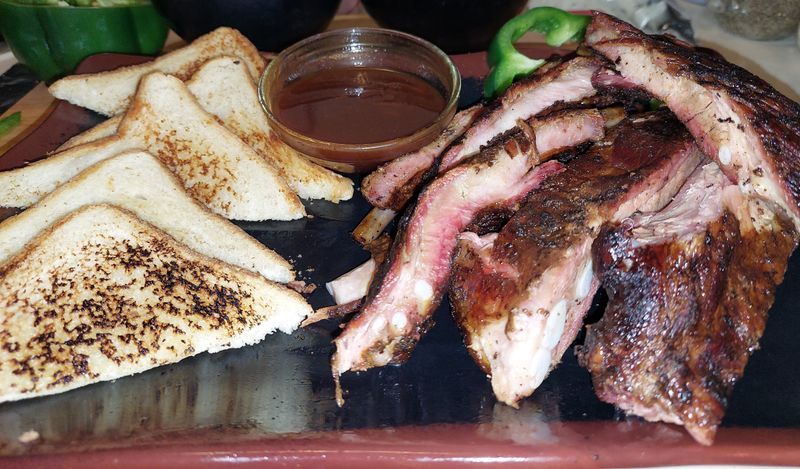
Leo’s BBQ operates only Thursday through Saturday, a schedule that might frustrate spontaneous visitors but actually reveals important truths about authentic barbecue.
Proper smoking takes many hours, often beginning in the early morning darkness so that everything reaches peak tenderness by opening time.
Running a smoker seven days a week would require either a much larger operation or a compromise in quality that the owners refuse to make.
The limited schedule also prevents burnout for the small team that prepares everything, ensuring they can maintain consistent standards across every service day.
Regular customers plan their weeks around these hours, knowing that cravings for Leo’s ribs or brisket must wait until the restaurant opens again.
Travelers visiting Oklahoma City need to time their trips accordingly, checking the schedule before making the drive to North Kelley Avenue.
The restaurant opens at eleven in the morning and serves until six in the evening, though popular items sometimes sell out earlier.
This scarcity actually enhances the experience, creating a sense of occasion around each visit rather than treating it as routine.
Many barbecue purists argue that places open every day cannot possibly maintain the same quality as those that limit their hours.
The Thursday through Saturday schedule also allows time for sourcing quality ingredients and preparing the smoker properly before each service period.
For visitors, successfully timing a visit to coincide with operating hours feels like a small victory, adding to the overall satisfaction of the experience.
When They Run Out, They Run Out
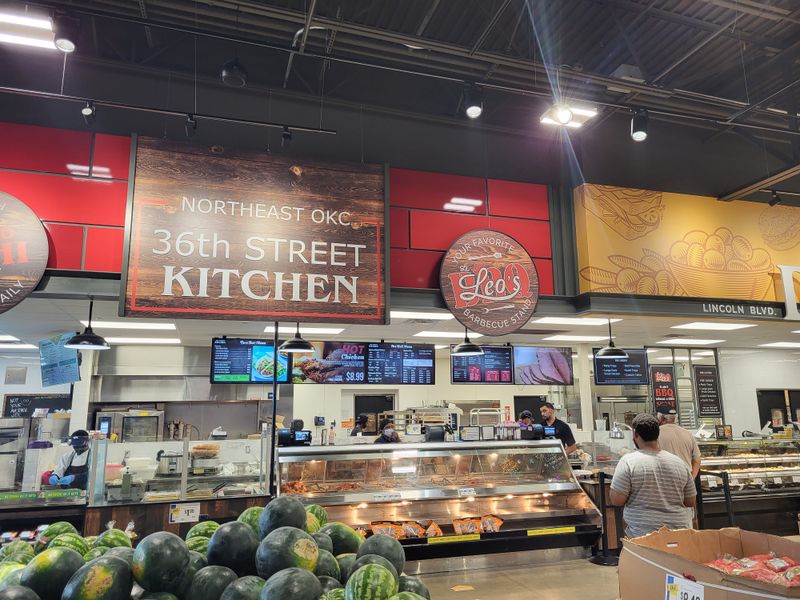
Arriving at Leo’s BBQ in mid-afternoon carries a certain risk, as the most popular items often disappear before closing time.
Brisket and ribs tend to sell out first, claimed by early customers who know better than to wait until later in the day.
This practice of closing when the food runs out rather than scrambling to prepare more separates authentic barbecue joints from restaurants that prioritize constant availability.
The finite quantity actually serves as a quality indicator, proving that everything is smoked fresh that day rather than prepared in massive batches meant to last indefinitely.
Customers who arrive to find their preferred item sold out face a choice: try something different or return another day earlier in the service window.
Most choose to explore other options, discovering that the smoked bologna or hot links deserve their own loyal followings.
The staff apologizes when items run out but makes no promises about holding anything back or preparing emergency batches.
This honesty reflects the overall approach at Leo’s, where managing customer expectations matters more than telling people what they want to hear.
Travelers planning their first visit should aim for earlier arrival times, particularly on Saturdays when local demand peaks.
The phenomenon of selling out early actually validates the decision to visit, confirming that the barbecue is worth pursuing even if it requires some planning.
Regular customers have learned to call ahead or adjust their schedules, treating the limited availability as part of the authentic experience rather than an inconvenience.
The Neighborhood That Shaped the Restaurant
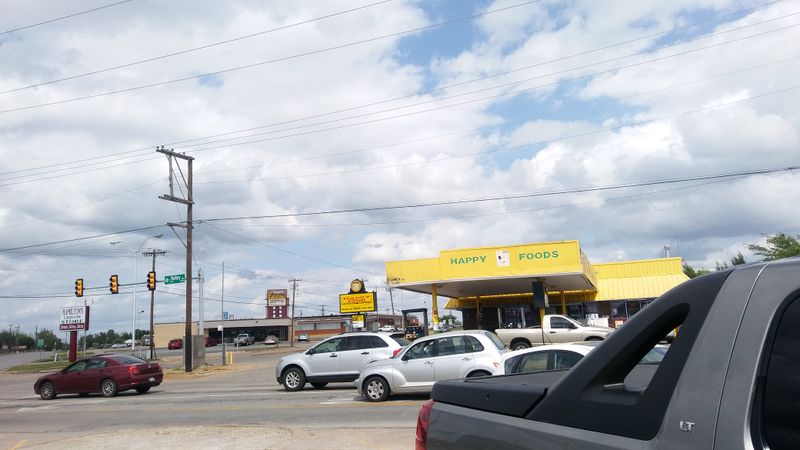
Understanding Leo’s BBQ requires understanding the northeast Oklahoma City neighborhood where it has operated for decades.
This area developed as a working-class community where families put down roots and businesses served generations of the same customers.
The restaurant emerged from this environment, shaped by the values and expectations of neighbors who demanded quality without pretension.
North Kelley Avenue runs through a part of the city that tourists rarely explore, where local institutions matter more than chain restaurants or trendy concepts.
The surrounding streets hold a mix of residential homes and small businesses, creating a fabric that feels authentically urban without the polish of newer developments.
Leo’s has witnessed the neighborhood change over the years while remaining a constant presence, a gathering point that transcends shifting demographics.
For travelers, visiting this part of Oklahoma City offers a glimpse into communities that exist beyond downtown attractions and entertainment districts.
The restaurant’s success here proves that quality finds its audience regardless of location, that people will seek out excellence wherever it exists.
Local pride in Leo’s runs deep, with residents quick to recommend it to anyone asking about authentic Oklahoma barbecue.
The neighborhood context also explains the restaurant’s unpretentious approach, as any attempt at sophistication would feel out of place in this grounded community.
Visitors who make the drive to North Kelley Avenue often discover that the journey itself adds value, providing context that enhances appreciation for what the restaurant represents.
Family Ownership That Matters
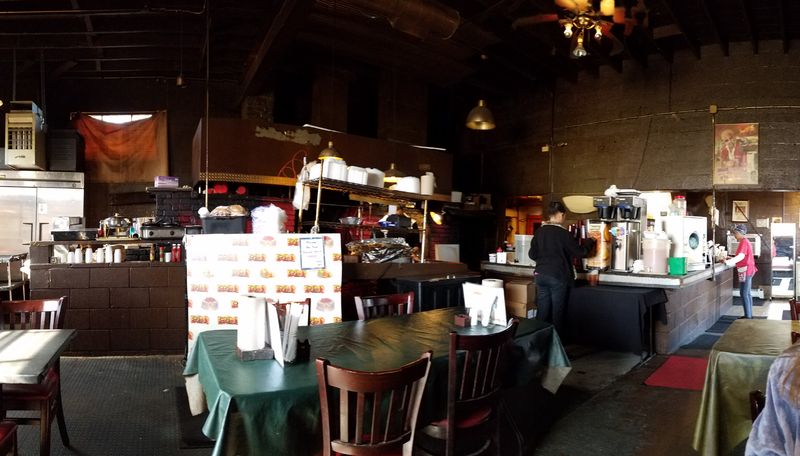
Charles now runs Leo’s BBQ, continuing the work his father began and maintaining standards that have defined the restaurant for decades.
Family ownership changes the dynamic of a restaurant in ways that corporate structures cannot replicate, creating personal investment in every aspect of the operation.
Regular customers know Charles by name, and he often takes time to speak with people ordering at the window, asking about their experience and listening to feedback.
This accessibility creates relationships that extend beyond simple transactions, building loyalty that survives occasional missteps or sold-out items.
The family’s reputation rests on every plate that leaves the kitchen, a pressure that keeps quality high even when shortcuts might seem tempting.
Charles understands that he’s not just running a business but stewarding a legacy that matters to the community and to his own family history.
This sense of responsibility shows in how the restaurant operates, from ingredient selection to customer service to the decision to maintain limited hours rather than overextend.
Travelers often comment on the personal touch they experience, noting that interactions feel genuine rather than scripted.
Family-run restaurants carry a warmth that larger operations struggle to duplicate, a sense that someone truly cares about the experience being provided.
In an era when many beloved local restaurants sell to corporations or close entirely, Leo’s continued family ownership represents something increasingly rare and valuable.
The connection between ownership and community runs deep here, creating mutual respect that benefits everyone involved.
The Disconnect Between Appearance and Reality
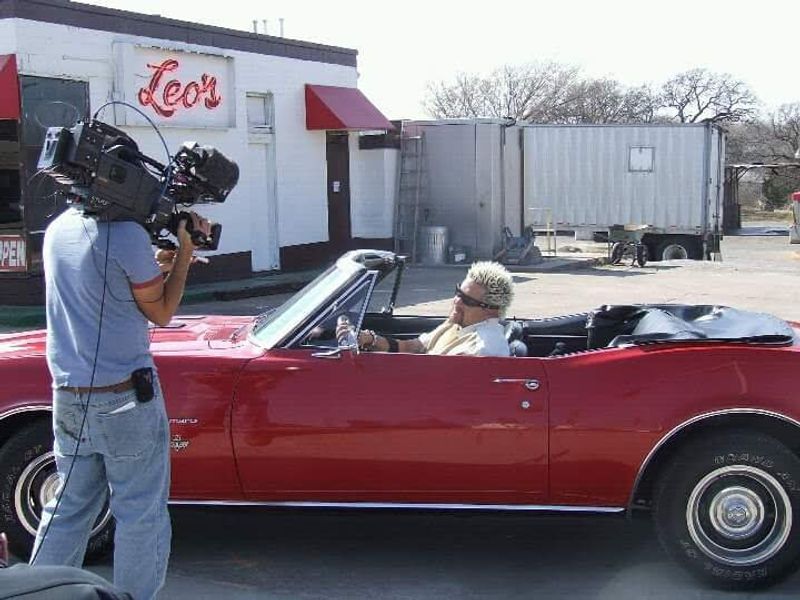
Everything about Leo’s BBQ challenges the modern expectation that great restaurants should look the part before proving their worth.
The building offers no architectural interest, the exterior suggests nothing special, and the overall presentation prioritizes function over form.
Yet this disconnect between appearance and quality actually enhances the experience, creating a sense of discovery that polished establishments cannot provide.
First-time visitors often express surprise and delight when their order arrives, the gap between expectation and reality working in the restaurant’s favor.
This phenomenon speaks to broader truths about how we evaluate experiences, how visual cues can mislead and humble exteriors can hide remarkable substance.
The restaurant has never attempted to upgrade its appearance to match the quality of its barbecue, a decision that feels increasingly intentional rather than neglectful.
Regular customers appreciate this authenticity, understanding that money spent on cosmetic improvements would likely come at the expense of ingredient quality or operational focus.
For travelers seeking genuine local experiences in Oklahoma, Leo’s represents exactly the kind of place worth finding, where reputation is earned through consistency rather than marketing.
The modest exterior also filters out customers seeking Instagram moments over actual quality, naturally attracting people who care about substance.
This self-selection creates a customer base that appreciates what the restaurant does well rather than criticizing what it doesn’t attempt to be.
The disconnect ultimately serves as Leo’s greatest asset, a built-in story that makes every visit feel like uncovering a secret that too many people overlook.
Dear Reader: This page may contain affiliate links which may earn a commission if you click through and make a purchase. Our independent journalism is not influenced by any advertiser or commercial initiative unless it is clearly marked as sponsored content. As travel products change, please be sure to reconfirm all details and stay up to date with current events to ensure a safe and successful trip.
