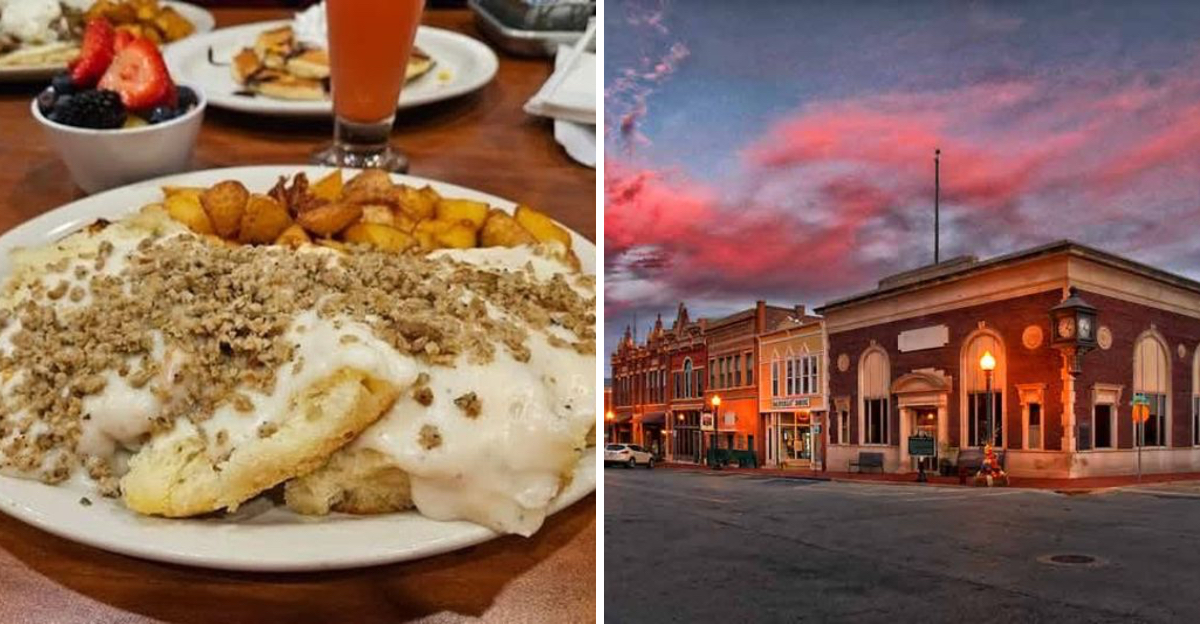
There’s something that hits you the moment you walk into a diner in Oklahoma and the server looks up, smiles, and says, “What can I get for you, hon?”
It doesn’t matter if you’ve never met her before in your life. That one little word wraps around you like a warm blanket on a cold morning, and suddenly you feel like you belong somewhere.
Oklahoma has a habit of calling strangers “hon,” and far from feeling intrusive, it feels like the most natural, human thing in the world. This isn’t a performance or a script from a customer service training manual.
It’s something people here actually mean, passed down through generations like a family recipe. Stick around, and you’ll start to understand why this tiny word carries so much weight in the heart of the American South.
Where “Hon” Comes From in Oklahoma Culture
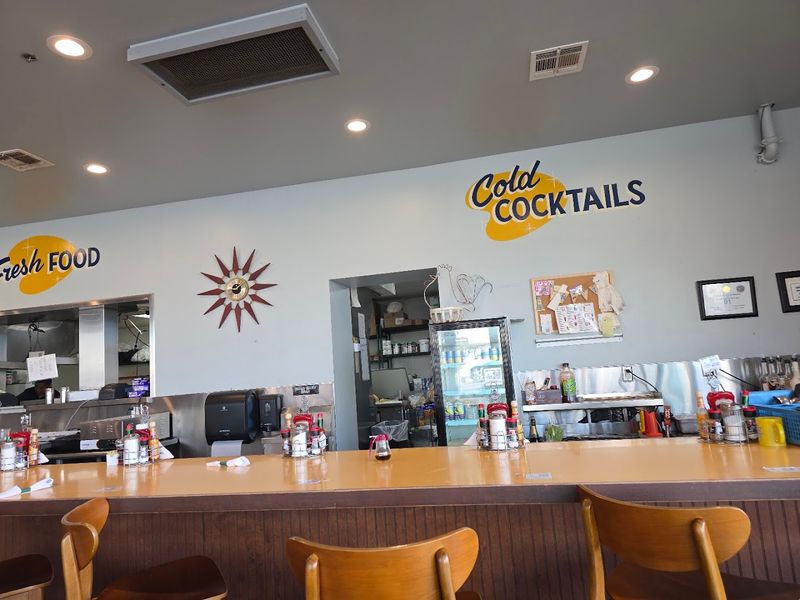
Long before social media made everyone hyper-aware of how they speak, Oklahomans were already doing something quietly remarkable.
They were making strangers feel like neighbors with a single syllable. “Hon” is short for “honey,” a term of endearment rooted deep in Southern and Midwestern speech patterns that traveled westward with settlers generations ago.
Oklahoma sits at a fascinating crossroads between the American South and the Great Plains, and its language reflects that mix beautifully. You’ll hear “hon” in the same breath as “y’all” and “bless your heart,” each one carrying its own specific emotional frequency.
None of them are throwaway words. They mean something to the people using them.
Linguists who study regional American dialects have pointed to Oklahoma as a place where Southern speech traditions stayed alive longer than in many other states. The warmth built into that vocabulary wasn’t accidental.
Communities that relied on each other through dust storms, economic hardship, and long stretches of rural isolation developed a language that prioritized connection. “Hon” survived because it worked. It still does, and walking through any small town here proves it every single time.
The Diner Counter Experience That Changes Everything
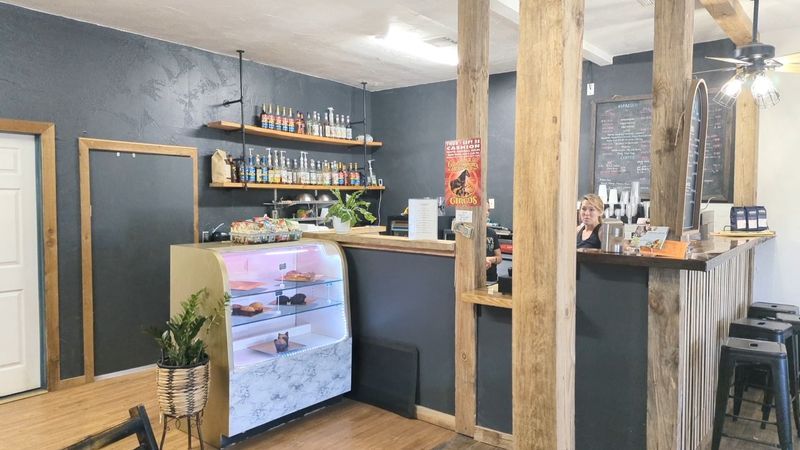
Sit down at a diner counter anywhere in rural Oklahoma and give it five minutes. Someone will call you “hon” before your coffee arrives.
It happens so naturally, so effortlessly, that the first time you experience it as an outsider, you might actually look around to see if they were talking to someone else. They weren’t.
They meant you.
There’s a ritual to the diner counter in small-town Oklahoma that goes beyond just ordering food. The counter is a stage where community happens in real time.
Regulars swap stories, strangers get folded into conversations, and the person behind the counter holds it all together with warmth and familiarity. “Hon” is the social glue that keeps that whole structure intact.
I remember sitting at a counter in a small town off Highway 270, watching a woman in her sixties refill coffee cups without being asked, calling every single person “hon” regardless of age or background. A trucker, a teenager, a couple from out of state.
She treated them all with the same easy affection. Nobody flinched.
Nobody looked uncomfortable. Everyone just softened a little, like the word had physically relaxed their shoulders.
That’s the quiet power of this habit, and it’s something you genuinely can’t manufacture.
Why It Feels Different Here Than Anywhere Else
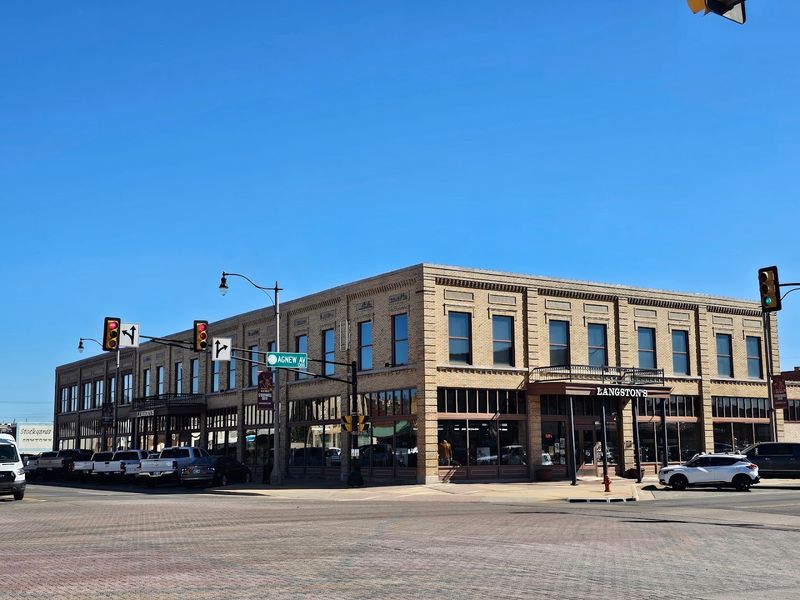
You can hear terms of endearment in other states, sure. But there’s something about the way Oklahomans deliver “hon” that lands differently.
It doesn’t feel like a habit born out of sales training or hospitality scripts. It feels like something that comes from the chest, not a checklist.
The difference is subtle but unmistakable once you’ve felt it.
Part of what makes it distinct is the pace. Oklahoma small towns move at a rhythm that allows for actual human interaction.
Nobody’s rushing past you with an earbud in. The person behind the counter isn’t juggling forty things mentally while smiling at you blankly.
When they say “hon,” they’re actually looking at you. That eye contact changes everything about how the word lands.
Compare that to a busy city where a cashier might say “hon” out of habit while staring at a screen, and the emotional difference is enormous. Here, the word arrives with presence.
It’s backed up by a pause, a real smile, maybe a question about where you’re from. Oklahoma’s version of “hon” is less about vocabulary and more about philosophy.
It reflects a genuine belief that the person in front of you deserves to feel seen, and that belief runs deep in the culture here.
How Kids Grow Up Hearing It Everywhere
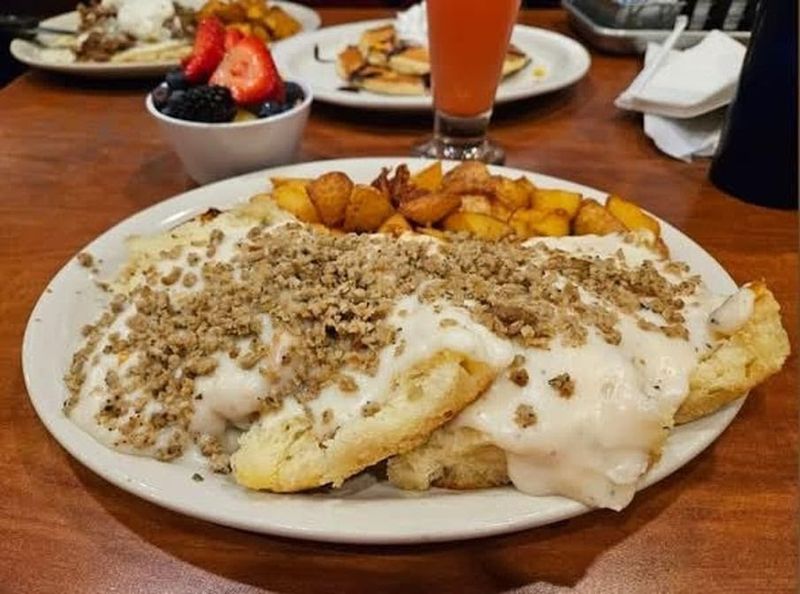
Growing up in Oklahoma means being called “hon” by basically every adult you encounter from the moment you can walk. Teachers say it.
Neighbors say it. The woman at the church potluck who doesn’t know your name but knows your grandmother says it without missing a beat.
For Oklahoma kids, this word is part of the texture of daily life.
What’s interesting is how that shapes the way those kids eventually talk to others. By the time an Oklahoma child reaches adulthood, calling someone “hon” feels as natural as saying “please” or “thank you.” It’s not something they consciously decide to do.
It just happens because it was modeled for them constantly, by people who genuinely meant it every single time.
There’s real psychological warmth embedded in that upbringing. Children who grow up hearing affirming, inclusive language tend to carry that openness into their adult social lives.
Oklahoma’s “hon” culture is essentially passing down a form of emotional intelligence without ever calling it that. Nobody sits a kid down and explains the social value of making strangers feel welcome.
They just watch the adults around them do it, absorb it, and eventually become the person behind the counter doing the same thing for the next generation.
The Grocery Store Aisle Moment Nobody Warns You About
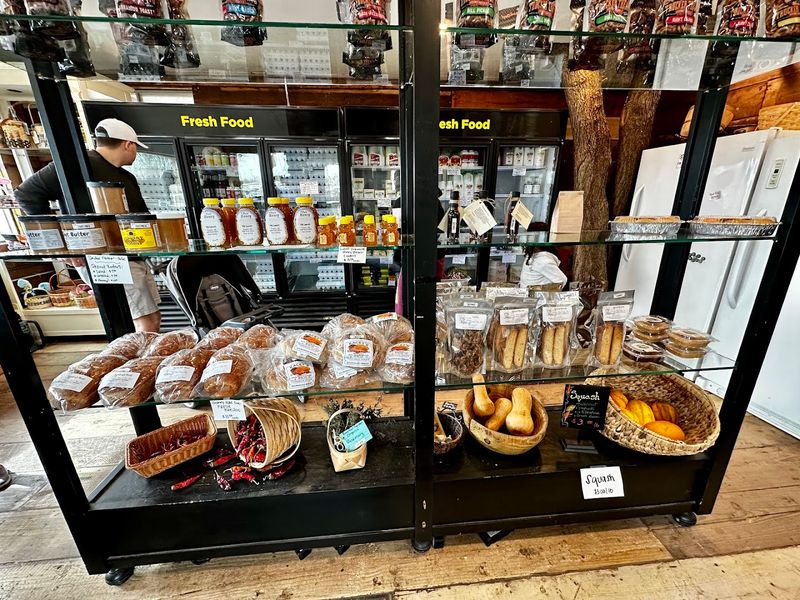
Nobody tells you it’s going to happen in the cereal aisle, but it will. You’ll be standing there comparing two boxes, minding your own business entirely, and an older woman will lean over and say, “Oh hon, that one’s better, trust me.”
And just like that, you have a recommendation, a smile, and a brief but genuine human connection you didn’t know you needed.
Small-town Oklahoma grocery stores are social events disguised as errands. People stop and talk.
They ask about your family. They remember that your aunt had surgery last month and want to know how she’s doing.
The “hon” that gets dropped into those conversations isn’t filler. It’s a signal that says: I see you as a person, not just someone blocking the aisle.
For people visiting from larger cities, this kind of interaction can feel almost startling at first. Urban life trains you to keep your head down, stay in your lane, and not engage with strangers unless absolutely necessary.
Oklahoma flips that script completely. Here, engaging with a stranger is the default.
Warmth is the starting position, not something you have to earn. And somehow, a word as simple as “hon” is what opens that door every single time, without fail, in every aisle of every store.
What Visitors Get Wrong About It at First
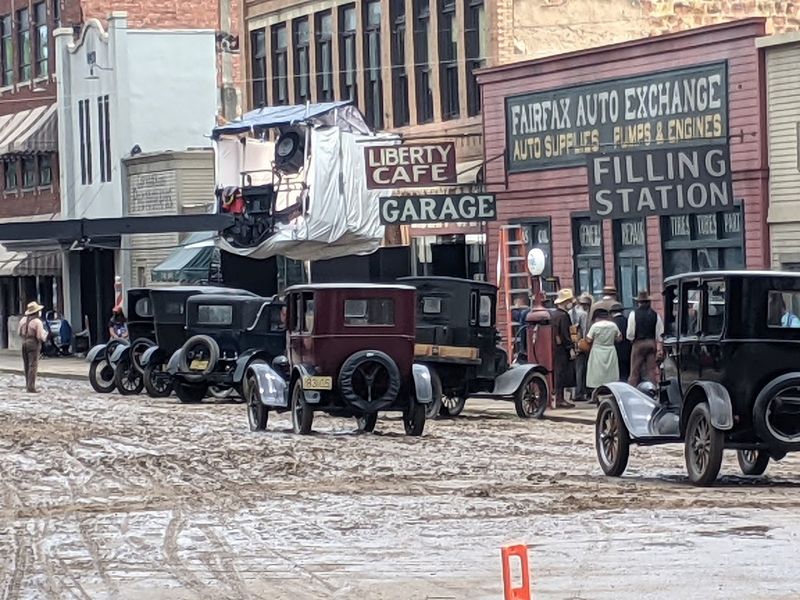
Plenty of first-time visitors to Oklahoma hear “hon” and assume it’s condescending. That’s a completely understandable misread, especially if you’re coming from a place where that kind of familiarity from a stranger reads as patronizing or even passive-aggressive.
Context matters, and without the cultural context, “hon” can land in unexpected ways.
But spend a few hours in any small Oklahoma town and the picture clarifies fast. Nobody here is using “hon” to talk down to you.
There’s no hierarchy hiding inside it. The server calls the mayor “hon.” The pharmacist calls the teenager picking up a prescription “hon.” The tone is horizontal, not vertical.
It’s about inclusion, not power.
Once visitors realize that, something shifts. You can almost watch it happen on people’s faces.
The slight defensiveness melts away and gets replaced by something softer. A lot of travelers later describe it as one of the most unexpectedly moving parts of visiting Oklahoma.
They came for the red dirt landscapes and the history, and they left thinking about the woman at the gas station who called them “hon” and actually asked how their drive was going. That tiny moment stays with people longer than most things they plan in advance.
The Way “Hon” Bridges Generational Gaps
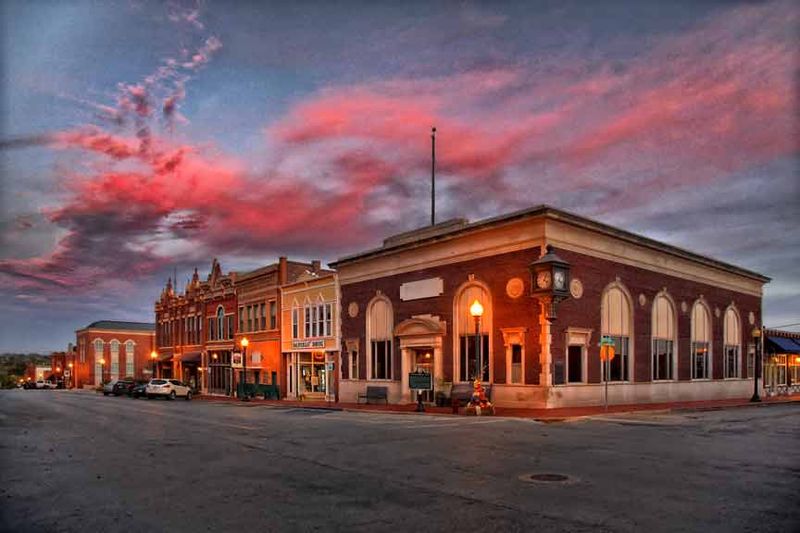
Watch long enough in any Oklahoma small town and you’ll notice something remarkable. “Hon” travels across age gaps without any awkwardness at all. An eighty-year-old man uses it with the twenty-year-old bagging his groceries.
A teenage girl says it to the elderly neighbor she’s helping with yard work. The word doesn’t belong to one generation here.
It belongs to everyone.
That’s genuinely unusual. In a lot of American social spaces, there’s a stiffness between generations, a formality or uncertainty about how to address someone significantly older or younger.
Oklahoma sidesteps that entirely with this one small piece of vocabulary. “Hon” creates an instant common ground that doesn’t require negotiating social distance first.
Think about how rare that actually is. Most communities struggle to build natural bridges between young people and older residents.
Oklahoma does it partly through shared language, through words that signal warmth without demanding anything in return. A teenager who hears “hon” from an elder doesn’t feel talked down to.
An elder who hears it from a young person doesn’t feel patronized. The word is somehow perfectly balanced, warm without being heavy, familiar without being presumptuous.
That’s a linguistic feat most languages spend centuries trying to figure out, and Oklahoma just stumbled into it through sheer neighborly habit.
Small Towns Where This Habit Feels Most Alive
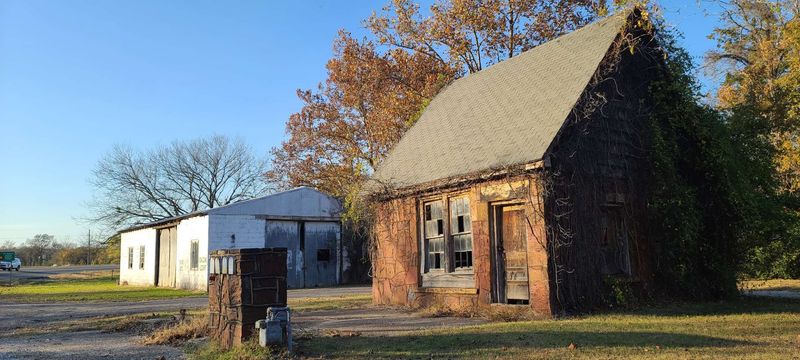
Not every place in Oklahoma delivers the “hon” experience with the same intensity, but certain small towns have it running through their veins.
Places like Guthrie, Coalgate, and Pawhuska carry that particular brand of unhurried warmth that makes every interaction feel like you’re talking to someone who actually has time for you, because they do.
Pawhuska, in Osage County, has become more well-known in recent years, but its small-town soul hasn’t gone anywhere. Walk into any local spot there and you’ll feel the same easy hospitality that’s been there for generations.
Guthrie, with its Victorian architecture and deep historical roots, has a community that treats visitors like returning neighbors rather than tourists to be managed.
Coalgate, tucked in the Coal County region in the southeastern part of the state, is the kind of place where you stop for gas and end up in a fifteen-minute conversation with three different people who all call you “hon” at least once. These towns aren’t performing charm for visitors.
They’re just being themselves, and that authenticity is exactly what makes them so magnetic. Oklahoma’s small towns are proof that a place doesn’t need to be famous to be deeply, genuinely wonderful to visit.
Why the Rest of the Country Could Learn Something Here
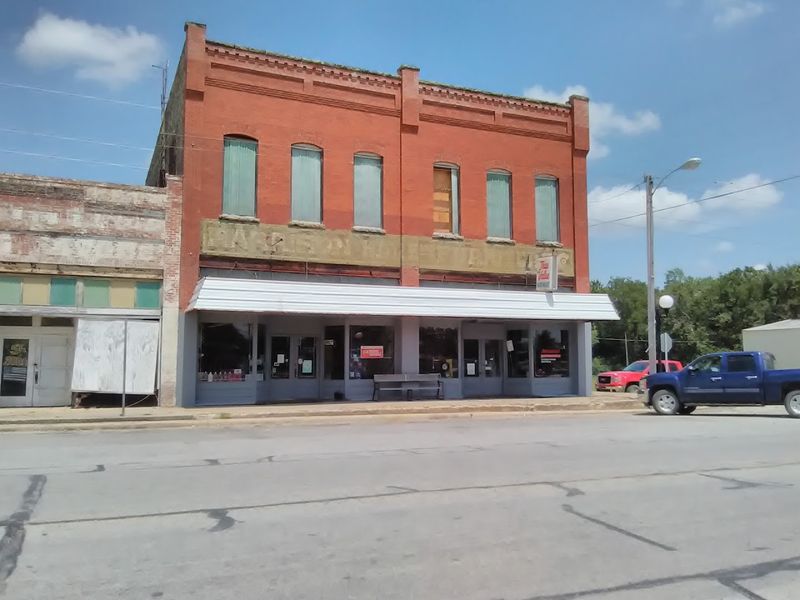
There’s a conversation happening in a lot of American communities right now about how disconnected people feel from each other. Loneliness is at record levels.
Neighbors don’t know each other’s names. People scroll through hundreds of social connections online while feeling completely invisible in their own zip codes.
Oklahoma’s “hon” habit is a tiny, almost accidental antidote to all of that.
It costs nothing. It takes less than a second.
And it communicates something profound: you are not invisible to me. That might sound overly dramatic for a two-letter word, but isolation is a deeply real problem, and small acts of verbal warmth chip away at it in ways that larger gestures sometimes can’t.
You can’t manufacture the feeling that comes from being called “hon” by someone who genuinely means it.
Oklahoma isn’t trying to teach the world a lesson. Nobody here is running a workshop on community building or writing op-eds about the importance of human connection.
They’re just calling people “hon” at the diner counter, in the grocery store, at the gas station, in the school hallway. And somehow, that simple, stubborn habit of treating strangers like people worth acknowledging is quietly doing more for social cohesion than most initiatives ever could.
Maybe the rest of the country should take notes.
Dear Reader: This page may contain affiliate links which may earn a commission if you click through and make a purchase. Our independent journalism is not influenced by any advertiser or commercial initiative unless it is clearly marked as sponsored content. As travel products change, please be sure to reconfirm all details and stay up to date with current events to ensure a safe and successful trip.
