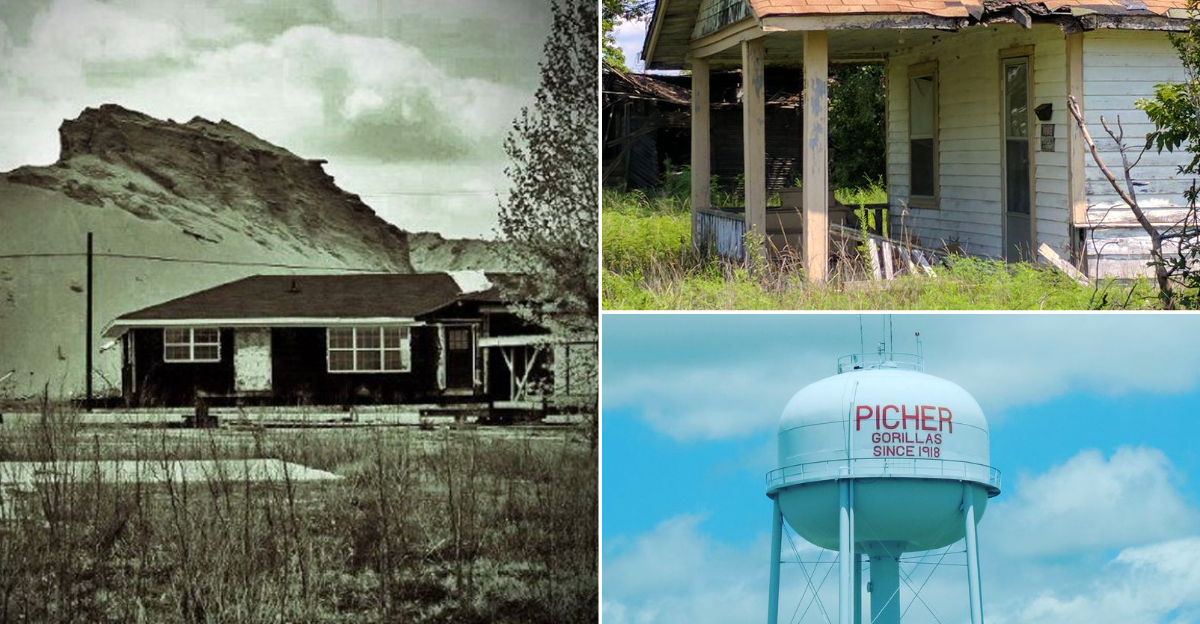
You know how some places feel like caution taped stories you can actually walk through?
Picher, Oklahoma is that kind of place, and it gets under your skin in a quiet, steady way.
We can drive up, roll slow past the empty blocks, and see how a town became a warning sign you can read with your own eyes.
If you are up for a thoughtful stop, this is one that sticks with you long after the dust settles.
A Mining Town Built Too Fast
Let me start simple because the first impression matters.
Picher grew fast, like a camp that decided to be a city overnight.
That speed shows in the bones that remain.
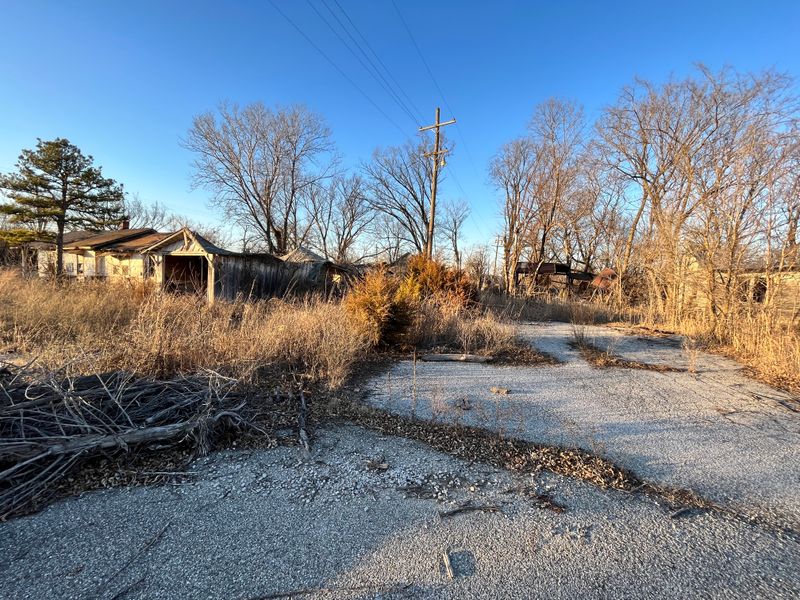
If we swing by East Second Street and South Netta Street, you will feel the layout trying to make sense.
Blocks stretch out but end in gaps that look like missing teeth.
The space between buildings tells the story better than any sign.
It is strange to imagine how daily life once fit here and then slid away.
Front steps face nobody now.
Power lines guide your eyes more than your feet.
The rush to extract, build, and expand left few pauses for caution.
You can see that in the wide setbacks and the straight streets.
They look ready for traffic that never returned.
You get context before you see the louder scars.
It is a quiet on ramp to what we are really here to understand.
Oklahoma has plenty of towns with tidy squares and sturdy courthouses.
Picher is the opposite, and that contrast helps you notice details.
Even the curbs feel temporary, like borrowed edge lines.
When Lead And Zinc Ruled Everything
Here is the part that sounds unbelievable until you stand here.
Lead and zinc were the big story, and the town wrapped itself around that work.
Everything pointed back to the pits and shafts.
Drive along South Connell Avenue near the old works.
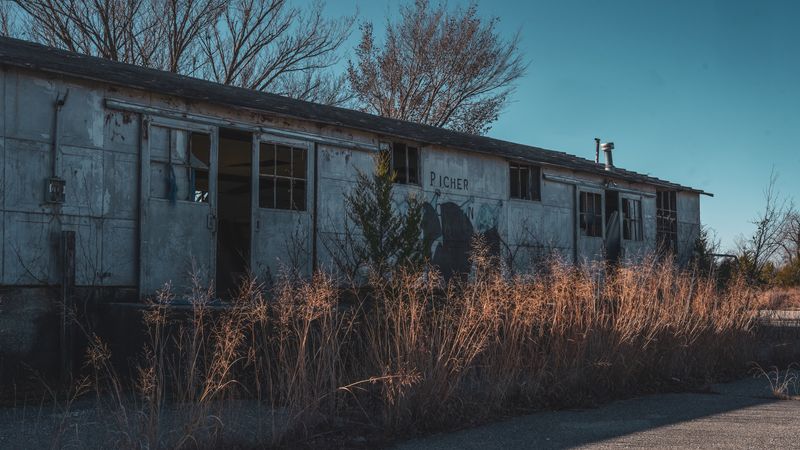
You will see flattened ground where structures once hummed.
The grid sits like a set built to serve something that left.
I catch myself looking for the motion that is not coming. That is normal here.
You read hints instead of signs.
Concrete pads become breadcrumbs that take you through the past.
The wind does the rest and edits the soundtrack down to a hush.
It feels respectful to keep moving slowly.
If you want a quick reference, the Tri State Mining District maps show how dense the operations were.
You do not need them to feel it.
The scale is built into the landscape.
Oklahoma history is usually told in tidy museum rooms.
Out here the lesson stands outdoors.
You learn it by tracing lines with your tires and walking a few careful steps.
The Waste That Never Left
You will spot the chat piles before you even think about where to park.
They look like pale dunes that forgot the ocean.
They sit there and keep sitting.
Roll toward North Netta Street at the edge of Picher, and look to the horizon.
The piles rise taller than the buildings ever did.
They shape the wind and the light.
I keep my windows up here and let the view do the talking.
There is a stillness that feels careful. No need to rush it.
The waste came from the processing that pulled metals out of rock.
What did not get used stayed in place and grew into hills.
Those hills never signed a lease to leave.
This is where the word warning starts to feel personal.
The landscape wears the consequence openly.
You can read it like a billboard that forgot color.
Oklahoma has open skies that make everything seem smaller.
Except these piles.
They push back and tell you the ending before the middle.
How Chat Piles Changed The Land
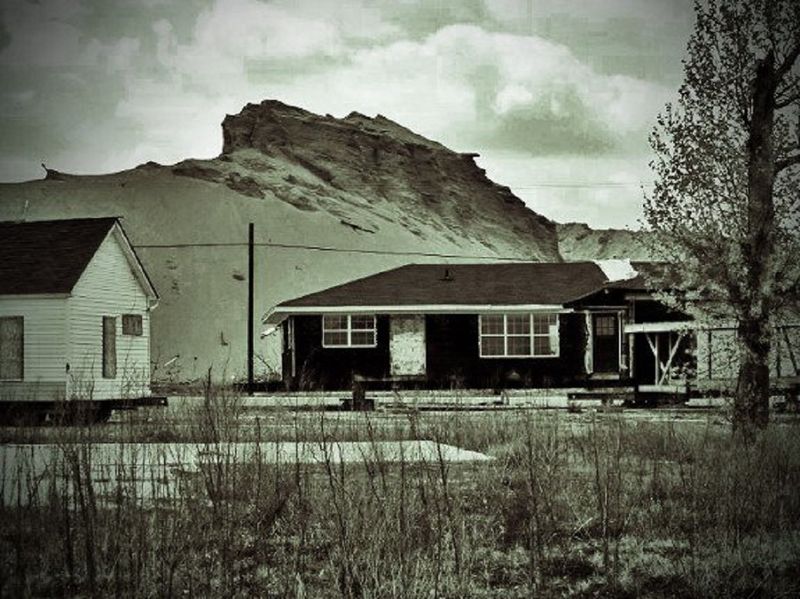
You know when wind gets a job and never clocks out.
That is what it did here.
It carried fine dust and redrew little maps on every surface.
Head toward the open ground by West 1st Street and South River Street.
You will see slopes that used to be smooth now cut by gullies.
Grass tries but does not quite win.
The piles changed drainage, too. Water now chooses paths that streets did not plan for.
Little ruts become little rivers after storms.
I like standing back and tracing the ridges with my eyes.
The patterns feel delicate until you remember their source.
That tension is the whole mood of this place.
Think about how a town adapts when the ground itself keeps changing.
Foundations do not argue long with shifting fill.
Cracks show up where conversation stops.
If Oklahoma teaches anything, it is that weather loves an easy target.
Loose material is exactly that.
The land learned faster than we did.
The Water That Became Dangerous
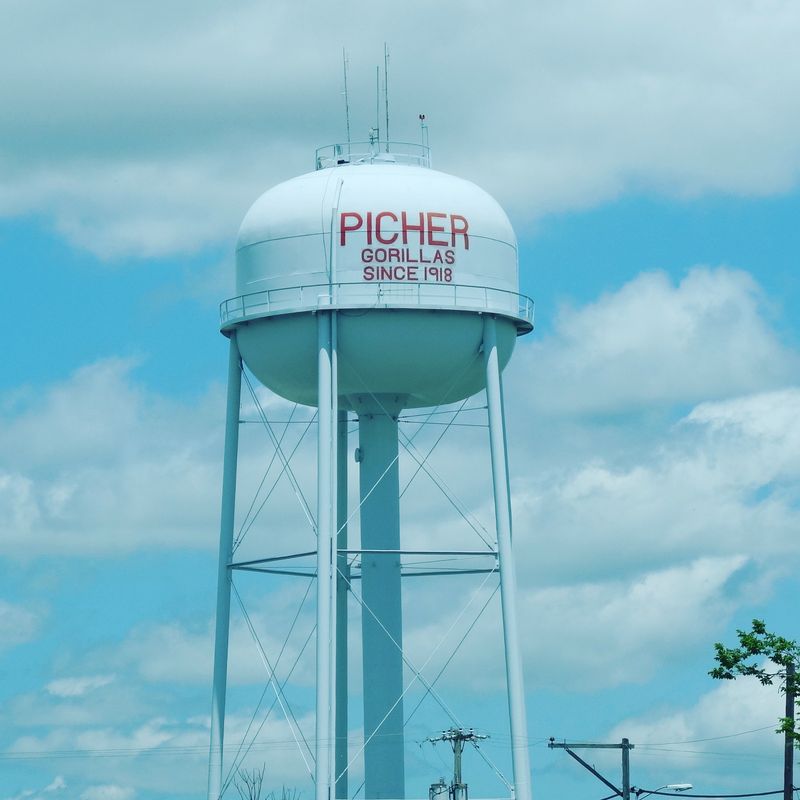
Okay, here is where the story turns quieter and heavier.
Water moved through old mine works and picked up more than it should.
It came back changed.
Drive over to the Tar Creek crossing near South Elm Street, Miami, just a short hop from Picher.
The flow looks ordinary until the color tells on it.
Rocks keep the memory better than signs do.
I do not touch the water here. Looking is enough.
The banks carry a steady whisper that says respect the boundary.
This creek taught nearby towns to read the land more carefully.
You can see how it became a line you do not cross without thinking.
That is a lesson that sticks.
If we keep the car on solid pavement and just pull off where it is safe, we can take in the view.
It is not dramatic. It is steady and convincing.
Oklahoma waterways usually feel like invitations.
This one feels like a reminder.
You can tell why the maps label this area with careful language.
Health Warnings That Came Too Late
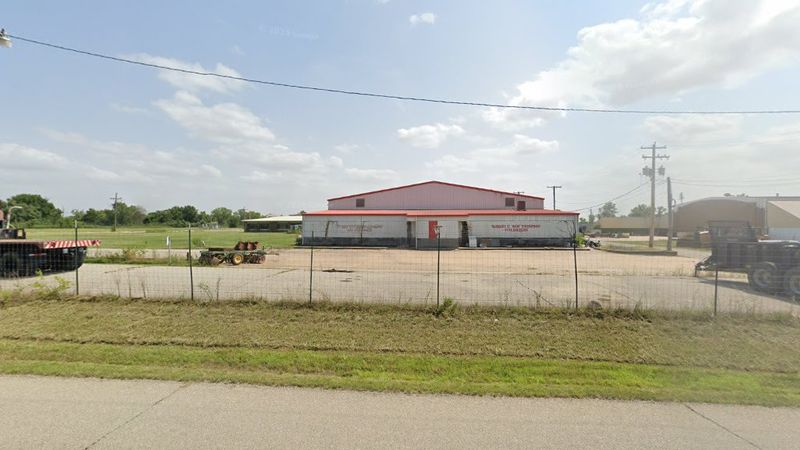
This is the part nobody likes to say out loud.
The signs and studies showed up after the routines were already built.
Changing course took more than a memo.
If we pass by the old school grounds near East 2nd Street and South Netta Street, the empty fields feel louder than a crowd.
You can imagine buses and bell schedules.
Now it is just sky and a fence.
Health guidance reads clinical until you map it to a playground.
Then it turns into choices a family has to make.
That shift is hard to shake.
Standing here, I keep my steps light and my eyes up.
You do not need to get close to understand the message.
Distance can be thoughtful.
Oklahoma communities look out for each other in everyday ways.
That spirit still lingers even when the houses are gone.
It is the quiet part of the story that matters.
We will not linger long.
A few minutes is enough to feel the weight without pressing down on it.
Then we roll on and keep learning.
Government Buyouts And Relocation
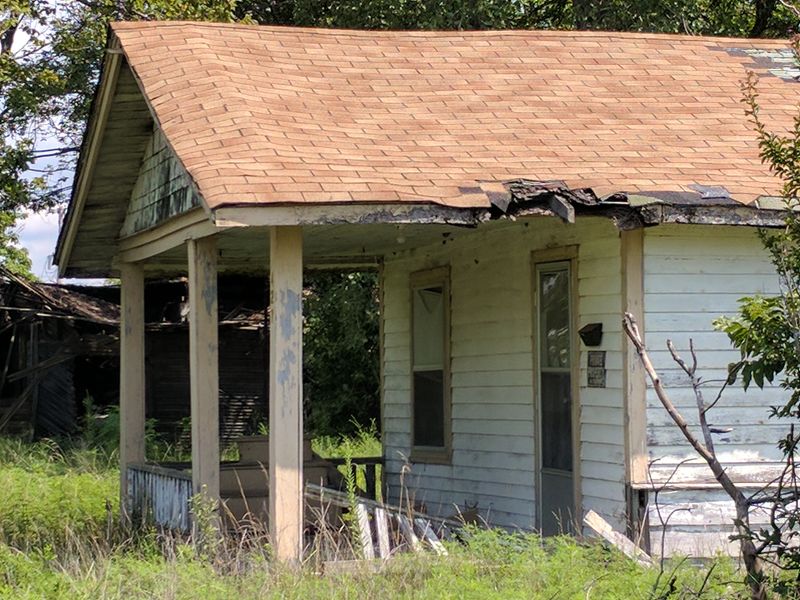
Here is where the maps and the mailbox stubs say the same thing.
People were helped to move, and the town loosened like a knot.
The empty driveways feel like placeholders for stories.
Roll down South Connell Avenue near West 4th Street.
You will spot curbs that lead to air. It is a quiet kind of punctuation.
I always slow down here.
There is no rush to count what is gone.
The point is to notice and keep breathing.
Relocation sounds tidy on paper.
In real life it is boxes, hugs, and a last look at a yard.
That lived part never makes the press release.
The good news is that the decision gave people a safer route.
The hard part is everything else.
You can feel that balance just by idling for a minute.
Oklahoma knows how to start over.
Towns shift, rebuild, and keep going.
This place shows the cost of waiting too long to choose.
What Still Stands Today
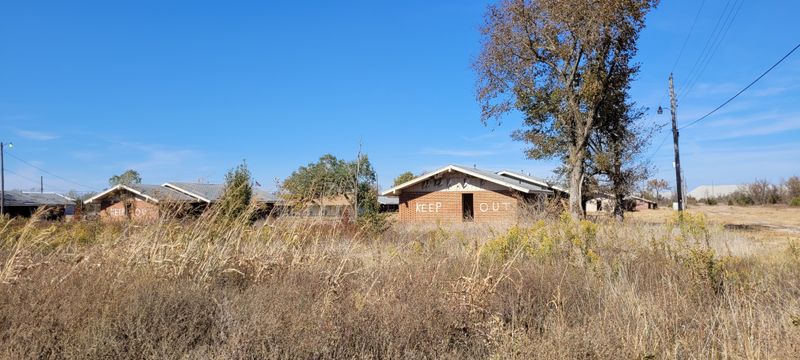
You might ask what is actually left to see.
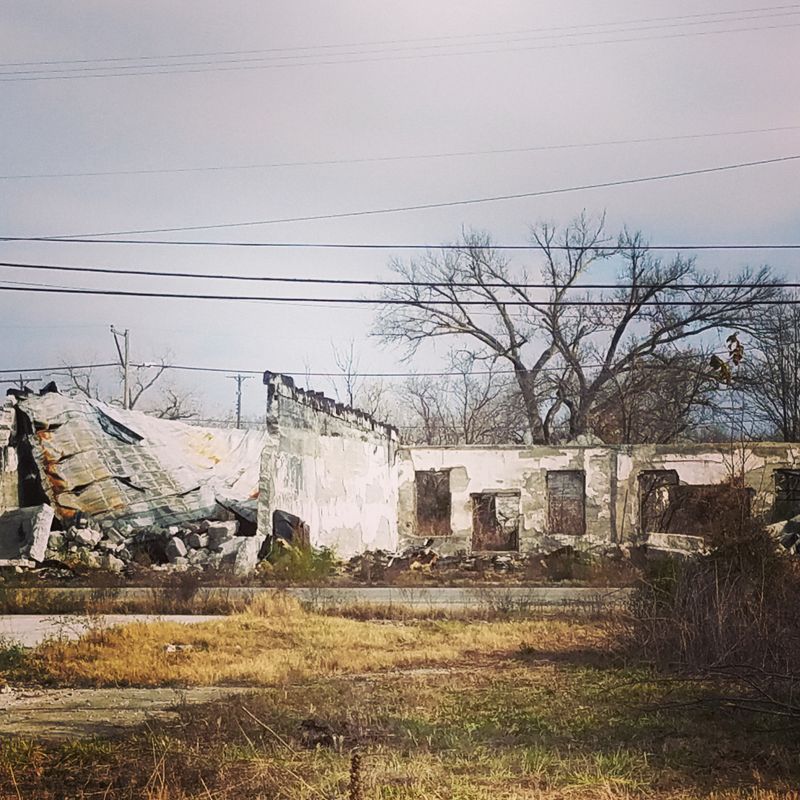
A few facades, some foundations, utility poles, and the long view.
That is enough for the story to land.
Start around the old Main Street corridor near East 1st Street and South Connell Avenue.
The lines are faint but traceable.
You can park, step out, and take a careful look from the shoulder.
There is a steadiness in places that made it through.
They do not brag or explain.
They just mark where people once gathered.
I like listening to the wind skim across the pavement.
It makes a soft sound that turns the whole block into a memory.
You will hear it too if you pause.
Do not expect a museum sign or a tidy summary.
The evidence is the street itself.
Your job is to read the cues and keep your distance where it makes sense.
Oklahoma skies help frame the scene with wide light.
That light does more than any plaque could.
It lets the lesson breathe without shouting.
Why Picher Became A National Lesson
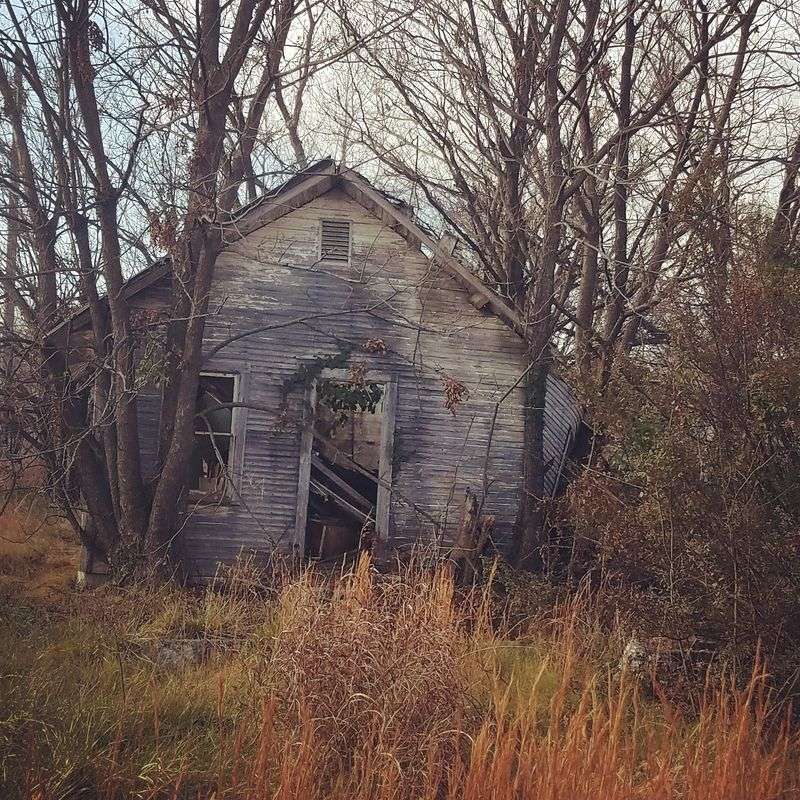
So why drive here at all?
Because seeing a place that changed the national conversation is different than reading about it.
The roads make the point clearly.
Stand near the intersection of East 3rd Street and South Netta Street, and just take it in.
The empty grid, the chat piles, the hush.
It is a classroom without walls.
This town turned into a cautionary tale many agencies now reference.
Policy sounds abstract until you map it on a block.
Then the reasons feel obvious.
I like how the lesson is practical.
Build fast only if you know how to clean up faster.
The land keeps the receipt.
Driving away, the message follows you onto the highway.
It rides along in the mirror like a reminder to ask better questions.
That is the kind of souvenir I can use.
Oklahoma carries a lot of stories in wide landscapes.
Picher is one of the clear ones.
It tells you what happens when the ground gets a vote.
Dear Reader: This page may contain affiliate links which may earn a commission if you click through and make a purchase. Our independent journalism is not influenced by any advertiser or commercial initiative unless it is clearly marked as sponsored content. As travel products change, please be sure to reconfirm all details and stay up to date with current events to ensure a safe and successful trip.
