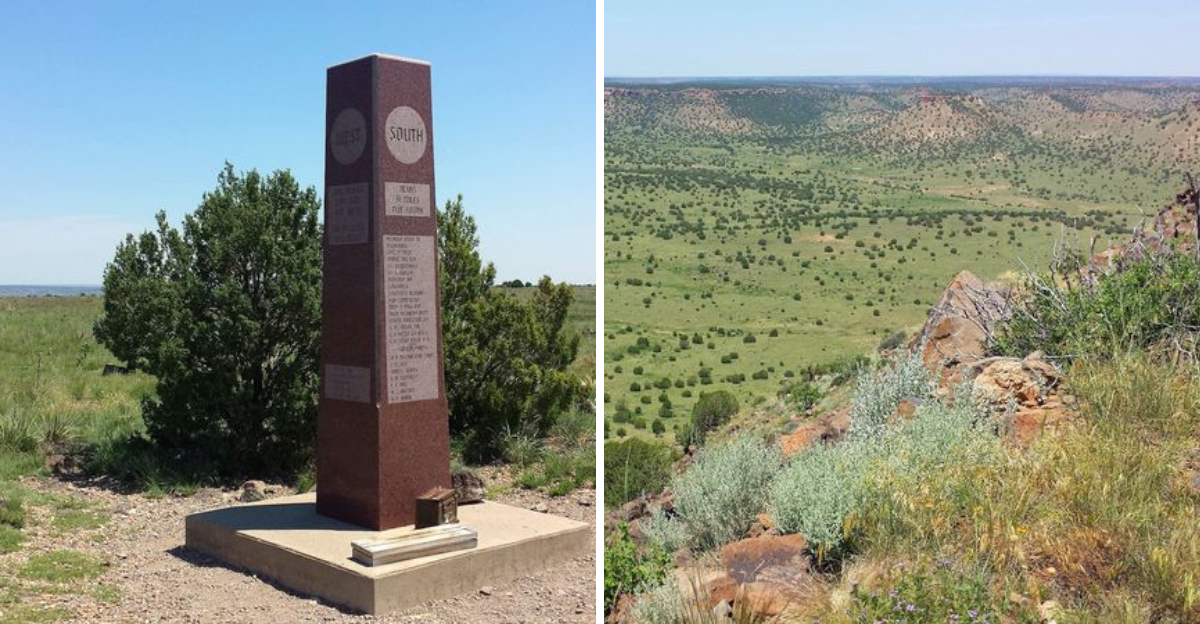
Oklahoma is not the first place that comes to mind when someone says mountains. Most people picture flat plains, red dirt roads, and endless skies.
But buried in the far western corner of the state’s Panhandle, something extraordinary is hiding in plain sight. There’s a place out there so remote, so raw, and so unexpectedly beautiful that even many Oklahomans have never heard of it.
The drive alone will make you question everything you thought you knew about this state. The landscape shifts dramatically as you head west, and before long, you’re surrounded by mesas, volcanic rock, and wide-open silence.
This isn’t the Oklahoma of postcards. This is something older, wilder, and far more surprising.
It sits at 4,973 feet, making it the highest point in Oklahoma, and getting there feels like earning a secret. The trail is real, the views are jaw-dropping, and the solitude is almost unsettling in the best way possible.
If you’ve been sleeping on this corner of the country, consider this your wake-up call. Pack your boots, load up on water, and get ready for one of the most unexpected adventures the American Southwest has quietly been keeping to itself.
The Highest Point in Oklahoma Earns Its Reputation
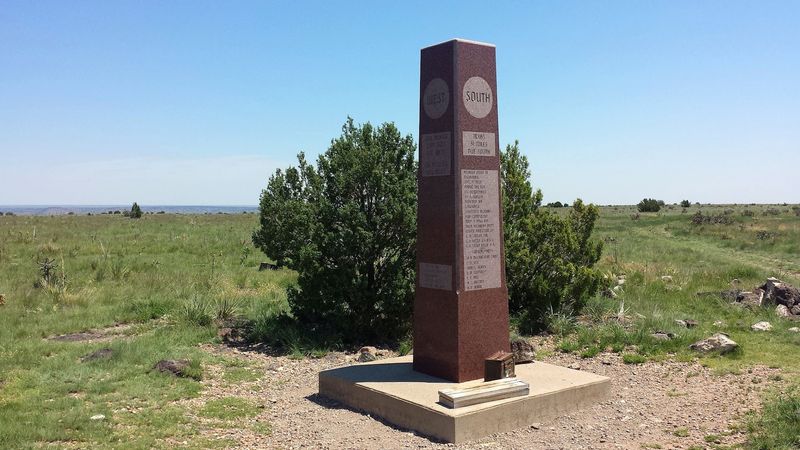
Standing at 4,973 feet above sea level, Black Mesa Summit is not just a geological curiosity. It’s the crown of a state most people write off as flat.
The moment you reach the summit marker, something clicks. You’re standing on the roof of Oklahoma, and the view stretches into three states without any effort at all.
The mesa itself is capped with dark volcanic basalt, left behind by ancient lava flows from New Mexico’s Capulin Volcano area millions of years ago. That dark rock gives the mesa its dramatic, almost prehistoric look.
It feels nothing like the rest of Oklahoma. It feels like a different planet, honestly.
Cimarron County, where the summit sits, holds a genuinely unique distinction. It’s the only county in the entire United States that borders four other states: Kansas, Colorado, New Mexico, and Texas.
That’s not a trivia fact you forget easily. Standing at the top, you can almost feel the edges of those borders pulling in different directions.
The summit marker is a simple stone monument, but it carries serious weight. Hikers who make it here often stand quietly for a while, just taking it all in.
There’s no cell service, no crowds, and no noise. Just wind, rock, sky, and the strange satisfaction of being somewhere most people will never bother to find.
A Hike Worth Every Single Step
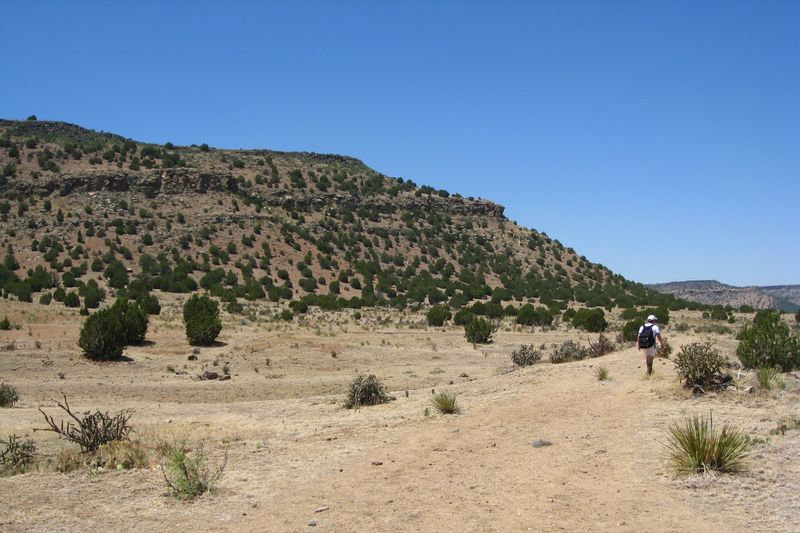
The trailhead parking lot sits about 4.2 miles from the summit, and that distance is both the challenge and the reward. Most of the trail is flat and easy walking across the mesa top.
But don’t let that fool you into leaving your water bottle in the car. The sun out here is relentless, and there’s almost zero shade on the entire route.
The steep section comes about 0.6 miles in, where the trail climbs up the side of the mesa. It’s not technical climbing, but it does get your heart rate up.
Once you clear that section, the rest of the hike levels out into a long, meditative walk across open basalt landscape. The silence is so complete it feels like wearing noise-canceling headphones.
Round trip, expect somewhere between 8 and 9 miles depending on your pace. Plan for at least five hours to do it properly.
Rushing this hike would be missing the whole point. The slow walk across the mesa top is where the magic actually lives, not just at the summit.
Starting early is strongly recommended. Being off the trail by 10 AM in summer is smart advice.
Heat builds fast out here, and the exposed terrain offers no mercy. Early morning light also hits the dark basalt in ways that make the whole landscape look almost surreal.
Snakes, Heat, and the Art of Being Prepared
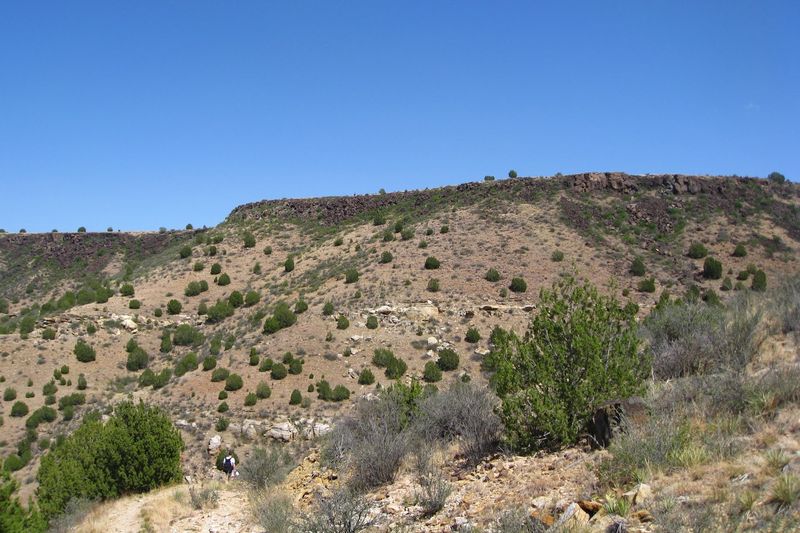
Let’s be honest about something: this is not a beginner hike for people who show up in flip-flops. The terrain is rugged, the weather is extreme, and the wildlife is very much alive out here.
Rattlesnakes are a real presence on this trail, and keeping your eyes on the ground is not paranoia. It’s just common sense.
Summer temperatures can soar past 100 degrees Fahrenheit, and there is no water source anywhere along the trail. You need to carry everything in with you.
Experienced hikers suggest bringing far more water than you think you’ll need. The dry air and altitude combine to dehydrate you faster than you’d expect.
The best seasons for this hike are spring and fall, when temperatures are manageable and the light is softer. Winter visits are possible on clear days, but wind on the exposed mesa can be brutal.
Checking weather forecasts before heading out is not optional here. The nearest town is tiny, and emergency services are not close.
Wearing sturdy, ankle-supporting boots is a genuine must. The basalt rock surface is uneven and sharp in places.
A hat, sunscreen, and layers for early morning cold are all worth packing. This hike rewards preparation.
It punishes carelessness. Come ready, and it gives you one of the best days you’ll have outdoors all year.
The Night Sky Out Here Will Rearrange Your Brain
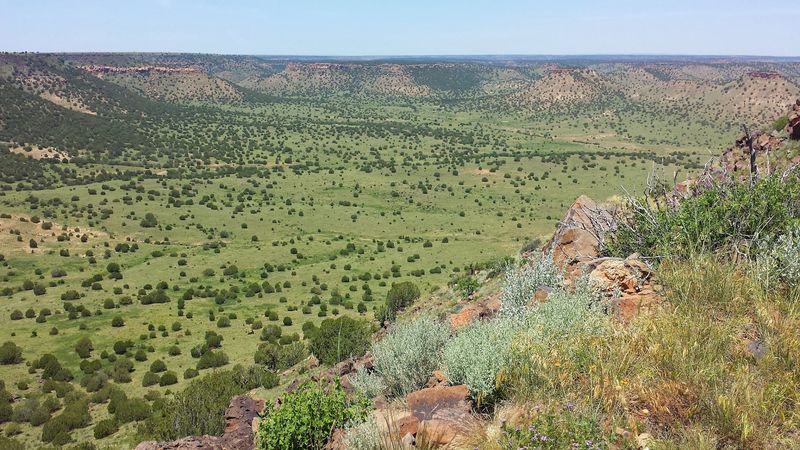
There are places in the world where the night sky reminds you that you are a very small thing on a very large rock. Black Mesa and the surrounding area is one of those places.
The nearest city is far enough away that light pollution is almost nonexistent. On a clear night, the Milky Way doesn’t just appear.
It dominates.
Kenton, the closest town, has a population of about 31 people. That kind of human density means no streetlights, no glow on the horizon, and no visual noise competing with the stars.
Bring a blanket, lie on your back near the trailhead, and let your eyes adjust. Give it fifteen minutes.
What happens next is hard to describe in words.
Stargazing here is not a casual activity. It’s an experience that recalibrates something in your chest.
The sky looks three-dimensional. You can see satellites moving, shooting stars cutting across the dark, and star clusters that most city dwellers have never seen with the naked eye.
Camping at Black Mesa State Park nearby makes this possible. Setting up camp, hiking early, and spending the evening under that sky is the full experience.
It’s the kind of night that makes you wonder why you ever spent money on a fancy resort. The stars here are free, and they are absolutely worth the drive.
Kenton Is the Smallest Gateway Town You’ll Ever Love
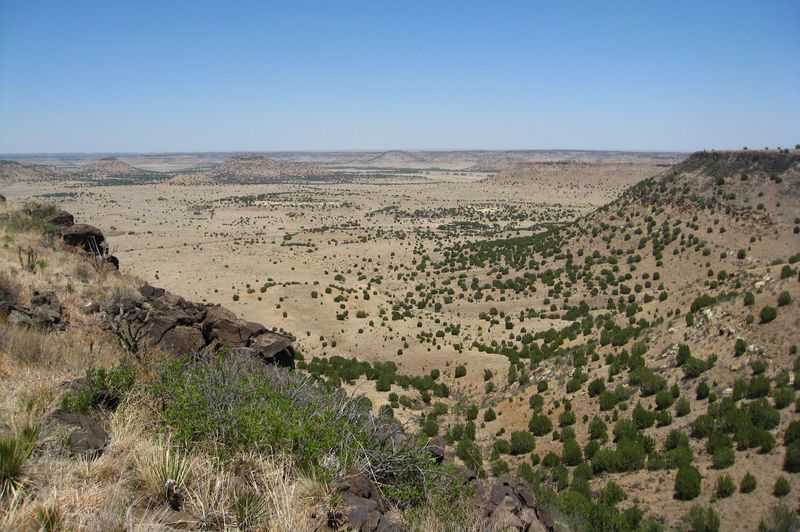
Kenton, Oklahoma, has about 31 residents and operates on Mountain Time, making it the only town in the entire state that does so. That alone should tell you how far removed from the rest of Oklahoma this place really is.
It’s not just geographically distant. It feels temporally distant too, like a place the modern world forgot to update.
The post office in Kenton runs out of a converted trailer home. That’s not a complaint.
That’s a feature. There’s something deeply charming about a town so small that its postal service fits in a trailer.
It has a personality that bigger towns spend millions trying to manufacture and still can’t pull off.
Driving through Kenton on the way to the trailhead sets the tone perfectly. The landscape around it is dramatic, with mesas rising in the background and red dirt roads cutting through sparse vegetation.
It looks like the opening scene of a Western film, except it’s completely real and completely empty.
Stopping in Kenton before or after the hike is worth a few minutes. The town carries a quiet dignity.
It exists because people chose to stay in one of the most remote corners of the American interior. That kind of commitment to a place deserves at least a slow drive through and a moment of genuine appreciation for the stubborn beauty of small things.
Cimarron County Is a Geography Lesson You’ll Never Forget
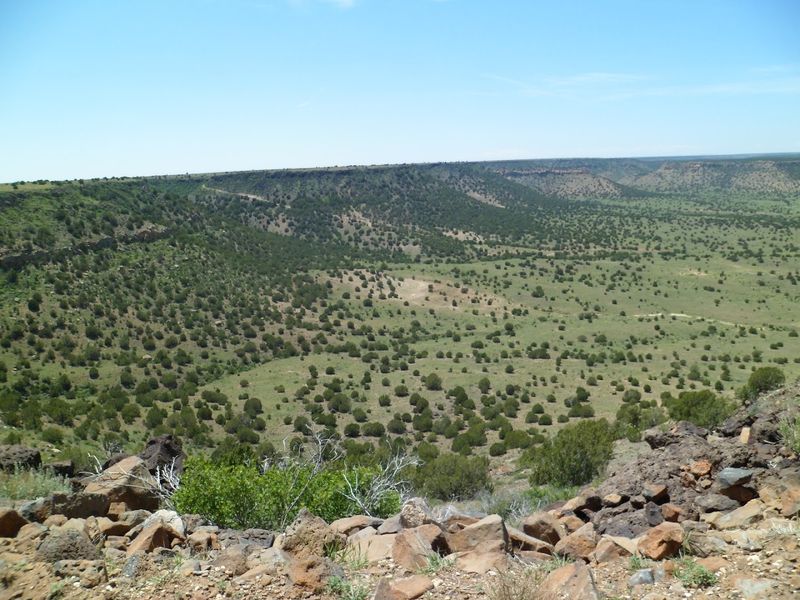
Most people learn about Cimarron County in a geography class and immediately forget it. Standing inside it is a completely different experience.
This county borders Kansas to the north, Colorado to the northwest, New Mexico to the west, and Texas to the south. No other county in the United States can say the same thing.
At the summit, you’re standing about 0.2 miles from the New Mexico border. That proximity is wild to think about.
One long walk in the right direction and you’ve crossed a state line. The monument at the top marks the highest point in Oklahoma, but the real significance is the geography surrounding it on all sides.
The Four States area creates a strange, layered feeling when you’re hiking here. The landscape doesn’t respect political borders, and neither does the wind.
The terrain feels like it belongs equally to all four states at once. It’s high desert, volcanic rock, and wide sky without apology.
For geography enthusiasts, history buffs, or anyone who likes collecting unusual facts, this county delivers. The Cimarron Strip, as this region was once called, has a history of cattle drives, land disputes, and frontier stubbornness.
That history is baked into the landscape. You can feel it in the silence and see it in the unbroken horizon stretching out in every direction from the summit.
Black Mesa State Park Is the Base Camp You Didn’t Know You Needed
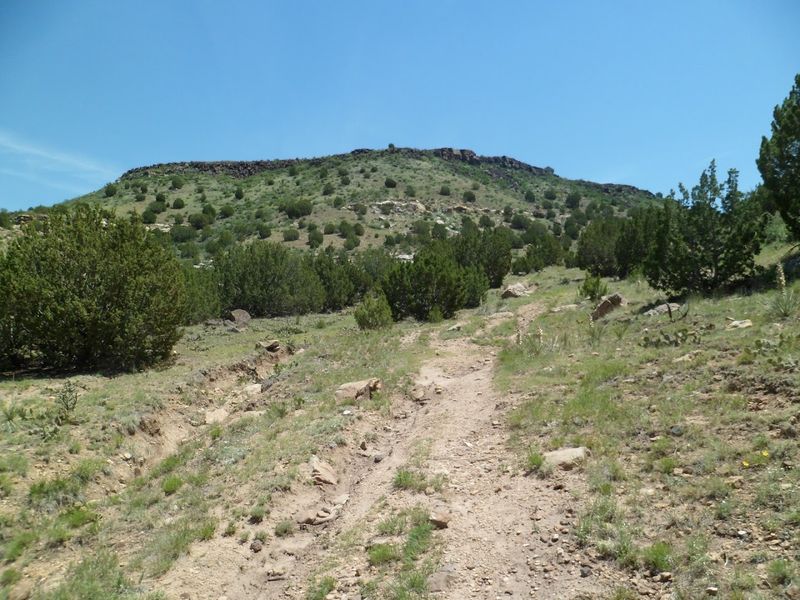
Before the summit hike even begins, Black Mesa State Park is where the adventure really starts. Camping here the night before means waking up close to the trailhead, starting early, and beating the heat that rolls in by mid-morning.
The park itself is a peaceful contrast to the rugged mesa landscape just a few miles away.
The park sits alongside a small lake, which feels almost dreamlike given how dry and rocky the surrounding terrain is. Fishing is available, and the park offers basic camping facilities.
It’s not glamping. It’s honest, no-frills camping in a part of the country where the outdoors is the entire point.
Waking up before sunrise here is one of those travel moments that stays with you. The air is cool and completely still.
The mesas in the distance start to glow as the light shifts from black to deep orange. It’s the kind of quiet that city people crave and rarely find.
The park also gives you a chance to absorb the broader landscape before committing to the hike. Walking around the campground in the early morning, watching the sky change, and feeling the scale of the surrounding terrain is its own kind of meditation.
The summit hike is the headline act, but the state park is the warm-up that makes the whole experience feel complete and unhurried.
The Volcanic Basalt Tells a Story Older Than Oklahoma
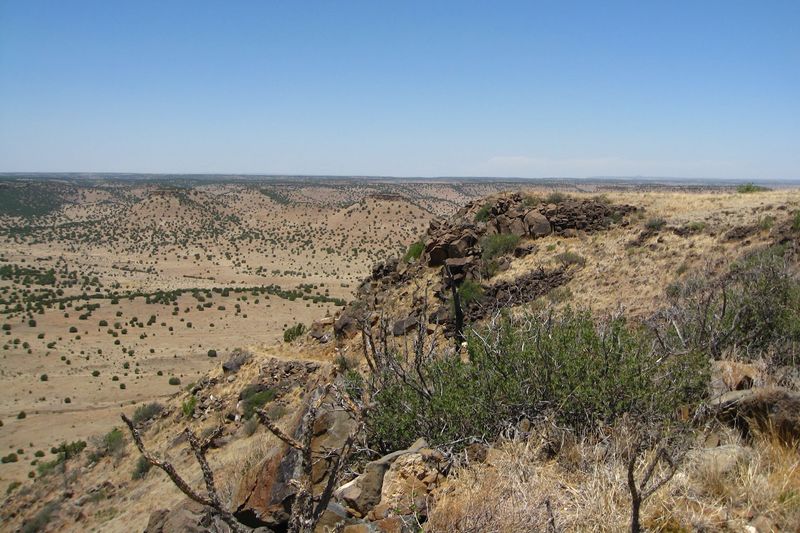
The dark cap of rock covering Black Mesa is not native to Oklahoma in any conventional sense. It’s volcanic basalt, deposited by ancient lava flows from volcanic activity in what is now northeastern New Mexico.
That eruption happened roughly 30 million years ago, and the evidence is right under your boots the entire time you’re hiking.
The basalt acted as a natural armor for the mesa. While surrounding softer rock eroded away over millions of years, the hard volcanic cap protected the land beneath it.
That’s why the mesa stands tall while the surrounding plains sit far below. You’re literally walking on ancient geological protection.
Running your hand along the basalt surface is a strange, grounding experience. The rock is rough, dense, and almost black in direct sunlight.
It absorbs heat fast, which is part of why the trail becomes dangerous in afternoon summer temperatures. The same rock that tells a fascinating geological story is also the thing trying to cook you if you overstay your welcome.
Fossils and dinosaur tracks have been found in the broader Black Mesa area, adding another layer to an already rich geological history. The entire region is essentially an open-air museum of Earth’s deep past.
You don’t need a degree in geology to appreciate it. You just need to slow down, look around, and let the landscape explain itself on its own terms.
The Drive Out There Is Part of the Adventure
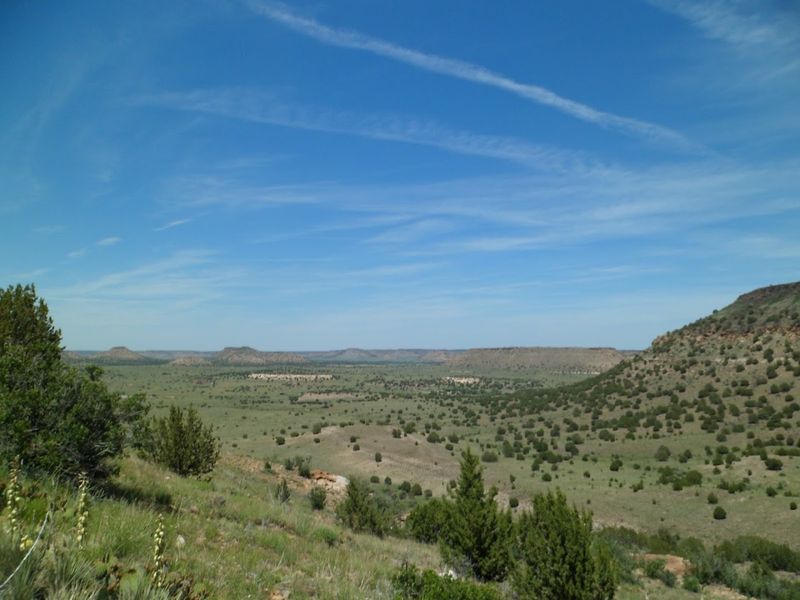
Getting to Black Mesa is not a casual detour. It’s a commitment.
The drive through the Oklahoma Panhandle is long, flat, and almost aggressively remote. There are stretches where you won’t see another car for twenty minutes.
Gas stations are sparse. Cell service disappears well before you arrive.
Planning ahead is not just advice here. It’s survival logic.
But here’s the thing: the drive itself is worth paying attention to. The landscape transforms as you head west.
The flat eastern plains give way to rolling terrain, then to dramatic mesa formations that seem to appear out of nowhere. The sky gets bigger.
The light gets sharper. The whole visual experience shifts gear before you even park the car.
Filling your gas tank before leaving the last sizable town is essential. Same goes for snacks, water, and any supplies you might need on the trail.
The nearest amenities to the trailhead are minimal, and Kenton’s resources are limited by design. This is not a place built for convenience.
It’s built for solitude.
The isolation of the drive also does something useful. It mentally prepares you for the hike.
By the time you reach the trailhead, you’ve already left the ordinary world behind. The long drive strips away the noise and distraction of daily life, so that by the time you step onto the trail, you’re already in the right headspace to actually absorb what you’re about to experience.
Why This Place Deserves More Credit Than It Gets
Oklahoma doesn’t market itself as a mountain destination. That’s both its biggest flaw and its greatest gift.
Because the crowds that flock to Colorado’s 14ers or New Mexico’s Taos Mountain never make it here, Black Mesa stays quiet. The trail doesn’t feel trampled.
The summit doesn’t feel staged. It feels earned and private in a way that popular peaks rarely do anymore.
The hike is accessible to most reasonably fit people. The distance is real, and the heat is serious, but the elevation gain is manageable.
That combination makes this a rare kind of adventure: challenging enough to feel meaningful, but not so extreme that it shuts out the average outdoor enthusiast. It’s a summit almost anyone can claim with the right preparation.
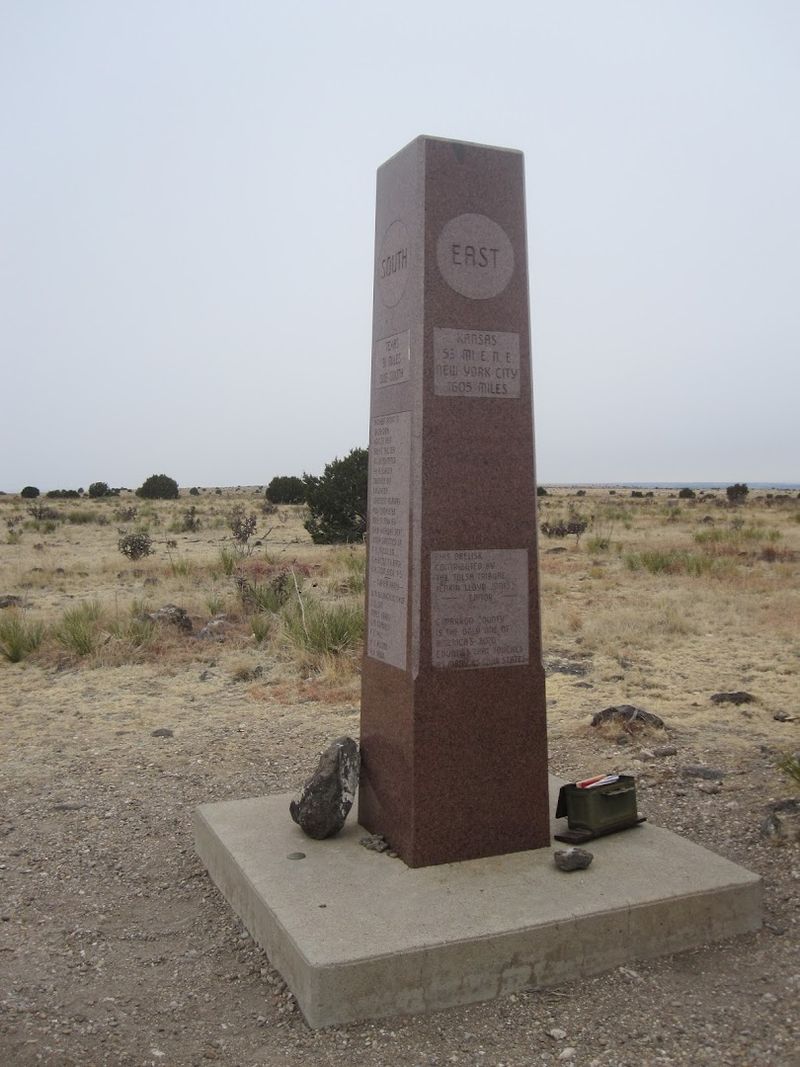
The monument at the top is simple and unpretentious. No souvenir stands, no entry fees, no guided tour buses.
Just a stone marker, a wind-swept view, and the knowledge that you made it to the top of an entire state that most people don’t even believe has a top.
Black Mesa Summit is located near Kenton, Oklahoma, in Cimarron County, in the Oklahoma Panhandle. The address associated with the summit area is Oklahoma 73946.
If this isn’t on your radar yet, it should be. Not because it’s trendy, but because it’s real, wild, and completely, stubbornly itself.
Dear Reader: This page may contain affiliate links which may earn a commission if you click through and make a purchase. Our independent journalism is not influenced by any advertiser or commercial initiative unless it is clearly marked as sponsored content. As travel products change, please be sure to reconfirm all details and stay up to date with current events to ensure a safe and successful trip.
