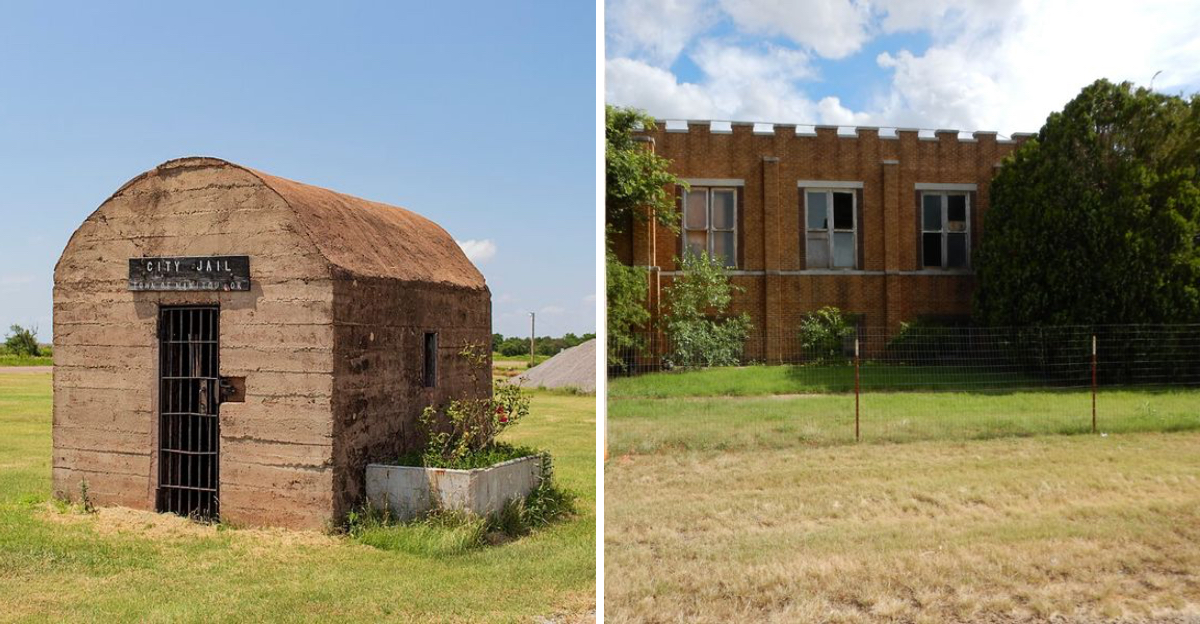
You know the kind of place that feels like it dozed off and forgot to wake up? That’s Manitou, Oklahoma in a nutshell.
With a name borrowed from Native American spirituality, Manitou means “spirit” or “mystery”, this tiny Tillman County town has all the makings of a supernatural legend, yet it drifts through the decades in a quiet haze. Population?
Just 171 souls as of the 2020 census. Bustling metropolis?
Hardly. But here’s the thing: is Manitou a hidden gem that locals want to keep secret, or is it just another forgotten dot on the map that tourists should skip?
Some say its eerie stillness is charming, a slice of old Oklahoma frozen in time. Others argue there’s simply nothing there worth the drive.
So which is it, underrated treasure or overhyped ghost town? Weigh in, because this debate has locals and road-trippers split right down the middle.
Ready to explore what makes this sleepy spot so mysteriously captivating?
A Name Steeped in Spirit and Mystery
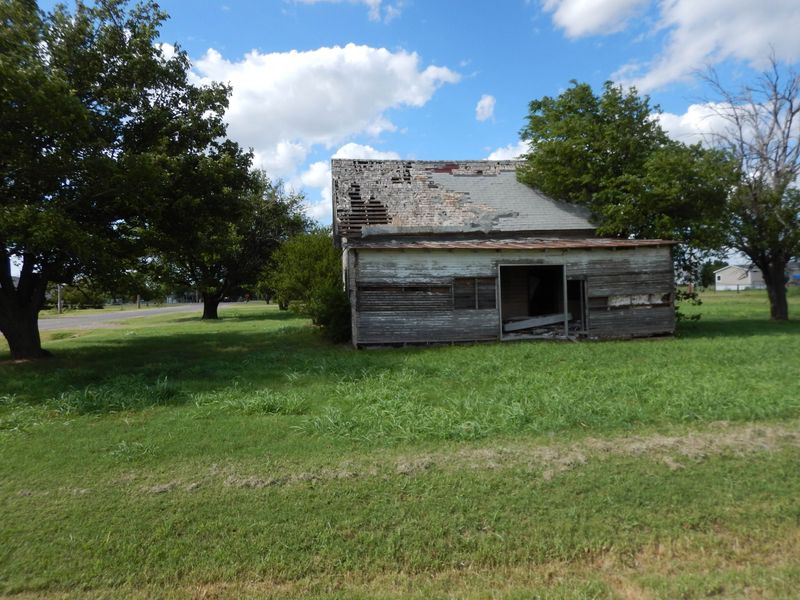
Manitou carries a name that echoes ancient whispers and sacred traditions. Derived from Algonquian languages, “Manitou” translates to spirit, mystery, or supernatural force, a concept deeply woven into Native American spirituality across the Great Plains and beyond.
When settlers chose this name for their fledgling town, they tapped into something far older than Oklahoma statehood itself.
The choice wasn’t random. This region of southwestern Oklahoma sits on lands once traversed by the Comanche, Kiowa, and Apache peoples, tribes who understood the power of names and the spirits they invoked.
Whether the founders intended to honor that heritage or simply found the word exotic and evocative, the result is the same: a town with a title that sounds like it belongs in a campfire tale rather than on a highway sign.
Walking through Manitou today, you can almost feel that spectral weight hanging in the dry Oklahoma air. The name promises something otherworldly, something hidden just beneath the surface of the everyday.
Yet the town itself remains stubbornly ordinary, a quiet contradiction that only deepens the mystery. It’s as if the spirit the name invokes decided to keep its secrets close, leaving visitors to wonder what might be lurking in the shadows of this drowsy hamlet.
The Town That Swallowed Siboney Whole
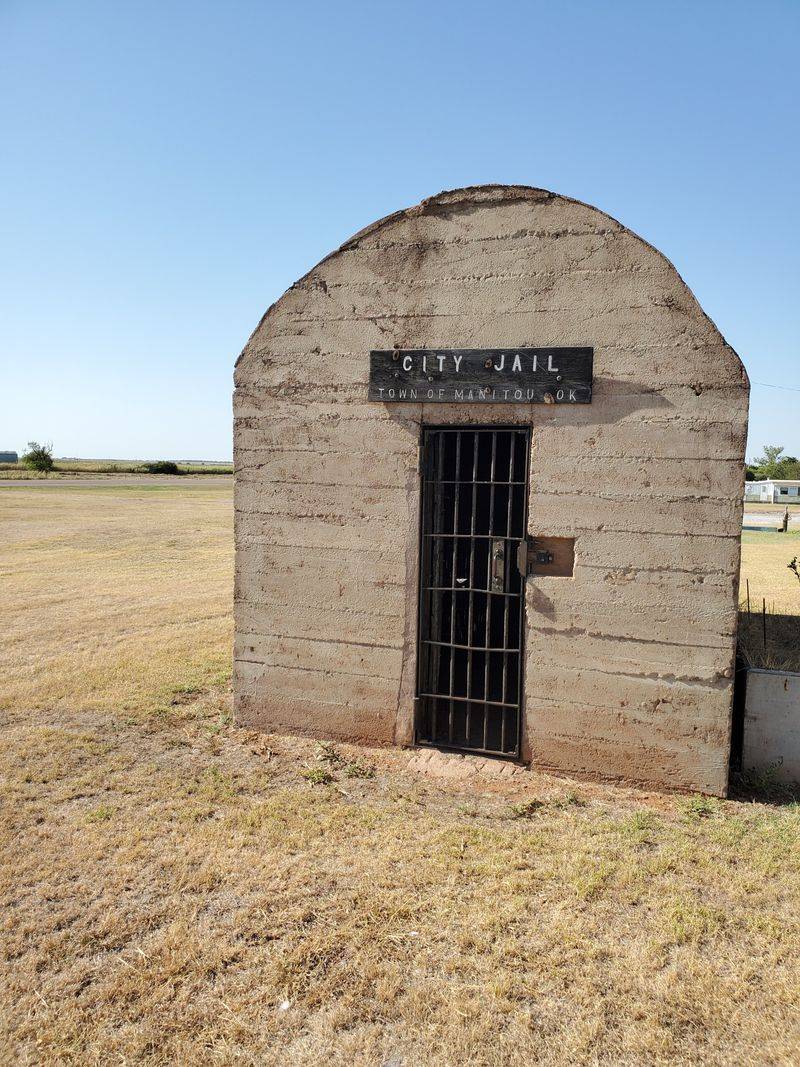
History has a funny way of erasing places, and Manitou proved it can play that game with the best of them. On January 28, 1907, the very day Oklahoma achieved statehood, Manitou absorbed the neighboring settlement of Siboney, effectively making one town vanish into the other like a magic trick performed on the prairie.
Siboney, once a hopeful little community in its own right, simply ceased to exist as a separate entity.
What prompted this municipal merger remains a bit murky, lost to the dusty archives of Tillman County records. Perhaps Siboney was struggling, its residents dwindling, its businesses shuttering one by one.
Maybe Manitou saw an opportunity to expand its borders and boost its population count. Or it could have been a practical decision made by pragmatic settlers who realized two tiny towns so close together made no sense when resources were scarce and survival demanded cooperation.
Today, no signs mark where Siboney once stood. No monuments commemorate its brief existence.
The land that was Siboney is now simply part of Manitou, absorbed so completely that even longtime residents might struggle to point out the old boundary lines. It’s a quiet kind of haunting, the ghost of a town living on only in legal documents and forgotten memories.
Population 171 and Counting Down
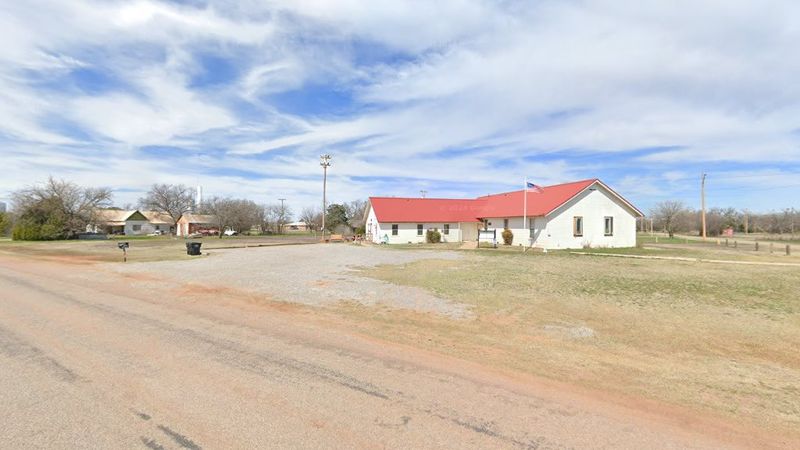
Numbers don’t lie, and Manitou’s population figures tell a story of slow, steady decline. The 2020 census counted just 171 residents calling this Tillman County town home, a number that feels less like a community and more like an extended family reunion.
To put that in perspective, your average suburban high school has more students wandering its halls than Manitou has people walking its streets.
This isn’t a sudden collapse but a gradual fade, the kind that happens when young people leave for college or better job prospects and never quite find a reason to return. Agriculture, once the lifeblood of towns like Manitou, requires fewer hands these days thanks to mechanization and corporate farming.
The mom-and-pop businesses that once lined Main Street have shuttered, unable to compete with big-box stores in larger towns like Lawton, just 40 miles to the northeast.
What remains is a tight-knit group of residents who’ve chosen to stay, whether out of love for the land, family ties, or simple stubbornness. They know every face, every vehicle, every dog that wanders the dusty roads.
Newcomers are rare enough to be noteworthy events. In Manitou, anonymity is impossible, and privacy is a luxury nobody really has.
It’s the kind of place where everybody knows your name, whether you want them to or not.
Forty Miles From Anywhere That Matters
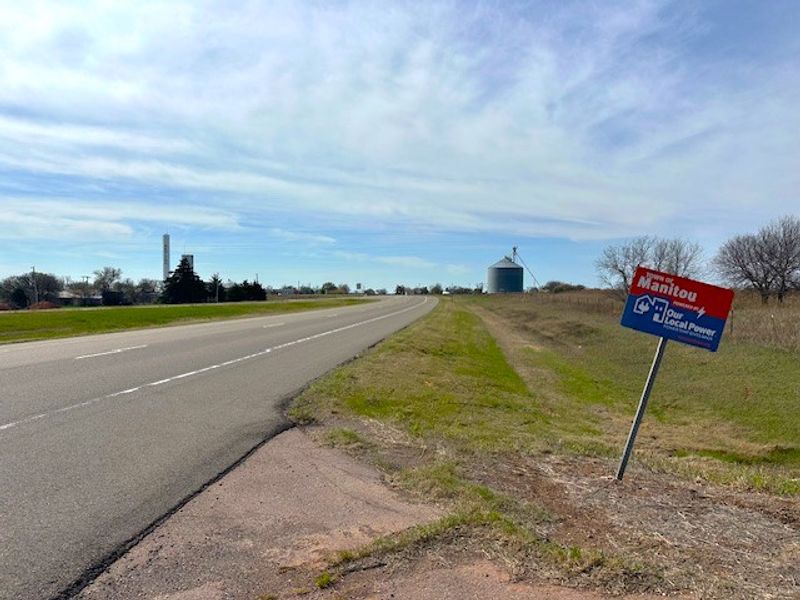
Geography can be destiny, and Manitou’s location feels like a cosmic joke played by the mapmakers. Situated about 40 miles west-southwest of Lawton, the nearest city of any real size, Manitou occupies that awkward middle ground: too far to be a suburb, too close to develop its own independent identity.
It’s the kind of distance that makes every errand an expedition and every trip to Walmart a half-day affair.
The landscape surrounding Manitou is classic southwestern Oklahoma: flat to gently rolling prairie, big skies that stretch forever, and not much else to interrupt the view. Red dirt roads branch off the main highway, leading to scattered farmsteads and ranch properties where cattle outnumber people by a comfortable margin.
It’s beautiful in its own stark way, especially at sunset when the whole prairie glows orange and gold, but it’s not the kind of beauty that draws tourists by the busload.
This isolation has shaped Manitou’s character in profound ways. Self-sufficiency isn’t just a virtue here; it’s a necessity.
When the nearest grocery store, hospital, or mechanic is a 40-mile drive away, you learn to make do, fix things yourself, and rely on neighbors when times get tough. It’s a lifestyle that appeals to some and drives others away, contributing to that dwindling population count.
Where Time Moves Like Molasses in January
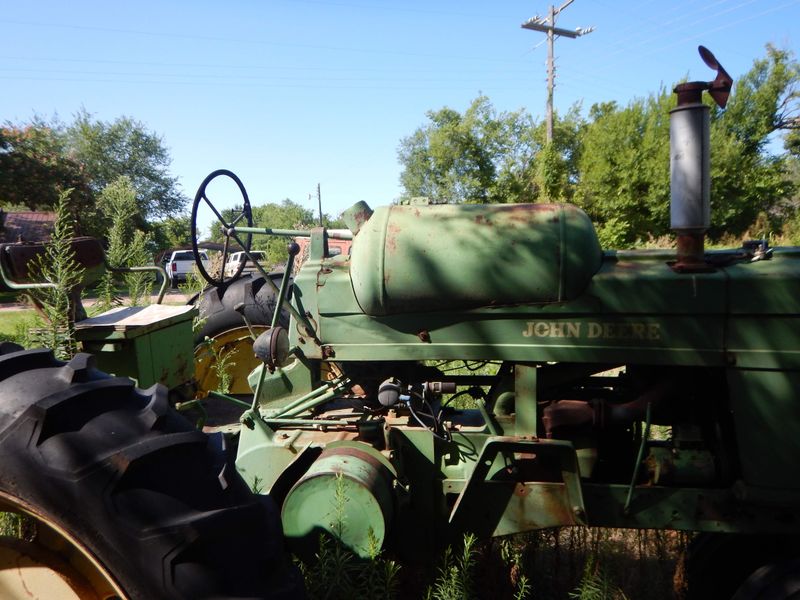
Spend a few hours in Manitou and you’ll quickly realize that time operates differently here. Clocks still tick at the same rate, sure, but the pace of life slows to a crawl that would make a snail look speedy.
There’s no rush hour because there’s no rush, period. Businesses, if they’re open at all, keep hours that can best be described as “flexible.” Appointments are suggestions rather than commitments, and showing up fifteen minutes late isn’t rude, it’s practically punctual.
This languid rhythm can be disorienting for visitors accustomed to the frantic pace of city life. You might find yourself checking your watch repeatedly, convinced it must be broken because surely more than ten minutes have passed since you last looked.
But no, time really does seem to stretch and pool in Manitou like honey dripping off a spoon. Conversations meander.
Transactions take their sweet time. Nobody’s in a hurry to get anywhere because, frankly, there’s nowhere urgent to be.
For some, this glacial pace is exactly the point, a welcome escape from the relentless hustle of modern life. For others, it’s maddening, a frustration that builds with every minute spent waiting for something, anything, to happen.
Manitou doesn’t care either way. The town will keep moving at its own drowsy speed, indifferent to your schedule or expectations.
Architecture That Whispers of Better Days
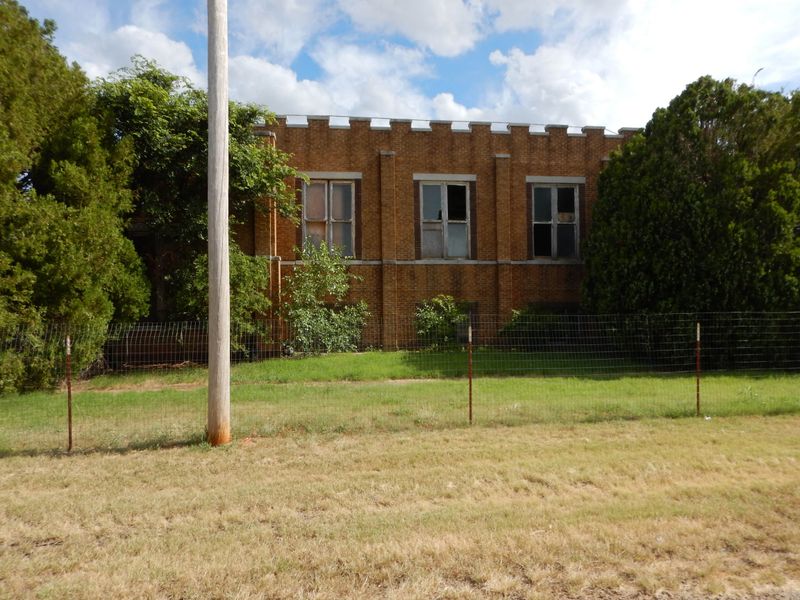
Manitou’s buildings tell stories if you know how to listen. The architecture here is a hodgepodge of styles spanning more than a century, from early 20th-century storefronts with false facades to mid-century ranch houses to the occasional trailer home plunked down wherever space allowed.
What unites them is a general air of weathered endurance, structures that have survived Oklahoma’s brutal summers, icy winters, and legendary windstorms through sheer stubbornness.
Many of the older buildings show their age in ways both charming and concerning. Paint peels in long curls from wooden siding.
Porches sag at angles that defy structural engineering. Windows are boarded up or covered with faded curtains that haven’t been opened in years.
Yet these buildings stand, testament to the solid construction techniques of an earlier era and the determination of residents to make do with what they have rather than tear down and rebuild.
There’s a melancholy beauty to these structures, especially in the golden hour when slanting sunlight softens their rough edges and makes even the most dilapidated building look almost romantic.
They’re ghosts of optimism, built during times when Manitou’s future looked brighter, when growth seemed possible, when tomorrow promised more than today.
Now they stand as quiet reminders that not all dreams come true, but that doesn’t mean they weren’t worth dreaming.
The Stubborn Heart That Keeps Beating
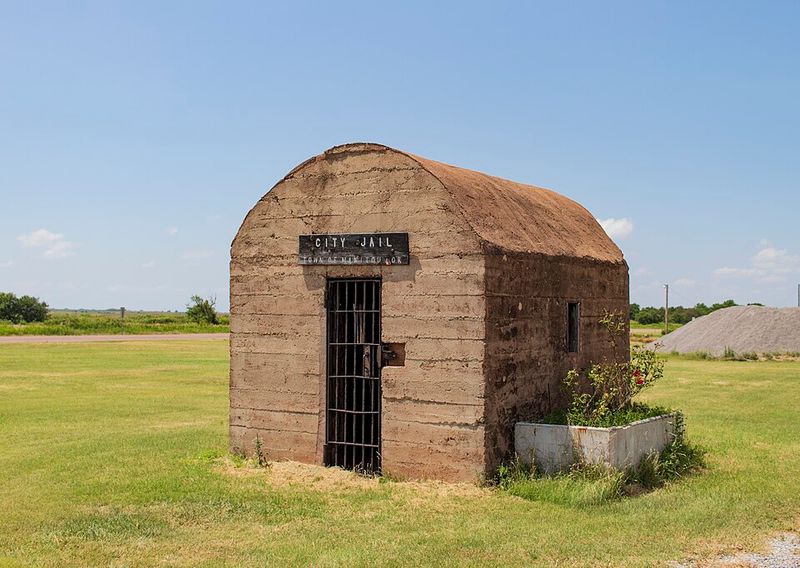
Against all odds and economic logic, Manitou persists. With a population that could fit comfortably in a couple of school buses and virtually no commercial base to speak of, the town has every reason to simply fold up and disappear like Siboney did all those years ago.
Yet here it remains, a stubborn little dot on the Oklahoma map, refusing to become a complete ghost town despite decades of decline and neglect.
What keeps Manitou alive? The answer is as simple and complicated as the people who choose to stay.
They’re the farmers and ranchers who work land their families have held for generations, who can’t imagine living anywhere else even if the economics don’t always add up. They’re the retirees who find the quiet appealing after lifetimes of noise and hustle.
They’re the folks who simply don’t want to leave, who have roots that run too deep to pull up without tearing something essential inside themselves.
Manitou may never boom again. It probably won’t attract new businesses or see its population surge.
But as long as even a handful of residents remain, the town will keep its supernatural name and its drowsy character, a living ghost that refuses to fully fade into history. And maybe that’s enough.
Maybe persistence itself is a kind of magic, the stubborn spirit that the name Manitou always promised.
Dear Reader: This page may contain affiliate links which may earn a commission if you click through and make a purchase. Our independent journalism is not influenced by any advertiser or commercial initiative unless it is clearly marked as sponsored content. As travel products change, please be sure to reconfirm all details and stay up to date with current events to ensure a safe and successful trip.
