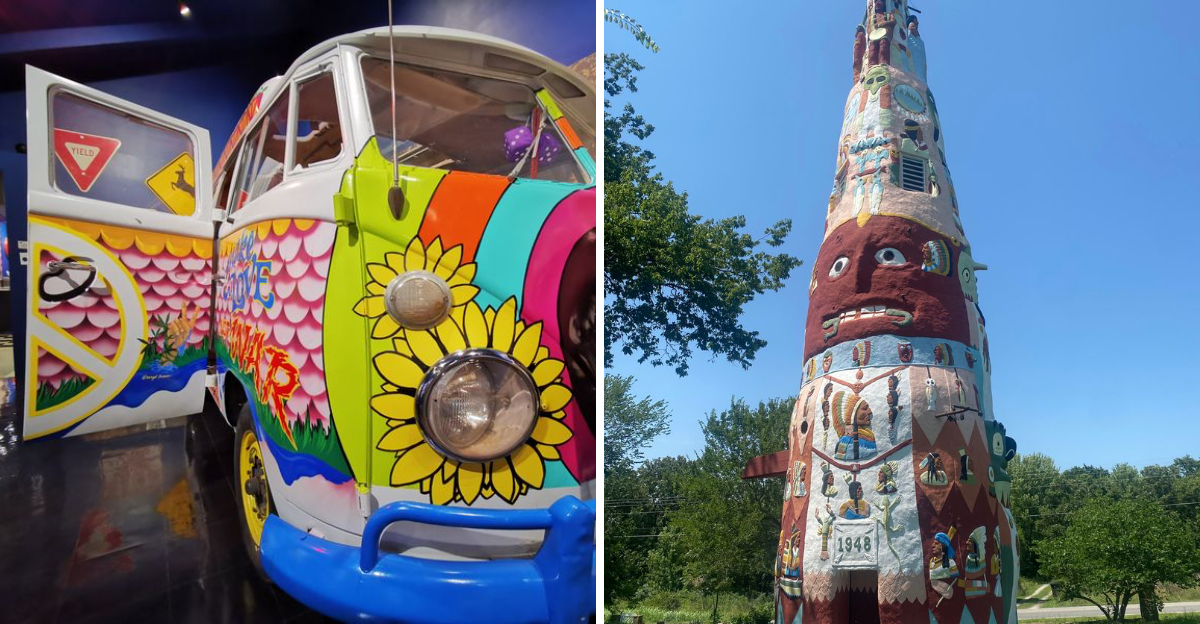
I still remember the first time I rolled down my window on Route 66 in Oklahoma and felt the wind carry stories from another era. The Mother Road cuts through 400 miles of this state, more than any other along its legendary path, and every single mile feels like flipping through pages of American history.
Jack Kerouac wrote about the romance of the open road, but he might have been channeling Oklahoma’s stretch without even knowing it. This isn’t just asphalt and paint lines.
It’s neon signs glowing against prairie sunsets, roadside diners serving pie that tastes like 1955, and quirky attractions that make you laugh out loud while snapping photos.
Oklahoma’s Route 66 traditions transform ordinary travel into something magical, where every stop becomes a story worth telling and every detour leads to unexpected joy.
The Blue Whale of Catoosa Stands Guard Over Childhood Dreams
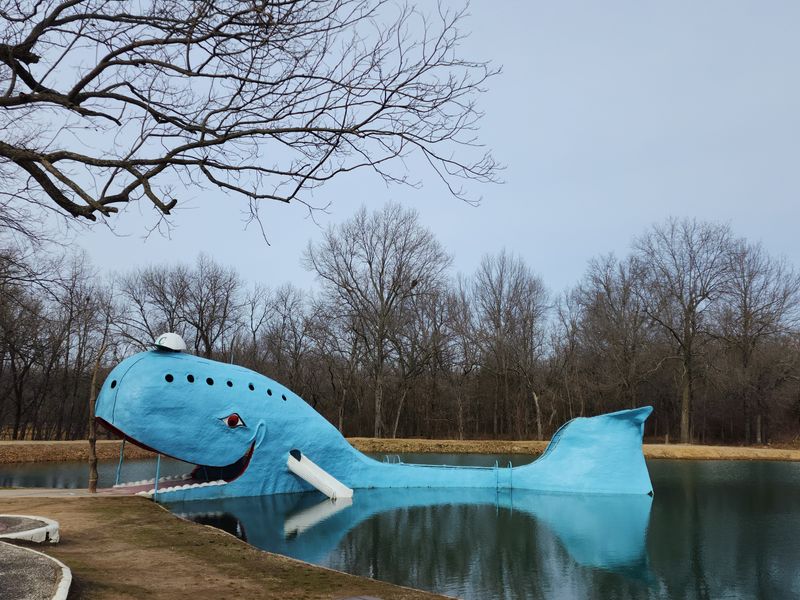
Standing 80 feet long in a quiet pond, this smiling cetacean has welcomed travelers since 1972. Hugh Davis built it as an anniversary gift for his wife Zelta, who collected whale figurines.
What started as a private swimming hole became an Oklahoma icon when word spread about the giant blue creature. Families would show up uninvited, and the Davises, being the kind souls they were, just opened the gates wider.
I climbed onto its back during my visit and felt like a kid again. The paint job might show its age, but that’s part of the charm.
Local volunteers restored it in the 1990s after it fell into disrepair. Their dedication speaks volumes about how communities along Route 66 protect these treasures.
Kids still splash in the pond during summer months. Parents snap photos while their children squeal with delight.
The Blue Whale represents everything Route 66 Oklahoma does right. It takes something simple and turns it into pure joy, proving that the best traditions don’t need to be complicated to matter.
Pops Soda Ranch Bottles Up 66 Flavors of Nostalgia
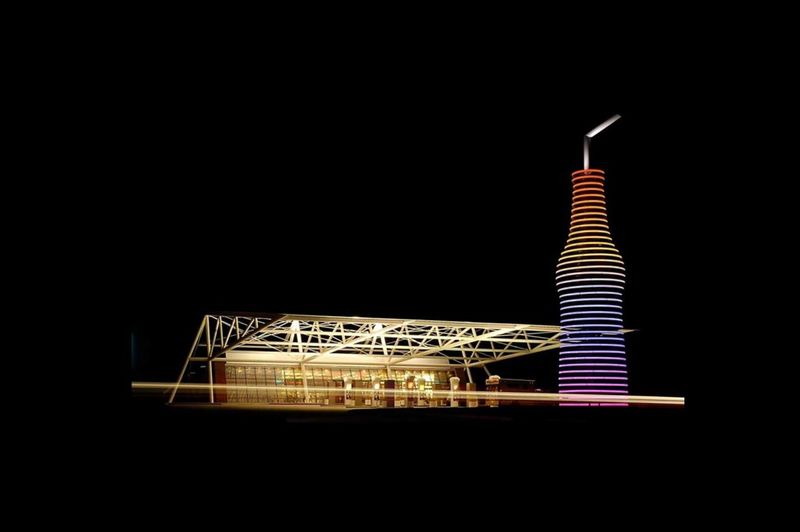
A 66-foot soda bottle sits along Route 66 frontage, glowing like a beacon for thirsty travelers. Inside, over 700 varieties of soda line the walls in every color imaginable.
I spent twenty minutes just reading labels. Cucumber soda from Japan.
Bacon-flavored pop from somewhere I’d rather not remember. Classic grape Nehi that my grandmother used to drink.
The restaurant serves burgers and sandwiches, but honestly, the real meal is choosing your beverage. They’ve turned soda selection into an art form.
Opened in 2007, Pops represents the new generation of Route 66 attractions. It honors the past while embracing modern design and comfort.
The LED lights on that massive bottle change colors after dark, creating a light show visible for miles. Truckers use it as a landmark.
What makes this place special is how it captures the essence of road trip culture. Stopping for a cold drink has been a tradition since Model Ts first puttered down dirt roads, and Pops celebrates that simple pleasure with style and enthusiasm that feels genuinely Oklahoma.
Round Barn of Arcadia Defies Geometry and Time
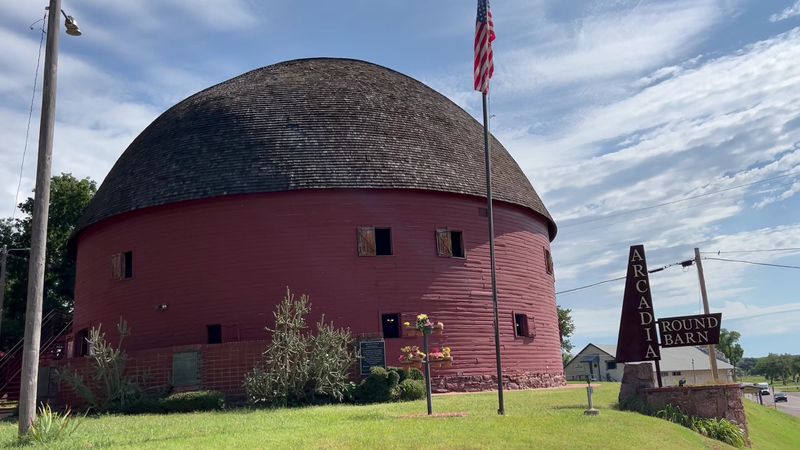
Built in 1898 by William Harrison Odor, this architectural oddity shouldn’t still be standing. Round barns were rare even in their heyday, and most have long since collapsed.
Restoration efforts in the 1980s saved this one from the same fate. Volunteers literally held bake sales and car washes to fund the repairs.
Walking inside feels like entering a wooden cathedral. The rafters spiral upward in a pattern that makes you dizzy if you stare too long.
I learned that Odor got the design from a traveling carpenter who convinced him round barns were more efficient. Whether that’s true or not, the barn has outlasted thousands of conventional ones.
Today it houses a small gift shop and museum. The docents share stories about Route 66’s glory days with infectious enthusiasm.
Arcadia, Oklahoma, population barely 300, could easily be overlooked. But this barn puts it on the map, reminding us that the most interesting stops often come in the smallest packages along this historic highway.
El Reno Serves Fried Onion Burgers That Stop Traffic
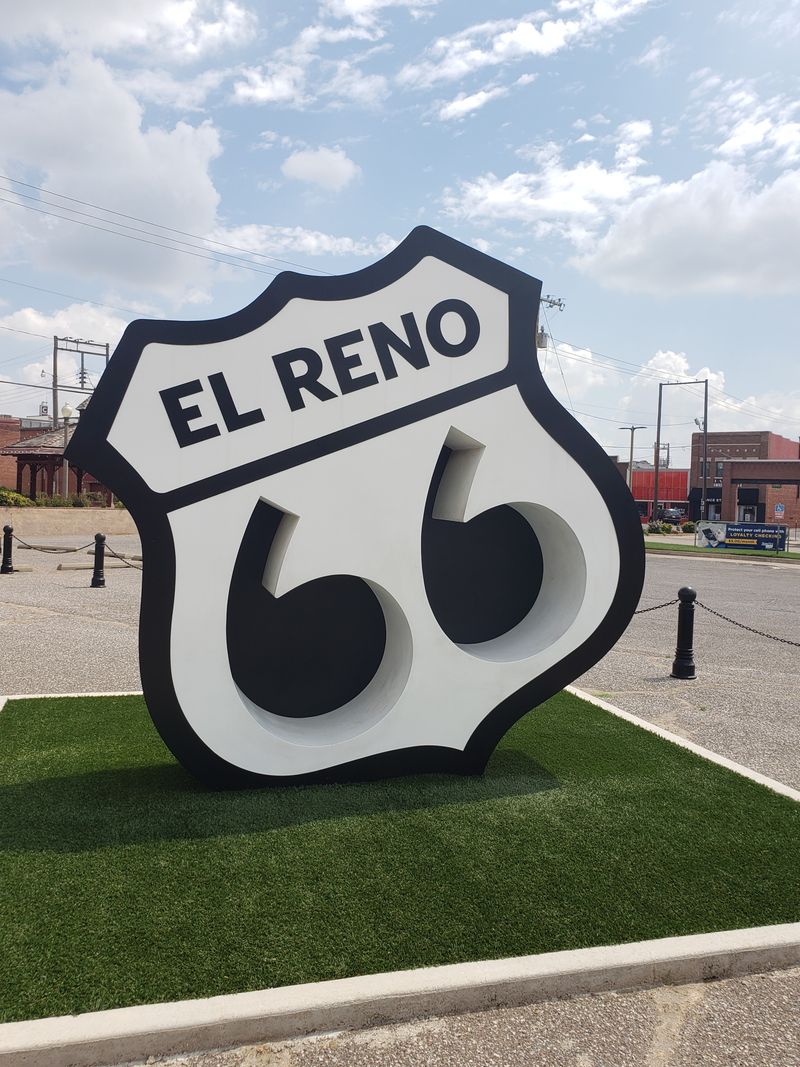
El Reno invented the fried onion burger during the Great Depression when meat was expensive and onions were cheap. Cooks would smash thin beef patties onto piles of sliced onions, creating something magical.
The onions caramelize into the meat, forming a crust that’s simultaneously crispy and juicy. I’ve eaten burgers across America, and nothing compares.
Sid’s Diner and Robert’s Grill both claim to serve the most authentic version. My advice is to try both and decide for yourself.
Watching the cooks work is entertainment. They pile onions high on the griddle, slap meat on top, then smash everything flat with a metal press.
The sizzle fills the air with an aroma that makes your stomach growl even if you just ate. Steam rises in clouds.
This tradition emerged from necessity but became an Oklahoma treasure. El Reno hosts an annual Fried Onion Burger Day Festival each May, drawing thousands of hungry pilgrims to this Route 66 town that understands how food and road culture intertwine perfectly.
Lucille’s Service Station Pumps History Instead of Gasoline
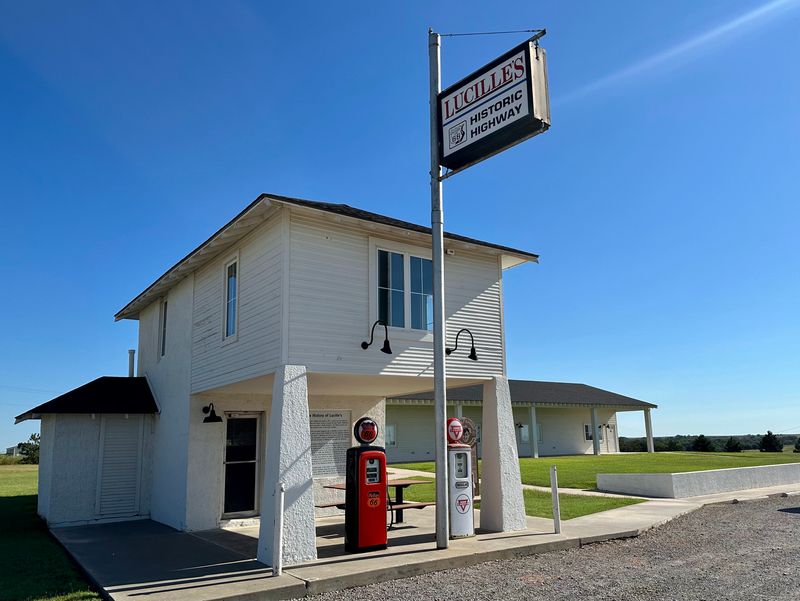
Lucille Hamons ran this service station in Hydro for over 60 years, becoming the Mother of the Mother Road. She served travelers from 1941 until her passing in 2000.
The building still stands, lovingly preserved by enthusiasts who recognized its significance. Vintage gas pumps stand sentinel out front, no longer functional but perfect for photos.
I touched the old Conoco pump and imagined Lucille filling tanks while chatting with families heading west toward California dreams. She knew everyone’s stories.
During Route 66’s heyday, she’d work from dawn until the last customer left, often well past midnight. Her dedication kept travelers safe and fed for decades.
The station now operates as a museum and gift shop. Volunteers share Lucille’s story with reverence, keeping her memory alive.
What strikes me most is how one woman became synonymous with an entire highway’s spirit. Lucille embodied Oklahoma hospitality, proving that the people along Route 66 matter just as much as the pavement itself, maybe even more so.
Sandhills Curiosity Shop Collects Everything Under the Prairie Sky
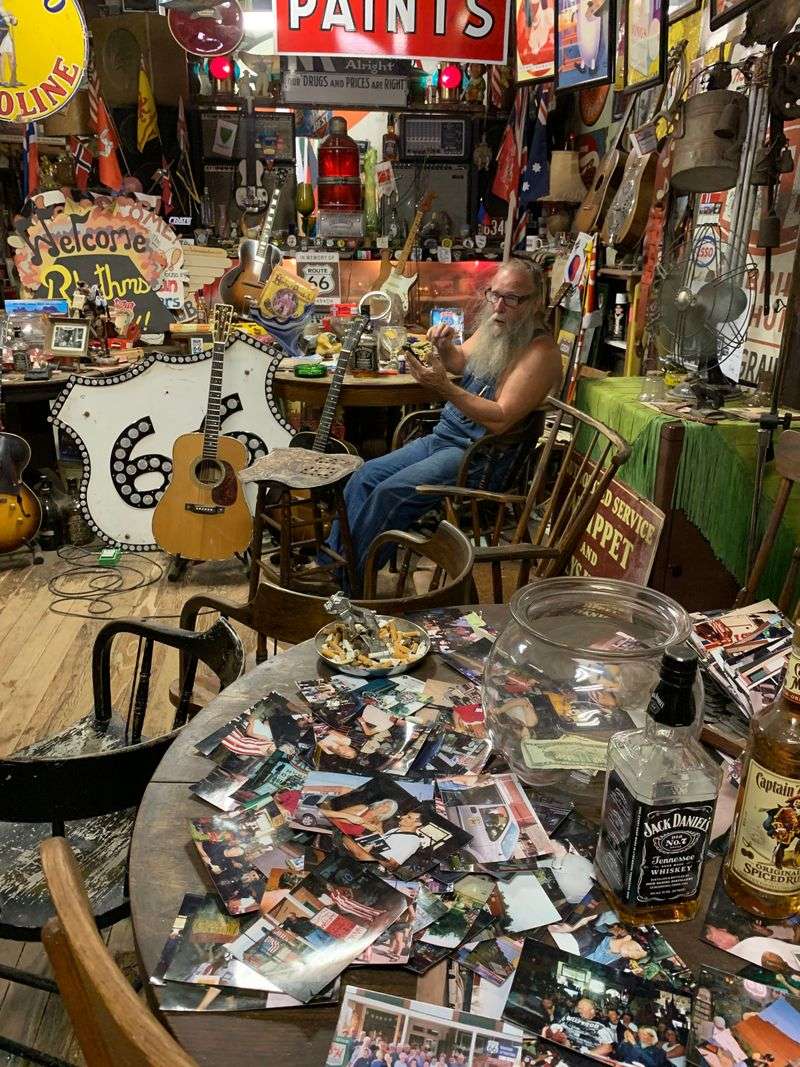
Harley and Annabelle Russell spent decades filling their property in Erick with roadside finds. Vintage signs, old cars, random machinery, and objects defying description cover every inch.
After Harley passed, Annabelle continued adding to the collection until she couldn’t anymore. Now caretakers maintain this monument to organized chaos.
I wandered through for an hour and still didn’t see everything. A rusted tractor sits next to a barber pole.
An old Coca-Cola sign leans against what might be a boat motor.
This isn’t a curated museum. It’s a celebration of accumulation, a three-dimensional scrapbook of American roadside culture.
Some people call it junk. Those people are wrong.
The Sandhills Curiosity Shop represents the collector’s impulse that runs deep in Route 66 culture. Preserving the past, even the rusty and broken parts, matters to folks out here.
Erick sits near the Oklahoma-Texas border, and this shop gives travelers one last dose of weirdness before crossing state lines. It’s perfectly imperfect, just like the best road trips always are.
Clinton’s Route 66 Museum Chronicles the Highway’s Heartbeat
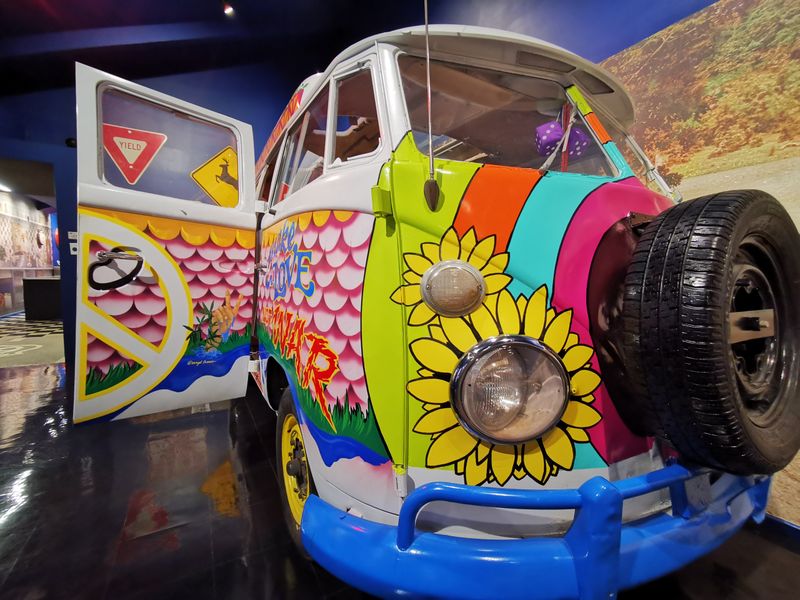
This museum doesn’t just display artifacts behind glass. It recreates entire scenes from different Route 66 eras, letting you walk through time.
One room captures the 1950s with a diner booth and jukebox. Another shows the 1930s Dust Bowl migration with haunting photographs and personal stories.
I stood in front of a vintage Valentine Diner facade, complete with neon, and felt transported. The attention to detail is remarkable.
Located in Clinton’s former armory building, the museum opened in 1995 and has expanded several times. Oklahoma takes its Route 66 heritage seriously.
Interactive exhibits let kids experience what travel was like before smartphones and GPS. They can pretend to pump gas or plan a trip using old maps.
The gift shop sells everything from postcards to books about highway history. I left with a reproduction sign that now hangs in my garage.
What makes this museum essential is how it contextualizes the road. Route 66 wasn’t just pavement connecting cities, it was a lifeline during hard times and a path to opportunity when America needed hope most.
Totem Pole Park Rises From One Man’s Vision
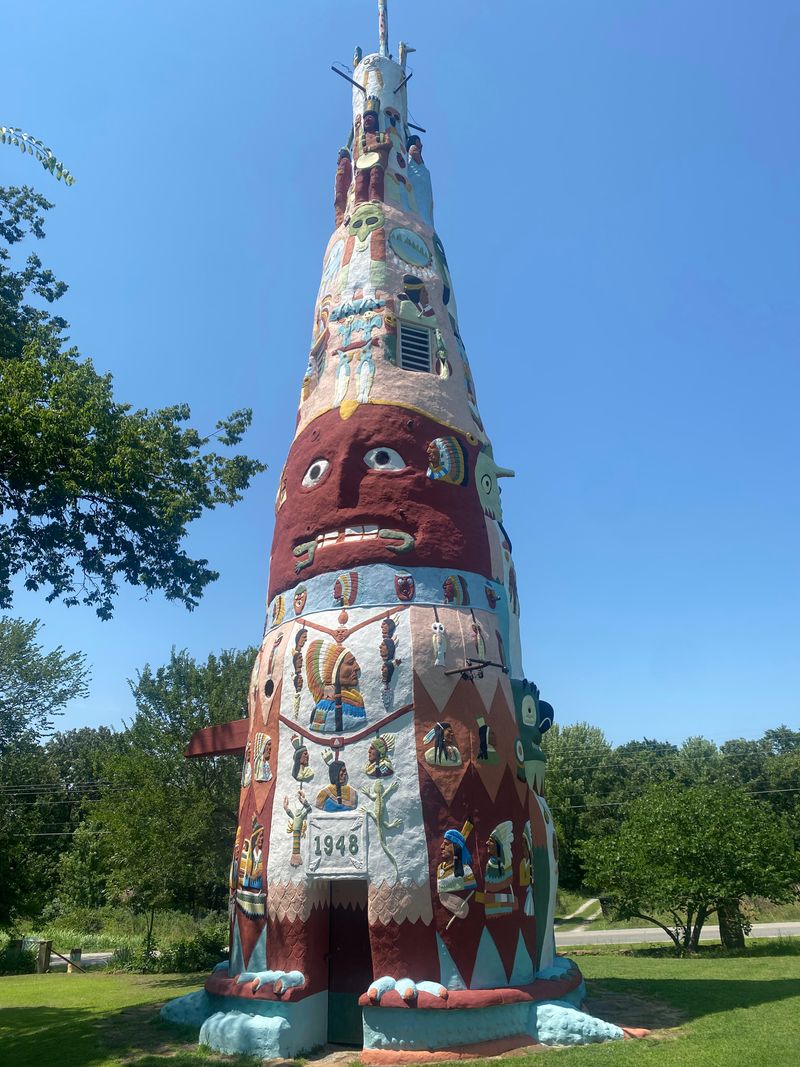
Ed Galloway spent 11 years building these towering totem poles using rocks, wood, and whatever materials he could find. The main pole stands 90 feet tall, supposedly one of the largest in the world.
He had no formal training in art or engineering. Just a vision and stubborn determination that wouldn’t quit.
I circled the main totem slowly, taking in every carved face and painted symbol. Each section tells a different story, though Galloway never explained what they meant.
He worked on this project from 1937 until 1948, creating a folk art masterpiece in rural Oklahoma. The park also includes a fiddle-shaped house he built.
After years of neglect, the Kansas Grassroots Art Association restored everything in the 1990s. Fresh paint brought the colors back to life.
Visiting feels like discovering a secret. Totem Pole Park sits just off Route 66 in Foyil, easy to miss if you’re not paying attention.
But that’s the magic of Oklahoma’s stretch of the Mother Road. Treasures hide around every bend, waiting for curious travelers willing to take the detour.
Tulsa’s Cyrus Avery Centennial Plaza Honors the Father of Route 66
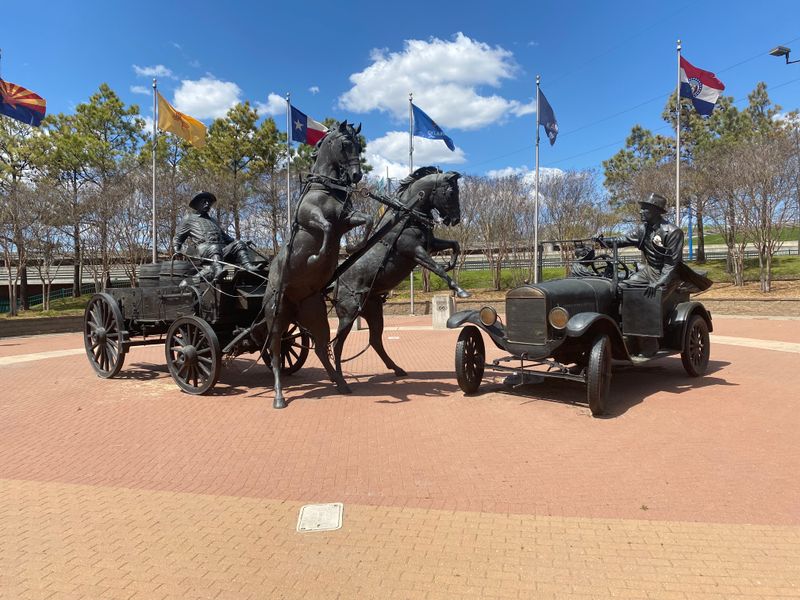
Cyrus Avery, a Tulsa businessman, championed the creation of Route 66 in the 1920s. Without his lobbying efforts, the highway might never have existed.
This plaza, opened in 2008, features larger-than-life bronze sculptures depicting a 1920s scene. A truck, a Model T, and human figures frozen in time celebrate that era.
I sat on a bench watching kids climb on the sculptures while their parents took photos. The plaza has become a gathering spot for locals and tourists alike.
The detail in the bronzes is incredible. You can see the texture of the truck’s cargo, the folds in the clothing, even the expressions on the faces.
Tulsa takes pride in its Route 66 heritage, and this plaza sits right along the historic route through downtown. Modern buildings surround it, creating an interesting contrast.
What Avery understood was that highways connect more than cities. They connect people, opportunities, and dreams.
Standing in this plaza, I thought about how one person’s vision changed America’s landscape forever. Oklahoma remembers and honors that vision with public art that invites everyone to touch history.
Weatherford’s Heartland Museum Preserves Small Town Stories
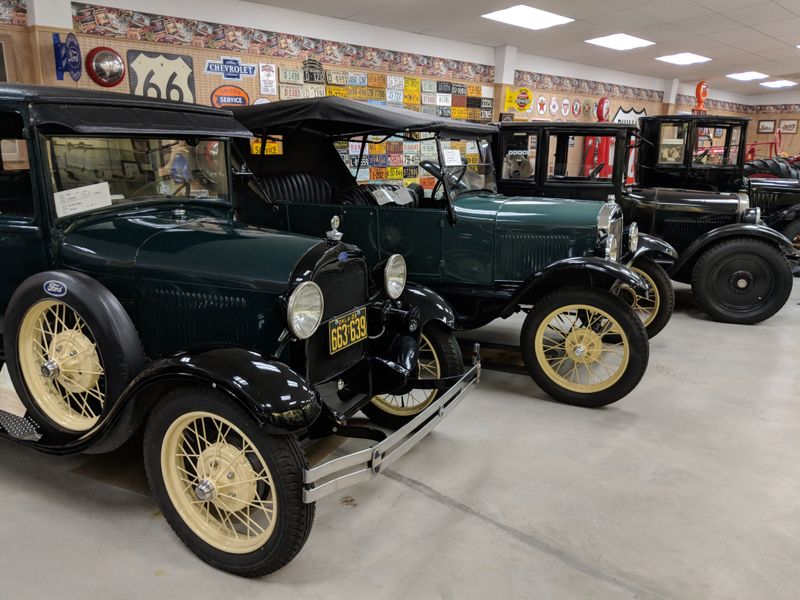
Weatherford sits at the crossroads of Route 66 and historic trails that preceded the highway by decades. The Heartland Museum captures all those layers of history.
Exhibits cover everything from Native American artifacts to astronaut Thomas Stafford, a Weatherford native who flew on Apollo 10, orbiting the moon.. The range is impressive for a small-town museum.
I spent time in the Route 66 section, examining old road signs and business advertisements. Each piece represents someone’s livelihood, someone’s dream.
The museum occupies an old National Guard armory, giving it character that new buildings can’t match. High ceilings and solid walls create a sense of permanence.
Volunteers run the place with obvious affection for their town’s past. They answered my questions with stories rather than just facts.
What struck me was how the museum connects Route 66 to broader Oklahoma history. The highway didn’t appear in a vacuum but built on centuries of people moving across these plains.
Weatherford understands that preserving small-town stories matters. These communities sustained Route 66, and the highway sustained them right back during the decades when America rolled past their front doors.
Stroud’s Rock Cafe Serves Pie Worth Every Mile
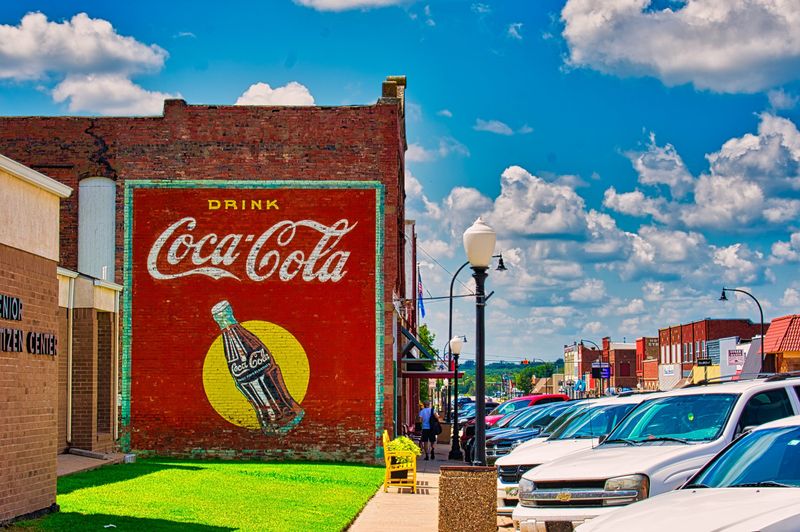
Dawn Welch bought this 1939 cafe in 1993 and turned it into a Route 66 institution. Guy Fieri featured it on his show, but locals knew about it long before.
The building itself is constructed from local rocks, giving it a sturdy permanence that modern restaurants lack. It survived a fire in 2008 and came back stronger.
I ordered coconut cream pie because the waitress insisted. She was absolutely right to insist.
The meringue stood four inches tall, perfectly browned. The filling tasted like clouds would taste if clouds were made of coconut and sugar.
Dawn reportedly inspired the character Sally in the Pixar movie Cars. Whether true or not, she embodies the spirit those animators were trying to capture.
The cafe serves breakfast all day, burgers for lunch, and comfort food that sticks to your ribs. But save room for pie.
Stroud is easy to bypass on the interstate, but that would be a mistake. The Rock Cafe proves that sometimes the best part of any journey is the meal you didn’t plan to stop for but will remember forever.
Dear Reader: This page may contain affiliate links which may earn a commission if you click through and make a purchase. Our independent journalism is not influenced by any advertiser or commercial initiative unless it is clearly marked as sponsored content. As travel products change, please be sure to reconfirm all details and stay up to date with current events to ensure a safe and successful trip.
