You could drive past it on a lazy afternoon and never guess that a small patch of riverside ground changed the whole world. Out in the rolling hills of West Virginia, a humble old well still stands where one of the first oil booms on Earth roared to life.
There is no giant sign or crowded gift shop, just quiet land, a slow river, and a story bigger than most history books let on. Once you hear it, you may find yourself planning a weekend trip before you finish your coffee.
A Riverside Spot Where Gas Once Caught Fire
Picture a spring so full of natural gas that folks could hold a flame to the water and watch it burn. That is how Burning Springs earned its name, and the story only gets better from there.
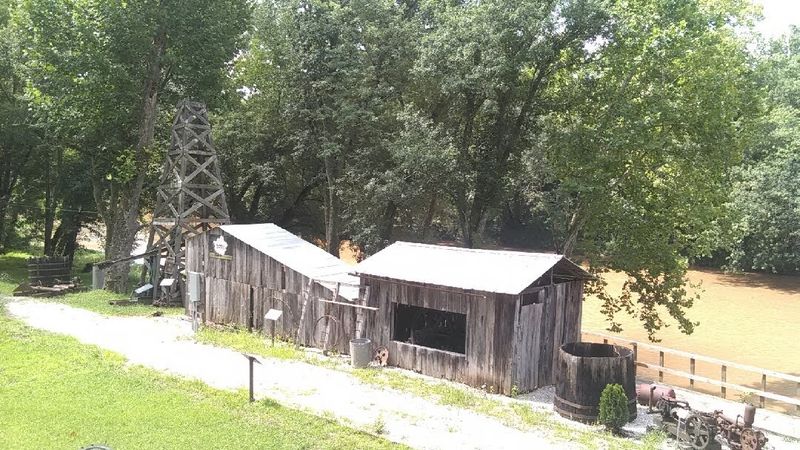
Tucked into Wirt County, this unincorporated community sits along the Little Kanawha River, surrounded by the kind of green hills that make West Virginia feel like home. Today it is a peaceful place, with far more birdsong than traffic.
You would never guess that it once sat at the center of a world-changing industry.
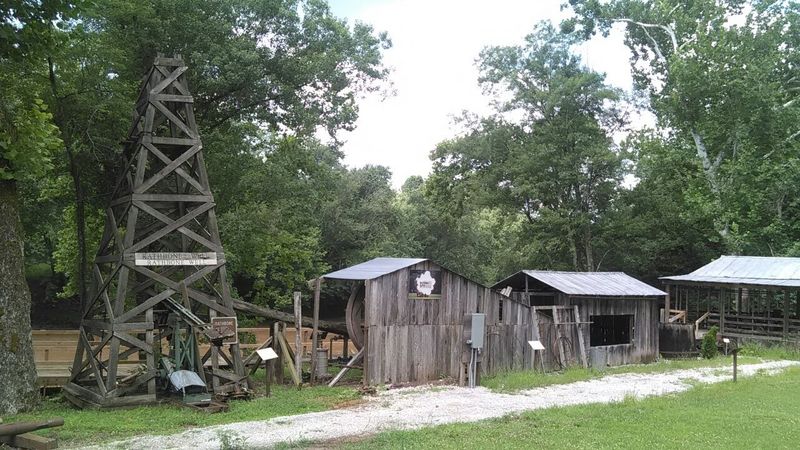
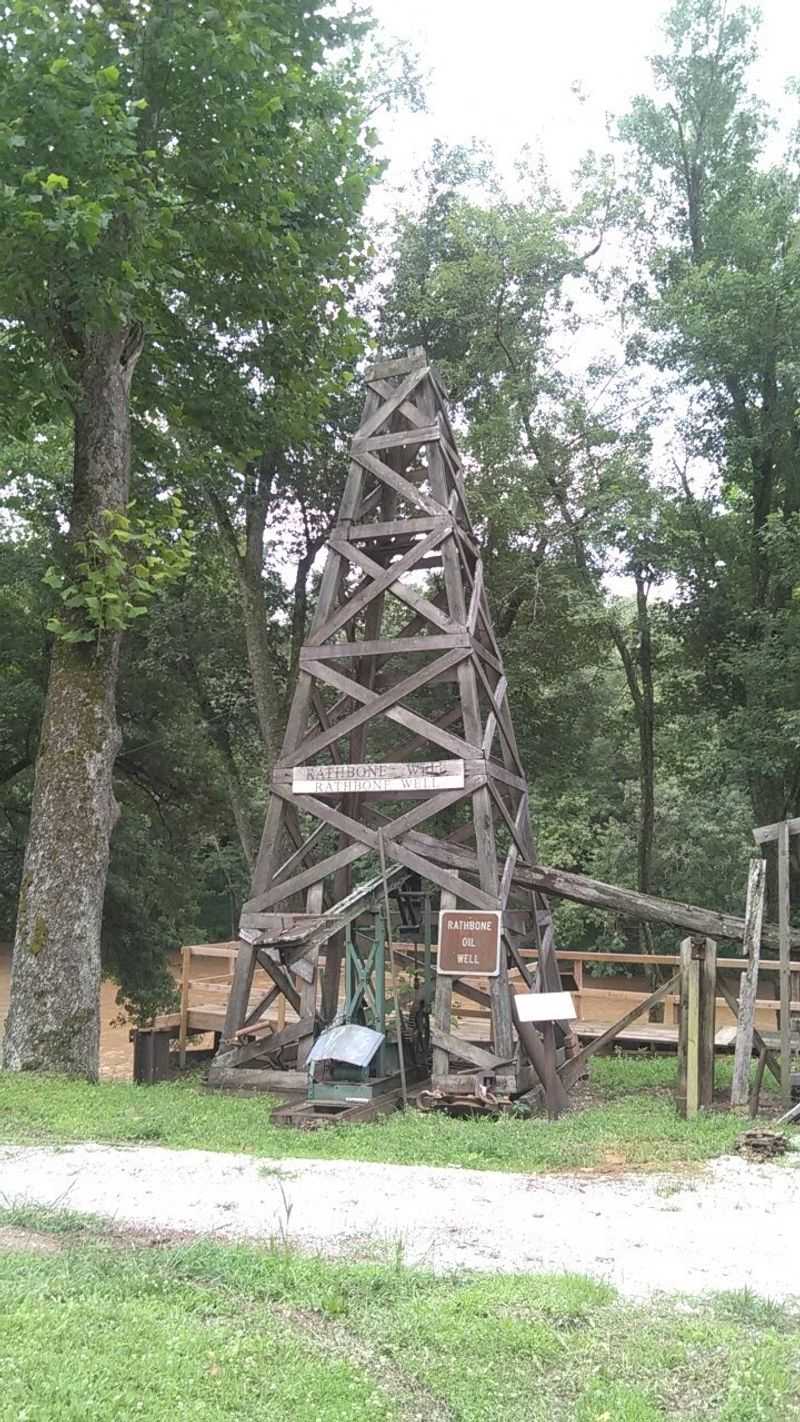
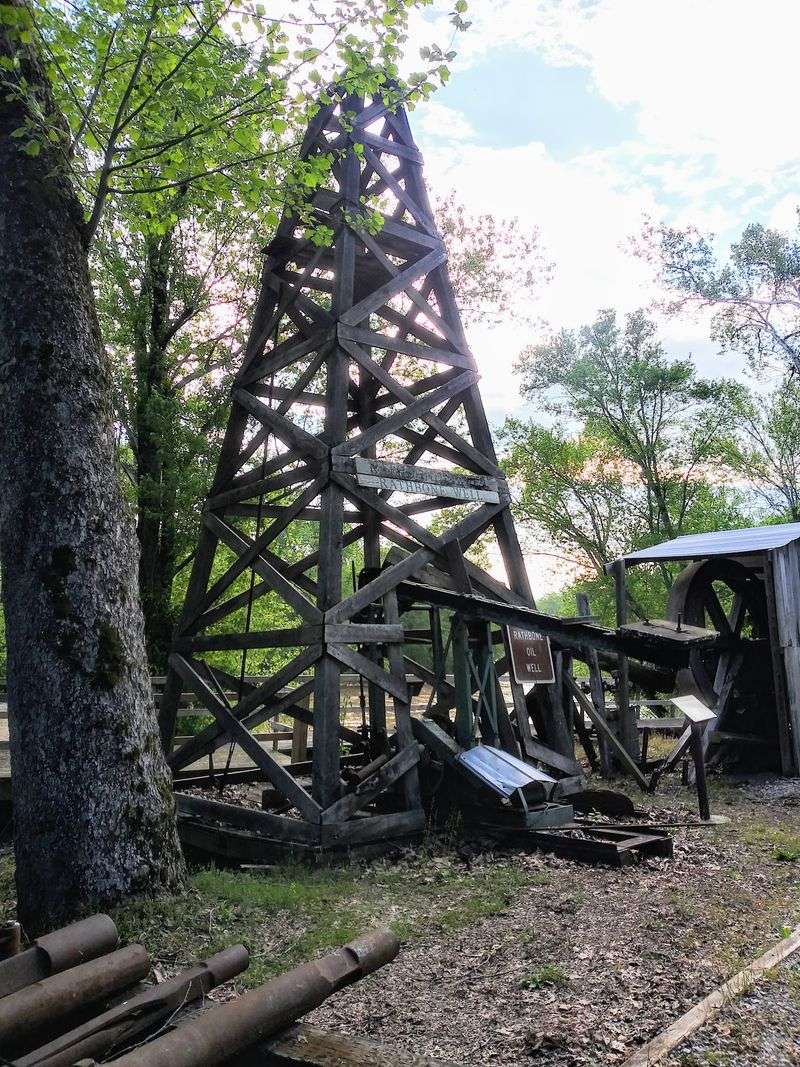
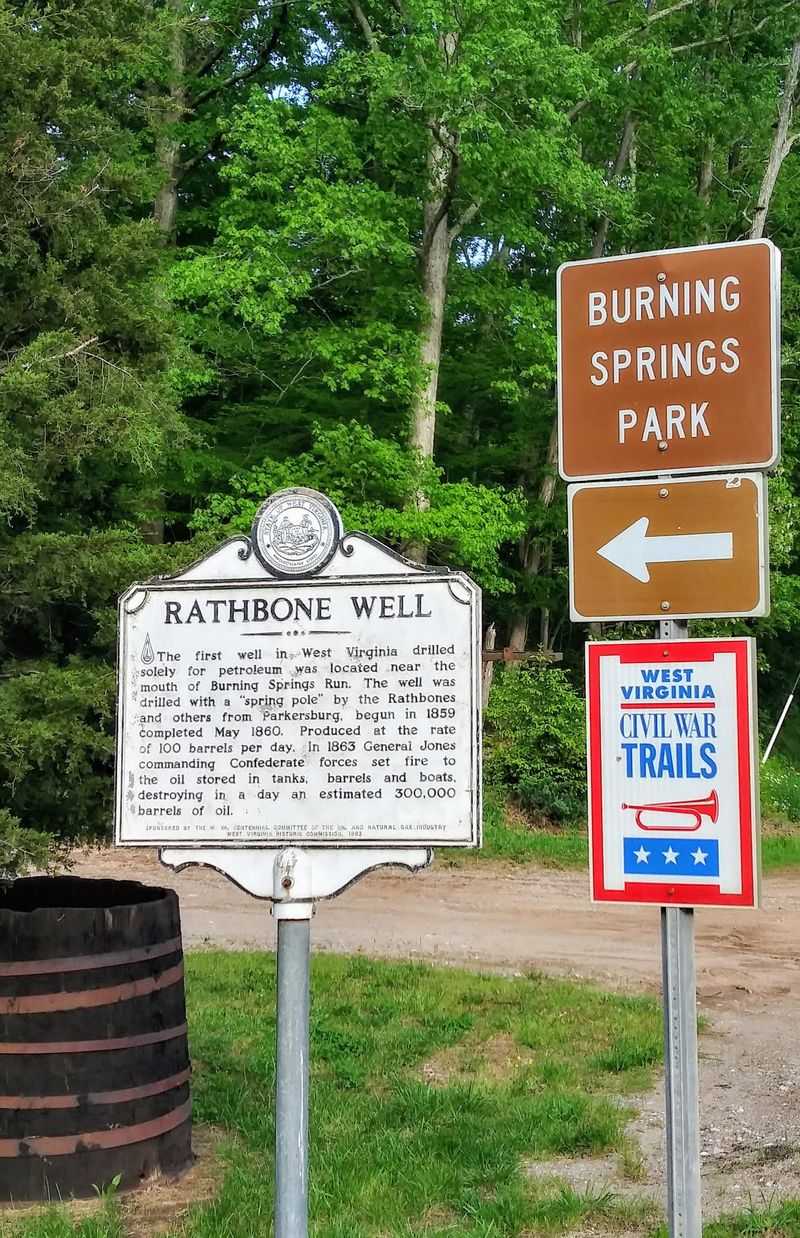
At the heart of the story is the Rathbone Well, completed in May 1860. It is widely regarded as the first well in the state drilled for the sole purpose of finding petroleum.
Many historians and oil buffs consider it the oldest oil-producing well still standing anywhere in the world.
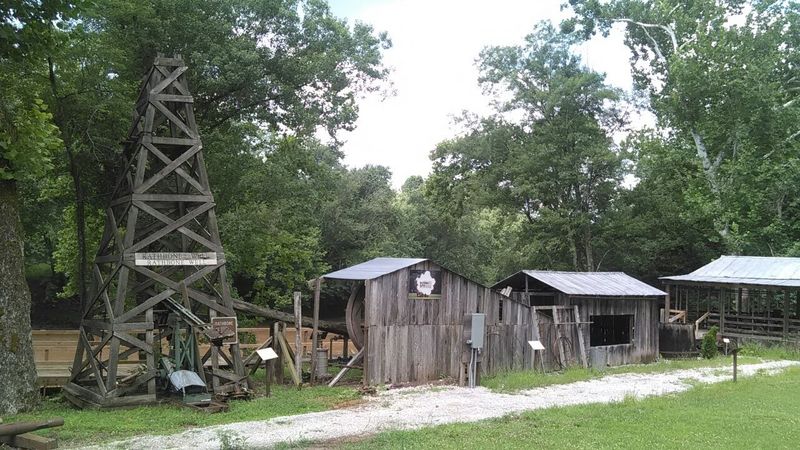
That is a big claim for such a small place, and locals wear it with quiet pride. The well sits inside Burning Springs Park, an outpost of the West Virginia Oil and Gas Museum.
For anyone who loves hometown history, it is a stop that turns an ordinary back-road drive into a real discovery.
Better yet, it is the kind of outing that costs little more than a tank of gas.
Rock Oil, Salt Brine, and a Family With Big Ideas
Long before anyone called it black gold, oil around Burning Springs was mostly a nuisance. Salt makers drilling for brine kept hitting the slippery stuff, and it often got in the way of their work.
Records suggest that by 1836, wells here were reportedly yielding 50 to 100 barrels of oil a year alongside salt operations. Some of it was sold as lamp oil years before Edwin Drake made headlines in Pennsylvania.
A few researchers even argue that Burning Springs deserves a place ahead of Drake in the history books.
Then came the Rathbones. William Palmer Rathbone and his sons, Cass and Val, began buying up land around 1840.
At first they skimmed oil that seeped naturally onto the surface of the Little Kanawha River.
Here is the fun part. They bottled it and sold it as Rathbone’s Rock Oil, Nature’s Wonder Cure, promoted as a remedy for aches and rheumatism.
Whether it helped anybody is anyone’s guess, but it certainly showed some old-fashioned Appalachian hustle.
In 1860, inspired by the derrick drilling methods Samuel D. Karnes introduced that year, Cass drilled his own well 140 feet deep.
It reportedly struck a gusher producing around 100 barrels a day, and everything changed.
The Boomtown Nobody Remembers
Ten thousand people. That is roughly how many folks reportedly crowded into Burning Springs by 1861, stretching the settlement more than a mile along the river.
For perspective, the boomtown briefly outgrew both Elizabeth, the Wirt County seat, and the much larger city of Parkersburg. Prospectors poured in from every direction, hoping to strike it rich.
Contemporary accounts described the rowdy place as a Sodom of sin, anointed with oil, which tells you it was not exactly a sleepy Sunday kind of town.
A fancy hotel went up to house oil barons and workers alike. Natural gas from the wells reportedly lit the whole town, a bit of modern magic in the middle of the hills.
The Rathbones made a fortune leasing one-acre plots to wildcatters. By spring 1863, the daily oil inventory was estimated at 300,000 barrels, worth around $1,500,000.
Historical records suggest Cass Rathbone alone may have collected royalties of up to $10,000 a day.
Stand by the river today and try to imagine the noise, the crowds, and the smell of crude oil everywhere. It is a humbling reminder that some of the busiest places in West Virginia history now rest quietly, known mostly to those who care to look.
May 1863 and the Night the Sky Glowed
Folks in Parkersburg, more than 40 miles away, could reportedly see the glow on the horizon. On May 9, 1863, Burning Springs lived up to its name in the most dramatic way possible.
During the Civil War, the oil field had become valuable enough to catch military attention. Confederate General William E.
Jones led a raiding party of an estimated 1,300 to 1,500 troopers straight to the wells. Their goal was simple: shut down the supply.
The raiders set fire to derricks, equipment, storage tanks, and thousands of barrels of crude. Estimates of the oil lost range from 150,000 to 300,000 barrels.
Historians often point out that this was the first time an oil field was deliberately targeted as a military objective in modern warfare.
Think about that for a second. A small community in Wirt County holds a spot in world history that most people have never heard about.
Afterward, Johnson Newlon Camden and the Rathbones worked hard to rebuild. Still, Burning Springs never reached its old production levels again, and the industry gradually moved to newer fields in nearby counties.
The boom faded, but the pride of what happened here never quite did.
An Old Well That Refuses to Quit
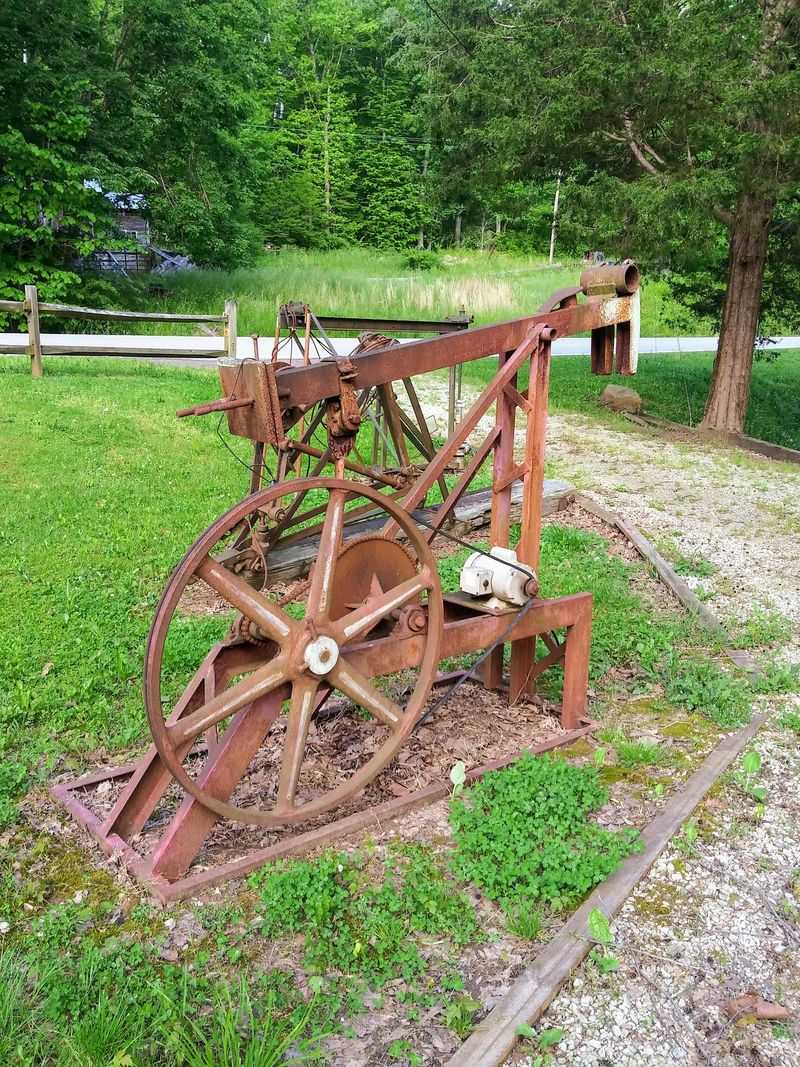
Plenty of historic landmarks are just markers where something used to be. The Rathbone Well is different, because it is still right there, standing its ground after more than 160 years.
Most of the old wooden buildings are long gone. Early oil towns lived under constant fire risk, and time finished off much of what survived.
Yet the well itself remains, a stubborn survivor from the earliest days of the petroleum age.
What makes a visit special is that the well is not just a relic behind glass. Visitors are occasionally lucky enough to watch oil being pumped from it.
Some folks have even taken home a tiny souvenir of crude, which beats a refrigerator magnet any day.
Nearby stands the history of the Karnes Well too, tied to the man whose derrick methods sparked Cass Rathbone’s success. Together they form the heart of what is known as the Burning Springs Complex.
Standing beside that old well, it is easy to feel a strange connection to the past. The same ground that fueled lamps and fortunes in 1860 is right beneath your shoes.
For grandparents sharing stories with grandkids, few West Virginia stops offer that kind of hands-on history.
Recognition, Preservation, and a Small Park With a Big Job
Sometimes the smallest parks carry the heaviest stories. Burning Springs Park does exactly that, protecting a chapter of history that shaped how the whole world runs today.
The Burning Springs Complex, which includes both the Rathbone and Karnes Wells, was added to the National Register of Historic Places in 1971. That listing helped make sure the site would not simply fade into the brush along the river.
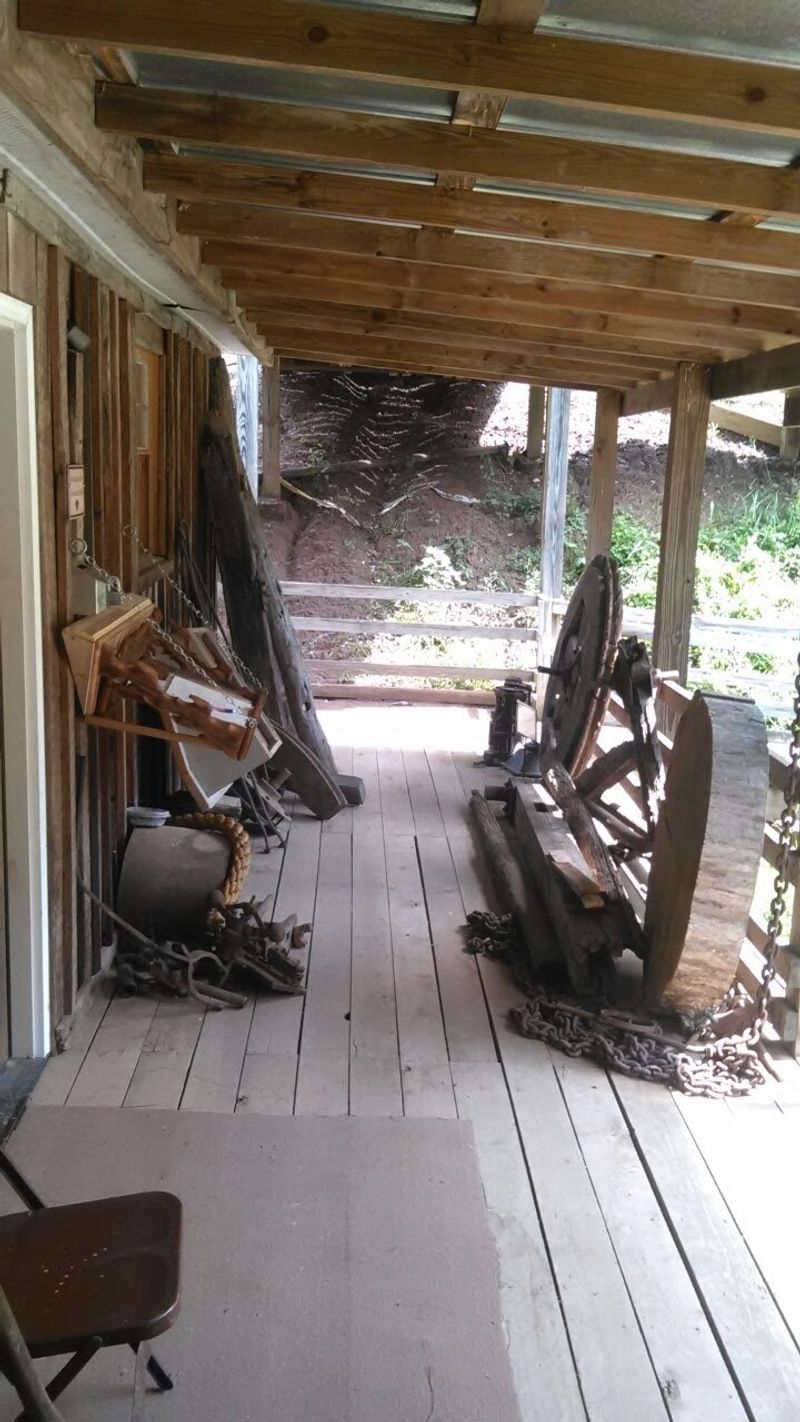
In 2004, the park itself was established as an outpost of the West Virginia Oil and Gas Museum. It gives visitors a real, touchable link to the days when this valley buzzed with drillers and dreamers.
Do not expect a sprawling complex with food courts and big crowds. The charm here is in its simplicity.
It is a place to read, reflect, and let your imagination fill in the missing buildings and bustling streets.
For West Virginians, there is something warm about seeing hometown history treated with care. So many small-town stories slip away when the folks who remember them are gone.
This one, at least, has a home, and it is waiting for anyone curious enough to take a short drive into Wirt County.
Who Will Love a Visit Most
History buffs, obviously, will be in heaven. But you do not need to know a derrick from a doorknob to enjoy an afternoon at Burning Springs.
Retirees looking for a peaceful, low-cost day trip will find plenty to like. The setting is calm, the roads wind through pretty countryside, and there is no pressure to rush.
It pairs nicely with a slow scenic drive along the Little Kanawha.
Families with curious kids get a hands-on lesson that sticks far better than a textbook chapter. Tell a youngster that people once sold river oil as medicine, and watch their eyes light up.
Then mention the fire that could be seen 40 miles away.
Photographers will appreciate the rustic well against the hills, especially in soft morning or golden evening light. Fall color adds an extra layer of beauty.
And for longtime West Virginians, the visit may stir up memories of older relatives who worked in oil, gas, coal, or timber. There is a shared sense of pride in knowing our hills powered a nation.
Bring along someone with stories to tell, because this is the kind of place that tends to get people talking about the good old days.
Getting There and a Few Parting Thoughts
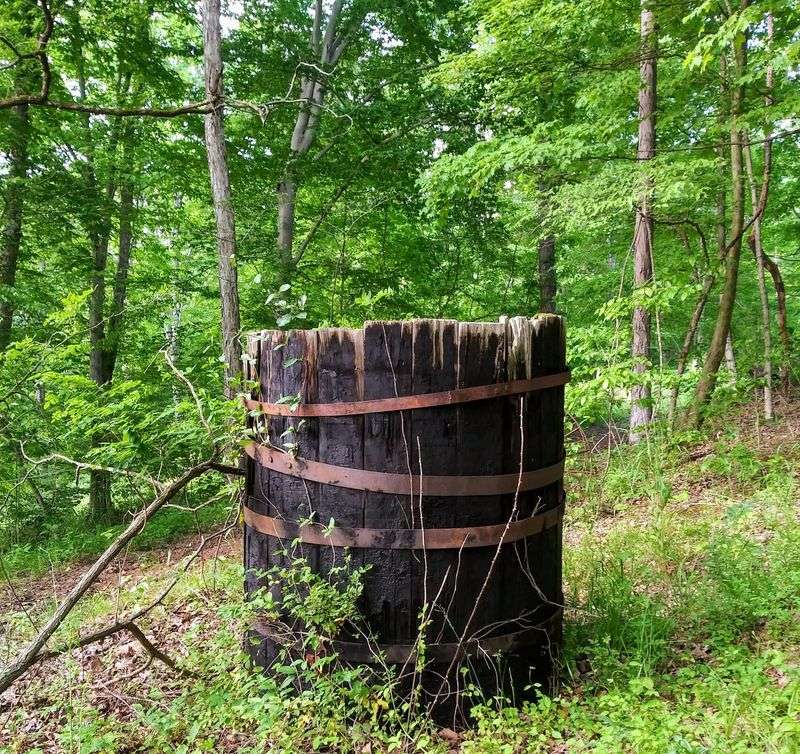
Finding the park is part of the adventure. Burning Springs Park sits on the Little Kanawha Parkway, also known as West Virginia Route 5, about 0.9 miles north of Straight Creek-Burning Spring Road, County Route 24.
The mailing address is listed in some sources as Elizabeth, WV 26143, while the community itself falls under West Virginia 26141. A GPS set to the park along Route 5 should get you there without trouble.
Specific hours and admission details were not available in our research, so checking with the West Virginia Oil and Gas Museum before you go is a smart move.
Plan for a relaxed visit rather than an all-day event. Wear comfortable shoes, bring a camera, and maybe pack a picnic lunch to enjoy under the trees.
So, is it worth the drive? For anyone who loves West Virginia history, the answer leans strongly toward yes.
It is humble, quiet, and easy to miss, which is exactly what makes it feel like a secret worth sharing.
Standing beside a well that helped launch the modern oil age is a rare feeling. Do you have family stories from the oil fields?
This might be the perfect place to tell them.
