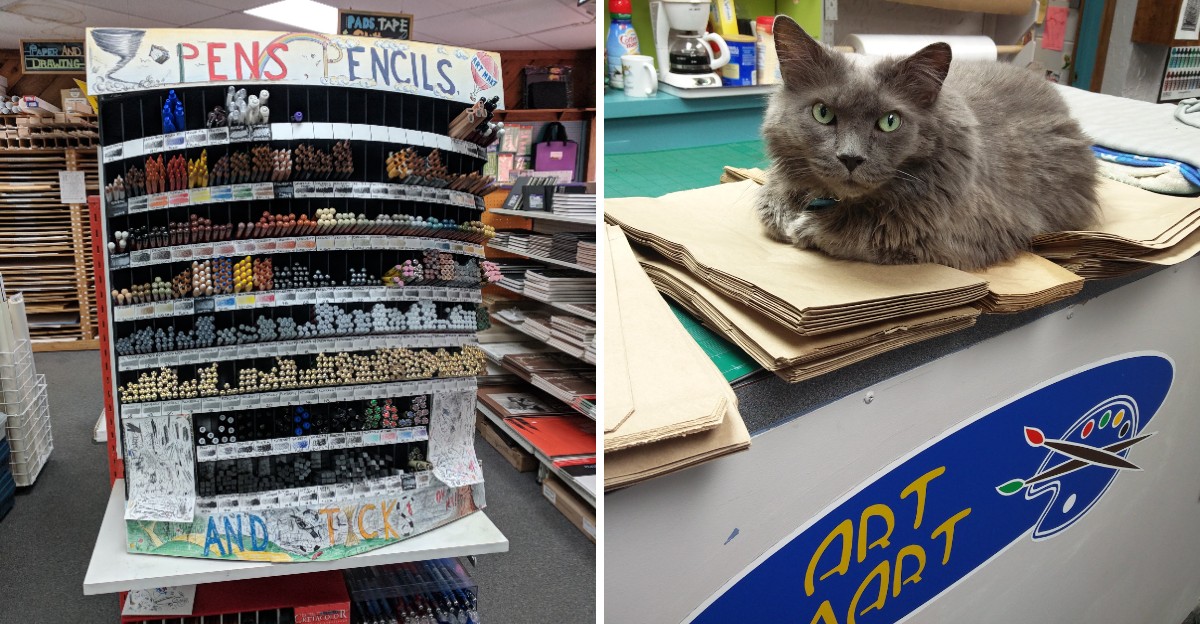
The person who invented 47 shades of blue deserves an explanation. So does whoever decided artists need twelve different kinds of paper that all look identical until they actually touch them.
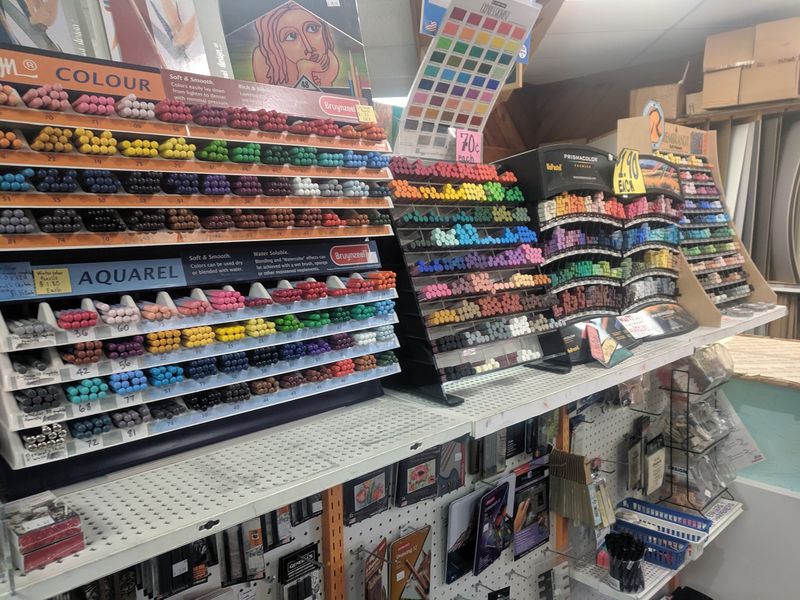
Art supplies get weird very quickly, especially once a tiny project turns into a question about texture, pigment, weight, finish, and whether that particular blue is “too blue.” This Indiana art store lives comfortably in that world. Paint lines have swatches.
Markers have test strips. Brushes cover the walls.
Paper comes in enough variations to make a normal notebook seem embarrassingly uncomplicated. Students and working artists can find the serious supplies they need without ordering blind from a screen.
There is even a cat named Barcode wandering around the operation. Somewhere between testing one marker and comparing two nearly identical paints, an innocent art errand can become a full investigation.
Brands and Grades That Big Box Stores Skip
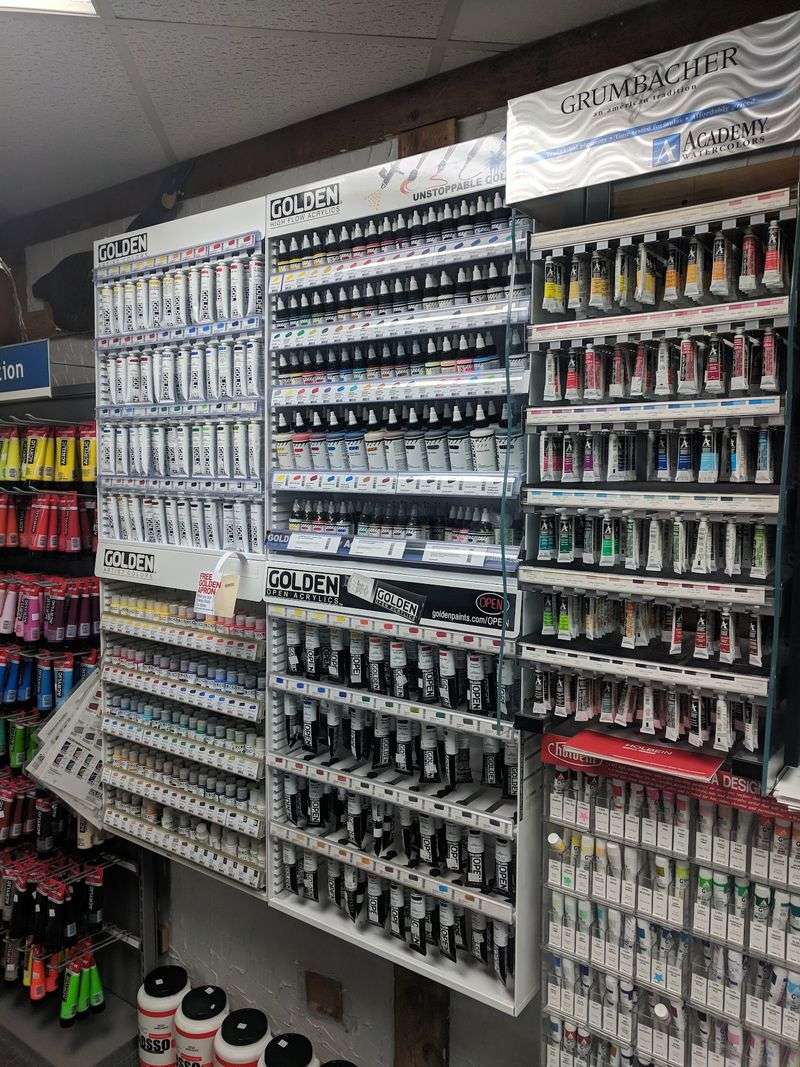
Serious painters know the frustration of hunting for one specific pigment and finding only student sets. Art Mart stocks lines that rarely appear on chain store shelves, including professional grade paints, markers, and drawing tools chosen with real artists in mind.
The selection leans toward quality rather than quantity, which makes sense for a compact space. Shoppers often describe being surprised by how much fits inside such a modest footprint.
Calligraphy supplies show up regularly in conversations about the store. Pens, nibs, inks, and practice paper sit within reach of anyone curious about lettering.
Printmaking materials, sketchbooks, canvas, clay tools, and specialty papers round out the inventory. Brush walls offer options across synthetic and natural fibers, sized for everything from tiny detail work to broad washes.
Because the shop caters heavily to university coursework, it carries the exact items professors list on syllabi. That saves students the guesswork of translating a supply list into an online order.
Staff can often help track down something not currently on the floor, so asking is worthwhile. Special requests are part of how a small shop stays useful.
Anyone used to settling for whatever a craft chain happens to carry will notice the difference immediately. Here the choices feel intentional, curated by people who actually use the materials themselves.
A Shop Cat Named Barcode Runs the Welcome Committee
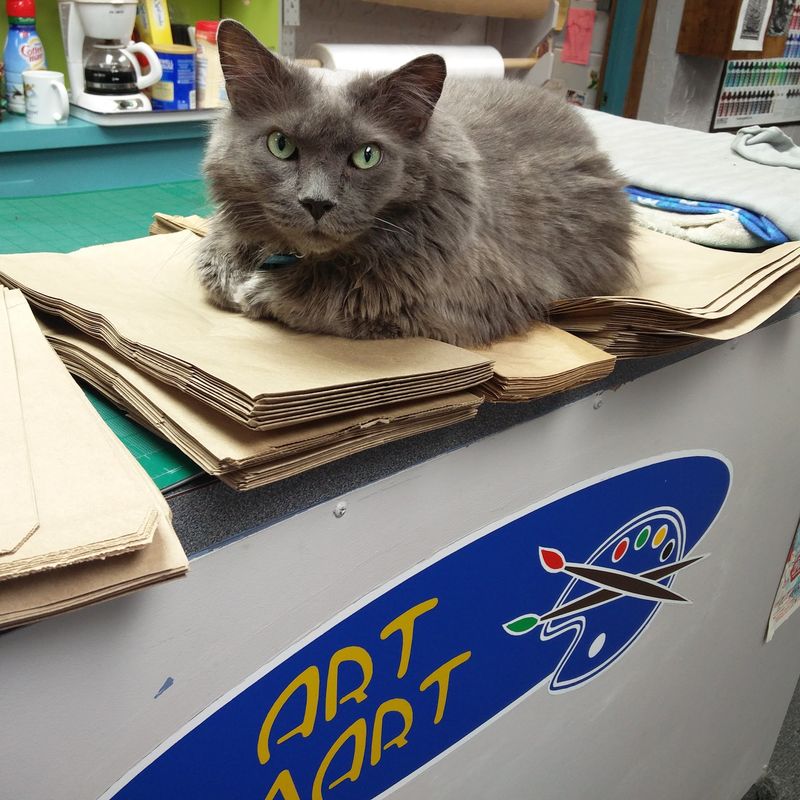
Few art stores can say their most talked-about staff member has whiskers. Barcode, the resident shop cat, has become something of a local celebrity among shoppers who stop in for paper and leave having spent ten minutes offering ear scratches.
Regulars will mention that Barcode took over from an earlier shop cat named Rain, who has since retired from official greeting duties. The tradition of a feline on the premises stretches back years, which explains why so many visitors ask about the cat before they ask about supplies.
Barcode tends to claim a sunny spot near the counter or a stack of boxes, watching browsers with mild interest. Some days there is a slow blink.
Other days a full stretch and a demand for attention.
The presence of an animal changes the whole mood of the place. Instead of the sterile aisles of a big chain store, there is warmth, a little unpredictability, and a reason to slow down.
Parents visiting college students often build a stop here into their trip, partly for supplies and partly for the cat. Kids find it delightful.
Adults pretend they are only there for brushes.
Anyone planning a visit should know the cat sets her own schedule and naps happen. Still, the odds of a friendly encounter are good, and that small detail keeps people coming back.
Staff Who Talk Materials Like Old Friends
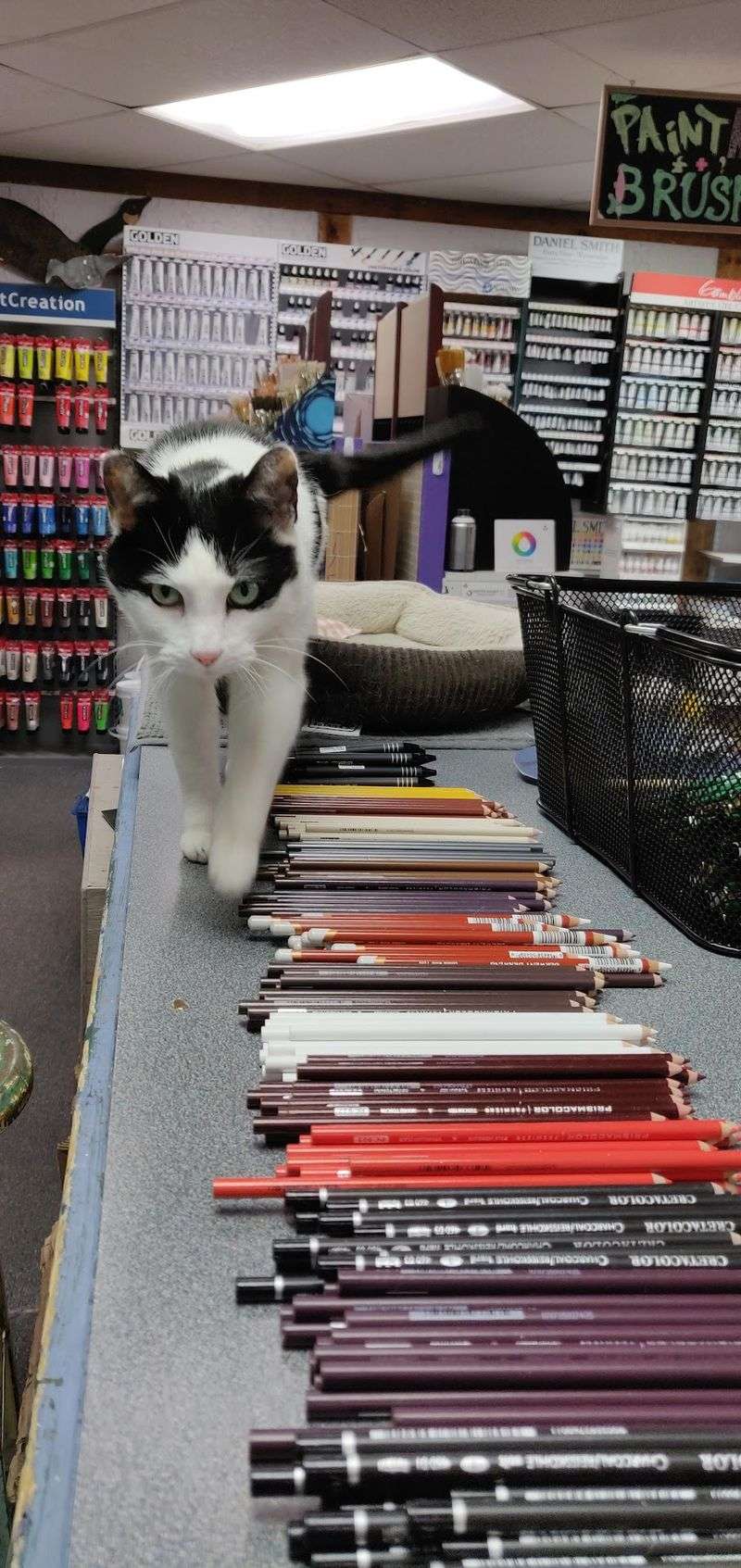
Ask about the difference between hot press and cold press paper, and the conversation can easily stretch past five minutes. The people working at Art Mart are artists themselves, and it shows in the way they explain things without talking down to anyone.
Shoppers frequently note that recommendations are based on the project at hand rather than the highest priced item on the shelf. Someone working on a watercolor assignment gets different advice than someone building a mixed media piece.
Questions about which paints blend cleanly, which paper handles heavy ink, or which brush holds its shape longest all get thoughtful answers. Nobody rushes the exchange.
For beginners, that guidance removes a lot of intimidation. Picking a first set of acrylics feels far less overwhelming when a real person walks through the options.
Experienced artists benefit too, especially when comparing brands they have not tried before. Staff often share their own preferences openly, which adds a layer of honesty missing from most retail floors.
The overall effect is less transaction, more conversation. Walking out with the right supplies and a little extra knowledge is common, and that combination is exactly why people keep returning year after year.
Workshops That Turn Browsing Into Making
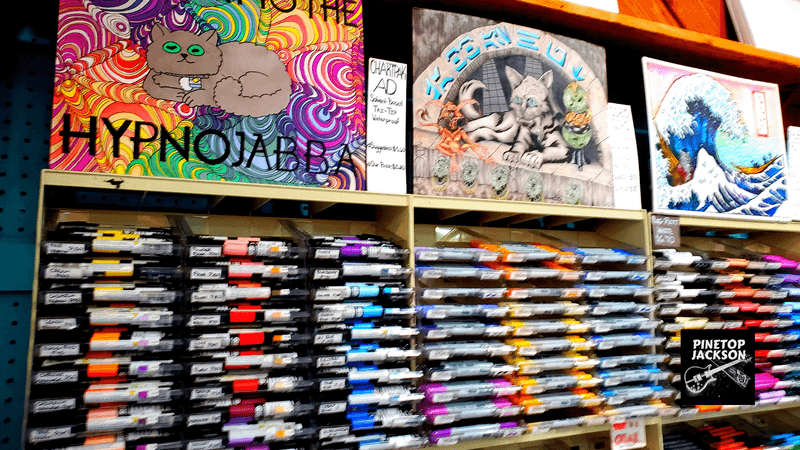
Buying materials is one thing. Learning to use them well is another, and Art Mart bridges that gap with classes and workshops held throughout the year.
Past sessions have included one focused on turning small trading cards into detailed miniature scenes, a project that appeals to both patient detail lovers and people who just want something quick and satisfying.
Another workshop explored expressive marks and bold color, run in collaboration with MadJax, a creative hub in Muncie.
Class sizes stay manageable, which means participants get real attention rather than shouted instructions from across a room. Beginners are genuinely welcome.
The format tends to be hands on from the start. Instead of long lectures, attendees dig into materials and figure things out through practice.
Workshops also work as a low pressure way to test a medium before committing to a full set of supplies. Trying gouache or ink for an afternoon beats guessing in the aisle.
Announcements about upcoming sessions appear on the shop website and social pages, so checking ahead helps with planning. Spots can fill.
What makes these gatherings special is the mix of people who show up. University students, retirees, and weekend hobbyists end up at the same table, comparing results and swapping tips like they have known each other for years.
An Expansion That Means More Room to Wander
Anyone who has tried to browse the brush wall while someone else reaches for paper knows the shop has been cozy. That is changing.
Art Mart is moving into the neighboring storefront, a space previously occupied by Ultra Image Tanning. The expansion opens up a considerably larger sales floor, which means wider aisles and room for more inventory.
Plans also include a dedicated classroom. Having a permanent teaching space allows for more frequent workshops without rearranging the retail area every time a class is scheduled.
For shoppers, the practical benefit is simple. Easier navigation, better display of materials, and more of those helpful test stations where markers and paints can be sampled before purchase.
The location stays the same at 409 N Martin St in Muncie, with parking available right out front. That small convenience matters on a busy afternoon.
Growth like this is worth celebrating for a small independent shop. Plenty of art stores across the country have quietly closed, so seeing one expand says something about the community supporting it.
Visitors who remember the original tight quarters will notice the difference right away. Those visiting for the first time will simply find a well organized store with breathing room, plus the same familiar faces behind the counter and a cat somewhere nearby.
Test Before You Buy, Right There on the Shelf
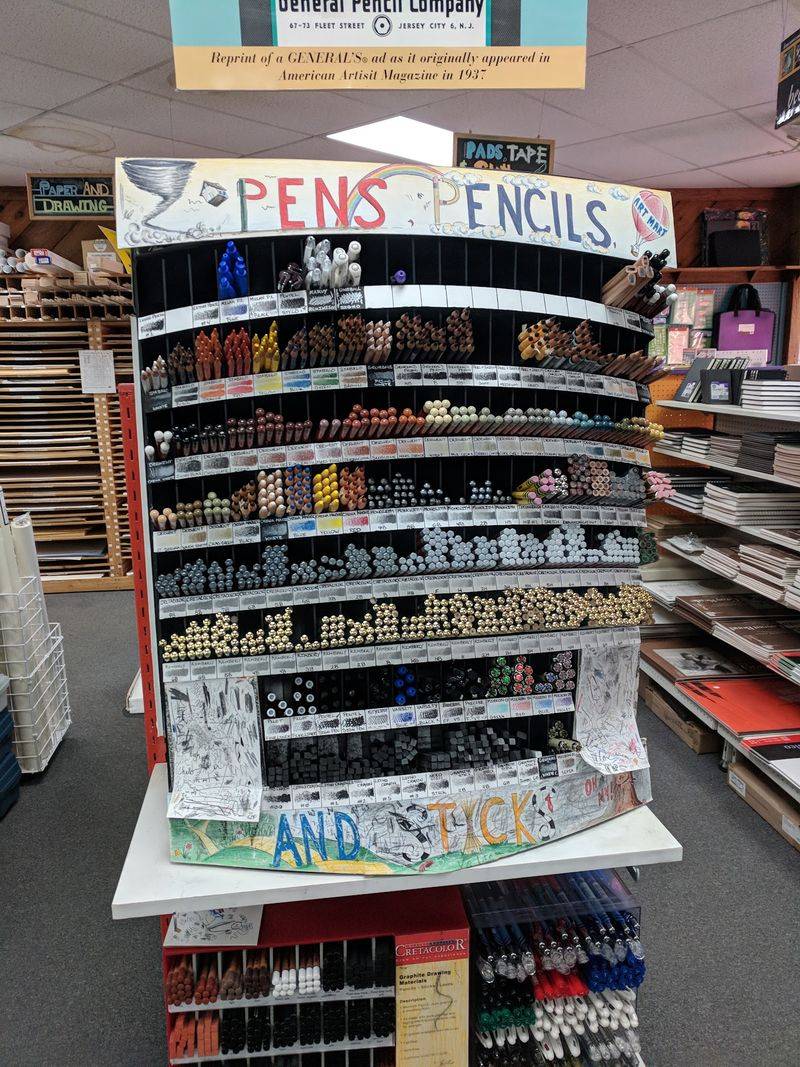
Guessing how a color will actually look on paper is a gamble nobody enjoys. At Art Mart, that guesswork largely disappears because test papers sit beside the marker displays and paint swatches are posted where shoppers can compare tones side by side.
Drag a marker across the sample sheet and the true shade appears, which is rarely the same as the cap color. Anyone who has bought a set of markers online understands the disappointment that avoids.
Display areas also include educational notes about different mediums. Small signs explain what separates one type of paper from another or how certain pigments behave.
That kind of detail turns a shopping trip into a mini lesson. Learning happens casually, without anyone needing to ask.
The store keeps things tidy despite the density of products, so finding a specific item does not require digging. Organization by medium makes browsing intuitive.
A bulletin board just inside the entrance carries announcements relevant to the local arts scene, including calls for artists and event notices. It is worth a glance on the way in.
There is also a loyalty points program for repeat customers, which regulars appreciate. Combine that with frequent seasonal sales, and the shop rewards people who keep coming back for supplies throughout the year.
The Hub Where Muncie’s Creative Crowd Crosses Paths
Something interesting happens when a town has one really good art store. It becomes a meeting point.
Art Mart fills that role in Muncie, drawing Ball State students stocking up between classes, local painters restocking studios, and families passing through on road trips. Conversations start over shared shelf space.
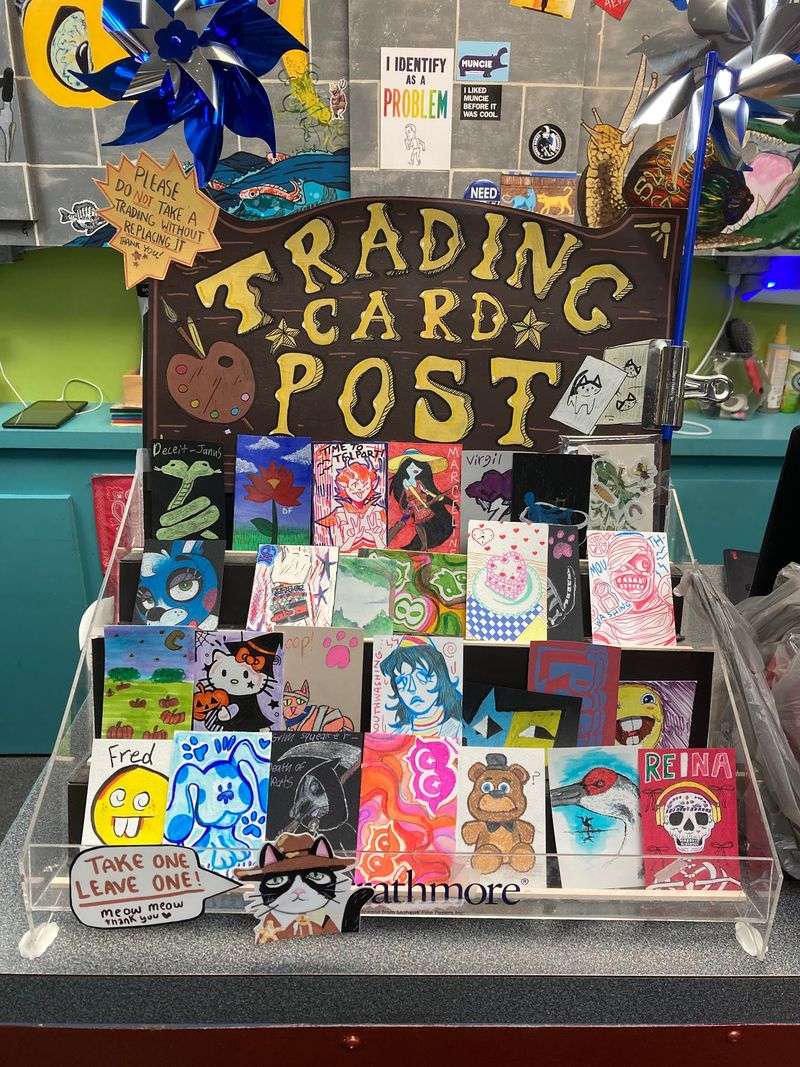
The shop supports the wider arts community through partnerships and events, including collaborations with nearby creative organizations. Mystery bags and trading card swaps have become small traditions that people plan visits around.
Hours accommodate most schedules. The store opens early on weekdays and stays open into the evening Tuesday through Thursday, with shorter hours on Saturday and a Sunday afternoon window from noon to five.
Alumni who moved away often make a point of stopping in whenever they return to town. That loyalty says a lot about how the place treats people.
For travelers exploring east central Indiana, it slots nicely into a day that might also include the Minnetrista campus or a walk through the Village district near campus.
Small businesses like this hold neighborhoods together in ways that are hard to quantify. A shelf of paint tubes, a bulletin board, a cat by the register, and staff who remember faces add up to something a warehouse chain simply cannot replicate.
