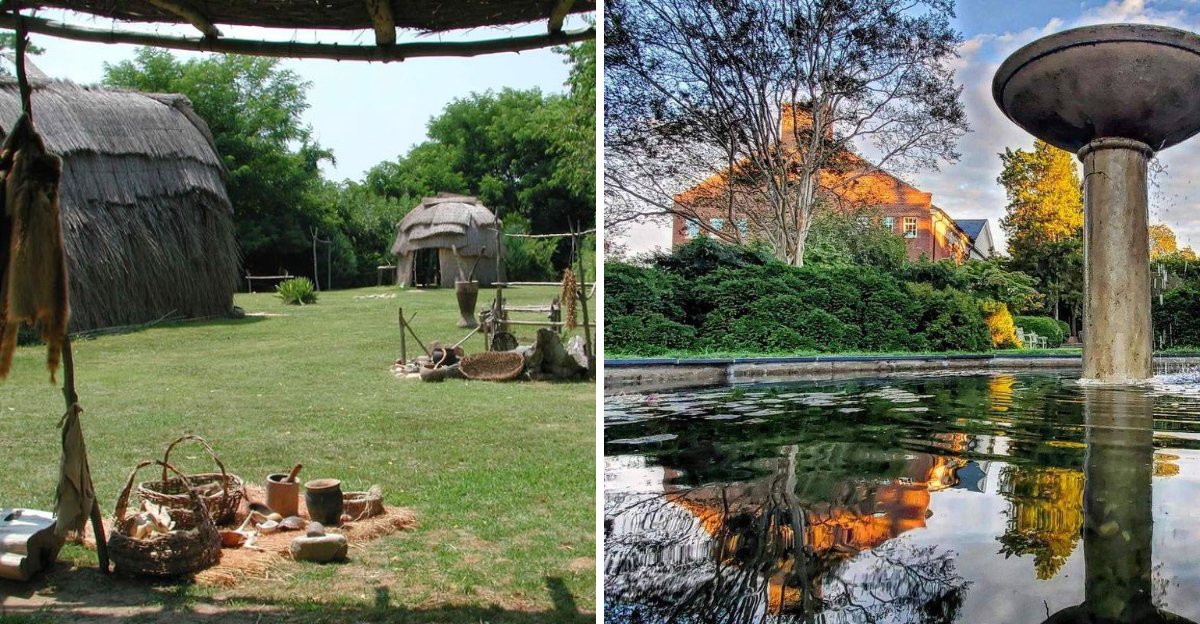
Maryland’s oldest town has been around since 1634. That is a very long time.
And somehow, it still feels full of life. You can wander through a recreated colonial village where people in old time clothes go about their day.
Blacksmiths hammering metal, cooks stirring pots over crackling fires, kids chasing each other like it is the 1600s. The river views are stunning, the history hides around every corner, and nothing about this place feels stiff or dusty.
It is not a museum where you stand behind ropes. It is a living, breathing piece of Maryland’s past.
You might learn a few things, but mostly you will just have a good time exploring. That is the beauty of a place like this.
Maryland history feels alive here, not locked away.
Maryland’s First Capital and Its Remarkable Origins
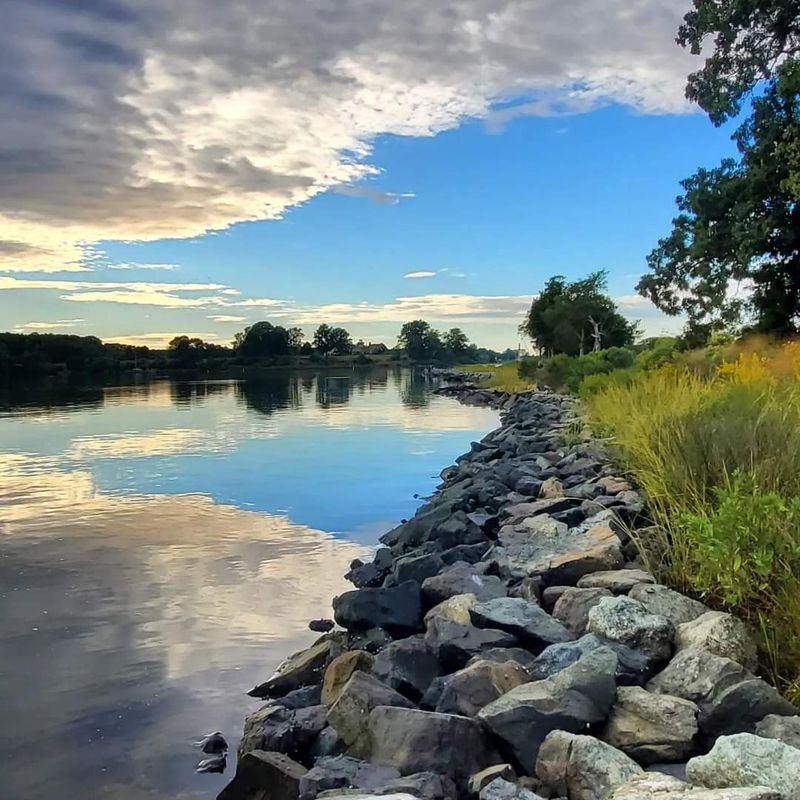
Few places in America carry the kind of origin story that St. Mary’s City does. In March 1634, a group of English settlers arrived on the shores of the Chesapeake Bay and founded what would become Maryland’s very first capital city.
They came aboard two ships, the Ark and the Dove, carrying with them hopes for a new kind of colony, one that promised something almost unheard of at the time.
The settlers established a working community on land they negotiated with the Yaocomaco people, the Indigenous group already living in the region. That peaceful beginning set a tone that would define the colony for decades.
St. Mary’s City grew into a functioning political and social center, hosting Maryland’s first legislative assembly and becoming the heart of early colonial governance.
What makes this place so compelling is not just its age but its ambition. The founders were building a society from scratch, and they were doing it on principles that were genuinely forward-thinking for the 1600s.
The capital remained here until 1695, when it was moved to Annapolis, and the town gradually faded. But the land remembered.
Today, Historic St. Mary’s City preserves that memory with care, honoring both the triumphs and the complexities of its founding era. Visiting feels less like a field trip and more like a conversation with the past, one that is surprisingly easy to follow and impossible to forget.
The Recreated Colonial Village That Brings 1600s Life to Life
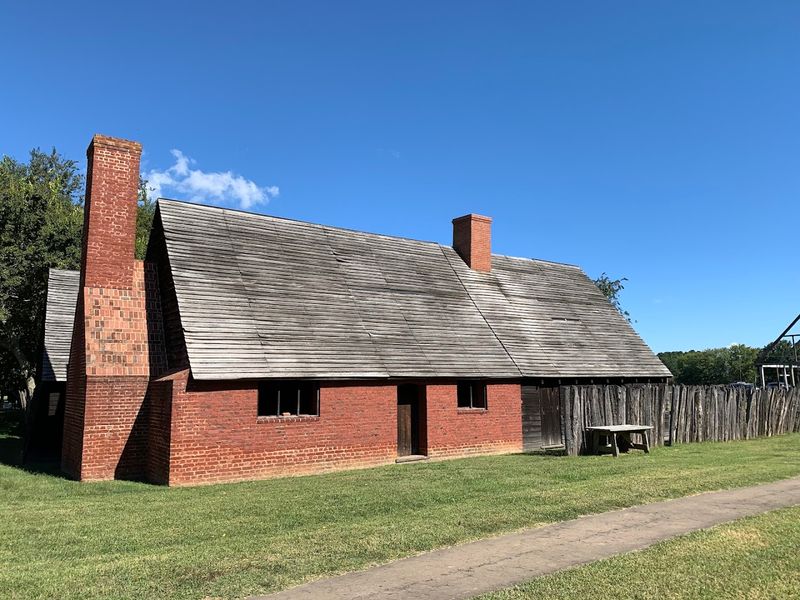
The recreated colonial village at Historic St. Mary’s City is not the kind of place where you walk past glass cases and read plaques. It is hands-on, lived-in, and genuinely surprising.
The site spans a wide stretch of land along the St. Mary’s River, with reconstructed buildings scattered across a landscape that looks remarkably close to what early colonists would have seen.
Costumed interpreters move through the village doing actual period work, tending to crops, operating a printing press, and discussing colonial law with curious visitors. The attention to historical accuracy here is serious.
Researchers and archaeologists have spent decades making sure that what you see reflects what was actually here, not just what sounds good in a brochure.
One of the most striking things about the village is how quiet it is. There is no carnival atmosphere, no gift shop noise bleeding into the experience.
You genuinely feel removed from the modern world for stretches of time. Kids tend to get absorbed in the storytelling, and adults often find themselves asking questions they never thought they had about 17th-century daily life.
The village includes a mercantile, a printing shop, a chapel, a state house, and more, each one telling a different piece of the same long story. It rewards slow exploration.
The more time you give it, the more it gives back, and that is a quality that is surprisingly rare in historical sites today.
The 1676 State House, Maryland’s First Capitol Building
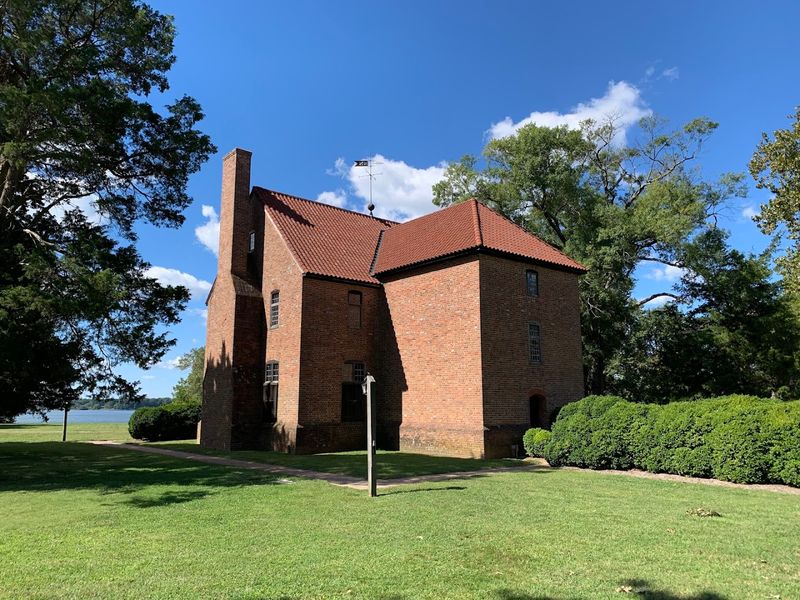
Maryland’s political history has a very specific starting point, and it looks like a modest brick building on the banks of the St. Mary’s River.
The reconstruction of the 1676 State House is one of the most significant structures at Historic St. Mary’s City, representing the place where early Maryland lawmakers gathered to shape the colony’s future.
It is a building that punches above its weight in terms of historical importance.
Inside, the space is set up to reflect what a 17th-century legislative session might have looked like. Interpreters explain how colonial governance worked, who had a voice, who did not, and how decisions made in this small building rippled outward across the growing colony.
The architecture itself is worth studying, with its simple lines and practical design reflecting the priorities of a society focused on survival and order.
What I found most interesting was how the building humanizes the political process. It is easy to think of early American government as distant and abstract, but standing inside a room where actual debates happened makes it feel immediate.
The State House also connects to the broader story of religious tolerance in Maryland, since many of the laws passed here were groundbreaking for their era. The reconstruction sits on carefully researched foundations, informed by decades of archaeological work.
It is not a guess at what was there. It is a careful, evidence-based effort to honor exactly what stood on this ground nearly 350 years ago.
The Brick Chapel and Its Story of Religious Tolerance
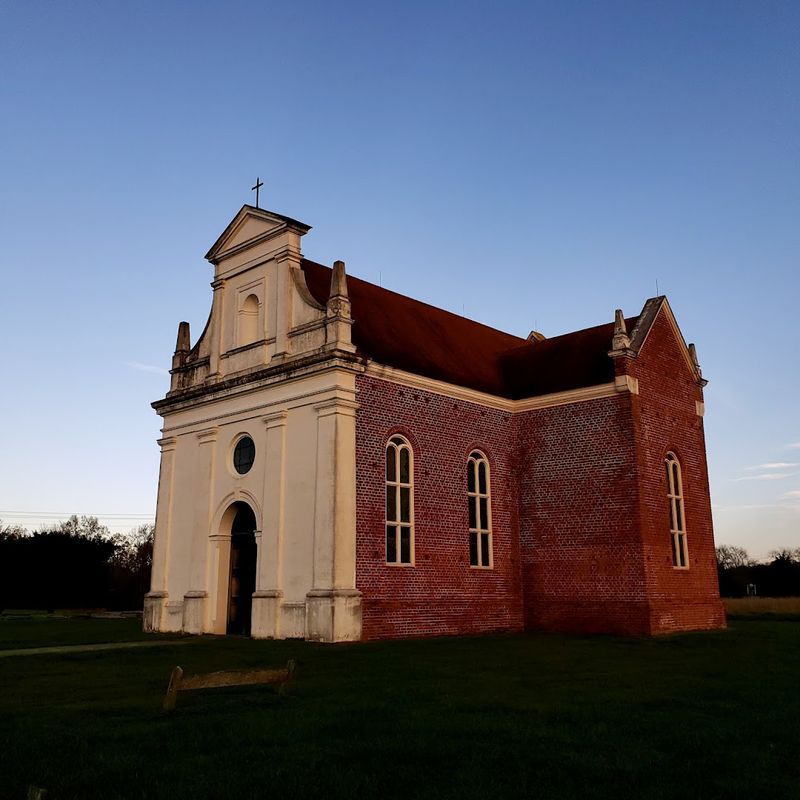
Religion and politics were deeply tangled in 17th-century colonial America, and nowhere is that more visible than at the Brick Chapel in St. Mary’s City. Originally built around 1667, this Catholic chapel stood as a symbol of something rare in the colonial world: a place where different faiths were legally protected.
The reconstruction sits directly on the original foundation, identified through careful archaeological excavation.
St. Mary’s City holds a remarkable distinction as the earliest site in the United States to formally establish religious freedom.
That policy, which protected both Catholic and Protestant Christians, was codified in the Maryland Toleration Act of 1649, one of the most important documents in early American legal history.
The Brick Chapel was a physical expression of that commitment, a place of worship that existed in a colony officially committed to tolerance.
Visiting the chapel is a genuinely moving experience, even if you do not have a personal connection to its faith tradition. The space is calm and thoughtfully presented, with historical context provided through interpretation rather than heavy signage.
The story of how this community navigated religious difference in an era of intense sectarian conflict across Europe is genuinely fascinating. It also serves as a reminder that some of America’s most progressive ideas are actually very old ones.
The chapel’s story does not shy away from complexity, and that honesty makes it one of the most memorable stops in the entire historic site.
A Working 17th-Century Tobacco Plantation With Heritage Livestock
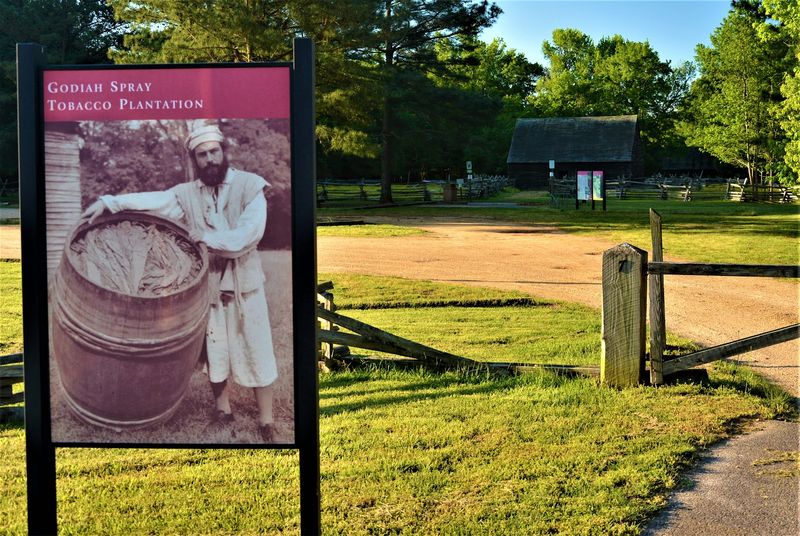
Tobacco was the engine of early Maryland’s economy, and the working plantation at Historic St. Mary’s City makes that abundantly clear. This is not a decorative exhibit with pretty fencing and tidy rows.
It is an actual functioning plantation that demonstrates colonial agricultural practices using heritage livestock and period-accurate methods. The smell of soil and animals is very much part of the experience.
Interpreters here explain how tobacco was cultivated, cured, and traded, and how that single crop shaped the social, economic, and political structure of the entire colony. The work was grueling, and the site does not sanitize that reality.
Heritage breed animals roam the property, including breeds that would have been familiar to 17th-century farmers, which adds an unexpected layer of authenticity to the visit.
What strikes you is how labor-intensive everything was. Watching someone work through the actual steps of colonial farming, without modern tools or shortcuts, reframes your understanding of what daily life demanded from early settlers.
The plantation also opens conversations about who did that labor and under what conditions, topics the site handles with honesty and care. Families with kids tend to linger here because the animals are approachable and the activities are tangible.
You can ask questions freely, and the interpreters clearly enjoy going deep on the details. It is the kind of living history that you carry home in your memory long after the drive back, which is exactly what good historical education should do.
The Woodland Indian Hamlet and the Yaocomaco People
One of the most important parts of Historic St. Mary’s City is often the one visitors know least about before they arrive.
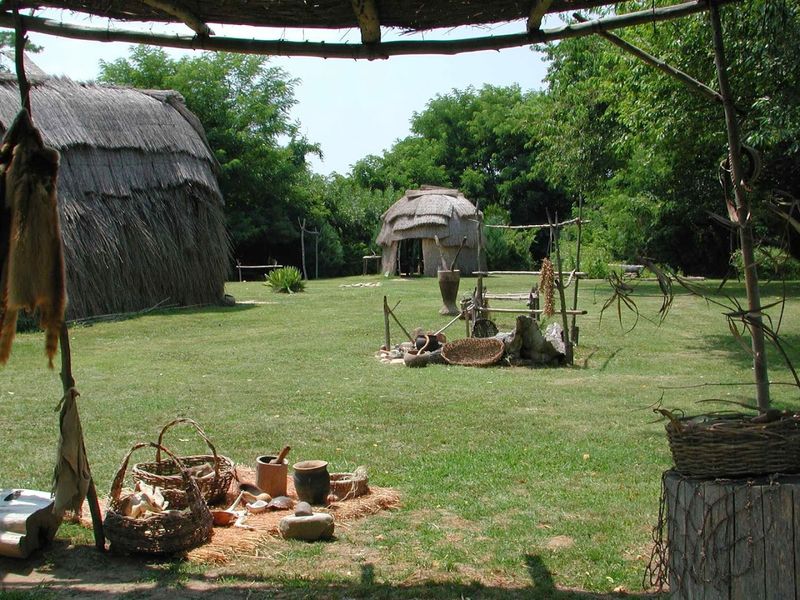
The recreated Woodland Indian hamlet offers a window into the lives of the Yaocomaco people, the Indigenous community who lived in this region long before English settlers arrived in 1634.
Their story is told here with respect and detail that goes well beyond a passing mention.
The hamlet features reconstructed structures based on archaeological evidence and historical records, giving visitors a sense of how the Yaocomaco built their homes, organized their communities, and interacted with the natural landscape around them.
The relationship between the Yaocomaco and the English settlers was complex and, at least initially, cooperative.
The two groups negotiated a land agreement that allowed the colonists to settle, a fact that often surprises people who expect the story of early contact to be purely one of conflict.
Spending time in this part of the site shifts your perspective on the whole colonial narrative. The Yaocomaco were not passive bystanders in the founding of Maryland.
They were active participants who made strategic decisions about their relationship with the newcomers. That nuance is presented clearly and accessibly here.
The hamlet is a good reminder that American history is never just one group’s story. It is layered and shared, and St. Mary’s City is one of the few places where that layering is presented with the seriousness it deserves.
It is genuinely one of the most thought-provoking corners of the entire site.
The Dove, a Replica of the Ship That Carried the First Colonists

There is something unexpectedly moving about seeing The Dove up close. This replica of one of the two ships that carried Maryland’s first English colonists across the Atlantic sits moored on the St. Mary’s River, and it is smaller than most people expect.
That smallness is the point. When you realize that dozens of people made a months-long ocean crossing on a vessel this size, the bravery and desperation of that journey suddenly becomes very real.
The original Dove accompanied the larger Ark on the voyage from England, arriving in Maryland in March 1634. The replica was built to reflect the design and scale of a typical pinnace from that period, using historical research to guide its construction.
Visitors can board the ship during certain times, which makes the experience even more immersive. Below deck, the space is shockingly cramped, and that too is intentional.
Guides explain the logistics of the voyage, what people ate, how they slept, and how long the journey actually took. The Dove also serves as a floating classroom of sorts, used for educational programs that bring colonial maritime history to life for school groups and general visitors alike.
The ship sits beautifully against the river backdrop, and it photographs well at golden hour. But beyond its visual appeal, it tells a story about human determination that resonates across centuries.
Seeing it in person is one of those moments that makes the abstract feel achingly concrete, which is exactly why it deserves a long look.
The Maryland Toleration Act of 1649 and Its Lasting Legacy
Not every landmark from 1649 still matters in 2024, but the Maryland Toleration Act is a genuine exception.
Passed in St. Mary’s City, this piece of legislation was one of the first laws in the New World to mandate a degree of religious freedom, specifically protecting Christians of different denominations from persecution.
For its time, it was a radical idea, and it helped define Maryland’s identity as a colony of relative tolerance.
The act did not extend protections to everyone, and the site is honest about its limitations.
But within the context of 17th-century governance, where religious conflict was tearing Europe apart, the Maryland Toleration Act represented a meaningful step toward the idea that people of different beliefs could coexist under the same legal system.
That idea eventually found its way into the foundations of American democracy.
Historic St. Mary’s City presents this history through interpretation and exhibits that make the legal and political context accessible without dumbing it down. You do not need a background in colonial law to follow the story.
The act is connected throughout the site to the physical places where it was debated and enacted, which gives it a grounded, tangible quality that reading about it in a textbook simply cannot replicate.
Understanding this law deepens your appreciation for every other part of the site because it explains the values the colony was trying, however imperfectly, to build itself around.
That context transforms a visit from interesting to genuinely meaningful.
Archaeological Digs and the Science Behind the History
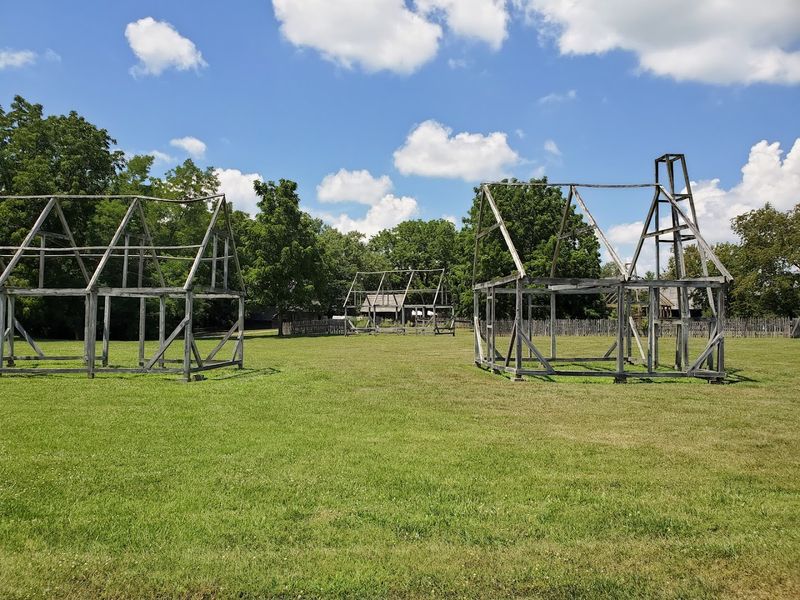
Most historical sites show you what has already been found. St. Mary’s City is one of the rare places where the finding is still actively happening.
The site is recognized internationally as an archaeological research and training center, with over 200 digs conducted in the last 30 years alone. That ongoing work is not hidden away from visitors.
It is part of what makes the place so alive.
Archaeologists and students from St. Mary’s College of Maryland, which sits adjacent to the historic site, regularly conduct fieldwork here. Their discoveries have shaped everything from the reconstruction of buildings to the understanding of daily colonial life.
One of the most significant finds was the location of the original St. Mary’s Fort, built by the first settlers in 1634 and identified through careful excavation. Finding a structure that old, in its original location, is a rare achievement in American archaeology.
Visitors can sometimes observe active digs, and the site offers programs that explain what archaeologists look for and how they interpret what they find. It is a great way to understand that history is not a fixed story.
It is an ongoing process of discovery and revision. The science behind the storytelling here is genuinely impressive, and it gives the entire site a credibility that purely reconstructed museums sometimes lack.
Every building you walk through, every exhibit you read, is grounded in real physical evidence pulled from this specific soil. That connection between ground and story is what makes St. Mary’s City feel so unusually honest.
Planning Your Visit to Historic St. Mary’s City
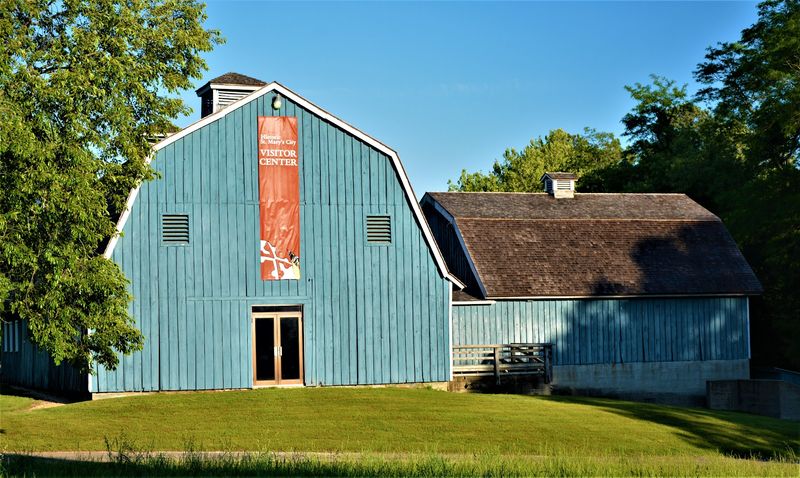
Getting to Historic St. Mary’s City is straightforward, and the drive through Southern Maryland is genuinely scenic. The site sits about 70 miles south of Washington, D.C., making it a very doable day trip from the capital region.
The roads leading in are lined with farmland and waterways that start putting you in the right mindset well before you arrive.
The museum is open seasonally, so checking the official website before you go is a smart move. Peak season runs through the warmer months, when all exhibits and interpreters are fully active.
Comfortable shoes are a must because the site covers significant ground outdoors. Bringing water and a light snack is also a good idea, especially if you plan to spend a full half-day or more exploring.
St. Mary’s College of Maryland sits right next to the historic site, and the shared campus creates a lively, collegiate atmosphere around the edges of your visit. The college’s own museum, the Margaret Brent Room, offers additional exhibits worth a look.
The surrounding area along the St. Mary’s River is beautiful, with water views that reward anyone who takes a moment to slow down and look around. Photography enthusiasts will find no shortage of compelling subjects, from the ship to the chapel to the open fields.
For families, history buffs, and anyone curious about where Maryland actually came from, this site delivers something that feels both educational and genuinely moving.
Address: 18751 Hogaboom Lane, St. Mary’s City, Maryland.
