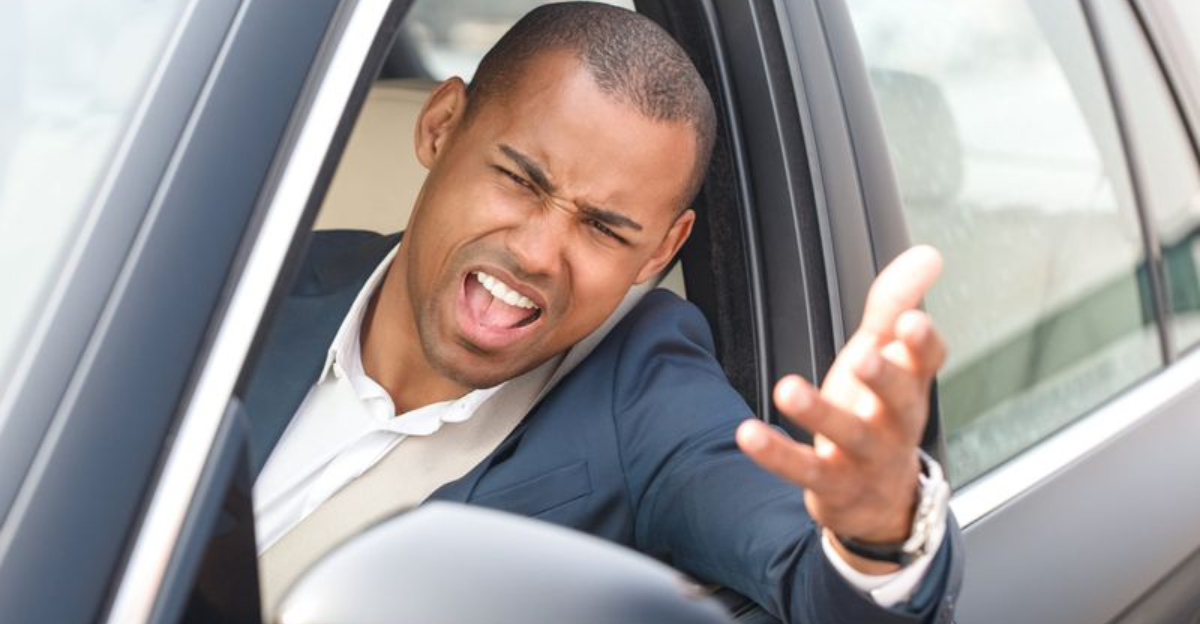
Minnesota’s roads are known for their smooth flow, yet tourists often disrupt this harmony by ignoring a key practice: the zipper merge.
This technique, crucial to maintaining efficient traffic, is frequently misunderstood by visitors, leading to frustration among locals. Understanding why the zipper merge exists and how it fits into Minnesota’s driving culture is essential for any traveler hoping to navigate the state’s highways like a local.
The Zipper Merge: A Minnesota Essential
In Minnesota, the zipper merge is more than just a suggestion; it’s a vital part of the driving culture. Designed to ensure smoother traffic flow, this method involves vehicles taking turns merging at the point of lane closure. Many visitors, used to merging early, mistakenly believe they are being courteous. However, by not utilizing the full lane length, they inadvertently cause bottlenecks.
This confusion often leads to frustration among locals, who understand that the zipper merge maximizes road space. The logic is simple: by filling both lanes and merging alternately, traffic keeps moving steadily, reducing congestion. Unfortunately, tourists frequently misinterpret this as cutting in line.
Embracing the zipper merge means respecting Minnesota’s efficient traffic system. It’s a simple yet effective rule that enhances the driving experience, allowing everyone to reach their destinations faster and with less hassle. So next time you’re on a Minnesotan highway, remember to use both lanes and merge like a local.
Why the Zipper Merge Exists in the First Place
The zipper merge was adopted because Minnesota’s transportation network frequently deals with construction, seasonal road repairs and weather related delays. Using both lanes until the merge point prevents long single lane lines from forming far before the actual reduction.
By alternating at the end, drivers reduce the stop and go movement that builds up behind early mergers. The method is promoted in official state campaigns because it keeps traffic flowing in situations that Minnesotans encounter regularly throughout the year.
The Local Logic Behind the Technique
Minnesota drivers support the zipper merge because it follows a clear, predictable pattern that benefits everyone on the road. Rather than relying on individual judgment about when to merge, the technique sets a common understanding that both lanes remain in play until the designated point.
The logic is based on shared responsibility. When every driver follows the same rule, merging becomes a simple process rather than a competition for space.
How Tourists Misread the Intent
Many visitors interpret drivers using the closing lane as acting impatient or trying to skip the line. This misunderstanding is common among people from regions where early merging is taught as polite or expected.
As a result, tourists often merge far too soon or express frustration toward locals who adhere to the Minnesota method. The misreading comes from differing driving cultures rather than any intention to cut ahead.
The Frustration Minnesotans Feel on Busy Roads
Locals often express irritation when early mergers disrupt the flow. One lane becomes congested long before the merge point while the other remains open, creating uneven pressure on the roadway. Drivers who understand the zipper system see early merging as the cause of unnecessary backups.
They know the approach only works when all drivers participate, so deviations create more traffic and more stress for everyone involved.
Why Early Merging Slows Everything Down
Merging early pulls vehicles into a single file line well before needed, forcing the affected lane to absorb all the traffic. This creates a bottleneck that stretches much farther back than the actual lane reduction. Meanwhile, the other lane goes partially unused.
The imbalance leads to braking patterns that ripple through the line and add minutes to already slow moving traffic. The inefficiency is built into the habit, which is why officials discourage it.
How Proper Merging Creates Smoother Travel
When drivers use both lanes evenly, the roadway handles more vehicles without creating extended queues. Alternating at the merge point produces a steady rhythm that reduces sudden stops and makes it easier for everyone to judge timing.
State transportation studies highlight that zipper merging decreases congestion and helps prevent the kind of unpredictable behavior that can cause minor collisions in construction zones. The smoothness comes from equal distribution rather than speed or aggression.
The Cultural Habit Behind Minnesota Driving
Minnesota’s driving culture leans toward orderly systems that reduce ambiguity. The zipper merge aligns with this preference because it depends on cooperation and uniform behavior.
Locals often encounter lane reductions caused by snow clearing, infrastructure upgrades and seasonal maintenance, so a consistent approach benefits the entire region. The habit reflects a practical mindset: follow the system that works best for the conditions.
Why Visitors Should Respect the Local Traffic Flow
Adapting to the zipper merge helps visitors move through Minnesota roads more efficiently and avoids unnecessary tension during busy travel periods. Using the full lane is not considered cutting. It is the way traffic engineers and locals expect the system to operate.
When visitors follow the same pattern, the transition becomes smoother, safer and far less stressful for everyone on the road.
A Simple Rule That Makes Minnesota Roads Work Better
The zipper merge remains effective because the principle is easy to follow. Drivers stay in their lanes until the designated merge point and then take turns entering the open lane.
When consistently applied, this approach shortens lines, reduces braking waves and limits delays in construction zones and winter slowdowns. The simplicity of the rule is exactly what allows it to function so well in a state where lane reductions are a routine part of travel.
Dear Reader: This page may contain affiliate links which may earn a commission if you click through and make a purchase. Our independent journalism is not influenced by any advertiser or commercial initiative unless it is clearly marked as sponsored content. As travel products change, please be sure to reconfirm all details and stay up to date with current events to ensure a safe and successful trip.
