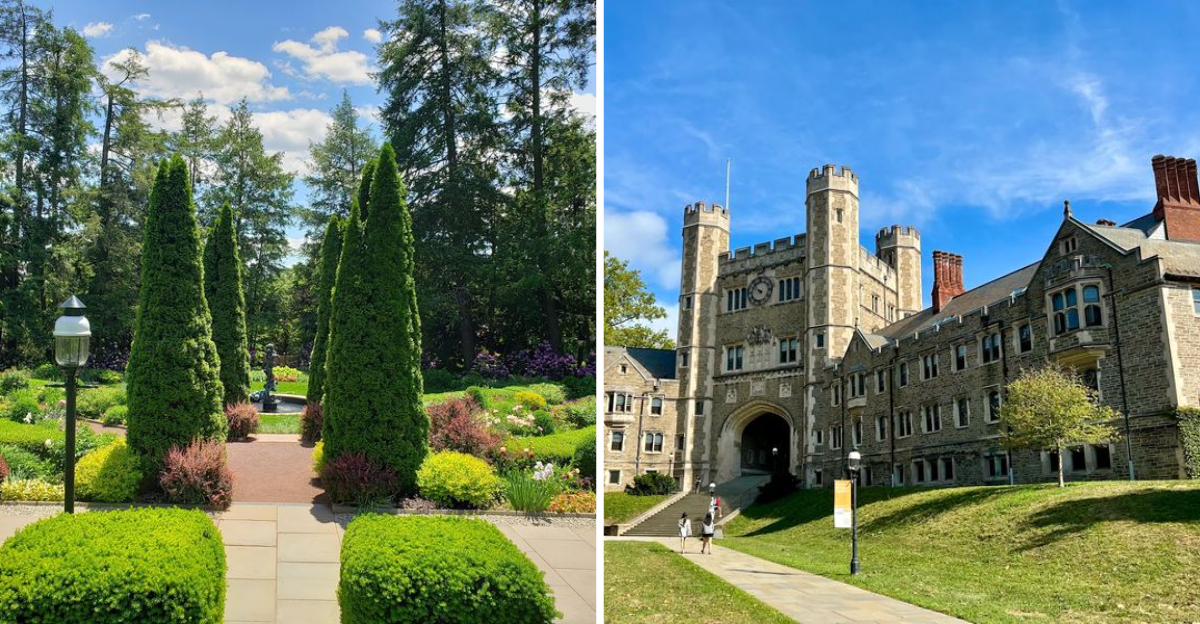
Honestly, I showed up to Princeton expecting a stuffy campus full of serious people whispering in Latin, and instead found myself completely charmed by a place that somehow makes centuries-old stone buildings feel totally alive.
The food alone had me reconsidering every road trip I have ever planned.
There is something almost unfair about a university town that is this beautiful, this historic, and this delicious all at once.
Walking through campus felt like flipping through a history book, except the history book had a rooftop cafe and incredible architecture.
Princeton, New Jersey is the kind of place that sneaks up on you, and by the time you realize it, you are already planning your next visit.
Nassau Hall: The Heartbeat of American History
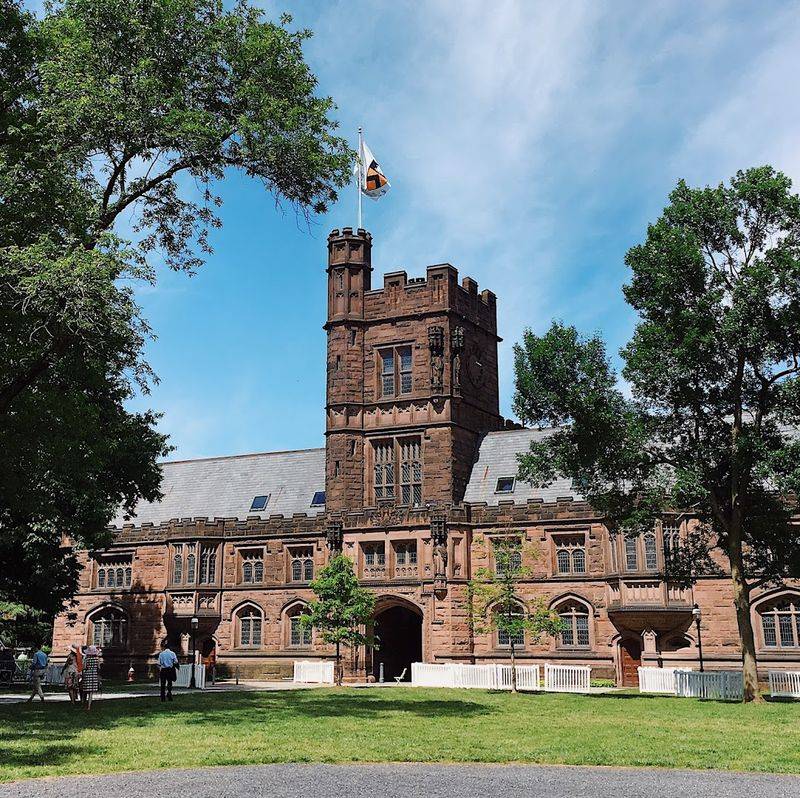
Few buildings in America carry as much history in their walls as Nassau Hall. Built in 1756, this sturdy brownstone structure was once the largest building in all of colonial America.
That is not a small claim, and standing in front of it, you feel the weight of that fact settle over you like a warm coat.
Nassau Hall served as the temporary capital of the United States in 1783, when the Continental Congress met here after the Revolutionary War. It has survived fires, cannon fire during the Battle of Princeton, and centuries of New Jersey winters.
The building still stands proudly at the center of campus, anchoring everything around it.
Visiting here feels less like a campus tour stop and more like a genuine brush with American identity. The bell tower, the carved stone details, and the green lawn stretching out in front all combine into a scene that photographers and history lovers cannot resist.
Grab a coffee from a nearby campus spot, sit on the grass, and just absorb the atmosphere. It is the kind of place that makes you feel connected to something much larger than yourself.
Princeton University Art Museum: Where Ancient Meets Cutting-Edge
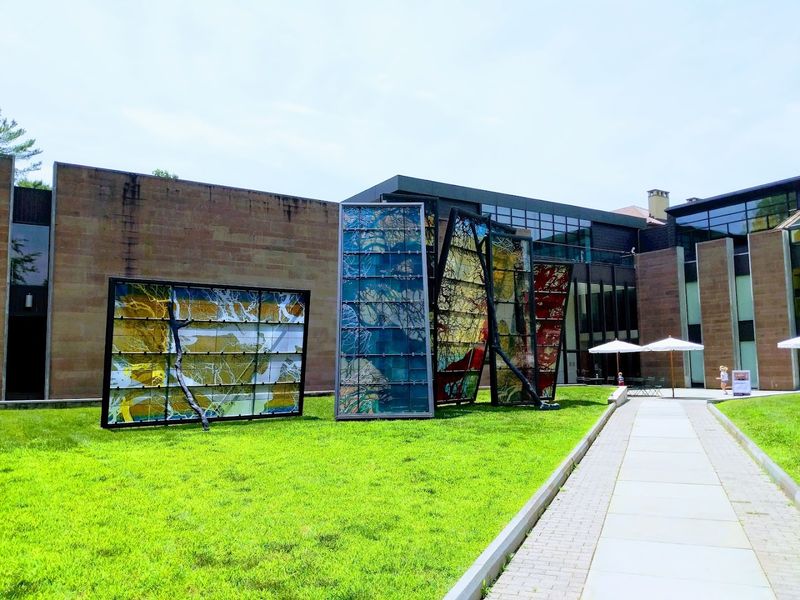
The Princeton University Art Museum is genuinely one of the most exciting cultural spaces in all of New Jersey, and it keeps getting better. In October 2025, the museum opened a stunning new 145,000-square-foot facility designed by world-renowned architect David Adjaye.
Nine interconnected pavilions create a flowing, immersive experience that feels unlike any museum you have visited before.
The collection spans thousands of years, covering art from ancient Greece and Rome, medieval Europe, Asia, Latin America, and contemporary works. Over 27,000 photographs alone make the photographic holdings extraordinary.
Ancient Roman mosaics from Princeton excavations in Antioch sit alongside modern canvases in a way that feels surprisingly natural.
Best of all, admission is completely free. The building also houses a rooftop cafe, creativity labs, and seminar rooms, making it a full destination rather than just a quick stop.
Spending a few hours here on a weekday afternoon, surrounded by jade carvings, stained glass, and Renaissance paintings, is the kind of cultural experience most people travel internationally to find. Princeton has it right here, tucked into a university campus, waiting for you to show up.
Prospect Garden: A Secret Blooming Escape
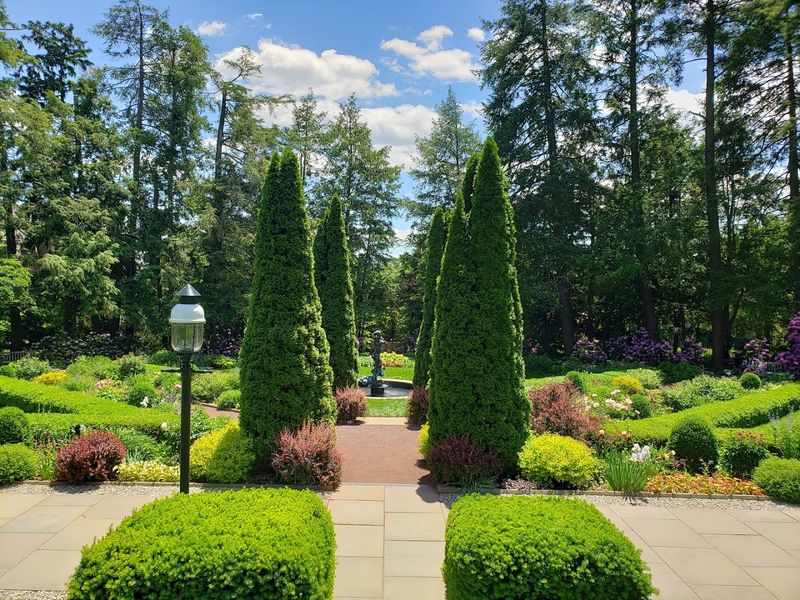
Tucked behind Prospect House, the official residence of Princeton’s president, Prospect Garden is one of those places that stops you mid-stride. The garden dates back to the late 19th century and has been lovingly maintained ever since.
Walking through it feels like stepping into a painting that someone keeps refreshing with new colors every season.
Spring brings an explosion of tulips and cherry blossoms. Summer fills the paths with roses and fragrant perennials.
Even in the quieter months, the structure of the garden, its carefully trimmed hedges and winding stone paths, holds a quiet elegance that is deeply satisfying.
The garden is free to visit and open to the public throughout the year. It sits close to the main campus dining halls, making it a perfect spot to wander after grabbing a bite.
Students use it as a study break destination, and you can understand why the moment you arrive. Bringing a small picnic snack from one of the nearby campus cafes and finding a bench in the garden is one of Princeton’s most underrated afternoon pleasures.
Peaceful, beautiful, and completely free, this garden earns its place on any Princeton itinerary.
The Princeton Campus Dining Experience: Food That Matches the Prestige
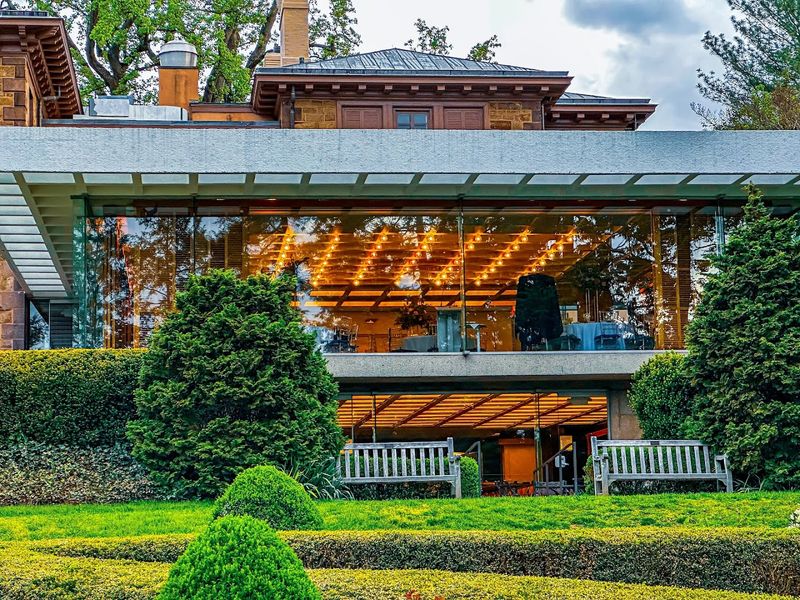
Campus dining at Princeton is not what most people expect when they think of university cafeterias. The residential dining halls here are architectural stunners, with soaring ceilings, dark wood paneling, and the kind of ambiance that makes even a Tuesday lunch feel like an occasion.
Rockefeller and Mathey Colleges offer some of the most visually dramatic dining spaces on any American campus.
The food itself reflects Princeton’s commitment to quality. Locally sourced ingredients, rotating seasonal menus, and a genuine variety of options make every meal feel considered rather than rushed.
Vegetarian and plant-based options appear throughout the menus without feeling like afterthoughts.
Visitors to campus often find themselves peeking through dining hall windows, slightly envious of the students inside. Some dining spaces are accessible during public events and open house days, which is absolutely worth planning around.
The combination of Gothic architecture overhead and a warm, hearty meal in front of you creates a dining experience that feels genuinely memorable. Food at Princeton is not just fuel for studying.
It is part of the campus culture, tied to community, history, and the everyday rhythm of one of America’s greatest universities.
Palmer Square: Where Town and Gown Share a Plate
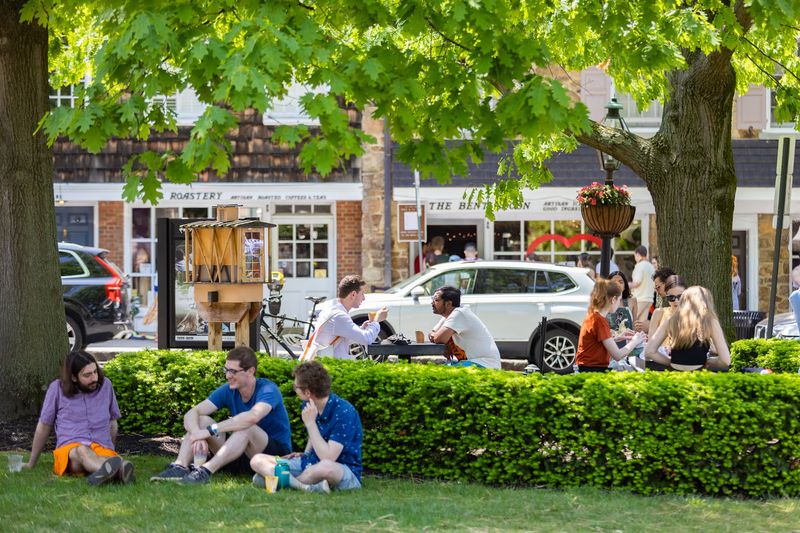
Right at the edge of campus, Palmer Square is where Princeton’s academic world blends seamlessly into its vibrant small-town food scene. This charming brick plaza is lined with restaurants, cafes, and specialty food shops that have been drawing both locals and visitors for decades.
The energy here is relaxed but lively, the kind of place where you naturally slow your pace.
Brunch spots fill up on weekend mornings with a mix of students, professors, and families from surrounding towns. The aroma of freshly brewed coffee and warm pastries drifts out of cafe doorways before you even reach the entrance.
Several restaurants here focus on farm-to-table cooking, reflecting New Jersey’s rich agricultural heritage.
Palmer Square also hosts seasonal food events and outdoor markets that bring the community together around shared meals and local produce. Finding a table at one of the outdoor dining patios on a warm afternoon, with the historic Nassau Inn in the background and the sounds of the town square around you, is a genuinely lovely experience.
This is not a tourist trap dressed up as a town center. It is an authentic gathering place where good food and good company have been the main event for generations.
Princeton’s Gothic Architecture: A Walking Tour You Will Not Forget
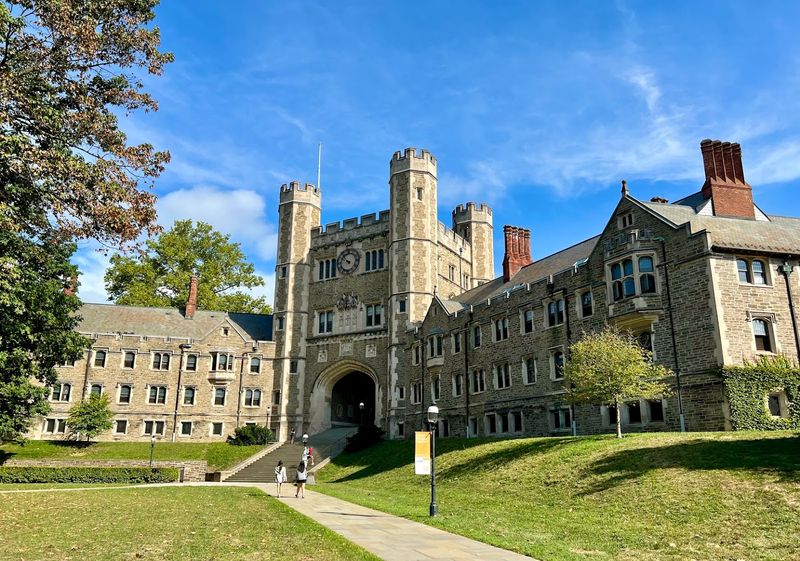
Walking through Princeton’s campus without stopping every few minutes to look up is basically impossible. The Gothic Revival architecture here is so consistent, so beautifully maintained, and so completely committed to its aesthetic that the whole campus feels like a single unified work of art.
Blair Arch alone is worth the trip from anywhere in New Jersey.
The stone carvings, pointed arches, and ivy-draped facades create a visual atmosphere that shifts with every season. In autumn, the combination of orange leaves against gray limestone is almost aggressively picturesque.
In winter, the empty paths and bare vines give the campus a quieter, more contemplative beauty.
Self-guided walking tour maps are available through the university, making it easy to hit the architectural highlights at your own pace. Many of the buildings date back to the late 1800s and early 1900s, each with its own story embedded in the stonework.
Bringing good walking shoes and a camera is all you really need. The architecture here does not require explanation or context to impress.
It simply exists with a confidence and permanence that reminds you why Princeton has been drawing visitors for well over two centuries.
Firestone Library: A Temple of Knowledge Worth Visiting
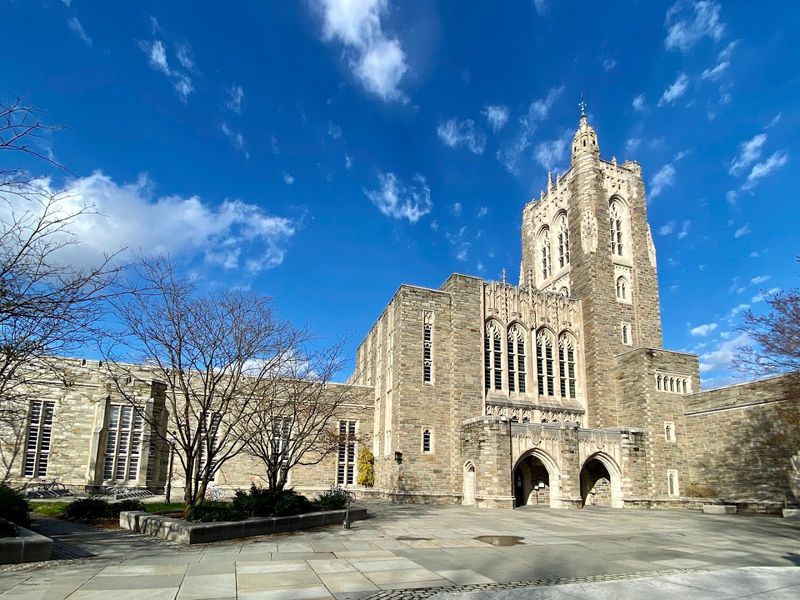
Firestone Library is one of the largest university libraries in the world, and walking toward it for the first time, you feel that scale before you even reach the entrance. The building stretches across a significant portion of the central campus with a quiet authority that is hard to describe but impossible to miss.
It opened in 1948 and has been expanded thoughtfully several times since.
Inside, the collections include millions of books, manuscripts, maps, and rare documents that span centuries of human knowledge. The reading rooms are some of the most beautiful study spaces in America, with high ceilings, natural light, and an atmosphere of focused purpose that somehow feels welcoming rather than intimidating.
Visitors are welcome in public areas of the library, and the building itself is worth exploring for its architecture and the sheer sense of accumulated intellectual history it radiates. Grabbing a coffee from a nearby campus cafe before stepping inside makes the experience feel even more complete.
There is something grounding about spending time in a space this devoted to learning and preservation. Firestone Library is not just a building.
It is a physical reminder of why Princeton has shaped so much of American academic and cultural life.
Princeton Battlefield State Park: History Served Fresh
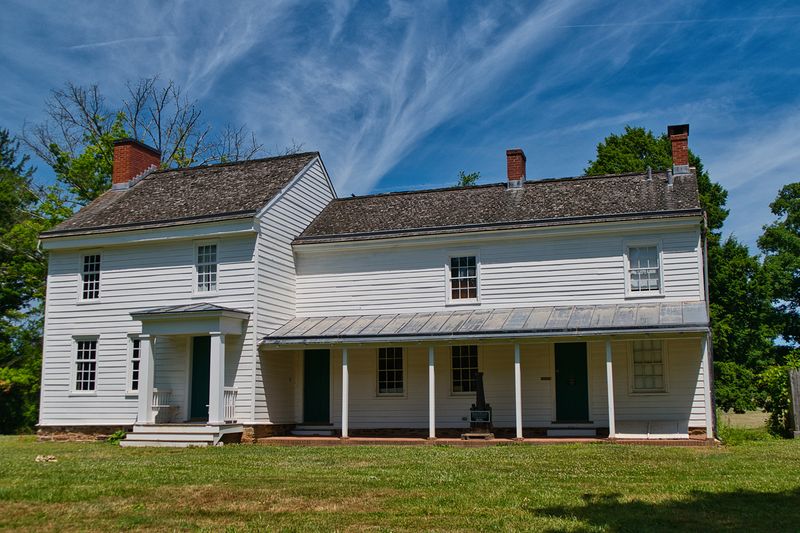
Just a short drive from the main campus, Princeton Battlefield State Park preserves the site of one of the most important engagements of the American Revolutionary War. The Battle of Princeton took place on January 3, 1777, and the open fields here still carry a quiet intensity that makes the history feel immediate rather than distant.
This is not a reconstructed battlefield. It is the real ground where the fighting happened.
The park includes the Clarke House, an 18th-century farmhouse that served as a hospital during the battle and is now a museum. Walking the grounds with the farmhouse in view and the wide sky overhead gives you a sense of the landscape as it would have appeared to soldiers on that cold January morning.
Bringing a packed lunch from one of Princeton’s excellent delis or cafes and eating at one of the park’s picnic spots is a perfect way to combine the town’s food culture with its historical depth. The park is free to visit and open year-round.
It connects the campus experience to the broader story of Princeton’s role in American independence, adding another rich layer to what is already a deeply layered destination.
Dear Reader: This page may contain affiliate links which may earn a commission if you click through and make a purchase. Our independent journalism is not influenced by any advertiser or commercial initiative unless it is clearly marked as sponsored content. As travel products change, please be sure to reconfirm all details and stay up to date with current events to ensure a safe and successful trip.
