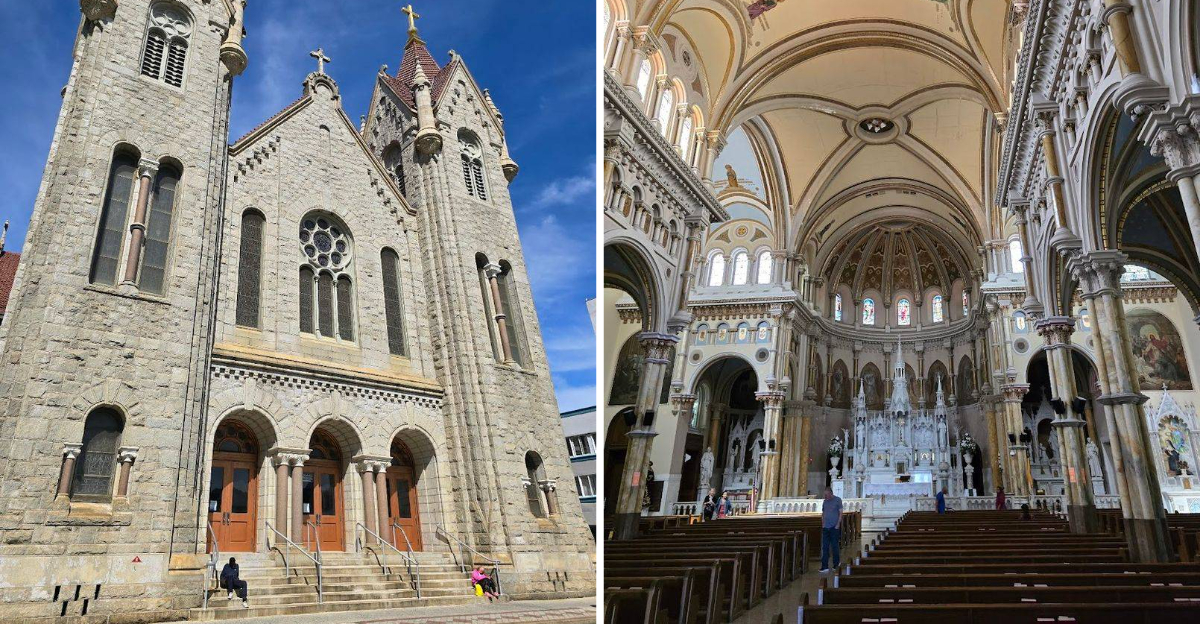
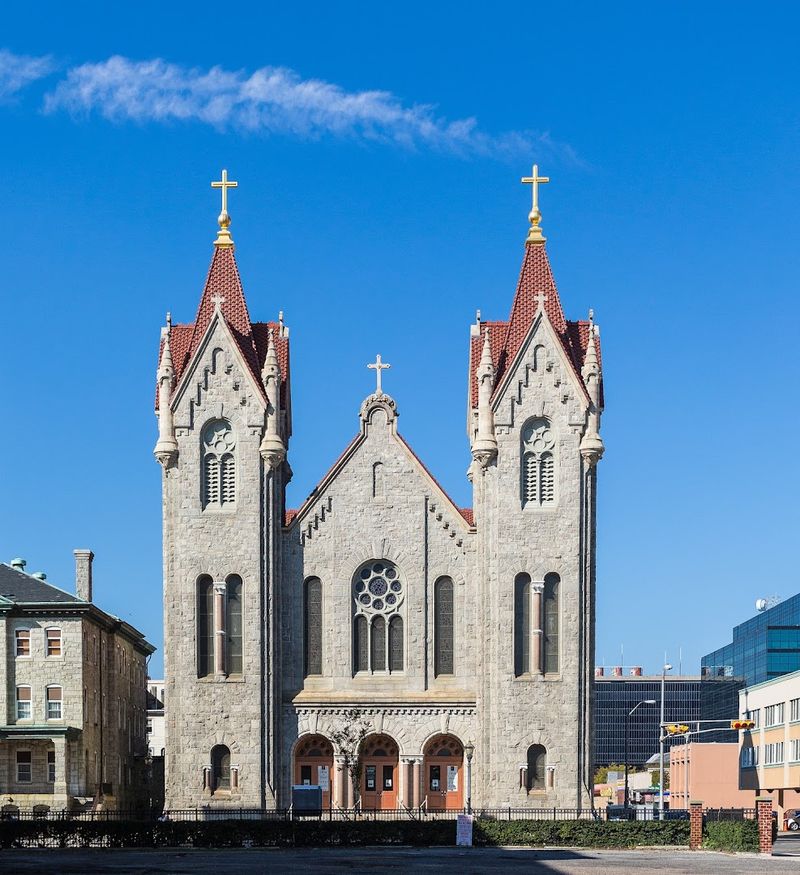
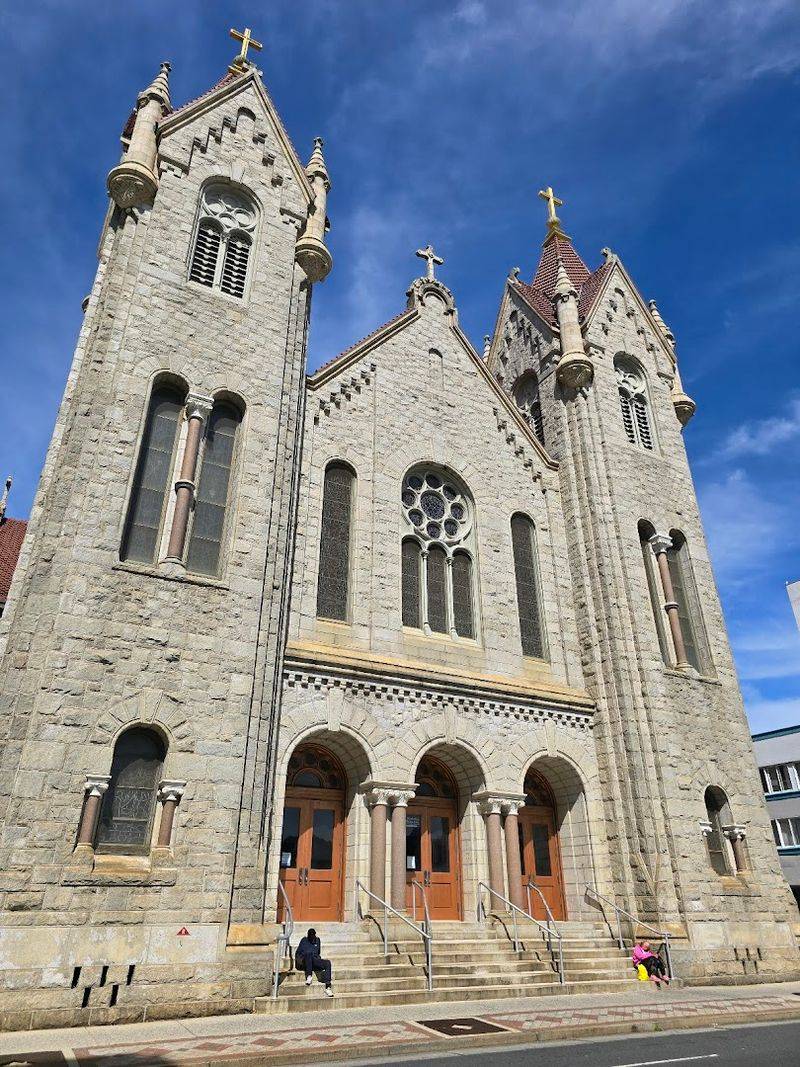
You would never expect to find a Frank Furness masterpiece in a New Jersey beach town, but here it stands with twin 120 foot spires reaching for the sky.
The legendary architect designed only one church in the entire state, and this is it.
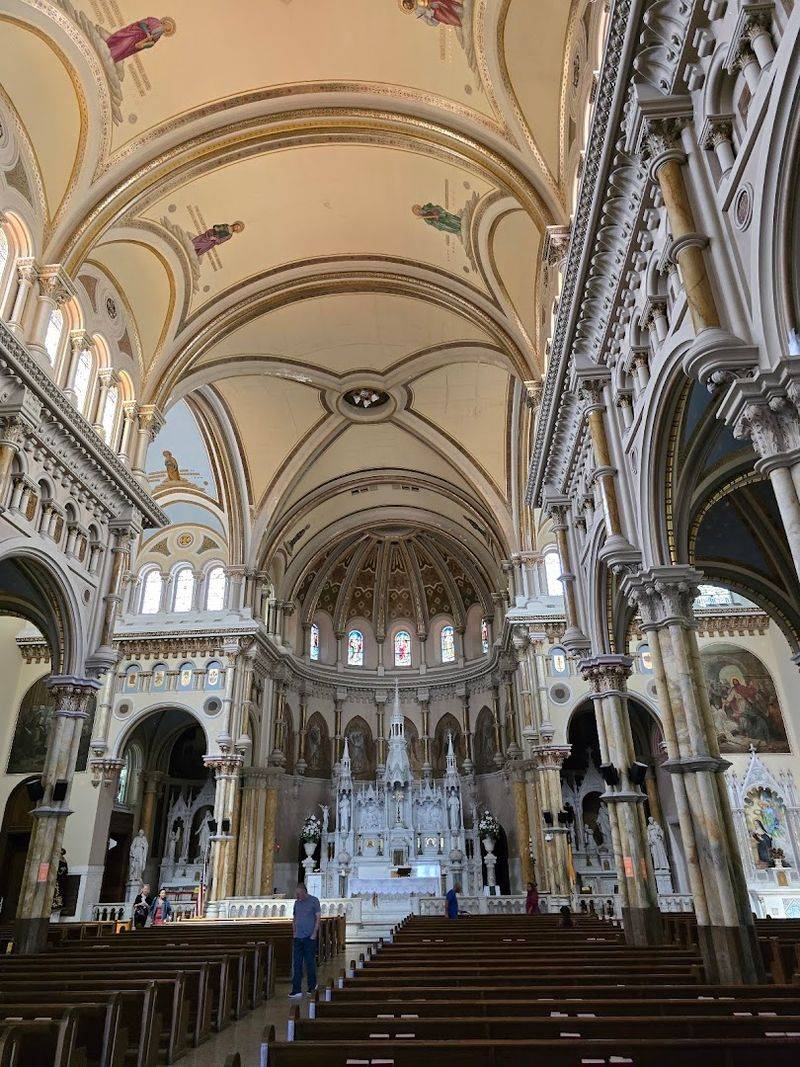
Inside, five marble altars and over a hundred stained glass windows create the kind of quiet grandeur that stops you mid step.
Enrico Caruso once sang here, drawn by acoustics so perfect that his voice reportedly filled every corner without effort.
A true Jersey Shore treasure hiding in plain sight, and Sunday tours welcome anyone curious enough to walk through the doors.
The Romanesque Revival Architecture That Stops You Cold
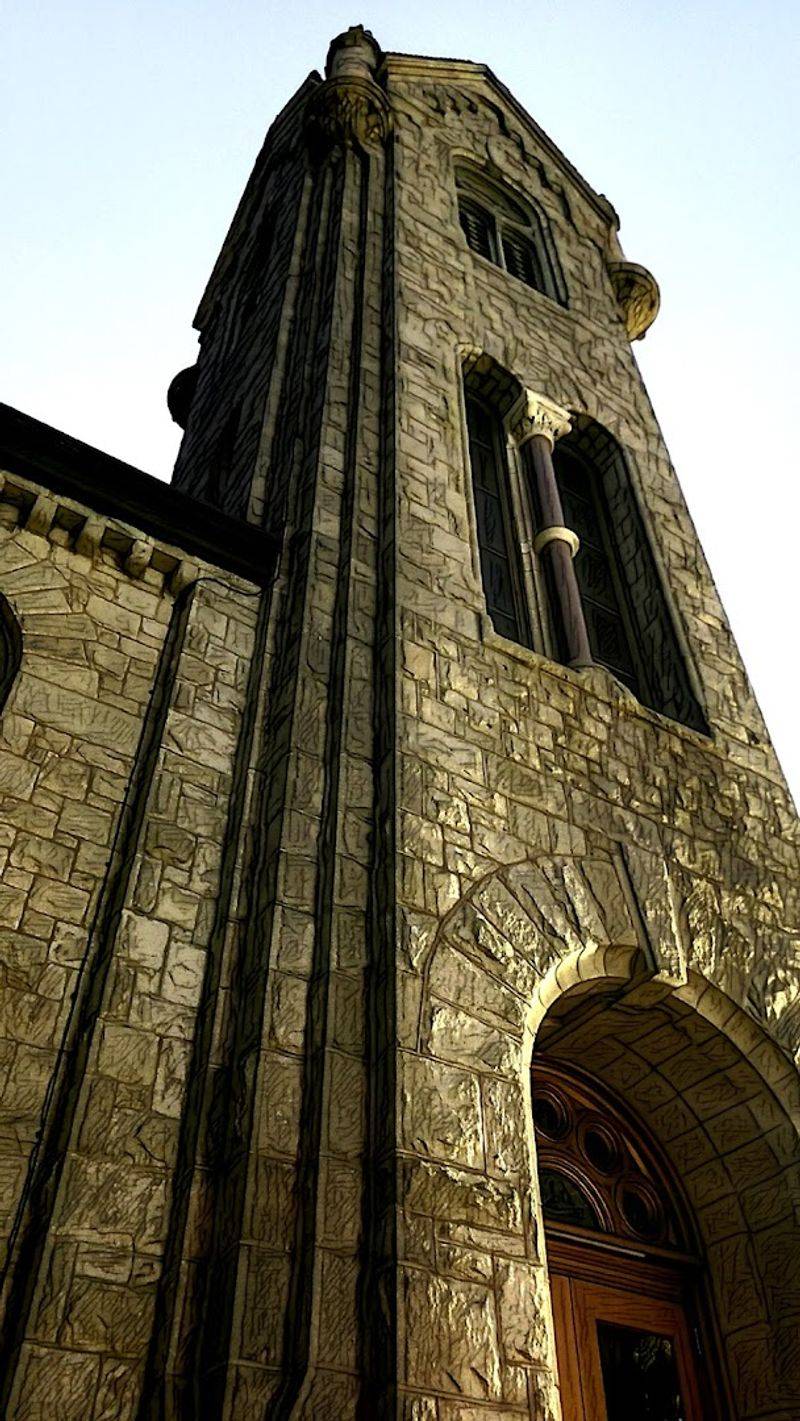
Walking up to this building for the first time feels like stumbling onto a movie set. The stonework is heavy and deliberate, with rounded arches stacked above the entrance in a way that feels almost ancient.
Every surface seems to have a purpose, carved with intention rather than decoration for its own sake.
Romanesque Revival architecture relies on thick walls, semicircular arches, and a sense of solid permanence. St. Nicholas of Tolentine Church delivers all of that with serious conviction.
Built in 1905, the structure carries more than a century of Atlantic City history in its walls.
Standing on Pacific Avenue and looking up, the sheer scale of the building is genuinely surprising. It does not feel like something that belongs next to modern hotels and casinos, which is exactly what makes it so striking.
The contrast between old stone and glittering neon somehow works beautifully in this city.
The 120-Foot Towers That Anchor the Atlantic City Skyline
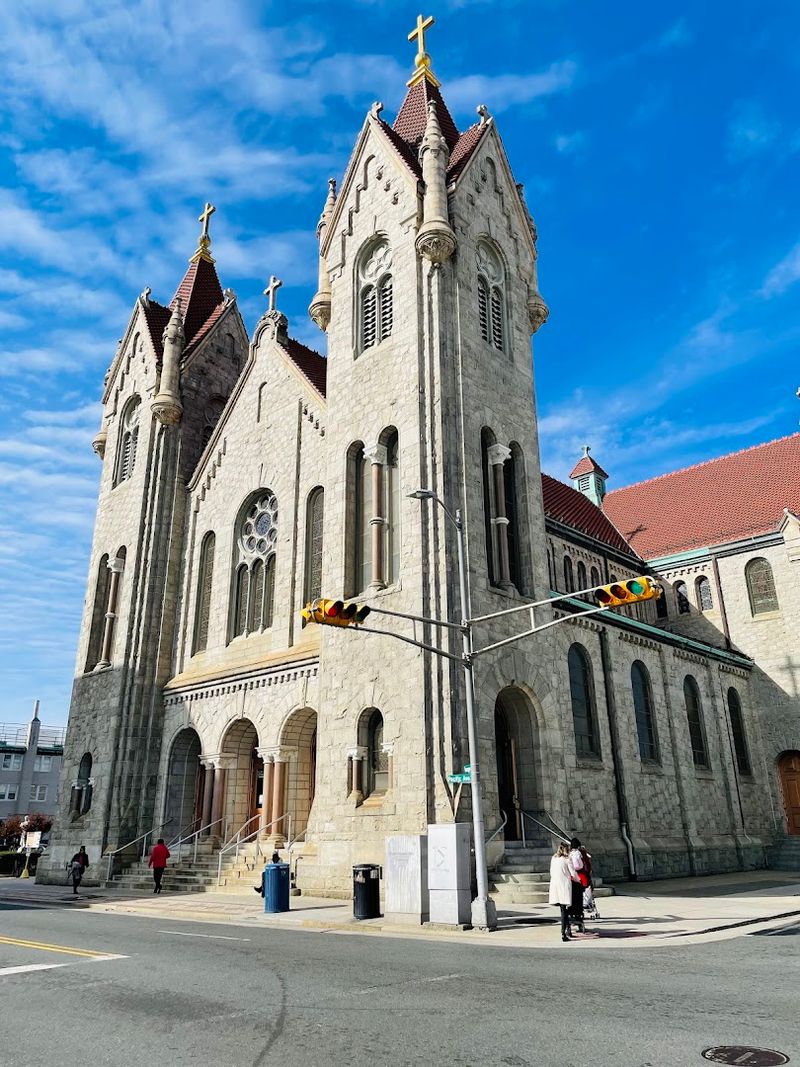
Those towers are not subtle. Rising roughly 120 feet above Pacific Avenue, they serve as an unmistakable landmark in a city full of flashy competition.
From several blocks away, the towers cut a clean silhouette against the sky that makes you want to walk toward them.
Height in church architecture has always carried meaning. Towers were built to draw the eyes upward, to remind people passing by that something significant stood here.
In Atlantic City, that message still lands with full force more than a hundred years after construction.
The craftsmanship visible on the tower faces is worth a slow, careful look. Stone details near the upper levels include decorative elements that required serious skill to execute.
Most visitors rush past without tilting their heads back far enough to catch the finer work near the top.
Bring a moment of patience and just stand there. The towers reward it.
Few buildings in New Jersey deliver this kind of quiet architectural drama from a public sidewalk.
The Frank Furness Connection That Makes Architectural Fans Excited
Frank Furness built a reputation in Philadelphia that architecture students still study today. His style was bold, ornamental, and stubbornly original, mixing Gothic and classical elements in ways that made people uncomfortable and then, eventually, deeply impressed.
His influence stretched across churches, banks, and libraries throughout the region.
The connection to St. Nicholas of Tolentine Church represents a fascinating thread in New Jersey architectural history. Furness-influenced design carried specific hallmarks, including expressive stonework, dramatic proportions, and decorative flourishes that refused to be ignored.
Spotting those qualities in this Atlantic City church adds a layer of discovery to any visit.
For anyone who has spent time exploring Furness buildings in Philadelphia, stepping inside this church carries a recognizable feeling. The visual language feels familiar in the best possible way.
It is the kind of architectural kinship that makes history feel alive rather than like something trapped in a textbook.
The building stands as a rare example of that design tradition in New Jersey, making it genuinely special for anyone paying attention.
The 142 Stained-Glass Windows That Transform Interior Light
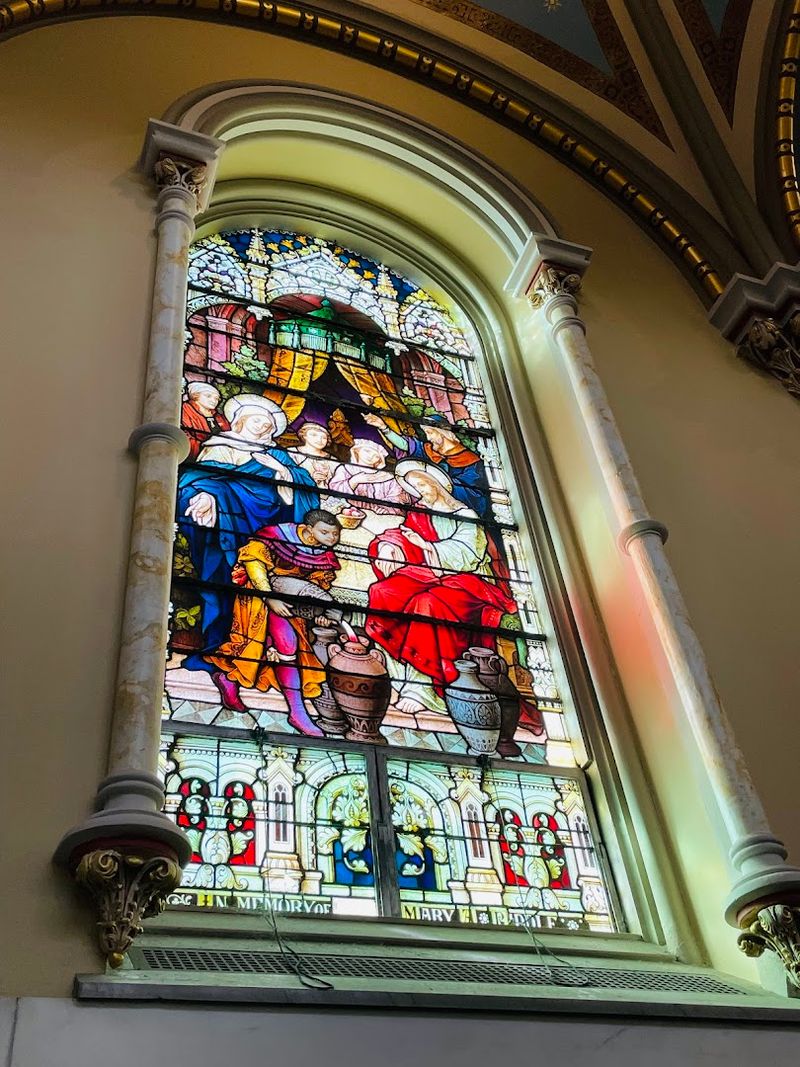
Sunlight through stained glass does something to a room that is almost impossible to describe accurately. Inside St. Nicholas of Tolentine Church, that effect is multiplied across 142 individual windows, each one handcrafted in Germany and Philadelphia.
The result is an interior that shifts mood as the sun moves across the sky throughout the day.
Each window tells a story or represents a symbol, layering meaning onto beauty in a way that rewards careful attention. Visitors who take time to move slowly through the space start picking out details that a quick glance would completely miss.
The color combinations alone are worth the visit.
Handcrafted glasswork of this quality is increasingly rare. The artisans who produced these windows worked in a tradition that required years of training and an almost obsessive attention to color mixing and lead placement.
Knowing that history while standing beneath the windows gives the experience real depth.
Few interiors in New Jersey offer this density of visual richness in a single space. It genuinely earns the repeated five-star reactions from visitors.
The Restored 1916 Pipe Organ That Still Fills the Choir Loft
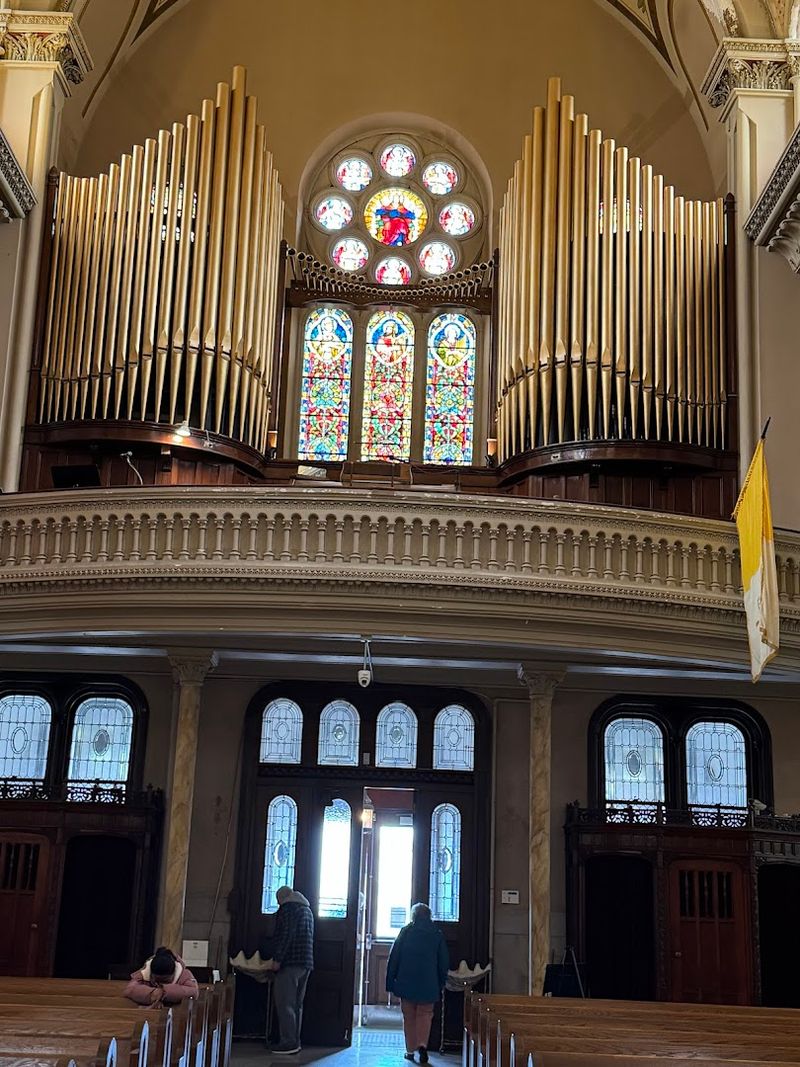
Pipe organs have a way of filling a room that no other instrument quite matches. The 1916 pipe organ at St. Nicholas of Tolentine Church has been carefully restored, and its presence in the choir loft adds a layer of historical significance that music lovers find genuinely exciting.
Organs of this age with this level of preservation are not common.
During services and special events, the instrument brings the entire space to life. Sound from a well-maintained pipe organ does not just reach the ears; it moves through the chest in a way that feels almost physical.
The acoustics of the church amplify that effect considerably.
Restoration work on historic organs is painstaking and expensive. The fact that this instrument has been preserved rather than replaced says something meaningful about the community’s commitment to the building’s heritage.
Every pipe, every key, every mechanical connection represents a decision to honor craftsmanship over convenience.
Catching the organ during a live performance here is the kind of experience that stays with a person long after leaving Atlantic City behind.
The Caruso Connection That Adds a Touch of Musical Legend
Atlantic City in its early years was a genuine entertainment capital, drawing performers and personalities from across the world.
The connection between St. Nicholas of Tolentine Church and the legendary tenor Enrico Caruso adds a layer of cultural history that feels almost cinematic.
Caruso was one of the most celebrated voices of the early 20th century, and his ties to Atlantic City are part of the city’s rich performance legacy.
Churches and music have always shared a deep relationship, and in a city where world-class performers once walked the boardwalk regularly, it makes sense that those worlds would occasionally intersect. The idea of a voice like Caruso’s resonating in a space this beautiful is easy to imagine and hard to shake.
That kind of historical proximity to greatness gives the church an extra dimension beyond its architecture. It becomes part of a larger Atlantic City story, one that includes art, performance, and community all woven together.
History here is not just about buildings; it is about the people who moved through them.
The Five Altars That Showcase Sacred Craftsmanship Up Close
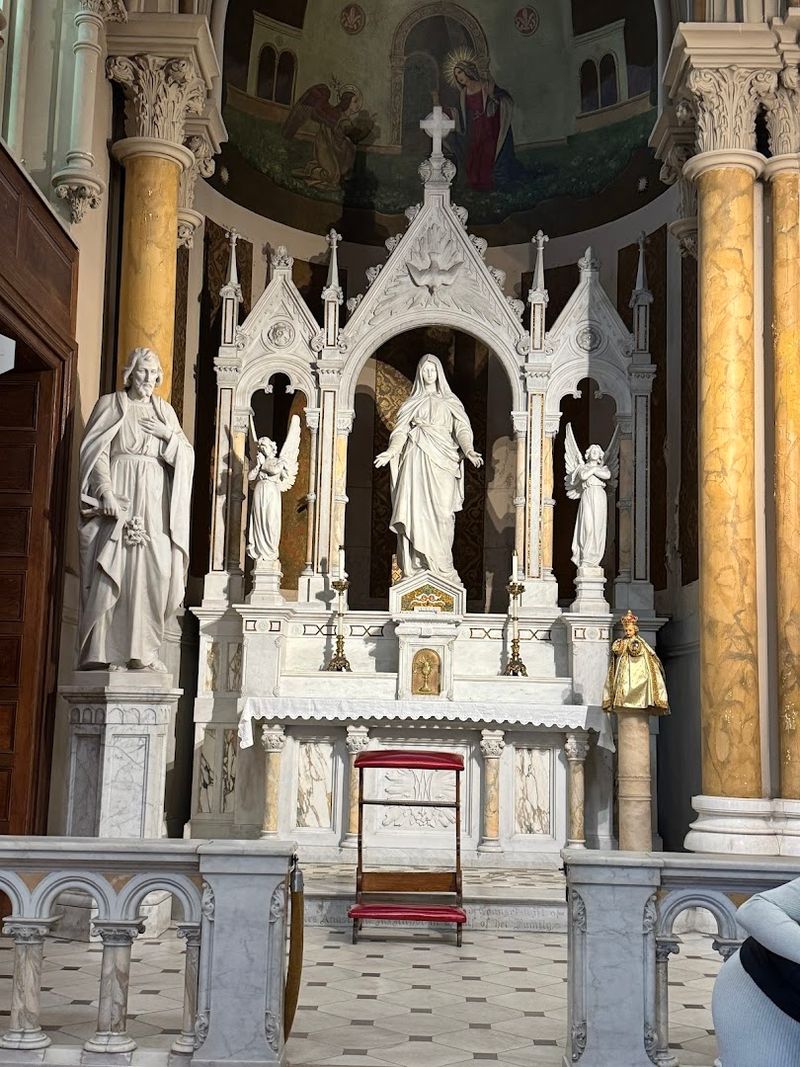
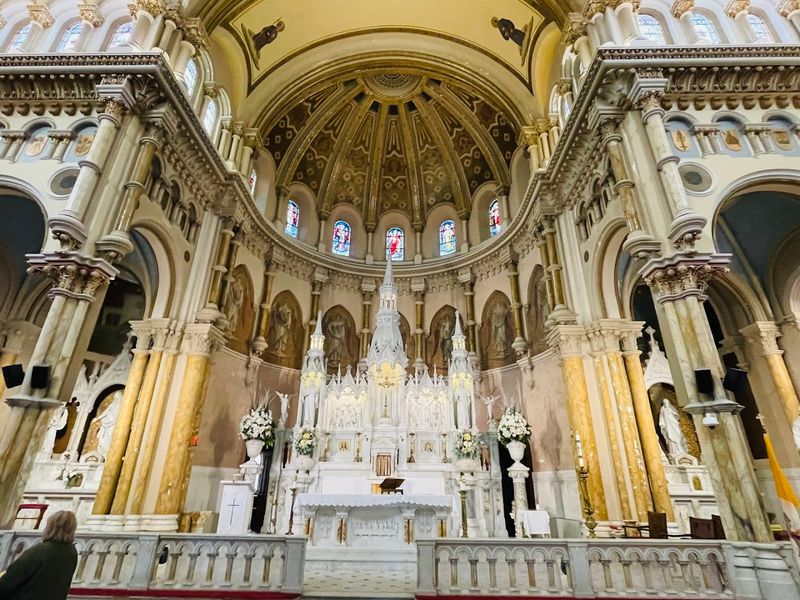
Five altars inside one church is not something you encounter every day. Each altar at St. Nicholas of Tolentine represents a distinct artistic and spiritual statement, and together they create an interior that feels layered and generous rather than overwhelming.
Moving from one to the next is like visiting five small galleries within a single building.
The craftsmanship visible in the altar details reflects a period when skilled artisans took enormous pride in religious work. Carved surfaces, inlaid materials, and carefully chosen proportions all signal that these pieces were made to last centuries, not decades.
That intention is still visible today.
Altars serve as the focal points of Catholic worship, so their design carries theological weight alongside aesthetic beauty. Understanding that dual purpose while standing in front of them adds meaning to what might otherwise feel like admiring furniture.
Context transforms the experience completely.
For visitors who appreciate fine craftsmanship regardless of religious background, the five altars offer a genuinely compelling reason to slow down and look carefully at every surface within reach.
The Weekly Tours That Open Up the Church’s Layered History
Some buildings only reveal themselves slowly, and St. Nicholas of Tolentine is absolutely one of them. The weekly tours offered here are designed to peel back the layers, connecting visitors to the historical, artistic, and theological stories embedded in every corner of the structure.
Going in without a guide means missing most of what makes the place extraordinary.
Tour guides bring context that transforms a beautiful room into a living document of Atlantic City history. Learning which windows were made in Germany versus Philadelphia, or understanding why the 52 Passion symbols were placed where they are, changes how the whole interior reads.
Details that seemed decorative suddenly carry real meaning.
For anyone who enjoys history presented in a human, accessible way, this tour format works beautifully. It never feels like a lecture.
It feels more like having a knowledgeable friend walk you through somewhere they genuinely love.
Checking tour availability before visiting is worth the extra step. Weekend timing tends to offer the best access, and the experience is one that most visitors say they wished had lasted longer.
The Gift Shop and Community Spirit That Make It More Than a Monument
A church that has served its community for over a century tends to develop a life that extends beyond its walls. The gift shop at St. Nicholas of Tolentine carries religious goods, small historical exhibits, and a warmth that reflects the community’s ongoing investment in the space.
It is the kind of stop that surprises visitors who expected nothing more than a quick look around.
The parish has a long history of active outreach, including ministry programs and community drives that have made it a genuine neighborhood anchor. That spirit of engagement is palpable even on a casual visit.
Buildings absorb the energy of the people who love them, and this one has absorbed a great deal.
Picking up something from the gift shop feels like a small act of participation in that ongoing story. It is a way of connecting to a place rather than just passing through it.
Travel works better when it includes moments like that.
St. Nicholas of Tolentine is proof that Atlantic City holds far more than its famous boardwalk.
Address: 1409 Pacific Ave, Atlantic City, NJ
