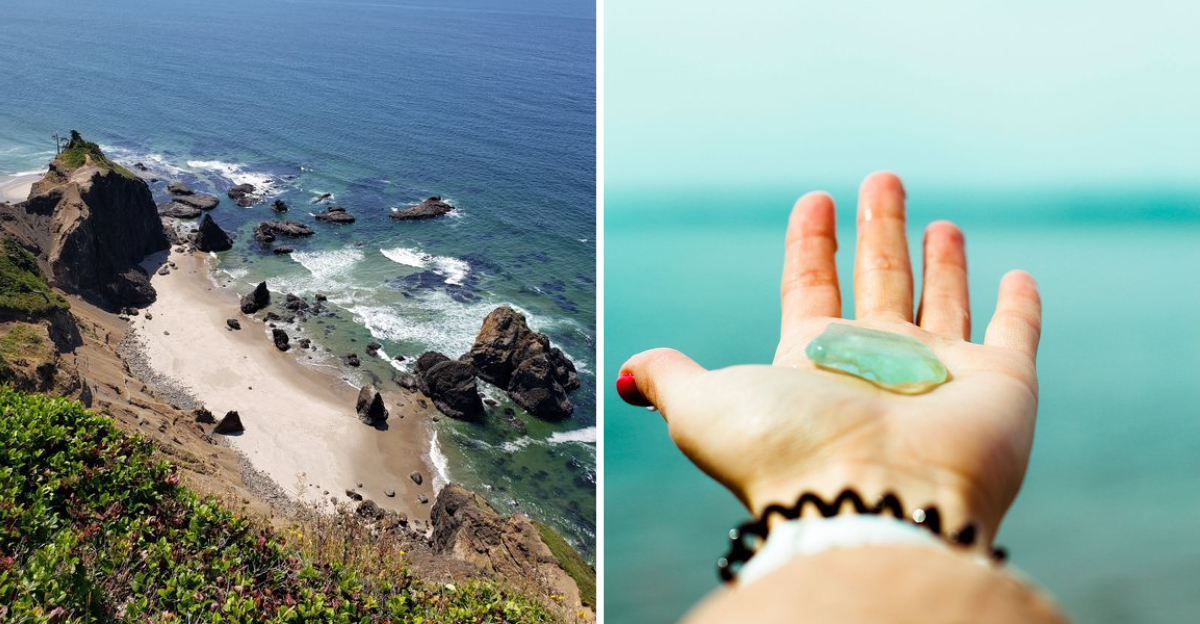
There’s something quietly thrilling about scanning the shoreline and spotting that smooth, frosted piece of glass glinting in the sunlight. This year, Oregon’s coast is proving especially generous. The winter storms have done their work, revealing treasures that were buried just months ago.
It turns a simple beach walk into a treasure hunt. You crouch down, scanning the gravel lines, and suddenly a piece catches your eye – soft green, pale blue, or maybe a rare amber. The quiet satisfaction of finding that perfect piece never gets old.
Pack a small bag and bring your patience. Oregon’s beaches are offering up their little gifts this year, and the best part is the hunt itself.
Why This Shoreline Keeps Handing Over Glass
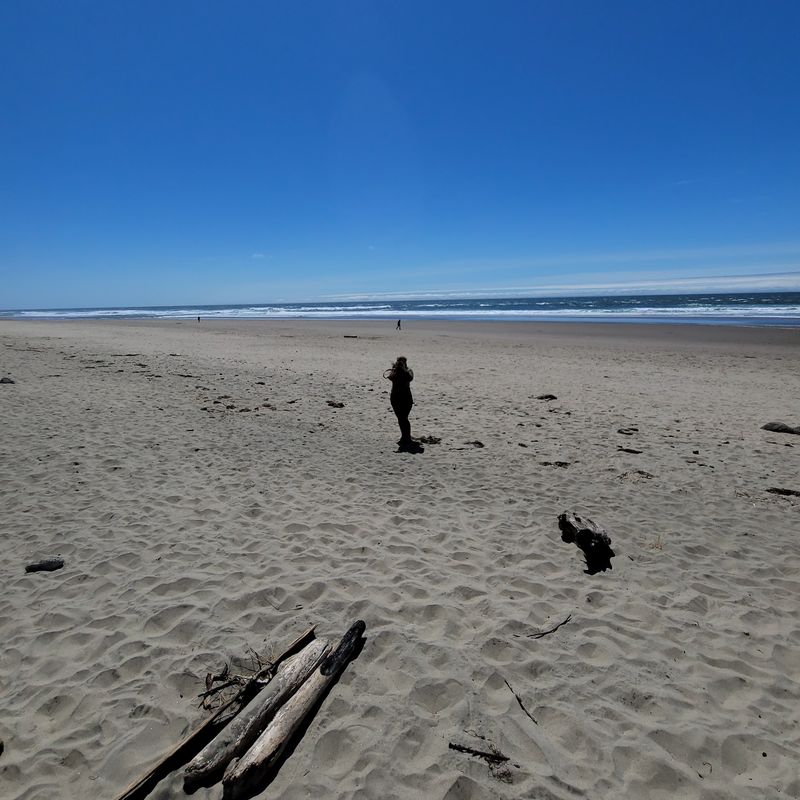
Sea glass gathers where the ocean has room to work, and Lincoln City offers plenty of it. Roughly seven and a half miles of open sand curve along the central coast, catching whatever the surf decides to deliver.
Most finds turn up in the gravel bands near the tideline, where pebbles, broken shell, and agate chips collect in loose stripes. Those stripes are the sweet spot. Scanning them slowly beats covering distance fast.
Colors lean toward white, soft green, and amber brown, with an occasional cobalt fragment that makes the entire walk feel worthwhile. Blue is uncommon enough that finders usually stop and hold it up against the sky.
Storm season churns up older glass buried offshore, which explains why cold months often outperform sunny July afternoons. Sand levels shift dramatically between seasons, exposing cobble beds that stay hidden the rest of the year.
Patience matters more than luck here. A small mesh bag, waterproof shoes, and a willingness to crouch a lot will usually be enough.
The D River Beach Where Most Hunts Begin
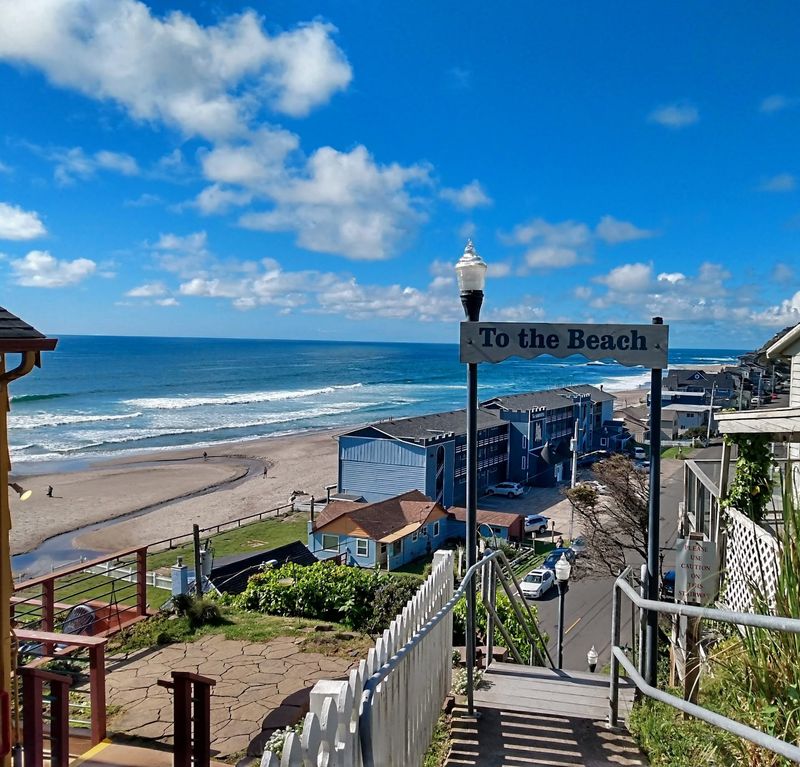
Few beach access points are as easy as the one at D River State Recreation Site, right off Highway 101 in the middle of town. The parking lot sits practically on the sand, which makes it a natural first stop.
The D River itself runs a famously short distance from Devils Lake to the Pacific, and where fresh water meets salt, sediment gets sorted into neat little bands. Those bands hold glass.
Look along the river mouth edges, where the current slows and drops whatever it carried. Small pieces settle there constantly.
Kites fill the sky above this stretch during festival weekends, so expect color overhead while your eyes stay glued to the ground. The contrast is oddly charming.
Restrooms and paved parking make it practical for families, and the flat approach works for anyone who would rather skip stairs and steep trails.
Arrive within an hour of low tide, walk north, then turn around and walk the same line back. Lighting changes, and so do the finds.
Roads End and Its Tucked-Away Cove
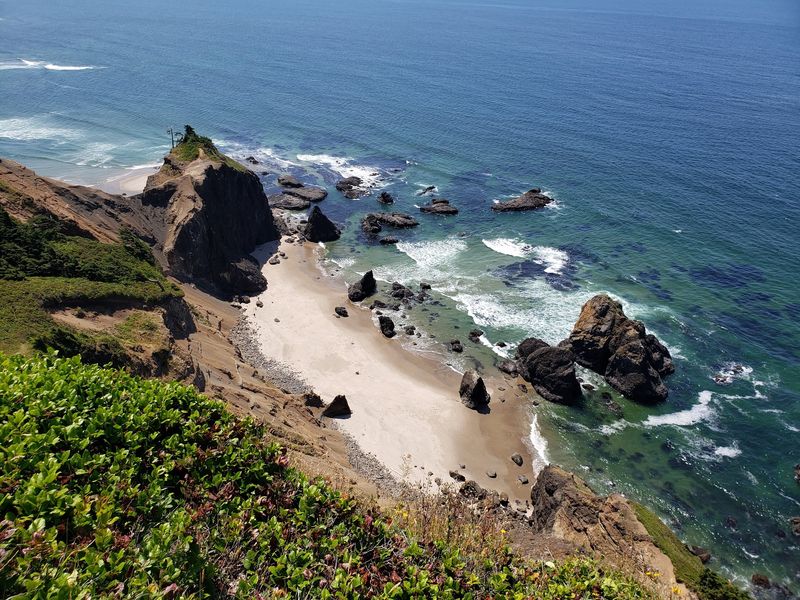
At the northern edge of town, Roads End State Recreation Site trades wide-open sand for something rockier and far more interesting. Tide pools sit exposed at low water, and small islands break the horizon just offshore.
The real prize is the hidden cove north of the main beach, reachable only when the tide drops far enough to clear the headland. Timing is everything. Getting caught on the wrong side of the rocks is a genuine risk, so check the chart twice before setting out.
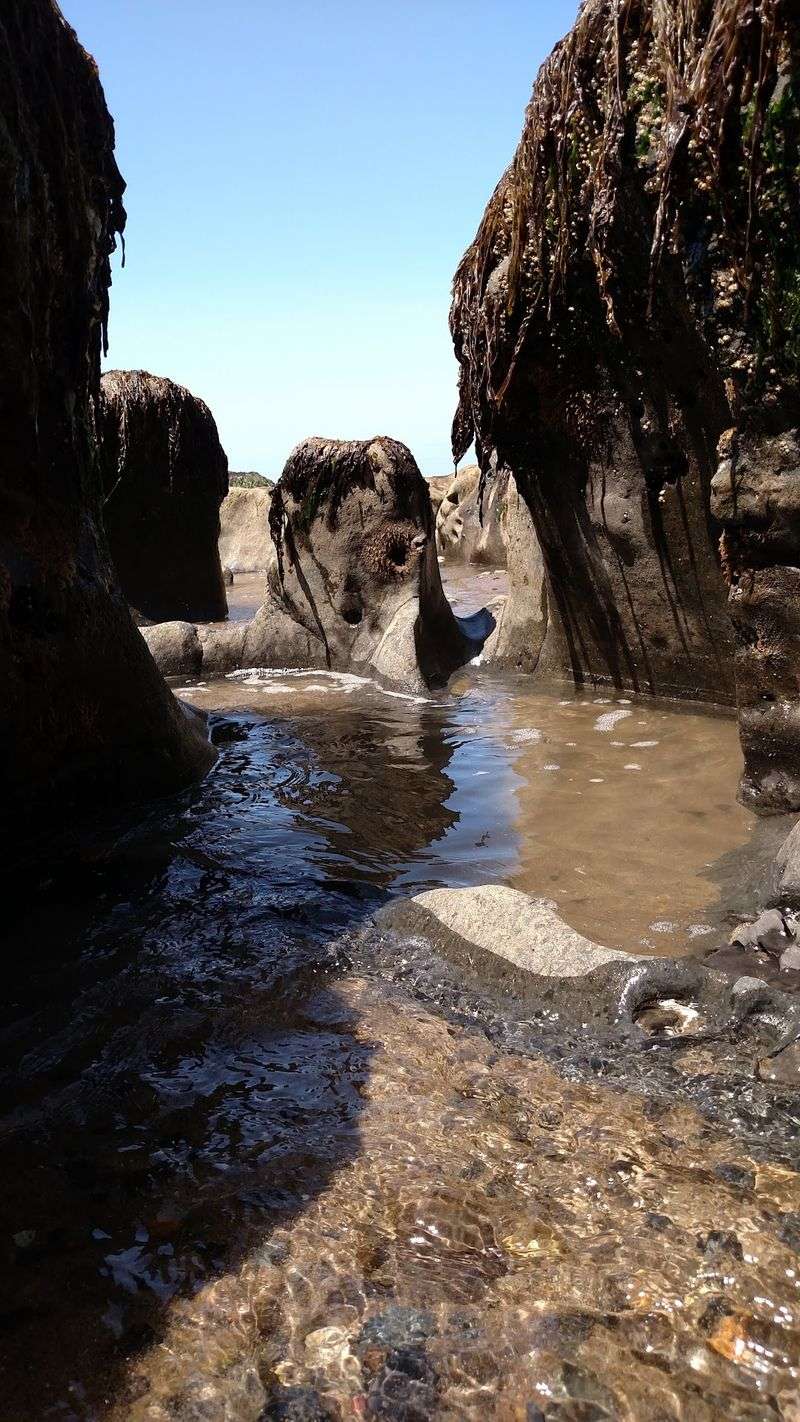
Cobble patches along the way trap glass beautifully, especially in the shallow pockets between boulders. Sea urchins, anemones, and clinging mussels fill the pools, which makes the hunt feel like two activities at once.
Parking sits at the end of Logan Road, and a short path drops down to the sand. Mornings tend to be quieter, with fewer footprints in front of you.
Bring gloves. The rocks are slick, the wind bites, and the cove rewards anyone who arrives prepared.
Siletz Bay and the Driftwood Side of Town
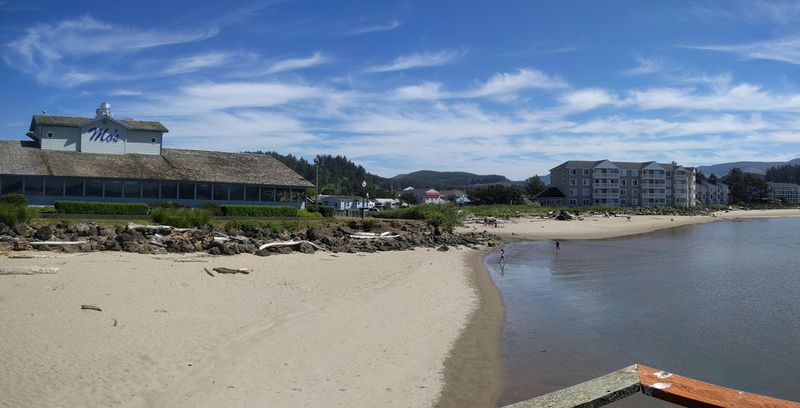
South of the main beaches, Siletz Bay changes the pace entirely. Huge silver driftwood logs pile up along the shoreline, and the water sits calmer than the open ocean just around the point.
Harbor seals often haul out on the sandbar across the channel, so binoculars earn their space in the bag. Watching them is free entertainment between searches.
Glass collects differently here. Instead of gravel stripes, pieces settle in quiet pockets behind logs and along the edges where bay meets beach, often smoothed to a soft, cloudy finish.
The Taft district sits right above the sand, with a walkable waterfront and easy access down to the shoreline near SW 51st Street. Wander, then double back.
Low tide widens the flats considerably, revealing crab shells, clam holes, and the occasional agate mixed among the stones.
Wind stays gentler on this side, which matters in February. Anyone who has been sandblasted on an open beach will appreciate the difference immediately.
Nelscott Beach for a Quieter Search
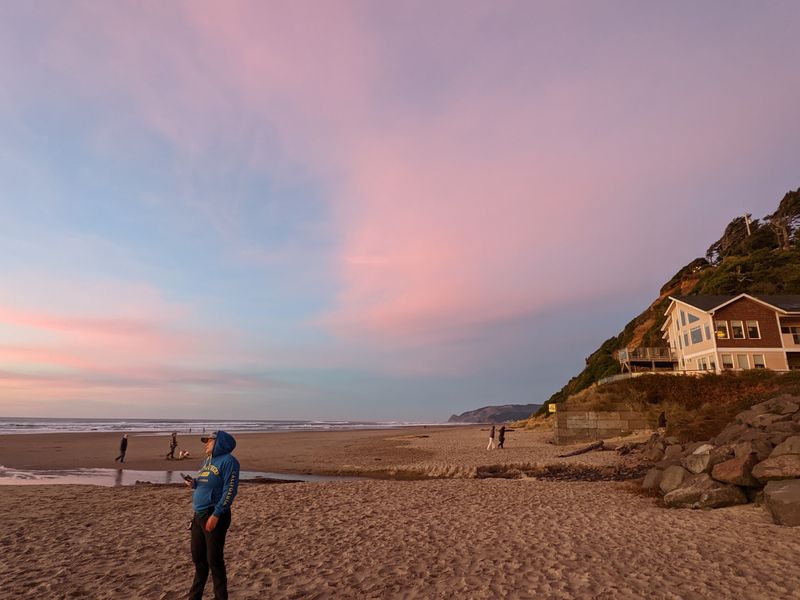
Stairs keep the crowds thin, and Nelscott benefits from that. The access points drop between bluffs in a residential stretch, so foot traffic stays lighter than the beaches near Highway 101 pullouts.
Cobble beds appear and vanish along this section depending on how the winter has treated the sand. When they show up, glass tends to follow.
Walking north from the access leads toward a long, uninterrupted run of beach with almost nothing but gulls for company. It is a good place to lose track of time.
The surrounding neighborhood keeps a small-town feel, with a handful of shops and cafes up near Highway 101 for warming up afterward. A hot drink after two hours of coastal wind feels like a reward.
Parking is limited to street spots, so arriving early helps.
Storm-watching season turns this stretch dramatic, with waves stacking up against the rocks at the south end. Stay well back from the water when swells are running high.
Timing the Tides Like a Local
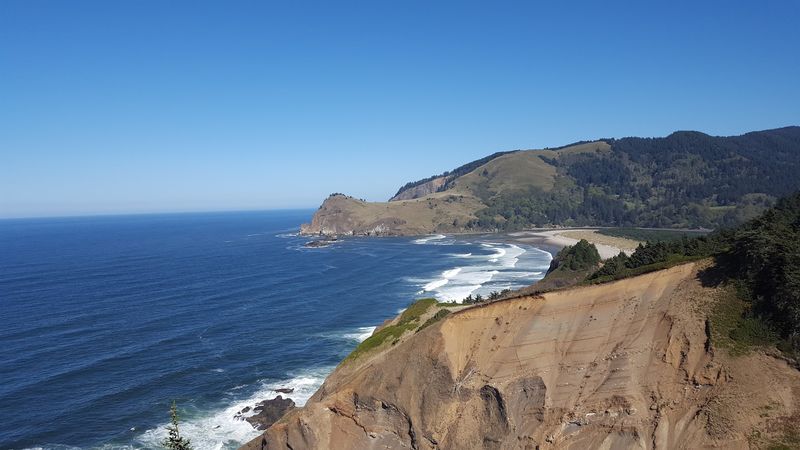
Tide charts do more for a sea glass hunt than any amount of enthusiasm. The two hours around low tide expose the gravel beds where glass hides, and a minus tide expands that window even further.
Best results usually come the morning after a storm, once the surf has finished rearranging the beach overnight. Fresh material sits on top before anyone else arrives.
Late fall through early spring brings the strongest wave action, which is why October to May outperforms the calm summer stretch. Cold hands, better hauls.
Wind direction plays a role too. Southwest storms tend to pile debris in different spots than a steady northwest swell, so a beach that felt empty last month can be loaded today.
Free tide apps and printed charts at local shops both work fine. Check the sunrise time as well, since low light makes frosted glass surprisingly hard to spot.
Never turn your back on the ocean. Sneaker waves along this coast are fast and unforgiving.
Finders Keepers and the Hidden Glass Floats
Here is the twist that sets this town apart. Local artists create handmade glass floats every year, and volunteers hide them along the public beaches for people to find and keep.
The program runs through the cooler months, roughly mid October into late May, with extra drops around holidays and special events. Each float is signed and numbered.
Rules stay simple. Floats are placed above the high tide line and below the beach embankment, never buried, never hidden in dunes or on private property.
Finders can register their float online to learn who made it, which turns a lucky morning into a small story worth telling. Some visitors come back year after year chasing one.
Colors range from swirled blues and greens to sunset oranges, and they catch the eye instantly against grey driftwood.
Nobody is guaranteed a find, and that is part of the appeal. Walking the beach with your head down suddenly has two possible payoffs instead of one.
Blowing Your Own Float at the Glass Studio
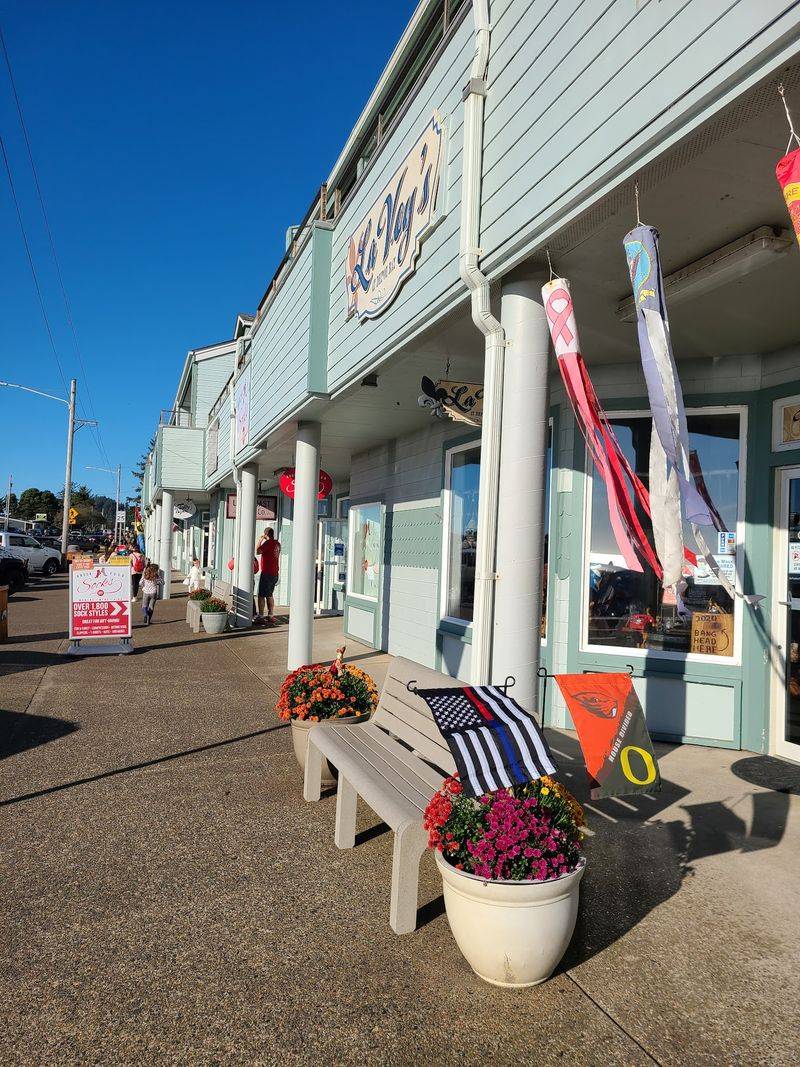
Not every visit ends with a float in hand, which is exactly why the local glass studio stays busy. Visitors can book a session and shape their own float, ornament, or small bowl with an instructor guiding every step.
Molten glass glows a startling orange as it comes out of the furnace. The heat radiates far enough that standing nearby feels like opening an oven door.
Sessions are short, usually well under an hour, and the finished piece needs time to cool before pickup or shipping. Color choices get made at the start, so think ahead.
Kids old enough to follow directions carefully can participate with supervision, and the results are always slightly lopsided in the best possible way.
Watching alone is worth the stop, since the studio floor is open and demonstrations happen throughout the day.
Reservations fill quickly during school breaks and holiday weekends.
Japanese Floats at the County Museum
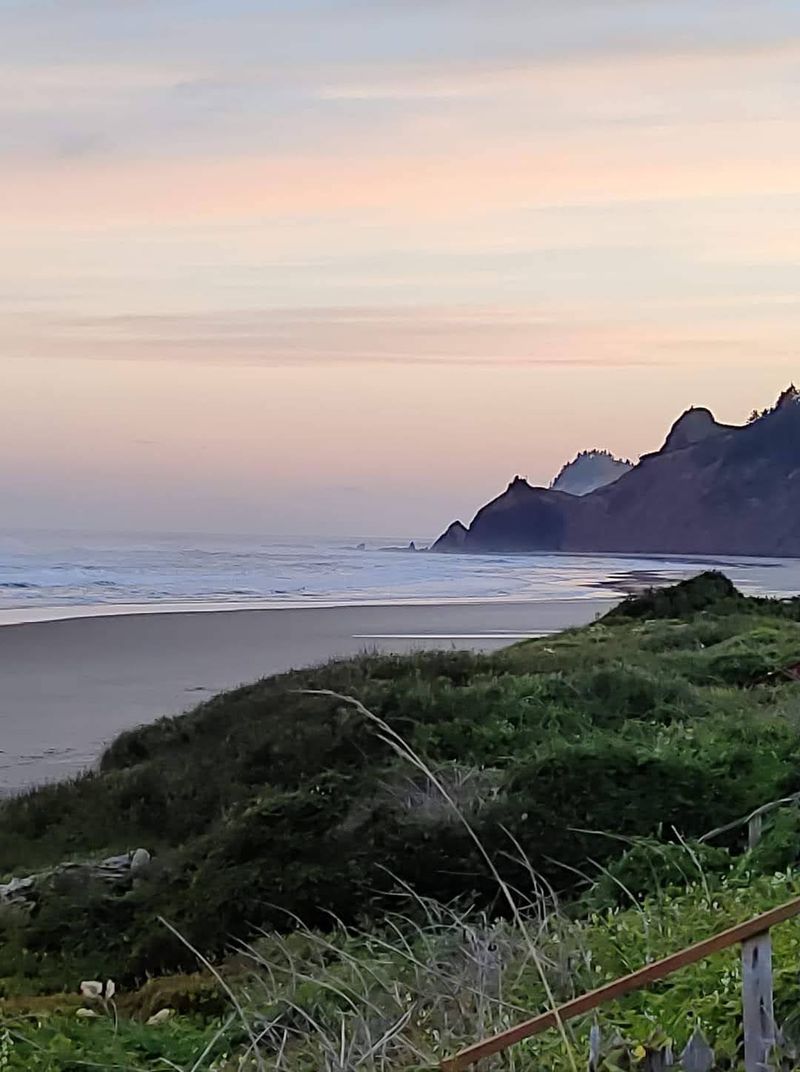
Long before artists started hiding floats on purpose, real ones drifted across the Pacific on their own. Japanese fishing fleets used hollow glass spheres to hold nets afloat, and currents carried strays to Oregon for decades.
The North Lincoln County Historical Museum keeps a notable collection of them, arranged so the range of sizes and greenish tints is easy to compare. Some are fist-sized, others considerably larger.
Exhibits also cover logging, fishing, and the small communities that merged to form the modern town. It fills an hour comfortably.
Seeing genuine antique floats sharpens the eye before heading back to the sand, since real ones look nothing like modern reproductions.
The building sits along Highway 101, making it a natural rainy-afternoon stop when the wind gets serious outside.
Volunteers staff the desk and know the local history well, so questions are welcome.
Hours vary by season, so checking ahead saves a wasted trip.
Packing Smart and Leaving the Beach Better
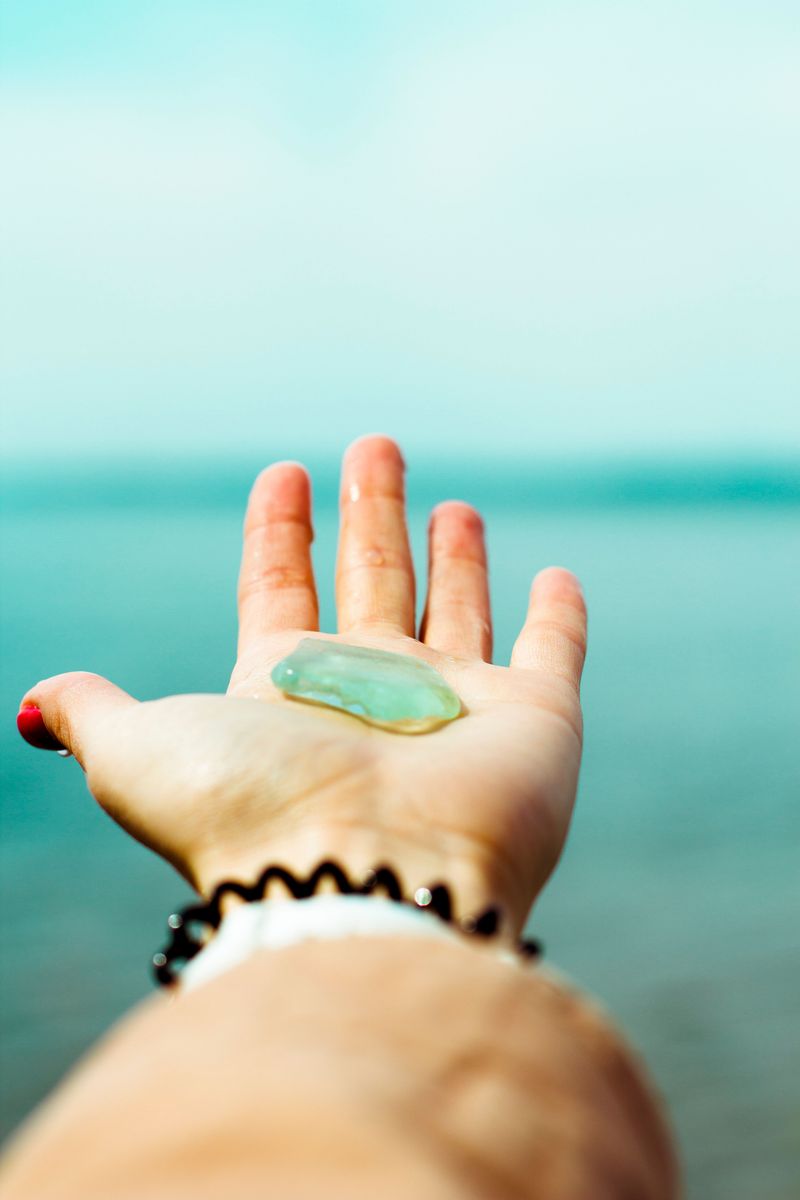
Gear makes or breaks a long morning on the sand. Waterproof boots, a windproof jacket, and a bag that drains water beat anything fashionable, and layers handle the coast switching moods without warning.
A small container keeps fragile finds from grinding against each other on the walk back. Rinse everything at home, since salt dulls the frost.
Devils Lake State Recreation Area sits just inland with trails and a campground, offering a calm alternative when the ocean turns wild. Warming up beside the lake after a windy beach walk works nicely.
Take only glass and leave living things where they belong, especially in tide pools where a single overturned rock can wreck a small ecosystem. Carrying out stray plastic is an easy habit that costs nothing.
Respect closures around nesting areas, watch the surf constantly, and give the beach the same attention it gives back. Go slow, look down, and let the tide set the schedule.
