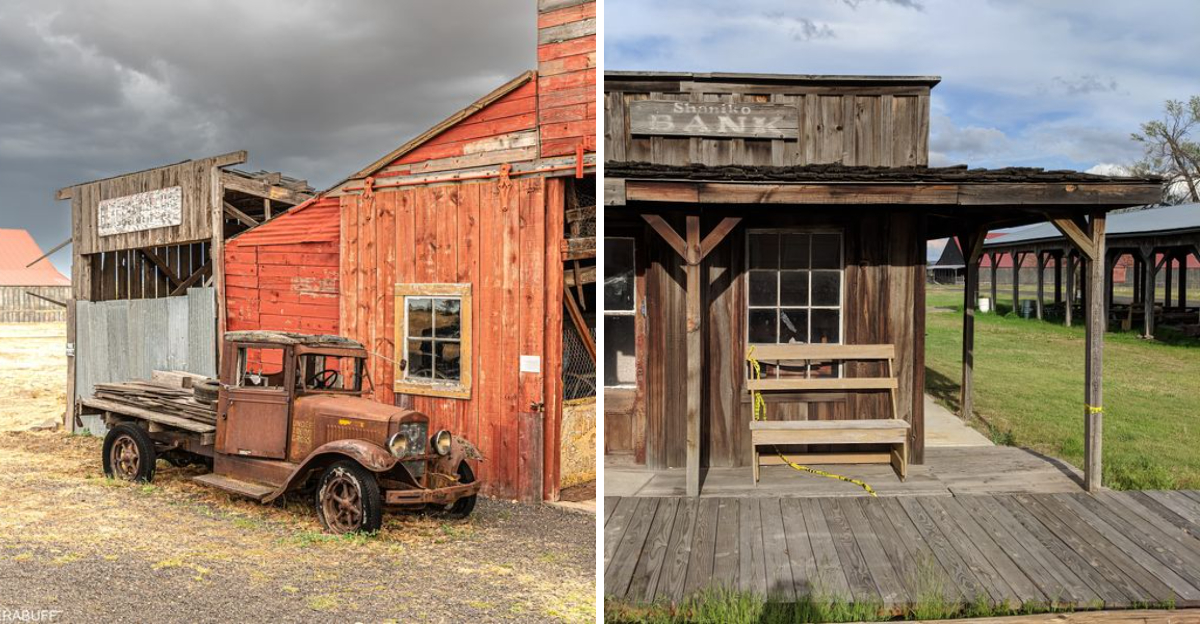
Shaniko sits frozen in time along Highway 97 in Oregon, a genuine ghost town that refuses to completely fade away. With only about 30 residents keeping watch over weathered wooden buildings and rusted relics, this tiny Wasco County settlement feels like stepping straight into an Old West movie set.
Back in the early 1900s, this place buzzed with activity as the “Wool Capital of the World,” shipping millions of pounds of wool and livestock across the country, but a railroad bypass in 1911 turned the boom into a bust almost overnight.
Now the empty streets and crumbling structures tell stories of a bygone era that you can actually walk through and photograph. Travelers speeding down the highway find themselves hitting the brakes when those iconic buildings come into view.
Why drive past when you can grab an ice cream, snap photos of vintage cars, and peek inside an authentic frontier jail? Shaniko isn’t just another roadside attraction; it’s a living museum where history practically reaches out and grabs you.
Ready to time travel without leaving your road trip route? This ghost town delivers more character in one square block than most modern cities manage in miles.
The Historic Shaniko Hotel Dominates the Skyline
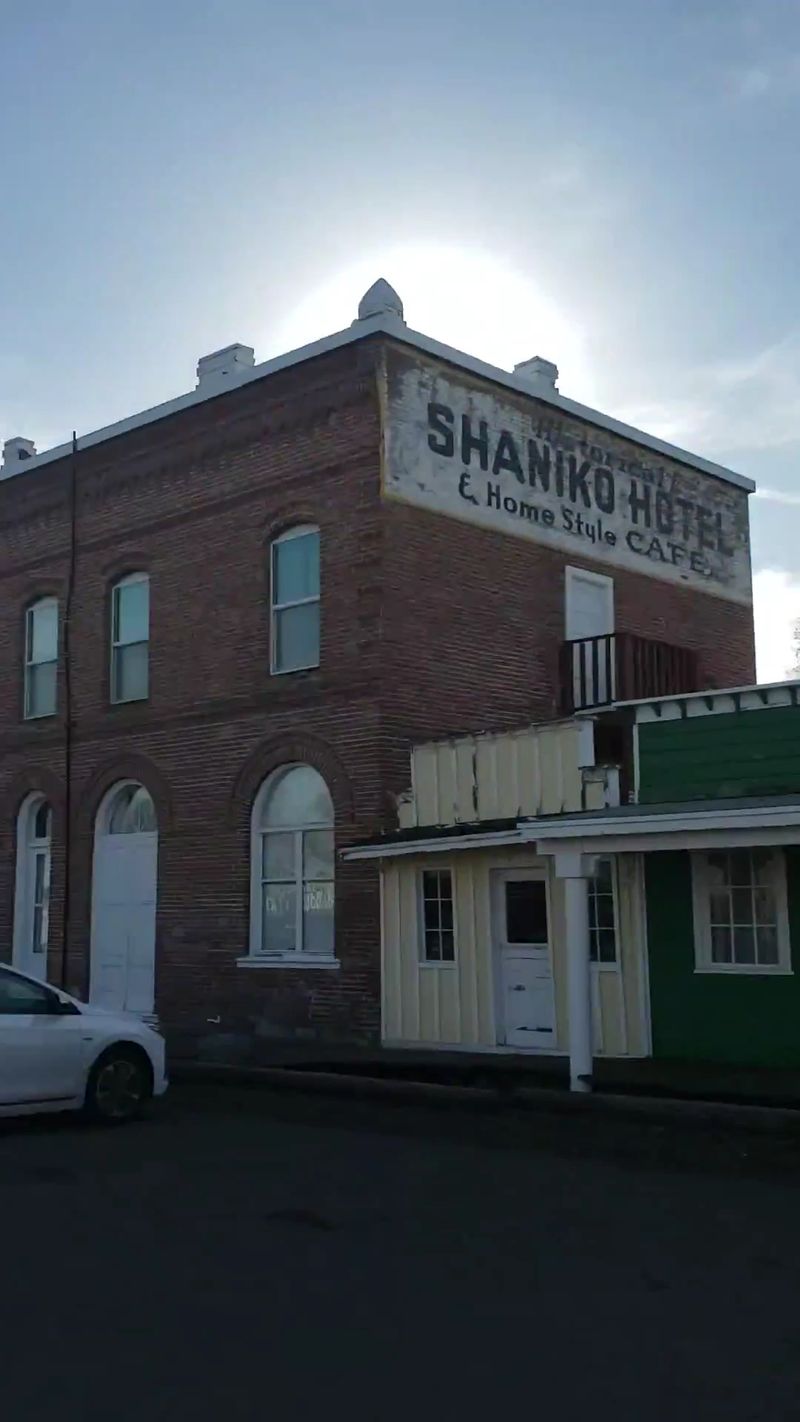
Standing tall in the center of town, the Shaniko Hotel commands attention with its imposing three-story frame and partially restored facade. Built during the town’s prosperous wool-shipping days, this structure once welcomed ranchers, railroad workers, and travelers passing through the high desert.
Portions of the building have been lovingly stabilized, while other sections retain their weathered, authentic charm that photographers absolutely adore.
Walking up to the hotel feels like approaching a movie set, except everything here is completely real. Peeling paint, vintage signage, and old-fashioned architectural details transport you straight back to the early 1900s.
The building’s sheer size reminds visitors just how significant Shaniko once was as a commercial hub in central Oregon.
Even if you can’t always go inside, the exterior alone provides endless photo opportunities and a tangible connection to frontier life. The hotel’s silhouette against the bright blue desert sky has become the town’s most recognizable landmark.
Every angle reveals another layer of history, from the wooden balconies to the classic Western storefront design that defined an entire era of American expansion.
Wool Capital of the World Heritage Lives On
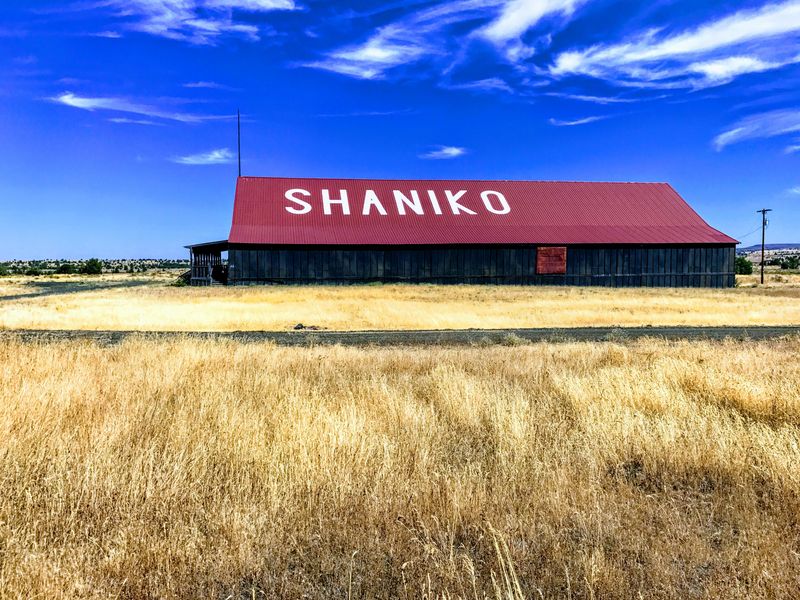
During its heyday between 1900 and 1911, Shaniko earned the impressive title of “Wool Capital of the World” by shipping staggering quantities of wool, livestock, and grain. Massive warehouses lined the streets, and the railroad depot hummed with constant activity as ranchers brought their products to market.
At its peak, millions of pounds of wool passed through this small Oregon settlement each year, making it an economic powerhouse in the Pacific Northwest.
The town’s prosperity attracted banks, hotels, saloons, and shops that served a population ten times larger than today’s handful of residents. Walking through Shaniko now, you can still spot remnants of those glory days in the layout of the streets and the grandeur of remaining structures.
Interpretive signs around town explain how the wool trade transformed this remote desert location into a thriving commercial center.
Understanding this history adds depth to your visit and helps explain why such impressive buildings exist in such an isolated spot. The wool heritage isn’t just a footnote; it’s the reason Shaniko exists at all and why preservation efforts continue today.
The Old Jail and City Hall Stand Sentinel
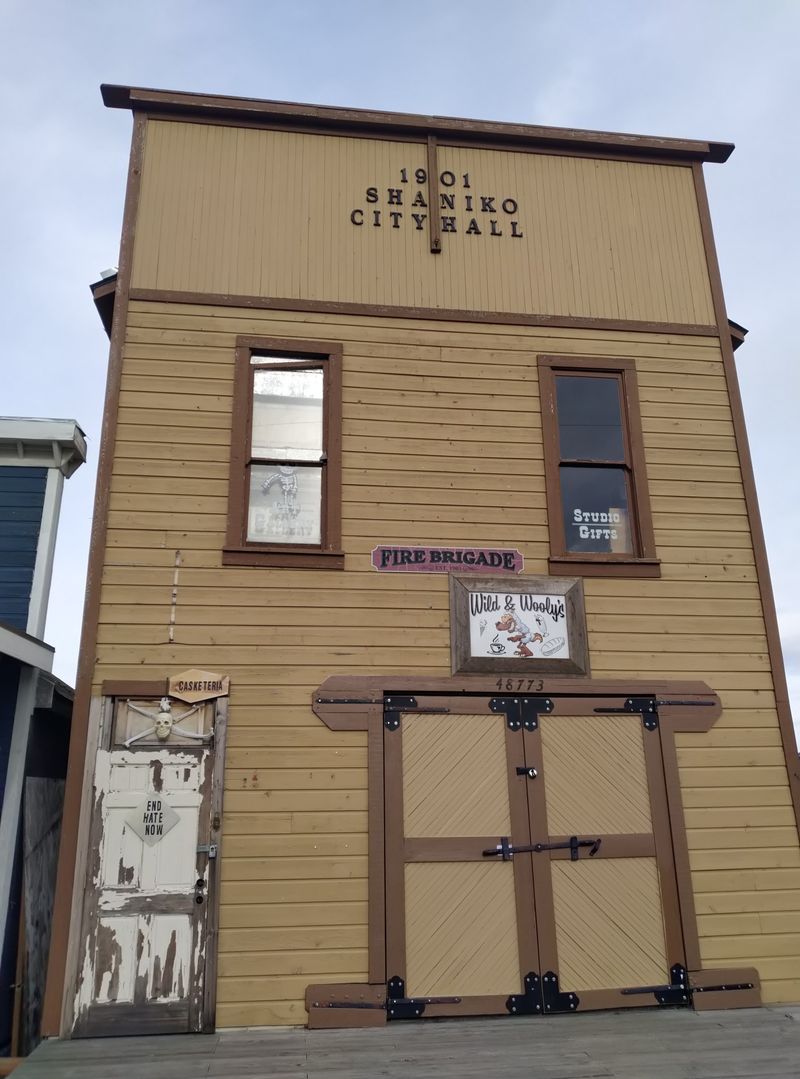
Frontier justice comes alive when you encounter Shaniko’s remarkably preserved jail and city hall complex. These authentic structures give visitors a rare glimpse into early 20th-century law enforcement on the Oregon high desert, complete with original cells, heavy doors, and the kind of no-nonsense construction that kept order in a rough-and-tumble boomtown.
The buildings haven’t been overly restored, which means you experience them much as they existed a century ago.
Peering through the barred windows or stepping inside transports you to an era when sheriffs dealt with cattle rustlers, rowdy railroad workers, and the occasional saloon brawl. The compact size of the jail cells surprises modern visitors accustomed to larger facilities.
Every detail, from the iron hinges to the wooden floorboards, speaks to the practical, sturdy craftsmanship of frontier builders.
City hall served as the administrative heart of a once-bustling community, hosting town meetings and official business that kept Shaniko running smoothly. Together, these buildings form a fascinating study in small-town governance and law enforcement during Oregon’s development years, offering educational value alongside their considerable visual appeal for photography enthusiasts.
Antique Car Displays Create Perfect Photo Ops
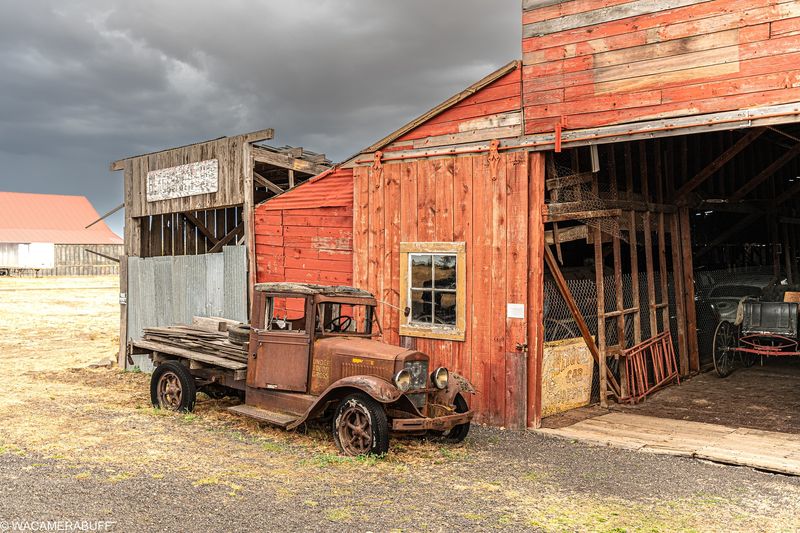
Scattered throughout Shaniko, a collection of rusted and vintage automobiles sits as silent witnesses to decades gone by. These aren’t polished museum pieces; they’re weathered relics that have aged naturally under the harsh Oregon desert sun, creating an irresistibly photogenic scene.
Many vehicles sit behind protective fencing to preserve them, but the placement allows excellent views and countless creative photography angles.
Classic truck beds filled with tumbleweeds, oxidized paint revealing layers of history, and chrome details dulled by time all contribute to the authentic ghost town atmosphere. Car enthusiasts love identifying makes and models from the 1930s through the 1960s, while casual visitors simply enjoy the visual contrast of vintage machinery against weathered wooden buildings.
The vehicles serve as tangible reminders that Shaniko didn’t just die overnight; people lived, worked, and drove here for decades after the initial boom faded.
Kids find these displays particularly fascinating, sparking conversations about how different transportation looked before modern highways and fuel-efficient engines. The antique cars have become unofficial mascots of Shaniko, appearing in countless social media posts and travel blogs, helping spread the word about this remarkable Oregon destination.
The Historic Schoolhouse Represents Preservation Efforts
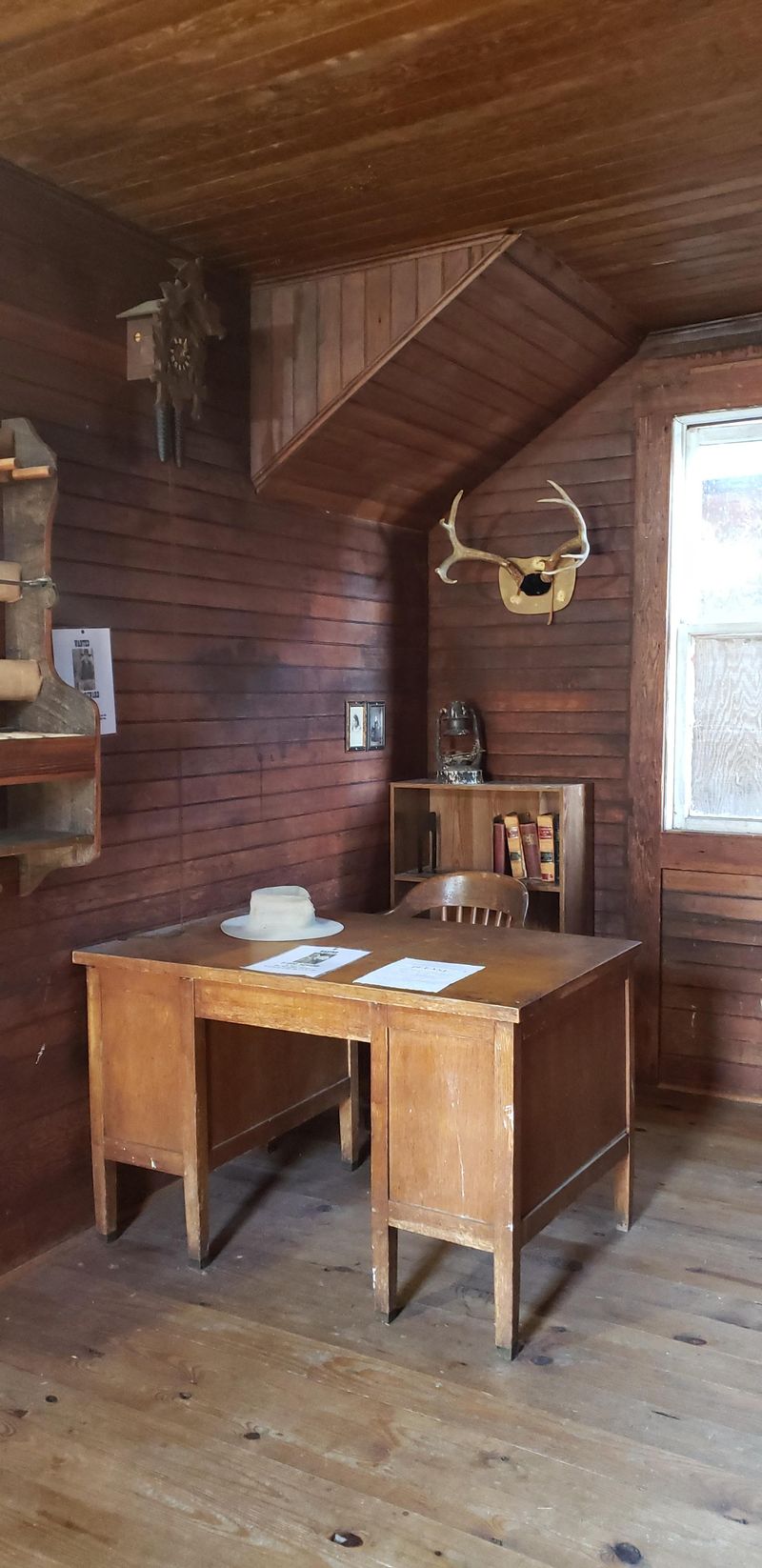
Shaniko’s restored schoolhouse stands as a proud testament to the community’s dedication to preserving its heritage for future generations. This prominent building once rang with the voices of children whose parents worked in the wool trade, railroads, and ranching operations that sustained the town.
The structure’s classic one-room schoolhouse design reflects educational practices common across rural Oregon during the early 1900s.
Restoration work has stabilized the building while maintaining its historical character, allowing visitors to appreciate both the architecture and the stories it represents. Original details like wooden desks, chalkboards, and even some textbooks help paint a picture of frontier education.
Imagine students arriving on horseback or walking across the dusty streets to learn reading, writing, and arithmetic in this very space.
The schoolhouse serves as a focal point for understanding daily life in boomtown Shaniko, reminding visitors that families with children once filled these now-empty streets. Preservation efforts here demonstrate that Shaniko isn’t just about decay and abandonment; it’s about honoring the real people who built a community in the challenging high desert environment of central Oregon.
The Water Tower and Desert Vibe Capture Imagination
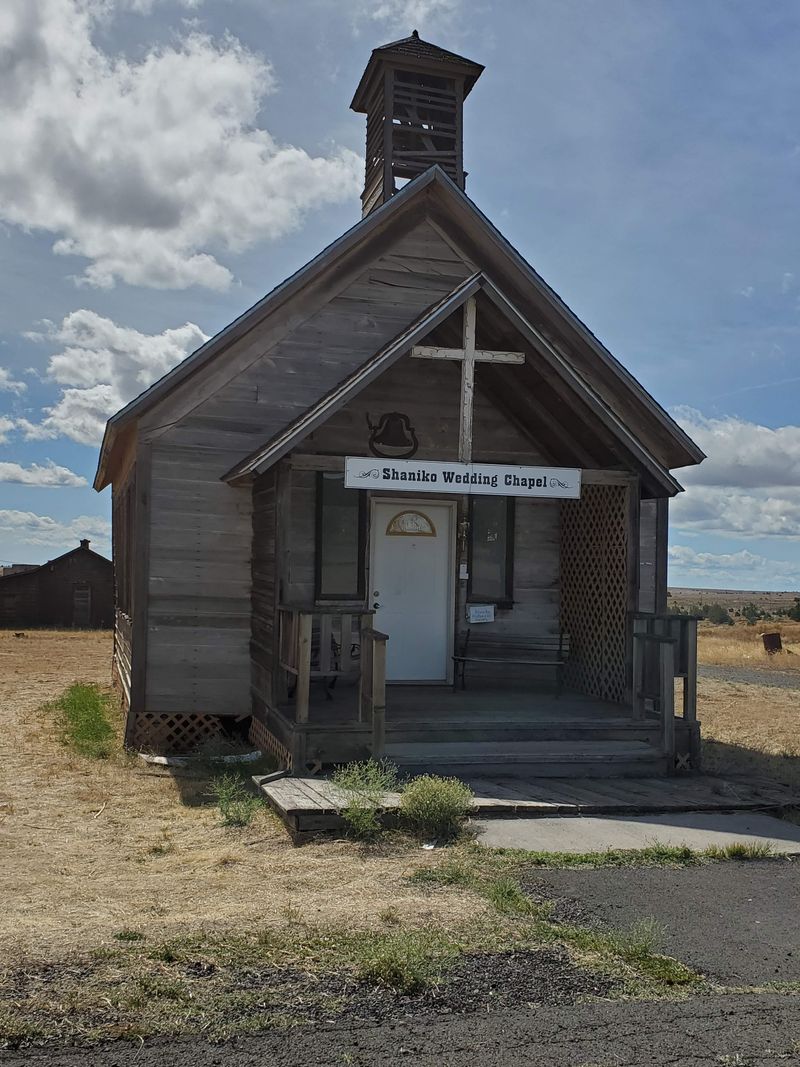
Rising against the endless Oregon sky, Shaniko’s iconic wooden water tower defines the town’s silhouette and perfectly captures that wind-swept desert ghost town atmosphere. This essential piece of infrastructure once supplied water to the entire community, keeping residents, livestock, and steam locomotives supplied during the bustling early 1900s.
Today it stands as a beloved landmark that appears in nearly every visitor’s photo collection.
The tower’s weathered wooden construction and towering presence create dramatic visual interest, especially during golden hour when the setting sun casts long shadows across the empty streets. Surrounding structures in various states of decay add to the authentic frontier feeling that makes Shaniko so compelling.
Sagebrush, tumbleweeds, and the high desert landscape provide a stark, beautiful backdrop that emphasizes the town’s isolation and resilience.
Photographers love how the water tower anchors compositions, while history buffs appreciate understanding its crucial role in sustaining life in this harsh environment. The combination of functional architecture and natural desert beauty creates an atmosphere you simply can’t replicate anywhere else in Oregon, making this one of the most memorable elements of any Shaniko visit.
Accessible Ghostly Ruins Invite Exploration
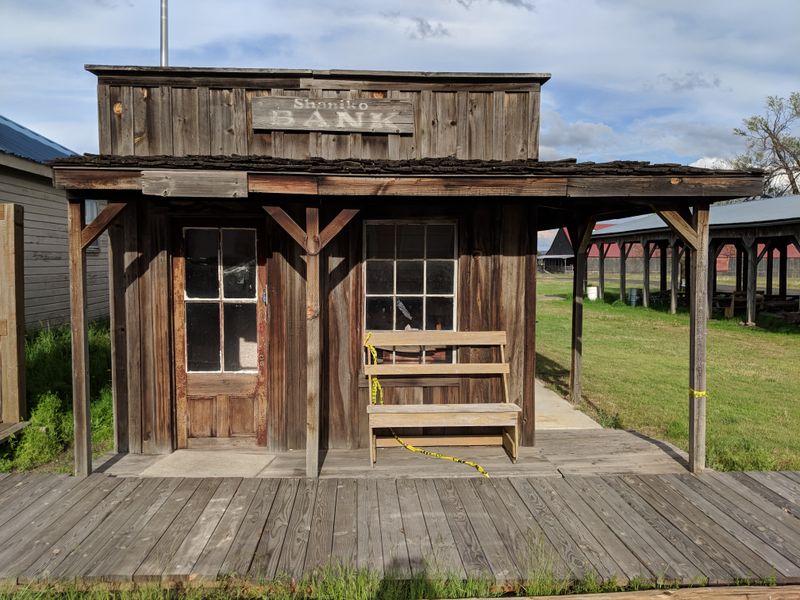
Unlike many historic sites hidden behind velvet ropes and “Do Not Touch” signs, Shaniko offers remarkably accessible exploration opportunities. Many buildings feature open doors and windows that allow visitors to peek inside at authentic artifacts, period furnishings, and architectural details that bring history to life.
Some structures even permit careful interior exploration, letting you walk the same wooden floors that frontier residents once traversed daily.
This hands-on approach creates a deeply personal connection to the past that you rarely find at more formalized historic sites. Old bottles, rusted tools, vintage signs, and other remnants sit where they’ve rested for decades, creating an archaeological treasure hunt for observant visitors.
The experience feels genuine because it is genuine; Shaniko hasn’t been sanitized or overly curated for tourists.
Of course, visitors should always respect the fragile nature of these historic structures and follow any posted guidelines to ensure preservation for future generations. The privilege of accessing these ghostly ruins comes with the responsibility to tread lightly and leave everything as you found it, allowing others to enjoy the same authentic Oregon ghost town experience.
Small Town Eats and Treats Offer Refreshment
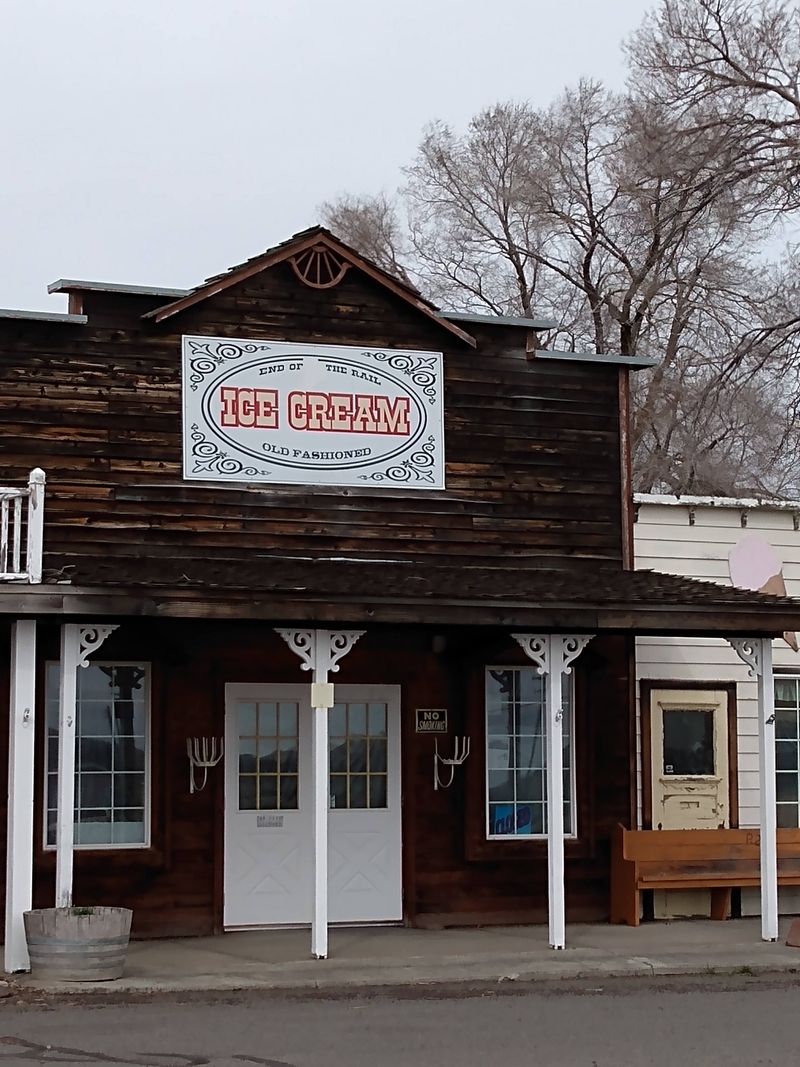
After exploring dusty streets and historic buildings, visitors can refuel at Shaniko’s local diner, which serves food and ice cream to grateful road-trippers. This small establishment provides a welcome oasis along Highway 97, offering both sustenance and a chance to chat with locals who have fascinating stories about life in Oregon’s most famous ghost town.
The menu keeps things simple and satisfying, perfect for families taking a break from highway driving.
Grabbing an ice cream cone and strolling the empty streets creates a surreal, delightful contrast between modern comfort and frontier history. Kids especially appreciate having a treat to enjoy while parents photograph the vintage buildings and antique cars.
The diner’s existence proves that Shaniko isn’t completely abandoned; it’s a living ghost town where a handful of residents maintain services for both the community and curious visitors.
This combination of historical exploration and practical amenities makes Shaniko an ideal pit stop rather than just a quick photo opportunity. You can actually spend quality time here, comfortable knowing that basic refreshments are available, which encourages longer visits and deeper appreciation of everything this remarkable Oregon destination offers along your journey.
Dear Reader: This page may contain affiliate links which may earn a commission if you click through and make a purchase. Our independent journalism is not influenced by any advertiser or commercial initiative unless it is clearly marked as sponsored content. As travel products change, please be sure to reconfirm all details and stay up to date with current events to ensure a safe and successful trip.
