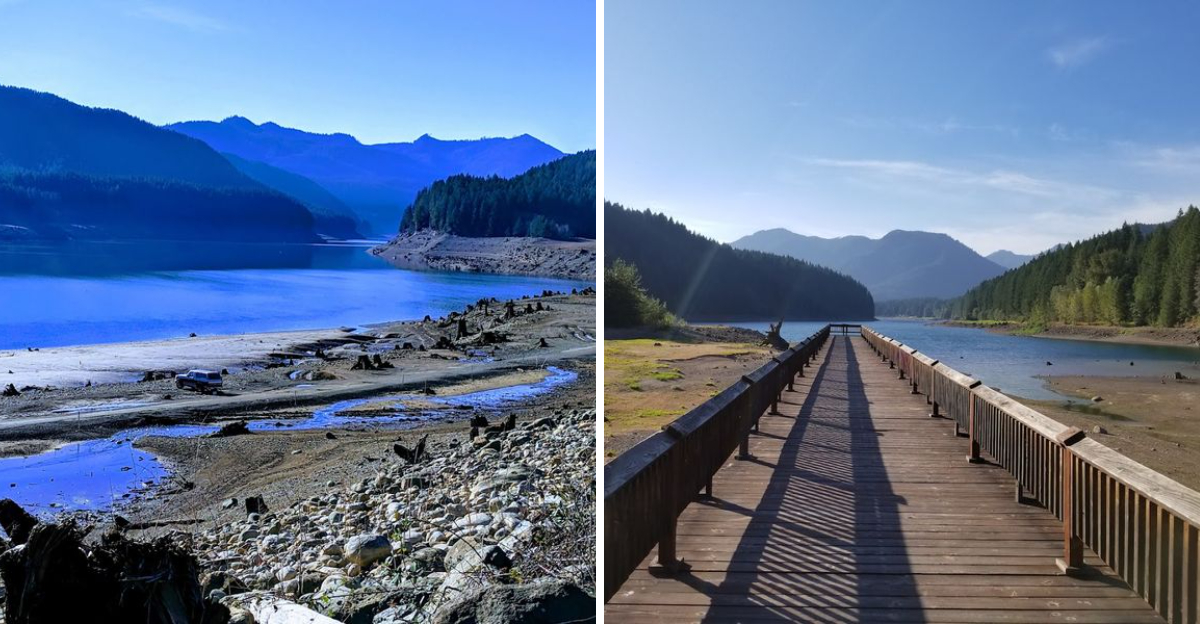
Oregon has a lake with a story that feels almost unreal. It nearly disappeared, then came back in a way that’s now raising serious concern.
I arrive expecting a quiet natural spot, but instead find a place that feels fragile and unpredictable.
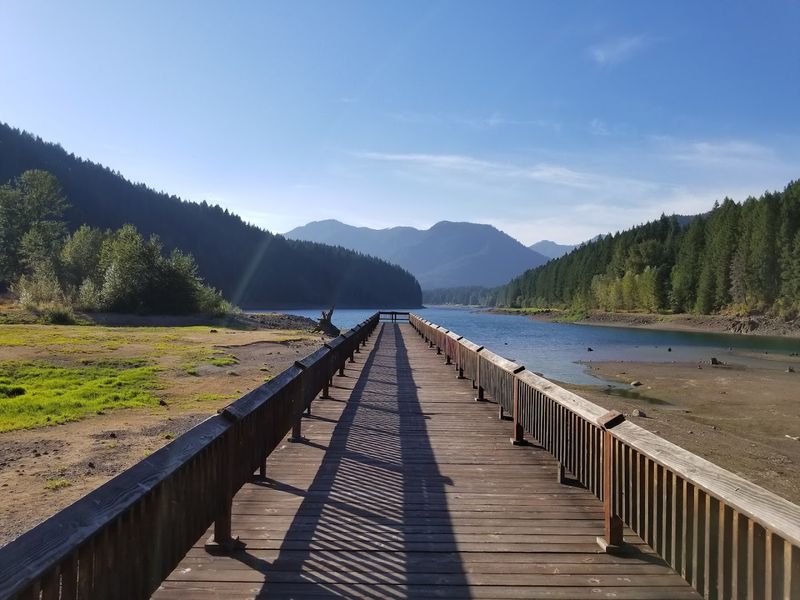
The shoreline tells part of the story itself. Water levels shift in ways that don’t feel normal, even for locals who’ve seen it change before.
People stand at the edge watching, like they’re trying to understand what the lake is doing next.
There’s a strange tension here. It’s beautiful, but uneasy at the same time.
And you leave with the feeling that this isn’t just a lake – it’s something still in the middle of changing its mind.
How Detroit Lake Was Actually Built
Most people arrive at Detroit Lake thinking it has always been there. It has not.
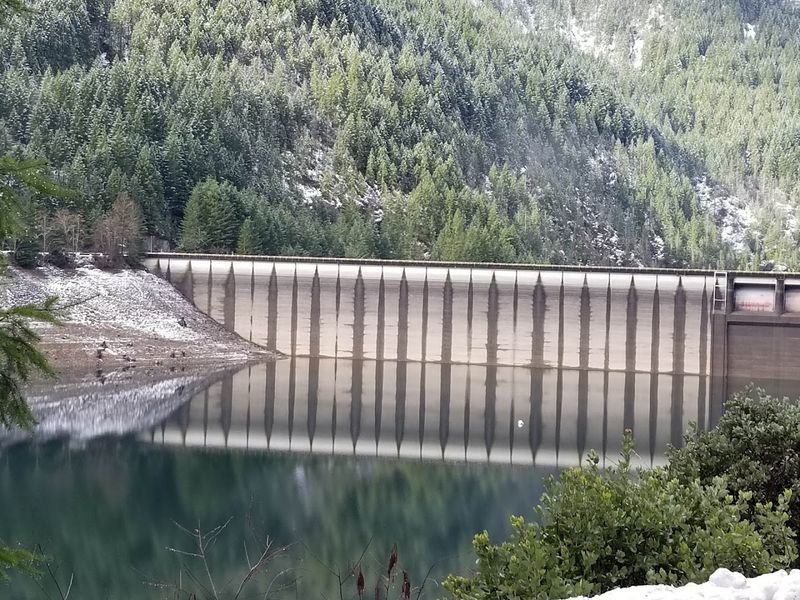
The lake is entirely man-made, created when Detroit Dam was completed in 1952 across the North Santiam River.
Before the dam went up, a small town called Old Detroit sat in the valley below. Residents were relocated, buildings were moved or demolished, and the river was blocked.
Water slowly filled the canyon, swallowing the old townsite forever.
The dam was built for flood control, irrigation, and hydroelectric power. Those goals still drive how the lake is managed today.
That history matters because it explains why water levels can change so dramatically and why the lake does not always behave like a natural body of water.
Understanding this origin helps visitors appreciate what they are actually looking at. It is not just a pretty lake.
It is an engineered reservoir with a complicated past and a management structure that affects everything from camping seasons to fish populations.
The Wildfire That Almost Erased Everything
In September 2020, the Beachie Creek Fire tore through the Detroit Lake area with terrifying speed. The town of Detroit was nearly destroyed.
Homes, businesses, and forest land burned in a matter of days.
Ash and debris poured into the lake. Water quality dropped sharply.
The surrounding hillsides, once covered in thick green Douglas fir, were left bare and scorched. It was a devastating blow to a community that depends heavily on summer tourism.
Recovery has been slow and uneven. Some businesses rebuilt.
Others never came back. The forest is regenerating, but burned slopes are still visible from the water today.
Driving through town, you can still spot signs of what was lost.
Visiting now feels layered. The lake is still gorgeous, but the charred ridgelines in the distance tell a harder story.
That contrast, beauty alongside damage, is something I was not fully prepared for. It makes the place feel raw and honest in a way that is hard to forget.
The Toxic Algae Problem Raising Real Alarms
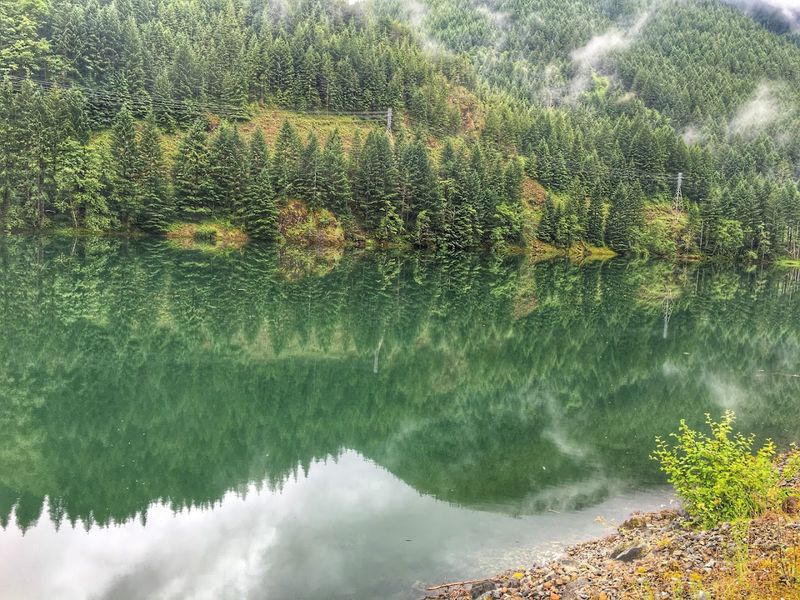
One of the most pressing concerns at Detroit Lake right now is harmful algal blooms. Blue-green algae, also called cyanobacteria, has appeared in the lake during warm summer months with increasing frequency.
These blooms are not just unpleasant to look at. They can produce toxins that are dangerous for people, dogs, and wildlife.
Swimming in bloom-affected water can cause skin irritation, nausea, and more serious health issues. Dogs are especially vulnerable.
Visitors have noted that warning signs are not always easy to spot near popular swimming areas.
Oregon health authorities do monitor the lake and post advisories when blooms are detected. Checking current conditions before you visit is genuinely important.
The Oregon Health Authority website publishes updated bloom reports. Always look before you swim, and keep pets away from any water that looks green, foamy, or discolored.
Why the Lake Gets Drained Before Summer Ends
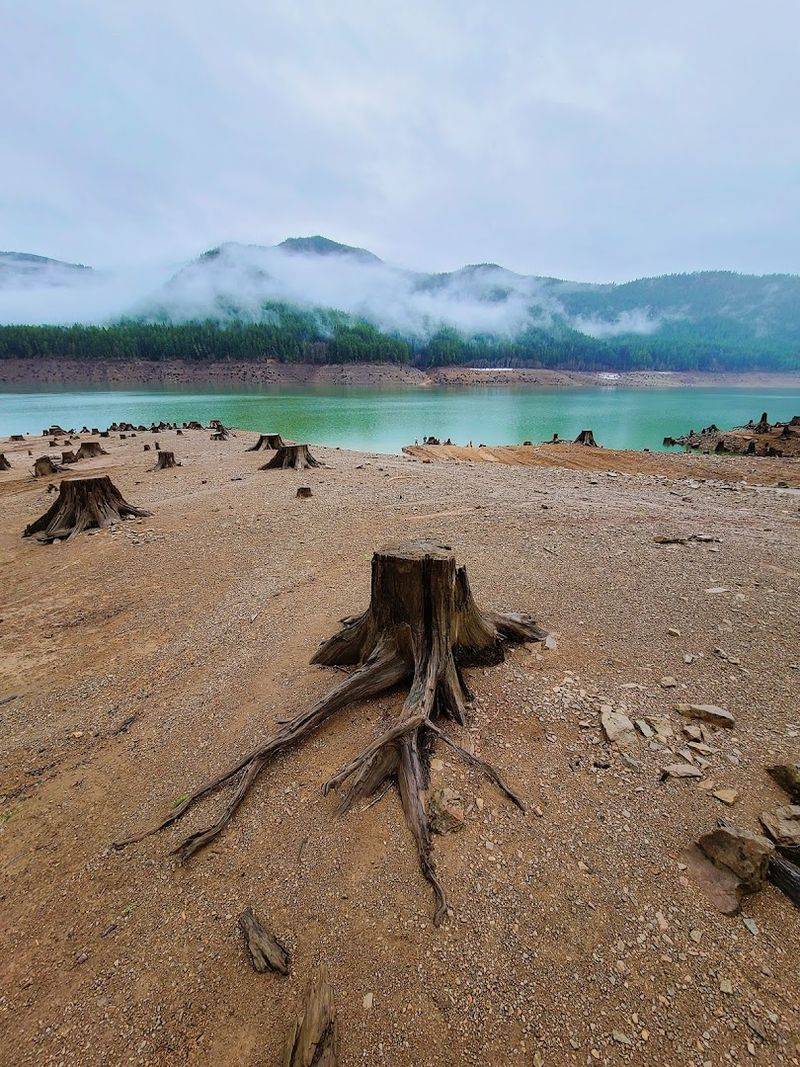
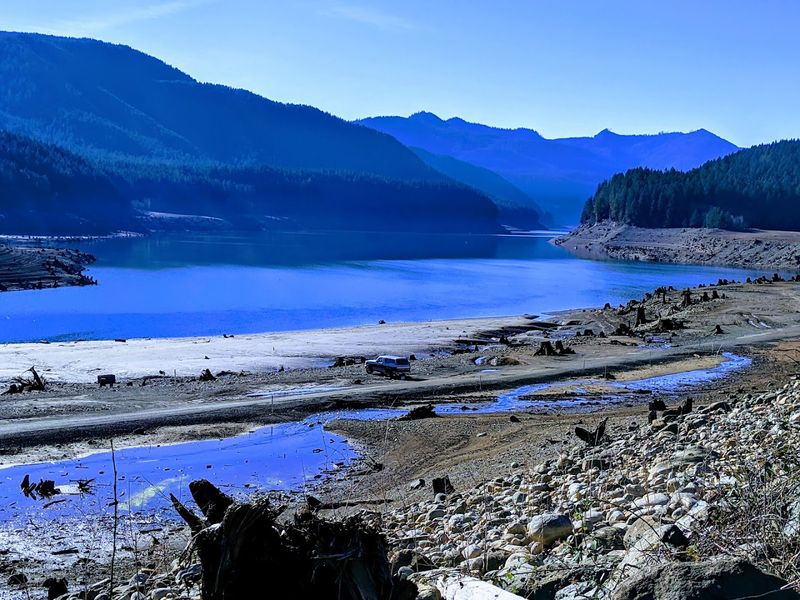
One thing that surprises first-time visitors is how early the lake starts losing water. By late summer, sometimes before Labor Day weekend, water levels drop noticeably.
Docks get pulled. Boat launches close earlier than expected.
This happens because Detroit Dam is operated by the U.S. Army Corps of Engineers.
They manage water releases based on flood control schedules, not tourism calendars. Drawdown typically begins in late summer to create storage capacity for winter and spring rainfall.
Some visitors have expressed frustration about this timing. Pulling docks before Labor Day feels abrupt, especially when families have planned end-of-summer trips around the lake.
The early closure of boat facilities cuts into the season in ways that affect local businesses too.
The Corps has cited algae concerns as an additional reason for earlier drawdowns in recent years. It is a complicated situation with no easy answers.
If you are planning a late-summer visit, call ahead or check the Army Corps of Engineers website to confirm current lake levels and facility status before making the drive.
Camping at Detroit Lake Is Still Genuinely Special
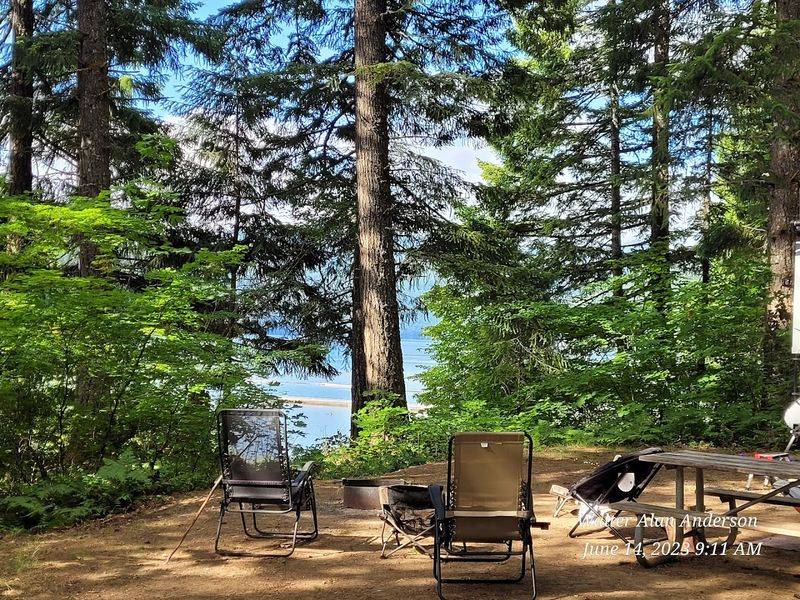
Despite the challenges, camping at Detroit Lake remains one of the best outdoor experiences in the Oregon Cascades. The lake has around 300 campsites spread across multiple campgrounds managed by the U.S.
Forest Service.
Spots near the water go fast. Reservations fill up weeks in advance during July and August.
Booking early is not just a suggestion here. It is basically a requirement if you want a lakefront site.
Arriving without a reservation on a summer weekend is a gamble that rarely pays off.
The campgrounds are well-maintained. Restrooms are kept clean.
There are play areas for kids and easy access to the water from many sites. Mornings at the lake are especially quiet and beautiful.
Mist sits on the water, and the surrounding forest feels close and still.
Free camping is also available on some trails nearby for those who prefer a more backcountry feel. The variety of options makes Detroit Lake accessible to different kinds of campers, from families in RVs to solo hikers with nothing but a sleeping bag and a good map.
Fishing the Lake and What You Might Actually Catch
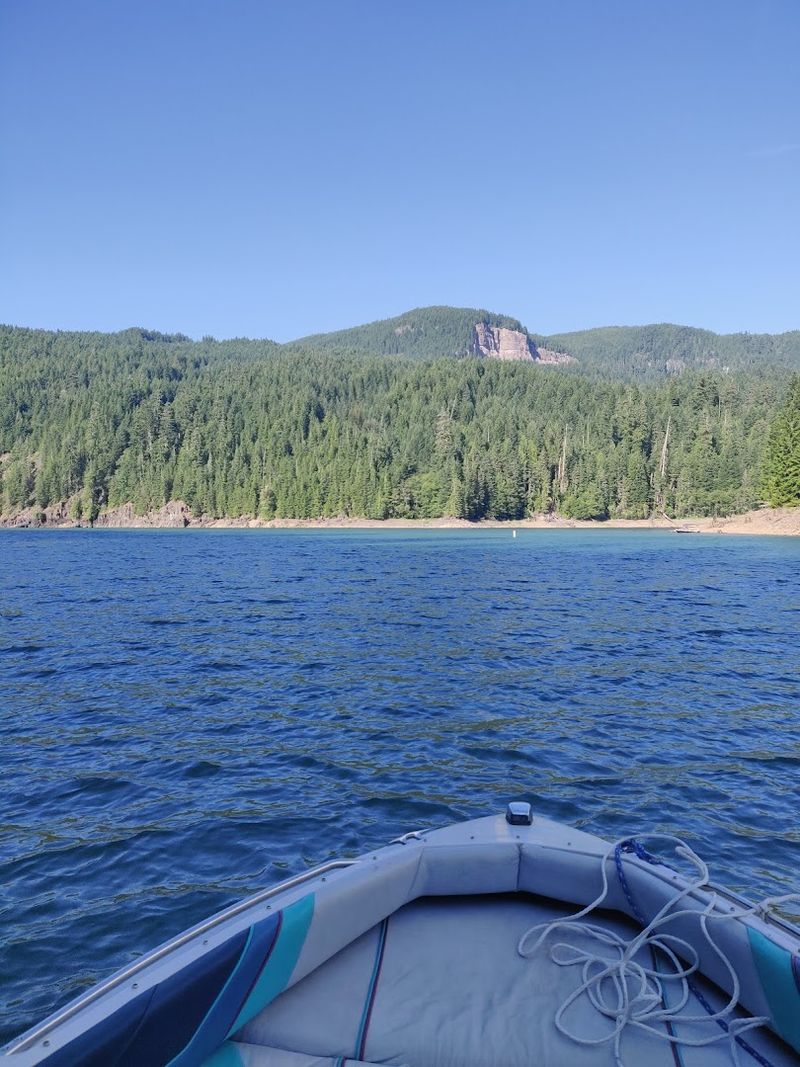
Fishing at Detroit Lake has a devoted following. Kokanee salmon are the big draw.
These landlocked sockeye run smaller than their ocean cousins but fight hard and taste excellent. Trolling for Kokanee is a local tradition that brings anglers back year after year.
Rainbow trout, brown trout, and smallmouth bass also live in the lake. Fishing from a boat gives you access to deeper water where Kokanee tend to school during warmer months.
Shore fishing is possible too, especially near the dam area and around the campgrounds.
The lake stretches about nine miles, so there is plenty of water to explore. I spoke with a few campers who had set out early in the morning on a Tuesday and came back with three fish and huge smiles.
Weekday fishing is noticeably quieter than weekend outings.
An Oregon fishing license is required for anyone 12 and older. Make sure to check current regulations through the Oregon Department of Fish and Wildlife before heading out.
Rules around Kokanee season and size limits can change from year to year.
Boating and Water Activities on a 9-Mile Reservoir
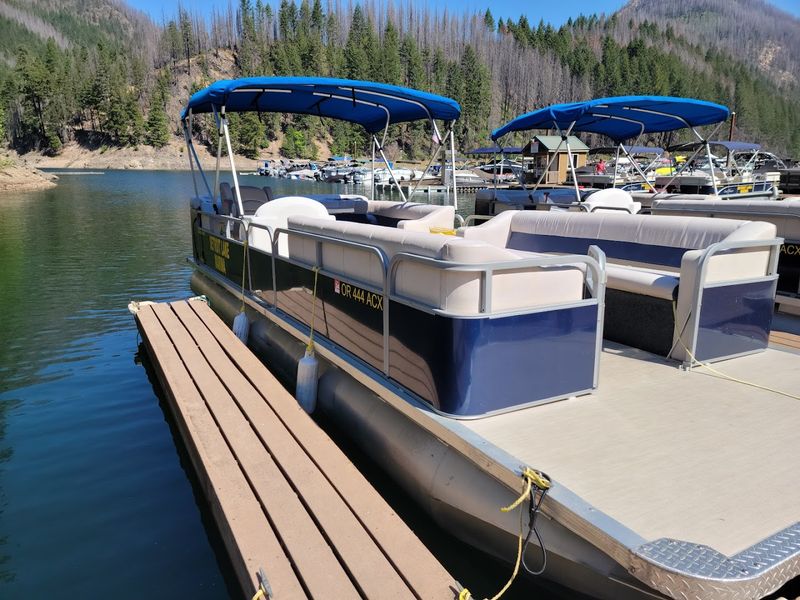
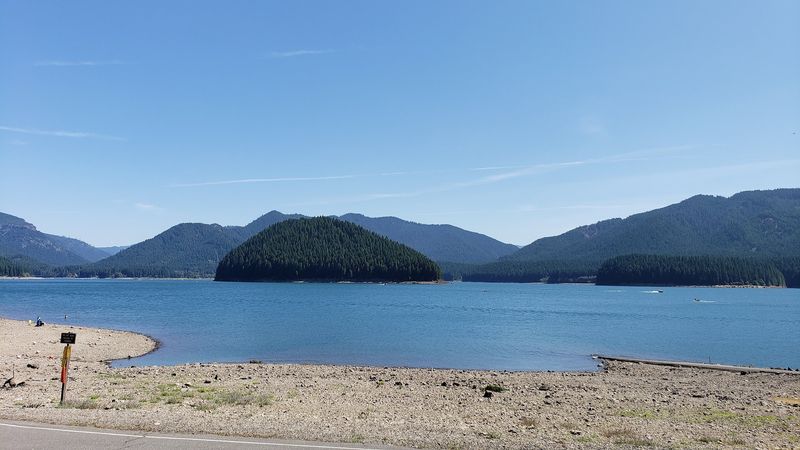
Detroit Lake is big enough to feel genuinely open on the water. At nine miles long, there is room for speedboats, kayaks, paddleboards, and everything in between.
The lake has multiple boat launches, though availability depends on current water levels.
Swimming is popular at designated areas near the campgrounds and the day-use park. Day access costs a small fee and gives you a place to park, swim, and enjoy the lake without needing a campsite.
Kayaking along the shoreline is a calmer alternative to the busier center of the lake.
Midweek visits are noticeably more relaxed. Weekends in July bring lots of boat traffic, which can make the water feel crowded.
If you prefer a quieter experience on the water, Tuesday through Thursday tends to be the sweet spot.
Conditions can change quickly. Afternoon winds sometimes kick up waves that surprise paddlers who started in calm morning water.
Wearing a life jacket is required for certain watercraft and is a genuinely smart call regardless of conditions. The lake is deep, and the water stays cold even in summer.
Hiking Trails Around the Lake Worth Exploring
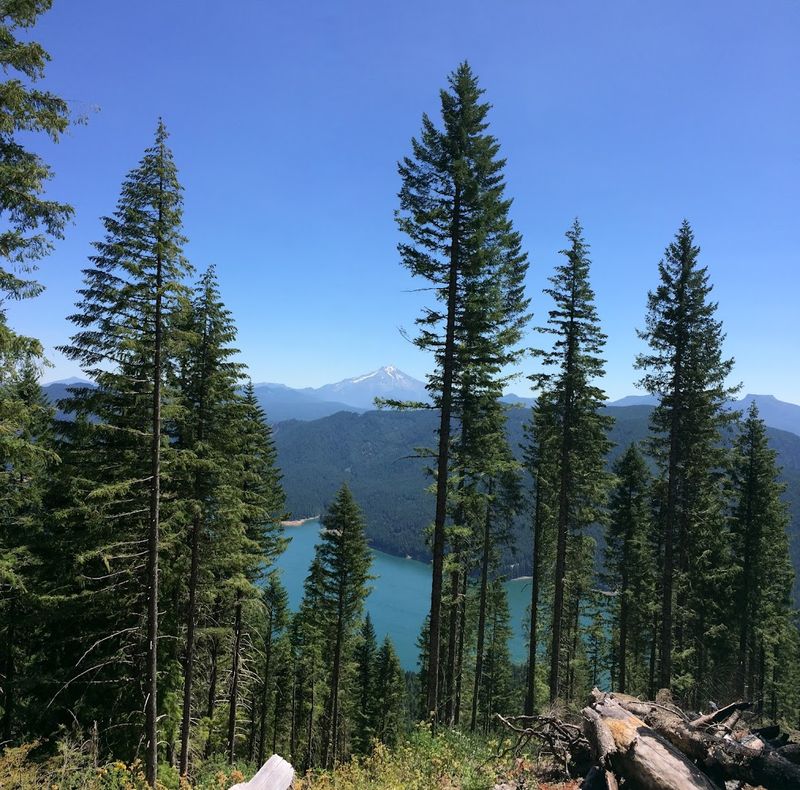
The trails around Detroit Lake offer a completely different perspective on the area. Getting above the water lets you see just how big and blue the lake really is, and the surrounding Willamette National Forest adds serious depth to any hike.
The Dome Rock Trail is one of the most rewarding nearby options. It climbs to an open rocky summit with sweeping views of the lake and the Cascade peaks beyond.
The hike is moderately challenging and worth every step of elevation gain.
Some visitors have hiked out to the island visible from shore during winter when water levels are low enough to walk across. That is not something to attempt casually, but it shows how dramatically the landscape shifts between seasons.
Trail conditions vary depending on the season and recent weather. After the 2020 wildfires, some routes were closed or rerouted due to hazard trees.
Always check with the Detroit Ranger District before setting out on a longer hike. A quick call or website check can save you from a disappointing dead end on the trail.
The Small Town of Detroit and Its Quiet Recovery
The town of Detroit sits right at the edge of the lake, and it carries a resilient, unhurried energy. After the 2020 fires swept through, many expected the community to collapse.
It has not. People stayed.
Businesses reopened. The town is still standing.
There are local spots to grab food, fuel, and supplies before heading to a campsite. The community is small and tight-knit.
Locals are generally friendly toward visitors, especially those who treat the lake and surrounding forest with respect.
Walking through town gives you a sense of what rural Oregon feels like outside the Instagram version. It is practical and lived-in.
A few murals and rebuilding projects signal that the community is actively writing its next chapter.
Supporting local businesses here makes a real difference. Stopping for a meal or picking up supplies in town rather than loading up before you leave the city puts money directly into a community still finding its footing.
Detroit is not just a pit stop on the way to the lake. It is part of the whole experience.
What Visitors Should Know Before Making the Trip
Planning a trip to Detroit Lake takes a little more preparation than showing up and hoping for the best. Campsite reservations fill up fast.
Water conditions can change. Algae advisories can appear quickly during hot stretches.
The drive from Salem takes roughly 90 minutes on Highway 22. The road is scenic and well-maintained, though it can be busy on summer Friday afternoons.
Cell service gets spotty the closer you get to the lake, so download maps and check advisories before leaving town.
Bring layers. Even in summer, mornings and evenings near the lake are cool.
The water itself stays cold, which is refreshing after a warm afternoon but can be a shock if you are not expecting it.
Leave no trace principles matter a lot here. The lake and surrounding forest are still recovering from significant damage.
Pack out everything you bring in. Keep dogs leashed and away from any discolored water.
Check current conditions through the Oregon Department of Forestry and the Army Corps of Engineers websites. A little homework before the trip makes the experience smoother and helps protect a place that genuinely deserves protecting.
Dear Reader: This page may contain affiliate links which may earn a commission if you click through and make a purchase. Our independent journalism is not influenced by any advertiser or commercial initiative unless it is clearly marked as sponsored content. As travel products change, please be sure to reconfirm all details and stay up to date with current events to ensure a safe and successful trip.
