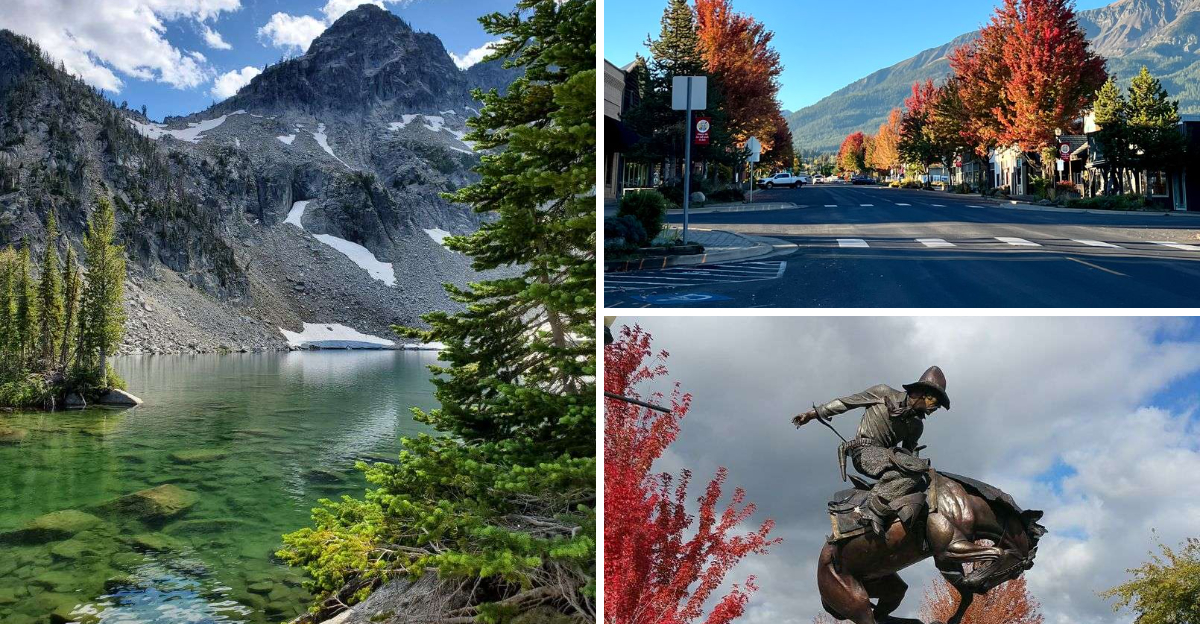
Tucked into the northeastern corner of Oregon, where the Wallowa Mountains rise like ancient sentinels above alpine meadows and glacial valleys, sits the small city of Joseph, a place where life moves at the pace of trust and community.
Named in 1880 after Chief Joseph of the Nez Perce people, this mountain town of just over a thousand residents has become a destination for travelers seeking authenticity, natural beauty, and a glimpse into a way of life that feels refreshingly unhurried.
Joseph’s single main street, lined with bronze sculptures and locally owned shops, serves as the beating heart of a community that thrives on neighborly connections and shared values rather than the impersonal transactions of bigger cities.
Visitors are drawn here not just for the stunning scenery and outdoor adventures at the doorstep of the Eagle Cap Wilderness, but for the rare opportunity to experience a town where people still leave their doors unlocked, know their neighbors by name, and gather together to celebrate art, culture, and the changing seasons in the shadow of the mountains they call home.
The Legacy of Chief Joseph and the Nez Perce

Long before bronze sculptures and art galleries defined Joseph, this land belonged to the Nez Perce people, who called the Wallowa Valley their ancestral home for countless generations.
Chief Joseph, known to his people as Hin-mah-too-yah-lat-kekt or Thunder Rolling Down the Mountain, became one of the most famous Native American leaders in history for his dignified resistance to forced relocation in the 1870s.
When white settlers began claiming Nez Perce lands, Chief Joseph advocated for peace even as his people faced increasingly untenable circumstances.
The town that bears his name today stands as both a tribute and a reminder of the complex, often painful history of the American West.
Visitors can learn about this heritage at local museums and interpretive sites that present the Nez Perce perspective alongside settler narratives.
The Wallowa Band Nez Perce Trail Interpretive Center, located just outside town, offers exhibits and programs that honor the tribe’s deep connection to this landscape.
Every summer, the community hosts events that acknowledge and celebrate Nez Perce culture, inviting tribal members to share their stories and traditions.
Understanding this history adds profound depth to any visit to Joseph, transforming scenic vistas into landscapes heavy with meaning and memory.
The mountains that frame the town are the same peaks Chief Joseph knew, the valleys where his people hunted and gathered, the rivers that sustained them through countless seasons before displacement shattered their way of life forever.
Main Street: The Bronze Art Gallery of the Mountains
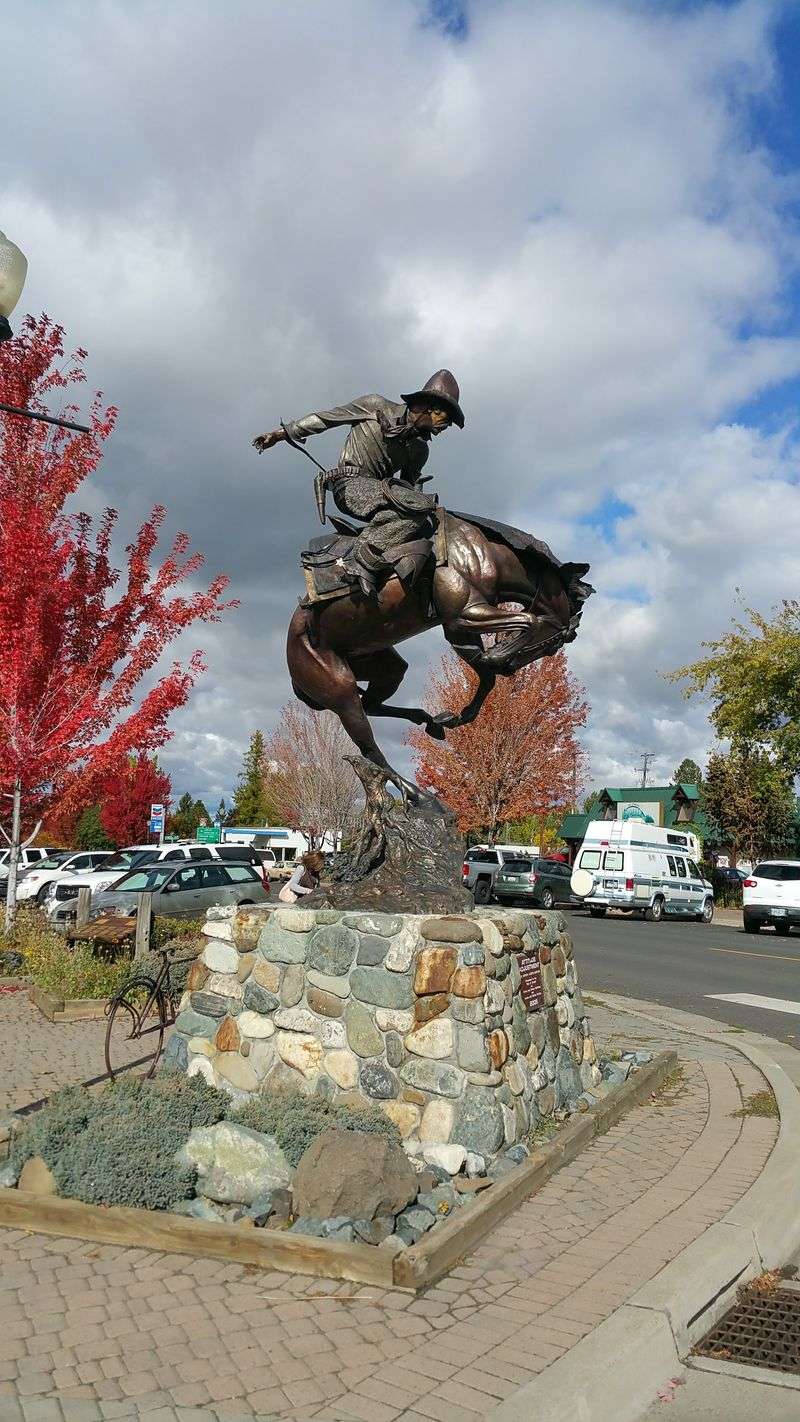
Walking down Main Street in Joseph feels like stepping into an open-air art gallery where Western heritage meets contemporary creativity.
More than a dozen life-sized bronze sculptures stand along the sidewalks, depicting everything from Native American chiefs on horseback to children playing with dogs, each piece telling a story of the region’s rich cultural tapestry.
These aren’t just decorations but rather permanent installations that have transformed Joseph into one of the premier bronze art destinations in the Pacific Northwest.
The tradition began in the 1990s when local foundries started attracting sculptors from around the world, and the town embraced its identity as a center for bronze casting.
Today, galleries and studios occupy historic storefronts where visitors can watch artists at work, pouring molten metal and crafting pieces that will eventually grace public spaces and private collections across the country.
Between the art spaces, you will find locally owned cafes, bookshops, and outfitters that cater to both residents and the steady stream of travelers who discover this mountain gem.
The street itself is compact enough to walk end to end in under ten minutes, yet every doorway offers a new discovery.
During summer evenings, locals gather on benches beneath the sculptures, chatting with neighbors and welcoming strangers with the kind of easy warmth that defines small-town hospitality.
Main Street becomes a stage for community events throughout the year, from art walks to holiday celebrations, reinforcing the sense that this single thoroughfare is more than just a commercial district but the very soul of Joseph.
Wallowa Lake: The Jewel at Joseph’s Doorstep

Just six miles south of Joseph lies Wallowa Lake, a glacially carved body of water so pristine and beautiful that early visitors compared it to the fjords of Norway.
The lake stretches nearly four miles long, its turquoise waters reflecting the dramatic peaks of the Wallowa Mountains that rise more than 8,000 feet above the shoreline.
Formed during the last ice age when massive glaciers carved deep gouges into the granite landscape, Wallowa Lake reaches depths of over 300 feet in places, creating habitat for kokanee salmon and rainbow trout that draw anglers from across the region.
During summer months, the lake becomes a recreation paradise where families camp along the southern shore, paddleboarders glide across glassy morning waters, and hikers set off on trails that climb into the Eagle Cap Wilderness.
The Wallowa Lake Tramway, North America’s steepest gondola, whisks visitors 3,700 vertical feet to the summit of Mount Howard, where panoramic views stretch across four states on clear days.
As autumn arrives, the aspens and larches surrounding the lake transform into gold, creating one of the most photographed fall scenes in Oregon.
Winter brings a quieter beauty when ice forms along the shoreline and snow blankets the surrounding peaks, attracting cross-country skiers and snowshoers seeking solitude.
For Joseph residents, Wallowa Lake serves as both playground and spiritual retreat, a place where generations have learned to swim, caught their first fish, and connected with the wild beauty that defines this corner of Oregon.
Trust and Community in a Town Without Stoplights
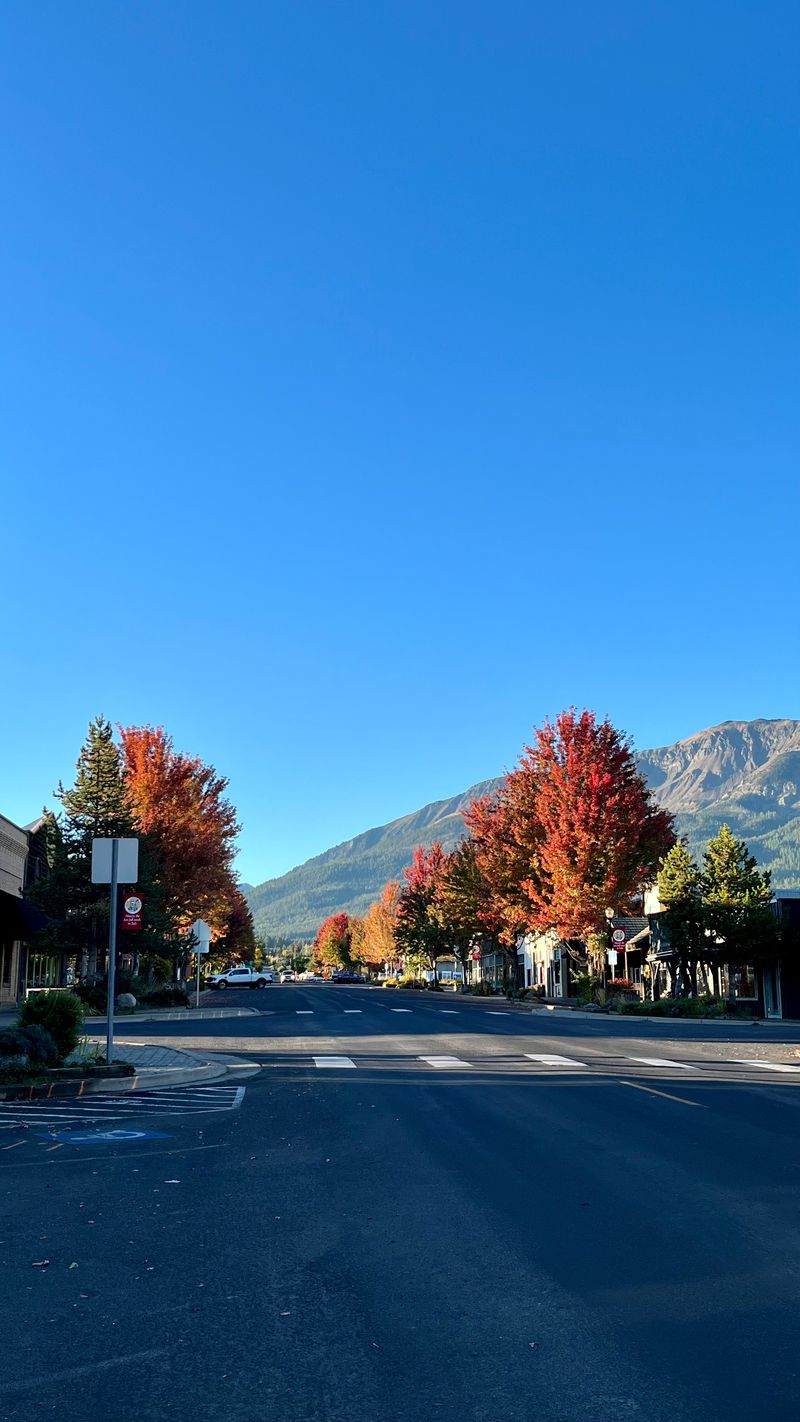
In Joseph, you will notice something missing from the landscape: there are no stoplights controlling the flow of traffic through town.
This absence serves as a perfect metaphor for how the community operates, relying on mutual respect and consideration rather than rigid enforcement.
Drivers wave each other through intersections, pedestrians cross streets with confident ease, and the whole system works because everyone participates in an unspoken agreement to look out for one another.
This culture of trust extends far beyond traffic patterns into nearly every aspect of daily life.
Local business owners know their customers by name and often extend credit based on nothing more than a handshake and a history of keeping promises.
Neighbors watch each other’s homes during absences, feed livestock when someone falls ill, and show up with casseroles and chainsaws when help is needed.
When winter storms knock out power or summer wildfires threaten the area, the community mobilizes with remarkable efficiency, checking on elderly residents and pooling resources without waiting for official coordination.
Newcomers sometimes find this level of interconnection overwhelming at first, accustomed as they may be to the anonymity of larger cities.
But most come to appreciate living in a place where your reputation matters, where accountability comes from facing your neighbors at the post office rather than from surveillance cameras and legal contracts.
This social fabric, woven from generations of shared hardship and celebration, represents Joseph’s greatest asset and most distinctive feature in an increasingly disconnected world.
The Art Scene: Foundries and Galleries in Unlikely Places
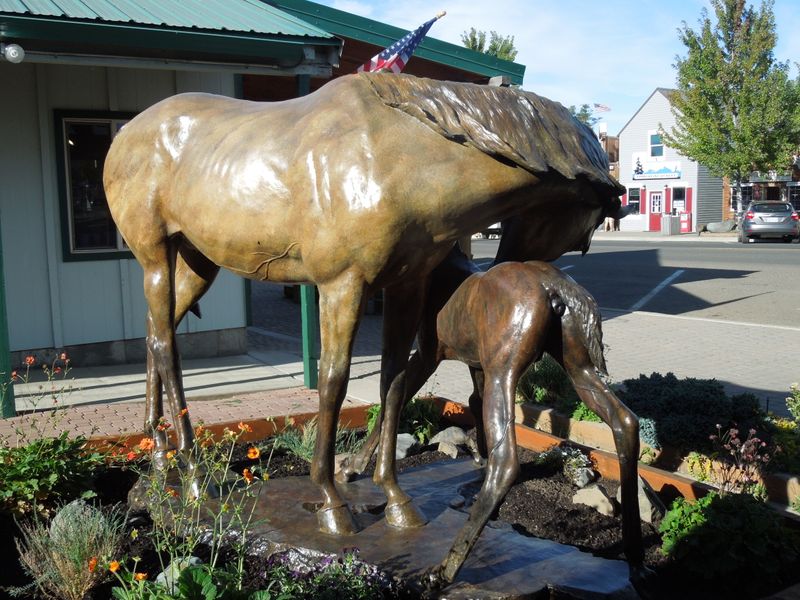
Few would expect to find world-class bronze foundries in a remote mountain town of barely a thousand residents, yet Joseph has become an internationally recognized center for bronze art.
The story begins in the 1980s when a handful of sculptors discovered that Joseph’s combination of affordable space, inspiring scenery, and tight-knit community created ideal conditions for artistic work.
Valley Bronze and other foundries established operations here, bringing sophisticated casting techniques and attracting artists who wanted to be involved in every stage of the creation process.
Unlike urban foundries where artists might drop off models and return weeks later for finished pieces, Joseph’s foundries encourage collaboration, with sculptors often working alongside foundry staff to achieve their vision.
This hands-on approach has fostered a genuine artistic community where painters, sculptors, jewelers, and craftspeople support and inspire each other.
Galleries along Main Street showcase not just bronze but also paintings, photography, woodwork, and textiles, much of it reflecting the Western landscape and heritage that surrounds the town.
During the annual Bronze Blues and Brews festival each August, the streets fill with art lovers, live music echoes off the storefronts, and local breweries offer tastings alongside gallery walks.
The event draws thousands of visitors but maintains an intimate, accessible feel where you might find yourself chatting with the sculptor whose work you just admired.
This fusion of serious artistic achievement and small-town approachability makes Joseph’s art scene genuinely unique, proving that cultural vitality does not require metropolitan density.
Seasonal Rhythms: From Wildflower Springs to Snowy Winters
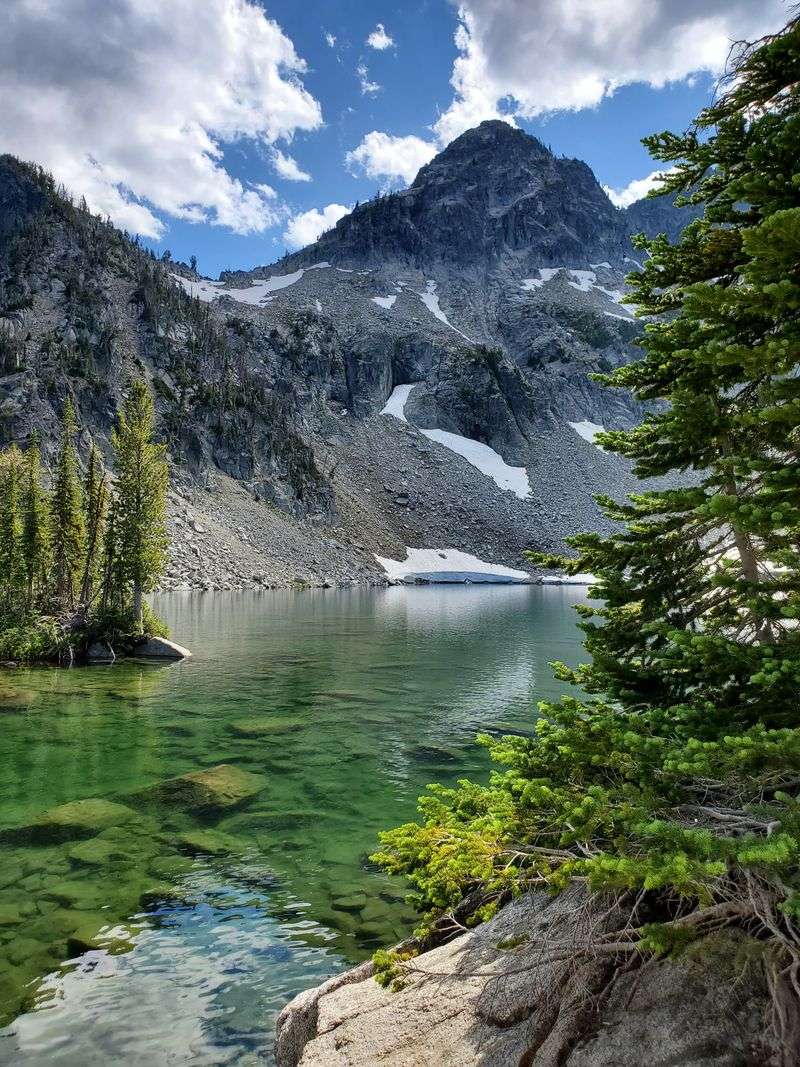
Life in Joseph follows the dramatic seasonal changes that define high-elevation mountain communities, each shift bringing distinct challenges and rewards.
Spring arrives late here, often not truly settling in until May when snowmelt swells the creeks and wildflowers carpet the meadows in waves of lupine, balsamroot, and Indian paintbrush.
The energy in town becomes palpable as businesses that closed or reduced hours during winter reopen, outdoor patios welcome their first customers, and locals emerge from months of hunkering down.
Summer transforms Joseph into a bustling hub for outdoor recreation as visitors arrive to hike the Eagle Cap Wilderness, fish pristine alpine lakes, and escape the heat of lower elevations.
Long daylight hours mean evening light lingers until nearly ten o’clock, perfect for after-dinner walks along Main Street or sunset drives to viewpoints overlooking the valley.
Autumn brings perhaps the most spectacular scenery when aspen groves turn brilliant gold against the dark green of pine forests and the first snows dust the high peaks.
The crowds thin after Labor Day, giving the town a peaceful quality as residents savor the crisp air and prepare for winter’s arrival.
By November, snow typically blankets the valley and Joseph settles into its quietest season, when temperatures regularly drop below zero and the surrounding mountains become a winter wilderness.
Rather than hibernating, locals embrace winter through cross-country skiing, snowshoeing, and ice fishing, gathering at cafes to share stories and maintain the social connections that sustain them through the long, cold months until spring returns once more.
Where Cowboys and Artists Share Coffee
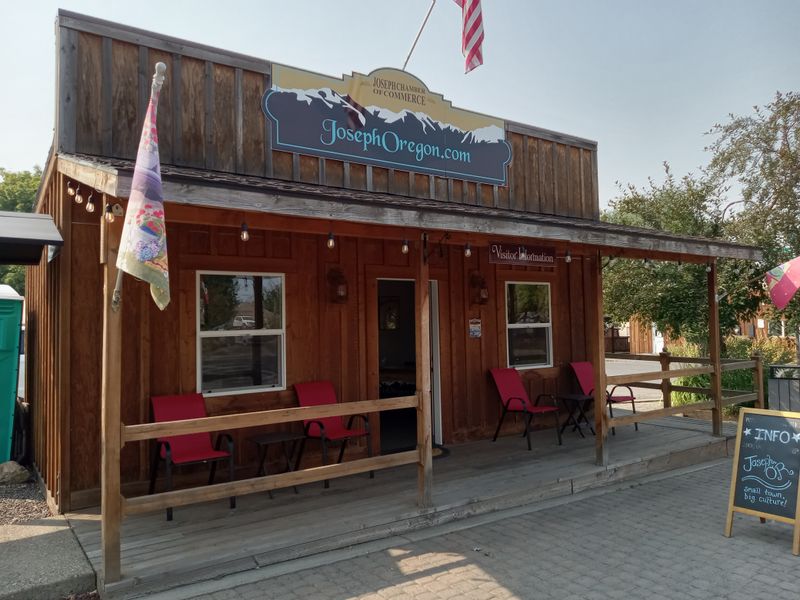
One of Joseph’s most charming contradictions becomes apparent when you settle into a booth at a local cafe and observe the morning crowd.
At one table, a sculptor in paint-splattered jeans discusses gallery representation with a dealer from Portland, while at the next, fourth-generation ranchers in Carhartt jackets and worn boots plan cattle rotations and debate hay prices.
These two worlds, which might eye each other with suspicion in many rural Western towns, coexist remarkably well in Joseph, united by shared challenges of making a living in a remote, economically fragile region.
The ranchers appreciate that artists bring tourist dollars and cultural vitality that help sustain local businesses, while the artists respect the ranching heritage that preserved the open landscapes they find so inspiring.
Both groups understand the value of hard work, the importance of community, and the privilege of living surrounded by extraordinary natural beauty.
Terminal Gravity Brewing, located at 803 SE School Street, serves as another gathering place where these different threads of Joseph’s identity interweave.
The brewery’s outdoor beer garden fills on summer evenings with an eclectic mix of locals and visitors, all drawn by excellent craft beer and the easy camaraderie that defines social life here.
This blending of traditional Western culture with contemporary artistic sensibilities gives Joseph a complexity and richness that sets it apart from both typical tourist towns and purely agricultural communities.
The result feels authentic rather than manufactured, a genuine evolution shaped by geography, economics, and the willingness of different people to find common ground.
Gateway to the Eagle Cap Wilderness
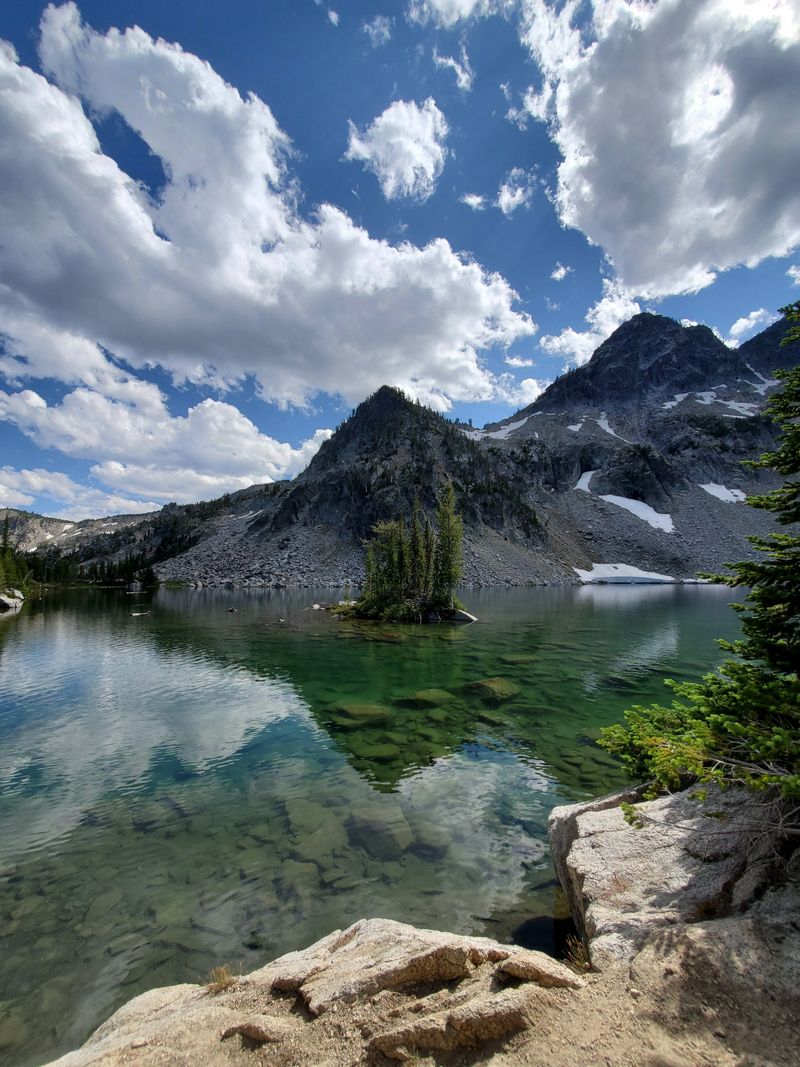
Joseph serves as the primary access point for the Eagle Cap Wilderness, a 360,000-acre expanse of roadless mountains, alpine lakes, and granite peaks that represents one of Oregon’s most spectacular wild areas.
Multiple trailheads within minutes of town lead into this backcountry paradise where glacially carved valleys climb toward jagged summits, some still bearing small glaciers despite decades of warming temperatures.
The wilderness takes its name from Eagle Cap Mountain, a distinctive 9,572-foot peak whose rounded summit can be reached via strenuous day hikes or more leisurely backpacking trips.
More than 50 alpine lakes dot the high country, their crystal-clear waters reflecting surrounding cliffs and providing habitat for wild trout that have never seen a hatchery.
Trails range from gentle valley walks suitable for families to challenging routes that gain thousands of feet in elevation, traversing snowfields and boulder fields where sure footing and good navigation skills become essential.
Wildlife thrives here, including elk, deer, black bears, mountain goats, and bighorn sheep, along with smaller creatures like marmots and pikas whose whistles echo across the rocky slopes.
For serious backpackers, multi-day loops connect various lakes and passes, offering solitude and scenery that rival any wilderness area in the lower 48 states.
Day hikers can access impressive viewpoints and waterfalls without venturing far from trailheads, making the wilderness accessible to visitors with varying abilities and time constraints.
Local outfitters in Joseph provide gear, maps, and advice for those unfamiliar with high-elevation mountain travel, ensuring that even first-time wilderness visitors can explore safely and responsibly.
A Town That Survives by Reinventing Itself
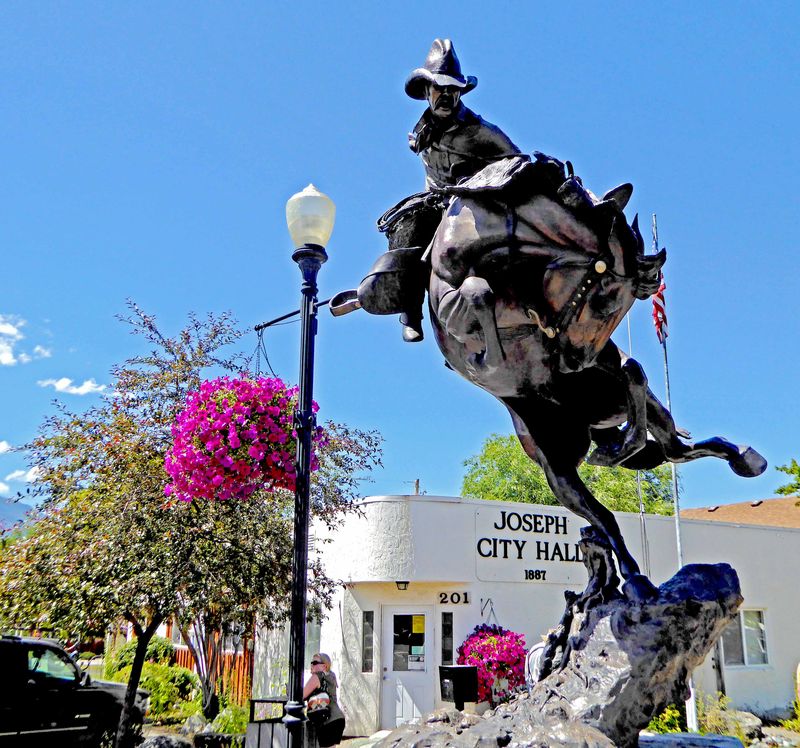
Joseph’s current identity as an art town and recreation destination represents a remarkable transformation from its origins as a rough-and-tumble frontier settlement and later logging community.
Originally named Silver Lake and then Lake City before taking its current name in 1880, the town grew as settlers claimed Nez Perce lands and established ranches in the fertile Wallowa Valley.
For decades, timber and ranching formed the economic backbone, with Joseph serving as the commercial center for surrounding communities.
When the timber industry declined in the late 20th century, Joseph faced the same existential crisis that devastated many rural Western towns: how to survive when traditional industries no longer provided sufficient employment or tax revenue.
Rather than accepting slow decline, community leaders made deliberate choices to cultivate tourism and arts-based economic development, investing in infrastructure like the bronze sculpture installations that now define Main Street.
This reinvention required risk-taking and vision, along with willingness to welcome newcomers whose lifestyles and values sometimes differed from long-established patterns.
The strategy has succeeded in keeping Joseph viable, though challenges remain, including affordable housing shortages as property values rise and the difficulty of providing year-round employment in a seasonal economy.
Residents continue balancing preservation of the town’s character with the need for growth, debating how to welcome visitors without becoming a theme park version of themselves.
This ongoing negotiation between past and future, tradition and innovation, makes Joseph a fascinating case study in rural resilience and adaptation in the modern American West.
Dear Reader: This page may contain affiliate links which may earn a commission if you click through and make a purchase. Our independent journalism is not influenced by any advertiser or commercial initiative unless it is clearly marked as sponsored content. As travel products change, please be sure to reconfirm all details and stay up to date with current events to ensure a safe and successful trip.
