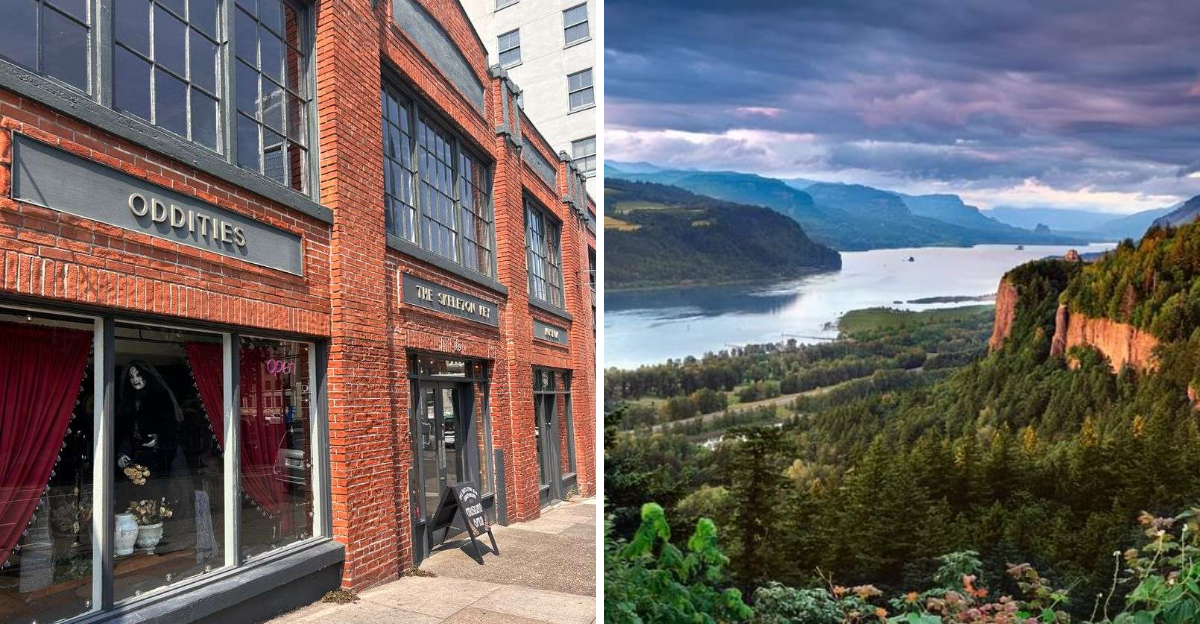
Oregon sparks fierce debates among its residents, but not always for the reasons you’d expect. Arguments about favorite places often miss the real issues, turning into battles over identity, nostalgia, and who truly belongs.
From Portland’s urban core to the remote corners of Eastern Oregon, these disagreements reveal deeper tensions between longtime locals and newcomers, between those who want to share Oregon’s beauty and those desperate to protect it.
What seems like a simple dispute over a hiking trail or a beach town often masks something bigger: a struggle over resources, culture, and the very soul of the state.
Understanding why these arguments happen and what’s really driving them can help you see Oregon in a whole new light. Whether you’re planning a visit or you’ve lived here your whole life, knowing the backstory behind these contentious spots will change how you experience them.
1. Portland’s Downtown and Pearl District
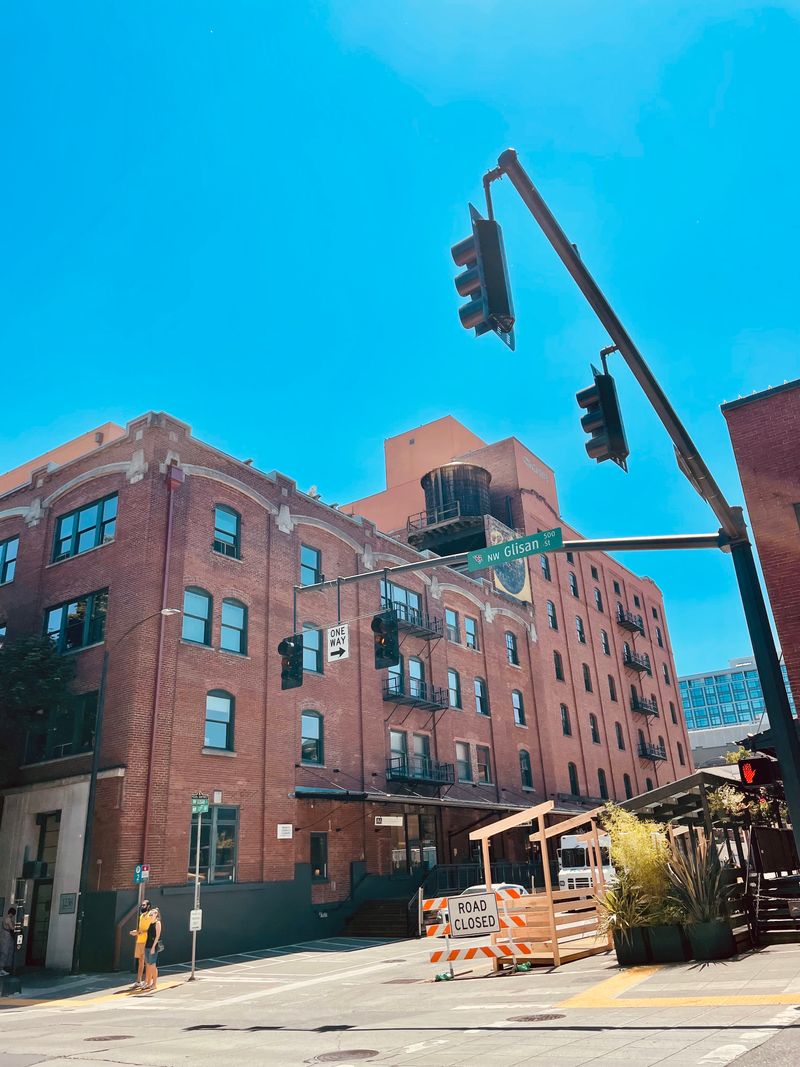
Walk through downtown Portland and you’ll hear two completely different stories depending on who’s talking. Some residents see a vibrant urban center full of culture, restaurants, and creative energy, while others focus entirely on visible homelessness, graffiti, and reports of crime.
The Pearl District, once a symbol of successful urban renewal, now sits at the center of heated arguments about what Portland has become versus what it used to be.
What gets lost in these debates is the complexity of urban challenges facing cities everywhere. People reduce Portland to either a dystopian nightmare or a misunderstood gem, when reality lives somewhere in between.
The disagreements rarely address root causes like affordable housing shortages, mental health services, or economic inequality. Instead, arguments devolve into political talking points that ignore practical solutions.
Newcomers to Oregon often romanticize Portland based on its quirky reputation from years past, while longtime residents mourn changes they can’t control. Meanwhile, actual Portlanders working to improve their neighborhoods get drowned out by outsiders using the city as a political football.
Taxes like the Metro Supportive Housing Services measure spark outrage, but conversations rarely dig into what effective solutions might look like.
The real issue isn’t whether Portland is good or bad. It’s that people use the city as a symbol for larger cultural battles rather than engaging with its actual residents and their daily realities.
Visiting downtown requires seeing past the rhetoric to discover the restaurants, bookstores, and community spaces where real Portland still thrives. Address: Downtown Portland, SW Broadway, Portland, OR 97205.
2. Mount Hood and Government Camp
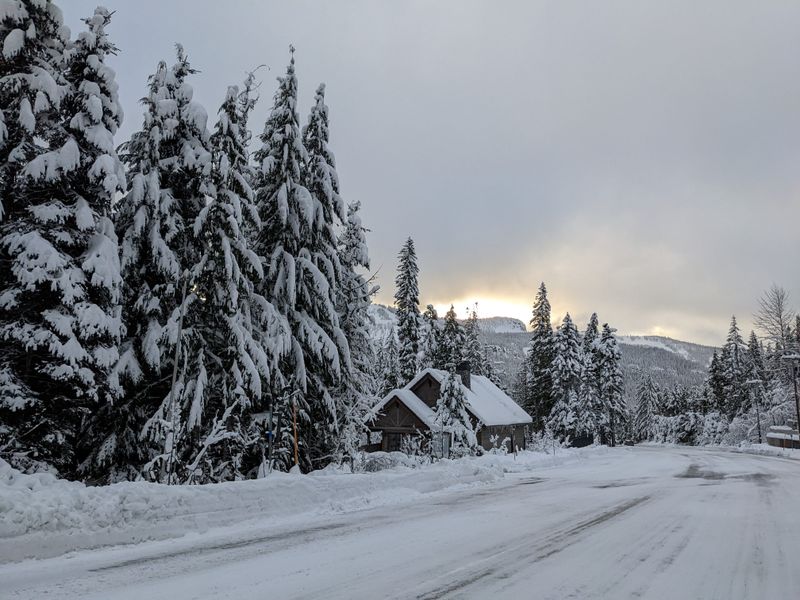
Mount Hood towers over Oregon as the state’s tallest peak and most iconic natural landmark. Government Camp and Timberline Lodge attract skiers, snowboarders, and hikers year-round, creating a tourism economy that supports local businesses but frustrates longtime residents.
Arguments erupt constantly about who has the right to enjoy the mountain and whether certain areas should remain accessible to everyone or reserved for those who live nearby.
Locals complain about weekend warriors clogging Highway 26, filling parking lots, and leaving trash at trailheads. They share secret spots on social media, then get angry when those places become crowded.
The contradiction reveals a deeper tension: people want others to appreciate Oregon’s natural beauty but resent when too many actually show up. This creates impossible expectations where any level of tourism feels like too much.
The “locals only” mentality ignores that public lands belong to everyone, not just nearby residents. Mount Hood National Forest exists for all Oregonians and visitors to enjoy responsibly.
Yet the infrastructure hasn’t kept pace with increased use, leading to legitimate concerns about environmental impact, safety, and overcrowding. Instead of advocating for better facilities and education, arguments focus on gatekeeping and resentment.
What’s really needed is honest conversation about sustainable tourism, improved trail maintenance, and perhaps permit systems for popular areas during peak seasons. Blaming tourists misses the point when land management agencies lack funding and support.
Mount Hood deserves protection, but that requires solutions, not just complaints. Address: Government Camp, OR 97028.
3. Oregon Coast Beaches and Towns
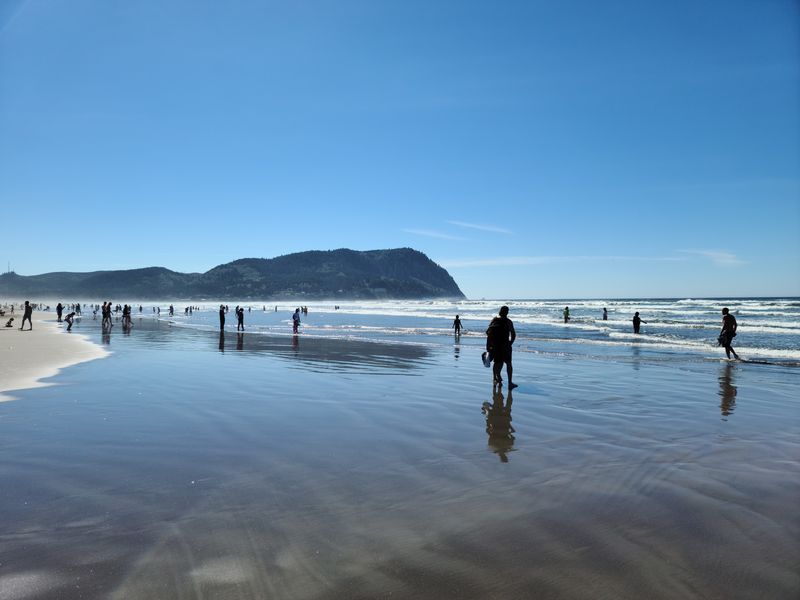
Oregon’s coastline stretches for hundreds of miles, offering dramatic cliffs, sandy beaches, and charming small towns. Places like Bandon, Cannon Beach, and parts of the Samuel H.
Boardman Scenic Corridor spark heated debates about tourism, development, and preservation. Locals in coastal communities depend on visitor dollars but resent crowds during summer months and holiday weekends.
This creates a complicated relationship where tourism is simultaneously welcomed and despised.
Some residents want to keep beaches “unspoiled” and hidden, sharing locations only with trusted friends. They complain when travel blogs or Instagram posts highlight lesser-known spots, bringing attention that leads to increased visitation.
Yet these same people often work in hospitality, retail, or other tourism-dependent industries. The contradiction reveals how personal convenience trumps logical consistency when people feel their special places are threatened.
Development debates pit preservation against economic growth, with neither side willing to acknowledge valid points from the other. Coastal towns need revenue to maintain infrastructure and services, but unchecked growth can damage the natural beauty that attracts visitors in the first place.
Finding middle ground requires nuance that gets lost when arguments become about outsiders ruining everything versus greedy developers destroying nature.
What’s often ignored is that Oregon’s beaches are publicly owned, legally accessible to everyone. The Beach Bill passed decades ago ensures that all Oregonians can enjoy the coast, not just those wealthy enough to own beachfront property.
Protecting these spaces matters, but gatekeeping isn’t protection. Smart management, education, and adequate funding for parks and facilities serve everyone better than resentment and exclusion.
Address: Bandon Beach, Beach Loop Drive, Bandon, OR 97411.
4. Eastern Oregon’s Painted Hills and John Day Fossil Beds
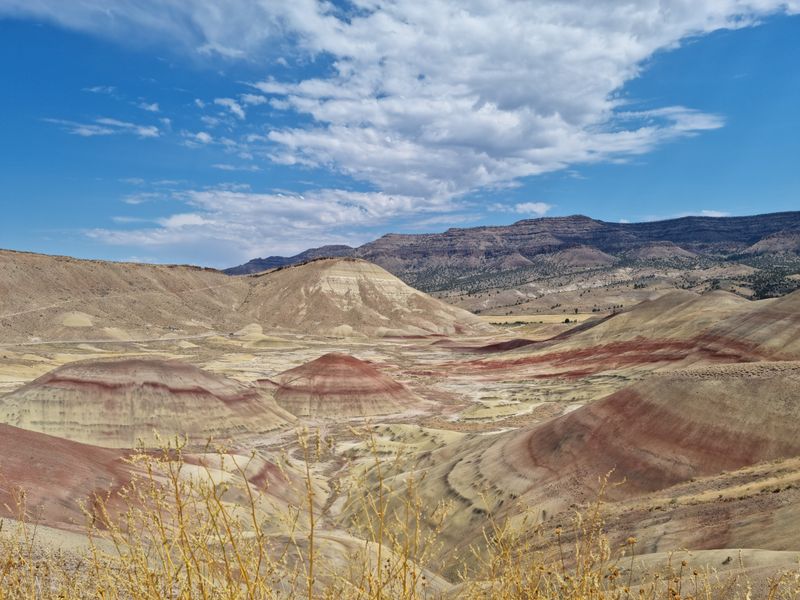
Eastern Oregon contains some of the state’s most stunning and remote landscapes, including the Painted Hills and John Day Fossil Beds National Monument. These geological wonders display layers of colored earth formed over millions of years, creating otherworldly scenery that few Oregonians have actually visited.
Debates arise over whether promoting these areas brings needed economic development to struggling rural communities or destroys the quiet solitude that makes them special.
Towns in Eastern Oregon face economic challenges as traditional industries like logging and ranching decline. Tourism offers potential revenue, but residents worry about their communities changing character or becoming overrun during peak seasons.
Some locals prefer isolation and resist any marketing that might bring more visitors, even if that means fewer opportunities for their own children to find work nearby.
The tension reflects broader rural concerns about maintaining identity and control. People who’ve lived in these areas for generations feel protective of landscapes they consider theirs, even though they’re actually public lands.
When travel publications feature the Painted Hills, locals complain about crowds, yet the reality is that these places remain relatively unknown compared to destinations in other states.
Sustainable tourism could provide jobs and support services without overwhelming small communities. Education about Leave No Trace principles, adequate facilities, and respectful visitors can coexist with preservation.
The alternative is continued economic decline and young people leaving for opportunities elsewhere. Eastern Oregon deserves investment and attention, not isolation that serves no one’s long-term interests.
Finding balance requires dialogue between residents, land managers, and visitors. Address: Painted Hills Unit, Burnt Ranch Road, Mitchell, OR 97750.
5. The Urban-Rural Divide Across Oregon
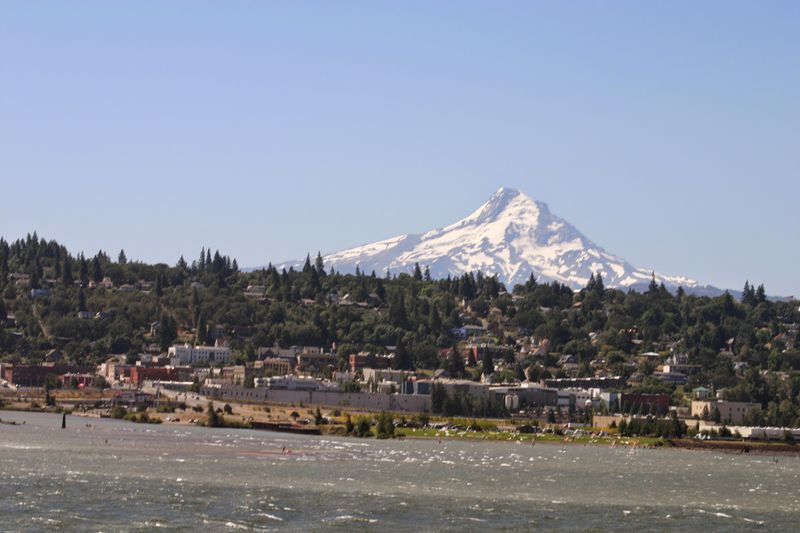
Perhaps no disagreement runs deeper in Oregon than the divide between urban and rural communities. Portland and surrounding areas contain most of the state’s population, while vast stretches of Eastern and Southern Oregon remain sparsely populated.
These regions might share a state, but they often feel like different worlds with incompatible values, priorities, and political perspectives. Water rights, land use, and resource management become flashpoints for conflicts rooted in mutual misunderstanding and resentment.
Urban Oregonians sometimes view rural areas through a romantic lens, appreciating natural beauty while remaining ignorant of economic realities facing small towns. Rural residents often see Portland as disconnected from their lives, imposing regulations and values that don’t fit their circumstances.
Both sides caricature the other, making productive conversation nearly impossible. Politicians exploit these divisions rather than working to bridge them, finding electoral advantage in conflict.
The wrong reasons for disagreement stem from refusing to understand different perspectives. Urban environmentalists push policies without considering impacts on rural livelihoods, while rural communities sometimes resist any change regardless of long-term benefits.
Neither approach serves Oregon well. The state needs forests, farms, and functioning ecosystems alongside cities, technology, and cultural institutions.
These aren’t mutually exclusive unless people insist on making them so.
Addressing Oregon’s challenges requires acknowledging that urban and rural areas depend on each other. Food, water, timber, and recreation come from rural Oregon, while cities provide markets, services, and economic engines.
Building relationships across divides takes effort, but it’s essential for the state’s future. Recognizing shared interests rather than focusing on differences could transform how Oregonians work together.
Address: State of Oregon, urban and rural communities statewide.
6. Columbia River Gorge Trailheads
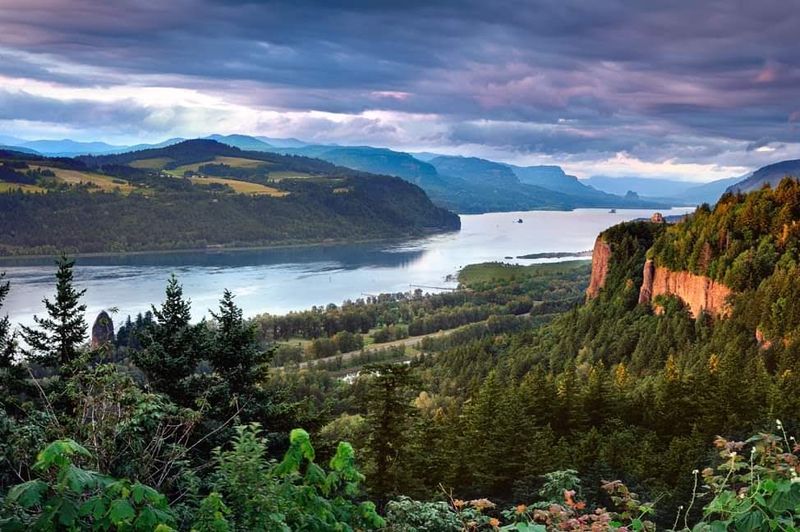
The Columbia River Gorge offers some of Oregon’s most spectacular hiking, with waterfalls, cliffs, and forest trails attracting outdoor enthusiasts from around the world. Multnomah Falls alone draws over two million visitors annually, making it one of the most photographed natural sites in the Pacific Northwest.
This popularity creates serious challenges, with parking overflowing, trails eroding from overuse, and rescue calls increasing as unprepared hikers get into trouble.
Locals who’ve hiked these trails for years feel crowded out by tourists and newcomers. They complain about people blocking trails for photos, leaving trash, and venturing beyond their abilities.
Some share lesser-known alternatives, then regret it when those spots also become crowded. The cycle repeats endlessly, with no solution satisfying everyone.
Permit systems get proposed and rejected, leaving the Gorge caught between accessibility and preservation.
What’s often missing from these arguments is acknowledgment that the Gorge belongs to everyone, not just nearby residents. Public lands exist for public use, and gatekeeping based on residency contradicts fundamental principles.
However, legitimate concerns about environmental damage and safety deserve attention. Better education, improved facilities, and possibly limited entry during peak times could help, but these solutions require funding and political will.
The real problem isn’t tourists ruining trails; it’s inadequate infrastructure for the level of interest these places generate. Rather than resenting visitors, energy would be better spent advocating for trail maintenance funding, parking improvements, and ranger programs.
The Columbia River Gorge can accommodate both locals and visitors if managed thoughtfully. Cooperation beats resentment every time.
Address: Multnomah Falls, Historic Columbia River Highway, Bridal Veil, OR 97010.
7. The Keep Portland Weird Movement
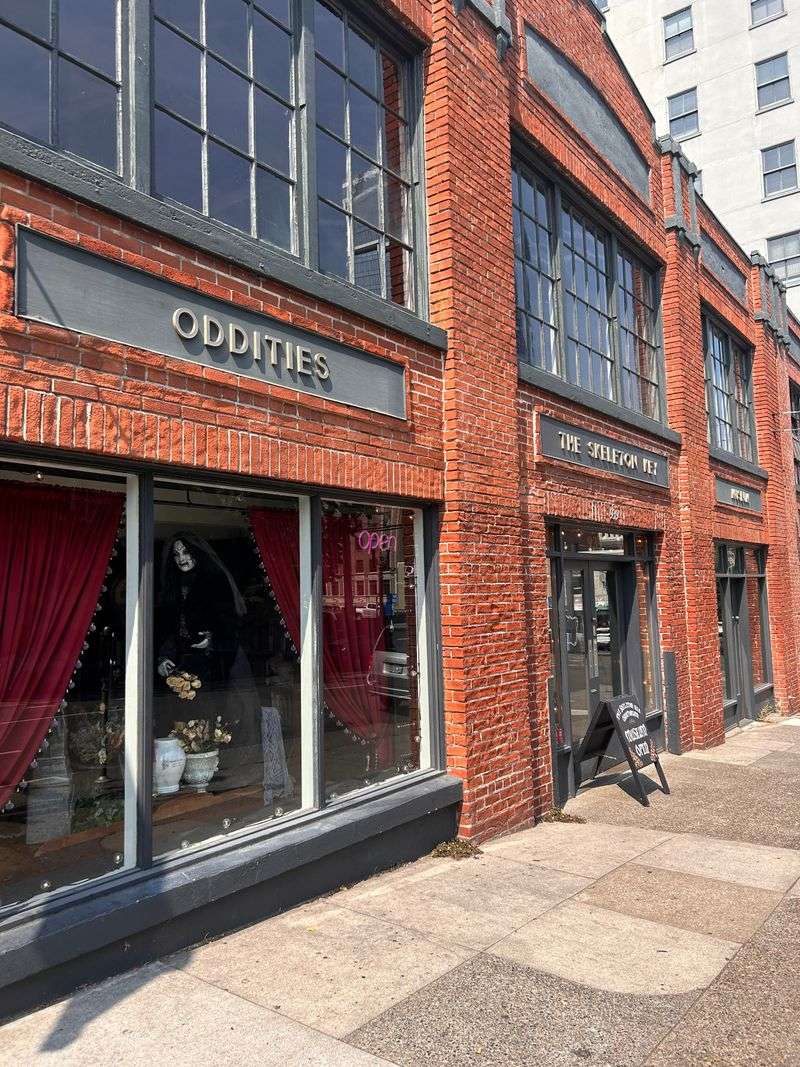
“Keep Portland Weird” became a rallying cry for preserving the city’s quirky, independent character against corporate homogenization. The slogan appeared on bumper stickers, t-shirts, and storefronts throughout Portland, celebrating local businesses, eccentric culture, and creative communities.
Over time, the phrase itself became commercialized, printed on mass-produced merchandise and used to market the very tourism that some felt threatened Portland’s authenticity.
Arguments about what “weird” truly means reveal deeper anxieties about gentrification, diversity, and social change. Some longtime residents define weirdness as the Portland they remember from decades ago, with cheap rent, thriving counterculture, and space for artists and misfits.
Newcomers might see weirdness in food carts, craft breweries, and quirky shops, not recognizing that rising costs have pushed out many people and businesses that created the original culture.
The debate often ignores that cities constantly evolve, and trying to freeze Portland in amber serves no one. Nostalgia for a particular era’s culture dismisses contributions from new residents and changing demographics.
What made Portland interesting was openness to experimentation and difference, not adherence to a specific aesthetic from the past. Protecting that spirit means welcoming evolution rather than demanding everything stay the same.
Real weirdness can’t be manufactured or preserved through slogans. It emerges from communities having space to create, take risks, and express themselves.
That requires affordable housing, support for small businesses, and tolerance for activities that don’t immediately turn a profit. Fighting about who’s authentically weird wastes energy better spent building the conditions that allow creativity to flourish.
Portland’s character will survive if people focus on substance over symbols. Address: Portland, OR, citywide neighborhoods.
8. Snake River and Hells Canyon Recreation
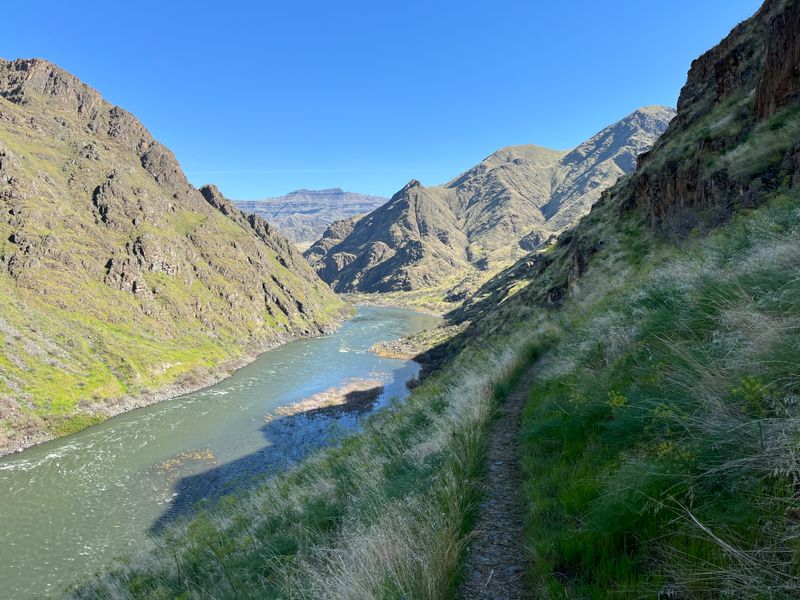
The Snake River forms Oregon’s eastern border with Idaho, carving through Hells Canyon, North America’s deepest river gorge. This remote region offers world-class rafting, jet boating, fishing, and hiking, but disagreements about appropriate use create ongoing tension.
Rafters and kayakers sometimes clash with jet boat operators over noise, safety, and environmental impact. Meanwhile, debates about river access pit recreational users against those prioritizing habitat protection and Native American cultural sites.
Locals who’ve used the Snake River for generations feel ownership over how it should be enjoyed. They view certain activities as traditional and acceptable while dismissing others as intrusive or disrespectful.
Out-of-state visitors bring revenue but also different expectations and behaviors that can conflict with established norms. These cultural differences get interpreted as disrespect rather than simply different approaches to recreation.
Environmental concerns add another layer of complexity. The Snake River system faces challenges including dam impacts, salmon decline, and habitat degradation.
Some argue that any recreational use causes harm, while others maintain that responsible access and conservation can coexist. Finding balance requires science-based management rather than emotional reactions or territorial behavior.
Excluding people from public lands isn’t conservation; it’s gatekeeping.
What’s needed is respectful dialogue between different user groups, Indigenous communities, and land managers. The Snake River and Hells Canyon offer enough space for various activities when people communicate and follow established guidelines.
Vilifying jet boats or rafters or any particular group misses opportunities for coalition-building around shared interests in protecting this remarkable landscape. Oregon’s eastern border deserves thoughtful stewardship that includes everyone.
Address: Hells Canyon National Recreation Area, Oxbow, OR 97840.
Dear Reader: This page may contain affiliate links which may earn a commission if you click through and make a purchase. Our independent journalism is not influenced by any advertiser or commercial initiative unless it is clearly marked as sponsored content. As travel products change, please be sure to reconfirm all details and stay up to date with current events to ensure a safe and successful trip.
