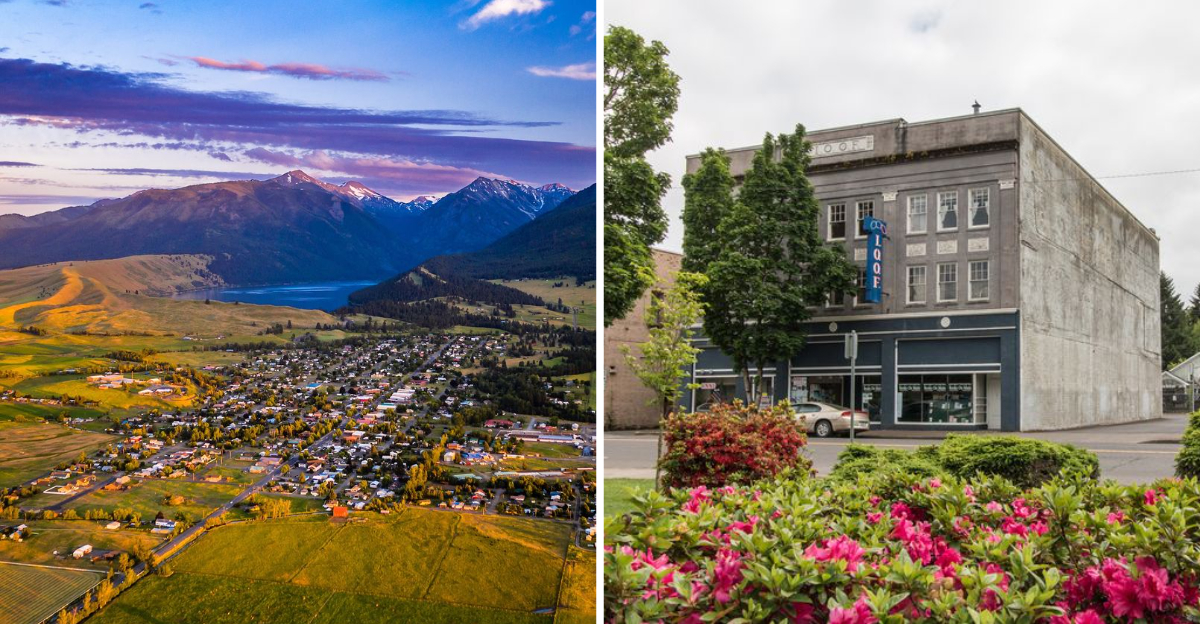
You know that sinking feeling when you’re on vacation and your budget disappears faster than the sunset? We’ve all been there. The good news? Oregon has several towns where your money actually stretches further than you’d think.
These places fly under the tourist radar, and that’s exactly what keeps prices reasonable. Lodging is affordable, meals won’t make you wince, and the best attractions – scenic hikes, local festivals, historic main streets – often cost nothing at all.
You can explore all day without constantly checking your wallet. It’s the kind of trip that leaves you with great memories and a bank account that isn’t completely empty.
Pack your bags and head for the quieter parts of the state. Oregon’s most budget-friendly towns are ready to show you a good time without the financial hangover.
1. Astoria, Gateway to the Columbia River
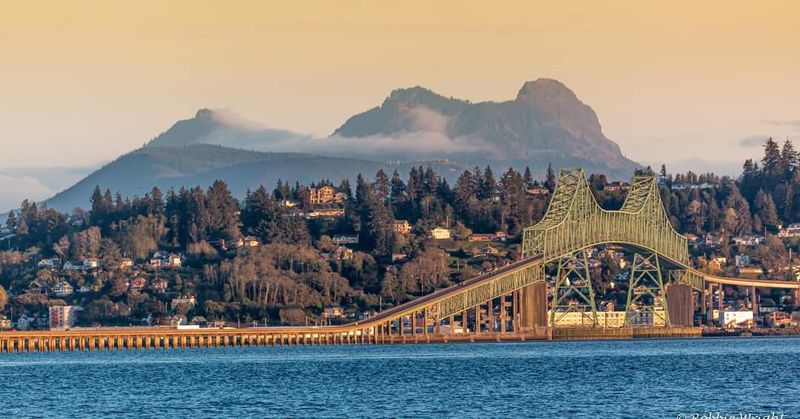
Perched at Oregon’s very tip where the Columbia River meets the Pacific, Astoria carries history without charging you for it. Hillside Victorian homes, old cannery buildings turned into quirky shops, and the constant low rumble of the river create a mood that feels genuinely cinematic.
I kept expecting someone to shout “cut” from behind a camera.
The downtown area is walkable and refreshingly low-key. You can spend an entire afternoon browsing independent bookshops and climbing the Astoria Column for a panoramic view that costs almost nothing.
The column is a painted spiral tower sitting on a forested hill above town. The hike up feels earned.
History lovers get a lot of mileage here. The Columbia River Maritime Museum is genuinely fascinating, covering everything from indigenous canoe culture to Coast Guard rescues. Astoria also sits near Fort Clatsop, where the Lewis and Clark Expedition spent the winter of 1805.
Accommodation tends to be affordable, especially compared to coastal resort towns further south. It rains here, yes, but the mist gives everything a moody, painterly quality that photographs beautifully.
2. Grants Pass, Where the Rogue River Runs Wild
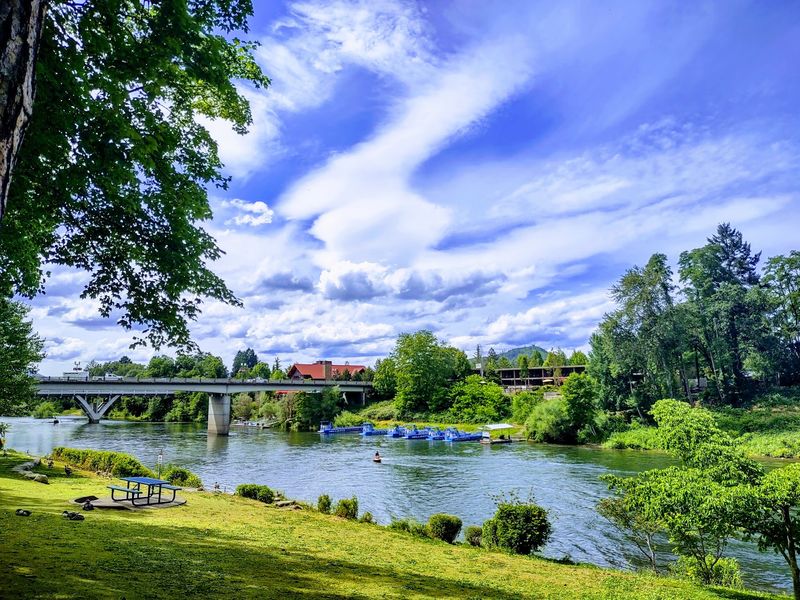
Grants Pass has a raw, untamed energy that hits you as soon as you spot the Rogue River cutting through town. The water moves fast and green. On warm days, the riverbanks fill with locals who treat this stretch like their personal backyard.
It is the kind of place where outdoor recreation does not feel curated or packaged – it just exists.
Jet boat tours along the Rogue are a local staple. They zip through narrow canyon walls and past osprey nests with a guide who clearly loves every mile of it. Whitewater rafting outfitters operate throughout the season.
They tend to offer reasonable rates compared to more touristy Oregon destinations. Hiking trails fan out in every direction from town. They range from easy riverside walks to full-day canyon treks.
Downtown Grants Pass has its own relaxed charm. A weekend farmers market draws a loyal crowd. The independent restaurants along the main drag serve generous portions at prices that feel almost old-fashioned.
I had a breakfast burrito the size of a small log and paid less than I would for a coffee in Portland. The town does not lean on tourism to survive. That gives it an authenticity that is hard to fake.
3. Burns, the High Desert’s Quiet Capital
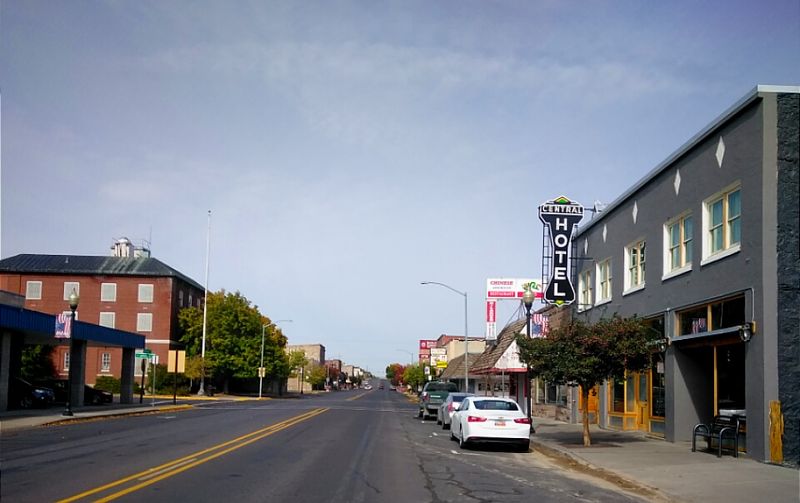
Most people drive through Burns without stopping, and that’s exactly why stopping there feels like such a good idea. Sitting in the middle of Oregon’s high desert basin, this small ranching town is surrounded by one of the most underappreciated landscapes in the American West.
The silence out here is a physical thing you feel in your chest.
Malheur National Wildlife Refuge stretches south of town and draws serious birdwatchers from across the country. During migration season, the refuge fills with sandhill cranes, tundra swans, and dozens of shorebird species that turn the wetlands into a living field guide.
Admission is free, and the birding experience is genuinely world-class without any of the usual tourist infrastructure crowding it.
Steens Mountain rises dramatically to the southeast, a fault-block range with gorges carved by glaciers and wildflower meadows that bloom brilliantly in early summer. The road to the summit is one of the highest paved roads in the Pacific Northwest.
Burns itself offers basic but affordable lodging, friendly diners, and a local culture rooted in ranching and outdoor life. The town square has a lived-in, unpolished character that feels honest.
4. Fossil, a Town Literally Built on Deep Time
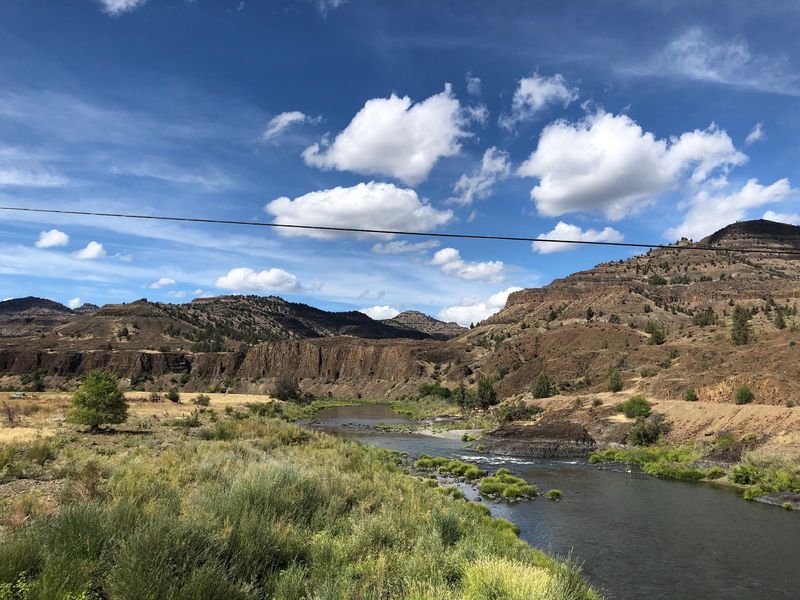
The name alone should tell you something interesting is going on here. Fossil is a tiny ranching community in north-central Oregon that sits atop one of the richest fossil beds in the Pacific Northwest.
Behind the local high school, there’s a public dig site where visitors can actually search for leaf and insect fossils embedded in ancient shale. You keep what you find. That’s not a gimmick, that’s just how it works.
The surrounding John Day Fossil Beds National Monument spreads across a wide area nearby. It has three distinct units that showcase some of the most colorful and dramatic geology in the country.
The Painted Hills unit, in particular, is a jaw-dropping landscape of banded clay hills in shades of red, gold, and black. Admission to the monument is free, and the trails are short and accessible.
Fossil itself is tiny, with a population that fits comfortably inside a large school gymnasium. But the community spirit is warm. The few local businesses that exist tend to reflect genuine character rather than tourist-facing polish.
Camping options in the area are plentiful and affordable, with several Bureau of Land Management sites offering free or near-free overnight stays. The stargazing out here is extraordinary, with almost no light pollution for miles.
5. Joseph, the Heart of Wallowa Country
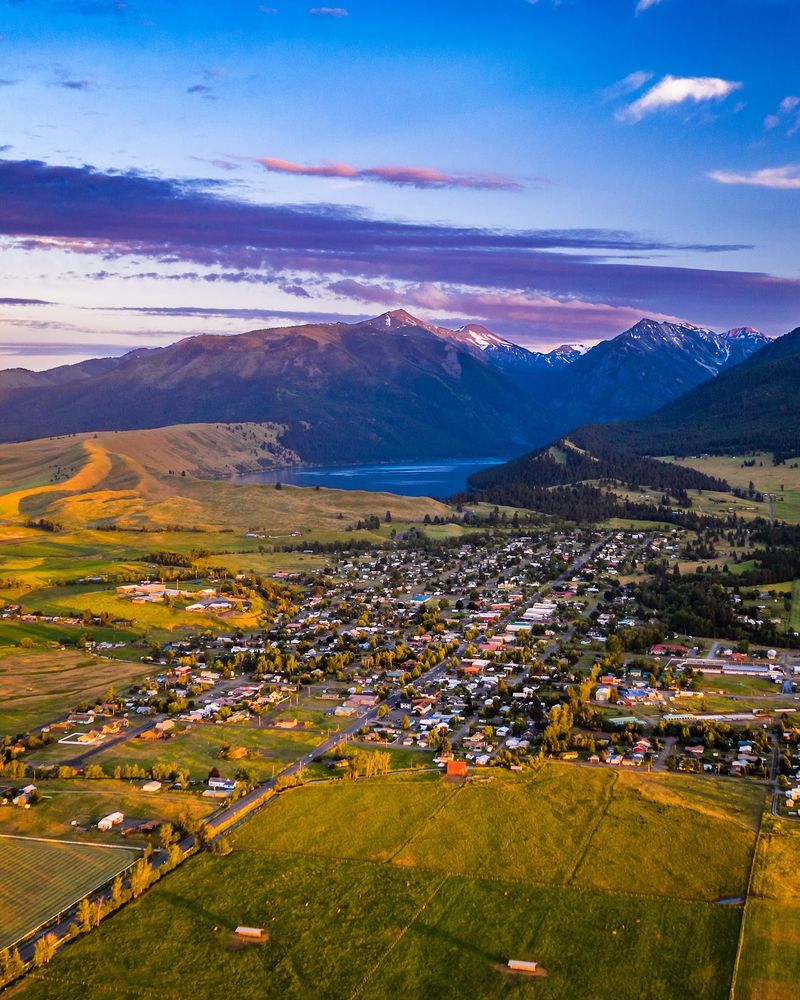
Tucked into the far northeastern corner of Oregon, Joseph sits at the foot of the Wallowa Mountains like a secret kept by locals for generations. The air up here is sharper, the sky wider, and the pace of life genuinely slower in the best possible way.
Most visitors don’t make it this far east, which means those who do get something rare: elbow room.
The town has quietly built a reputation as an outdoor bronze casting hub. Bronze figures of cowboys, wildlife, and Native American figures reflect the region’s deep cultural history. It gives the town a gallery-meets-frontier feel that’s unlike anywhere else in the state.
Wallowa Lake sits just a few miles south of town, ringed by peaks that look borrowed from the Swiss Alps. Kayaking, hiking, and horseback riding are all accessible without breaking the bank. Campgrounds near the lake are affordable and well-maintained.
The gondola ride up Mount Howard offers sweeping alpine views at a reasonable cost. Local diners serve hearty, no-fuss meals that keep you fueled for long days on the trail. Joseph rewards slow travelers who are happy to linger and explore.
6. Myrtle Point, Where the Coquille River Bends
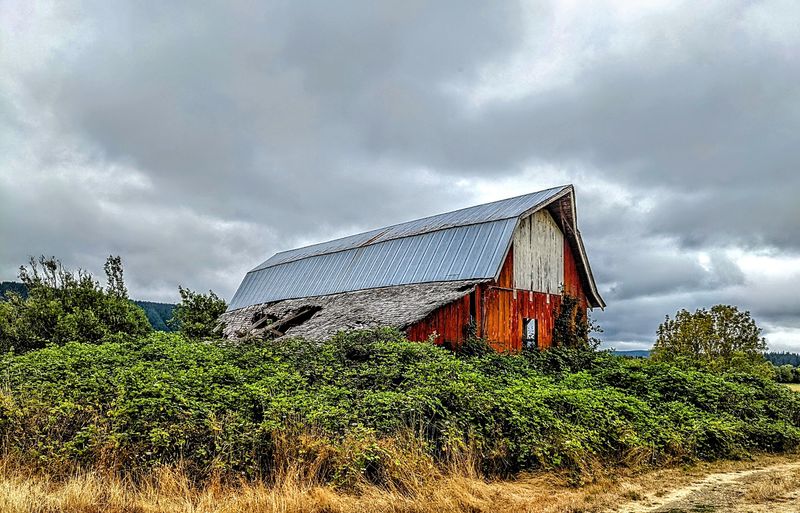
Not every worthwhile Oregon town sits on the coast or near a famous mountain. Myrtle Point proves that point quietly, tucked along the Coquille River in Coos County. Its personality is shaped more by timber history and river culture than by tourism.
The pace here is genuinely unhurried. The surrounding landscape delivers the kind of green, layered beauty that makes Oregon feel almost impossibly lush.
The Coquille River runs clear and cold through the area, drawing anglers after salmon and steelhead throughout the season. Riverside fishing spots are easy to access and free to use. The broader Coos County region offers forested trails, covered bridges, and quiet farm roads.
Downtown Myrtle Point retains much of its original small-town character. Older storefronts line the streets. A community museum covers the region’s logging and agricultural roots in genuine, unpretentious detail.
Lodging options are affordable, and the surrounding area offers camping along the river at modest rates. The town hosts a small rodeo each summer that draws a loyal local crowd. Myrtle Point doesn’t try to be anything other than what it is.
7. La Grande, the Grande Ronde Valley’s Underrated Hub
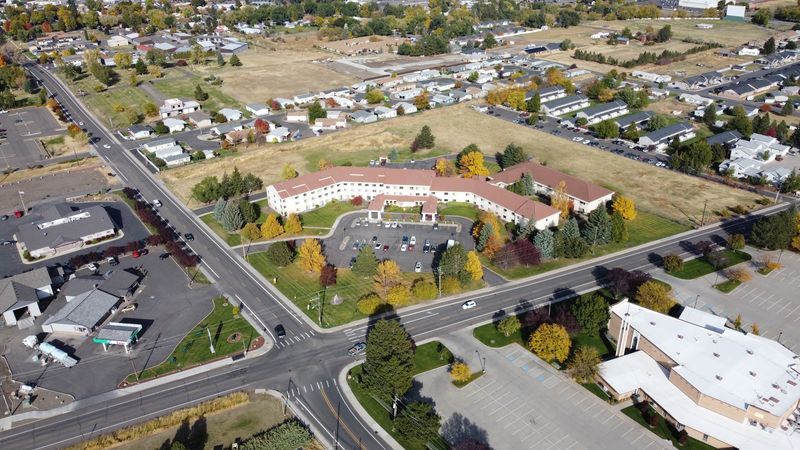
La Grande sits in the Grande Ronde Valley in eastern Oregon, cradled by the Blue Mountains on one side and rolling farmland on the other. It’s a college town with a surprisingly vibrant downtown, a fact that often catches first-time visitors off guard.
Eastern Oregon University gives the place an intellectual energy that pairs nicely with the rugged outdoor culture surrounding it.
The Blue Mountains offer accessible hiking and mountain biking within a short drive of town. Anthony Lakes Mountain Resort sits about an hour away and offers skiing in winter. Summer brings wildflower meadows, quiet forest roads, and fishing in streams.
Downtown La Grande has a handful of independent restaurants, a good used bookstore, and a renovated historic theater that hosts films and live performances. The local food scene leans toward hearty and honest, with portions calibrated for people who spend their days outdoors.
Accommodations range from budget motels to comfortable historic inns, all at prices that leave room in the budget for actual experiences. The valley holds a lot more than most travelers expect when they first roll into town.
8. Cottage Grove, Small Town with Big Covered Bridge Energy
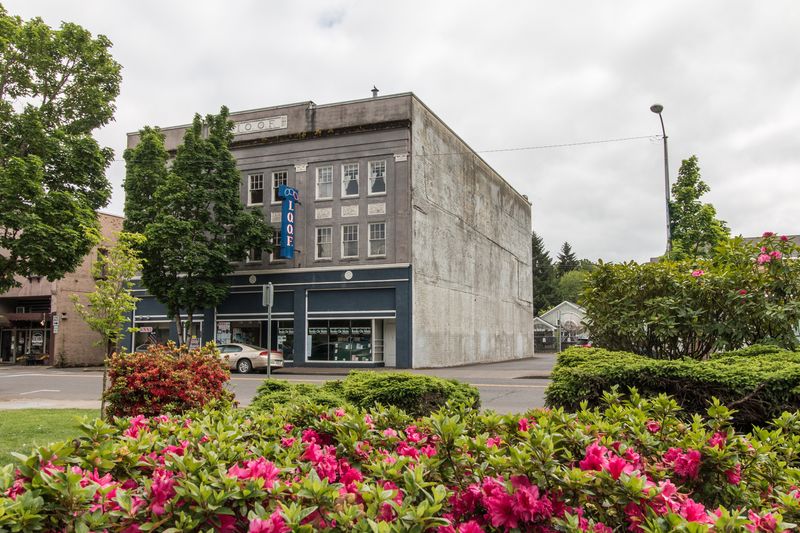
Cottage Grove might be one of Oregon’s most underestimated towns. Nestled in the southern Willamette Valley, it’s the kind of place where a single afternoon can feel surprisingly full without spending much at all.
The surrounding countryside is laced with covered wooden bridges. A collection so charming it inspired a self-guided driving tour that locals call the Covered Bridge Loop.
There are six historic covered bridges within easy reach of town, each one slightly different in design and setting. Some span quiet creeks fringed with ferns. Others sit in open farmland with views of low rolling hills.
Photographing them is free, and the drive itself is a gentle, meditative experience that slows everything down in the best way.
The town itself has a small but lively arts community, with murals decorating several downtown buildings and a handful of galleries worth poking around in. Cottage Grove Lake sits nearby and offers swimming, fishing, and camping at rates that don’t require financial planning.
The local dining scene skews toward comfort food done well, with family-run spots that feel like they’ve been feeding the same customers for decades. Cottage Grove also sits within easy reach of the Oregon Cascades, making it a practical base for longer adventures.
It’s the kind of town that earns your affection quietly, without grand gestures or flashy attractions.
9. Tillamook, Beyond the Cheese Factory
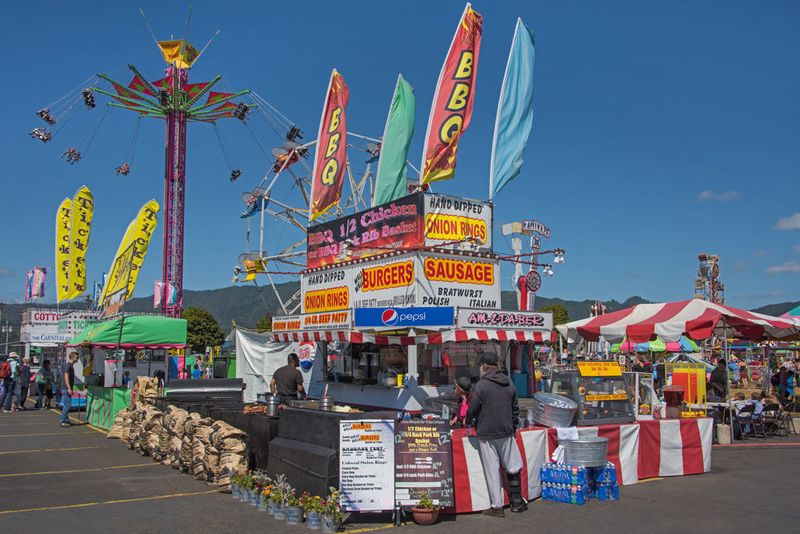
Tillamook is best known for dairy, and yes, the famous creamery draws a crowd. But the town itself offers far more than free cheese samples. The bay, the forests, and the farm-dotted valley combine into something genuinely beautiful without a lot of fanfare.
Tillamook Bay is a productive estuary teeming with shorebirds, harbor seals, and Dungeness crabs. Crabbing from the docks is a local tradition that costs very little and produces results that taste like a full-blown seafood restaurant experience.
Kayak rentals let you explore the bay’s calm waters at a relaxed pace, drifting past mudflats and marsh grasses that feel miles removed from any tourist circuit.
The Three Capes Scenic Route begins near Tillamook and winds along a breathtaking stretch of coastline past Cape Meares, Cape Lookout, and Cape Kiwanda. Each cape has its own distinct character.
The drive is free, and the views compete easily with anything on the more-famous Highway 101 corridor. Tillamook also offers affordable lodging and a farmers market scene rooted in genuine agricultural abundance.
10. Lakeview, Oregon’s Tallest Town with the Longest Views
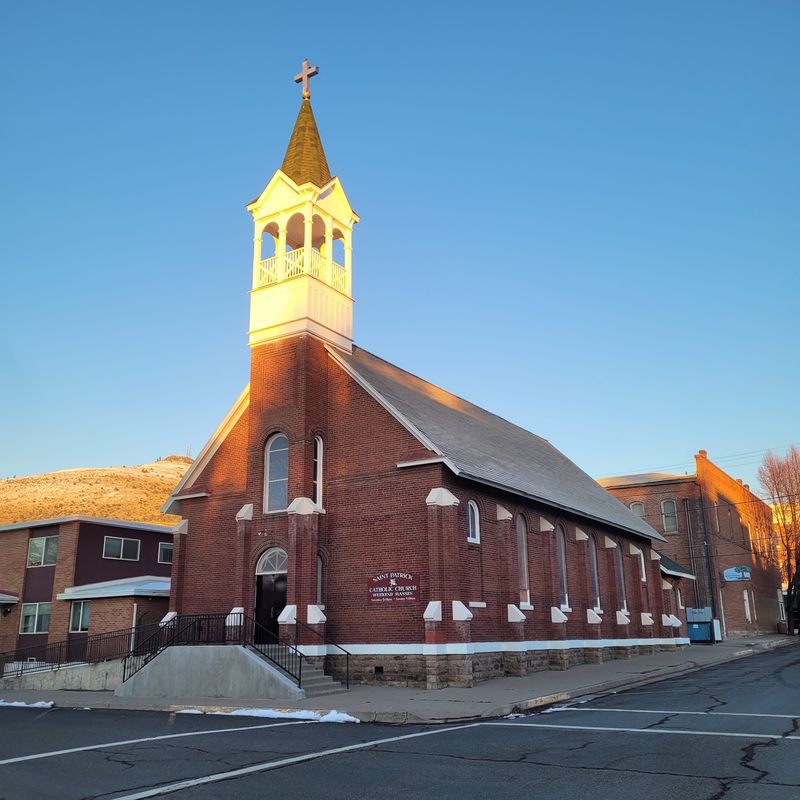
Lakeview sits at over 4,700 feet elevation in the remote south-central corner of Oregon, making it the highest incorporated city in the state. That altitude translates into crisp air, brilliant stargazing, and a landscape so open and wide that it recalibrates your sense of scale.
The town itself is small and unpretentious, shaped by ranching, geothermal energy, and a deep sense of self-sufficiency.
Hunter’s Hot Springs sits just north of town and features a geyser that shoots water skyward at regular intervals. Nearby Abert Rim is one of the largest exposed fault scarps in North America, a sheer volcanic cliff rising over 2,000 feet above the alkali flats of Lake Abert.
The views from the rim trail are staggering. Summer Lake Hot Springs is a short drive away and offers natural geothermal soaking in a remote desert setting that feels almost surreal.
Lakeview’s downtown is compact and functional rather than curated for visitors, which gives it an honest, unfiltered character. Local diners serve generous meals at prices that feel like they haven’t changed in decades.
Camping and public land access in the surrounding Warner Valley and Fremont-Winema National Forest are plentiful and largely free. Lakeview rewards travelers who appreciate the beauty of distance, silence, and a sky full of stars with no light pollution to soften the view.
