A Palestinian family welcomed diners to their new cafe in 2021, serving hummus made the old-world way and falafel studded with sumac onions.
By 2022, the humblest of spots had landed on a national list of the ten best new restaurants in America.
The owner, known to everyone as “Baba,” greets each guest like an old friend, while his children scribble down family recipes that taste exactly like home.
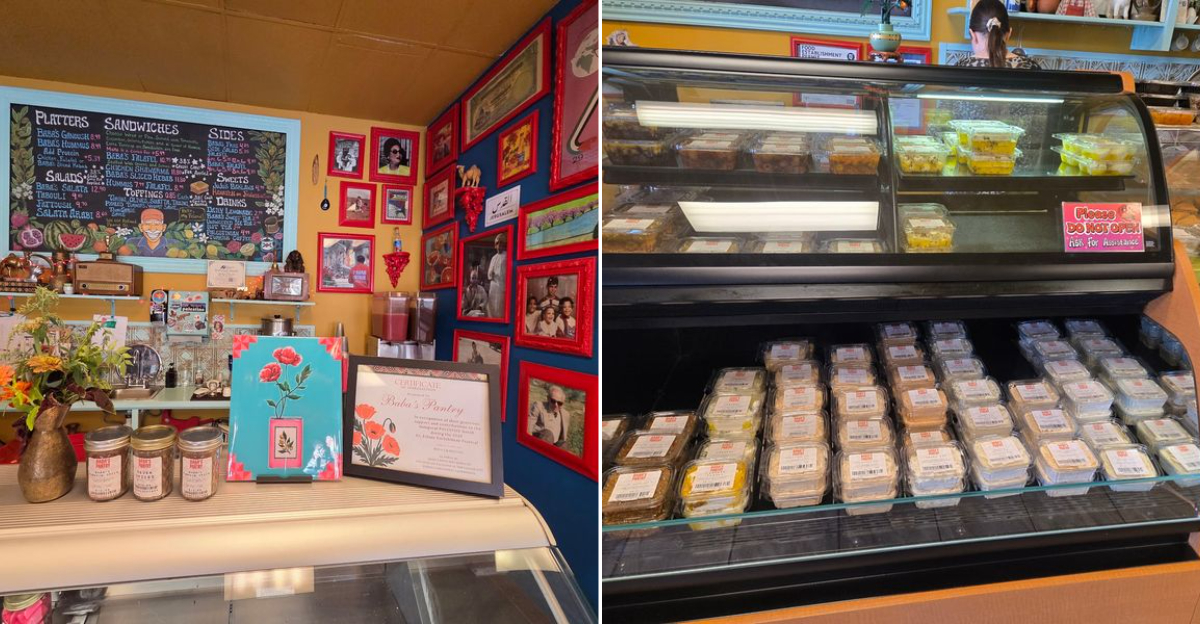
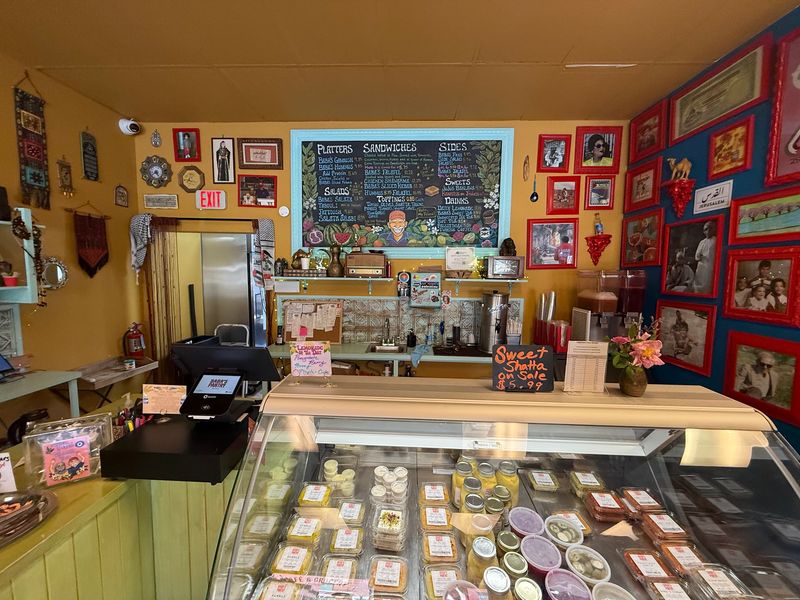
The colorful deli case brims with sauces, dips, and spreads that keep regulars coming back week after week.
There is no pretense here, just velvety hummus, warm pita, and the kind of hospitality that turns first?timers into lifelong fans.
In Missouri, this cozy cafe proves that the best new restaurants are often the ones that feel like they have been there all along.
The Meaning Tucked Inside The Name
Names usually do not tell you much about a restaurant, but this one basically explains the entire place before you even sit down. Baba means father in Arabic, and that is what everyone calls the founder, Yahia Kamal, so the shop is quite literally named after the person who built it.
What gets me is how long this story actually runs. He was bringing Palestinian flavors to Kansas City back when most Americans had never heard of hummus, let alone bought a tub of it at the grocery store.
His products eventually landed in Whole Foods locations around the country, which is a pretty remarkable arc for someone who started small.
So when you walk in, you are not stepping into some concept restaurant that a marketing team dreamed up in a meeting room. You are stepping into a family’s long-running project, one that took decades of patience and stubbornness before it became a full sit-down spot with a name on the door.
I think that history is part of why the food tastes the way people describe it. There is no shortcut version of what they are doing, and honestly, you can feel that intention the moment you look at the menu board.
Where To Actually Find It
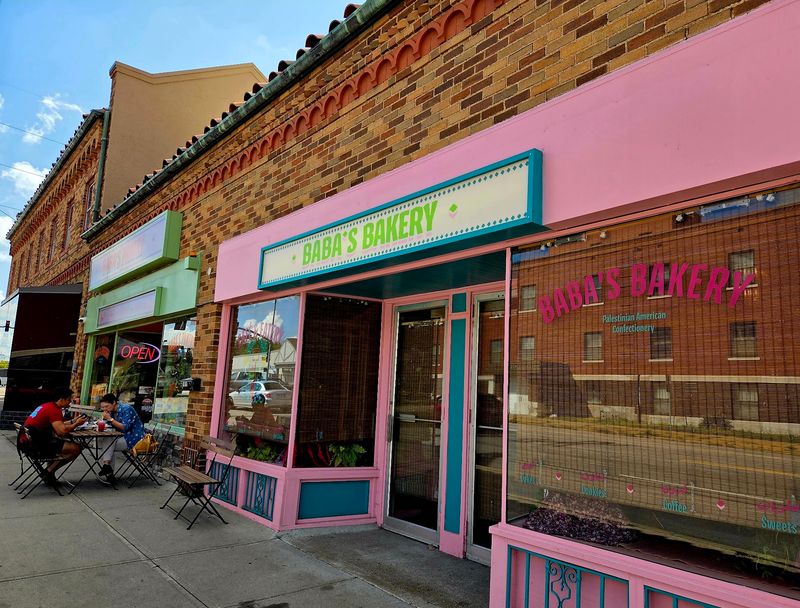
You will want to write this down before you go, because it sits in a stretch of Kansas City that you might otherwise drive right past without a second glance. The address is 1019 E 63rd St, Kansas City, MO 64110, and it is easier to spot than you might expect.
The building itself has this bright, cheerful look from the street, the kind that makes you slow down and wonder what is going on inside. It does not blend into the block the way a lot of small restaurants do, and that is very much on purpose.
Parking around that area is generally manageable, which is a small mercy when you are hungry and circling. The neighborhood has a lived-in, everyday feel to it rather than a polished restaurant-row vibe, and I genuinely think that makes the whole visit better.
If you are coming from downtown or heading toward the Plaza area, it is an easy detour rather than a whole expedition. Missouri has plenty of places that require a real drive to reach, so it is refreshing that one of the country’s most talked-about new restaurants sits right in the middle of a regular city street.
Palestinian Cooking, Kansas City Address
Here is the part that makes this place genuinely interesting rather than just tasty. The family is sharing the food of Palestine right in the middle of the Midwest, and they are doing it without watering anything down for an unfamiliar audience.
The cooking is rooted in tradition, the recipes and techniques that have been passed along for generations. At the same time, it reflects the creativity that comes from being Palestinian American, from building a life somewhere new while holding onto the flavors of home.
That balance is not easy to pull off, and plenty of restaurants land awkwardly on one side or the other. What they have managed here feels honest, like they are cooking what they actually eat instead of performing a version of it for outsiders.
I also love that this is happening in Missouri specifically. People tend to assume that the most interesting immigrant food scenes only exist on the coasts, and places like this quietly prove otherwise every single day.
You get a real cultural experience alongside your lunch, which sounds like a lot to ask from a sandwich shop. Somehow it does not feel heavy or educational, it just feels like eating good food made by people who care.
That National Magazine Shout-Out
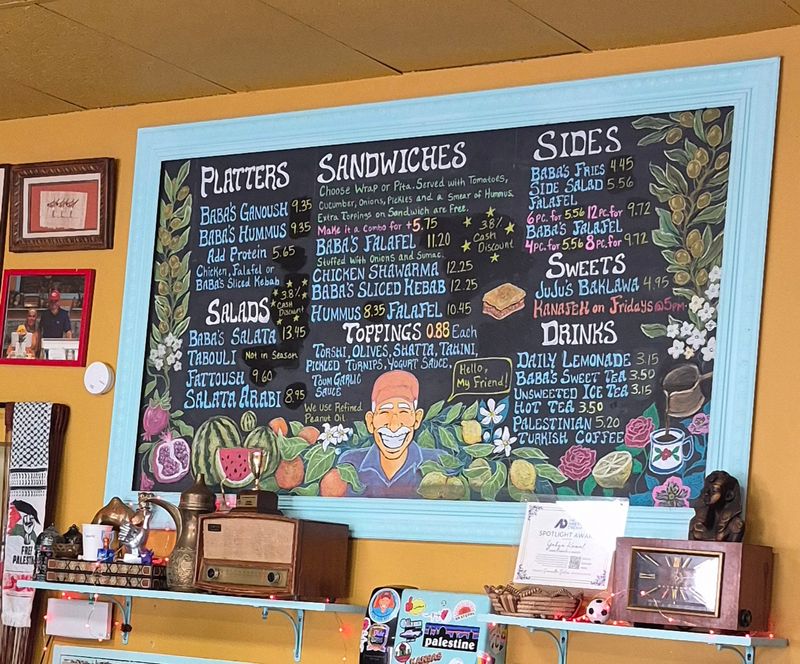
Bon Appetit magazine named this spot one of the best new restaurants in America, which is the sort of thing that usually goes to a splashy place in New York or Los Angeles. Instead it went to a family deli in Kansas City, and I still find that delightful.
The line that really made the rounds was about the hummus. The magazine said it was perhaps the best they had ever had, and when a national food publication says something like that, people start booking flights.
Recognition like that changes a small restaurant fast, and the crowds definitely followed. Still, from everything I have read, the family stayed focused on the same food they were making before anyone outside Missouri knew their name.
What I appreciate is that the award did not come with a reinvention. No sudden tasting menu, no dramatic redesign, no attempt to become something fancier to match the attention they received.
If you are the kind of traveler who likes chasing down places that critics rave about, this one is worth the detour. And if you are not, the food stands entirely on its own without any list attached to it.
Walls That Feel Like Someone’s Home
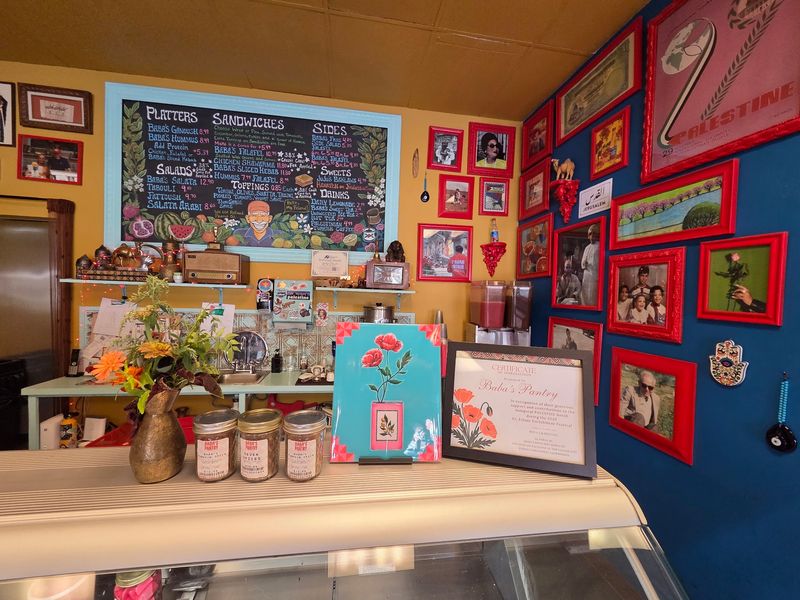
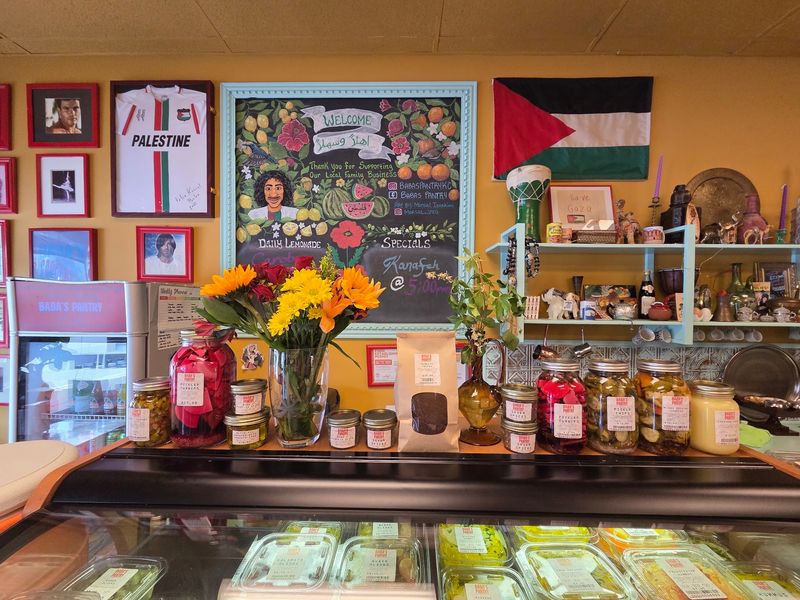
Ask anyone who has been inside and the first thing they mention is usually not the food, it is the room. Baba’s son Kamal designed the interior, and it looks nothing like a standard restaurant dining space.
The walls are painted in these bold, happy colors, marigold yellow and cerulean blue with touches of terracotta and mint green mixed in. It sounds like a lot when you list it out, but apparently it all works together beautifully.
Family wedding portraits hang on the walls alongside carved wall hangings, antiques, and souvenirs the family brought from their homeland. Every object seems to have an actual story behind it rather than being bought in bulk to fill empty space.
That is the difference between decoration and something real, and you can usually tell within a few seconds of walking in. There is no themed-restaurant feeling here, no props chosen by a designer who never met the family.
The whole effect is meant to reflect Palestinian hospitality, the idea that a guest should feel completely looked after. Honestly, in a state full of great casual restaurants, a room this personal still stands out as something unusual.
What People Keep Ordering Again And Again
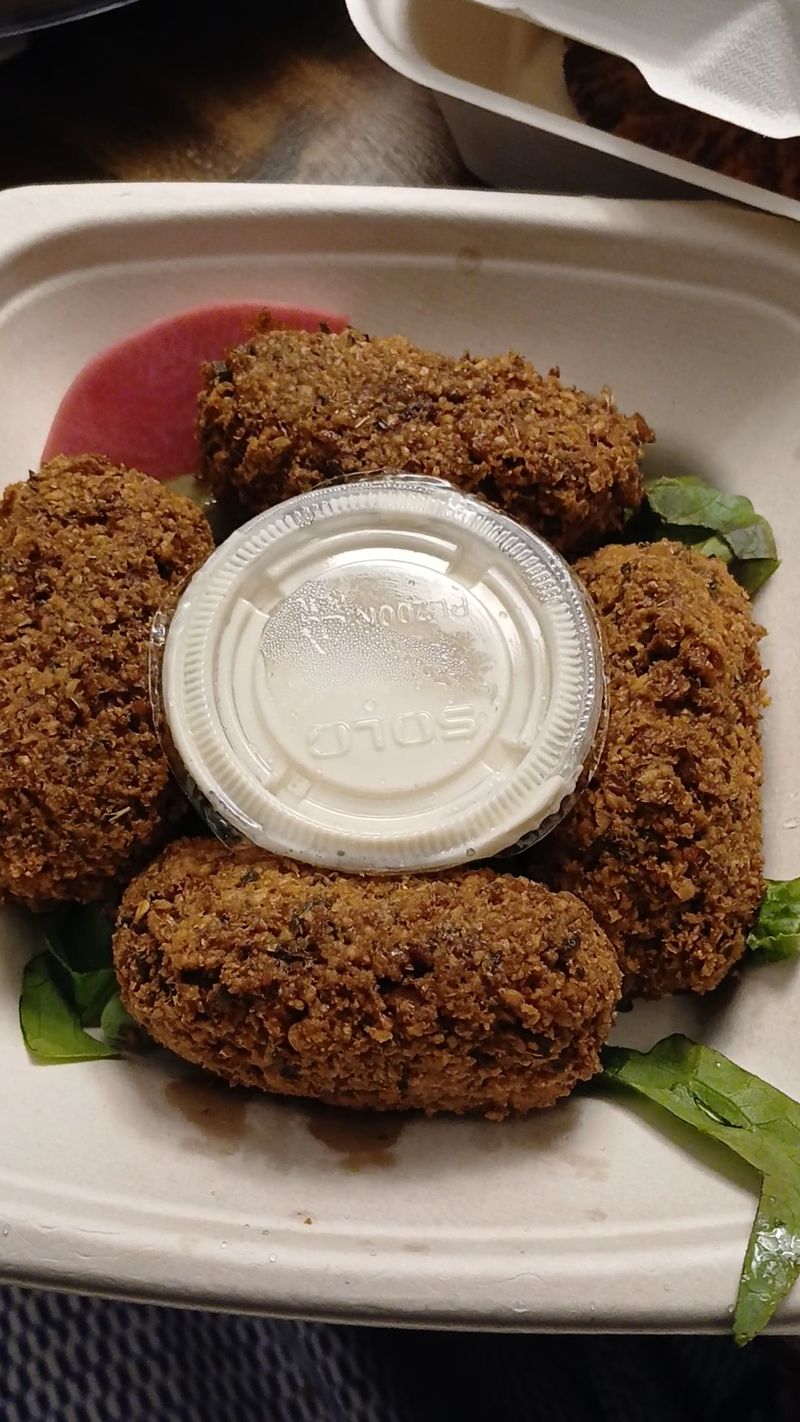
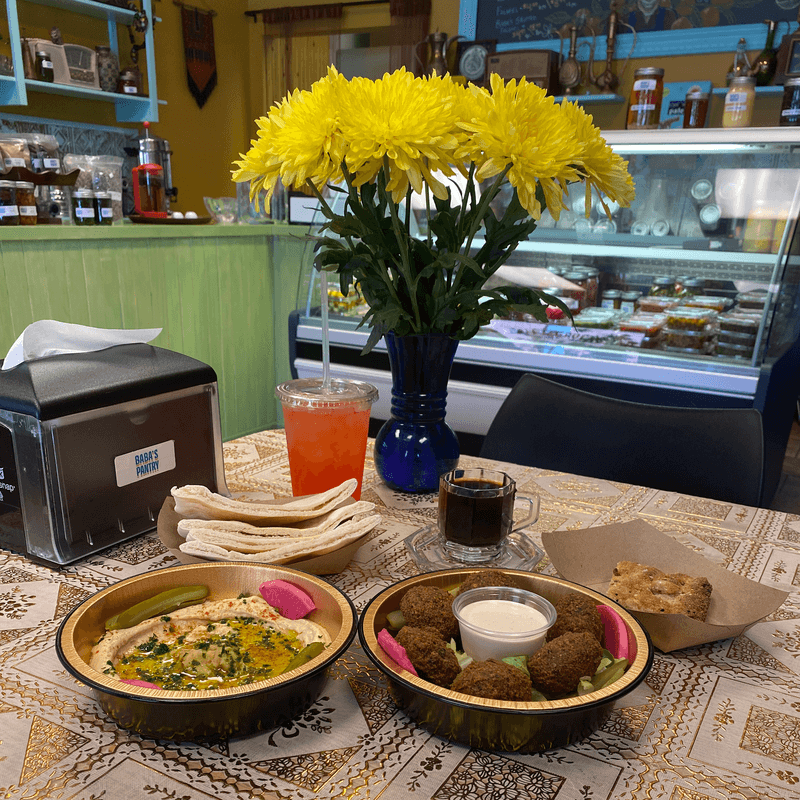
Let us talk about the actual food, because that is presumably why you are reading this. The falafel gets described as impossibly crisp, the kind with a shattering outside and a soft green interior that people rave about long after their visit.
Then there is the hummus, which earned that famous national compliment. Reviewers keep reaching for words like velvety and smooth, which suggests it is nothing like the thick, grainy stuff most of us are used to from a plastic tub.
They also serve chicken shawarma and a vegan shawarma, so the group of friends who never agree on where to eat can actually all order something. Kebabs are on the menu too, and the baba ganoush has its own devoted following.
What strikes me reading through descriptions is how consistent the praise is across different dishes. It is not one famous item carrying an otherwise ordinary menu, which happens more often than restaurants would like to admit.
My advice would be to go with at least one other person and split several things. That way you leave having tasted the range instead of wondering about the plate at the next table over.
Grocery Shelves Worth Browsing
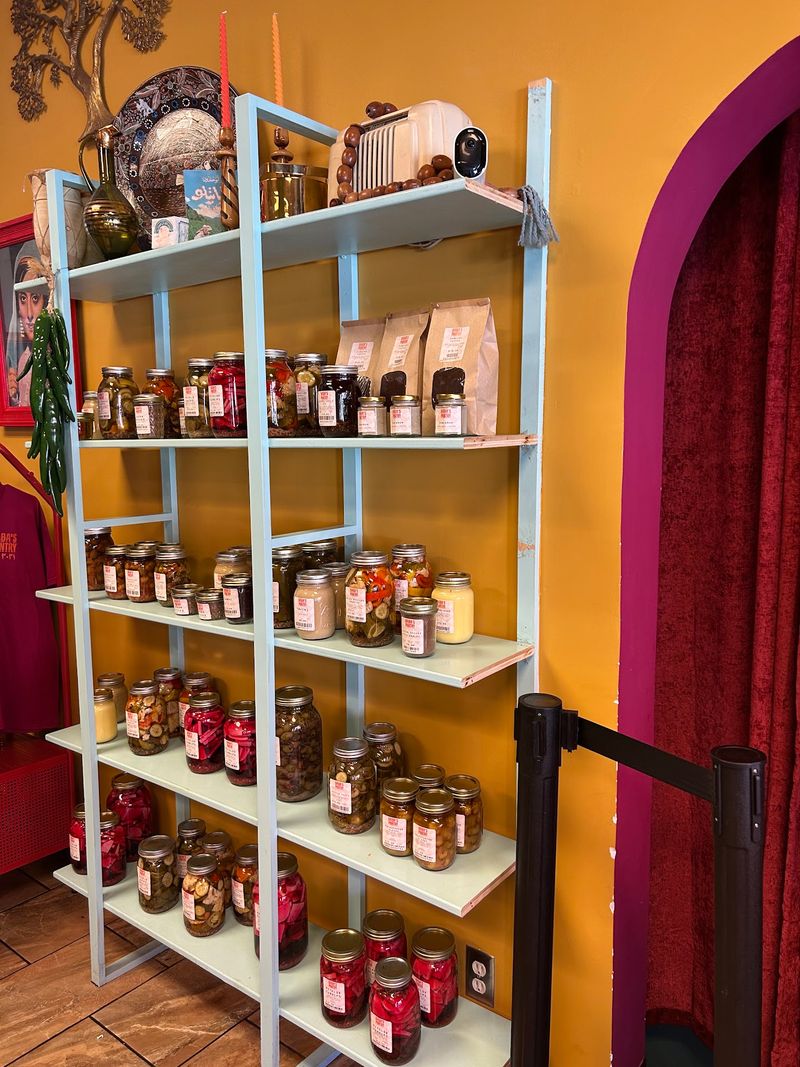
The word pantry in the name is not decorative, by the way. There are actual shelves of things you can carry out the door, which turns a lunch stop into a small shopping trip if you let it.
Tubs of that celebrated hummus are available to take home, along with baba ganoush and a variety of pickled vegetables. There are specialty spreads too, including sweet shatta and olive mazza, which are not exactly items you stumble across at a regular supermarket.
For travelers, this is genuinely useful. Instead of hunting for a magnet or a keychain, you can bring back something people will actually be excited about when you unpack your bag.
It also solves the sad problem of loving a restaurant meal and knowing you will never taste it again. A container in your cooler stretches the trip out for a few more days, which feels like a small win.
If you are driving through Missouri with any kind of cooler in the trunk, plan ahead a little. Grabbing a few things on your way out is one of those decisions you will thank yourself for later that week.
The Bakery Right Next Door
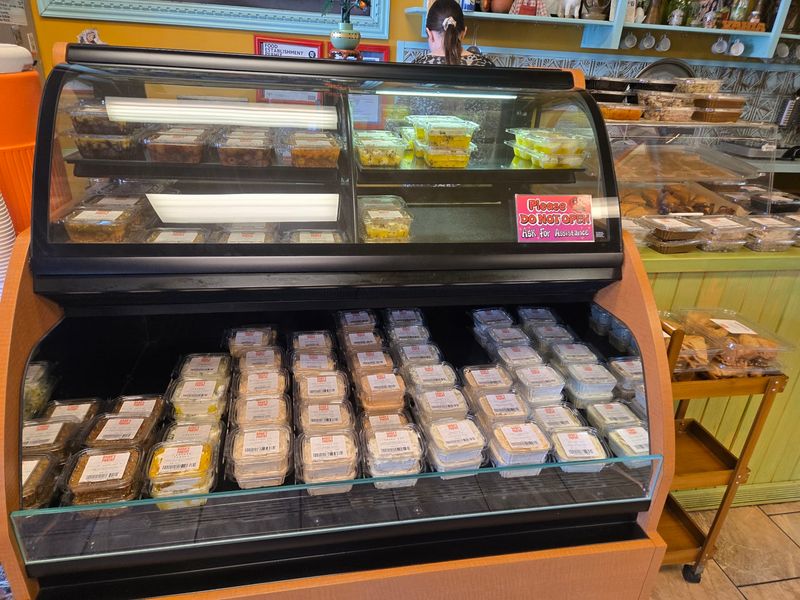
Just when you think you have the place figured out, there is a bakery attached to the operation. Traditional sweets are made there, and that changes the whole shape of your visit.
Baklava is the headliner, made fresh and known to sell out, which tells you plenty about the demand. Layers of thin pastry, nuts, and syrup done properly is a completely different experience from the dried-out squares sold in most places.
On some Fridays they make knafeh, that warm cheese and shredded pastry dessert soaked in sweet syrup, and it draws a real crowd. If your schedule happens to line up, I would absolutely plan around it.
Here is my honest suggestion though. Order your dessert when you first arrive rather than after your meal, because waiting until the end is how people end up disappointed at an empty tray.
Sweets like these are meant for sharing, and they travel reasonably well if you are heading somewhere afterward. Grabbing an extra piece for later in the hotel room is the sort of small decision that makes a trip feel indulgent.
Everybody In The Family Pitches In
Family businesses get talked about constantly, but this one really is a whole household effort. Baba founded the pantry alongside his wife, Yusra, and their four children, Omar, Kamal, Yasmine, and Hannah.
Everyone contributes something different to keep it running, from the cooking to the design to the day-to-day work of keeping a busy restaurant on its feet. That shared load is a big part of why the place has the personality that it does.
You tend to notice the difference in a family-run spot even if you cannot immediately name why. There is a level of care in the details that is hard to hire for and even harder to fake.
The recognition they have received nationally reflects on all of them, not just one person behind the stove. It grew out of years of everyone showing up and doing the work together.
Kansas City has embraced them for it, and that relationship goes both ways. Supporting a place like this while you travel through Missouri feels a little different from grabbing a meal at whatever is closest to the highway exit.
