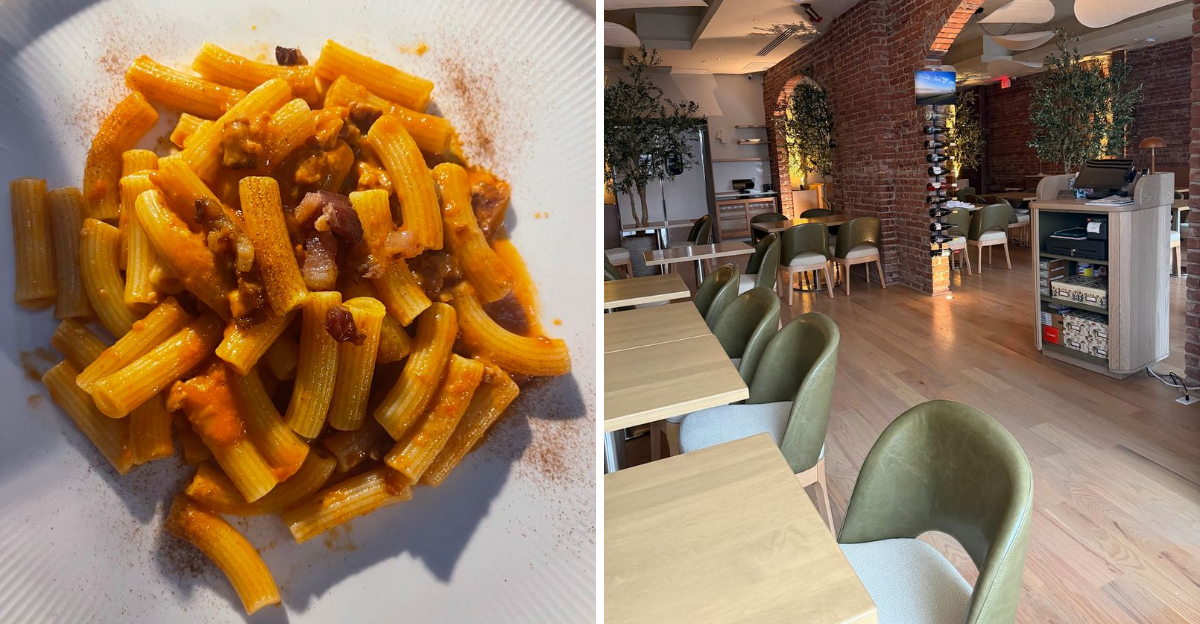
Who knew a cold heart could be a good thing? Turns out, it is the secret behind the most unique pasta in America.
This New Jersey restaurant uses a patented cold extrusion process that skips the heat entirely.
That means no broken proteins, no mushy noodles, and a texture that is surprisingly light and nutritious.
You have never tasted pasta like this before. From tagliatelle with lobster to carbonara that sings, every dish is a flavor bomb.
The chef hails from Italy’s Adriatic coast, so you know the authenticity is real. It is the kind of place that changes what you think you know about pasta.
And honestly? Your taste buds will thank you.
Metodo Massi, The Cold Secret Behind Every Strand
Most pasta gets warm during extrusion, and heat quietly changes the wheat inside. The method used here, called Metodo Massi, is a patented cold extrusion process that comes from Senigallia, a coastal town in Italy’s Le Marche region.
No heat enters the picture. That single difference protects the protein structure of the wheat, which makes the finished pasta more digestible and higher in protein than what most of us grew up eating.
It also holds its shape beautifully in the pot, refusing to slide into mush even when the sauce is generous and the timing is imperfect. Clementina is the only place in the United States presenting this method, which is a strange and wonderful thing to consider while twirling a fork.
You taste it before you understand it. There is a springiness, almost a gentle resistance, that makes each bite feel deliberate rather than soft and forgettable.
For anyone who thinks pasta is just pasta, one plate here rearranges that assumption fairly quickly.
A Hardware Store Turned Dining Room
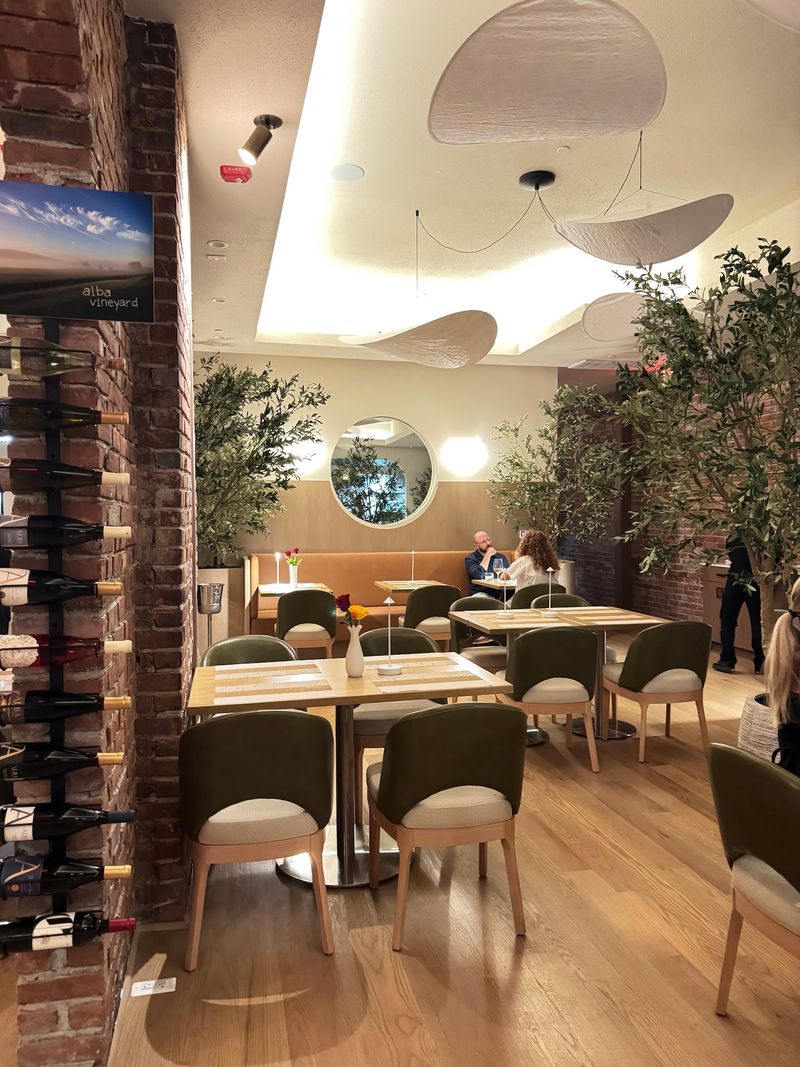
The building itself has a past life, and not the sort you would guess. Before white tablecloths and olive trees, the space on Valley Road housed a hardware store, the kind of neighborhood fixture where people bought paint and hinges.
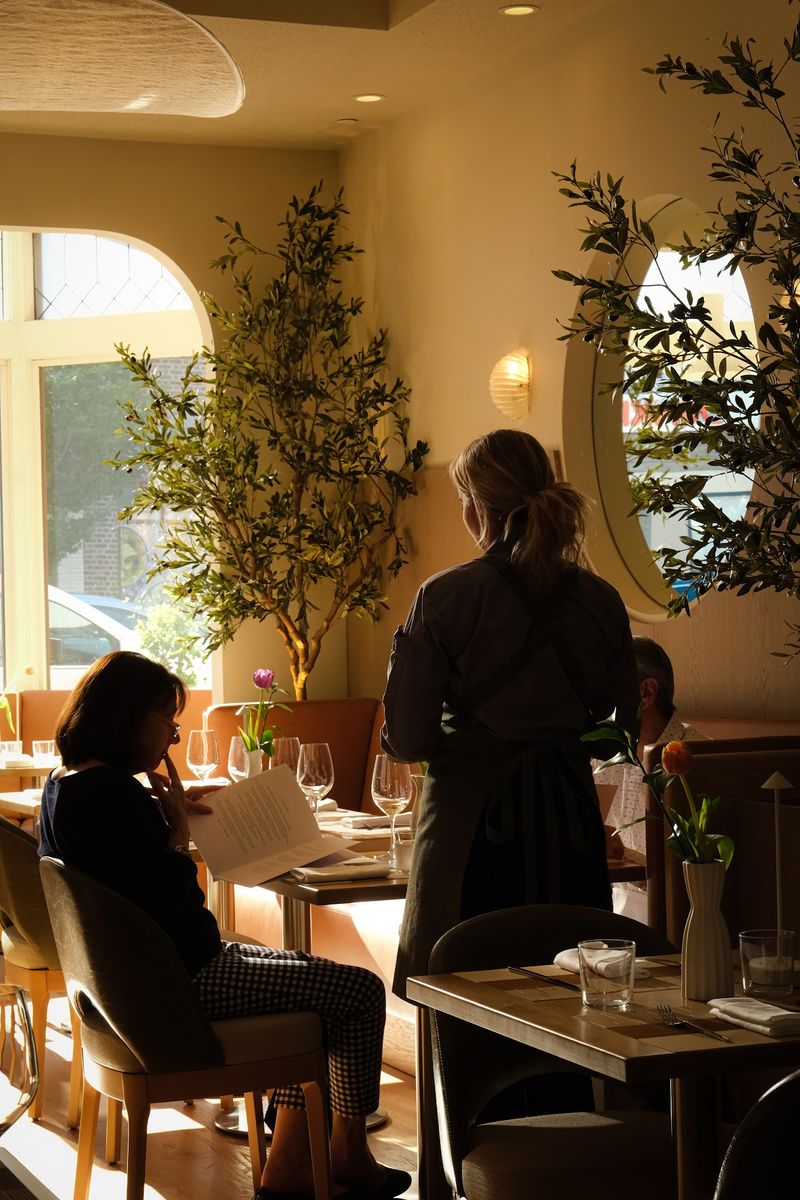
Now brick arches frame the room, and the materials feel honest: stone, wood, greenery layered in soft clusters. The lighting stays low and golden, which flatters everyone at the table.
What struck me most was how the design avoids trends. Nothing here screams for attention, and the whole room seems built to look the same in ten years as it does tonight.
Olive trees stand in as living decoration, nodding toward the Adriatic without turning the place into a theme.
Tables sit far enough apart that conversation stays private, and the arches break the space into smaller, cozier pockets. Elegance and warmth do not always share a room comfortably, but this one manages the balance with an easy confidence that makes lingering feel natural.
Calamarata With Potato Velouté And Seasonal Seafood
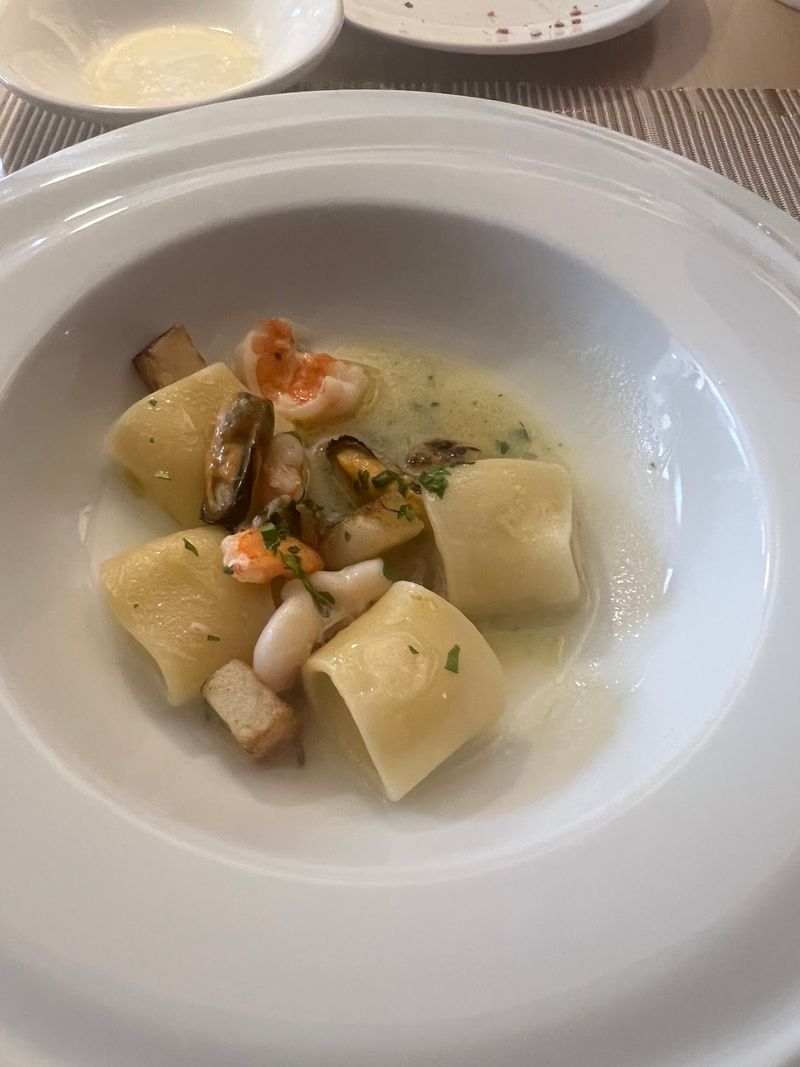
Wide rings of calamarata arrive resting in a creamy potato velouté, and the pairing sounds humble until you taste how much depth sits in that sauce. Seasonal seafood joins the plate, shifting with whatever the coast and the season offer.
Because the pasta is made using the Massi method, those thick rings keep a firm bite that stands up to the silky sauce instead of dissolving into it.
Texture does a lot of work in this dish. The velouté coats without weighing anything down, and the seafood brings a clean brininess that keeps the richness in check.
It is one of the clearest illustrations of why the cold extrusion matters at all. A softer noodle would vanish here.
Order it early in the meal rather than late, while your palate is still curious. The dish rewards attention, and it makes an excellent introduction to what the kitchen is actually trying to say about pasta, wheat, and restraint on a plate.
Maccheroncini Al Fumé And The Smoke Question
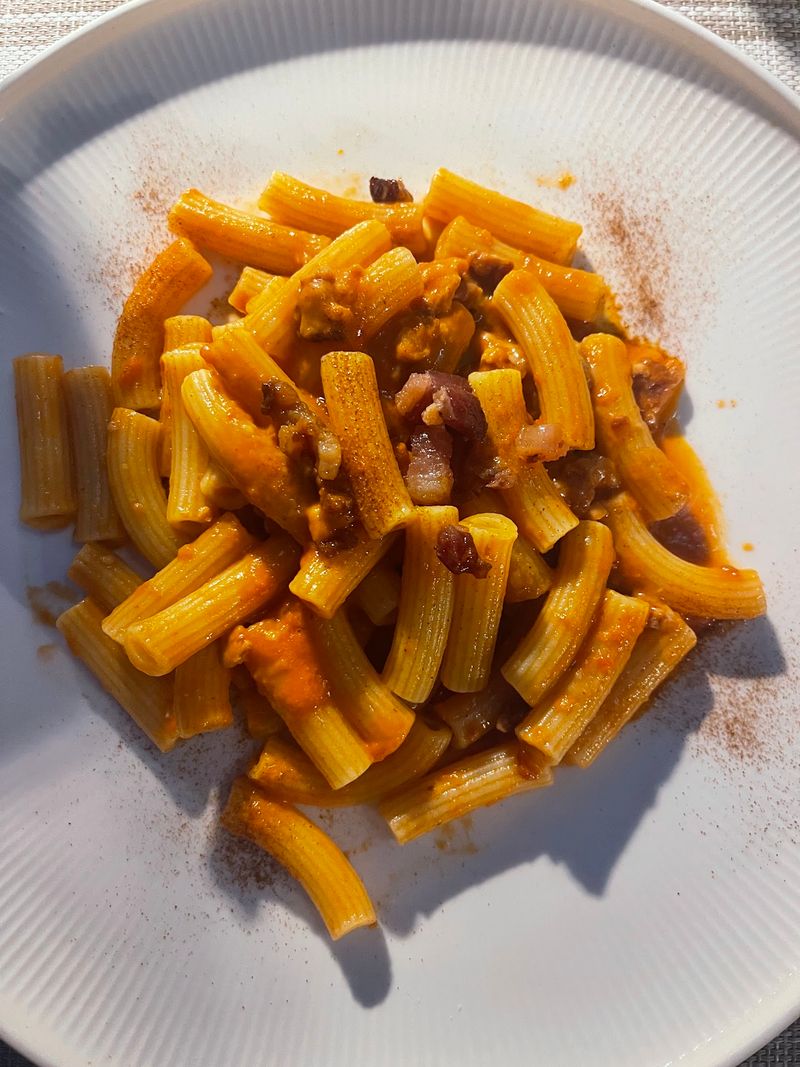
Smoked cheese in a pasta sauce could easily overwhelm everything else, yet this version stays remarkably composed. Maccheroncini al fumé shows up as one of the signature plates, and it has quietly become the dish people mention when describing the kitchen’s style.
The strands are thin and delicate, closer to a whisper than a statement.
Smoke arrives gently, more like a warm background note than a punch, and it lingers just long enough to make you take another bite before speaking. Served properly al dente, the pasta gives that satisfying little snap that thin noodles usually lose.
It works well as a middle course, placed between something bright and something heartier.
Maccheroncini has deep roots in Le Marche, the same region behind the pasta method used here, so the dish feels less like invention and more like translation. Sharing it around the table is common, and honestly recommended, since a few forkfuls tell you plenty about how carefully this kitchen thinks.
Carbonara Done The Traditional Way
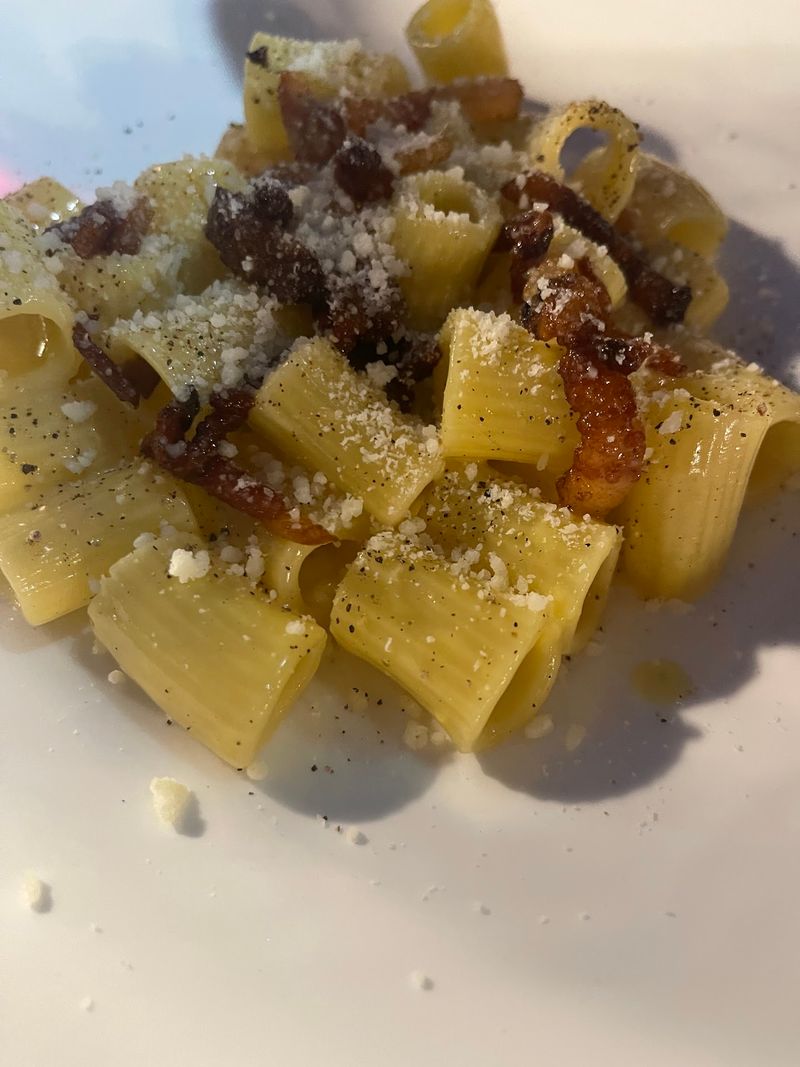
Carbonara gets butchered constantly in America, drowned in cream and called authentic. Here, spaghetti alla carbonara appears on the menu as a straightforward classic, and the kitchen treats it with the respect the dish actually deserves.
Glossy, peppery, held together by technique rather than shortcuts.
What makes it interesting is the noodle underneath. Pasta built through cold extrusion grips a sauce differently, and carbonara depends entirely on that grip to stay creamy instead of separating into sad puddles.
Timing matters enormously with this dish, which is why it functions as a quiet test of any Italian kitchen.
If you tend to order the familiar thing to compare against everything else you have eaten, start here. It gives you a baseline before the more unusual plates arrive.
Order it hot and eat it immediately, because carbonara waits for nobody. A few cracks of pepper and a fork are all the ceremony required, and the simplicity is exactly the point of the whole exercise.
Flavors Pulled Straight From The Adriatic
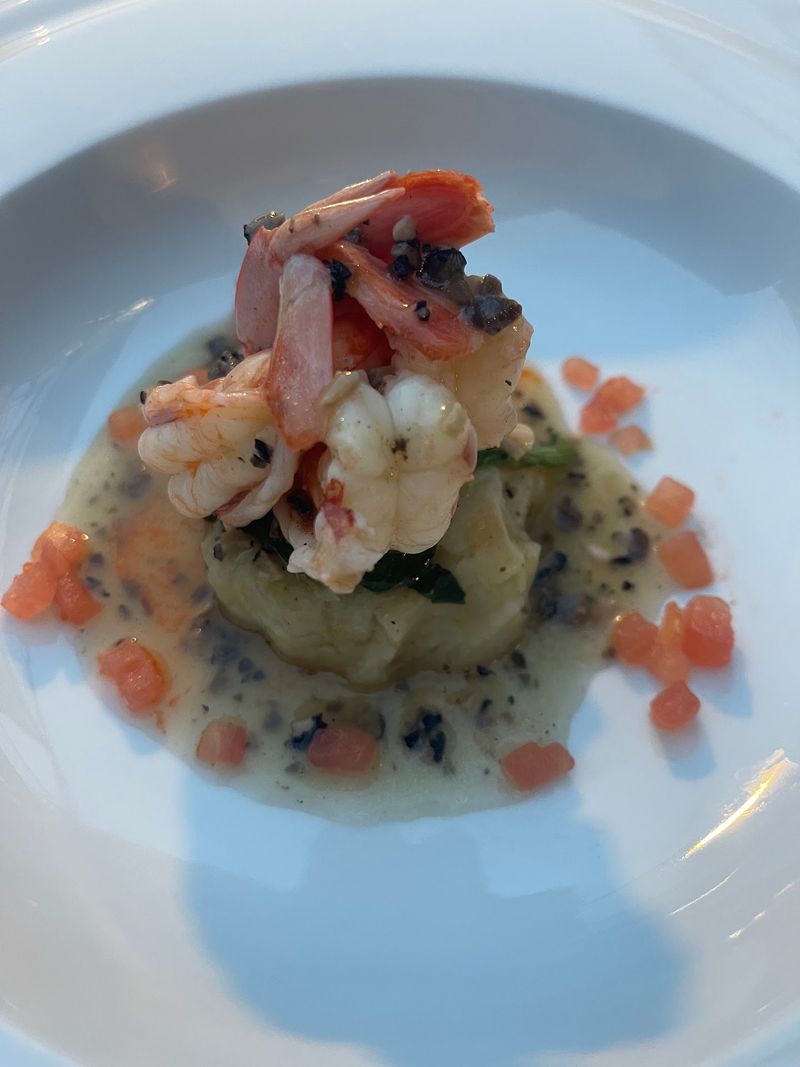
Le Marche sits along Italy’s Adriatic coast, and the menu here keeps returning to that shoreline. Seafood plays a leading role, from scallops to grouper, prepared with a lightness that feels distinctly coastal rather than heavy or overworked.
Citrus shows up often, brightening things instead of masking them.
Regional Italian cooking is not one single cuisine, and that becomes obvious quickly at a table like this. The flavors lean cleaner and more mineral than the tomato-forward southern dishes many of us know best.
Fish gets cooked with confidence, seasoned simply, and left alone.
Even the bread and butter service leans toward that same brightness, with lemon working its way into the butter. Small choice, big impression.
If seafood is your thing, build your meal around it and let the pasta play a supporting role. The kitchen’s whole personality comes from a specific stretch of Italian coastline, and following that thread through the menu turns dinner into something closer to a geography lesson you can taste.
Made From Scratch, Including The Pastry
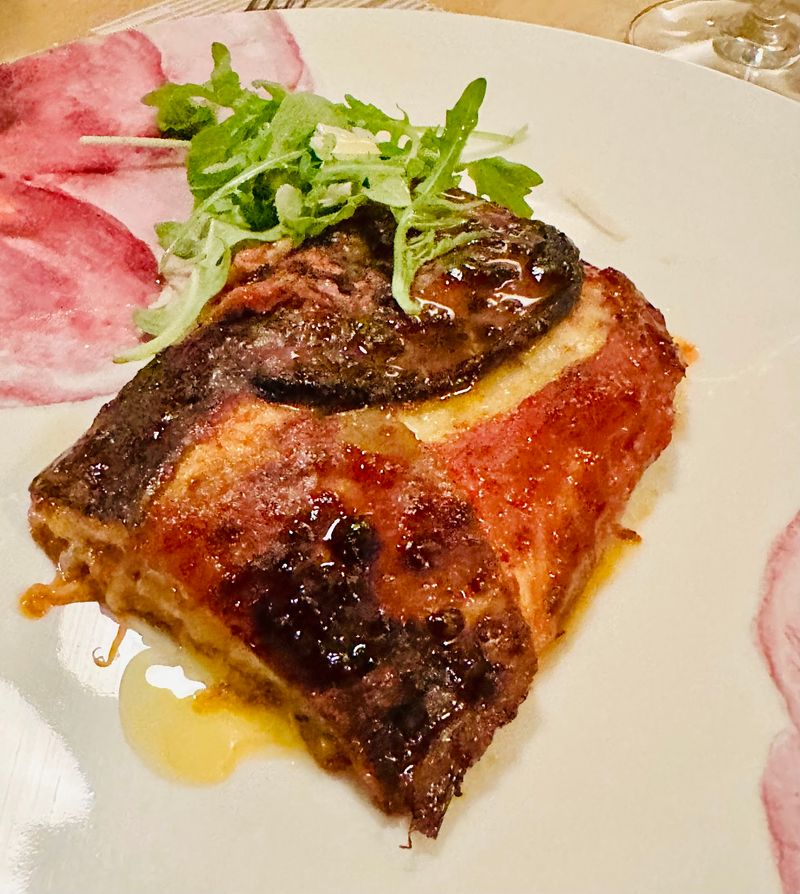
Scratch cooking gets claimed loosely these days, so it is worth noting how far it stretches in this kitchen. The pasta is handmade, and the pastries come out of the same house rather than a supplier’s box.
Fresh to order is the working rhythm.
That approach shows up in unexpected places, like a dessert crust that still has snap or a sauce that tastes assembled minutes ago instead of hours earlier. It also means the kitchen moves at its own pace, which is part of the deal.
Patience pays off here.
Ingredients come through direct relationships with producers in New Jersey and in Italy, which keeps the sourcing tight and traceable. Local sourdough bread appears at the start of the meal, paired with that lemon infused butter.
For diners who care where food comes from, Clementina makes the answer unusually easy to follow. Nothing on the plate feels anonymous, and that transparency changes how you eat, slowing you down in the best possible way.
Dessert Worth Saving Space For
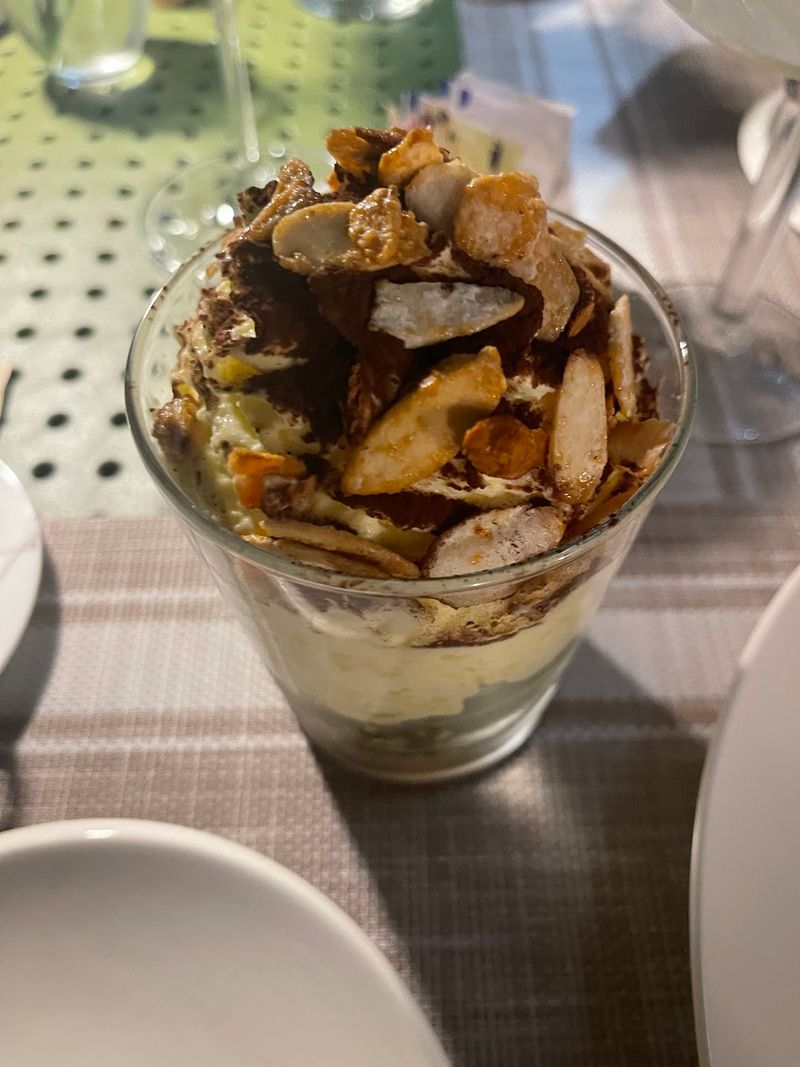
Tiramisu is the most talked about thing on this menu, which says something considering the pasta situation. The version served is an interpretation rather than a copy, layered and lighter than the dense squares most of us picture, with a bit of crunch worked in.
Cocoa, cream, texture. It lands.
Alongside it sits a warm chocolate fondant, the sort of dessert that spills when your spoon breaks the surface. Two very different closing moves, both made in house.
Portions across the menu run on the refined side, so dessert rarely feels like an impossible ask by the end of the night. That is genuinely useful planning information.
Split both if you are two people, or claim one entirely for yourself and accept the consequences.
Sweet courses often feel like an afterthought at restaurants focused on pasta, but that is not the case here. The pastry work carries the same attention as everything that came before it, which makes finishing the meal feel intentional.
How The Room Actually Feels At Dinner
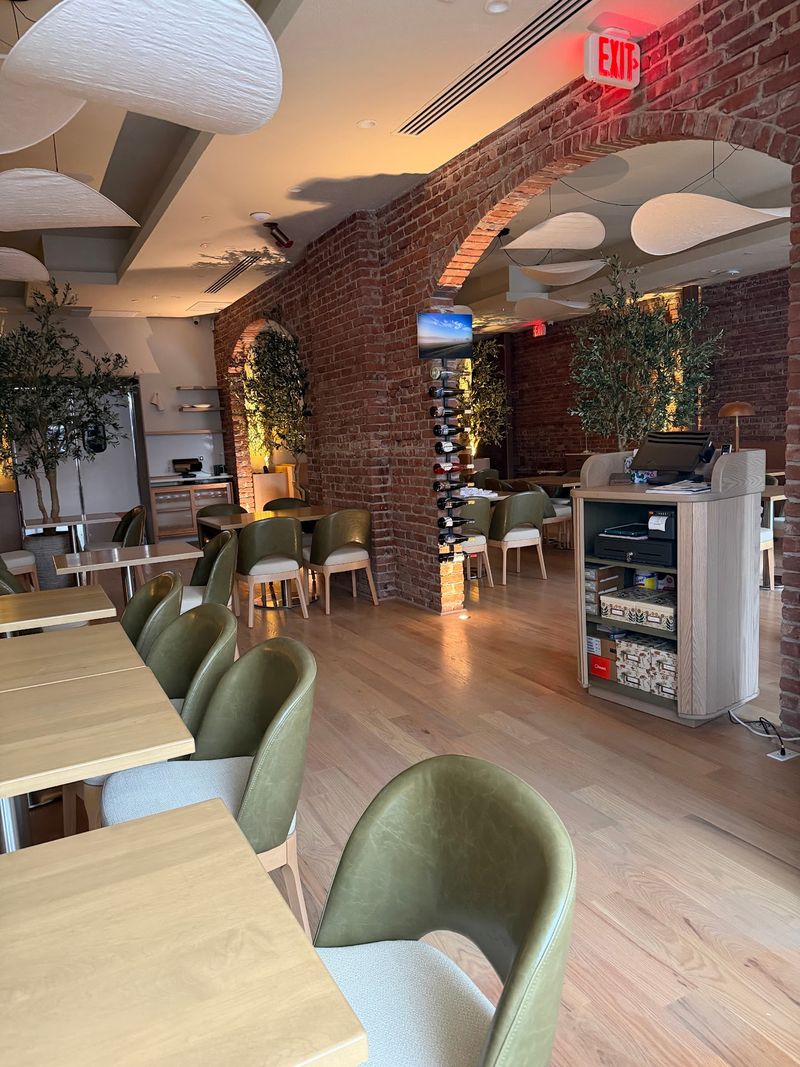
Evening service starts at five, and the room fills gradually rather than all at once. Tables sit comfortably apart, which matters more than people admit when they are trying to have an actual conversation over dinner.
The mood reads bright and airy early, then softens as the light drops.
Service leans attentive and detail-oriented, with dishes often introduced as they land. Some diners love that context, others prefer to be left alone with their food, and both preferences are easy enough to signal politely.
Portions run elegant rather than enormous, closer to a tasting approach than a family style feast.
Knowing that ahead of time changes how you order. Building a meal with a starter, a pasta, and something to finish tends to work better than picking one main and hoping.
The room can carry sound when it is busy, so a quieter night makes for a calmer experience. Reservations are wise, since the space is intimate and the dining room does not stretch endlessly.
Planning Your Visit To Upper Montclair
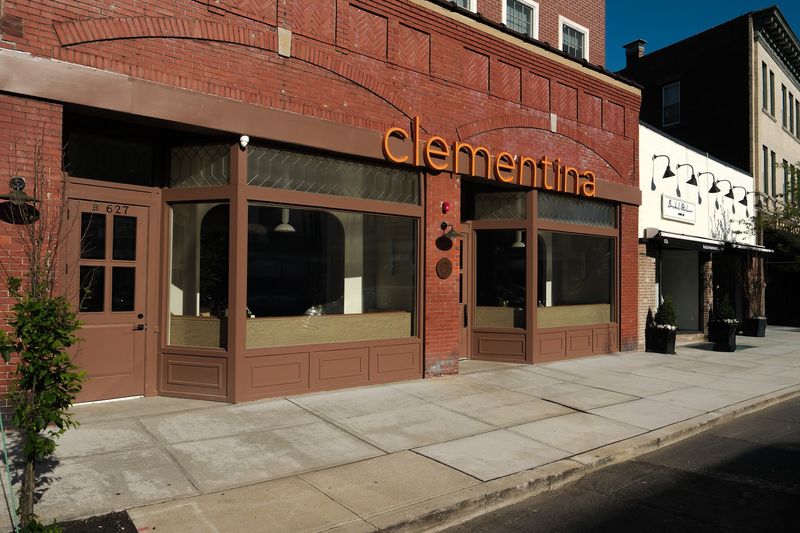
Upper Montclair makes an easy destination, close enough to New York City for a night out and calm enough to feel like a proper escape. Valley Road runs through a walkable stretch of shops and tree-lined sidewalks, so arriving early leaves time to wander.
Parking is street-based, which is normal for the area.
Dinner service runs Wednesday through Sunday, with the kitchen closed Monday and Tuesday, and Sunday hours starting a bit earlier in the afternoon. Worth checking before driving in from out of state.
Because the pasta method here does not exist anywhere else in the country, the trip carries a certain novelty that lasts well past the meal itself.
Dress smart-casual and give yourself a couple of unhurried hours. This is not a rushed weeknight stop.
Clementina sits at 627 Valley Rd in Montclair, New Jersey, inside a former hardware building that now houses one of the more unusual kitchens in American Italian dining.
