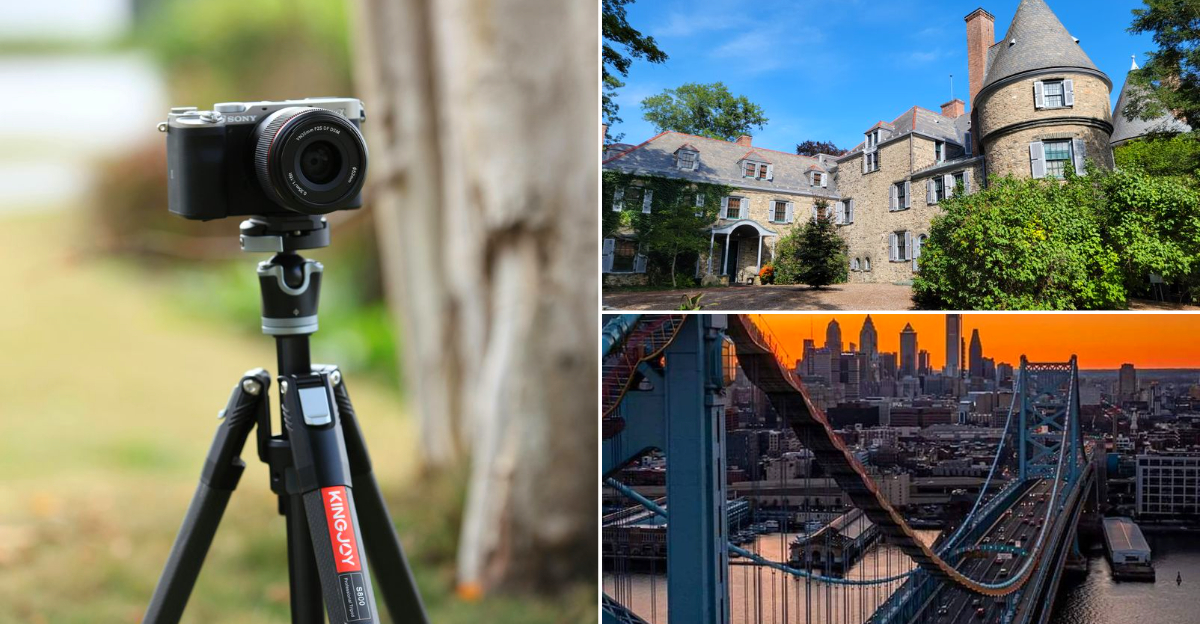
You lift your phone for a quick shot of a building, and a ranger is waving you down like you brought a crew. That happens around historic places in Pennsylvania, where one move can flip in seconds a casual snap into an official setup.
The rules exist to protect fragile sites, respect other visitors, and keep walkways moving. It can feel like everyone speaks permit language while you are just trying to save a memory.
The good news is you do not need a handbook to get it right. A few signals usually change the category, like tripods, lights, props, or filming that blocks a doorway or path.
Keep your gear minimal, step aside, and ask staff before you set anything down, and you will avoid most headaches.
Stick with me, and you will learn how to read the moment, keep it friendly, and leave with the photo you wanted.
Old City Streets Where Cameras Come Out Fast
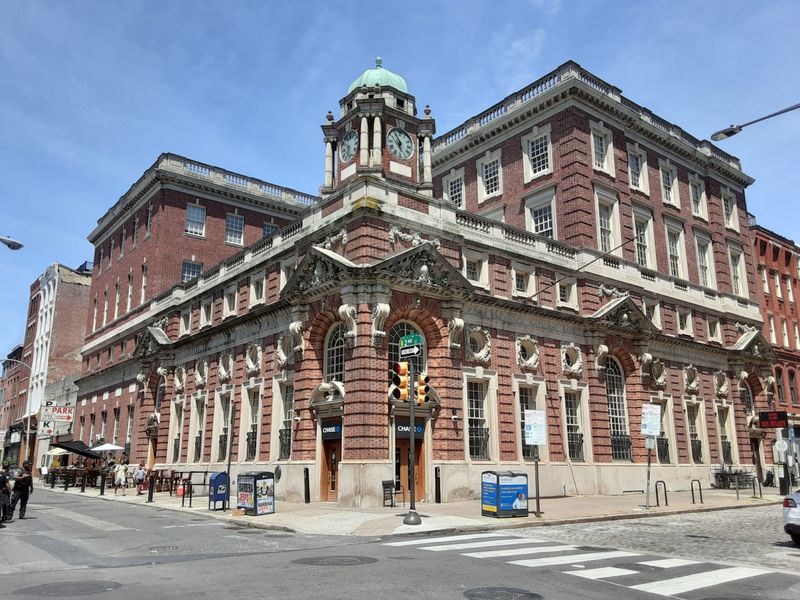
Walk a block in Old City and your hands just float to your camera without thinking.
The brick, the cobbles, and those narrow sightlines feel made for a frame.
Here is the thing that sneaks up on you. Pennsylvania’s historic building rules kick in when your moment stops being casual and starts looking like production.
Lean against a wall with a tiny camera, and you are probably fine. Unfold a tripod or place a light stand on the stones, and suddenly you are in a different lane.
The streets around Elfreth’s Alley are charming and tight. That tightness is exactly why gear on the ground reads like a hazard to managers and neighbors.
Think of the rule like a street courtesy with legal teeth.
If your setup could slow walkers, block a stoop, or make someone step wide, it looks like an operation.
So move light and keep your bag zipped. Ask a quick permission if you are near a doorway, and you will feel the tension drop fast.
When a ranger or a resident calls out, keep it friendly. A short thank you and a step to the side can save the day.
Old City gives you angles if you float through rather than plant roots. You will get the shot, and the block keeps breathing.
Independence Hall Photos That Seem Simple Until They Aren’t
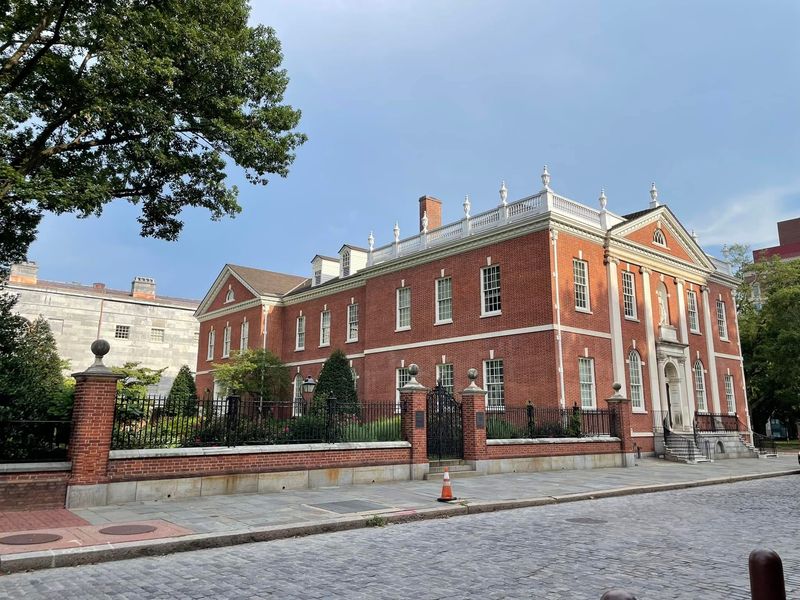
Independence Hall looks like an easy snap from the square. You lift the phone, frame the tower, and tap once.
The twist shows up when your single tap turns into directing a friend, marking ground, and repeating takes. That rhythm reads like a planned shoot, and the rule notices.
Rangers are trained to spot patterns. Two people holding reflectors or a bag on the ground can be enough to start the permit talk.
You might be thinking, this is just a few minutes.
In busy Pennsylvania heritage sites, a few minutes multiplied by many visitors can turn chaotic.
Handheld is usually treated as part of normal visiting. The moment support gear touches stone, you are signaling a different use of the space.
Do your framing while you walk, then pause for a breath and click. If you need a second angle, reset your feet rather than resetting the scene.
If someone checks in, keep your tone calm and clear.
Say you are handheld only and that you will move along after the frame.
It is not about squashing creativity. It is about keeping a crowded landmark flowing without turning the lawn into a pop up set.
Tripods That Turn A Quick Shot Into A Hard No
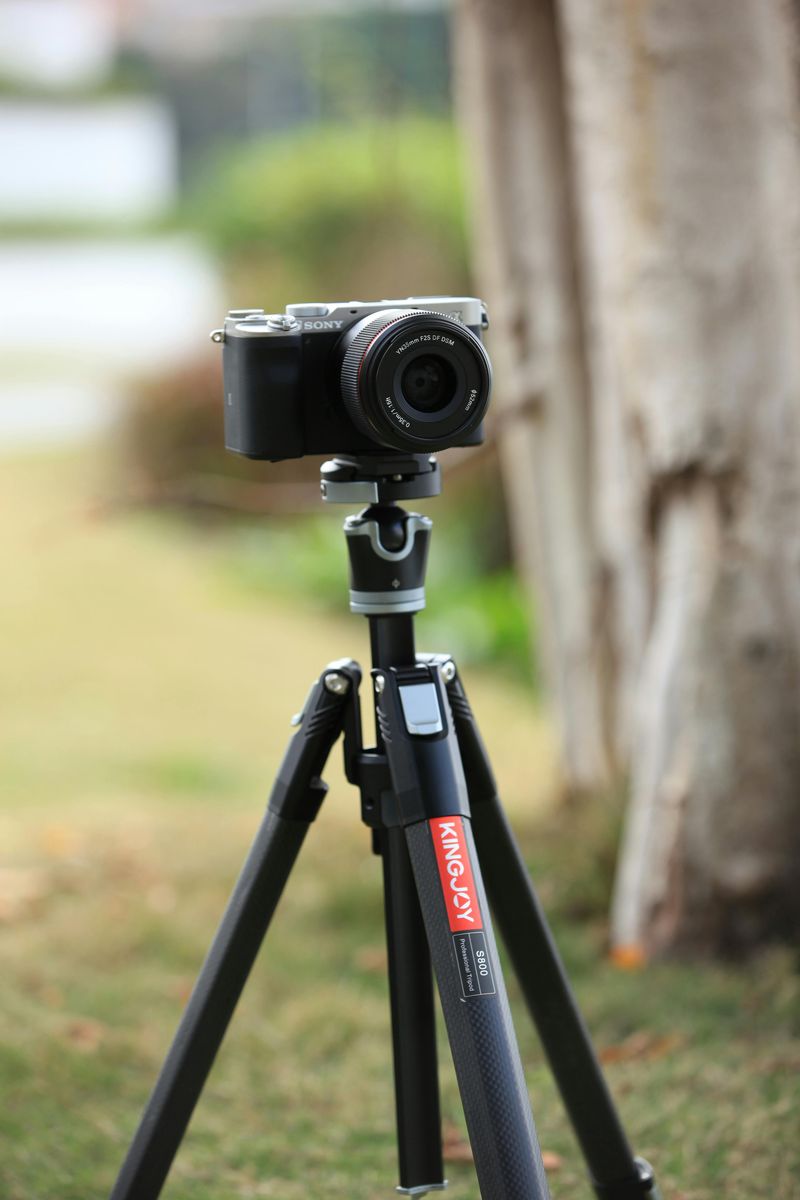
I know the stability is tempting. A tripod cleans up lines, slows your breathing, and makes everything feel cinematic.
But in Pennsylvania historic zones, three little legs can shout production.
The second those feet hit the ground, stewards think crowding, risk, and control.
Tripods create a footprint that other visitors have to navigate. Even tiny ones can snag shoes or wheelchairs.
If you absolutely need stability, brace on a railing you are allowed to touch, or lean against a post without blocking flow. A quick burst at higher shutter can also do the trick.
Monopods can trigger the same reaction. Anything planted looks like territory claimed.
Some sites have permit paths for support gear. That means advance paperwork, clear times, and a point of contact who can say yes or no.
If you already unfolded it and a ranger approaches, fold first and talk second.
The gesture says you get it, and it usually resets the mood.
Keep your kit slim, think like a pedestrian, and your images will still sing. The street will thank you, and so will your timeline.
Handheld Photos Versus “Setup” Photos And Why It Matters
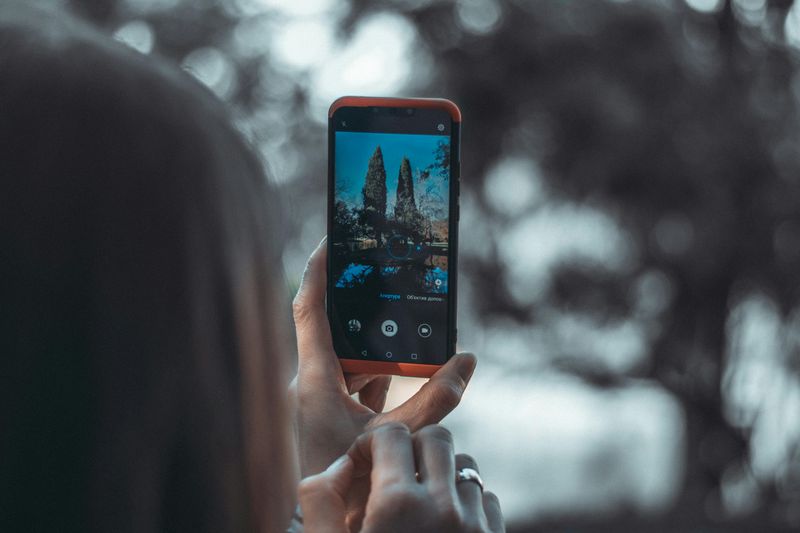
Handheld feels invisible. Setup looks like you are making a scene.
That difference is the core of how Pennsylvania’s historic building rule gets applied.
If your body is the only stand, you are usually in casual territory.
Once you add supports, markers, or extra lights, you are changing the site’s use. Staff shift from greeting you to managing you.
There is also the safety layer. Wires, bags, and stands raise the odds of a stumble in tight corridors.
Think of handheld as a walk and shoot flow. Think of setup as claiming space and time you have not booked.
When in doubt, ask a one line question before you click. A quick check can save a longer conversation later.
If the answer is no for setup, pivot to motion and timing.
Use doorframes as natural stabilizers and wait for clean gaps in the crowd.
Your photos will feel more alive when you move with the building anyway. The architecture guides your steps, and the rule stays a background note.
Permit Triggers That Catch Creators Off Guard
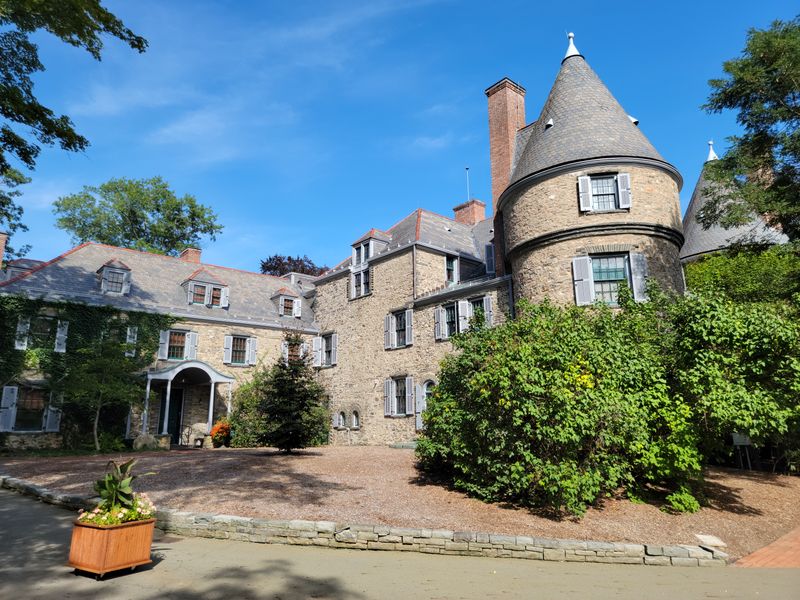
Permits do not just show up for big productions. Small signals can flip the switch faster than you expect.
Common triggers include support gear, multiple subjects posed like a campaign, or blocking a path with a bag. Even placing tape on the ground can look like staging.
Staff watch for anything that implies control over space.
If you direct strangers or steer foot traffic, it reads like an organized shoot.
Call ahead if you plan a styled session at a Pennsylvania landmark. Offices can explain boundaries and sometimes offer windows that are quieter.
Permits are not punishment. They are a way to balance preservation, access, and safety with your creative plan.
Think about sound too. A small speaker for cues can attract attention that snowballs into oversight.
When asked about your intent, be clear and brief.
Say it is personal, handheld, and transient if that is the truth.
If your idea really needs space, embrace the permit path and schedule it right. You will work calmer, and your results will show it.
Crowds, Rangers, And The Moment Your Shoot Gets Noticed
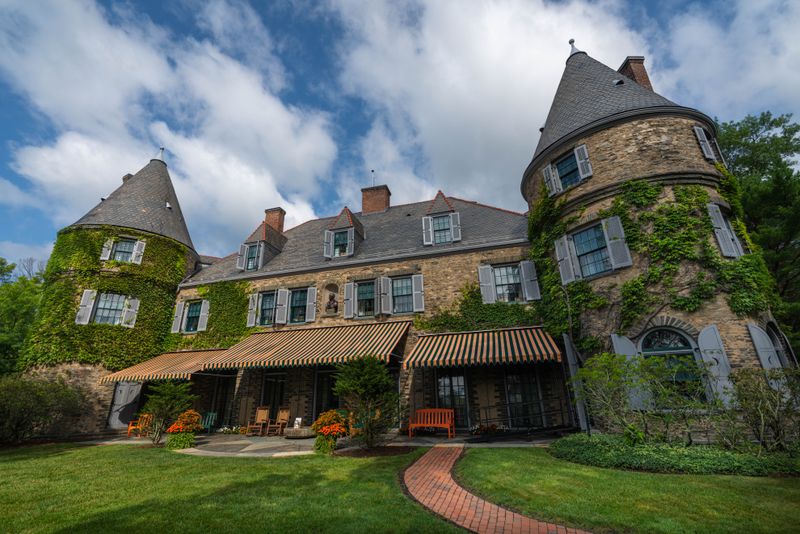
Nothing draws attention like attention. The moment heads turn, rangers do too.
Crowds change the equation because safety becomes the top line.
What felt fine on an empty morning gets tricky by midday.
If your subject starts repeating moves or holding poses, it reads like direction. Direction looks like a shoot, and the rule wakes up.
Keep conversation low, keep hands off railings, and keep your bag on your shoulder. Those little choices signal you are moving along.
Rangers are there to help as much as enforce. A friendly nod and a clear plan usually land well.
If asked to stop, do not lobby the sidewalk. Step aside, listen, and ask the best alternative for a quick handheld frame.
In Pennsylvania’s busiest squares, the smoothest photos are the quiet ones. One tap, one step, and you blend back into the flow.
You will leave with shots and zero stress. That is the win you actually want.
Common Photo Setups That Can Cross The Line Fast
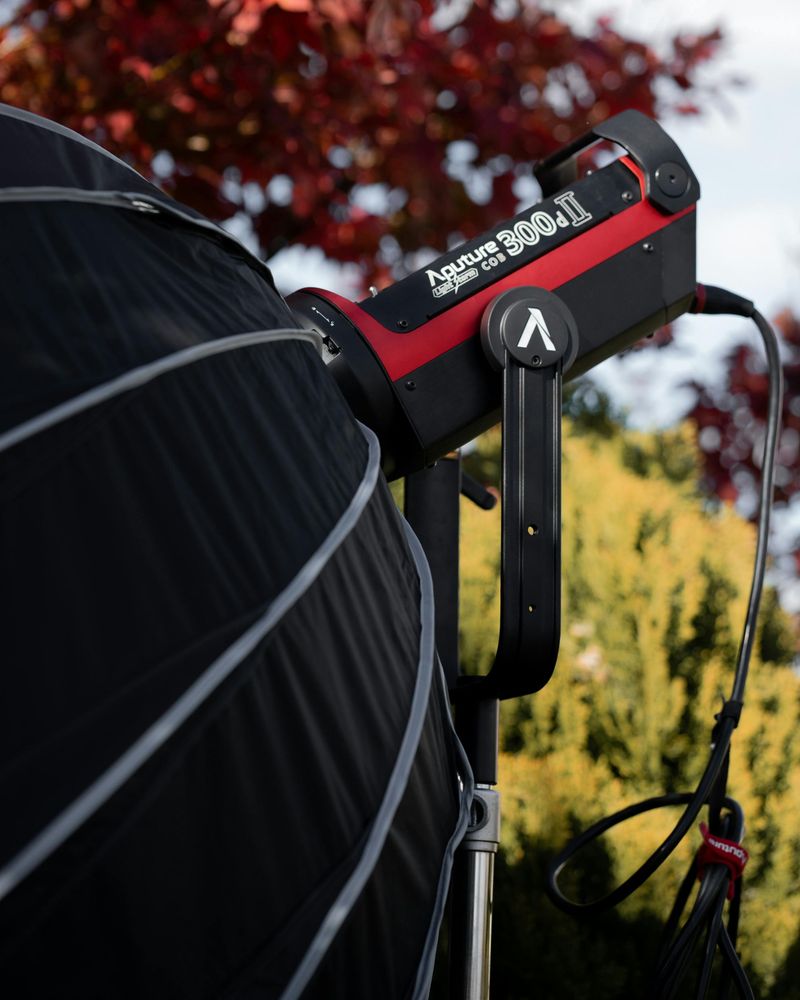
Some setups look harmless until they do not. A reflector, a tiny cube light, or a marked spot can flip the vibe.
Reflectors bounce light into windows and faces around you. That ripple makes staff rethink what is happening in the space.
Clamp lights on railings are a universal no. So are tape marks near thresholds where tours line up.
Even a backpack opened wide with lenses spread out reads like staging.
Keep the zipper closed and swap gear fast if you must.
Microphones on booms or wireless packs change the category too. Audio hints at production with longer dwell time.
In Pennsylvania heritage zones, think pocket sized and self contained. Your body should be the only stand and your phone the only light.
If you need a cleaner background, wait for a gap rather than controlling it.
Patience beats tape every single time.
When you feel that itch to add just one more accessory, take a breath. The simpler path keeps you shooting instead of explaining.
How To Get The Shot Without Getting Stopped
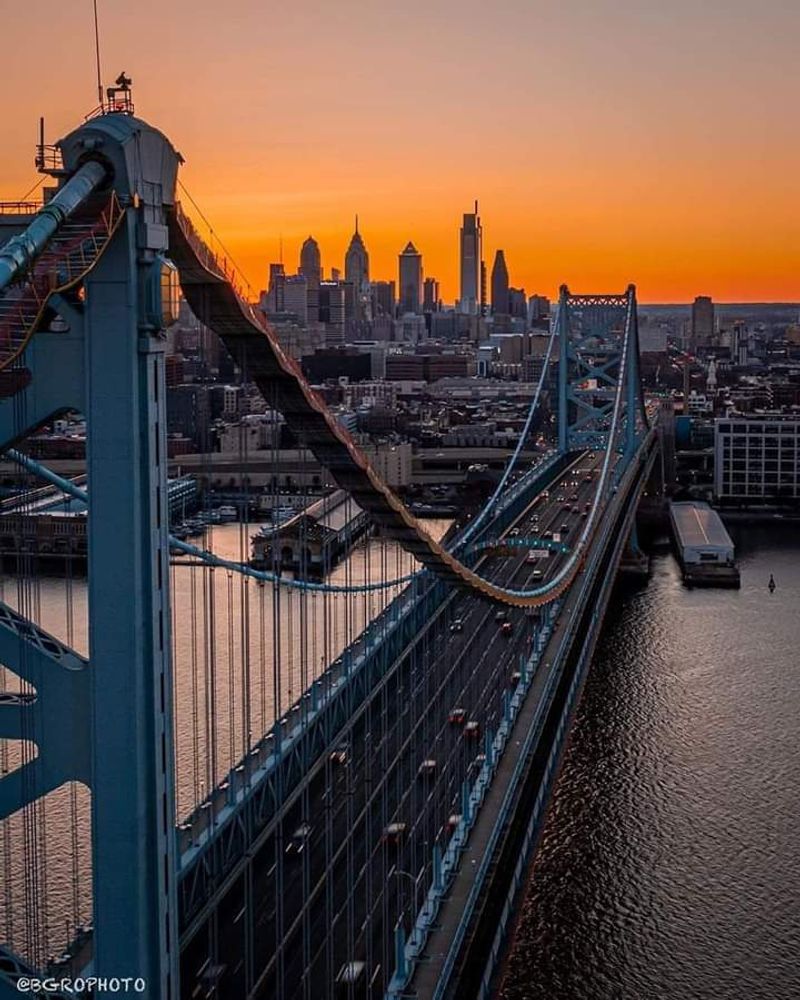
Start with timing and angles. Early light and side streets give you space without needing gear.
Think in sequences you can do while moving.
Frame wide, step tighter, then grab a detail, all within a few heartbeats.
Use corners as natural anchors. Lean your shoulder, breathe out, and let the shutter ride that still moment.
Keep companions out of doorways and stairs. When the line opens, take two quick frames and move.
Set your camera before you arrive. Changing settings in the open can look like prep.
Have a one line answer ready if someone checks in. Handheld personal photos, moving along now.
In Pennsylvania’s older blocks, patience beats muscle. The shot usually appears the second you stop chasing it.
When you leave no trace and no footprint, you buy goodwill for the next person. That is how the street stays friendly to cameras.
A Better Photo Plan For Philadelphia’s Most Historic Blocks
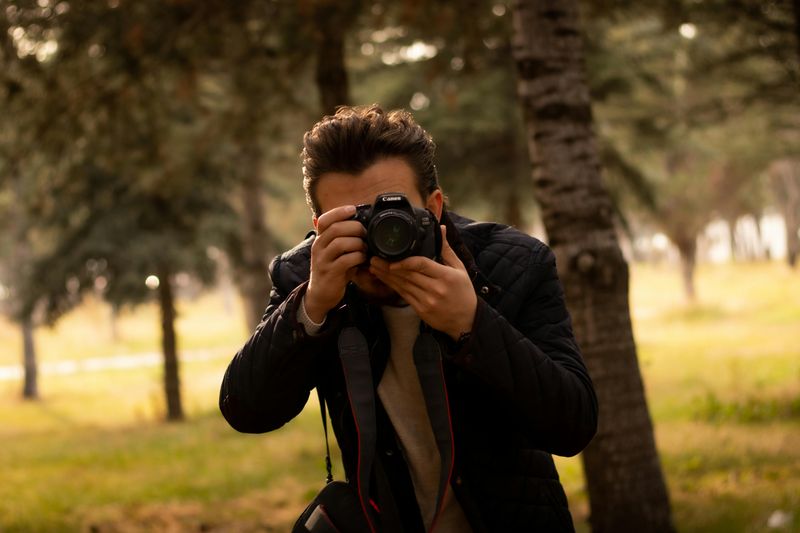
Let us plan like locals. Start with a short list of blocks, then walk them light and early.
Map Old City, Society Hill, and the lawn around the big landmarks as separate loops. That spacing keeps you fluid and helps you read different rules quickly.
Build in quiet breaks at pocket parks. Use those to reset settings instead of pausing on busy thresholds.
Save interiors for times when tours thin out.
Ask a quick permission sentence at each doorway and follow the answer.
Stay within handheld, no planted gear, and no directing the flow of people. Those three habits fit Pennsylvania expectations almost everywhere.
Leave extra minutes for the shot that does not appear right away. Rushing is what gets you noticed and redirected.
If a ranger steps in, say thanks, fold any temptation, and keep moving. That grace buys you options on the next block.
By the end, you will have a reel that feels true to the streets. And the streets will feel just as calm as when you found them.
Dear Reader: This page may contain affiliate links which may earn a commission if you click through and make a purchase. Our independent journalism is not influenced by any advertiser or commercial initiative unless it is clearly marked as sponsored content. As travel products change, please be sure to reconfirm all details and stay up to date with current events to ensure a safe and successful trip.
