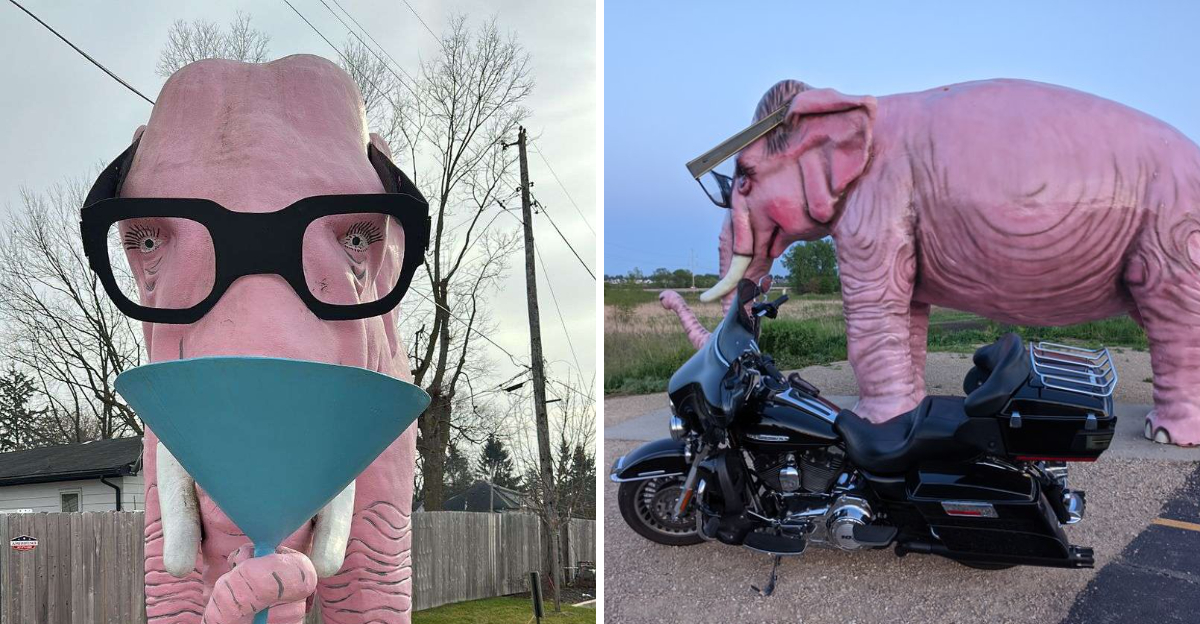
Fortville, Indiana might be a small town, but it has one of the most memorable landmarks you will ever come across. Standing proudly in front of Elite Beverages is a life-sized pink elephant wearing glasses and holding a martini glass.
This quirky statue has become far more than just a roadside curiosity for travelers passing through Hancock County. Locals have embraced this whimsical figure as a cherished symbol of their community, weaving it into the fabric of everyday life in ways that outsiders might never expect.
The Pink Elephant has been turning heads and sparking smiles for decades, but its story goes much deeper than its Instagram-worthy appearance. From its surprising origins to the pranks it has endured, this statue represents a unique piece of small-town Americana.
Residents do not just tolerate the elephant. They celebrate it with festivals, dress it up for holidays, and protect it like family.
What started as an uncertain experiment has transformed into a beloved mascot that brings the community together year after year.
Community Mascot That Brings Fortville Together
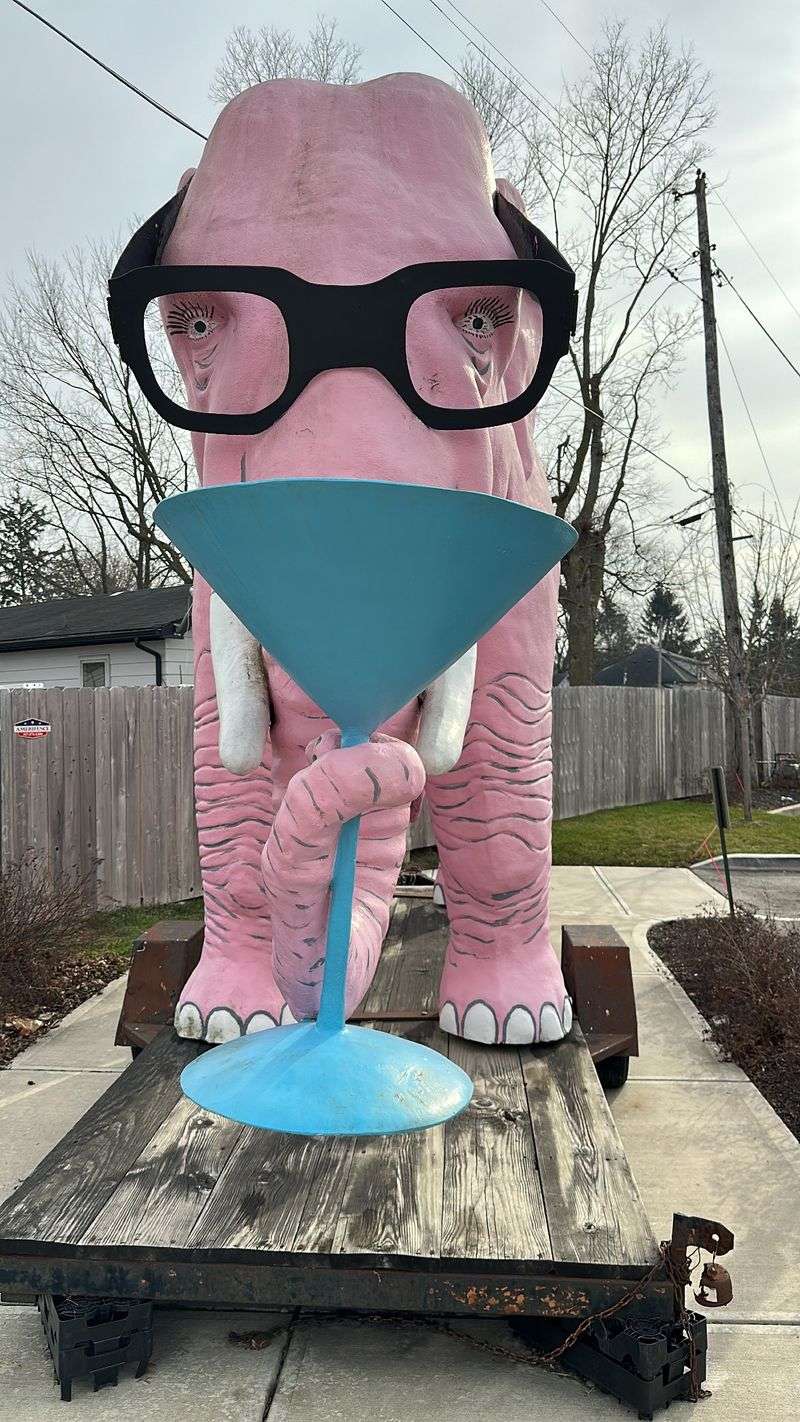
Walk through Fortville during any major holiday or community event, and you’ll likely spot the Pink Elephant dressed for the occasion. This isn’t just some forgotten roadside attraction gathering dust; it’s an active participant in the town’s celebrations.
The elephant shows up in parades, gets decorated for every season, and serves as a meeting point for locals who’ve grown up alongside this quirky landmark.
What makes this statue truly special is how Fortville has embraced it as part of their identity. The town doesn’t just tolerate the elephant’s presence; they’ve built traditions around it.
Every year, residents gather for Pink Elephant Days, a three-day festival that celebrates this unusual mascot with food, music, games, and community activities. Families return year after year, creating memories that span generations.
The festival itself has become a cornerstone of Fortville’s social calendar. Local businesses participate with special promotions, vendors set up booths along the streets, and the elephant takes center stage as the guest of honor.
Children pose for photos with it, teenagers meet up around it, and adults reminisce about how the statue has been part of their lives since childhood.
This level of community engagement transforms the Pink Elephant from a simple statue into something much more meaningful. It represents the town’s ability to find joy in the unexpected and to create shared experiences around something wonderfully absurd.
The elephant has become a symbol of Fortville’s character. Unpretentious, welcoming, and unafraid to stand out, it holds a special place in the hearts of locals.
When you see how residents interact with their beloved mascot, you understand that this isn’t about ironic appreciation or kitsch. It’s genuine affection for a landmark that has earned its place through decades of reliable presence and the memories attached to it.
A Three-Month Trial That Became Permanent
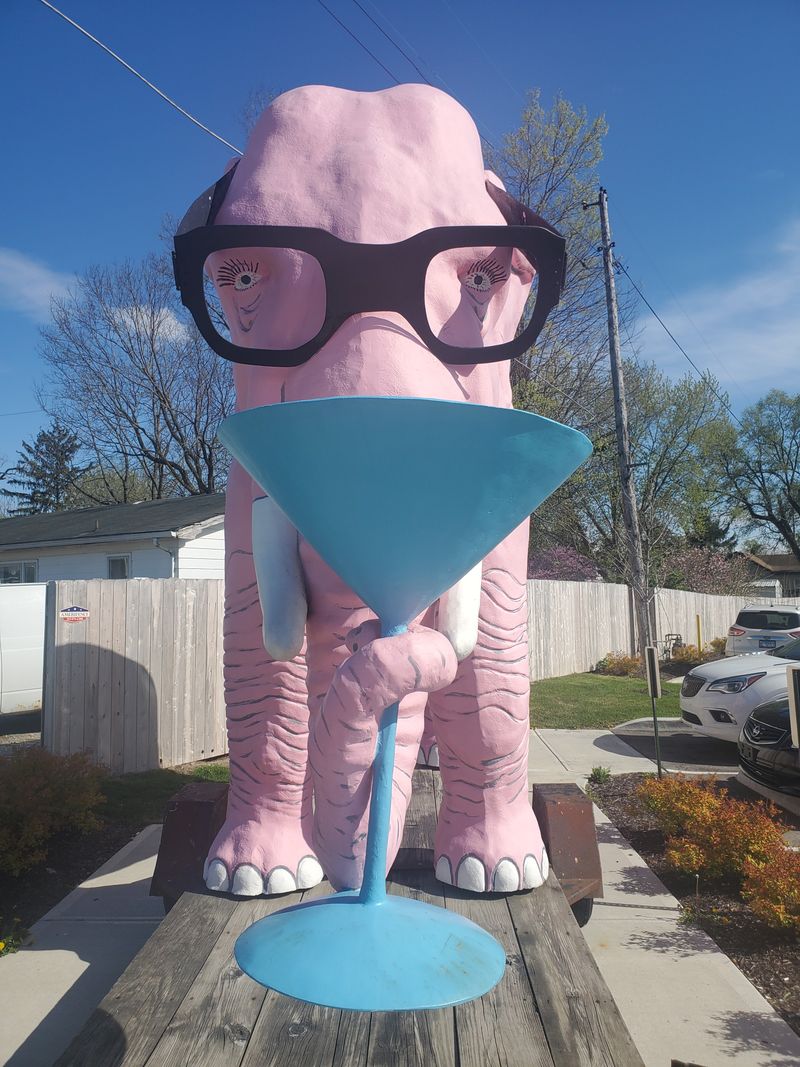
Before the Pink Elephant became a beloved fixture, it faced an uncertain future in Fortville. The Dyers, who owned the local liquor store that would eventually become Elite Beverages, weren’t sure how their neighbors would react to such an unusual addition to the town’s landscape.
Would people find it charming or embarrassing? Would it draw customers or drive them away?
These questions led to a cautious approach that tells its own fascinating story.
Rather than making a full commitment, the Dyers decided to rent the elephant from a nearby RV park for just three months. This trial period would let them gauge community reaction without the financial risk of purchasing the statue outright.
It was a smart business decision, but it also revealed something about small-town dynamics. The community often needs to test the waters before making waves.
As it turned out, the Dyers’ concerns were completely unfounded. From the moment the Pink Elephant arrived in Fortville, it became an immediate sensation.
People drove from neighboring towns to see it. Locals stopped to take pictures.
Children begged their parents to visit the funny elephant.
The statue generated exactly the kind of attention the Dyers had hoped for, but the positive response exceeded their wildest expectations.
By the end of those three months, the decision was obvious. The Dyers purchased the elephant permanently, cementing its place in Fortville history.
What started as a temporary experiment became a defining feature of the town’s identity. The story of the trial period adds another layer to the elephant’s charm.
It is a reminder that even the most beloved landmarks sometimes need a chance to prove themselves. The Pink Elephant passed its test with flying colors, and Fortville has been better for it ever since.
The Elephant That Represents “Seeing Pink Elephants”
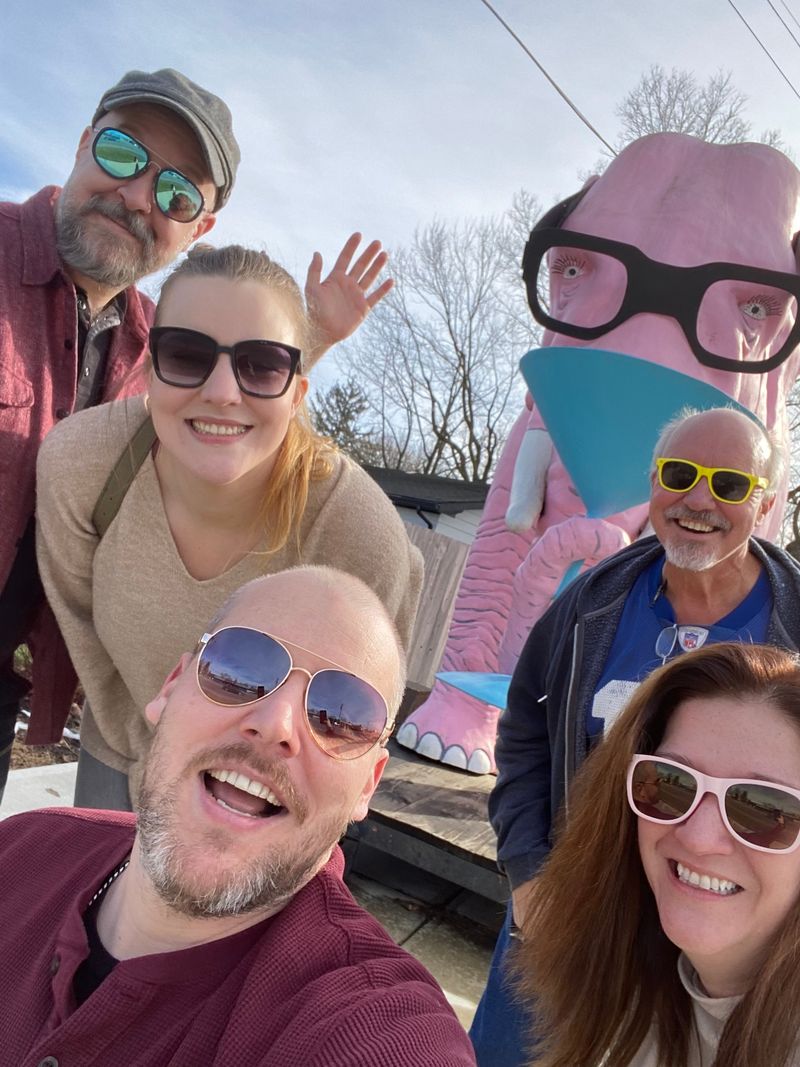
Anyone familiar with early 20th-century slang will immediately understand the joke behind Fortville’s Pink Elephant. The phrase “seeing pink elephants” became a popular euphemism for intoxication, particularly during the Prohibition era and the decades that followed.
By placing a literal pink elephant in front of a liquor store, the Dyers created a visual pun that works on multiple levels. It is whimsical, slightly irreverent, and perfectly suited to its location.
The statue’s design reinforces this connection with deliberate details that leave no doubt about the reference. The elephant sports oversized black-rimmed glasses that give it a scholarly, slightly tipsy appearance.
In its trunk, it holds a martini glass complete with an olive, the classic symbol of sophisticated drinking. These touches transform the elephant from a simple pink statue into a fully realized character that embodies the very concept it represents.
This kind of literal interpretation of an idiom might seem corny in some contexts, but it works brilliantly in Fortville. The elephant doesn’t take itself too seriously, which makes it approachable and fun rather than garish or offensive.
It acknowledges the playful side of adult culture without being crude or inappropriate. Families feel comfortable bringing children to see it, even as adults appreciate the clever wordplay.
The symbolic meaning adds depth to what could have been just another roadside oddity. Instead of being random or arbitrary, the Pink Elephant serves a purpose.
It advertises its location’s business while contributing to local culture. It is marketing that has transcended its commercial origins to become art, history, and community symbol all at once.
The fact that it still stands in front of Elite Beverages decades later proves that good humor never goes out of style. The statue succeeds because it was executed with charm and attention to detail.
Target of Pranks and Repeated Repairs
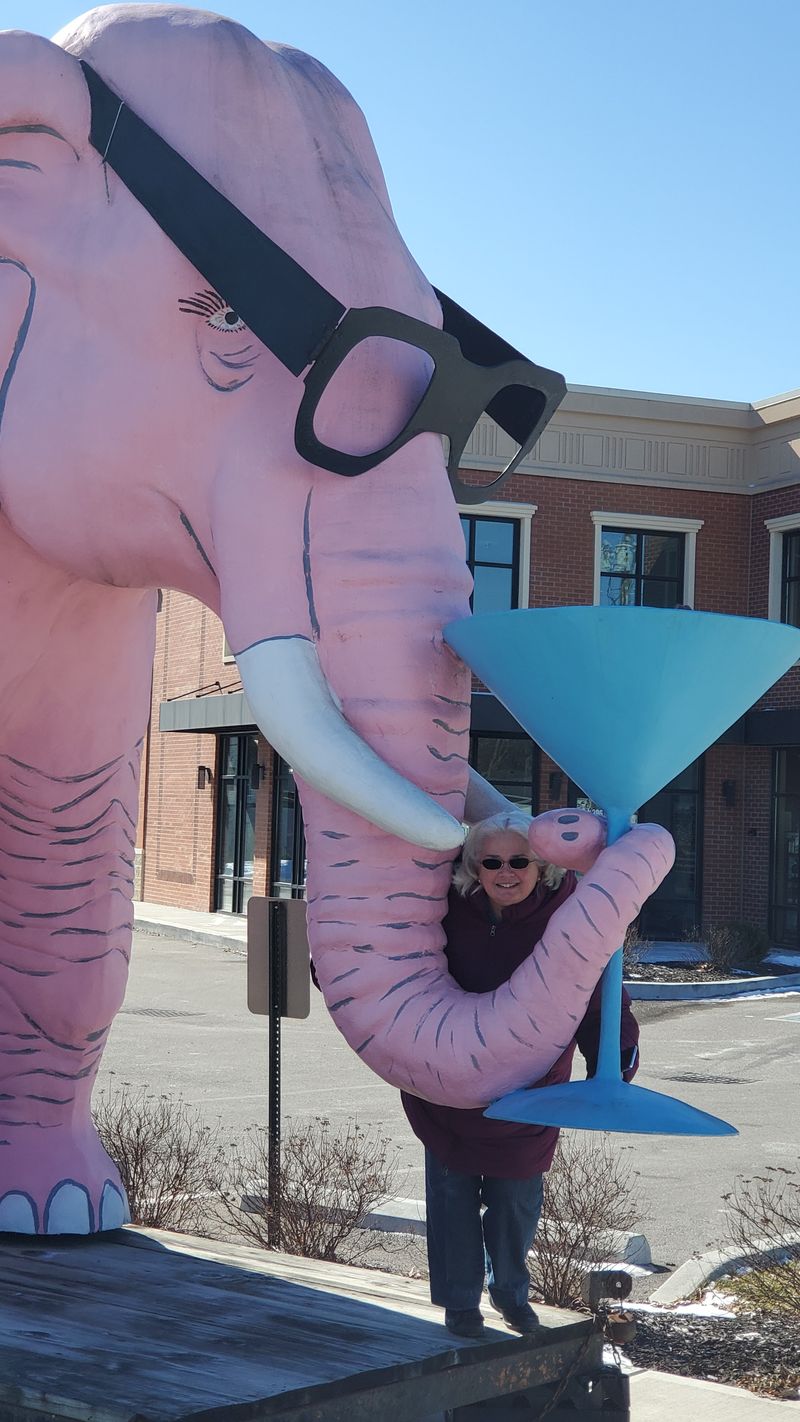
Living as a public statue comes with certain occupational hazards, and the Pink Elephant has learned this lesson many times over the years. Its most distinctive features, those iconic black-rimmed glasses and the olive perched in its martini glass, have made it a target for local pranksters who apparently cannot resist taking pieces of Fortville’s most famous resident.
These thefts have happened multiple times over the decades. They create an ongoing challenge for the statue’s caretakers.
Each time the glasses or olive disappear, the owners of Elite Beverages face the task of tracking down replacements or commissioning repairs. This is not always simple, given that the statue dates back to the 1960s or 1970s and was not designed with easy part replacement in mind.
Finding glasses that fit properly and look right requires effort. The olive must be secured in a way that looks natural but can withstand Indiana weather and occasional theft attempts.
Despite the frustration these pranks cause, they have become part of the elephant’s story. Locals can remember specific incidents when the glasses went missing or the olive vanished overnight.
These events get discussed at coffee shops and barbecues, becoming shared memories that connect different generations of Fortville residents. In a strange way, even the vandalism has contributed to the statue’s legend.
The repeated repairs also demonstrate the community’s commitment to maintaining their mascot. Rather than giving up or removing vulnerable elements, the owners continue to restore the elephant to its full glory after each incident.
This persistence sends a message about Fortville’s values. They do not abandon things just because they require effort.
The Pink Elephant is worth protecting, worth repairing, and worth keeping exactly as it is, glasses and olive included.
Holiday Makeovers and Seasonal Costumes
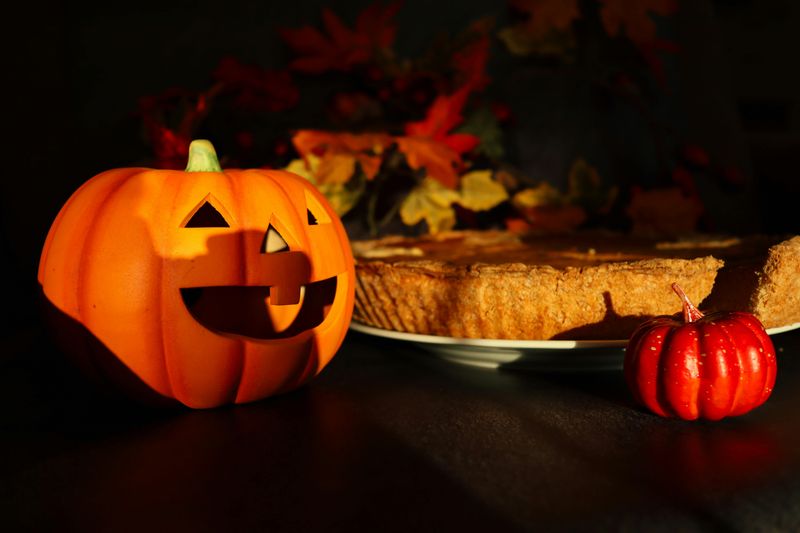
One of the most delightful aspects of Fortville’s Pink Elephant is how it changes with the seasons. Throughout the year, locals take it upon themselves to dress up their beloved mascot for various holidays and celebrations.
This tradition has transformed the statue from a static landmark into a dynamic part of the community that reflects the changing calendar. Drive past Elite Beverages in December, and you might find the elephant sporting a Santa hat and beard.
Return in July, and it could be decked out in Uncle Sam attire. The costume changes have become increasingly elaborate over time.
The elephant has been seen dressed as a Pilgrim during Thanksgiving, complete with a traditional hat and collar. For St. Patrick’s Day, it transforms into a leprechaun with green accessories.
Easter might bring bunny ears, while Halloween could feature spooky decorations. Each holiday presents an opportunity for creativity, and Fortville residents have risen to the challenge with enthusiasm and imagination.
These makeovers serve multiple purposes beyond simple decoration. They give people a reason to visit the statue repeatedly throughout the year.
One of Only Two Identical Twins
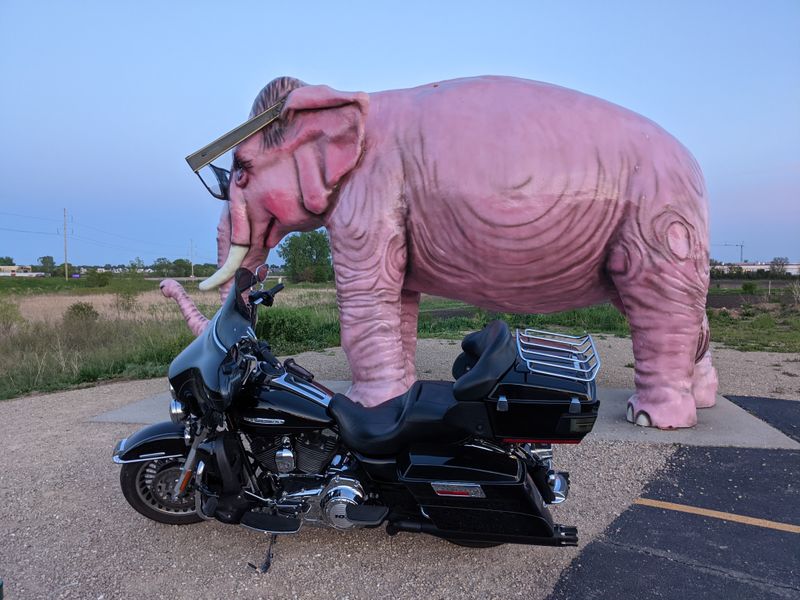
Fortville’s Pink Elephant isn’t completely unique, though it is close. During the 1960s and 1970s, a company in Wisconsin manufactured several fiberglass pink elephants as roadside attractions.
These statues were part of a broader trend of eye-catching figures designed to draw attention to businesses along America’s highways. Among all the pink elephants produced during this era, Fortville’s version stands out for one reason: it is one of only two that feature both eyeglasses and a martini glass.
The other elephant with these exact same features resides in Springfield, Illinois. The two statues are nearly identical twins separated by state lines.
This connection creates an interesting link between two communities that might otherwise have nothing in common. The rarity of this particular design adds value and significance to Fortville’s statue.
While other pink elephants from the same era might have different poses, accessories, or features, only these two share the combination of scholarly glasses and cocktail that defines the “seeing pink elephants” theme. This makes them more than siblings in a large family of similar statues; they are genuine twins.
Collectors and enthusiasts of roadside Americana recognize this distinction. Both elephants are considered particularly noteworthy examples of their kind.
The existence of the Springfield twin raises interesting questions about whether the two communities know about each other. It also highlights how these mass-produced fiberglass figures, once common along American roadsides, have become increasingly rare.
Many have been destroyed, abandoned, or lost to time. The fact that both twins survive and remain beloved by their respective communities speaks to the enduring appeal of these whimsical landmarks and the dedication of the people who maintain them.
Dear Reader: This page may contain affiliate links which may earn a commission if you click through and make a purchase. Our independent journalism is not influenced by any advertiser or commercial initiative unless it is clearly marked as sponsored content. As travel products change, please be sure to reconfirm all details and stay up to date with current events to ensure a safe and successful trip.
