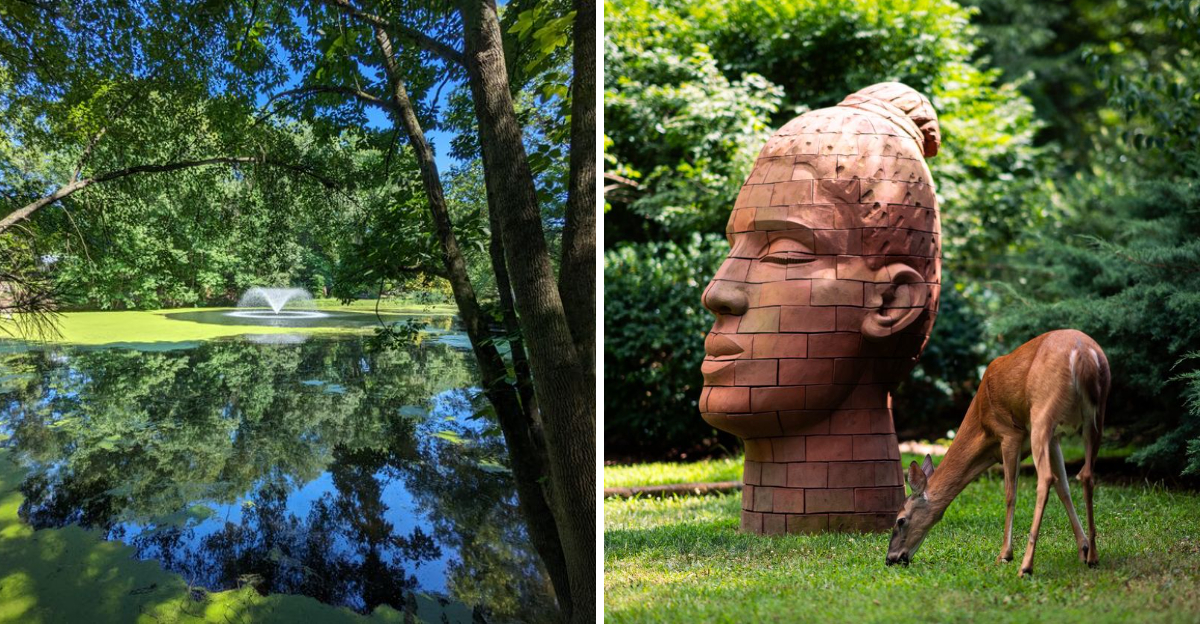
I’ve wandered through gardens from coast to coast, but Laurelwood Arboretum at 725 Pines Lake Dr W, Wayne, NJ 07470 keeps pulling me back like I’ve got GPS hardwired into my soul.
This 30-acre botanical wonderland in Wayne Township isn’t just another park with flowers and trees; it’s the kind of place that feels like therapy without the co-pay.
Gravel paths twist through shady valleys, past ponds so calm they could teach meditation classes, and among more than 400 rhododendron species that explode in color like nature’s fireworks.
Former locals who’ve moved to California, Texas, or even overseas still make pilgrimages here, camera in hand, chasing the trails they grew up exploring.
And yes, grown adults really do get misty-eyed talking about this garden. Spoiler: chipmunks, sculptures, and possibly the most Zen pond you’ll ever sit beside are involved.
Can a free botanical garden compete with fancy vacation spots and trendy Instagram backdrops? Plot twist: it beats them all, and you won’t even pay for parking.
That’s why Laurelwood has more loyal fans than some rock bands, and why your next weekend adventure should absolutely include a stroll through these magical grounds.
Over 400 Rhododendron Species
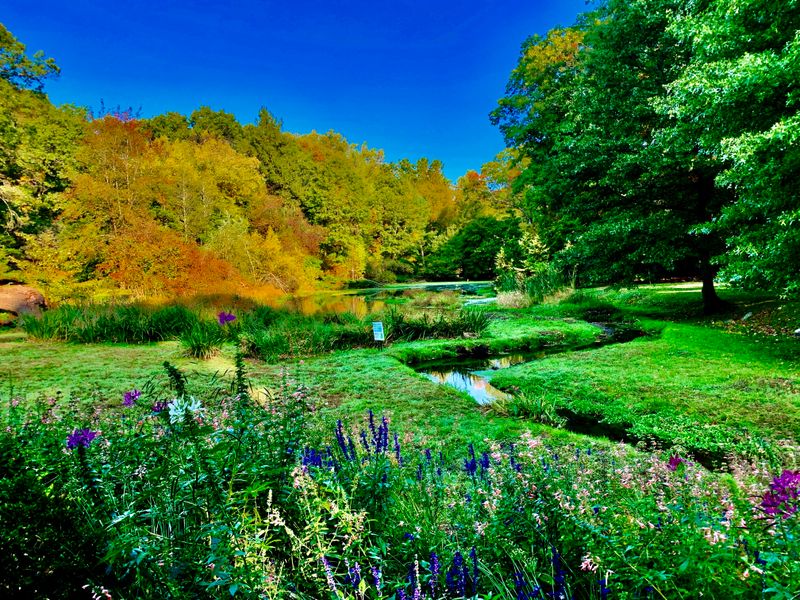
Walking into Laurelwood Arboretum feels like stepping into nature’s personal art gallery, where rhododendrons steal the show with their spectacular seasonal performances. This Wayne, New Jersey treasure houses more than 400 rhododendron species and over 100 varieties, creating an ever-changing canvas that transforms dramatically throughout the year.
Spring arrives with explosions of pink, purple, white, and red blooms that make you stop mid-step and just stare in wonder.
The rhododendron collection represents decades of careful cultivation and passionate botanical dedication. These woody shrubs cluster along winding paths, creating natural tunnels of color that photographers dream about capturing.
Late April through early June marks peak blooming season when the entire arboretum erupts into a floral festival that rivals any paid attraction.
What makes this collection truly special is how it educates while it enchants. Each species tells its own story through unique leaf shapes, flower formations, and growth patterns.
Visitors can observe how different varieties respond to New Jersey’s climate, learning which specimens thrive in shade versus sun, acidic versus neutral soil.
The rhododendron gardens provide year-round interest beyond just blooming season. Winter reveals elegant branch structures and evergreen foliage that maintains the landscape’s beauty even under snow.
Summer showcases lush green canopies that provide cooling shade along the trails. Autumn brings subtle color shifts as some varieties prepare for dormancy while others display surprising fall tints that complement the changing deciduous trees surrounding them, creating a botanical symphony that plays different movements throughout all four seasons.
Sculpture Trail
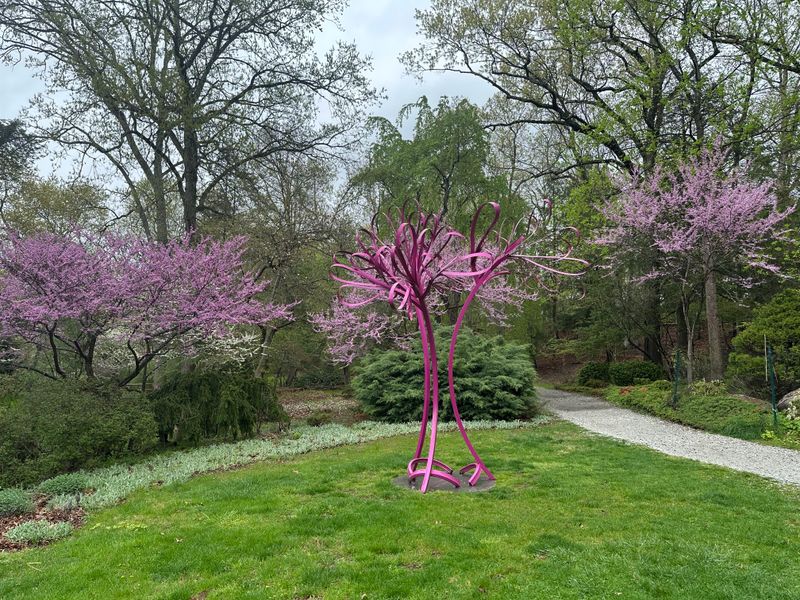
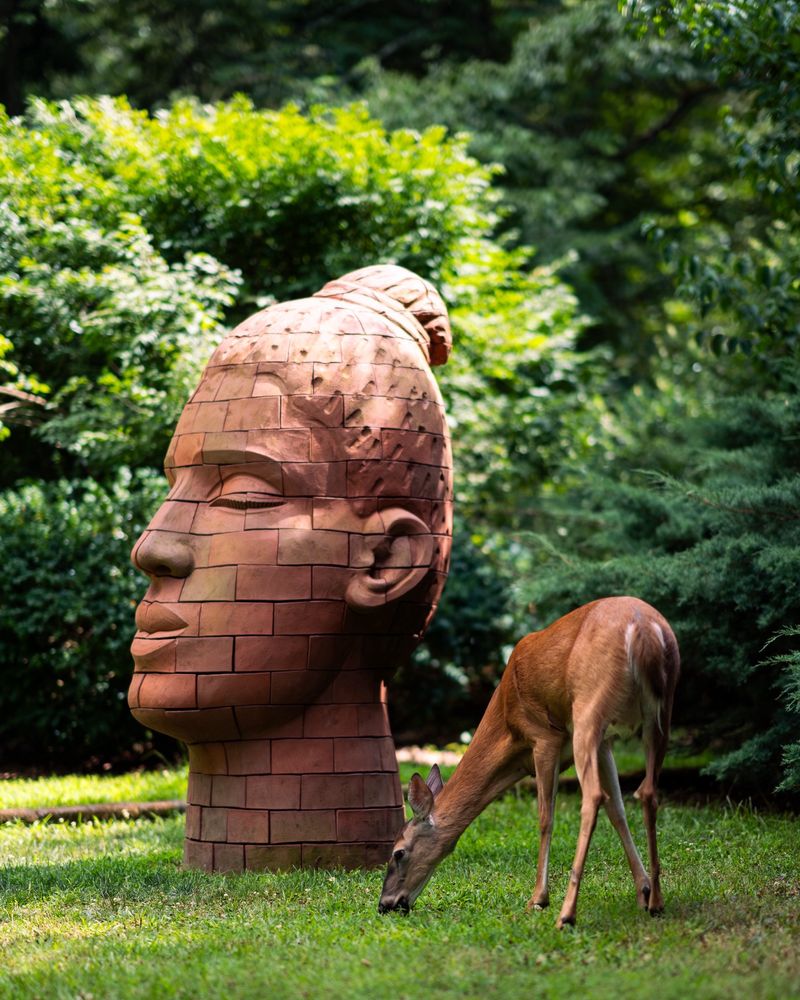
Forget stuffy indoor galleries with velvet ropes and stern security guards. Laurelwood Arboretum scattered contemporary sculptures throughout its trails, creating an unexpected fusion where art and nature dance together in perfect harmony.
These thoughtfully placed installations transform a simple garden stroll into a treasure hunt where beauty surprises you around every wooded bend.
The sculpture collection features works from various artists, each piece carefully positioned to complement its natural surroundings. Some sculptures emerge from woodland settings like forest spirits, while others stand boldly in open spaces, creating dramatic focal points that draw visitors deeper into the grounds.
Metal, stone, and mixed-media pieces interact with changing light conditions throughout the day, revealing new dimensions and shadows that keep the experience fresh even for repeat visitors.
Kids absolutely love this artistic scavenger hunt aspect of exploring the arboretum. Parents report that children who normally complain about walking suddenly become enthusiastic explorers, racing ahead to discover the next sculpture.
The artworks spark conversations about creativity, interpretation, and how humans interact with natural environments, turning family outings into impromptu educational experiences.
Photographers find endless inspiration combining sculptural forms with botanical backdrops. Spring blossoms frame abstract pieces beautifully, summer greenery provides lush contexts, fall foliage creates warm color palettes, and winter snow adds minimalist elegance.
The sculpture trail proves that art doesn’t need white walls to make powerful statements, and that the best galleries sometimes come with gravel paths, chirping birds, and the sweet scent of blooming flowers drifting on the breeze.
Tranquil Pond With Fountain
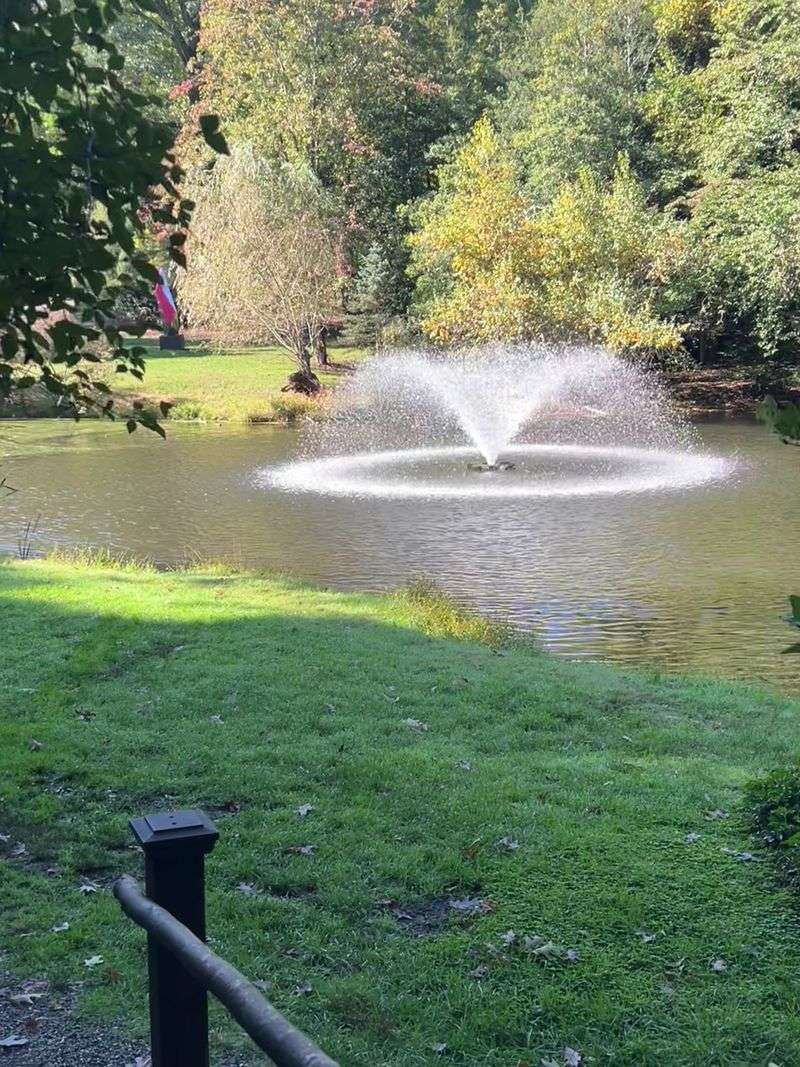
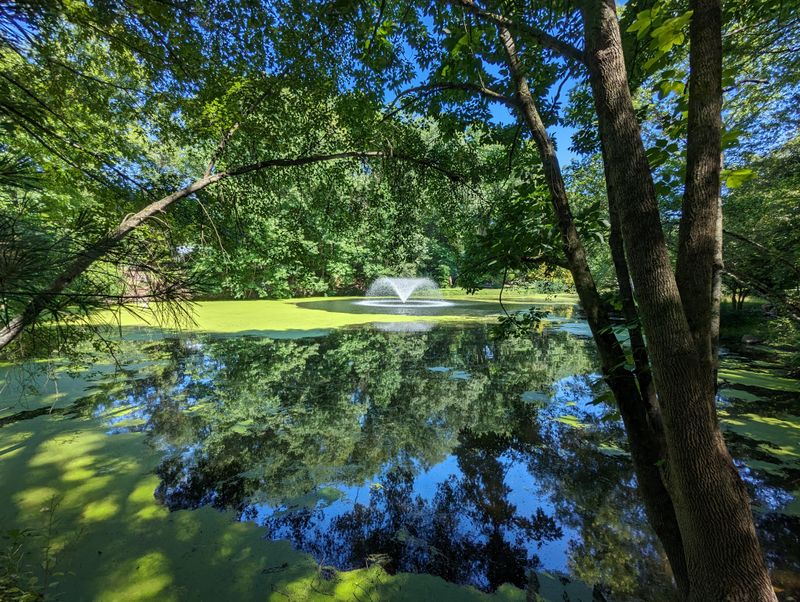
Right in the heart of Laurelwood Arboretum sits a pond that practically radiates zen vibes like it’s auditioning for a meditation app. The gentle fountain creates soothing water sounds that immediately lower your blood pressure and make city stress evaporate faster than morning dew.
Benches positioned strategically around the water’s edge invite you to sit, breathe, and remember what peace actually feels like.
This isn’t some massive lake or dramatic waterfall, but rather an intimate water feature that feels perfectly scaled for contemplation. The fountain sends delicate sprays into the air, creating ripples that catch sunlight and scatter it into dancing sparkles.
Surrounding plantings reflect in the water’s surface, doubling the visual impact and creating mirror images that blur the line between reality and reflection.
Wildlife absolutely adores this aquatic oasis. Frogs serenade visitors with their ribbiting concerts, especially during spring and summer evenings.
Birds stop by for drinks and baths, providing endless entertainment for patient observers. Dragonflies zip across the water’s surface like tiny helicopters, their iridescent wings catching light in mesmerizing ways.
The pond area represents one of those rare spaces where doing absolutely nothing feels completely productive. Visitors report losing track of time while watching fountain patterns, listening to water music, and simply existing in the moment.
It’s become a favorite spot for people seeking respite from overwhelming schedules, relationship troubles, or just the general chaos of modern life, proving that sometimes the best therapy comes without appointments, copays, or insurance claims, just you, water, and sky.
Dog-Friendly Trails
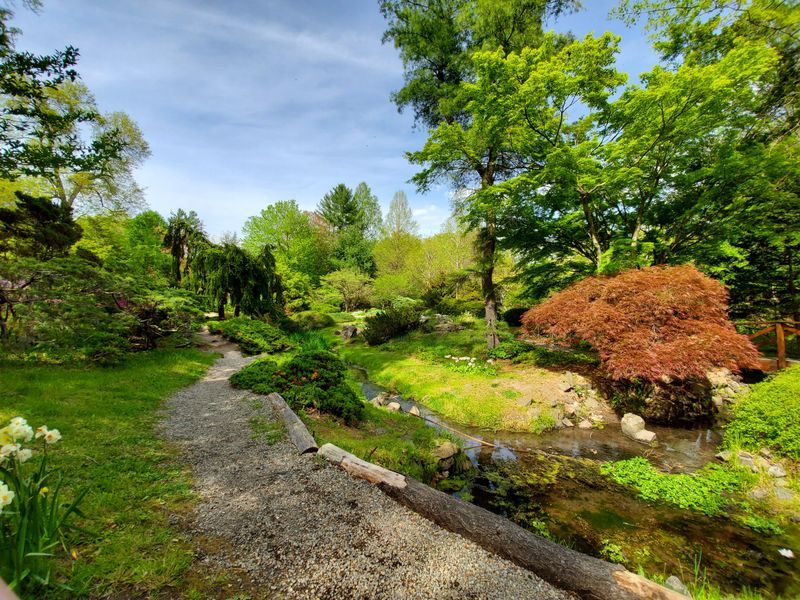
Laurelwood Arboretum rolls out the welcome mat for furry family members, making it one of the most beloved dog-friendly destinations in Wayne, New Jersey. Well-behaved pups on leashes can explore the entire trail system alongside their humans, sniffing flowers, investigating interesting scents, and generally living their best botanical life.
The combination of varied terrain, intriguing smells, and shaded paths creates canine heaven that has tails wagging from parking lot to final trail exit.
Dog owners rave about how the arboretum’s layout provides perfect walking conditions for pets of all sizes and energy levels. The gravel paths offer good traction for paws while remaining gentle on joints, important for older dogs or breeds prone to hip issues.
Multiple route options mean you can choose shorter loops for small dogs or senior pups, while energetic breeds can tackle longer circuits that burn off excess enthusiasm.
The social aspect adds another dimension to dog visits here. Friendly encounters with other leashed dogs happen naturally along the trails, providing socialization opportunities that help dogs develop good manners and people skills.
Many regular visitors report making human friends through their dogs’ interactions, creating a community of pet-loving nature enthusiasts who swap training tips and recommend favorite trail sections.
Responsible pet ownership remains essential, of course. The arboretum expects owners to clean up after their dogs, keep them leashed at all times, and ensure they don’t disturb wildlife or damage plantings.
Most visitors embrace these simple rules enthusiastically because they understand that maintaining dog-friendly status depends on everyone’s cooperation, and nobody wants to lose access to this precious shared space where both species can enjoy nature together.
Completely Free Admission
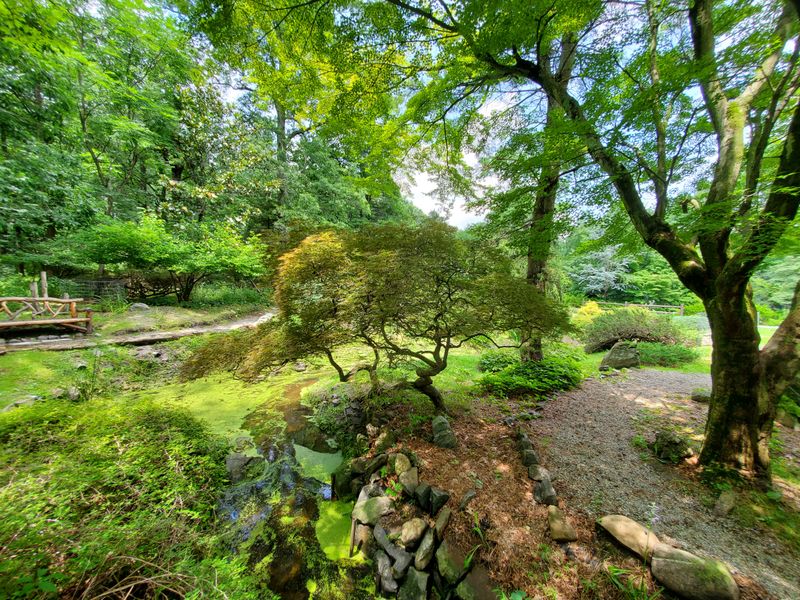
Here’s a plot twist that shocks people in our subscription-everything economy: Laurelwood Arboretum charges absolutely zero dollars for admission, parking, or trail access. No hidden fees, no membership requirements, no sneaky upcharges lurking around corners.
Just pure, unadulterated botanical beauty available to anyone who shows up during operating hours between 8 AM and 6 PM daily.
This free-access policy reflects the arboretum’s mission as a non-profit organization dedicated to community enrichment and environmental education. While many botanical gardens charge $15-25 per adult, Laurelwood operates on donations, grants, and volunteer support, keeping its gates open to families regardless of financial circumstances.
The result? Parents can bring kids for educational nature experiences without budget stress, retirees on fixed incomes can enjoy daily walks, and college students can find peaceful study spots without depleting beer money.
The economic accessibility creates beautiful diversity among visitors. You’ll encounter professional photographers with expensive equipment alongside smartphone snappers, serious botanists studying plant specimens next to toddlers chasing chipmunks, fitness enthusiasts power-walking past elderly couples holding hands on benches.
This democratic mixing of people from different backgrounds and life stages enriches the experience far beyond what any price-gated attraction could achieve.
Of course, maintaining 30 acres of specialized gardens requires significant resources. The arboretum gratefully accepts donations, and many visitors who appreciate the free access choose to contribute what they can afford.
Some regulars adopt benches through donation programs, while others volunteer time for maintenance projects. This community-supported model proves that generosity breeds generosity, and that the most valuable experiences often come without price tags attached, just open hearts and shared appreciation for natural beauty.
Well-Maintained Gravel Paths
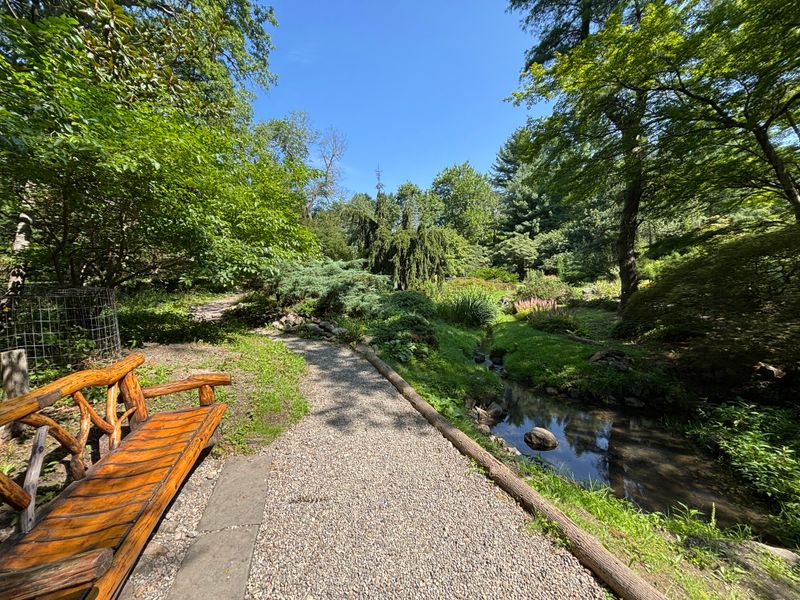
Accessibility matters, and Laurelwood Arboretum takes it seriously with well-maintained gravel paths that accommodate various mobility needs and physical abilities. The trail system features relatively smooth surfaces that strollers can navigate successfully, though parents should note that some gentle hills and gravel texture require a bit more pushing effort than paved sidewalks.
Still, countless families report completing full circuits with babies, toddlers, and even double strollers without major difficulties.
The path width allows comfortable two-way traffic, meaning wheelchair users, people with walkers, and those using mobility scooters can generally navigate without feeling cramped or anxious about passing other visitors. Strategic bench placement provides frequent rest opportunities for anyone who needs to pause and catch their breath, especially important given the gently rolling terrain that includes some modest elevation changes throughout the grounds.
Honestly, visitors with significant stability issues should exercise caution on gravel surfaces, particularly after rain when paths become slightly softer and potentially more challenging. The arboretum doesn’t claim to meet full ADA standards, but many people with moderate mobility limitations successfully enjoy the grounds by choosing shorter route options and timing visits for dry weather conditions when footing feels most secure.
Families with small children particularly appreciate how the gravel paths create natural boundaries that help kids understand where to walk. The crunching sound underfoot provides sensory feedback that appeals to young explorers while alerting parents to wandering toddlers.
The combination of accessibility and gentle challenge creates an environment where multiple generations can explore together, grandparents walking alongside grandchildren, everyone moving at their own pace while sharing the same beautiful botanical experience that makes memories worth keeping forever.
Chipmunk Population
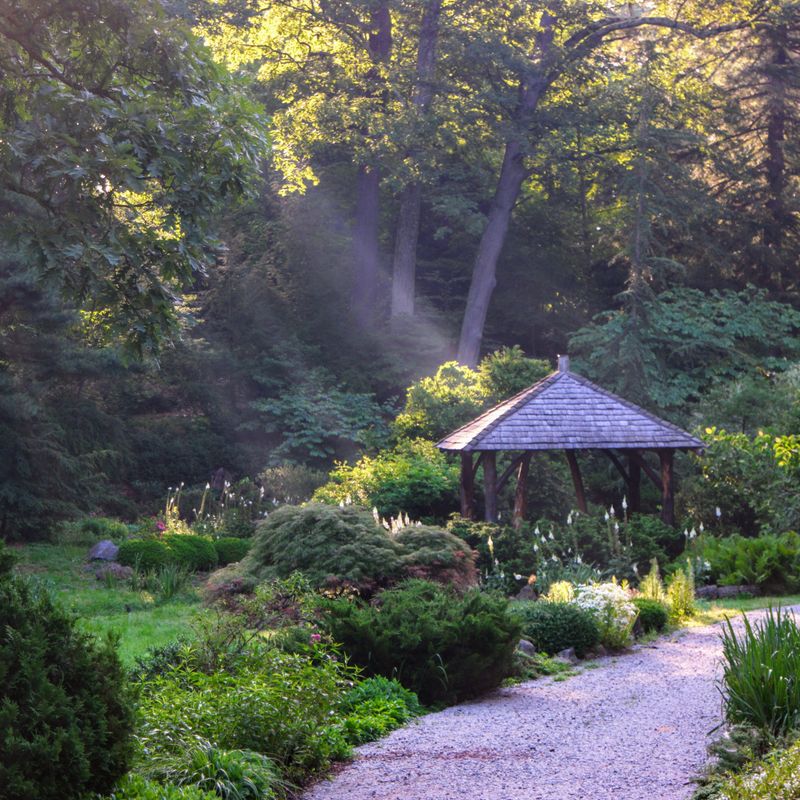
Move over, Netflix, because Laurelwood Arboretum features a cast of furry performers who work for peanuts, literally. The resident chipmunk population has achieved celebrity status among regular visitors, these striped little speedsters darting across paths, stuffing cheeks with seeds, and performing acrobatic feats that would make Olympic gymnasts jealous.
Kids squeal with delight spotting these quick critters, while photographers attempt impossible action shots of nature’s fastest comedians.
These eastern chipmunks thrive in the arboretum’s diverse habitat, which provides everything small mammals need: abundant food sources, protective ground cover, and numerous nesting opportunities among tree roots and rocky outcroppings. Their constant activity adds dynamic energy to the peaceful garden setting, creating moments of surprise and laughter when one suddenly rockets across your path or pops up from behind a flower bed like a fuzzy jack-in-the-box.
Watching chipmunk behavior offers unexpected educational value. Observant visitors notice how they cache food in various locations, demonstrating memory and planning abilities that scientists find fascinating.
Their warning calls alert other wildlife to potential dangers, revealing complex communication systems within the arboretum’s ecosystem. The way they interact with birds, squirrels, and occasional deer showcases natural social dynamics better than any nature documentary.
Please resist the temptation to feed these adorable creatures, no matter how much their beady eyes seem to beg. Human food disrupts their natural diets and creates unhealthy dependencies that ultimately harm wildlife populations.
Instead, enjoy chipmunks as nature intended: wild, free, and hilariously entertaining as they go about their busy lives, completely unconcerned with human schedules, deadlines, or stress, reminding us that sometimes the best approach to life involves stuffing your cheeks and running really, really fast.
Sensory Garden
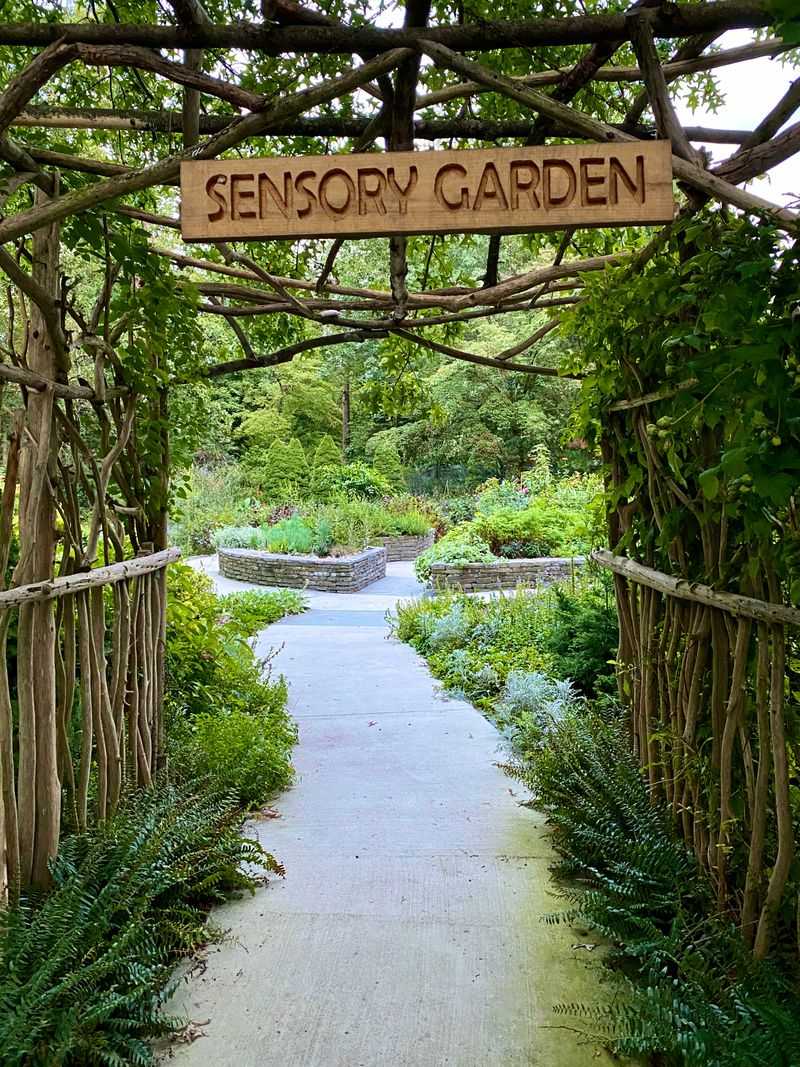
Laurelwood Arboretum created something special with its sensory garden, a dedicated space where botanical experiences extend beyond just visual appreciation into full sensory immersion. This thoughtfully designed area invites visitors to touch fuzzy lamb’s ear leaves, inhale intoxicating flower fragrances, listen to rustling grasses, and fully engage with plants in ways traditional gardens often discourage.
The sensory garden proves that nature appreciation becomes richer when we activate all our perceptual abilities simultaneously.
Texture variety plays a starring role here. Smooth petals contrast with rough bark, soft moss cushions differ dramatically from spiky ornamental grasses, and succulent leaves feel completely unlike papery seed pods.
Children especially benefit from these tactile experiences, developing sensory awareness and plant knowledge through hands-on exploration that beats textbook learning every single time.
Fragrance planning ensures something smells amazing throughout growing seasons. Spring brings lilac sweetness, summer offers rose perfumes, autumn delivers chrysanthemum spiciness, and even winter features evergreen aromatherapy from pine and cedar specimens.
Visitors with visual impairments find particular value in this scent-rich environment where plants announce themselves through fragrance before touch confirms their identity.
Fair warning: the sensory garden attracts serious bee populations during peak blooming periods, as one helpful reviewer noted. These pollinators busily work the flowers, generally ignoring humans who respect their space and avoid sudden movements.
People with bee allergies should exercise appropriate caution, perhaps visiting early morning or late afternoon when bee activity decreases. For everyone else, watching these fuzzy workers demonstrates pollination in action, connecting abstract biology concepts to real-world importance, showing how gardens feed not just human souls but entire ecosystems that depend on flowering plants for survival.
Seasonal Events And Programs
Laurelwood Arboretum refuses to rest on its botanical laurels, constantly offering special events and programs that give regulars new reasons to visit beyond just walking familiar trails. The legendary Chrysanthemum Show transforms the grounds into an autumn wonderland that previous attendees describe with words like “amazing” and exclamation points.
Mother’s Day weekend brings plant sales where green thumbs can purchase specimens to recreate arboretum magic in home gardens, supporting the non-profit while scoring gorgeous additions to personal landscapes.
Educational programs cater to various interest levels and age groups. Guided tours led by knowledgeable volunteers reveal hidden details that casual visitors might miss, sharing botanical facts, historical context, and insider stories about specimen origins and growth challenges.
Photography workshops teach participants how to capture garden beauty effectively, covering composition techniques, lighting considerations, and seasonal timing for optimal shots.
Special exhibitions rotate through the visitor center, recently featuring watercolor art shows and photography displays by local artists inspired by the grounds. These cultural additions demonstrate how botanical gardens serve as muses for creative expression, bridging natural science and artistic interpretation.
The temporary exhibits provide conversation starters and fresh perspectives that enhance repeat visits, ensuring that even weekly regulars discover something new.
Seasonal programming acknowledges that gardens transform dramatically throughout the year. Winter walks focus on bark textures, evergreen identification, and dormant beauty.
Spring tours celebrate emerging blooms and returning wildlife. Summer events might include evening strolls when cooler temperatures and golden light create magical conditions.
Fall programs highlight foliage changes and garden preparation for winter rest. This year-round engagement keeps the arboretum community active and connected, transforming casual visitors into devoted members of an ever-growing botanical family.
Visitor Center With Friendly Staff
Some visitor centers feel like bureaucratic obstacles between you and nature, staffed by people who’d clearly rather be anywhere else. Laurelwood Arboretum’s welcome center operates on a completely different philosophy, featuring genuinely friendly volunteers and staff who radiate enthusiasm about sharing their beloved gardens with newcomers and regulars alike.
Multiple reviews specifically praise these knowledge fountains who offer helpful suggestions, answer questions patiently, and make everyone feel valued regardless of botanical expertise level.
The center provides practical resources that enhance visits significantly. Trail maps help first-timers navigate efficiently while showing regulars alternate routes they might have missed.
Botanical information identifies current blooming specimens so you know exactly what you’re photographing or admiring. Seasonal updates alert visitors to special conditions like recent deer sightings, exceptional flower displays, or temporary trail closures for maintenance work.
Clean bathroom facilities score major points with families and anyone planning longer visits. While a porta-potty serves the parking area, the visitor center offers proper restroom access during operating hours, a amenity that shouldn’t be taken for granted at free public gardens.
This attention to visitor comfort demonstrates respect for guests and understanding that biological necessities shouldn’t cut nature experiences short.
The center also houses rotating merchandise and plant sales that support arboretum operations while offering visitors tangible connections to their experiences. Books about regional botany, garden-themed gifts, and seasonal plant offerings let people take pieces of Laurelwood home.
Staff members in this space genuinely care about the arboretum’s mission and future, their passion proving contagious as they describe ongoing projects, share success stories, and inspire visitors to become volunteers, donors, or simply more frequent guests who spread the word about this New Jersey treasure.
Dear Reader: This page may contain affiliate links which may earn a commission if you click through and make a purchase. Our independent journalism is not influenced by any advertiser or commercial initiative unless it is clearly marked as sponsored content. As travel products change, please be sure to reconfirm all details and stay up to date with current events to ensure a safe and successful trip.
