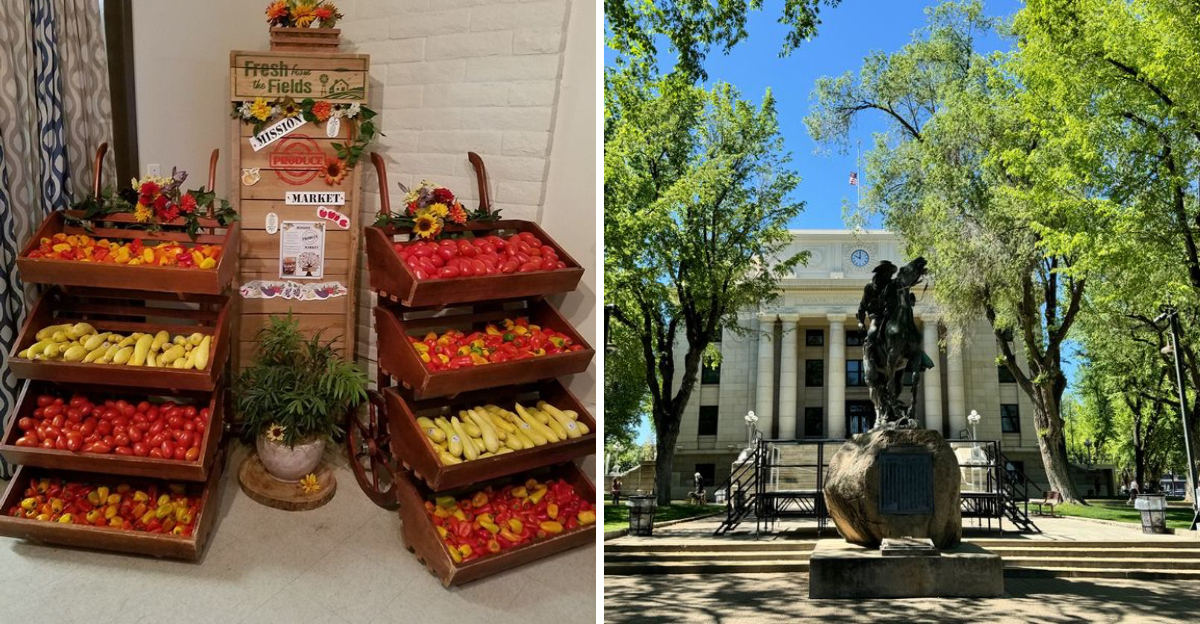
Arizona rewards curious travelers who look beyond the headline attractions and wander into smaller desert towns with genuine community energy.
Off the beaten path, you’ll find relaxed plazas, shaded patios, and vendor clusters where local cooks set the rhythm instead of trends.
These spaces feel neighborly and welcoming, the kind of places where regulars swap smiles with chefs and newcomers are invited to take their time.
The food tells a story of the region, fresh ingredients, bold flavors, and recipes honed over years, sometimes decades.
Here, nobody is performing for a spotlight; the focus is on feeding the neighborhood and sharing traditions that make each bite memorable.
You can linger over coffee, tacos, or pastries while watching the town go about its day, and the calm pace encourages discovery.
Come along and explore nine quiet destinations where food halls and their close cousins thrive in an unhurried, distinctly Arizona way, offering both flavor and insight into the heart of these desert communities.
1. Mesa
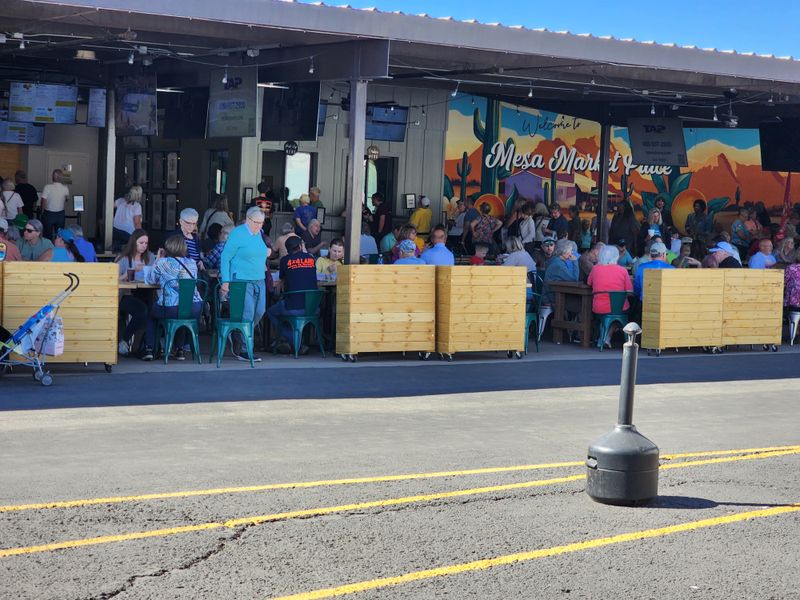
Mesa’s desert edge shelters a sprawling market where the food court feels like a local handshake rather than a spectacle.
Rows of shaded stalls line a broad promenade, and the eating areas are tucked beneath canopies that soften the Arizona sun.
You stroll past regulars who know which counter moves fastest and which griddle runs hot.
Inside the Mesa Market Place Swap Meet Food Court, cooks serve regional Mexican plates and Sonoran classics that match the area’s heritage.
Family recipes anchor the menus, and the vendors tend to greet by name because weekends follow familiar patterns.
The rhythm feels steady, and the seating invites you to linger through another conversation.
This setup functions as a weekly ritual, not a novelty.
The vendors are permanent, yet the energy changes with the crowd and the season.
You feel the pulse of Mesa in the easy way people claim a table, wave to neighbors, and settle in.
Across the aisles, nonfood stalls sell housewares, desert wear, and practical goods, so lunch becomes part of a larger circuit.
The food court sits at the center of that routine, an anchor for errands and meetups.
It suits Arizona’s market culture, open, social, and grounded in sunlit comfort.
Wayfinding is simple because the aisles are numbered and the shade structures stand tall.
There is a casual hum rather than loud music, which keeps the focus on conversation.
You can arrive hungry and leave feeling like you learned a little more about Mesa.
Mesa Market Place Swap Meet Food Court, 10550 E Baseline Rd, Mesa, AZ
2. Tucson
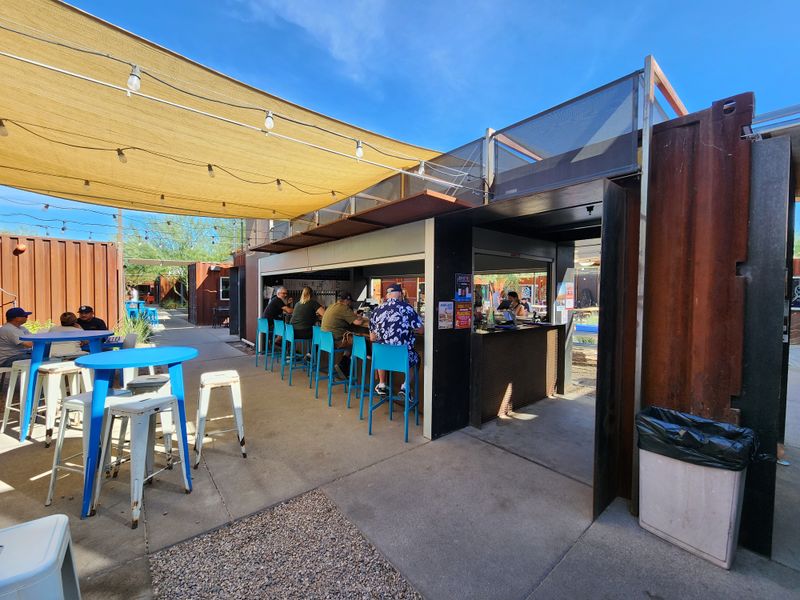
Along the Santa Cruz River, the MSA Annex unfolds as an open-air collection of shipping containers housing food vendors and small shops.
The courtyards are shaded, the breezes are welcome, and the seating is arranged for lingering conversations.
You can move from one stall to the next without losing the thread of the evening.
Permanent kitchens share space with rotating pop-ups that reflect Tucson’s Sonoran Desert roots.
The menus adjust with seasons and collaborations, which keeps the experience lively without feeling chaotic.
You sense local pride in the way vendors describe ingredients and traditions.
This place is both neighborhood hangout and incubator for fresh ideas.
Small businesses test concepts, find their community, and learn what works in Arizona’s climate and pace.
That mix gives you a reason to return as offerings evolve.
Architecturally, the Annex blends metal, wood, and desert landscaping into a modern plaza.
The seating ranges from benches to lounge clusters, and shade sails cut the glare without blocking the sky.
Even on warm days, the airflow and layout make it comfortable.
Events bring music and makers into the fold, yet the vibe stays grounded.
Families spread out, students drift through, and visitors catch the rhythm quickly.
It feels confident without being loud, which suits Tucson’s calm charm and layered history.
MSA Annex, 267 S Avenida del Convento, Tucson, AZ
3. Flagstaff
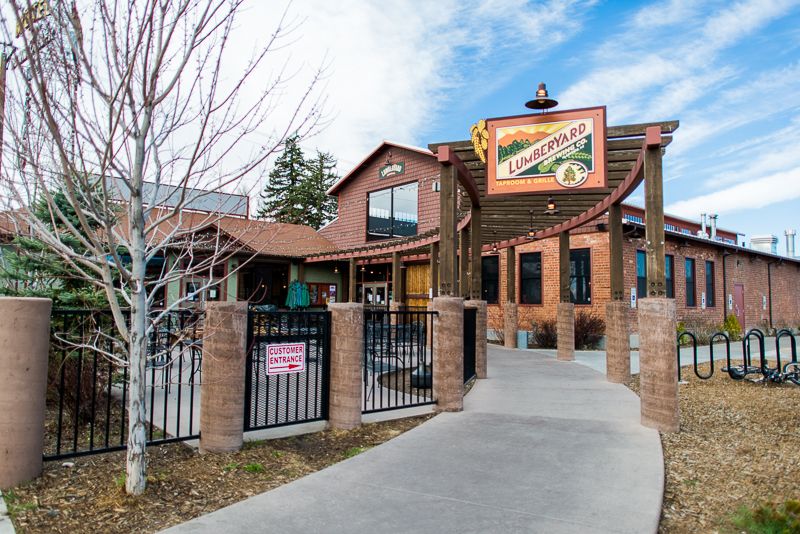
Flagstaff’s rail corridor frames a casual dining zone that behaves like a shared hall in the open.
Brick buildings, wooded horizons, and crisp mountain air set a relaxed stage.
You wander between patios as if they were rooms in the same friendly house.
The Lumberyard District clusters restaurants around walkable paths and broad sidewalks.
Outdoor seating gathers in pockets that almost merge into a single plaza.
Conversations float across the space, and dogs nap near chair legs.
There is no single curator here, just a cooperative flow shaped by habit and proximity.
The year-round appeal comes from weathered textures and reliable layouts, not spectacle.
Locals treat it as a living room with train whistles and pine scent.
Seating is plentiful, from picnic setups to sturdy rail-side tables.
Shade appears by way of umbrellas and building overhangs, which makes midday comfortable.
Evenings draw a steady stream of students, hikers, and families.
Because the businesses are close, you can shift moods without effort.
A quiet corner offers a pause, and a livelier patio adds a bit of energy.
The effect is a human-scale network rather than a single hall, and it fits Arizona’s outdoor culture.
The Lumberyard District, around 5 S San Francisco St, Flagstaff, AZ
4. Bisbee
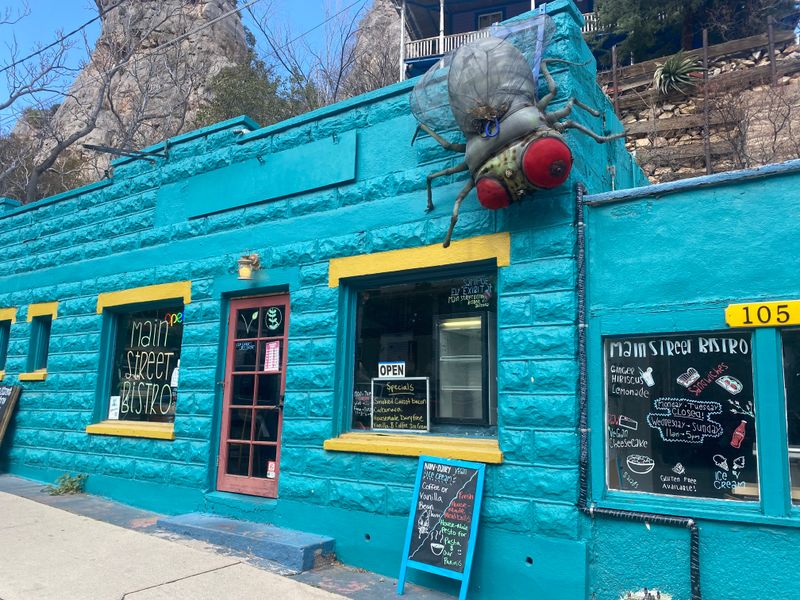
Bisbee’s compact downtown encourages neighbors and visitors to share space in natural ways.
Narrow streets climb the hillside, and storefronts hug the curves with inviting entryways.
You are never far from a shaded stoop or tucked courtyard.
Instead of one food hall, there is a constellation of cafes, restaurants, and pop-ups that orbit a few walkable blocks.
Markets appear on scheduled days and concentrate vendors in lively pockets.
The effect is a collective dining environment shaped by the town’s creative spirit.
Artistic touches are everywhere, from hand painted signs to colorful facades that glow in late light.
Seating areas appear like small stages where conversations take the lead.
It is unhurried and personal, with familiar faces guiding the flow.
Because the footprint is small, you can browse menus, change course, and still keep your table in sight.
Windows open to the street, and laughter trails up staircases into side alleys.
The town’s mining past adds texture, not weight.
This rhythm suits Arizona’s slower corners, where gatherings feel earned by the climb and the view.
You leave with a sense of having visited several rooms in the same house.
The downtown cluster becomes a shared pantry for daily life.
Downtown Restaurant and Market Cluster, around Main St and Brewery Ave, Bisbee, AZ
5. Prescott
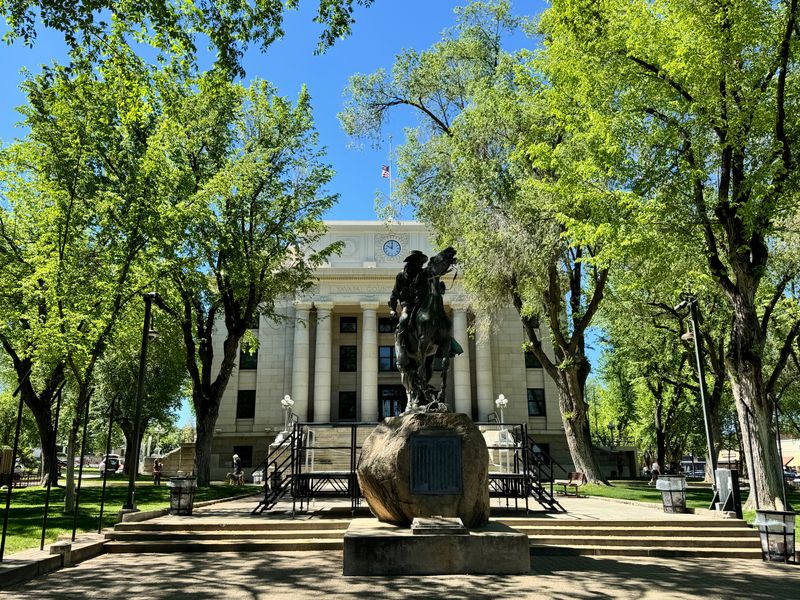
Prescott’s Courthouse Plaza hosts seasonal markets that turn the lawn and surrounding sidewalks into a welcoming food hub.
Canopies rise in neat lines, and benches sit under trees that cast generous shade.
You can circle the square and always find another place to rest.
Farmers and bakers join prepared food vendors during scheduled events.
The temporary layout feels consistent enough to be familiar and flexible enough to surprise.
Locals treat the gatherings like a standing invitation to catch up.
Historic buildings frame the scene with gentle grandeur.
The courthouse steps become a reference point for meeting, while paths lead you past art booths and pantry staples.
It is easy to tailor the day to your pace.
Because the market is built for residents, there is no rush to perform for cameras.
The tone stays neighborly, and the seating encourages longer conversations.
Kids play near the lawn while adults trade tips on vendors to try.
This approach aligns with Arizona’s community squares that double as dining rooms.
The plaza becomes a living diagram of the town’s calendar.
You arrive for groceries and leave with a pocketful of recommendations.
Courthouse Plaza Markets and Vendor Events, 120 S Cortez St, Prescott, AZ
6. Cottonwood
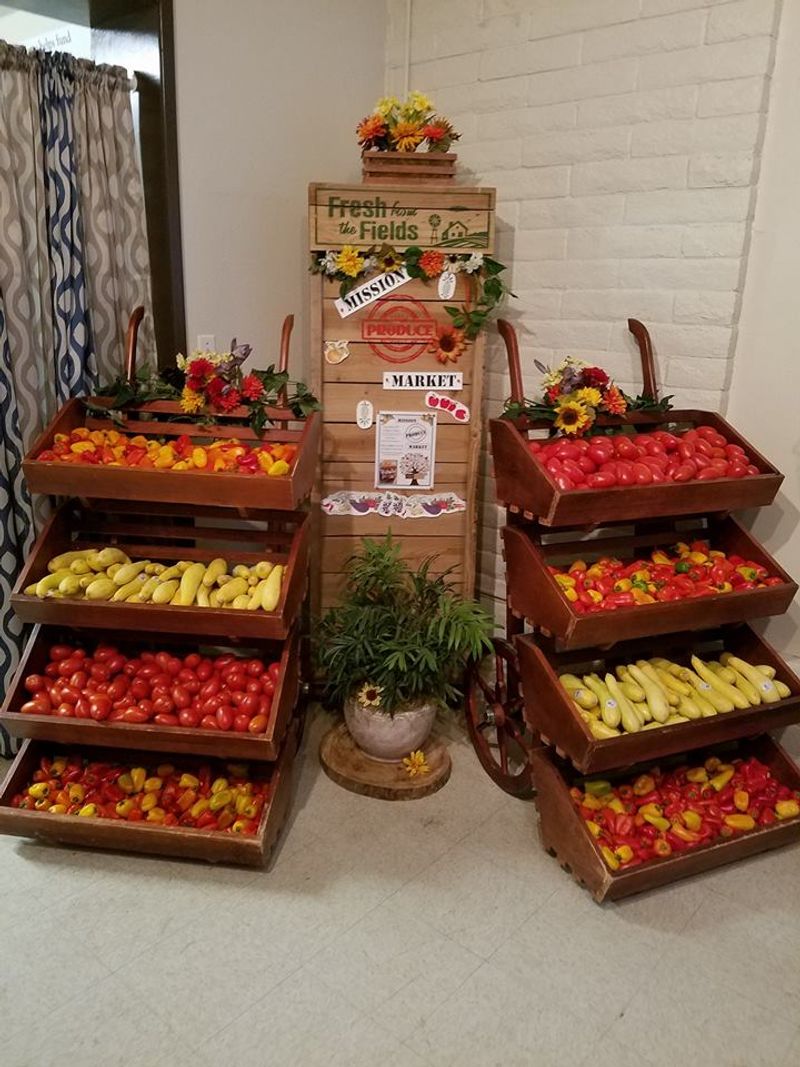
Old Town Cottonwood supports a nimble food scene built on shared kitchens and rotating pop ups.
Small patios offer just enough seating to feel cozy without being tight.
You can stroll the block and watch ideas take shape behind open doors.
Operators test menus without heavy overhead, which keeps the atmosphere inventive.
Collaborations form quickly, then shift as the season and interest change.
That fluidity turns a walk into a tasting tour without feeling scripted.
Shared spaces encourage practical creativity, from streamlined prep areas to multipurpose counters.
The result is a low key network where vendors trade tips and timelines.
You sense patience in the way projects grow.
Visitors are drawn by Verde Valley charm and an easy pace that rewards curiosity.
Benches and bistro sets appear at good intervals, inviting short pauses between stops.
Evening light makes the brick glow and the sidewalks feel welcoming.
This model fits Arizona’s smaller towns that thrive on flexible tools and community trust.
You experience a living workshop disguised as a main street.
Each visit feels different because the roster keeps evolving.
Old Town Pop Ups and Shared Kitchens, around 804 N Main St, Cottonwood, AZ
7. Kingman
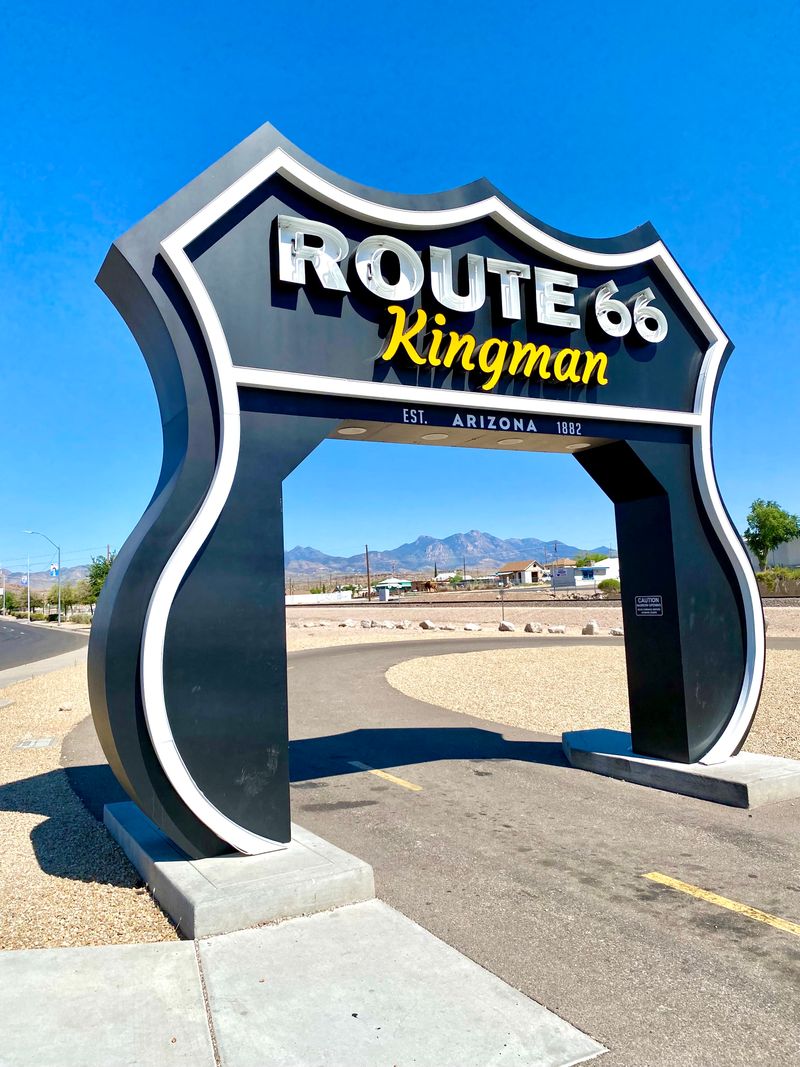
Kingman’s stretch of Route 66 near the Powerhouse Visitor Center gathers quick service spots and vendor stands in close proximity.
The arrangement turns a classic road stop into a shared dining zone.
You can park once and explore a compact loop.
Seating areas cluster beneath shade structures and along sidewalks.
Travelers mingle with locals who know the least crowded corners.
The flow is simple, and the vibe leans friendly rather than flashy.
There is no formal hall, yet the closeness of options produces the same convenience.
You move between counters, find a bench, and watch vintage signs flicker to life at dusk.
The scenery adds a sense of continuity along the highway.
Wayfinding is easy because landmarks are bold and distances are short.
The Powerhouse anchors the area with exhibits and steady foot traffic.
That consistency keeps vendors busy without encouraging rush.
The result is a reliable pause along an iconic Arizona corridor.
You feel the pace of the road quiet a notch while you settle under shade.
It becomes a small ritual before the next horizon.
Route 66 Vendor Clusters Near the Powerhouse, 120 W Andy Devine Ave, Kingman, AZ
8. Globe
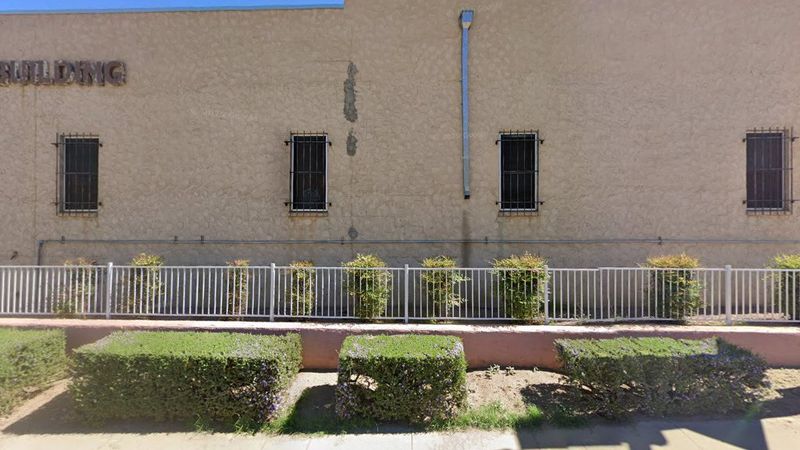
Globe’s mining era streets form a tidy grid that welcomes pop up markets and compact food businesses.
Broad sidewalks and brick facades create a calm frame for browsing.
You can wander without losing sight of a favorite bench.
During events and weekends, vendors share space and turn corners into mini hubs.
Grocery items sit near prepared foods, and service feels personal.
The walkable layout ties everything together without forcing a route.
Because the market energy is periodic, anticipation builds between gatherings.
Residents show up ready to try something new and greet familiar faces.
That pattern keeps the scene grounded in everyday routine.
Small vendor spaces allow operators to grow at a sensible pace.
You see practical design choices that favor efficiency and comfort.
Seating appears where shade and foot traffic naturally meet.
The overall effect is an informal food hall spread across a few blocks of Arizona street life.
It suits a town that values function over flash and conversation over noise.
You leave with a list of names to remember and revisit.
Downtown Markets and Small Vendor Spaces, around 150 N Broad St, Globe, AZ
9. Douglas
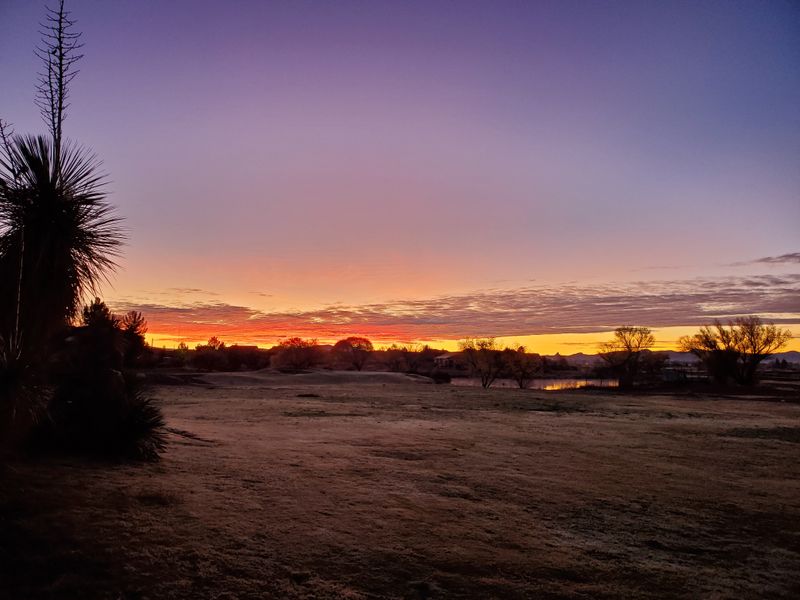
Douglas arranges its downtown and Gadsden area blocks into side by side eateries that behave like small arcades.
Covered walkways protect passersby from the desert sun and invite unhurried browsing.
You move from doorway to doorway without losing the breeze.
The clusters reflect cross border culinary traditions rooted in daily life.
Menus lean familiar because residents return often, and service rhythms follow local schedules.
It feels dependable rather than curated for visitors.
Seating nooks appear near storefronts and along shaded corridors.
The layout lets families spread out while staying within view.
You can settle in quickly and pick up conversations where they left off.
Without a formal hall, the neighborhood becomes the dining room.
The streets absorb the flow with patient timing and friendly greetings.
That quality matches the borderland’s steady tempo.
The result is a lived in network that suits Arizona’s southern edge.
You experience continuity across blocks and a sense of home in public space.
It is everyday hospitality presented with calm assurance.
Downtown and Gadsden Area Food Arcades and Clusters, around 1000 G Ave, Douglas, AZ
Dear Reader: This page may contain affiliate links which may earn a commission if you click through and make a purchase. Our independent journalism is not influenced by any advertiser or commercial initiative unless it is clearly marked as sponsored content. As travel products change, please be sure to reconfirm all details and stay up to date with current events to ensure a safe and successful trip.
