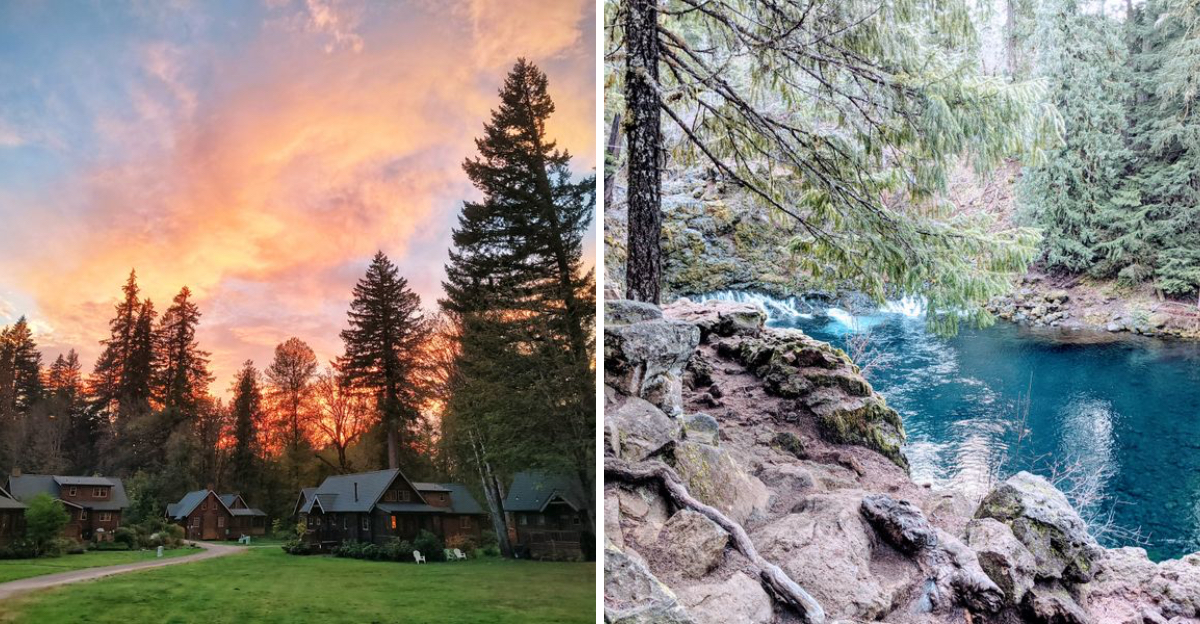
Tucked between towering Douglas firs and the McKenzie River, McKenzie Bridge feels like a secret waiting to be discovered.
This small community in Lane County sits within the Willamette National Forest, surrounded by old-growth trails, mossy cliffs, and natural hot springs.
The river draws fly fishers, rafters, and photographers chasing its blue-green glow.
With no traffic lights or chain stores, the area offers a rare, timeless quiet that lingers year-round.
A River That Runs Through Everything
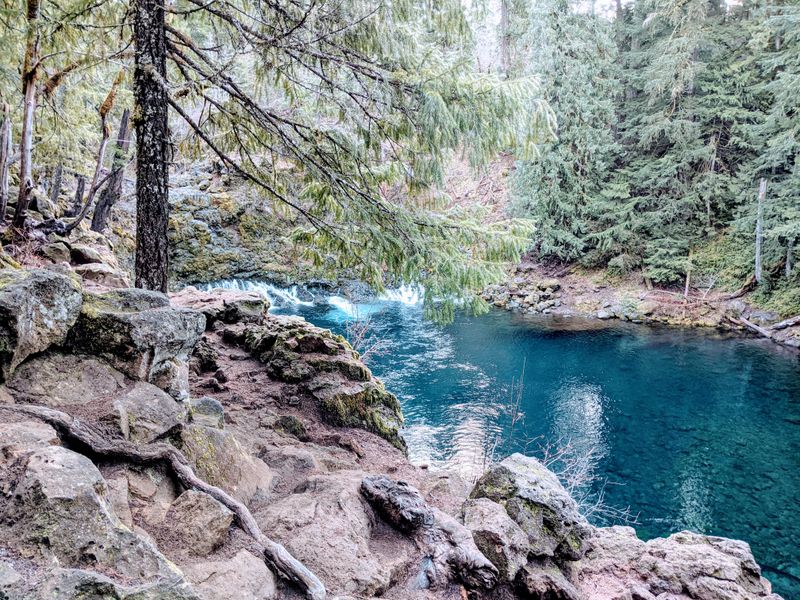
The McKenzie River is the lifeblood of this community, carving its way through ancient volcanic rock with a clarity that seems almost unreal.
Its waters run cold year-round, fed by snowmelt and underground springs that filter through layers of porous lava.
The result is a river so clear you can see every pebble on the bottom, every trout holding steady in the current.
Fly fishers come from across the country to cast lines into these waters, hoping to hook native rainbow trout or the elusive bull trout that thrive in the icy flow.
Rafters and kayakers navigate the river’s Class II and III rapids, while others simply sit on the banks and listen to the constant rush of water over stone.
The McKenzie River Trail runs parallel to the water for 26 miles, offering hikers and mountain bikers a front-row seat to waterfalls, lava fields, and deep pools that glow turquoise in the afternoon light.
In autumn, vine maple leaves turn crimson and gold, scattering across the riverbanks like confetti.
Winter brings a different kind of beauty, with ice forming delicate sculptures along the edges and steam rising from the warmer springs that feed into the main channel.
The river is more than scenery here.
It shapes the rhythm of life, dictates the weather, and draws people back season after season.
Locals know its moods, its best fishing holes, and the exact spot where the light hits the water just right at sunrise.
For visitors, the river offers a rare chance to disconnect, to trade screens for stones, and to remember what it feels like to be small beside something ancient and powerful.
Every bend reveals something new, every stretch feels wild despite the trail running alongside it.
The McKenzie River is not just a feature of this Oregon town.
It is the reason the town exists at all.
Hot Springs Hidden in the Forest
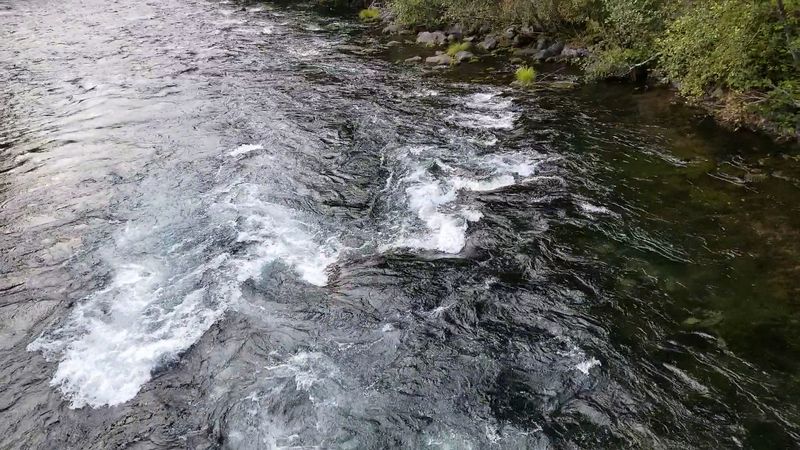
Belknap Hot Springs sits just a few miles east of McKenzie Bridge, where geothermal water bubbles up from deep within the Cascade Range.
The springs have been drawing visitors since the late 1800s, when travelers would soak in the naturally heated pools after long journeys through the mountains.
Today, the resort maintains two main pools, one kept at a steamy 102 degrees and another slightly cooler for those who prefer a gentler soak.
The water is rich in minerals, and many believe it has therapeutic properties that ease sore muscles and tired joints.
Steam rises into the cool forest air, creating a surreal contrast between the hot water and the surrounding wilderness.
Moss-draped trees lean over the pools, and the sound of the McKenzie River rushing nearby adds to the sense of immersion in nature.
Terwilliger Hot Springs, also known as Cougar Hot Springs, lies further up the highway and requires a short hike to reach.
This clothing-optional spring features a series of terraced pools cascading down a hillside, each one slightly cooler than the last.
The setting is raw and undeveloped, surrounded by old-growth forest and accessed by a narrow trail that winds through ferns and moss.
Visitors who make the trek are rewarded with a soaking experience that feels timeless, as if the forest itself is offering a gift.
Both springs attract a mix of locals and travelers, from families seeking relaxation to adventurers who have spent the day hiking or biking the nearby trails.
Soaking under the stars on a clear night is an experience that stays with people long after they leave.
The combination of hot water, cold air, and towering trees creates a sensory experience that is both grounding and transcendent.
Belknap is a managed resort experience, while Terwilliger (Cougar) Hot Springs feels more rustic and backcountry in character.
They remain wild, rustic, and deeply connected to the landscape that surrounds them.
Trails That Vanish Into Wilderness
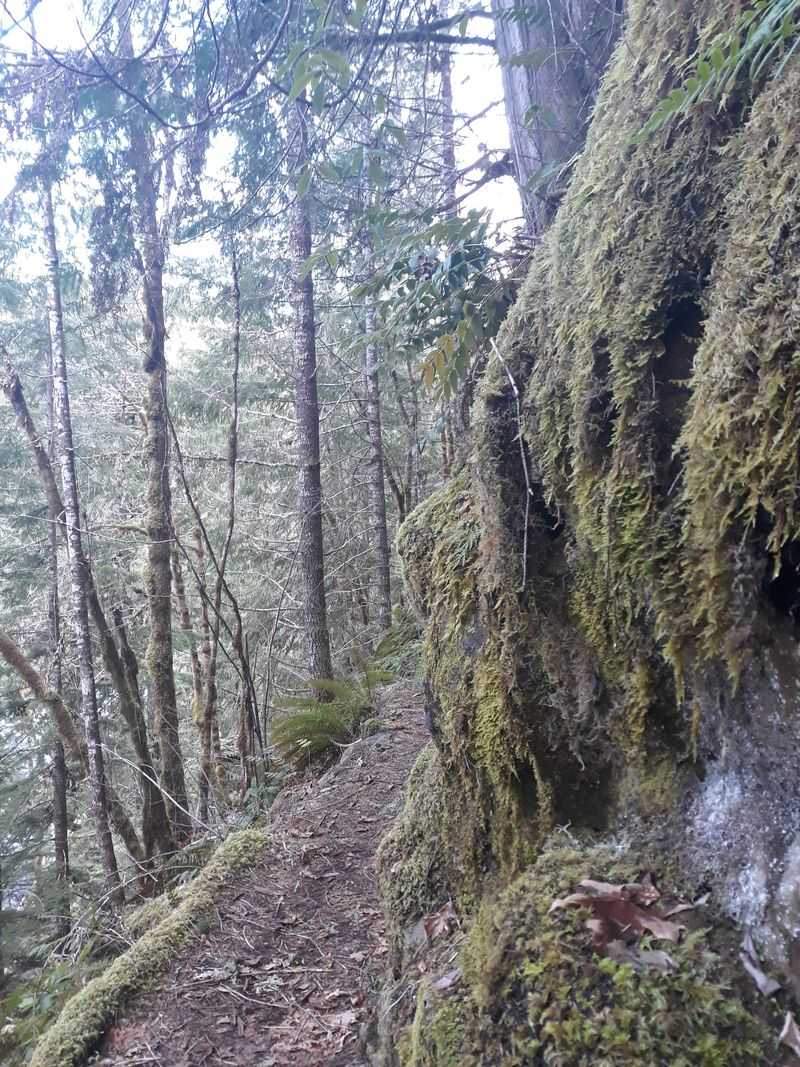
The trails around McKenzie Bridge are the kind that make you forget what day it is.
The McKenzie River Trail is the most famous, stretching 26 miles from the Old Santiam Wagon Road to the town of McKenzie Bridge itself.
The trail follows the river closely, passing waterfalls, lava flows, and deep pools that shimmer in shades of blue and green.
Mountain bikers favor this trail for its smooth singletrack and stunning scenery, while hikers appreciate the accessibility and the variety of ecosystems it passes through.
Clear Lake, at the trail’s upper end, is fed by underground springs and remains so cold that submerged trees from centuries ago are still visible beneath the surface.
Tamolitch Blue Pool is another highlight, a striking turquoise pool where the McKenzie River emerges from underground after flowing through porous lava rock for miles.
The hike to the Blue Pool is relatively easy, making it a popular destination for families and photographers seeking that perfect shot.
For those seeking more solitude, the Proxy Falls Loop offers a shorter but equally rewarding experience.
This one-mile trail leads to two waterfalls, Upper and Lower Proxy Falls, both of which cascade over columnar basalt into moss-covered grottos.
The forest here feels primeval, with massive old-growth trees and a silence broken only by the sound of falling water.
Nearby, the Sahalie and Koosah Falls trail forms a loop that showcases two powerful waterfalls separated by just a short walk.
Sahalie plunges 100 feet in a thundering display of force, while Koosah spreads out in a wider, gentler curtain.
Both are surrounded by dense forest and accessible via paved paths, making them ideal for visitors of all ages.
Every trail in this area offers something different, from challenging climbs to easy strolls, from roaring waterfalls to quiet groves.
The common thread is the sense of wildness, the feeling that you have stepped into a landscape that remains largely unchanged despite the passage of time.
Lava Fields That Tell a Volcanic Story
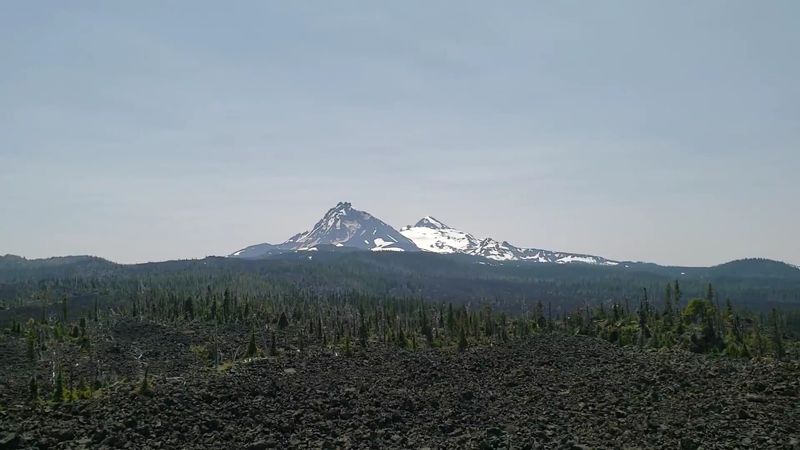
The Cascade Range is built on fire, and the landscape around McKenzie Bridge bears the scars of ancient eruptions.
Lava fields stretch across the forest floor, black basalt columns rising like frozen sculptures from the earth.
These flows date back thousands of years, created when molten rock surged down from the volcanic peaks and cooled into the jagged formations visible today.
Moss and lichen have slowly colonized the rock, softening its harsh edges with vibrant greens and yellows.
The contrast between the dark stone and the bright vegetation creates a landscape that feels both ancient and alive.
The McKenzie Pass, accessible via Highway 242, offers some of the most dramatic lava field views in Oregon.
The Dee Wright Observatory sits at the summit, a stone structure built by the Civilian Conservation Corps in the 1930s.
From its windows, visitors can see a vast expanse of lava rock stretching in every direction, with volcanic peaks rising in the distance.
The observatory itself is constructed from lava rock, blending seamlessly into the surrounding landscape.
A short trail loops around the building, allowing visitors to walk across the lava field and examine the different textures and formations up close.
The road to McKenzie Pass is only open in summer, as snow closes the route for much of the year.
This seasonal access adds to the sense of remoteness and makes the journey feel like a pilgrimage to a place few people get to experience.
Cyclists love the challenge of climbing the pass, with its steep grades and hairpin turns rewarded by sweeping views of the Cascades.
The lava fields are a reminder that this region is still geologically active, that the mountains above McKenzie Bridge are not dormant relics but living forces capable of reshaping the landscape.
Walking through these fields, you can almost hear the earth breathing, feel the weight of time pressing down through layers of rock and soil.
It is a humbling experience, one that connects visitors to the deep history of the Pacific Northwest.
Waterfalls Around Every Bend
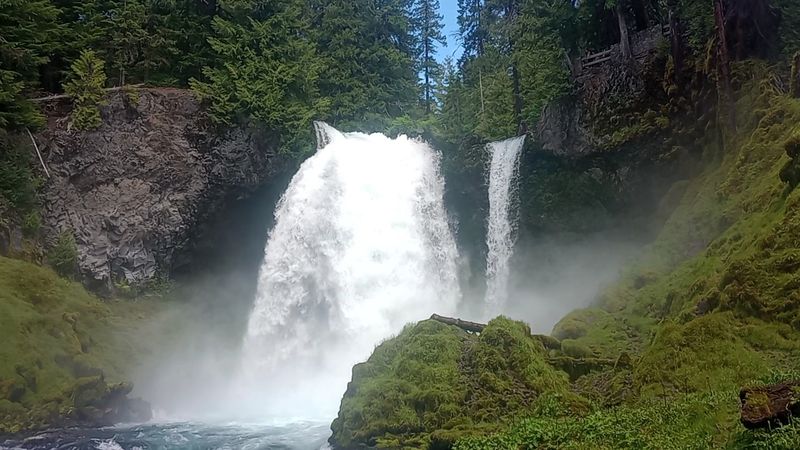
Water is everywhere in this part of Oregon, and much of it falls from great heights.
The McKenzie River and its tributaries are fed by snowmelt and springs, creating countless waterfalls that range from delicate ribbons to thundering torrents.
Sahalie Falls is one of the most powerful, dropping 100 feet into a churning pool surrounded by mist and moss.
The name Sahalie comes from the Chinook word for heaven, a fitting description for a place that feels both wild and sacred.
Just downstream, Koosah Falls spreads across a wider ledge, creating a curtain of water that fans out before crashing into the river below.
Both falls are accessible via a short loop trail that offers multiple viewpoints and photo opportunities.
Proxy Falls, located a few miles west, is smaller but no less striking.
Lower Proxy Falls tumbles over a columnar basalt cliff into a hidden grotto, while Upper Proxy Falls spreads out in a series of cascades that seem to emerge from the forest itself.
The trail to these falls is easy and well-maintained, making it a popular stop for families and photographers.
Tamolitch Falls, also known as the Blue Pool, is not a waterfall in the traditional sense but rather the point where the McKenzie River re-emerges from underground.
The water bursts forth from beneath the lava rock, filling a deep pool that glows with an otherworldly blue color.
The pool is fed by snowmelt that has filtered through layers of volcanic rock, emerging cold and crystal clear.
Visitors often sit on the rocks surrounding the pool, mesmerized by the color and the stillness of the water.
Each waterfall in this area has its own character, shaped by the geology and hydrology of the Cascades.
Some roar with force, others whisper through the trees.
Some are hidden in deep canyons, others stand in full view from the highway.
Together, they create a landscape defined by movement, sound, and the constant presence of water in all its forms.
Old-Growth Forest That Feels Timeless
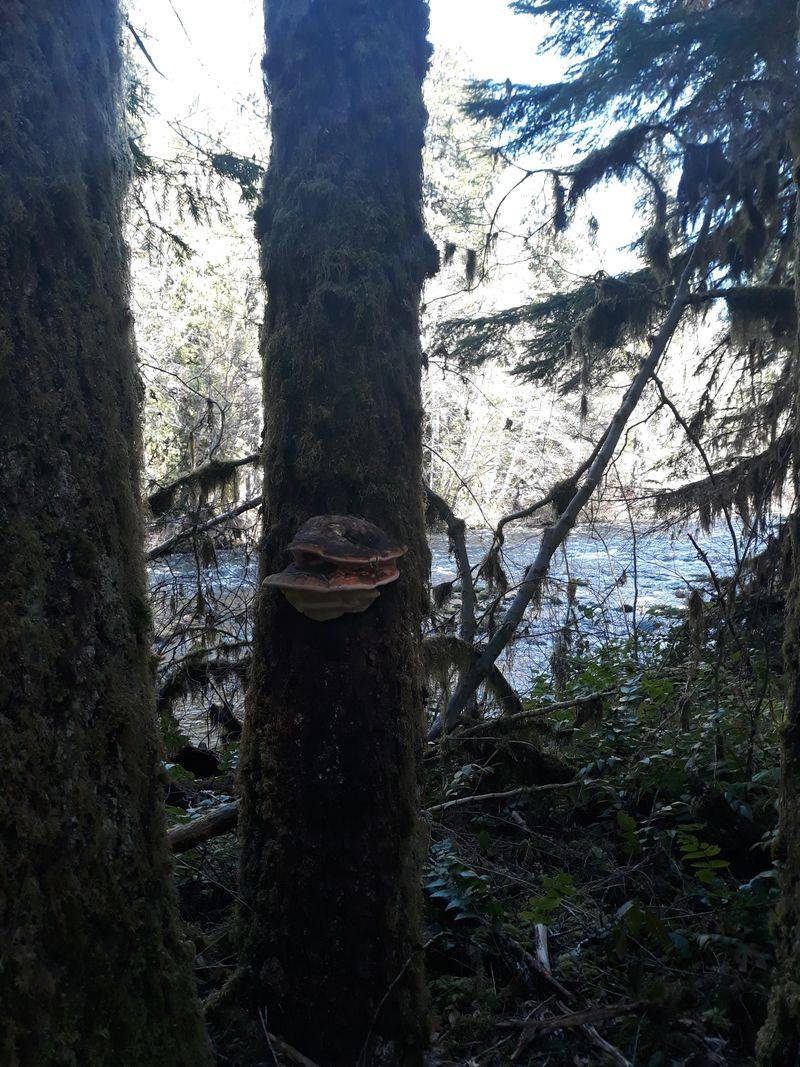
Walking through the old-growth forests around McKenzie Bridge is like stepping into a cathedral built by nature.
Douglas firs rise hundreds of feet into the air, their trunks so wide it would take several people to wrap their arms around them.
Western red cedars add to the canopy, their shaggy bark and drooping branches creating a layered texture that filters light into soft green hues.
Moss covers everything, from fallen logs to standing trees, creating a landscape that feels soft and alive despite the towering scale of the forest.
These trees have stood for centuries, surviving fires, storms, and the slow march of time.
They are remnants of a forest that once covered much of the Pacific Northwest, before logging operations cleared vast swaths of land.
The old-growth stands that remain are protected within the Willamette National Forest, preserved for their ecological value and their ability to inspire awe in those who walk among them.
The forest floor is a complex ecosystem, with ferns, fungi, and wildflowers thriving in the shade.
Nurse logs, fallen giants slowly decomposing, provide nutrients and habitat for new growth, creating a cycle of life and death that has repeated for millennia.
Birds call from the canopy, woodpeckers drum against dead snags, and the occasional rustle in the underbrush hints at the presence of deer or elk.
Hiking through these forests, you quickly lose track of time.
The silence is profound, broken only by the drip of water from moss-covered branches or the distant rush of the river.
The air smells of cedar and damp earth, a scent that clings to your clothes and lingers in your memory long after you leave.
These forests are not just scenery.
They are living monuments to the resilience of nature, proof that some places can remain wild even in a world that seems increasingly tamed.
For visitors, they offer a chance to slow down, to breathe deeply, and to remember what it feels like to be part of something much larger than yourself.
Seasonal Beauty That Shifts With the Months
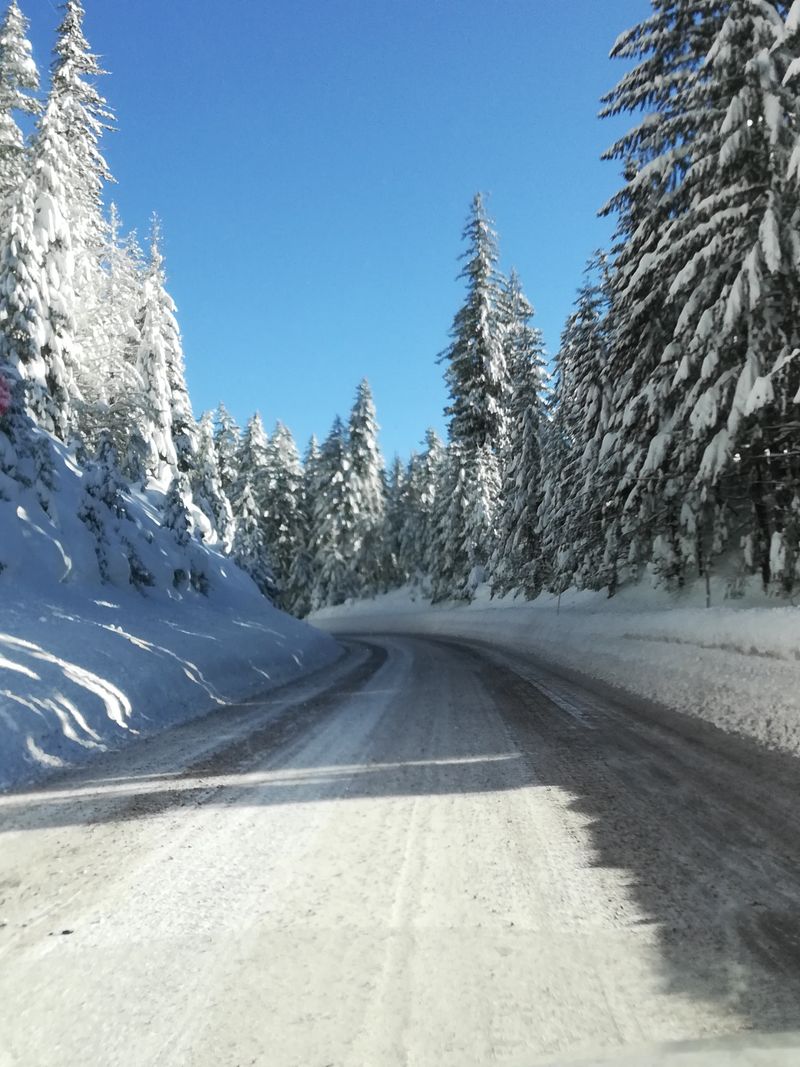
McKenzie Bridge transforms with the seasons, each one bringing its own character and beauty.
Spring arrives slowly in the mountains, with snowmelt swelling the river and wildflowers beginning to emerge along the trails.
Trillium, lupine, and Indian paintbrush add splashes of color to the forest floor, while the higher elevations remain dusted with snow well into May.
Summer is the busiest season, when the weather is warm and the trails are dry.
Families camp along the river, hikers tackle the longer trails, and cyclists challenge themselves on the climb to McKenzie Pass.
The water is still cold, but brave souls wade in or float downstream on inner tubes, laughing as the current sweeps them along.
Evenings are cool, perfect for sitting by a campfire and watching the stars emerge over the ridgelines.
Autumn brings a shift in light and color, as vine maples turn crimson and gold, contrasting sharply with the evergreen conifers.
The river runs lower and clearer, revealing stones and gravel bars that were submerged during the spring runoff.
The air is crisp, and the forest smells of fallen leaves and damp earth.
This is the season when the landscape feels most alive, when the colors are at their peak and the crowds have thinned.
Winter is the quietest time, when snow blankets the mountains and the highway becomes treacherous.
The hot springs are especially inviting during these months, offering warmth and comfort against the cold.
Cross-country skiers and snowshoers venture into the forest, following trails that are transformed by snow into silent, white corridors.
The river continues to flow, steaming in the cold air, and the forests take on a stark beauty that is both harsh and serene.
Each season offers a different experience, a different way of seeing and interacting with the landscape.
Visitors who return multiple times often find that McKenzie Bridge feels like a different place depending on the time of year, each visit revealing new layers and new reasons to return.
Rustic Lodges and Cabin Retreats
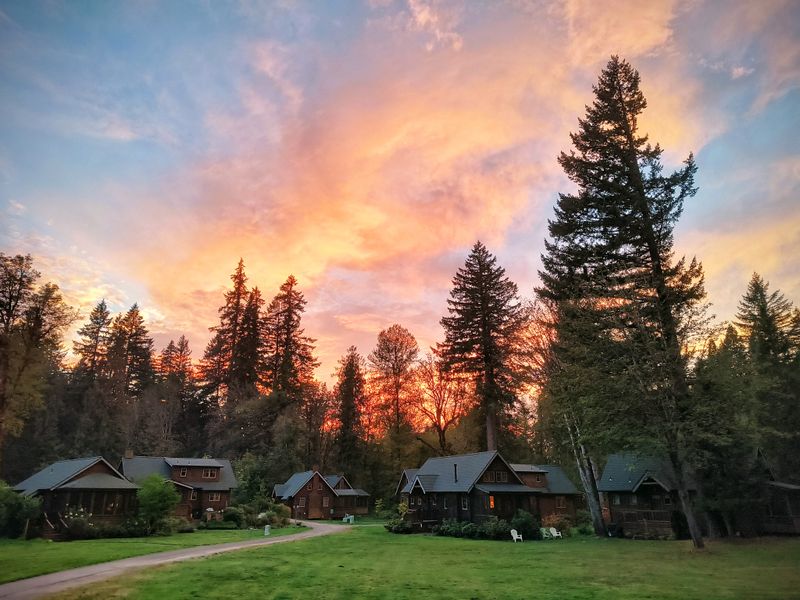
Accommodations in McKenzie Bridge lean toward the rustic, with family-run lodges and cabins that prioritize comfort over luxury.
Many of these lodges have been welcoming guests for decades, their wood-paneled walls and stone fireplaces creating an atmosphere that feels both timeless and inviting.
Some sit directly on the river, offering the sound of rushing water as a constant backdrop.
Others are tucked into the forest, surrounded by towering trees and the quiet hum of nature.
The cabins vary in size and amenities, from simple one-room structures with basic furnishings to larger units with full kitchens and multiple bedrooms.
What they share is a sense of place, a connection to the landscape that is impossible to replicate in more conventional hotels.
Staying in one of these lodges means waking up to the smell of pine, stepping outside to see mist rising from the river, and falling asleep to the sound of the forest settling in for the night.
Campgrounds are also plentiful, with sites ranging from developed facilities with running water and restrooms to primitive spots accessible only by foot or bike.
Camping along the McKenzie River is a popular way to experience the area, offering flexibility and a closer connection to the outdoors.
The campsites are shaded by old-growth trees, and many sit just steps from the river, making it easy to fish, swim, or simply sit and watch the water flow by.
For those who prefer a bit more comfort, vacation rentals and private cabins are available through various booking platforms.
These properties often come with amenities like hot tubs, fully equipped kitchens, and expansive decks overlooking the forest.
They offer a middle ground between camping and staying in a lodge, providing privacy and space while still keeping you close to the wilderness.
Regardless of where you stay, the experience in McKenzie Bridge is defined by simplicity and immersion.
This is not a place for room service or valet parking.
It is a place where you unplug, unwind, and reconnect with the rhythms of the natural world.
Dear Reader: This page may contain affiliate links which may earn a commission if you click through and make a purchase. Our independent journalism is not influenced by any advertiser or commercial initiative unless it is clearly marked as sponsored content. As travel products change, please be sure to reconfirm all details and stay up to date with current events to ensure a safe and successful trip.
