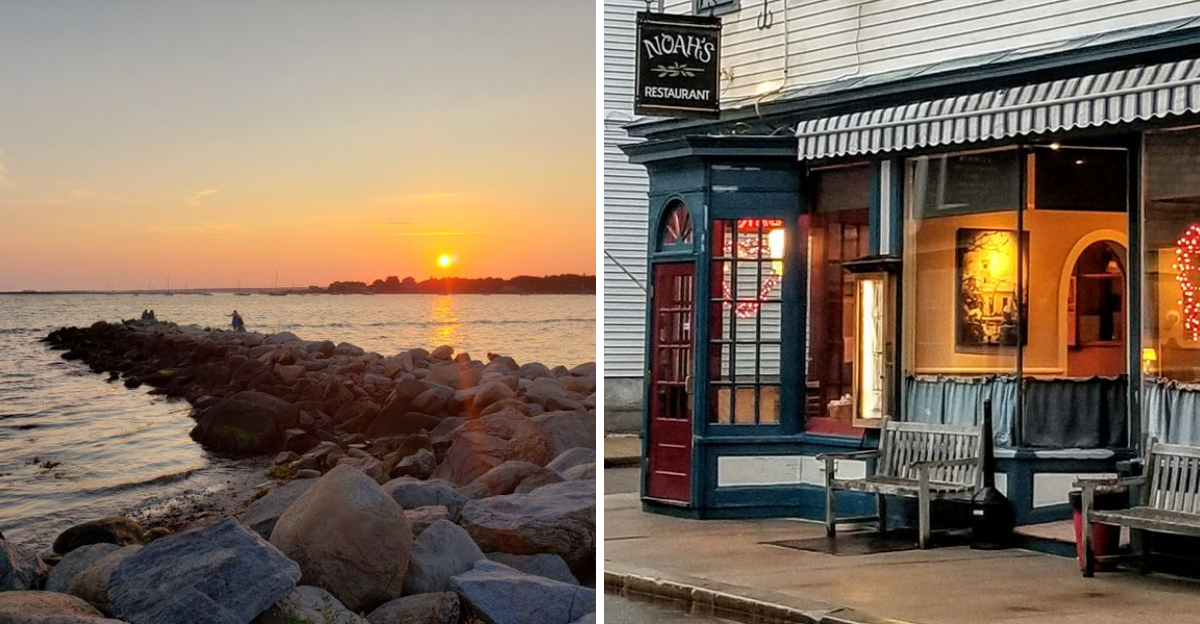
Tucked away on a slender peninsula jutting into Little Narragansett Bay, Stonington Borough remains one of Connecticut’s best-kept coastal secrets.
This tiny village, home to fewer than a thousand residents, offers travelers a rare glimpse into maritime New England without the crowds that swarm more famous seaside towns.
Weathered lighthouses stand watch over historic streets lined with colonial homes, while fishing boats bob quietly in protected harbors that have sheltered sailors for centuries.
Whether you crave waterfront walks, architectural beauty, or simply a peaceful escape from modern life’s constant noise, this overlooked gem delivers an authentic coastal experience that feels worlds away from the everyday rush.
Stonington Harbor Lighthouse Museum

Perched at the very tip of the peninsula, this compact granite lighthouse has guided mariners since 1823.
The sturdy tower rises just thirty feet, but its elevated position on rocky ledges provides sweeping views across three states.
Visitors climb the narrow spiral staircase to reach the lantern room, where the original sixth-order Fresnel lens once rotated through foggy nights.
Today the keeper’s house functions as a maritime museum, filled with navigation instruments, fishing gear, and artifacts recovered from nearby shipwrecks.
Displays chronicle Stonington’s role in the whaling trade and the devastating British bombardment during the War of 1812.
Children especially love the hands-on exhibits that let them tie sailor’s knots and examine whale teeth carved with intricate scrimshaw designs.
Outside, granite boulders form natural seating where you can watch sailboats navigate the channel between Connecticut and Rhode Island.
Seabirds wheel overhead, their cries mixing with the rhythmic slap of waves against stone.
On clear days, Watch Hill’s Victorian towers appear across the water to the east.
The lighthouse grounds remain beautifully maintained by local volunteers who understand the structure’s importance to community identity.
Spring brings nesting terns to the surrounding rocks, while autumn paints the scrubby vegetation in shades of burgundy and gold.
This modest beacon represents everything special about Stonington: historic, functional, and quietly proud of its maritime heritage without needing to shout about it.
Water Street’s Historic Architecture

Walking down Water Street feels like stepping through a portal into the 1700s.
This narrow lane runs along the borough’s western shore, lined with impeccably preserved colonial and Federal-style homes that once housed sea captains and merchants.
Clapboard siding painted in traditional colors frames multi-paned windows with working shutters, while granite steps lead to paneled doors topped with elegant fanlights.
Many properties retain their original widow’s walks, those rooftop platforms where anxious families once scanned the horizon for returning vessels.
Architectural details reveal the wealth that whaling and trade brought to this tiny community during its maritime heyday.
Hand-carved cornices, decorative brackets, and Greek Revival columns demonstrate craftsmanship that modern construction rarely matches.
Gardens burst with hydrangeas, roses, and daylilies that thrive in the salty air, their blooms spilling over white picket fences.
Unlike museum villages where buildings stand empty behind velvet ropes, these homes remain private residences lovingly maintained by owners who value historical authenticity.
The street’s compact scale creates an intimate atmosphere where every structure contributes to the overall harmony.
No modern intrusions disrupt the historical continuity, making photography here particularly rewarding.
Morning light bathes eastern-facing facades in warm gold, while afternoon sun creates dramatic shadows that emphasize architectural textures.
Strolling this street costs nothing but offers priceless insight into how prosperous New Englanders lived when maritime commerce ruled the regional economy.
Wadawanuck Square and Village Green

At the heart of the borough, this modest green space serves as the community’s living room.
Mature trees provide dappled shade over wooden benches where locals gather to chat and visitors rest between explorations.
The square takes its name from the Pequot word for the area, acknowledging the indigenous people who inhabited this peninsula long before European settlement.
Surrounding buildings represent different eras of Stonington’s development, from colonial taverns to Victorian commercial blocks.
The Old Lighthouse Museum sits nearby, its collection documenting daily life in a working fishing village.
During summer months, the green hosts low-key community events that feel refreshingly authentic compared to touristy festivals elsewhere.
You might encounter a small farmers market where local growers sell just-picked produce, or children playing informal games supervised by parents who know everyone’s names.
This unpretentious gathering spot embodies the borough’s character: functional, historic, and deeply rooted in community rather than commerce.
Storefronts facing the square include a bookshop specializing in maritime literature and a general store that has served residents since the nineteenth century.
Window displays change with the seasons but never look aggressively commercial.
Sitting here on a weekday afternoon, you’ll notice how quiet everything remains despite being in the village center.
Conversations happen at normal volume without competing against traffic noise or blaring music.
This peaceful quality makes the square perfect for reading, sketching, or simply absorbing the unhurried rhythm of small-town coastal life.
DuBois Beach Serenity
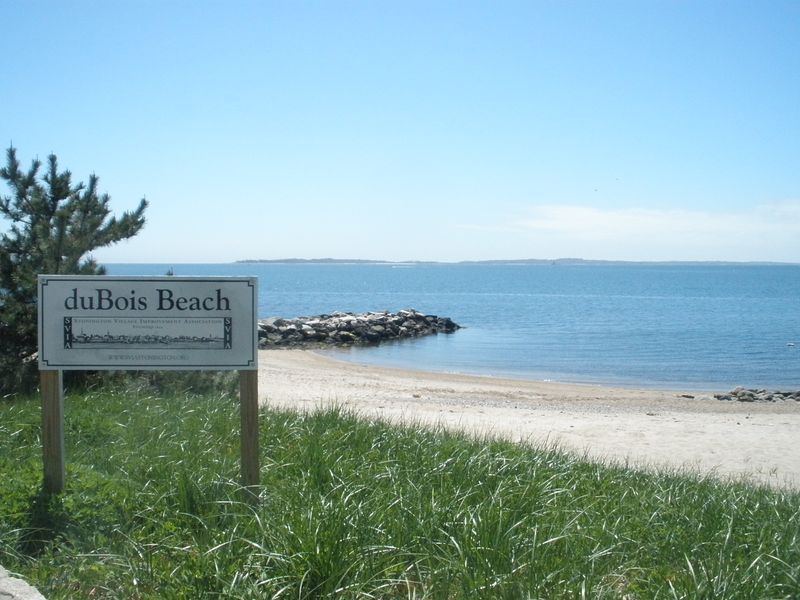
Tucked between rocky outcrops on the borough’s eastern shore, this petite beach offers swimming and sunbathing without the crowds that plague larger coastal areas.
The narrow strip of sand and smooth stones faces east toward Rhode Island, providing protected waters ideal for families with young children.
Gentle waves lap the shore rather than crashing dramatically, creating a soothing soundtrack that encourages relaxation.
At low tide, tide pools form among the rocks, revealing small crabs, periwinkles, and occasionally a stranded starfish.
Children spend hours exploring these miniature ecosystems while parents watch from beach blankets.
The compact size means you’re never far from your belongings or from shade under the few trees that edge the beach.
Unlike resort beaches with rental umbrellas and concession stands, DuBois remains refreshingly uncommercialized.
Visitors bring their own supplies and take their trash home, maintaining the natural beauty through collective respect.
Morning visits reward early risers with spectacular sunrises that paint the sky in shades of coral and lavender.
Afternoon breezes keep temperatures comfortable even on hot summer days, while evening brings golden hour light perfect for photography.
The beach’s modest dimensions prevent overcrowding since limited parking naturally controls visitor numbers.
This self-regulating system preserves the peaceful atmosphere that makes Stonington special.
Swimming here feels personal and safe, more like using a private beach than visiting a public facility, yet the welcoming vibe makes newcomers feel immediately comfortable in this tight-knit community’s favorite swimming spot.
Cannon Square Memorial

History comes alive at this small memorial commemorating one of America’s most unusual military victories.
During the War of 1812, British warships bombarded Stonington for three days, attempting to destroy this defiant village that refused to surrender.
Armed with just two small cannons, local militia and citizens fought back against vastly superior naval firepower.
The British eventually withdrew in frustration, having failed to subdue a community of farmers and fishermen.
Today, one of those defensive cannons sits in the square, a tangible link to that August 1814 battle.
Interpretive panels explain the bombardment’s context within the larger war and describe individual acts of courage by Stonington residents.
Women and children helped move ammunition while men fired the guns, demonstrating the community solidarity that characterized early American resistance.
Standing beside this weathered bronze barrel, you can almost hear the thunder of naval guns and smell the acrid smoke that once shrouded these streets.
The memorial’s understated presentation matches Stonington’s general approach to its remarkable history.
Rather than creating an elaborate tourist attraction, residents maintain a simple, dignified reminder of their ancestors’ determination.
Nearby buildings still show damage from British cannonballs, though most repairs happened long ago.
Visiting during quieter seasons allows for contemplative reflection on how this tiny peninsula’s residents shaped their own destiny through courage and cooperation.
The memorial reminds us that significant history often unfolds in the smallest, most overlooked places.
Main Street Gallery Browsing

Art thrives in unexpected places, and Stonington’s compact Main Street proves this truth.
Several galleries occupy historic storefronts, showcasing work by regional artists inspired by coastal landscapes and maritime traditions.
Unlike pretentious urban galleries with intimidating atmospheres, these welcoming spaces encourage visitors to browse leisurely and ask questions.
Watercolors capture the ever-changing moods of Little Narragansett Bay, from storm-tossed grays to summer’s brilliant blues.
Oil paintings depict working fishing boats and weathered docks with honest appreciation for the labor that sustains coastal communities.
Sculptors work with driftwood, sea glass, and salvaged marine hardware, transforming castoffs into beautiful objects.
Many artists maintain studios above their galleries, and you might catch them working if you visit during weekday afternoons.
Conversations with creators provide insights into their inspiration and techniques that deepen appreciation for their work.
Prices range from affordable prints to investment-worthy originals, with something appealing to every budget.
Photography galleries feature stunning images of local landmarks during different seasons and weather conditions.
These visual records document Stonington’s beauty while reminding residents why they cherish this special place.
Window shopping costs nothing and offers pleasant diversions between other activities.
The galleries’ presence demonstrates how creative communities develop organically when affordability and inspiration coincide, attracting artists who value authenticity over trendy art districts where commerce overshadows creativity in more heavily promoted destinations.
Stonington Point Coastal Walks

Few experiences match the simple pleasure of walking Stonington’s perimeter roads and paths.
The entire borough occupies less than a square mile, making circumnavigation possible within an hour or two depending on how often you stop.
Starting at the lighthouse, you can follow the shoreline past historic homes, working docks, and rocky beaches.
Each turn reveals new perspectives on the surrounding waters and distant shores.
Sailboats glide past on summer afternoons, their white canvas bright against blue water.
Fishing vessels depart before dawn and return with their catches in late afternoon, maintaining traditions that stretch back generations.
The walking route passes front yards where roses climb trellises and hydrangeas bloom in shades from pink to deep purple.
Residents often tend their gardens or sit on porches, offering friendly waves to passersby.
This casual neighborliness creates an inclusive atmosphere that makes visitors feel welcome rather than intrusive.
Benches positioned at scenic overlooks invite rest and contemplation.
Bringing binoculars enhances the experience, allowing detailed observation of seabirds and distant landmarks.
Spring migration brings warblers and other songbirds to the peninsula’s trees and shrubs.
Autumn transforms the landscape with brilliant foliage that contrasts beautifully against gray stone walls and blue water.
Winter walks offer stark beauty and solitude, with ice forming along the shore and hardy ducks bobbing in sheltered coves where water remains unfrozen throughout the coldest months.
Noah’s Restaurant Waterfront Dining

Located at 113 Water Street, Noah’s brings refined dining to this unpretentious village.
The restaurant occupies a historic building with windows overlooking the harbor, where sunset views enhance every evening meal.
Menus emphasize fresh seafood sourced from local waters and prepared with techniques that honor ingredients rather than overwhelming them.
Striped bass, scallops, and lobster appear in seasonal preparations that change based on availability and chef inspiration.
The kitchen also accommodates landlubbers with excellent steaks and vegetarian options that receive equal attention.
Service strikes the perfect balance between professional and friendly, making solo diners feel comfortable while giving couples and groups the attention they deserve.
Unlike restaurants in more touristy areas where staff rush through interactions, servers here take time to discuss menu details and offer genuine recommendations.
The wine list features reasonably priced bottles from around the world alongside local craft beers.
Reservations are strongly recommended, especially for weekend evenings and summer months when the dining room fills with visitors and locals celebrating special occasions.
The atmosphere remains relaxed despite the food’s sophistication, reflecting Stonington’s overall character.
You can dress up or keep things casual without feeling out of place either way.
Watching fishing boats return to their moorings while enjoying perfectly prepared seafood creates memorable dining experiences that justify the splurge.
This restaurant proves that culinary excellence doesn’t require pretension or big-city prices, just commitment to quality and respect for ingredients and guests alike.
Seasonal Charm Throughout the Year

Stonington’s appeal extends far beyond summer’s obvious attractions.
Each season brings distinct qualities that reveal different aspects of the village’s character and beauty.
Spring arrives gradually, with daffodils and crocuses pushing through cold soil in late March.
By May, flowering trees transform streets into fragrant tunnels of white and pink blossoms.
Migratory birds pause here during their northward journey, filling mornings with song.
Summer delivers classic New England coastal weather with warm days cooled by ocean breezes.
Sailors and kayakers take advantage of protected waters while beachgoers claim favorite spots on the small beaches.
Autumn may be the most spectacular season, when maples and oaks blaze with color against the evergreen backdrop.
Cooler temperatures make walking more comfortable, and reduced visitor numbers restore the village’s essential quietness.
Winter transforms Stonington into something almost mystical.
Snow dusts colonial rooftops and stone walls, creating scenes worthy of historical paintings.
Ice forms along the shoreline in fantastic shapes, and winter storms demonstrate the raw power that shaped this landscape.
Hardy residents continue their routines, proving that real communities function year-round rather than shutting down when tourists leave.
Visiting during shoulder seasons offers advantages beyond smaller crowds and lower accommodation rates.
You experience Stonington as residents know it, authentic and unhurried, revealing why people choose to call this remarkable little peninsula home despite its isolation and exposure to harsh coastal weather.
Dear Reader: This page may contain affiliate links which may earn a commission if you click through and make a purchase. Our independent journalism is not influenced by any advertiser or commercial initiative unless it is clearly marked as sponsored content. As travel products change, please be sure to reconfirm all details and stay up to date with current events to ensure a safe and successful trip.
