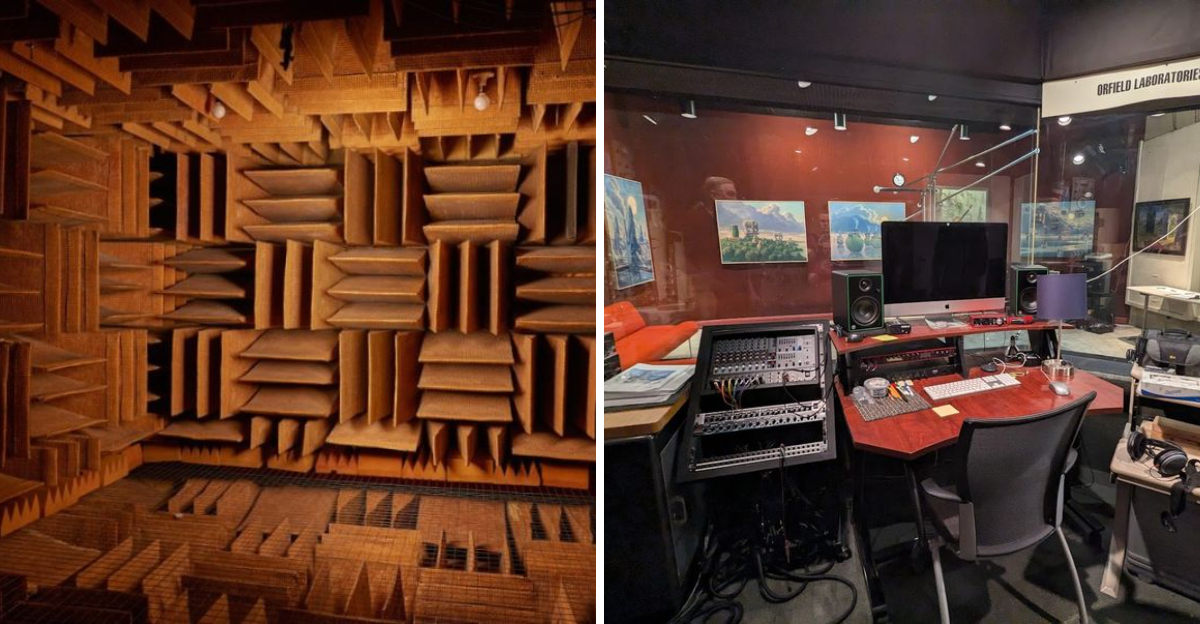
You have never experienced true silence until you step inside this Minnesota room. A special chamber here holds the Guinness World Record for the quietest place on Earth.
Sound drops below negative decibels which means you hear things you normally cannot. Your own heartbeat becomes a loud thumping in your ears.
Your stomach gurgles like a small animal moving around. The sound of your eyelids blinking becomes distracting.
Most people cannot stay inside for more than forty five minutes because the silence becomes physically uncomfortable. You start to hear your blood moving through your veins.
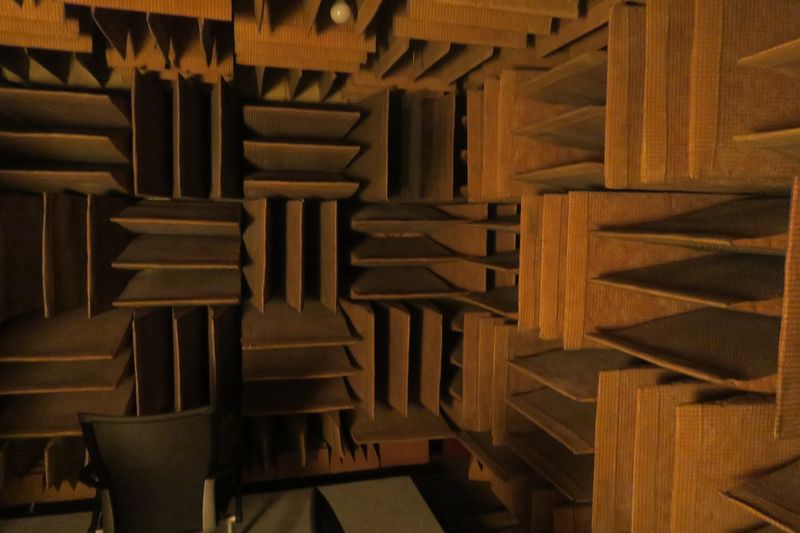
Your breathing sounds like wind in a tunnel. The room absorbs 99.99 percent of sound with wedges on every wall and floor.
No echoes. No reverberation. Just you and your own body making noises you never knew existed. Minnesota hides this strange attraction in a quiet corner of the state and it attracts scientists, musicians, and curious visitors from around the world.
You can book a tour and even sit in the chamber yourself if you are brave enough. Bring a friend to talk about the experience afterward because you will need to process it.
How Quiet Is Negative 24.9 dBA Really?
Numbers on a page rarely tell the full story. To understand what negative 24.9 dBA actually means, it helps to compare it to everyday sounds.
A whisper registers around 30 dBA. A quiet library sits near 40 dBA.
Even a bedroom at night rarely drops below 20 dBA because of refrigerator hum, distant traffic, or the sound of a house settling.
The Orfield chamber sits well below zero on that scale. It is so quiet that the human body becomes the loudest thing in the room.
Visitors report hearing their own breathing clearly, the rush of blood moving through their ears, and even the faint sounds of their own joints moving. It is disorienting in the most fascinating way.
Most people can only tolerate the chamber for around 45 minutes before the sensory deprivation becomes overwhelming. The brain, starved of external input, begins generating its own sounds.
Scientists use this space to test the acoustic properties of everything from medical devices to car dashboards. The silence is both a tool and an experience.
The History Behind the Building
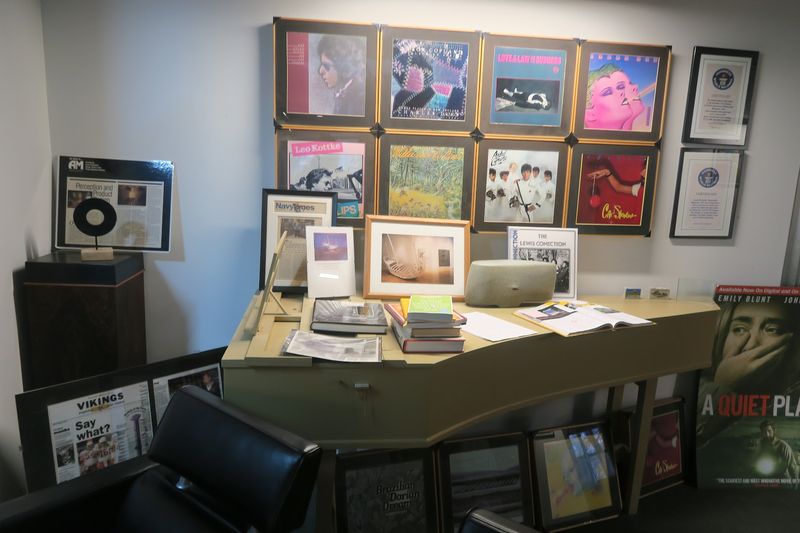
Before it became a world-famous laboratory, this building had a completely different identity. It was originally a recording studio called Sound 80, one of the most respected studios in the Midwest during the 1970s and 1980s.
Major artists recorded albums here, and the studio earned a strong reputation for its exceptional acoustic design.
Steven Orfield purchased the building in 1990 and transformed it into a research facility. The acoustic expertise built into the original structure made it a natural home for sound science.
He founded Orfield Laboratories to help companies test how their products sound, feel, and perform in controlled environments.
The anechoic chamber was constructed as part of that research mission. It became the centerpiece of the facility, drawing attention from scientists, engineers, and curious visitors alike.
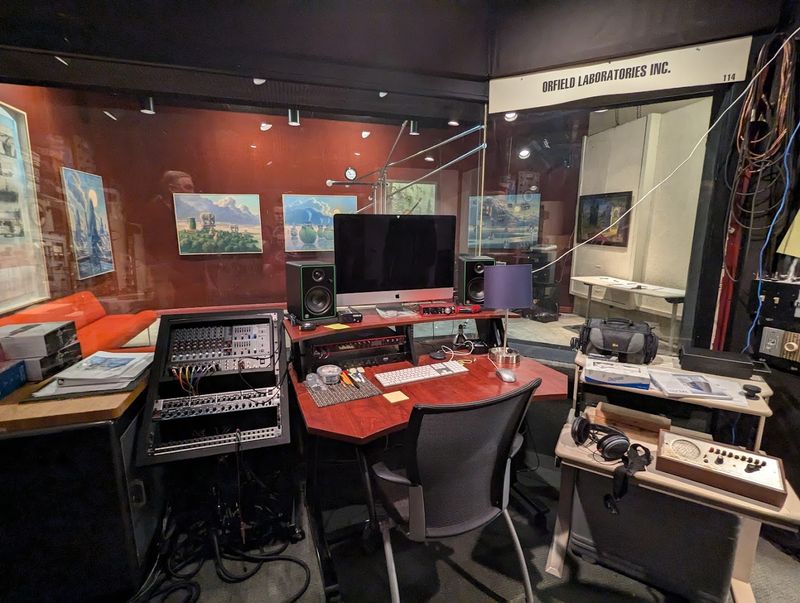
The building still carries traces of its musical past, with a fascinating art collection and historical details woven throughout the tour. That layered history makes a visit feel like two experiences packed into one.
What Is the Orfield Labs Quiet Chamber?
Most people picture silence as just the absence of noise. The Orfield Labs Quiet Chamber takes that idea and pushes it far beyond anything you have encountered before.
This room is not just quiet, it holds a Guinness World Record for the lowest measured ambient noise level on Earth, officially recorded at negative 24.9 dBA.
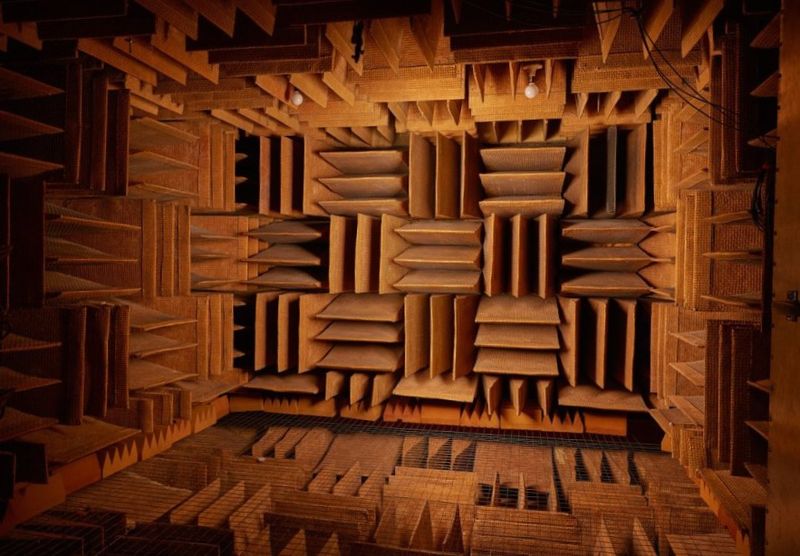
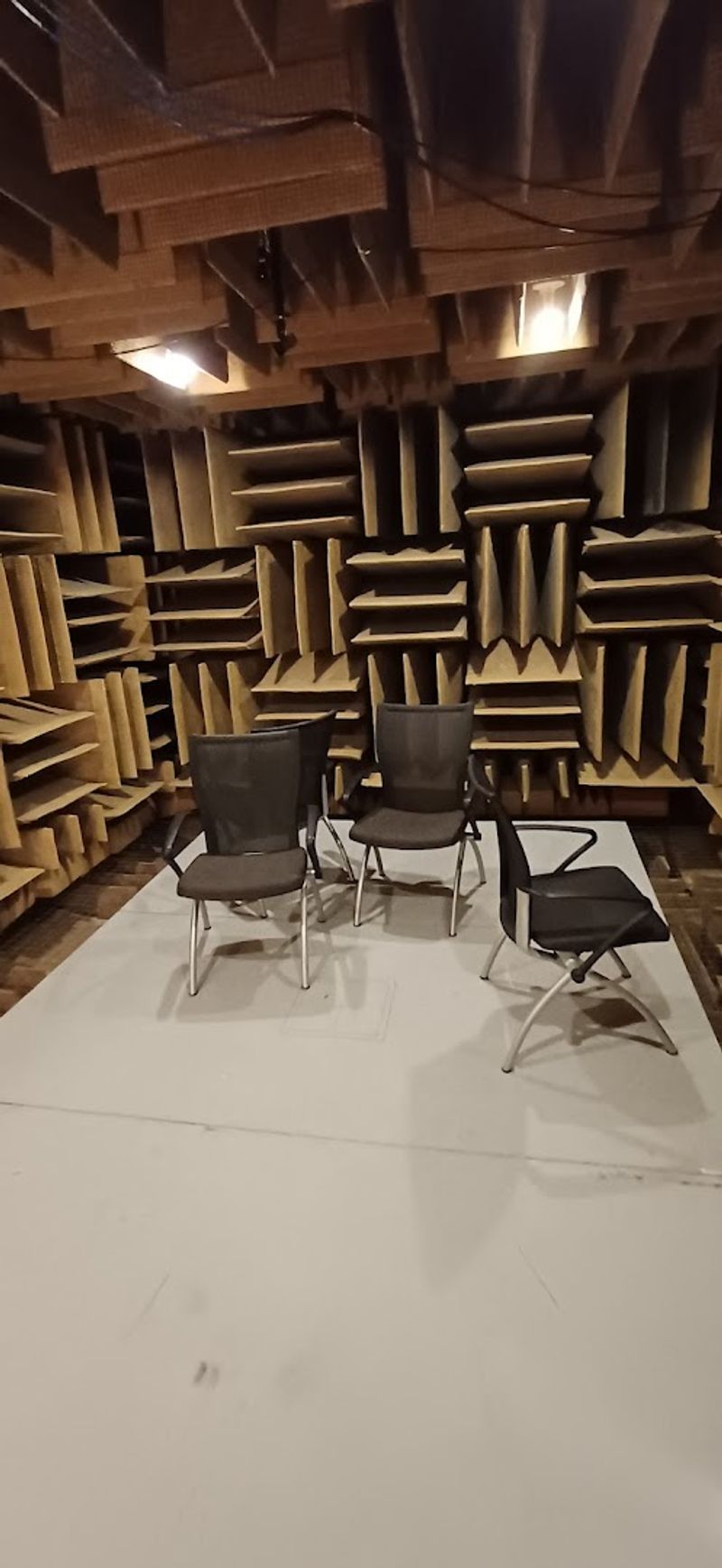
The chamber is called an anechoic chamber, which means it absorbs sound rather than reflecting it. Thick fiberglass wedges line every wall, the floor, and the ceiling, soaking up nearly all sound waves that enter the space.
The room itself sits on springs to isolate it from ground vibration.
Orfield Laboratories originally built the space to conduct acoustic research for major product companies. Over time, they opened it for public tours, giving everyday visitors a rare chance to experience something truly extraordinary.
It is a science lab that doubles as one of the most unusual sensory experiences in the entire country.
What to Expect on a Tour
Booking a tour at Orfield Labs is a genuinely personal experience. Groups are kept small, and the staff take real time walking you through the history of the building before you ever reach the chamber.
The tour covers the science of acoustics, the facility’s research work, and the fascinating story of how a recording studio became a world-record-holding laboratory.
Staff members are known for being patient, knowledgeable, and approachable. They answer questions thoroughly and explain complex acoustic concepts in a way that actually makes sense.
There is no rushing, no glossing over details. The atmosphere feels relaxed and curious, like a conversation more than a formal presentation.
The building also houses a notable art collection that surprises many visitors. It is not what most people expect to find inside a science lab, but it adds warmth and character to the space.
The tour typically runs on weekdays between 8 AM and 5 PM. Scheduling in advance is strongly recommended, as slots fill up and the experience is very much worth planning around.
Stepping Inside the Chamber Itself
Nothing fully prepares you for the moment the heavy door swings shut. The silence does not arrive gradually.
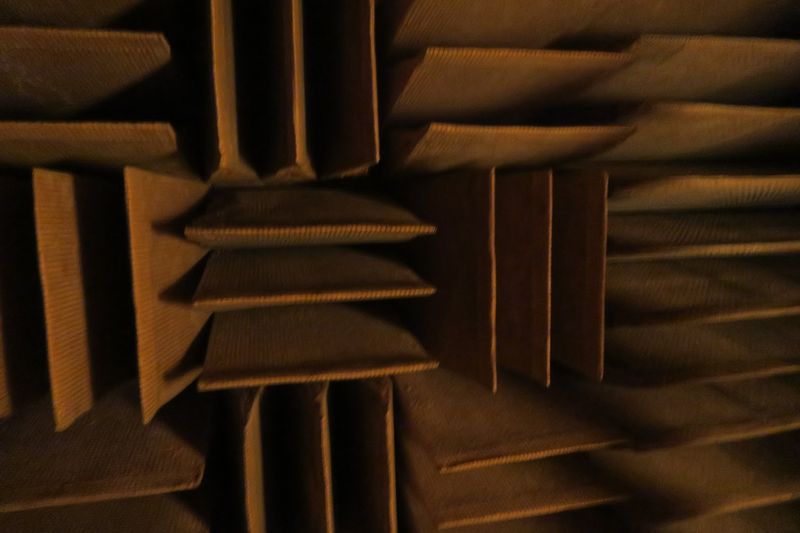
It lands all at once, like a pressure change in your ears that does not quite pop. The foam wedges covering every surface look almost alien up close, jutting out in sharp geometric rows that seem to swallow any sound before it can bounce back to you.
Standing in total silence, the first thing most people notice is their own breathing. It sounds loud.
Uncomfortably loud. Then the heartbeat becomes audible.
Then smaller sounds start to surface, ones the brain normally filters out entirely.
Some visitors find the experience deeply calming, almost meditative. Others feel a mild unease that builds over time as the brain searches for familiar audio anchors and finds none.
Both reactions are completely normal. The staff prepares you well before entry, explaining what to expect and making sure you know the door can be opened at any moment.
That reassurance matters more than you might think.
The Science of Anechoic Design
Building a room this quiet is not a simple feat of construction. An anechoic chamber requires layers of engineering working together in precise harmony.
The word anechoic literally means without echo, and achieving that demands that every surface absorb sound rather than reflect it. The foam wedges you see covering the walls are not decorative.
They are carefully calculated to eliminate sound reflection across a wide range of frequencies.
Beneath the floor grating, the room sits on a series of vibration-isolating springs. These prevent ground-borne vibrations from trains, traffic, or nearby machinery from leaking into the space.
The outer shell of the chamber is also heavily insulated to block airborne sound from outside the building.
The result is a room where sound pressure levels fall below the threshold of human hearing. Researchers use these conditions to test products with extreme precision.
A small noise that would be inaudible in a normal room becomes clearly measurable here. For acoustic engineers, it is an essential tool.
For curious visitors, it is simply astonishing.
The Reverb Room, A Wild Contrast
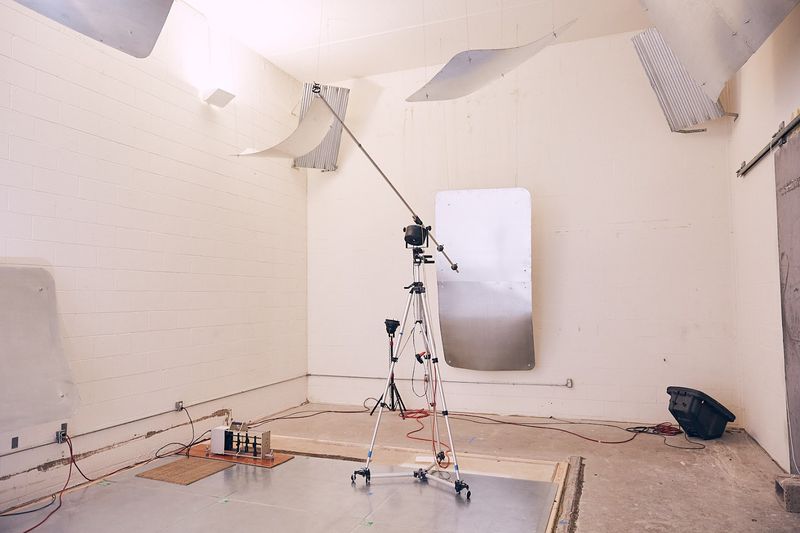
One of the unexpected highlights of the Orfield Labs tour is the reverb room, which sits in sharp contrast to the anechoic chamber. Where the quiet room absorbs every sound wave, the reverb room bounces them endlessly.
Clap your hands inside it and the echo lingers for several seconds, wrapping around you in a strange, disorienting cascade of sound.
Visitors consistently describe it as just as memorable as the chamber itself. Some find it even more fun.
The experience of moving between the two rooms back to back makes the contrast feel almost theatrical. Your ears have to recalibrate completely each time.
The reverb room is used professionally to test how products perform in highly reflective acoustic environments. It is the opposite end of the sound spectrum from the anechoic chamber, and together they give researchers an extraordinary range of testing conditions.
For tour visitors, it adds a playful, hands-on dimension to the experience. It is one of those rare moments where science feels genuinely entertaining rather than just educational.
Who Uses the Chamber for Research?
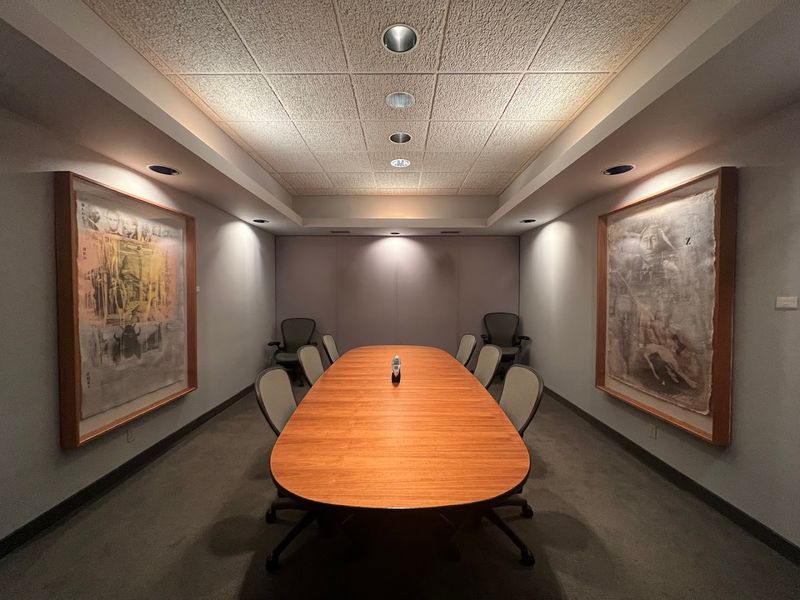
The Orfield Labs Quiet Chamber is not just a tourist attraction. It is a functioning research tool used by major companies across multiple industries.
Product designers, acoustic engineers, and researchers book time in the chamber to measure sound characteristics with a level of precision that is simply not possible in ordinary environments.
Medical device manufacturers test the sounds their equipment makes. Automotive companies measure the acoustic quality of components.
Consumer electronics brands listen for unwanted noise in their products. Even appliance makers use the space to ensure their designs meet sound standards.
The chamber serves as a calibration environment where tiny acoustic details become clearly audible and measurable.
This dual identity, part public attraction and part serious research facility, gives Orfield Labs a character unlike most places you will visit. The science happening here is real and ongoing.
Touring the facility means walking through a working lab, not a museum replica. That distinction adds a layer of authenticity that makes the experience feel genuinely meaningful rather than simply staged for visitors.
Tips for Planning Your Visit
Planning ahead makes a real difference at Orfield Labs. Tours are available Monday through Friday, with the facility open from 8 AM to 5 PM.
The lab is closed on weekends, so a weekday trip is essential. Booking in advance is strongly recommended because group sizes are limited and slots can fill up, especially during popular travel periods.
Wear comfortable clothing and avoid anything that makes noise when you move, like rustling jackets or squeaky shoes. Inside the chamber, every small sound is magnified, and you will want the experience to be as pure as possible.
Arriving a few minutes early gives you time to settle in before the tour begins.
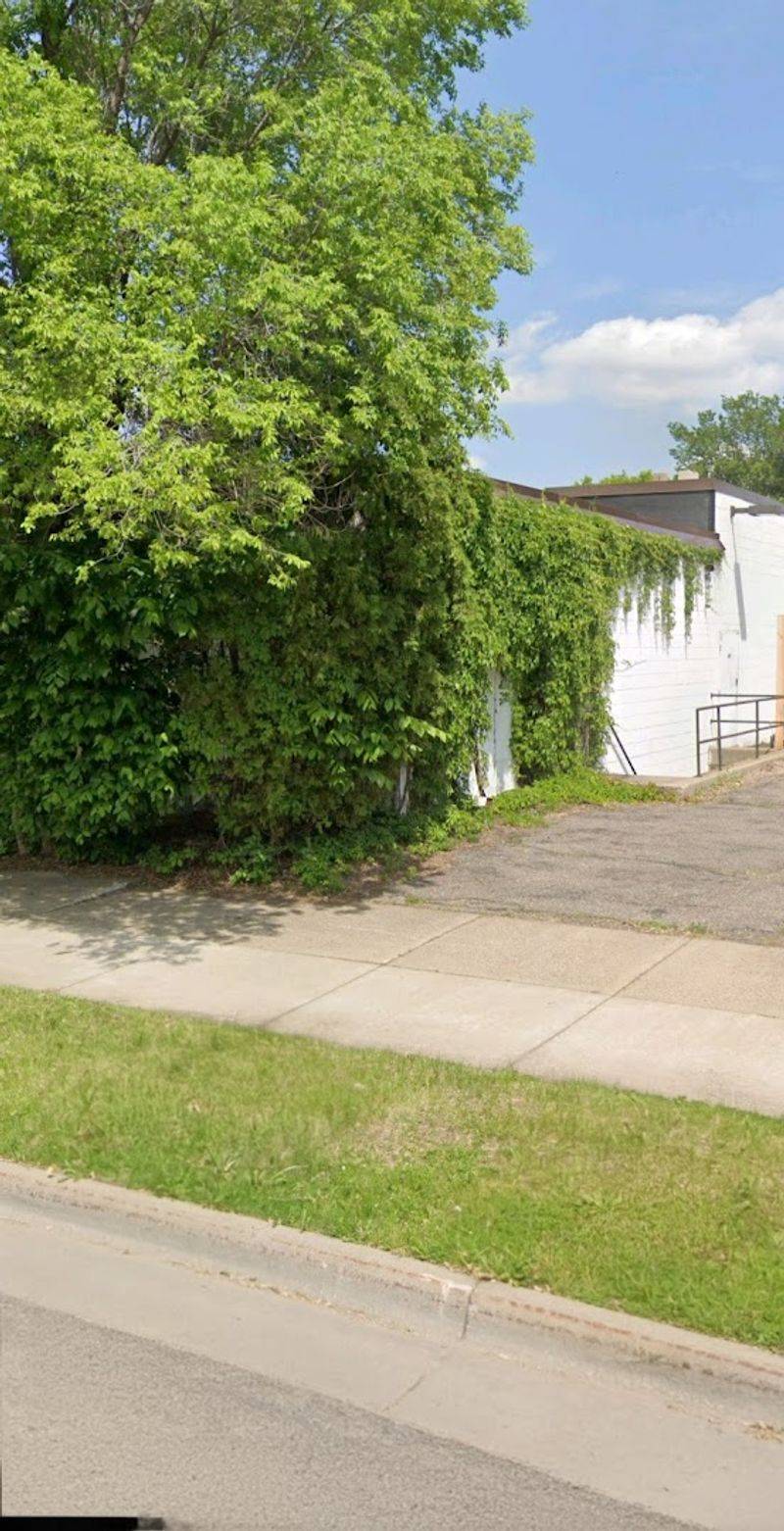
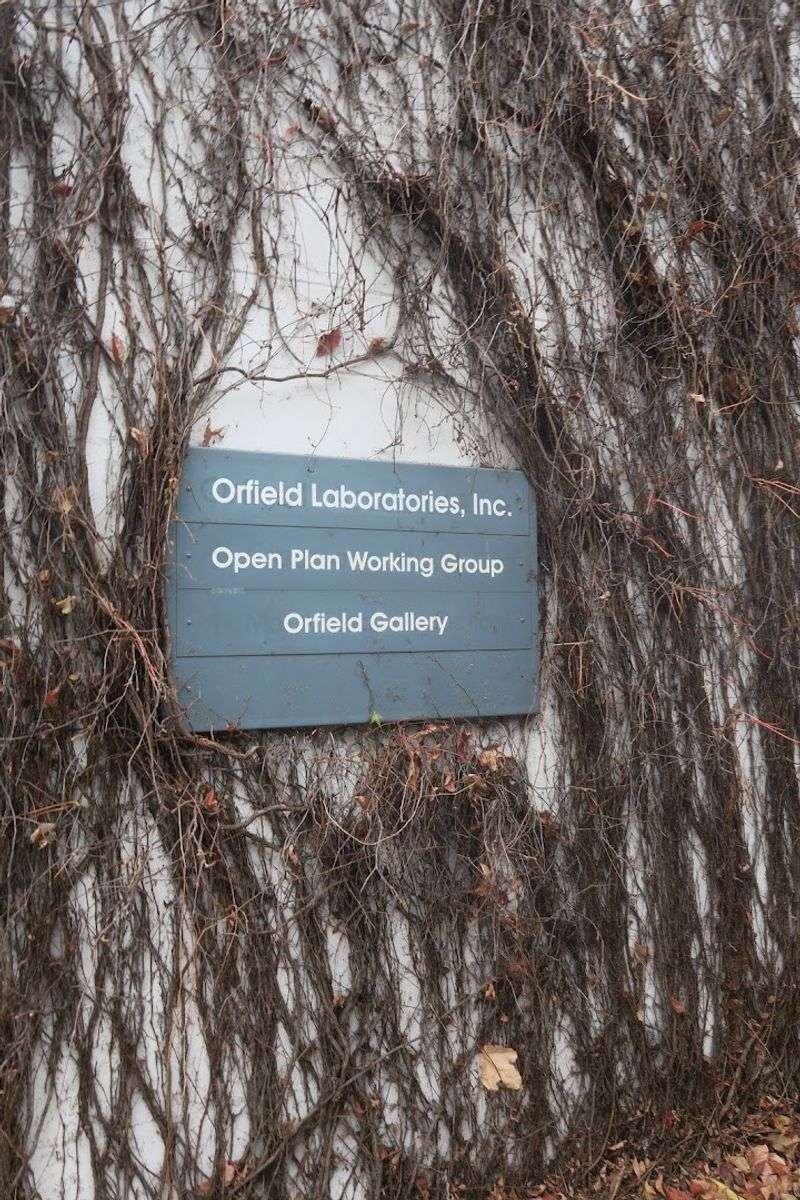
The facility is located at 2709 E 25th St in Minneapolis, which is accessible by car and reasonably close to central parts of the city. Parking is available nearby.
If you have questions before your visit, the team can be reached at the number listed on their website. The staff are genuinely welcoming and happy to help first-time visitors prepare.
Why This Place Stays With You
Most travel experiences fade into a general blur of pleasant memories. The Orfield Labs Quiet Chamber does not work that way.
It stays specific. The particular weight of that silence, the strange sound of your own body, the disorientation of a world stripped of background noise.
These details stay sharp long after the visit ends.
Visitors describe it as therapeutic, eye-opening, and unlike anything else they have tried. Some say it felt more restorative than meditation.
Others found it mildly unsettling in a way that still felt worthwhile. The range of reactions is part of what makes the place so compelling.
It is the kind of experience that changes how you hear the world afterward. Walking back outside, everyday sounds feel richer, more textured, more present.
The hum of a street, the rustle of wind, even the sound of your own footsteps feels different after spending time in true silence.
