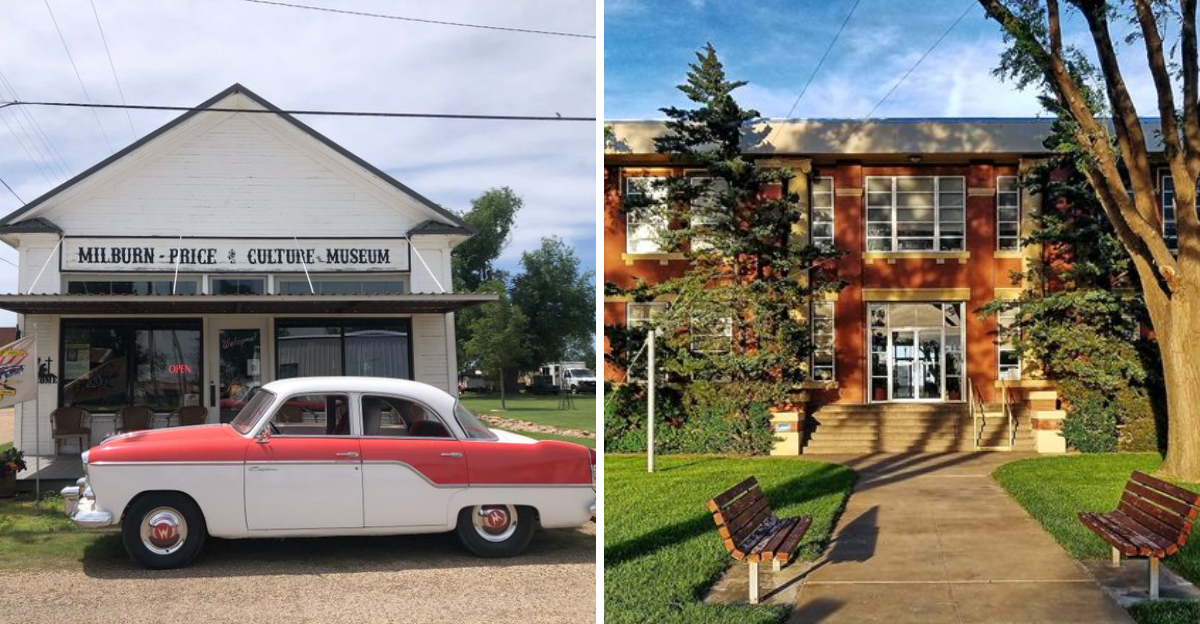
I never expected to find myself so completely charmed by a tiny dot on the map in the Texas Panhandle, but Vega proved me wonderfully wrong.
This little Route 66 town of fewer than 900 souls sits right where the Mother Road cuts through Oldham County, and it wears its Americana pride like a well-loved vintage jacket.
The moment I rolled into town, I noticed something special in the air, a mix of nostalgia, genuine hospitality, and the kind of unhurried pace that makes you want to slow down and actually look around.
Vega isn’t trying to be anything other than what it is, a slice of classic American road trip culture preserved in the high plains of Texas.
If you’re hunting for an authentic Route 66 experience without the tourist traps and commercialization, this quirky little town delivers exactly what your road trip soul needs.
The Historic Vega Motel and Classic Neon Glow
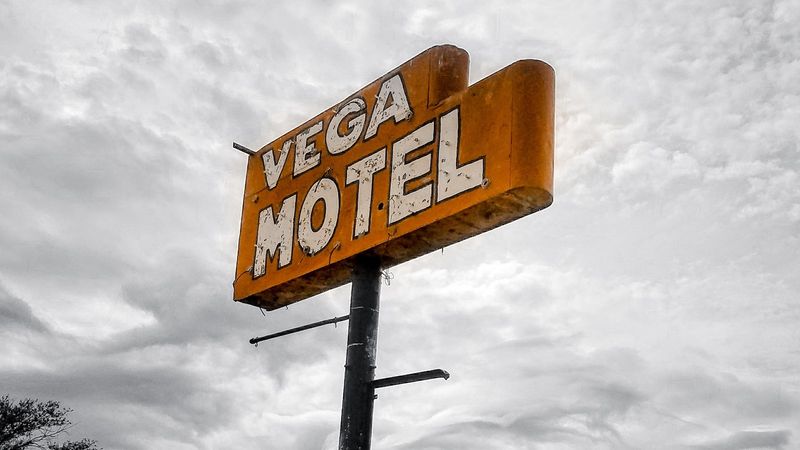
There’s something magical about seeing a genuine vintage neon sign flicker to life as the sun sets over the plains. The old motels in Vega represent a vanishing piece of American travel history, when families packed into station wagons and stopped at mom-and-pop places instead of cookie-cutter chains.
Walking past these establishments feels like flipping through a photo album from the 1950s. The architecture tells stories of a time when Route 66 was the main artery connecting Chicago to Los Angeles, and every small town along the way mattered.
Vega understood its role as a rest stop for weary travelers, and that hospitality tradition continues today.
The neon signs aren’t just decorative elements but beacons that guided countless road trippers through the darkness of the Texas Panhandle. Many have been lovingly maintained or restored, casting their warm glow across the streets just as they did decades ago.
Standing beneath one at twilight, you can almost hear the echo of countless families arriving after long days on the road, grateful for a clean bed and a friendly face. These motels represent more than lodging options but living museums of American travel culture that deserve appreciation and preservation.
Dot’s Mini Museum and Route 66 Treasures
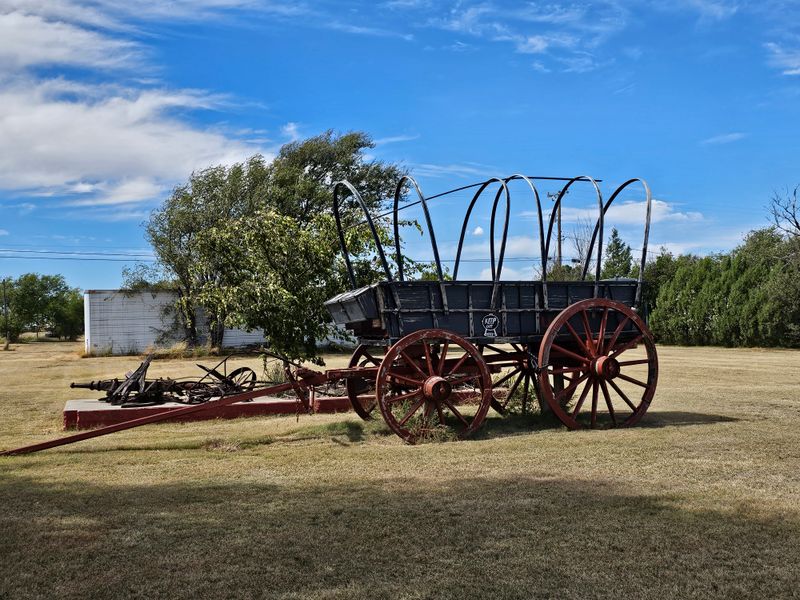
I stumbled upon this collection of Route 66 history almost by accident, and I’m so glad I did. Dot’s Mini Museum packs an impressive amount of Mother Road memorabilia into a compact space, showcasing the kind of authentic artifacts that make history tangible and real.
The museum celebrates not just Route 66 but the specific role Vega played in the highway’s golden era. You’ll find vintage postcards, old gas station signs, photographs of the town during its heyday, and countless small treasures that locals have preserved over the years.
Each item has a story, and if you’re lucky enough to chat with knowledgeable volunteers, you’ll hear tales that bring the displays to life.
What strikes me most about this little museum is its genuine nature. There’s no slick corporate presentation or manufactured nostalgia here, just real history lovingly curated by people who care deeply about their town’s heritage.
The collection includes everything from old license plates to period advertisements, creating a time capsule that transports visitors back to when Vega was a vital stop on America’s most famous highway.
It’s the kind of place that reminds you why small-town museums matter so much in preserving our collective memory.
Oldham County Courthouse Square
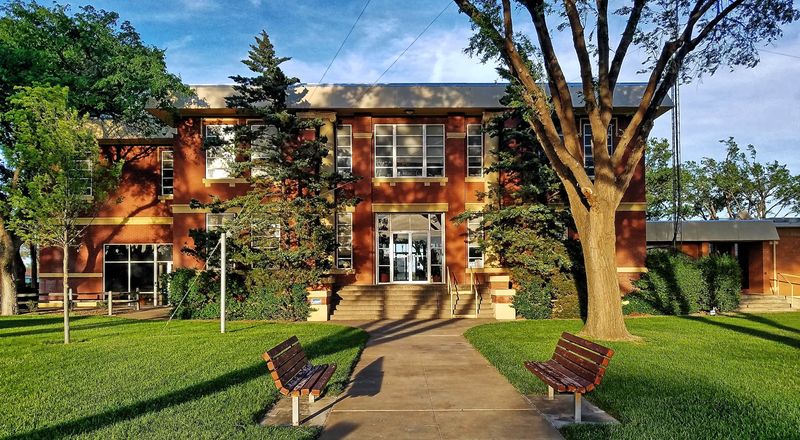
County courthouses in Texas are architectural landmarks, and Vega’s Oldham County Courthouse stands as the dignified centerpiece of this small community. The square around it functions as the town’s heart, where civic life and community gatherings naturally gravitate.
I found myself drawn to the timeless quality of the courthouse square. It represents an older model of American town planning, where public buildings anchored community identity and provided a central gathering space.
The building itself showcases the solid, practical design typical of early 20th-century Texas courthouses, built to last generations and serve as a symbol of local governance and pride.
Walking around the square, you notice how it still functions as Vega intended. People stop to chat, kids play on the grounds, and the courthouse remains an active center of county business rather than just a historic relic.
The trees provide shade on hot Panhandle days, and benches invite you to sit and watch small-town life unfold at its own unhurried pace. This square represents continuity, a physical reminder that some things about American community life remain constant even as the world rushes forward.
It’s a perfect spot to pause during your Route 66 journey and appreciate the enduring values of small-town America.
Authentic Main Street Americana
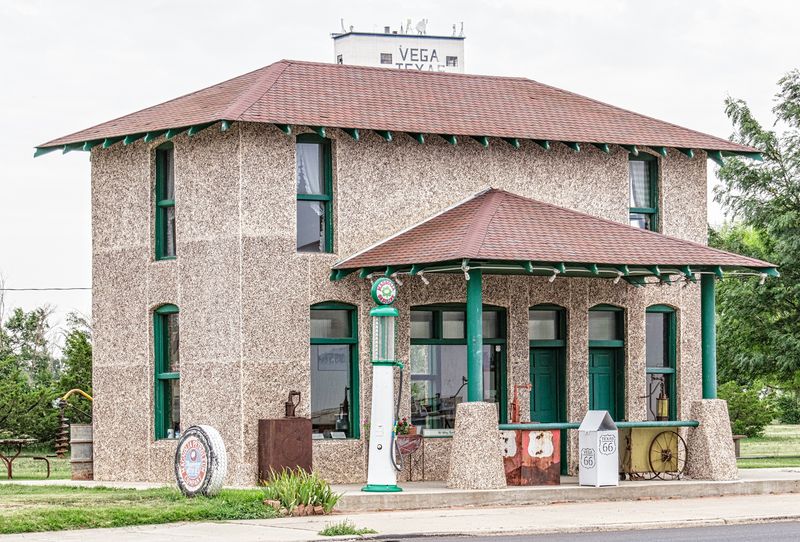
Vega’s Main Street isn’t trying to recreate anything or manufacture charm for tourists. It simply exists as it has for decades, a genuine small-town commercial district that serves locals while welcoming travelers passing through on their Route 66 adventures.
The storefronts along Main Street tell the story of a working town that hasn’t been theme-parked or over-restored. Some buildings show their age proudly, with vintage signage and weathered facades that speak to decades of service.
Others have been carefully maintained, blending old and new in ways that feel organic rather than forced. Route 66 shields appear on several buildings, marking Vega’s connection to the Mother Road with appropriate pride.
What I appreciate most about walking Main Street is the absence of pretense. You’ll find actual businesses serving actual needs, not just souvenir shops aimed at highway traffic.
The street retains its function as the commercial center of a small agricultural community while also honoring its place in Route 66 history. Early morning light hits the storefronts beautifully, casting long shadows that emphasize the architectural details often overlooked at midday.
This is Americana as it actually exists, not as it’s imagined or marketed, making it far more valuable and interesting than any carefully curated tourist district could ever be.
The Magnolia Gas Station Heritage
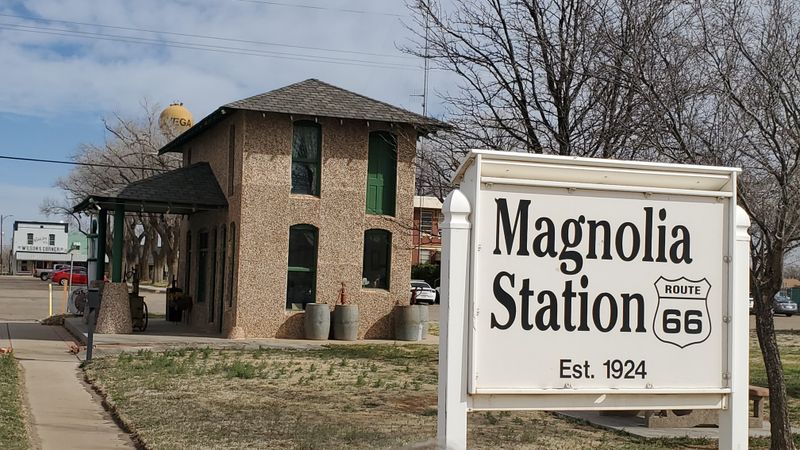
Old gas stations represent some of Route 66’s most iconic imagery, and Vega preserves this heritage through structures that remind us how different road travel once was.
The Magnolia station stands as a testament to when service stations were architectural statements and community landmarks rather than generic convenience stops.
These vintage stations featured distinctive designs that made them instantly recognizable to travelers. The Magnolia brand, with its characteristic logo and color scheme, was once a common sight along America’s highways.
Seeing these structures preserved in Vega connects you directly to the experience of mid-century road travel, when pulling into a full-service station meant attendants who checked your oil, cleaned your windshield, and gave you directions while your tank filled.
The architectural style of these old stations often incorporated regional elements while maintaining brand identity. They were designed to be welcoming oases for travelers, offering not just fuel but also information, restrooms, and often cold drinks and snacks.
Standing near one of these preserved stations, you can imagine the countless families who stopped here over the decades, stretching their legs and preparing for the next segment of their cross-country journey. They represent a more personal era of American travel that’s worth remembering and celebrating.
Wide Open Panhandle Skies and Landscapes
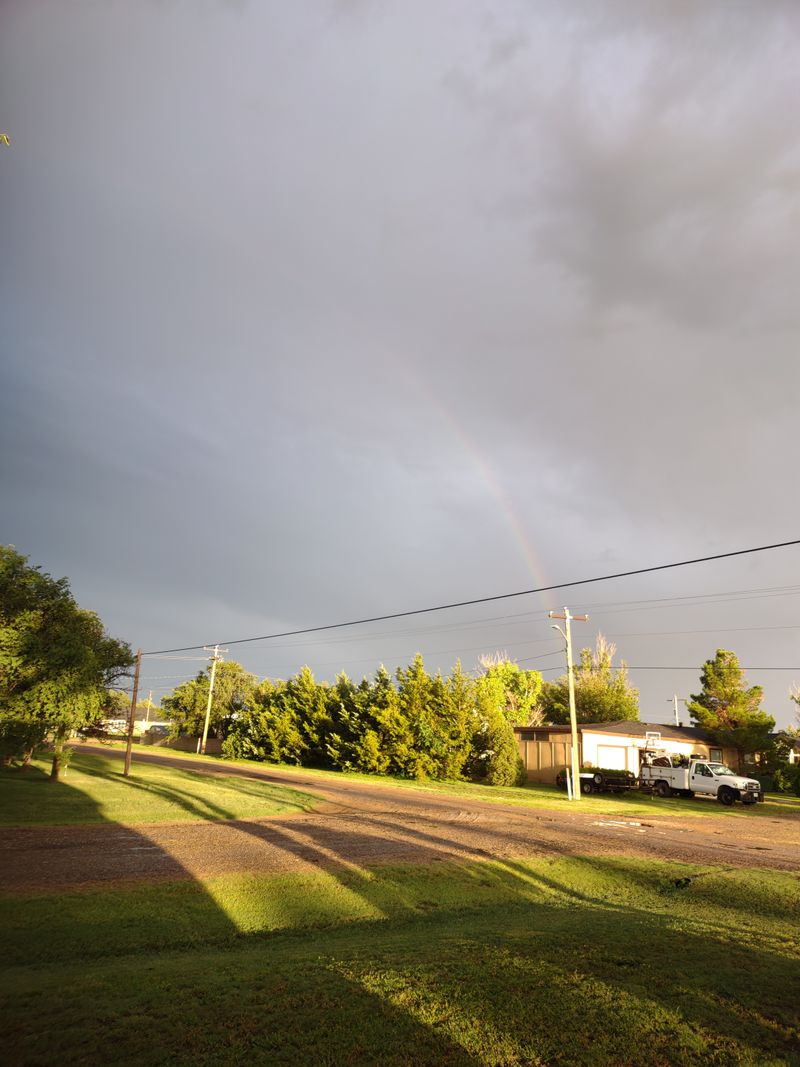
The landscape around Vega deserves recognition as part of the town’s appeal. The Texas Panhandle offers a particular kind of beauty that grows on you, especially if you’re accustomed to more cluttered or forested environments.
Out here, the sky dominates everything. It stretches from horizon to horizon in a vast dome of blue that makes you feel simultaneously small and connected to something immense.
The flatness of the plains means nothing obstructs your view, allowing you to see weather systems rolling in from miles away. Sunsets become theatrical performances, with colors spreading across the entire western sky in displays that would make any photographer weak in the knees.
This openness shaped the character of Vega and its residents. There’s a directness and honesty that seems to come from living in a place where you can see for miles in every direction, where nothing is hidden and the elements are always present.
The wind blows constantly across these plains, carrying the scent of grass and earth. Standing at the edge of town and looking out across the landscape, you understand why early travelers found these wide-open spaces both intimidating and exhilarating.
The Panhandle landscape isn’t for everyone, but those who appreciate it find something profound in its simplicity and scale.
Local Diners and Home-Style Cooking
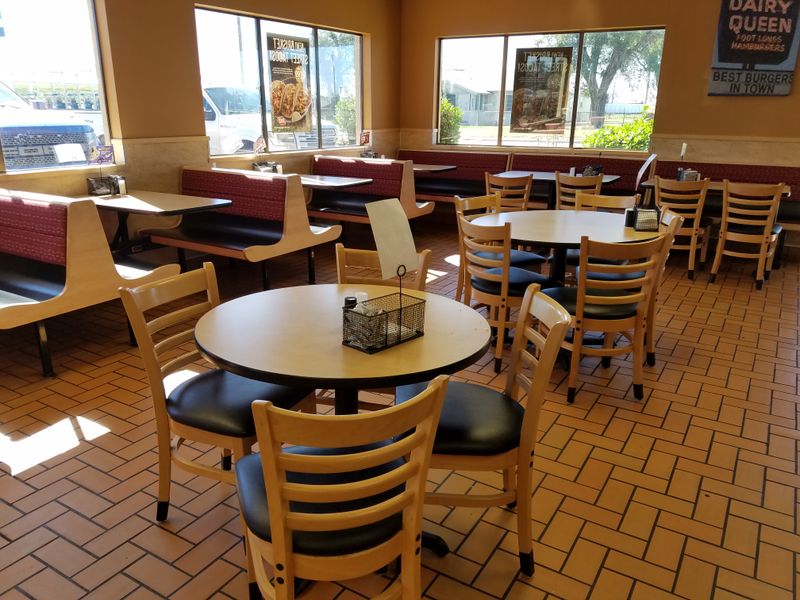
Finding genuine home-style cooking in a small town is one of road travel’s greatest pleasures. Vega’s local eateries deliver the kind of straightforward, hearty food that has fueled travelers and locals alike for generations.
These aren’t fancy establishments trying to impress food critics. They’re honest cafes and diners where the coffee is strong, the portions are generous, and the staff knows most customers by name.
The menus feature classic American comfort food prepared with care, the kind of meals that stick to your ribs and send you back on the road satisfied. Breakfast is served all day at some spots, because road travelers keep irregular hours and deserve eggs and pancakes whenever they arrive.
What makes these dining experiences special is the atmosphere as much as the food. You’ll likely share the dining room with ranchers, truckers, and locals conducting business over coffee and pie.
Conversations happen easily in these spaces, and visitors are welcomed into the community, at least temporarily. The waitresses work with efficiency born from years of experience, keeping cups filled and orders moving.
Eating at a local Vega diner isn’t just about satisfying hunger but about participating in a daily ritual that has sustained small-town America for over a century. It’s nourishment for both body and spirit.
Route 66 Murals and Street Art
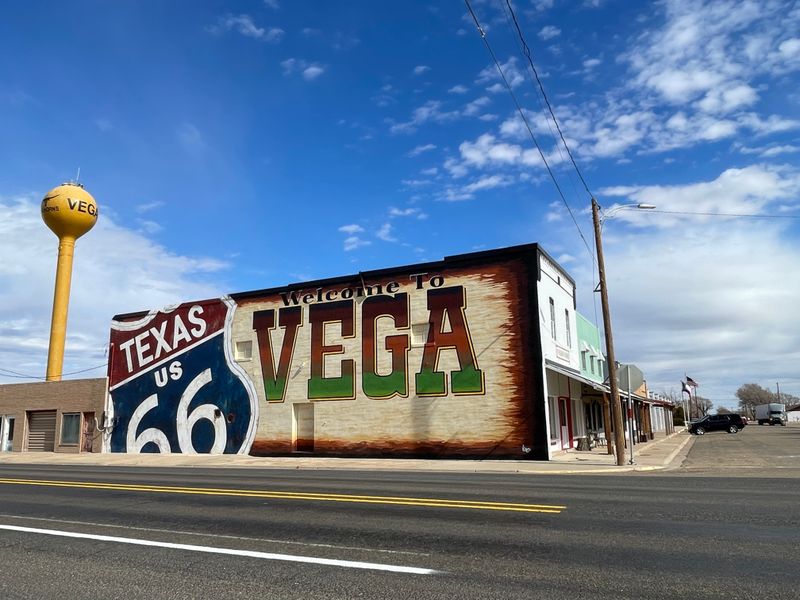
Public art transforms ordinary walls into celebrations of local identity, and Vega’s Route 66 murals serve exactly this purpose. These painted tributes to the Mother Road add color and character to the town while honoring its place in highway history.
The murals typically feature iconic Route 66 imagery like vintage cars, highway shields, and nostalgic scenes from the road’s golden era. Local artists and visiting muralists have contributed to this outdoor gallery, each bringing their own style while maintaining the common thread of Route 66 heritage.
These aren’t corporate-commissioned artworks but grassroots expressions of community pride and historical awareness.
I love how murals make history accessible and visible to everyone passing through town. You don’t need to enter a museum or read a plaque to encounter Vega’s story when it’s painted large across a building wall.
The best murals capture something essential about the Route 66 experience, that mix of freedom, adventure, and connection that made the highway legendary. They also provide perfect photo opportunities for travelers documenting their own Mother Road journeys.
Street art like this represents communities taking ownership of their narrative and sharing it generously with visitors. It’s public history at its most democratic and engaging, turning the entire town into an open-air gallery celebrating American road culture.
The Railroad Heritage and Tracks
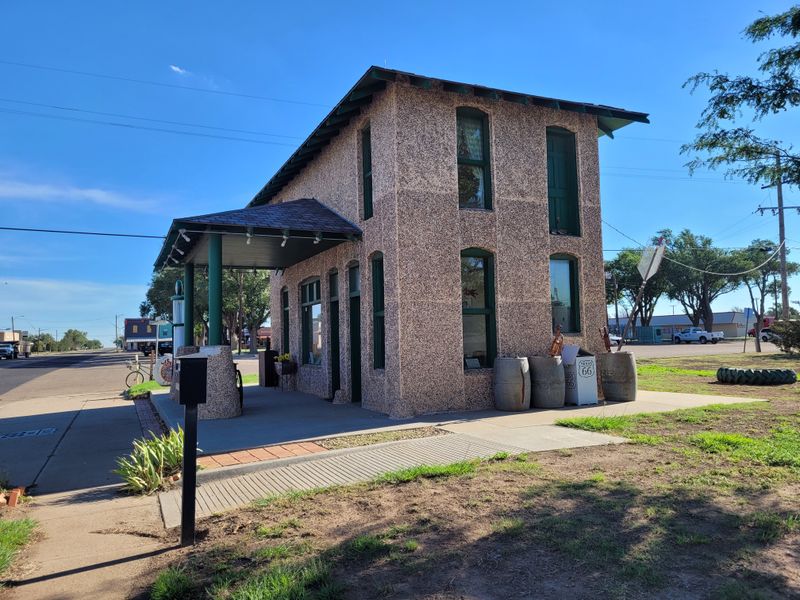
Before Route 66 brought automobile tourists through Vega, the railroad established the town’s existence and purpose. The tracks that still run through town represent the earlier era of American transportation that shaped the settlement patterns of the Great Plains.
Vega’s location wasn’t random but carefully chosen by railroad planners who needed regular stops for water, fuel, and crew changes. The town grew around this transportation infrastructure, serving the needs of the railroad and the ranching community it connected to distant markets.
Even today, trains rumble through Vega regularly, maintaining that connection to the transportation heritage that predates the famous highway.
Standing near the tracks, you can feel the vibration of approaching trains long before you see them. The long freight trains that cross the Panhandle carry goods just as they have for over a century, though the cargoes and locomotives have changed dramatically.
The railroad represents continuity in Vega’s story, the thread that connects its founding to its present. Many Route 66 towns share this dual heritage, born from railroad needs and later transformed by highway traffic.
Understanding both layers gives you a fuller appreciation of places like Vega and the forces that created them. The tracks remain an essential part of the town’s character and daily rhythm.
Friendly Small-Town Community Spirit
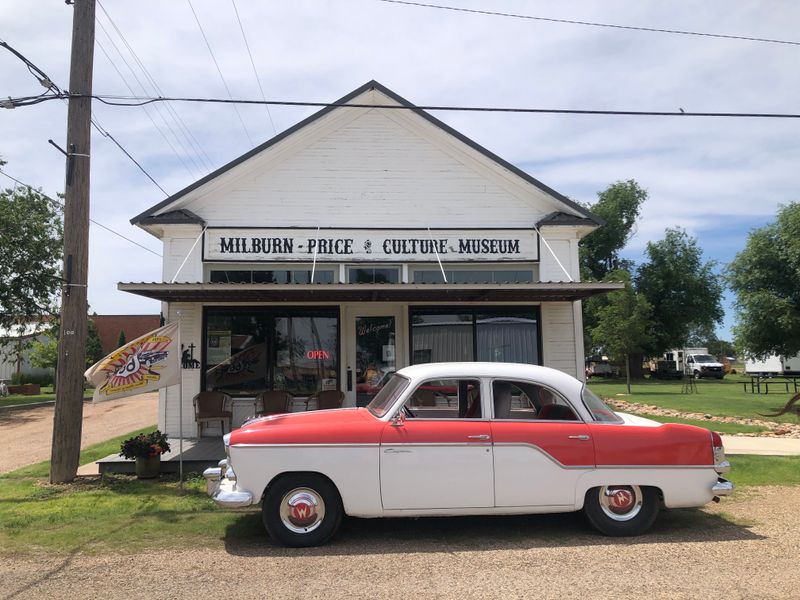
Beyond all the physical attractions and historic sites, Vega’s greatest asset might be its people. The community spirit here reflects values that seem increasingly rare in our hurried modern world, genuine hospitality offered without expectation of return.
Locals understand that their town’s survival depends partly on welcoming the travelers who pass through on Route 66 pilgrimages. But the friendliness goes deeper than economic necessity.
It springs from a cultural tradition of helping strangers and taking pride in your community. People wave at cars they don’t recognize.
Shopkeepers take time to chat and offer directions. Residents share stories about their town’s history with obvious affection and knowledge.
This spirit manifests in small ways that collectively create a welcoming atmosphere. Someone might recommend where to eat or what to see without being asked.
A local might pause to explain the significance of a building or mural you’re photographing. These interactions transform a brief stop into a genuine connection, however temporary.
In larger cities, anonymity is the norm. In Vega, your presence is noticed and acknowledged.
It’s the kind of community feeling that Route 66 travelers often seek, that sense of being welcomed into America’s small towns rather than just passing through them.
This intangible quality makes Vega memorable long after you’ve returned to the highway and continued your journey westward across the Panhandle.
Dear Reader: This page may contain affiliate links which may earn a commission if you click through and make a purchase. Our independent journalism is not influenced by any advertiser or commercial initiative unless it is clearly marked as sponsored content. As travel products change, please be sure to reconfirm all details and stay up to date with current events to ensure a safe and successful trip.
