You walk in and immediately wonder if you are supposed to laugh or say “wow” quietly. The answer is both.
Jars hold things you cannot identify and suddenly you are very curious about science. There are skeletons doing activities that make you forget they are dead.
A display might make you squirm then crack a joke with the person next to you. It is the kind of place where weird feels completely welcome and nothing is too strange.
You will leave smarter and slightly creeped out in the best way.
The Abraham Lincoln Assassination Artifacts
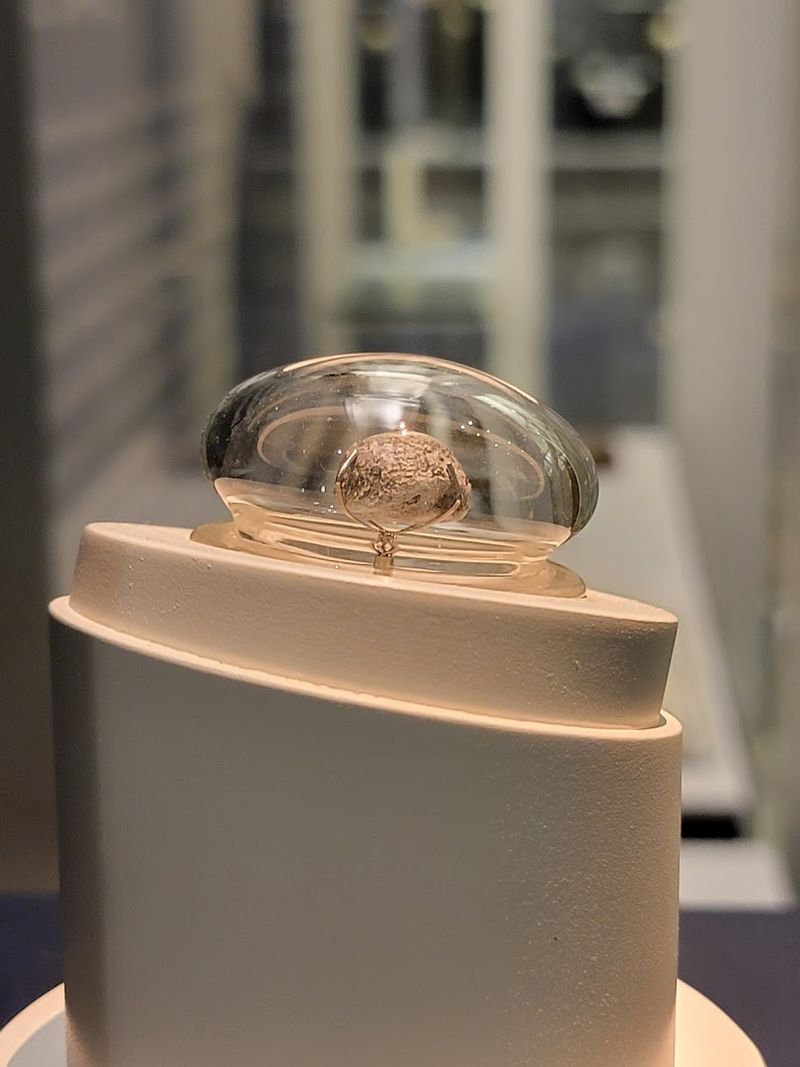
Few exhibits carry the weight of history quite like this one. The National Museum of Health and Medicine holds bone fragments from Abraham Lincoln’s skull, the actual bullet that ended his life, and a medical probe used by his physician on the night of April 14, 1865.
Seeing these objects up close feels surreal, like time itself has collapsed into a single glass case.
What makes this display remarkable is not just its connection to one of America’s most beloved presidents, but the raw, unfiltered way it presents history. There are no dramatizations here, just cold, factual evidence of a moment that changed the nation.
The bullet is small, almost shockingly so, and yet its presence in the room is enormous.
Medical students, history enthusiasts, and curious visitors all tend to pause longest at this exhibit. It bridges the world of medicine and American political history in a way no textbook ever could.
Visiting this display gives you a new understanding of how quickly everything can change, and how science stepped in to document it all. This is one of those rare museum moments that genuinely stays with you long after you leave.
General Sickles’s Preserved Leg
There is something oddly personal about a man who kept visiting his own amputated leg every year. General Daniel E.
Sickles lost his leg at the Battle of Gettysburg in 1863, and instead of letting it disappear into history, he donated it to the museum and reportedly returned annually to check in on it. That detail alone makes this exhibit one of the most talked-about in the building.
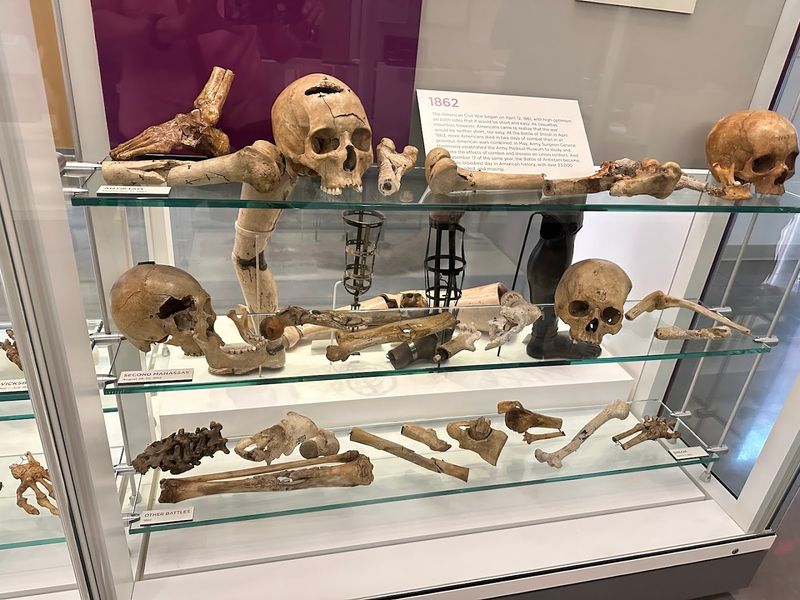
The leg is displayed with context about the battle, Sickles’s military career, and the brutal reality of Civil War medicine. Amputations were among the most common surgical procedures performed during that era, often carried out quickly and under terrible conditions.
Seeing the actual remains of that moment brings the history into sharp, human focus.
What surprises most visitors is how the exhibit manages to feel respectful rather than sensational. The museum frames it within the broader story of wartime trauma and medical advancement, giving it real educational weight.
It is a bit unsettling, yes, but it is also deeply thought-provoking. General Sickles turned what could have been a forgotten loss into a lasting piece of American medical and military history.
That kind of story is hard to find anywhere else.
The Human Hairball Specimen
Not every exhibit here is tied to war or presidents. Some are simply astonishing on a purely biological level.
One of the most talked-about specimens in the collection is a massive trichobezoar, which is a hairball, extracted from the stomach of a 12-year-old girl. It is large, dense, and genuinely hard to believe came from a human body.
The condition that causes this is called Rapunzel Syndrome, a rare disorder where a person compulsively swallows hair over time, eventually forming a mass in the digestive tract. The museum presents this specimen with clear, educational context so visitors understand the medical significance rather than just the shock value.
It is the kind of exhibit that teaches you something you never knew you needed to learn.
Reactions from visitors tend to range from wide-eyed disbelief to fascinated curiosity. Kids especially seem both horrified and riveted, which honestly is a pretty good sign that something educational is happening.
The specimen is preserved carefully and displayed alongside information about the condition and its treatment. It is one of those exhibits that reminds you how strange and surprising the human body can be, and how much medicine has advanced in understanding it.
The Arsenic-Embalmed Mummy Display
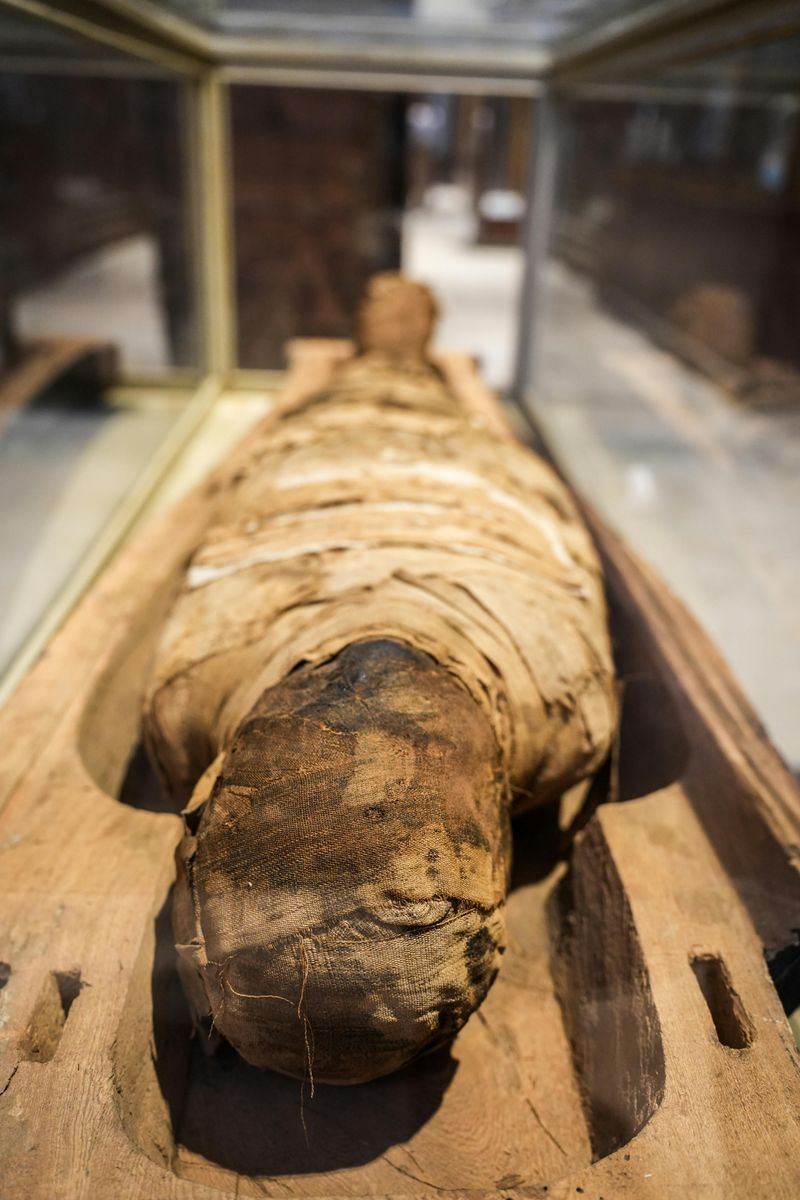
Preservation science has a long, strange history, and this exhibit captures one of its most unusual chapters. On display is the mummified head and shoulders of a young girl, embalmed using an arsenic-laced formula that was commonly used in the 19th century.
Her skin has taken on an off-white, almost waxy appearance that is both eerie and oddly fascinating.
Arsenic embalming was once considered a breakthrough in preservation technology, particularly during the Civil War when soldiers needed to be transported home for burial.
The technique worked remarkably well, as this specimen clearly shows, but it eventually fell out of use once the toxic risks to embalmers became better understood.
The museum uses this display to trace that evolution in medical and mortuary science.
What strikes me most about this exhibit is how it reframes something unsettling into a genuine lesson about scientific history. You leave understanding not just what arsenic embalming was, but why it existed and how it shaped modern practices.
The display is respectful and informative, never gratuitous. It is a reminder that medicine often advanced through methods we would now consider dangerous or even unethical, and that understanding that history matters.
This one is quiet, strange, and genuinely unforgettable.
Skeletal Displays and Human Development
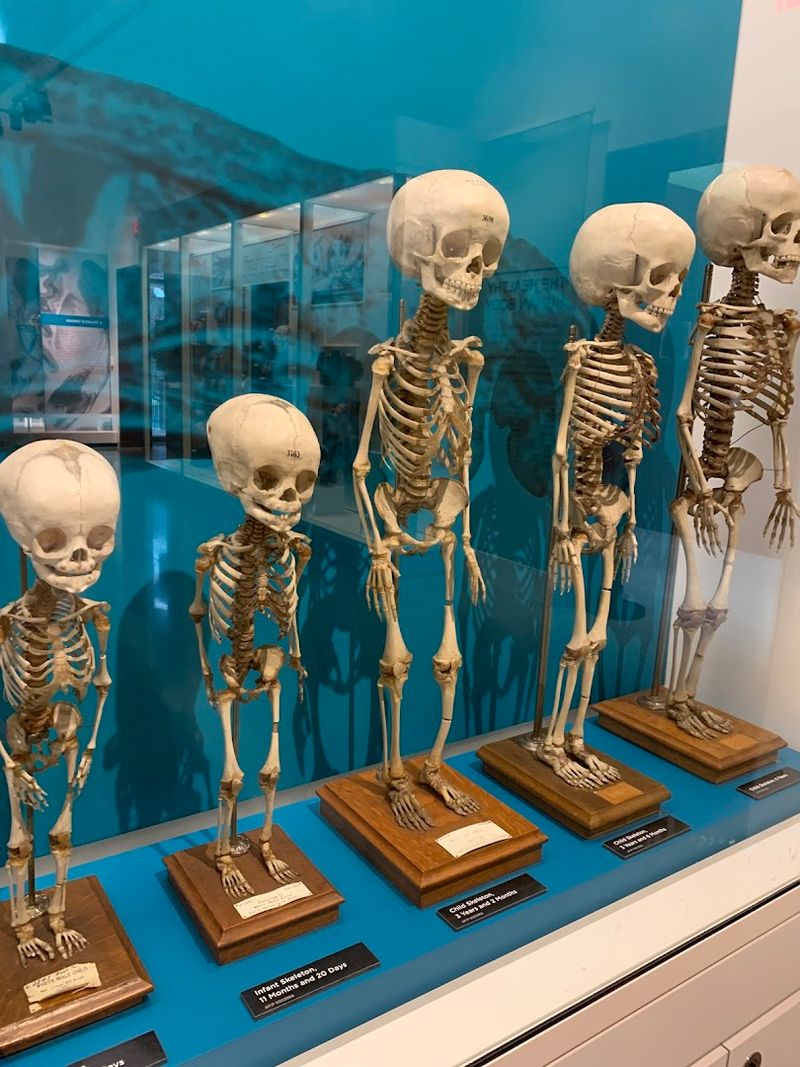
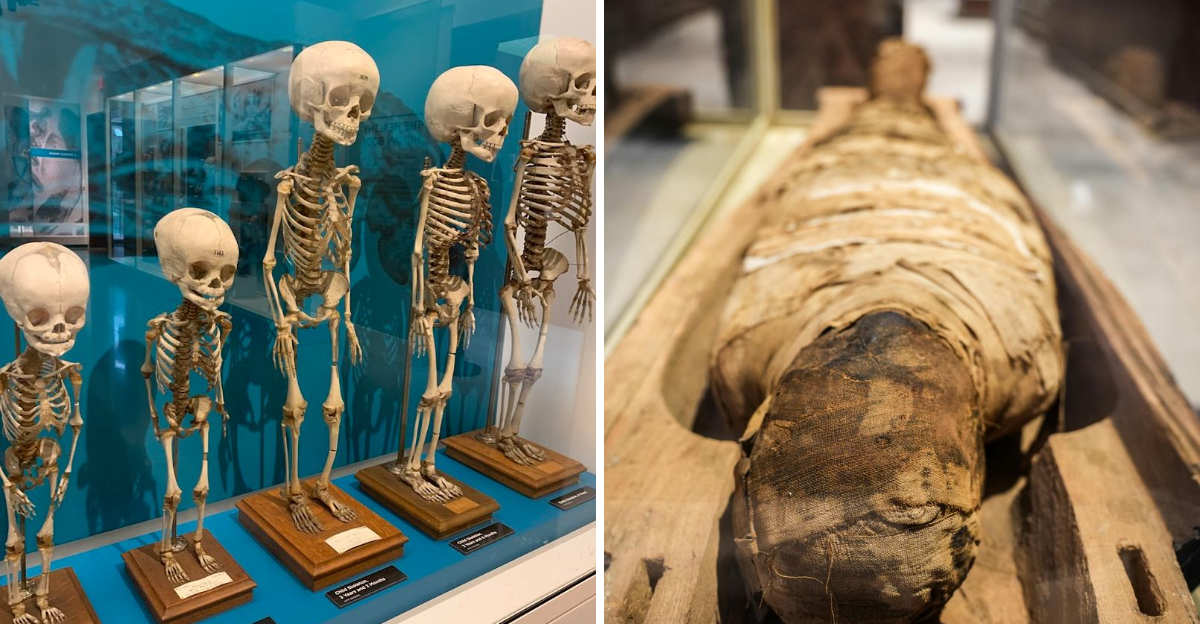
One of the more quietly powerful exhibits in the museum is a series of skeletal displays arranged to show human development from the earliest stages of life. Rows of skeletons, organized by height and age, span from a four-month fetus all the way to a five-year-old child.
The progression is both scientifically rich and oddly moving.
This kind of display might sound clinical, but in person it reads as something closer to wonder. You get a real sense of how rapidly the human body grows and changes in its earliest years, and how much structural complexity develops before a child even starts school.
It is the sort of thing that makes you think about biology in a completely new way.
The exhibit is clearly designed with education in mind, and it succeeds. Labels are clear, informative, and accessible to visitors of all ages.
Teachers who bring school groups here often point to this section as one of the most impactful for students. Alongside the skeletal displays are various other preserved human specimens, including organ sections and tissue samples, that add further depth to the collection.
For anyone interested in anatomy or human development, this part of the museum is genuinely hard to walk past quickly.
Preserved Organs and Brain Slices
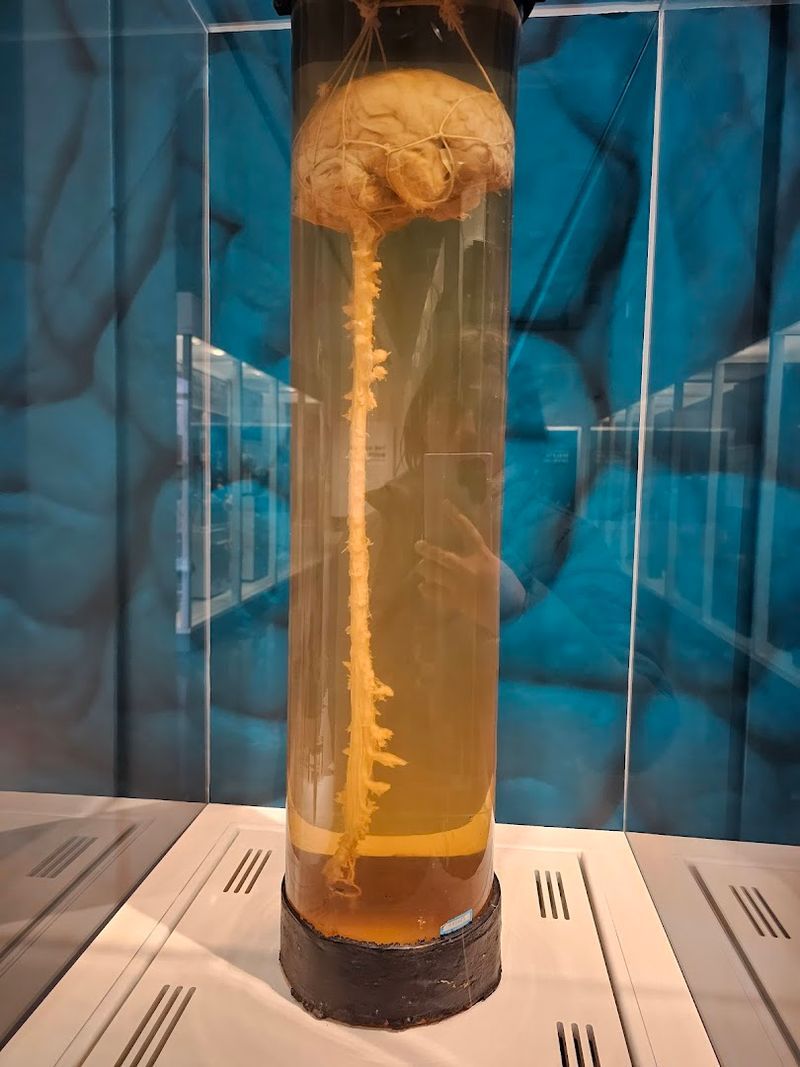
Pathology is not a subject most people seek out on a weekend, but the National Museum of Health and Medicine has a way of making it genuinely compelling.
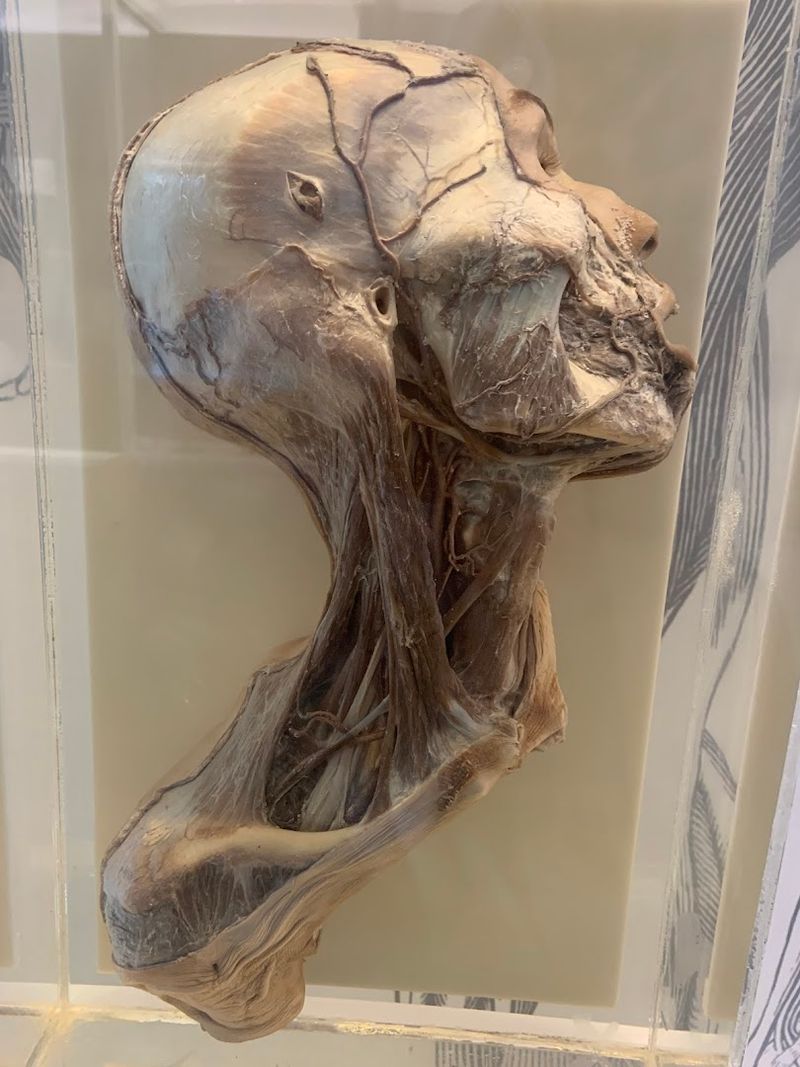
Rows of preserved organs, slices of human brains, and specimens showing various diseased states are displayed with enough context to transform what could feel morbid into something educational and even gripping.
Brain slices in particular tend to stop visitors in their tracks. Seeing the actual physical structure of a human brain, cross-sectioned and preserved, gives you a completely different relationship to the organ that controls everything you think, feel, and do.
Some specimens show the effects of specific diseases, offering a window into conditions that are otherwise invisible to the naked eye.
The museum does not shy away from the harder realities of human anatomy, and that honesty is part of what makes it so memorable. Every specimen here was once part of a living person, and the exhibits treat that fact with seriousness.
Medical professionals, students, and curious laypeople all seem to find something meaningful in this section. It is not for the faint of heart, but it is absolutely for anyone who wants to understand the human body on a deeper, more honest level than any textbook provides.
Early Surgical Instruments and Civil War Medicine
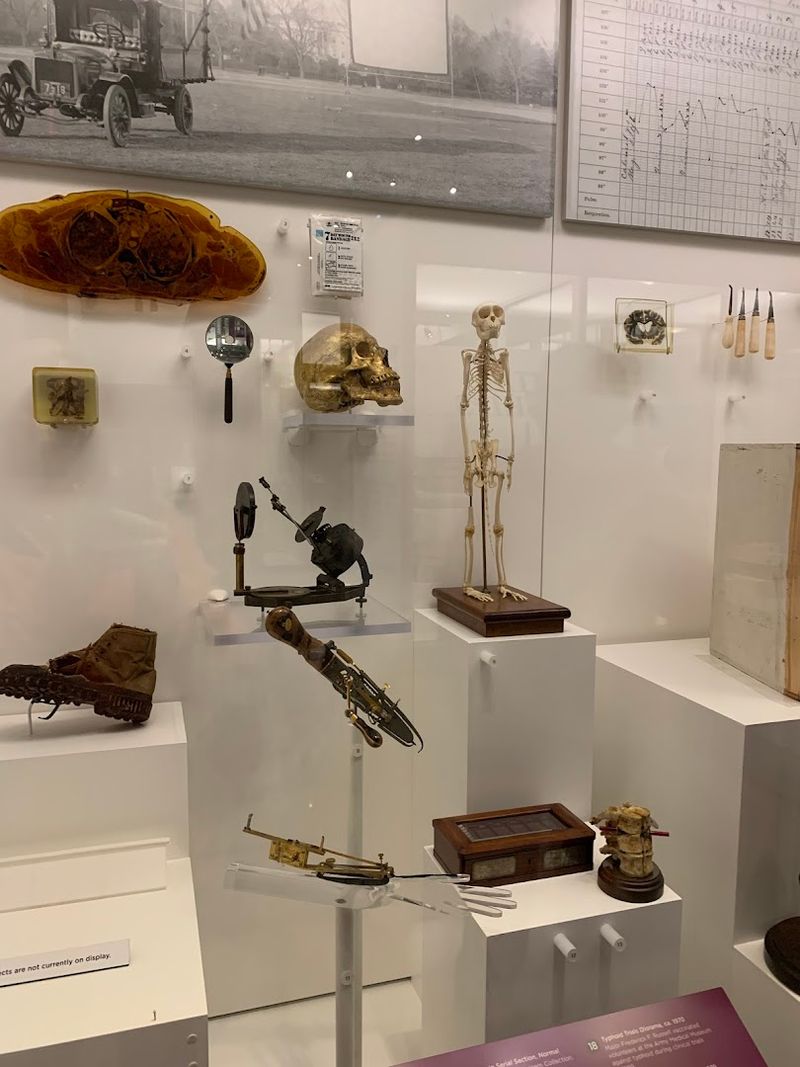
Before modern anesthesia and sterile operating rooms, surgery was a terrifying and often fatal ordeal. The museum’s collection of early surgical instruments makes that reality viscerally clear.
Bone saws, forceps, amputation kits, and other tools from the Civil War era are displayed with a kind of stark honesty that makes you deeply grateful for contemporary medicine.
What is striking about these instruments is how simple and brutal they look by today’s standards. Many were designed for speed above all else, because longer surgeries meant greater risk of death from blood loss or shock.
Surgeons during the Civil War were sometimes called “sawbones” for a reason, and seeing the actual tools they used brings that grim nickname into sharp relief.
The museum frames these instruments within the broader context of medical progress, showing how each generation of tools led to improvements in technique and patient survival. It is not just a horror show of old equipment; it is a timeline of human ingenuity under pressure.
Field medicine during wartime has historically driven some of the fastest advancements in surgical practice, and this exhibit tells that story with clarity and depth. You come away with a genuine respect for the doctors who worked with what they had.
Able the Space Monkey Skeleton
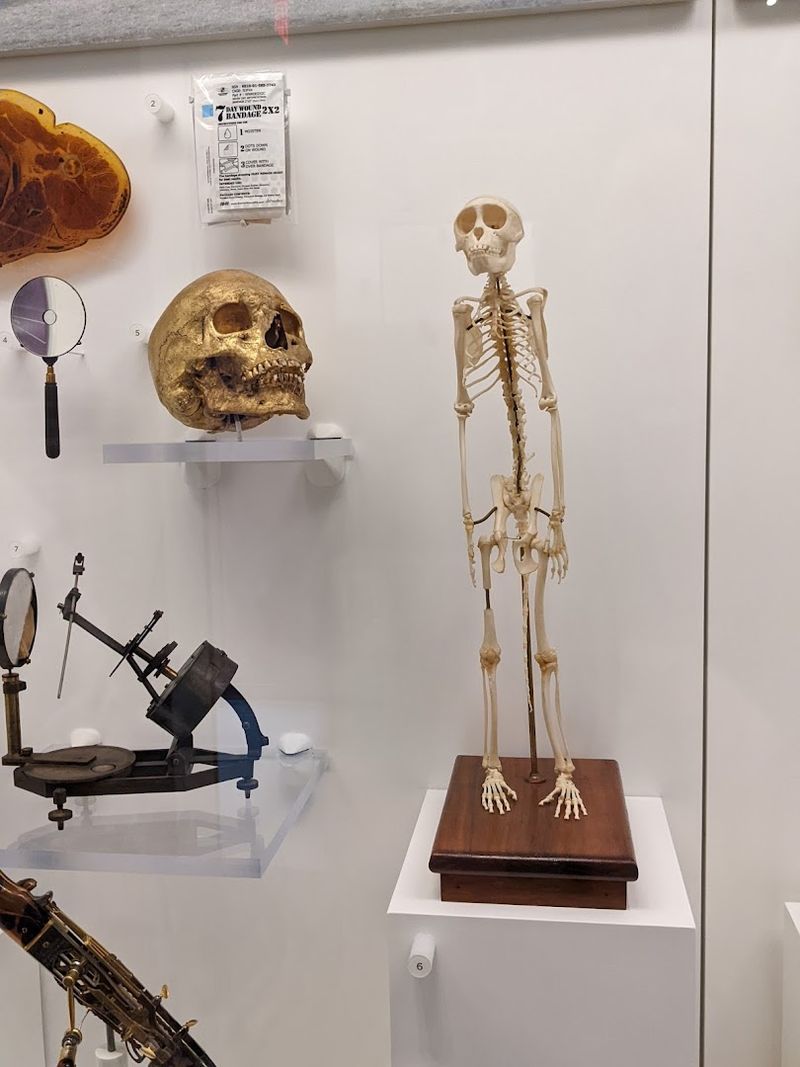
Among all the human specimens and historical artifacts, one exhibit stands out for being completely unexpected. Hidden into the collection is the intact skeleton of Able, a rhesus monkey who made history in 1959 as the first monkey to survive a trip to space and return to Earth alive.
Her skeleton is remarkably well-preserved and carries the weight of an entire chapter of space exploration history.
Able’s mission, alongside a squirrel monkey named Miss Baker, was part of the early U.S. space program’s effort to understand how living creatures responded to the physical demands of spaceflight. She survived the launch and recovery, but unfortunately passed away shortly after from complications related to anesthesia during electrode removal.
Her contribution to science, however, was enormous.
Finding a space monkey skeleton in a medical museum feels like a plot twist, and honestly, that is part of what makes this place so enjoyable. The exhibit connects the history of medicine to the history of space exploration in a way that feels natural and genuinely interesting.
It is a good reminder that medical research has always extended beyond the hospital walls. Able is a small skeleton with a very big story, and she deserves every bit of attention she gets from visitors passing by her case.
The Gilded Skull and Saint Elizabeths Lace
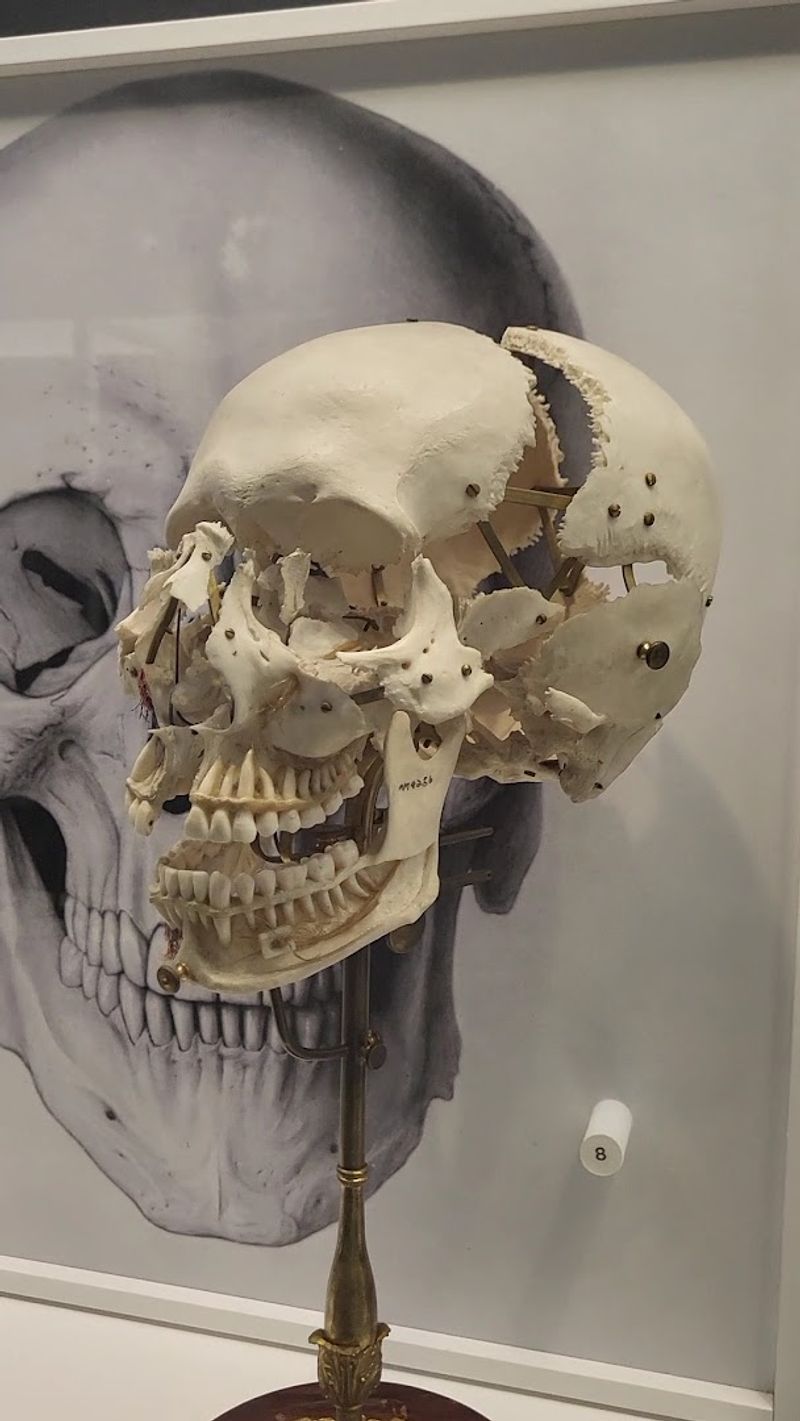
Some exhibits resist easy categorization, and the gilded skull alongside the lace made by a patient at Saint Elizabeths Hospital falls squarely into that territory. The skull, coated in gold, sits in the collection as an artifact of historical medical practice and curiosity.
It is visually arresting in a way that makes you stop and wonder about the person who created it and why.
The lace is something else entirely. Crafted by a patient at Saint Elizabeths Hospital, a psychiatric facility in Washington, D.C., it depicts the hallucinations she experienced during her illness.
The detail is intricate, the imagery is haunting, and the craftsmanship is remarkable. It is a piece of art born from suffering, and it carries an emotional complexity that most museum exhibits simply do not achieve.
Together, these two items represent the museum’s broader mission to document the full scope of human health, including mental illness, social history, and the ways people have made meaning out of difficult experiences. The museum does not treat psychiatric history as a footnote.
These objects invite reflection on how society has understood and treated mental illness over time. It is the kind of exhibit that lingers in your memory, not because it is shocking, but because it is genuinely, quietly profound.
Address: 2500 Linden Ln, Silver Spring, MD
