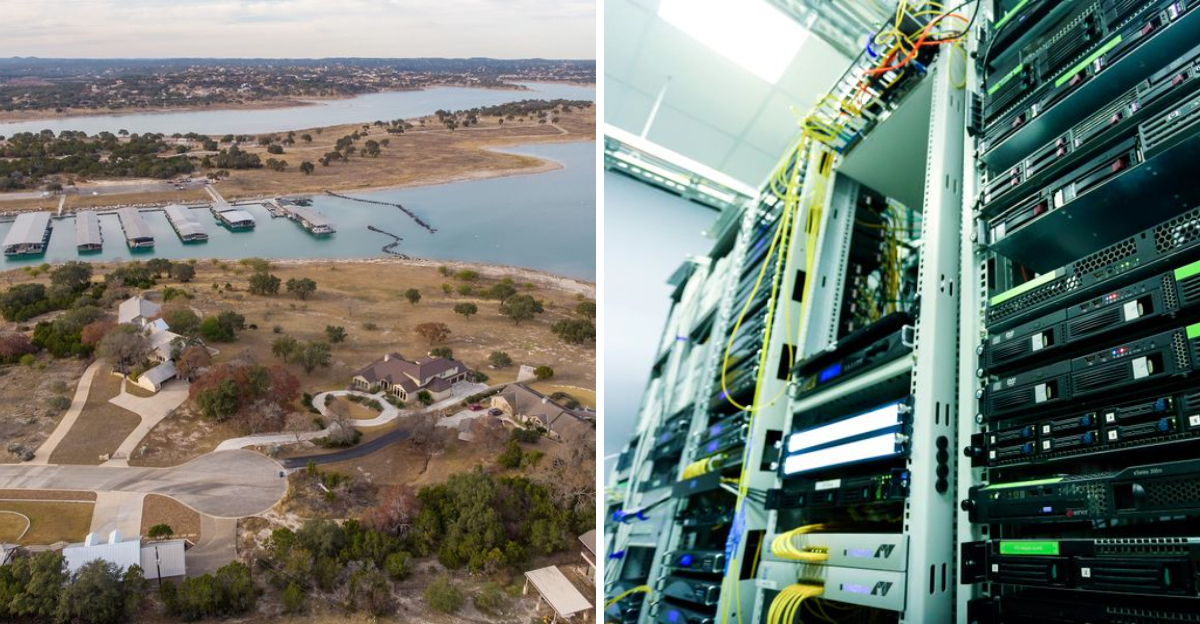
New structures are starting to appear in places that used to be nothing but open land. The shift is happening quickly, and not everyone is noticing it at the same pace.
Large AI data centers are expanding into areas once known for quiet landscapes and wide space. These facilities bring new investment and energy demand, but they also change how those areas look and function.
The contrast between natural surroundings and industrial-scale buildings is becoming more noticeable.
Texas is quickly turning into a major hub for AI infrastructure, and the growth is spreading beyond city limits. Conversations around Texas are starting to focus on how this expansion fits into the land it is moving into, and what it means for the future of these spaces.
The Stargate Project in Abilene: Ground Zero for AI Infrastructure
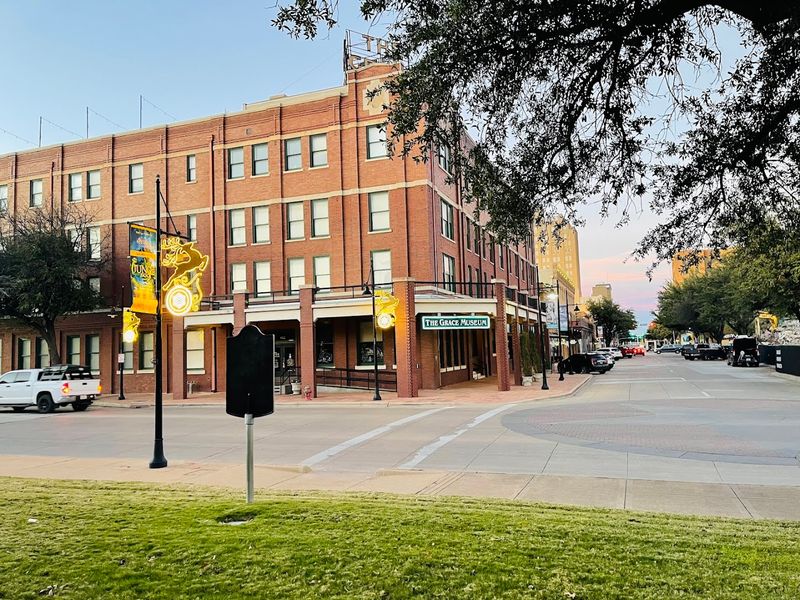
Few places in America are changing as fast as Abilene right now. When OpenAI, Oracle, and SoftBank announced their Stargate project in January 2025, this modest West Texas city suddenly found itself at the center of a $500 billion national AI infrastructure push.
The initial campus alone covers more than 1,000 acres of land that once sat quietly under a big Texas sky.
Driving through the area, you get a real sense of just how enormous the footprint is. Construction crews work around the clock, and the flat terrain makes the scale of the buildings almost disorienting to look at.
Abilene was never a tech hub, which makes the contrast between its small-town character and what is being built on its outskirts feel genuinely surreal.
The Stargate project is not just one building. Plans call for multiple phases of expansion across several Texas locations, with Abilene serving as the flagship site.
For a region more accustomed to cattle ranches and oil wells, this represents a seismic shift in identity. What happens here will likely set the template for AI infrastructure development across the entire country for years to come.
West Texas Ranchland Quietly Disappearing Under Server Farms
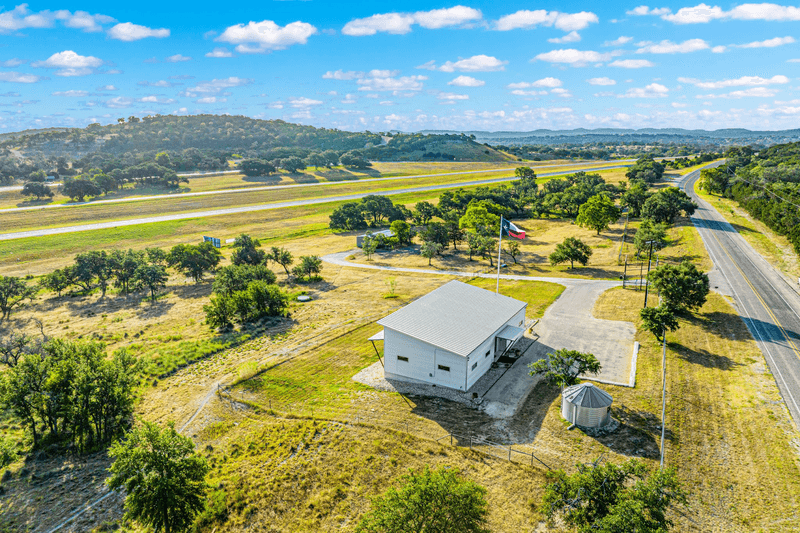
There is something quietly heartbreaking about watching open ranchland vanish beneath concrete and steel. West Texas has long been defined by its vast, unhurried spaces, where pronghorn antelope roam and the silence is thick enough to feel.
That silence is getting harder to find as data center developers scout parcels of land measured in hundreds of acres.
The demand for flat, affordable land with access to power lines has made West Texas an irresistible target. Ranchers who once leased grazing land to cattle operations are now fielding calls from real estate brokers representing tech giants.
Some have sold, drawn by prices that dwarf anything the agricultural market could offer.
I keep thinking about what gets lost when those deals close. The scrubby cedar, the horned lizards sunning on caliche rock, the sense that you could walk in one direction for a very long time without hitting anything man-made.
That feeling is disappearing parcel by parcel, transaction by transaction. The transformation is not announced with fanfare.
It happens through quiet zoning changes, land surveys, and construction permits filed in county courthouses that most people never visit. By the time the public notices, the bulldozers are already rolling.
Shadow Grids: The Private Natural Gas Power Plants Fueling AI
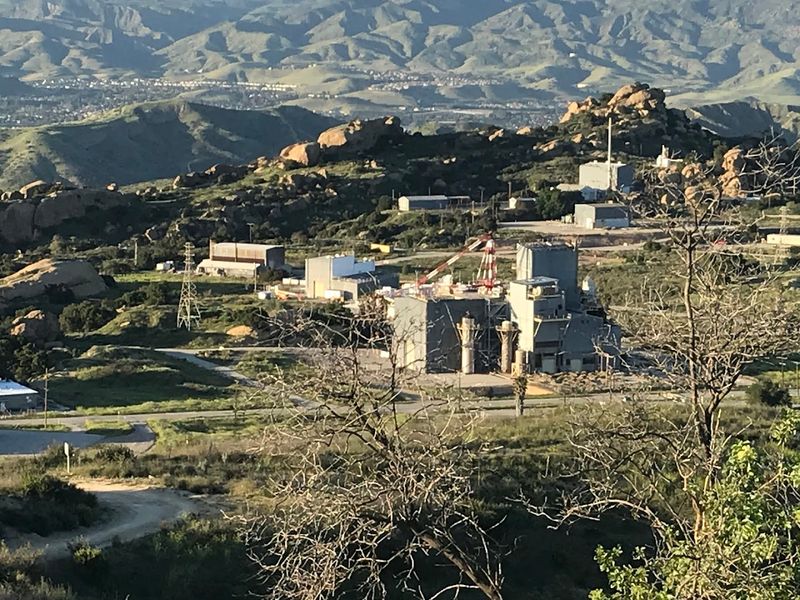
Most people assume data centers plug into the regular power grid, the same one that keeps your lights on and your refrigerator humming. The reality in Texas is getting more complicated, and a little unsettling.
Some developers are building what the industry quietly calls shadow grids, private natural gas power plants that bypass the public utility system entirely.
The GW Ranch project in West Texas is a striking example. Reports suggest it will consume electricity at a scale comparable to a major American city like Chicago.
That is an almost incomprehensible amount of power being generated off the books, away from public oversight, and fueled by fossil fuels that contribute to carbon emissions.
The logic behind shadow grids is straightforward enough. Texas has a strained public power infrastructure, and AI workloads demand absolutely reliable, uninterrupted electricity.
Building your own plant guarantees that. But the environmental cost of running massive natural gas generators to power servers around the clock is significant.
Local air quality, water usage for cooling, and long-term carbon output all become concerns that communities near these facilities have to live with, whether they agreed to it or not. The conversation about who bears those costs has barely started.
Google’s Wilbarger County Data Center and the Water Question
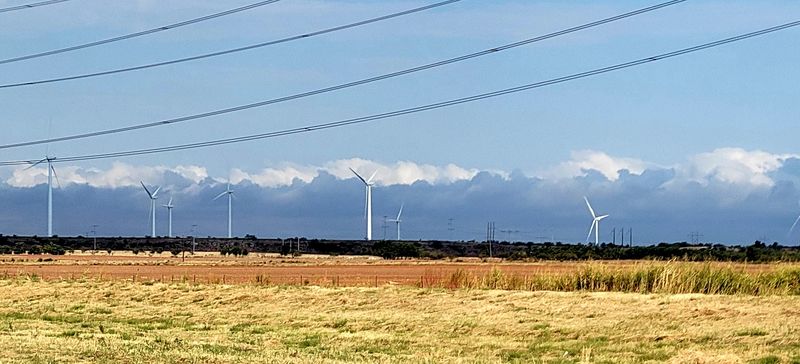
Google made headlines in early 2025 for a data center in Wilbarger County that takes a genuinely different approach to one of the industry’s thorniest problems: water.
Traditional data centers guzzle enormous quantities of water to cool their servers, which creates serious tension in a state where water scarcity is already a pressing issue.
Google’s facility uses advanced air-cooling technology designed to keep water consumption minimal.
The company was careful to clarify that water is still used for what they called critical campus operations, things like kitchens and restrooms, but not for the cooling systems themselves. That distinction matters enormously in a region where aquifers are under stress and farmers compete fiercely for irrigation rights.
Wilbarger County sits in a part of Texas where water is not something anyone takes lightly.
Google is also investing in local clean energy projects to offset the facility’s power demands, which adds another layer of environmental intentionality to the project. Whether those commitments hold up over the long term is a question worth watching.
Still, the Wilbarger County facility represents something genuinely worth acknowledging: proof that data center developers can make different choices when they decide sustainability matters. It sets a benchmark that other companies operating in Texas could be held to.
Land Prices Surging Across Rural Texas Counties
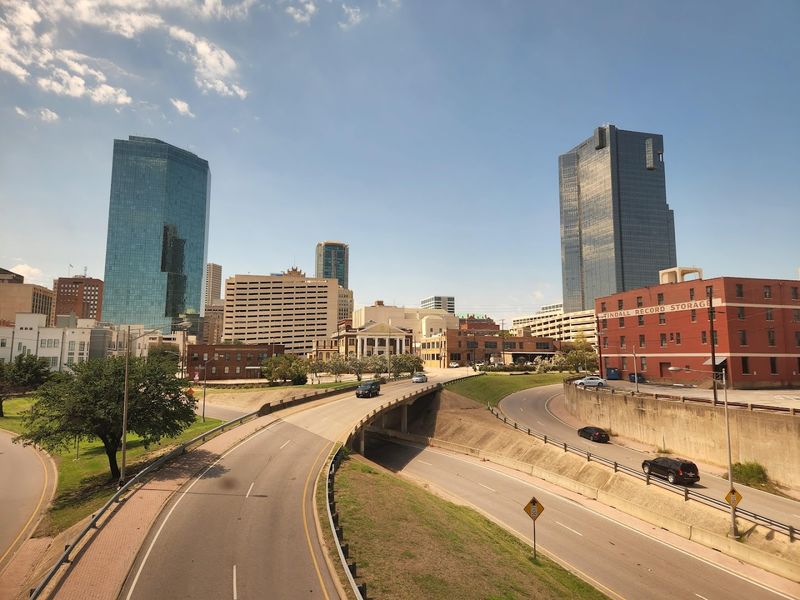
Rural Texas land markets were never exactly sleepy, but the AI data center boom has injected a new kind of energy into them. Developers need enormous parcels, hundreds or even thousands of acres at a time, and they are willing to pay prices that make traditional agricultural buyers step back in disbelief.
The ripple effects are spreading well beyond the immediate project sites.
Farmers and ranchers who were not planning to sell are now getting unsolicited offers. Some are tempted.
Others are frustrated that the escalating land market is making it harder for the next generation to buy into agriculture at all.
Young ranchers who might have purchased a modest spread from a retiring neighbor find that those properties are now being snapped up by real estate speculators betting on data center adjacency.
There is also a subtler effect on residential developers, who compete for the same flat, accessible land that tech companies covet. As land prices climb, the cost of building new homes rises with them, adding fuel to an already challenging housing affordability situation across the state.
Texas has long prided itself on having space to grow, but when the price of that space doubles or triples in a few years, the nature of that growth changes in ways that affect ordinary people deeply.
Small Texas Towns Caught Between Opportunity and Disruption
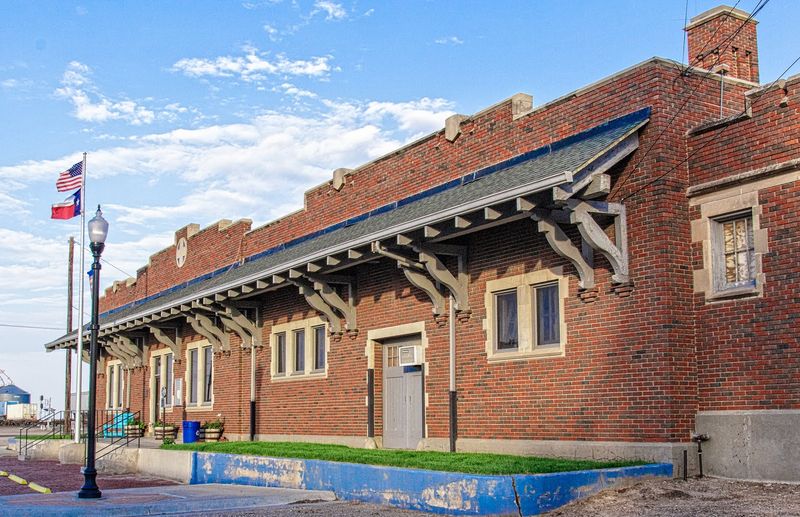
Not every small Texas town near a data center project feels like it is losing something. Some communities have welcomed the investment eagerly, seeing it as a lifeline after years of watching young people leave for bigger cities.
Tax revenue from large industrial facilities can fund schools, roads, and emergency services that rural counties have long struggled to afford.
But the relationship between these towns and the companies moving in is rarely simple. The jobs created during construction often go to specialized workers brought in from elsewhere, not local residents.
Once the facility is operational, the permanent workforce tends to be small and highly technical, meaning the community does not absorb a lasting wave of new employment.
What towns are left with is a changed landscape, higher land prices, strained infrastructure, and a facility that hums quietly on the outskirts while paying property taxes and not much else engaging with local life.
Some mayors and county commissioners have started negotiating more aggressively for community benefit agreements before approving permits, demanding local hiring commitments, infrastructure investments, and environmental guarantees.
Whether those negotiations produce real results depends enormously on how much leverage a small town actually has when a company with billions to spend comes calling. That leverage is often less than it appears.
Water Scarcity and the Hidden Cost of Cooling Servers
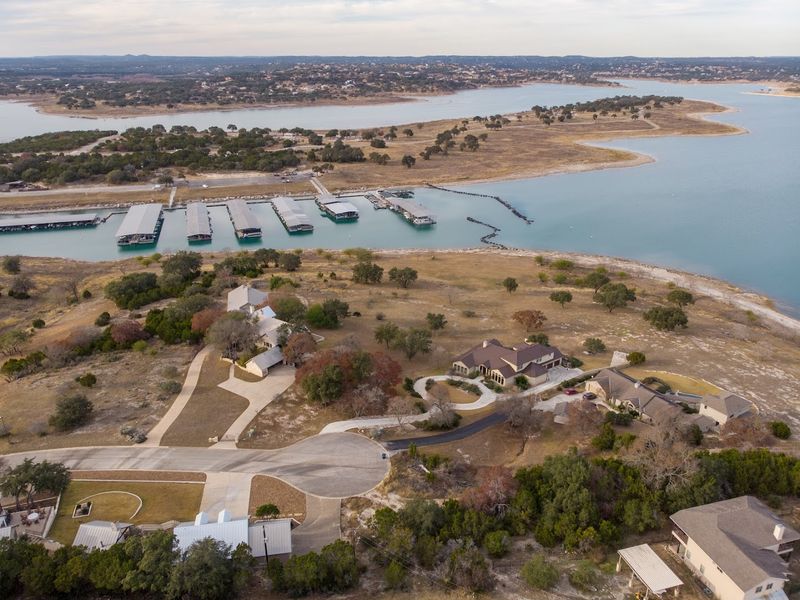
Texas already has a complicated relationship with water. The state’s aquifers are being drawn down faster than they recharge, drought cycles are intensifying, and agricultural users compete constantly with municipal systems for access to a resource that is not as abundant as it once seemed.
Into this already tense situation, data centers arrive with cooling needs that can be extraordinary.
Conventional data center cooling systems use water evaporation to shed heat, a process that can consume millions of gallons per day at a large facility. In a state where some counties have already imposed groundwater restrictions, adding that kind of industrial water demand creates genuine conflicts.
Farmers, ranchers, and municipalities that depend on the same aquifers have every reason to be concerned.
Some companies are responding with technology, like Google’s air-cooling approach in Wilbarger County, that dramatically reduces water consumption. Others have been less transparent about their water use, burying the details in environmental filings that few members of the public ever read.
Water rights in Texas are governed by a complex legal framework that favors those with the resources to navigate it, which tends to mean large corporations rather than small landowners. The water question may ultimately prove to be the sharpest edge of the data center expansion debate in the decades ahead.
What the Future of Texas Looks Like If This Pace Continues
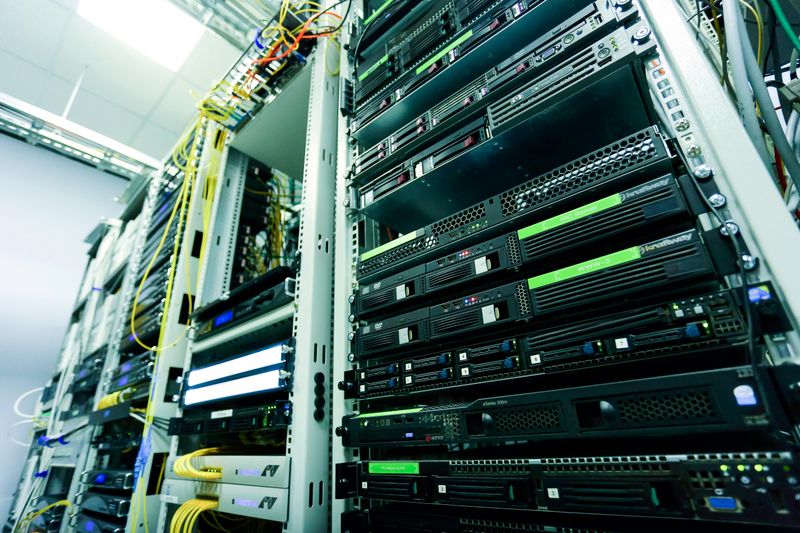
Project the current pace of data center development forward by ten or twenty years, and the map of Texas starts to look very different. Regions that were defined by agriculture, ranching, and open space are being redrawn by the logic of connectivity, computation, and capital.
That is not inherently a bad thing, but it is a profound transformation that deserves honest public conversation.
The optimistic version of this future includes a Texas that leads the nation in AI-powered economic productivity, with clean energy investments making the grid greener and communities sharing in the prosperity.
The more cautious version includes aquifers drawn down past recovery, wildlife populations fragmented beyond resilience, and rural communities hollowed out despite sitting next to billion-dollar facilities.
Which future emerges depends on choices being made right now, in county courthouses, state legislative sessions, and corporate boardrooms. Texas has always been a place that moved fast and built big, and that spirit has produced both extraordinary achievements and costly mistakes.
The AI data center boom is the latest test of whether the state can grow without losing the landscapes and communities that make it worth living in. Paying attention to what is happening out there, past those flat horizons, is the first step toward making sure the right choices get made.
Dear Reader: This page may contain affiliate links which may earn a commission if you click through and make a purchase. Our independent journalism is not influenced by any advertiser or commercial initiative unless it is clearly marked as sponsored content. As travel products change, please be sure to reconfirm all details and stay up to date with current events to ensure a safe and successful trip.
