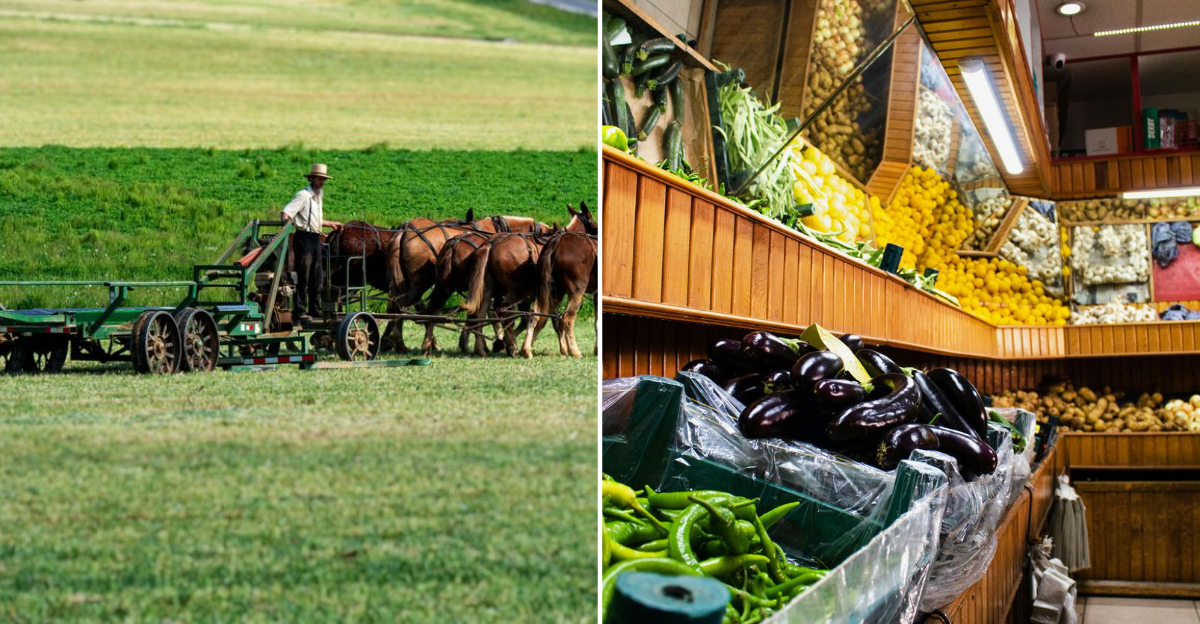
Ever wonder if the Amish experience in Ohio is exactly what you picture: horse-drawn buggies, homemade pies, and quiet country roads? The truth is, most tourists are surprised by what they actually find. Sure, those postcard images exist, but the real Amish life goes much deeper than the surface.
When you visit, you quickly realize it’s not just about quaint shops or photo ops. It’s about stepping into a community with traditions that shape every part of daily life.
I remember walking into a small Amish market and being struck by how different the pace felt: no rush, no phones buzzing, just people focused on their work and each other. It’s humbling, and honestly, it makes you rethink how much noise fills our own routines.
Tourists often expect a simple “old-fashioned” lifestyle, but what they rarely anticipate is the complexity, the balance between faith, family, and practicality. That’s what makes Amish Ohio so fascinating. Ready to see beyond the clichés? This is where the real story begins.
No Photos Of People
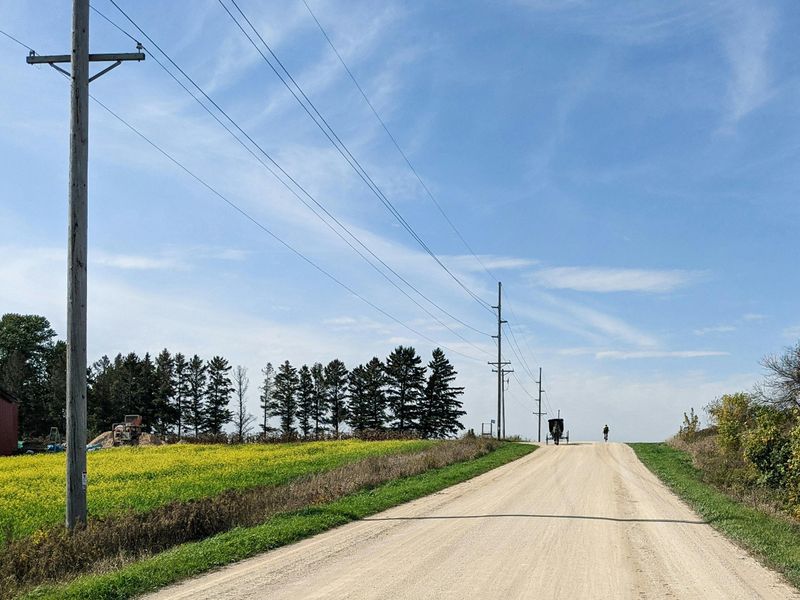
You know that reflex to lift your phone for a quick snap? In many Amish communities, being photographed isn’t just annoying, it’s tied to humility and a belief that modesty matters.
Landscapes and barns, fine. Faces, no. If you’re unsure, keep the phone down and you’ll feel better about the choice later.
Think about it like visiting a friend’s home. You wouldn’t take a camera tour through their living room without asking.
The same energy applies on back roads in Ohio. You can still grab clean shots of fields, fence lines, and the soft shape of a buggy against evening light.
Just frame it so people are not the subject. There’s a bonus to this restraint.
You start noticing textures instead of chasing proof.
Weathered wood, tidy gardens, and a sense of order resting in everyday work will show up in your memory without a portrait. If someone ends up in your shot by accident, crop it later.
Respect is easier than it sounds. Let your curiosity be quiet and your steps be light.
The visit will feel more human, and the air will relax around you. That’s how the day opens up in Ohio, one careful moment at a time.
Sunday Means Closed
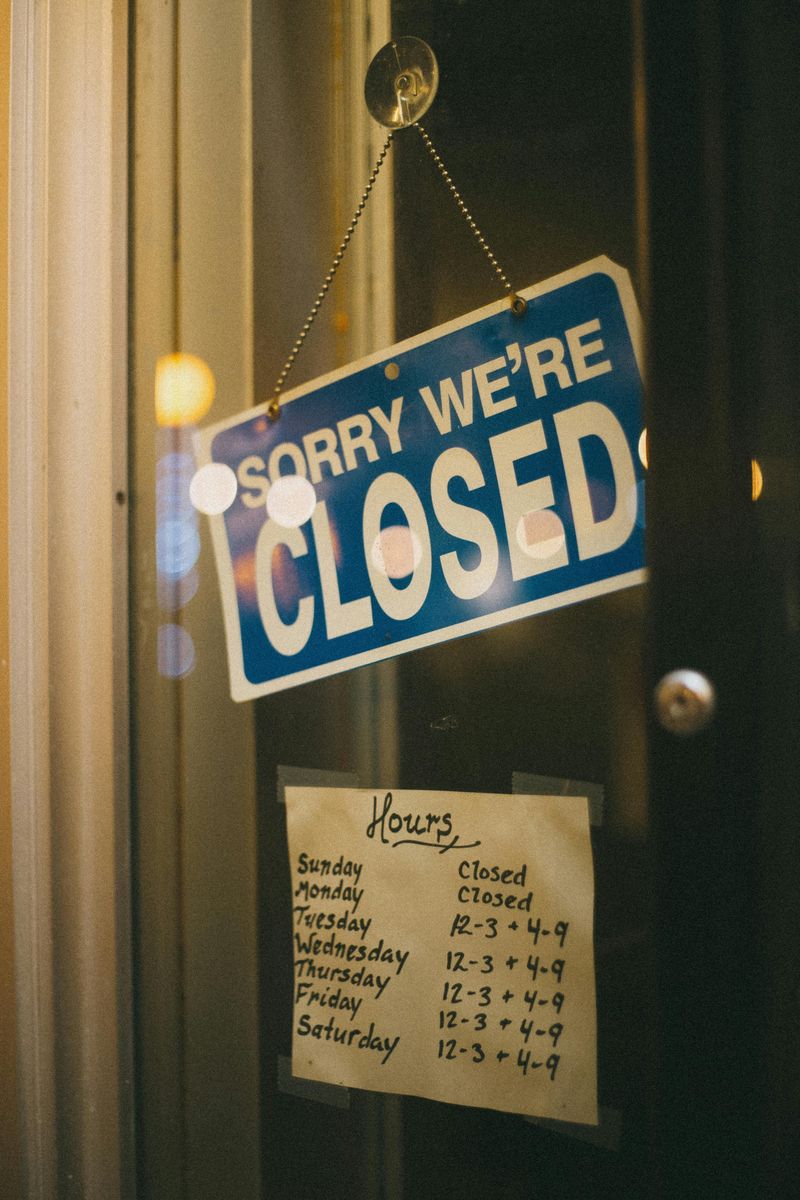
Let’s plan for Sunday like locals would. A lot of Amish-run shops and stands close for worship and rest, so the usual shopping loop is off the table.
Instead of grumbling, call it the scenic day. Pick a route over rolling hills and let the quiet do the work.
You’ll see buggies near meetinghouses, fields resting, roads feeling softer. It’s not a day to push errands.
It’s a day to coast slowly, pull into a public overlook, and sit for a few minutes. Bring a notebook if that’s your thing and jot what you notice.
Sunday also keeps you honest about pace. In Ohio, you’re better off treating the weekend like two different trips.
One day to browse, one day to listen. That rhythm makes the whole visit make sense, and you won’t feel rushed or annoyed.
So make sure to stock the car earlier in the weekend and let Sunday be about silence, scenery, and easy conversation.
If a place is open, great. If not, we still win the day by not forcing it.
The road leads just fine when you let it go slow.
Buggy Traffic Is Serious
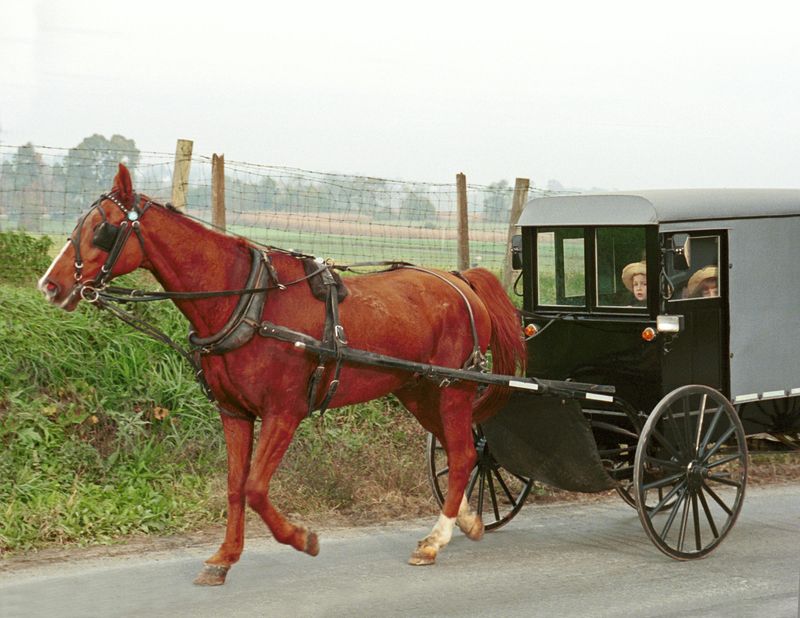
Those buggies are not props. They move at a different pace and they share the same lanes you do.
Ohio requires slow-moving markings or approved reflective alternatives on animal-drawn vehicles, but that does not mean you can zone out.
Look far ahead, ease off the gas early, and breathe.
Passing takes patience. Make sure to wait for a long clear view and only pass when you’re sure the road is yours.
I like how there is no rushing. The point is to keep everyone safe without turning it into a tense moment.
Treat the buggy like any other vehicle with limits, and give space.
Night driving needs extra care. Reflectors help, lanterns help, but your attention is what actually keeps things calm.
Dim your high beams sooner than usual and let the horse and driver settle as you approach. You’ll feel the difference in how the road responds.
Expect to slow down more than once. That’s part of an Ohio trip through Amish country.
Plan extra time and you’ll never feel pressed. The day will feel smoother, and the miles will roll by without drama.
Don’t Spook The Horses
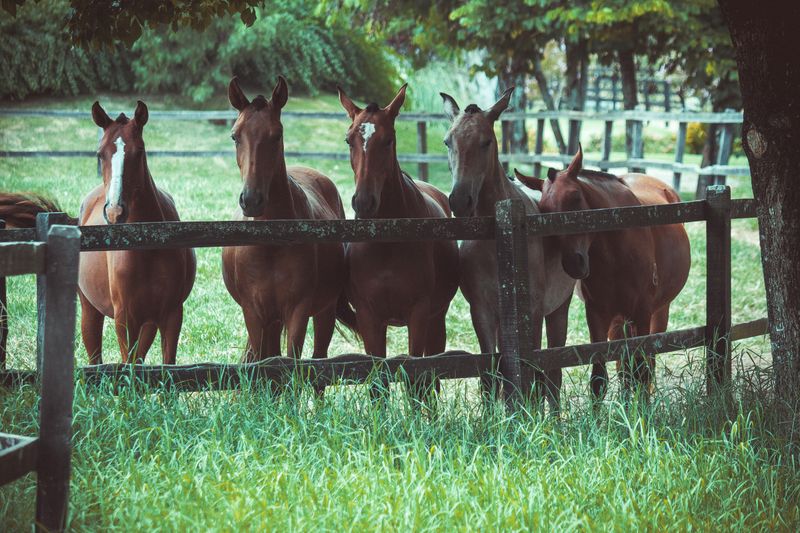
Think about the horse first. Honking or blasting high beams can turn a calm road into a stressful one.
Keep it steady, pass with a wide margin, and hold a predictable speed. If a buggy pulls over, give a friendly nod and slide by smoothly.
I learned that sound matters here. Loud engines near a blind curve or a narrow bridge can rattle an animal fast.
Ease off the throttle and let the scene breathe. It takes a few extra seconds and changes the whole tone of the drive.
Also, watch for body language. Ears pinned or quick steps mean the horse is alert.
Back off, settle in behind, and wait until it calms. You’re not in a race and there’s no prize for getting ahead by a minute.
This is one of those rules that feels small but carries a lot of trust. Locals notice when outsiders drive kindly.
You’ll be remembered as the visitor who understood the rhythm. That’s worth more than any quick pass or clipped minute.
Rules Aren’t Identical
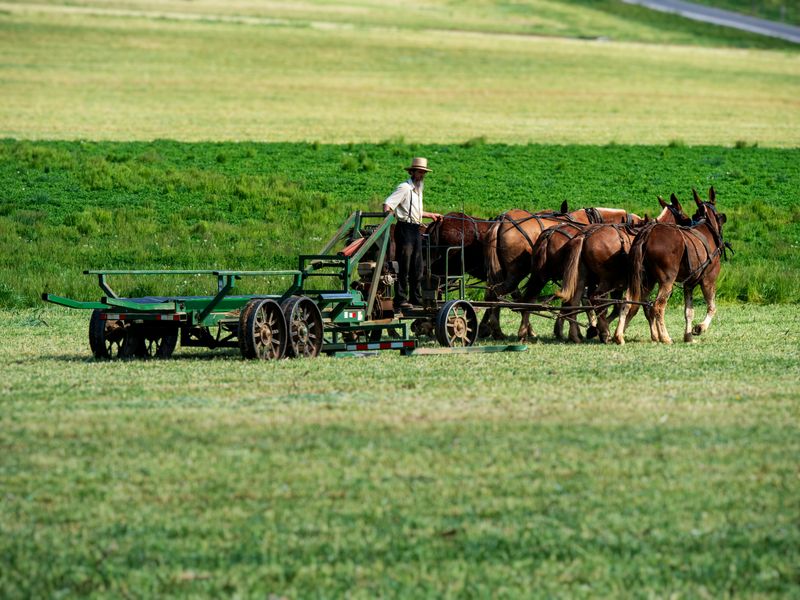
Here’s the part most folks miss. Not every Amish community follows the exact same rulebook.
Each group has an Ordnung that can differ by district. That’s why you’ll notice changes in clothing, tech choices, or how a shop is lit.
So if you see a battery light in one place and kerosene lamps in another, that’s not a contradiction. It’s a local tradition in motion.
It helps to ask simple, respectful questions in a store and then listen. You’ll learn more in one honest chat than a whole day of guessing.
This variety shows up in daily routines, too. One district might allow a certain tool for work while another avoids it.
The aim is the same: keep life close to community values.
The paths are just different, and that makes Ohio quietly fascinating.
Walking in with flexible expectations keeps you from labeling anything as odd. It turns the visit into a conversation with the place.
You stop comparing and start noticing. That’s when the whole trip settles into a better groove.
Tech Isn’t Always “Never”

People imagine a hard no on everything modern, but it is more nuanced. Some Amish avoid electricity from the grid, while others allow limited tools for work.
You might see air lines in a shop powered in a creative way or a phone shanty at the edge of a property. None of that means rules are broken.
I feel like the goal is balance. Community by community, choices protect values while still letting work get done.
If a business uses a practical setup, it usually serves customers and keeps the day moving without turning life into a tech rush. It’s thoughtful, not random.
When you walk into a workshop or a store, look for how tools are arranged. You’ll spot careful compromises.
The results are tidy and focused. The absence of constant noise is the first thing you feel.
In Ohio, that mix shows up across towns and back roads. You might step from a lamplight space to a spot with modern fixtures used in a limited way.
The common thread is intention, and once you catch that, the whole place reads clearly.
School Ends Earlier

Here’s a curveball for visitors: many Amish children attend school through eighth grade, often in small local schools. It is not a lack of learning.
It is a focused kind of education that leans practical and community-centered by design.
You’ll pass a white schoolhouse with a flagpole and a tidy yard. Recess might be quiet when you drive by, or you might hear faint laughter on a weekday.
Lessons stay grounded: reading, math, and history are common, and then life skills carry the rest.
There’s a grace in knowing when to stop and start working. Young folks move into apprenticeships or family businesses and learn by doing.
That shift keeps traditions alive and helps communities function without a rush toward outside pressures.
In this state, this system fits the rhythm you feel in the fields and shops. It is not better or worse, it is different and purposeful.
If you keep your lens respectful, you’ll see how it supports the larger picture. The road will make more sense after that.
You’ll Hear Pennsylvania Dutch

You know that soft rolling sound you catch at a market or along a lane? It is Pennsylvania Dutch, a German dialect spoken at home and within the community.
English is common too, especially in stores, so you can ask questions without stress. You’re in Ohio, but your ears might travel.
It feels musical to me. Words braid together, then switch to English mid sentence like a friendly bridge.
If you do not understand, just smile and keep your part easy. People will meet you where you are.
I think language tells you a lot about roots. It keeps families connected across generations and reminds everyone of shared values.
You hear history moving through daily life, not locked in a book or on a plaque.
Let the sound be part of the visit. You do not need to chase meaning to appreciate it.
The rhythm alone changes how a place feels. On Ohio back roads, that gentle mix becomes the soundtrack.
Privacy Comes First

The farms look picture-perfect, which makes it tempting to pull over and wander, but skip that impulse. Homes are private, and showing up uninvited is a hard no.
Stick to public shops, markets, and places that clearly welcome visitors.
Think fences and lanes as boundaries. If a driveway feels like someone’s personal space, it is.
Respect saves awkward moments and keeps trust steady. You’ll still see plenty from the road, and there are visitor-friendly stops across Ohio.
I think signs really help. If it says open, go in, and if it looks quiet with no hours posted, move on.
You can always find your next stop without pushing into someone’s afternoon.
Give people the calm you want for your own home. Keep voices low near houses and slow the car around small kids playing in yards.
You’ll feel the day soften as you move, and that comfort is what you carry forward.
Shopping Has Boundaries

Tourism helps small businesses, including Amish-owned ones, but it is not a backstage pass to people’s lives. Treat shopkeepers like you would anywhere.
Ask about the work, not personal details. Keep questions kind and grounded in the moment.
Let the space set the tone. Speak quietly, move slowly, and wait your turn if the room is small.
I always notice how displays are arranged with care. You’ll feel the pride in the craft without needing a big speech.
If you want to learn more, try a simple line like “how did this design come together?” or “what tools make this possible?”
Short questions open honest answers, and you’ll walk out with real insight instead of a trivia list.
This state has plenty of places ready for visitors, and they appreciate steady, respectful energy. When you bring that vibe, you usually get a gentle kind of warmth back.
It’s subtle but memorable. That’s the souvenir you actually keep.
Buggy Safety Is Complicated
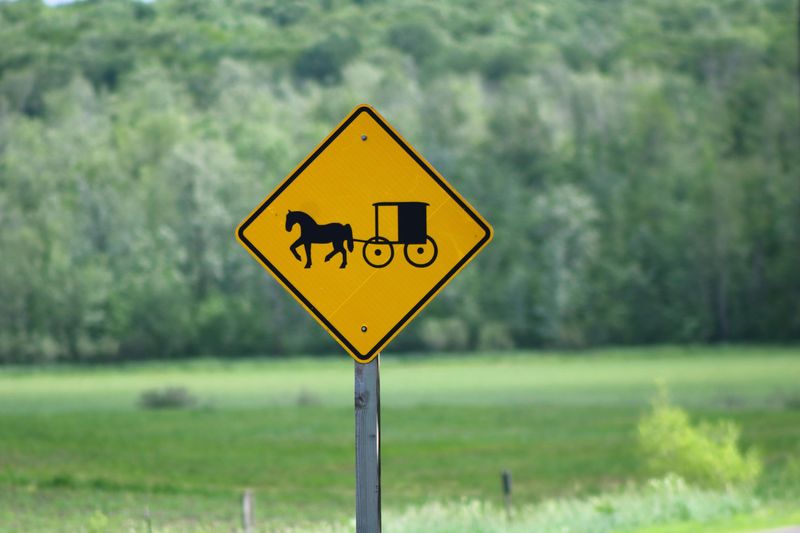
People assume the safety piece is fully solved with triangles and lights, but it is not that tidy.
This state has seen debate over visibility requirements, including discussions around reflective markings and flashing lights. Tradition and road rules meet right there in traffic.
So what do you do? Pay attention, slow down early, and give distance like it matters.
Your good driving becomes the buffer while communities and officials work through details. It is a living conversation, not a settled chapter.
At dusk, be generous with patience. A buggy cresting a hill can be hard to spot until the last moment.
Headlights help but don’t rely on them alone. Look further down the road than normal and ease into every bend.
Here, this dance between history and safety is part of the drive. You will feel it in the quiet choices you make behind the wheel.
When the day ends and the miles are done, you’ll know you did your part by staying calm and present.
Slow Down To Get It
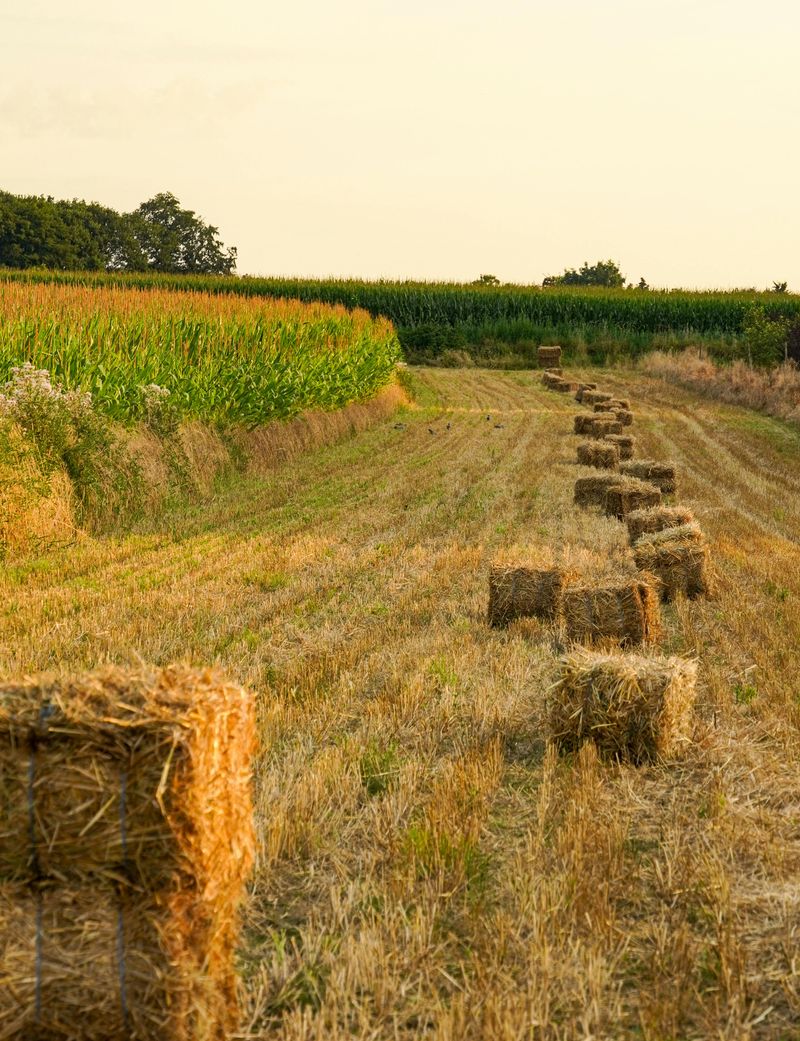
Some folks treat Amish country like a theme park: fast stops, nonstop photos, and a sprint to the exit. That misses the whole point.
The best moments are calm ones, like pausing at a small bakery or having a simple conversation at a counter.
Set a slower clock, and plan fewer stops and longer visits. Let the road decide what comes next and listen to what the day is telling you.
I’m sure you will notice the scent of cut hay, the hush of a quiet lane, and the way time stretches here.
It is not about collecting proof or bragging points.
It’s about feeling how a place works when you are not pushing it. Give yourself permission to do less and enjoy what is right in front of you.
By the end, you’ll remember moments, not a checklist. That is the real trip, and it sticks.
Dear Reader: This page may contain affiliate links which may earn a commission if you click through and make a purchase. Our independent journalism is not influenced by any advertiser or commercial initiative unless it is clearly marked as sponsored content. As travel products change, please be sure to reconfirm all details and stay up to date with current events to ensure a safe and successful trip.
