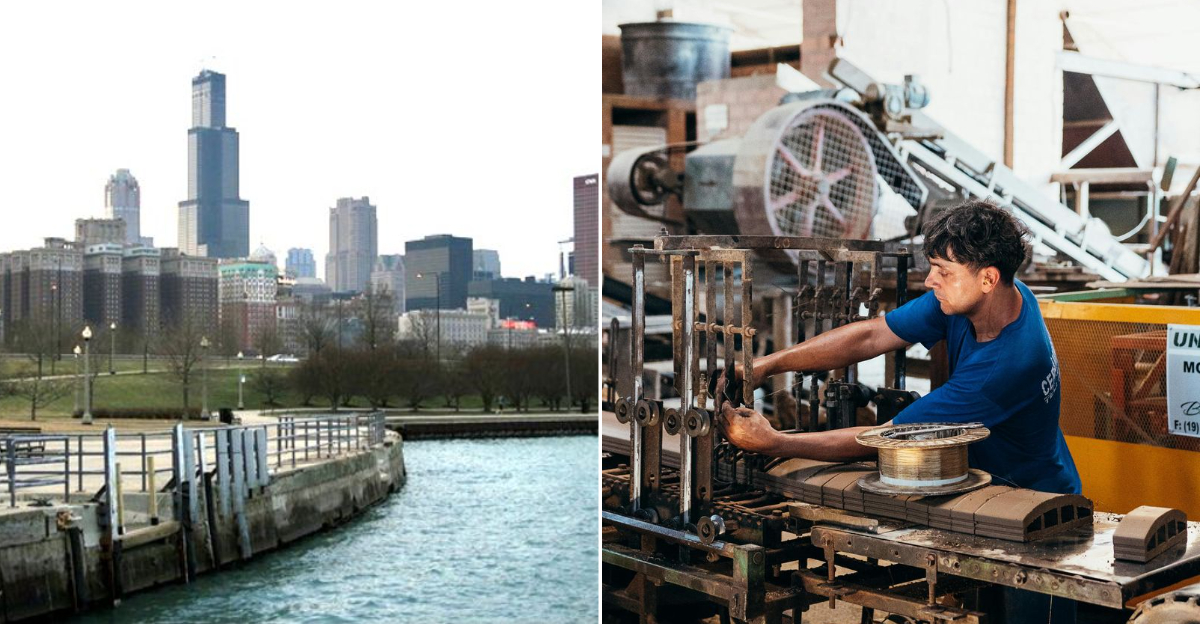
Life in an Illinois industrial town starts before most alarms go off. Shift changes, factory whistles, and glowing plant lights set the pace long before the rest of the day catches up.
Work shapes everything here, from when people eat to how they plan their evenings. I have seen routines built around packed lunches, quick coffee stops, and conversations that revolve around hours, overtime, and weather.
There is a quiet toughness in these places. The work is physical, demanding, and often overlooked, but it comes with a deep sense of pride.
Outside the plants and warehouses, life keeps moving through school pickups, local diners, and Friday night games. Neighbors still look out for one another because they have to.
Illinois’ industrial towns run on routine, resilience, and people who keep showing up, even when the work is heavy and the recognition is light.
Industrial Landscapes That Shape Daily Routines
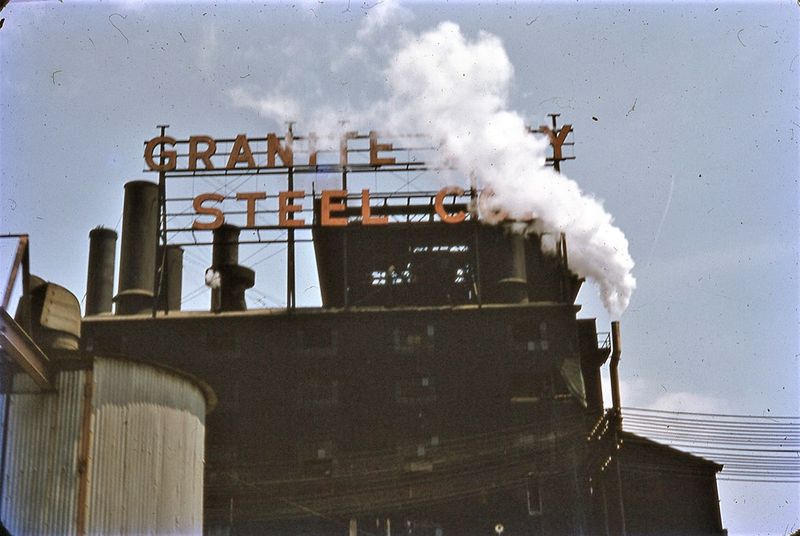
You wake up and the skyline is not shiny towers but stacks, conveyors, and cranes stretching across a gray-blue horizon. The industrial backdrop is not a backdrop at all because it frames every errand, commute, and quick hello on the sidewalk.
In Granite City or East Chicago near the border, morning traffic leans toward shift change, so the flow feels lumpy and oddly calm between bursts. The air does not smell like perfume, yet it carries a familiar tang that tells you the furnaces are alive.
Rail crossings set the pace like metronomes. You learn to leave five minutes early, and on smooth days it feels like you cheated time.
Along the edge of the river, barges slide by like slow moving furniture in a house you share with industry. It is not dramatic, but it is constant, and that constant shapes where you park, which roads you trust, and how you think about weather.
Snow plus steel means careful plowing near plant gates. Summer heat makes the metal roofs shimmer like a mirage, so you pick shaded streets when you can.
If you wander at dusk, the yard lights flick on in stages and the town glows industrial gold. It is strangely beautiful in a working way.
Work Rhythms Built Around Factories And Shifts
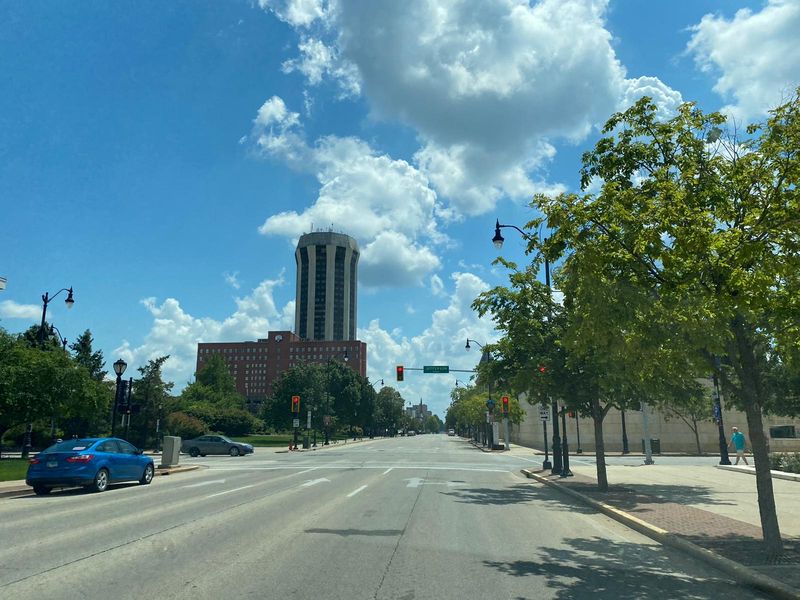
Here, your calendar orbits shift changes rather than weekends. When the whistle goes, it is like the town inhales and exhales together.
Morning runs at the park thin out when nights are on because sleep becomes a fragile currency. Kids know that goodnight sometimes means good afternoon, and families learn to talk in whisper mode.
Carpools matter because a ride at odd hours can be the difference between easy and exhausting. So you set alarms in pairs and keep a thermos ready by habit.
Shifts ripple into everything from church service times to little league practices. Coaches nod and say ‘We will make it work,’ because they actually do.
On overtime weeks, streets feel quiet in the evenings since folks are inside grabbing rest or packing meals. On slow weeks, you see more porch chats and relaxed walks.
It is not glamorous, but there is dignity in the routine checks, boots by the door, and lunch pails lined up like a row of small promises. You carry that rhythm in your steps even off the clock.
Aging Infrastructure As Part Of Everyday Life
You notice the patched asphalt first, the kind of streetwork that looks like a quilt. It holds, mostly, and people drive with a little extra attention because they know every dip by memory.
Bridges creak like old knees in the cold. In Illinois that sound is just part of winter’s soundtrack, right alongside salt trucks and the soft scrape of shovels.
Sidewalks tilt a touch, and the curbs wear a thin crown of rust from passing trucks. You learn which blocks puddle after rain and which alleys clear fastest.
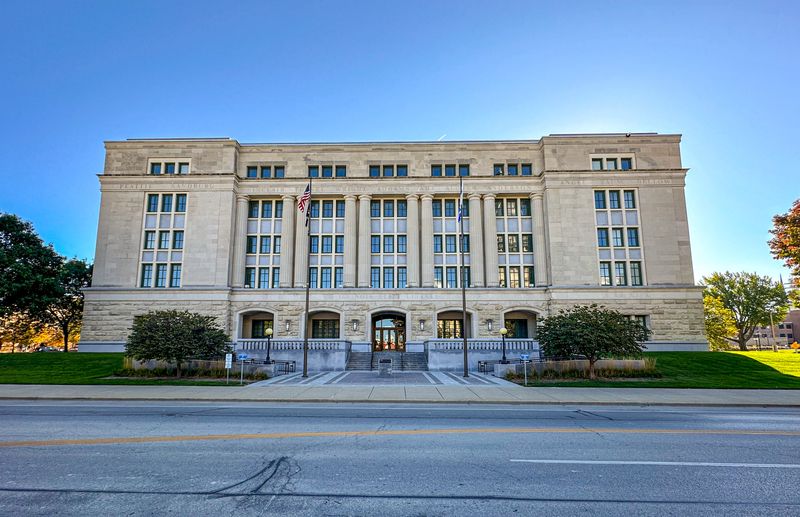
Inside, municipal buildings show their years with scuffed rails and beautiful long windows. The post office still smells like paper and dust in a comforting way.
Public works crews are neighbors, not anonymous. When a water main hiccups, you see familiar jackets leaning into the steam and sorting it out.
It teaches patience, this slow maintenance with limited budgets and lots to cover. The result is not shiny, but it functions because people keep showing up to fix what they can.
Neighborhoods Defined By History Not Reinvention
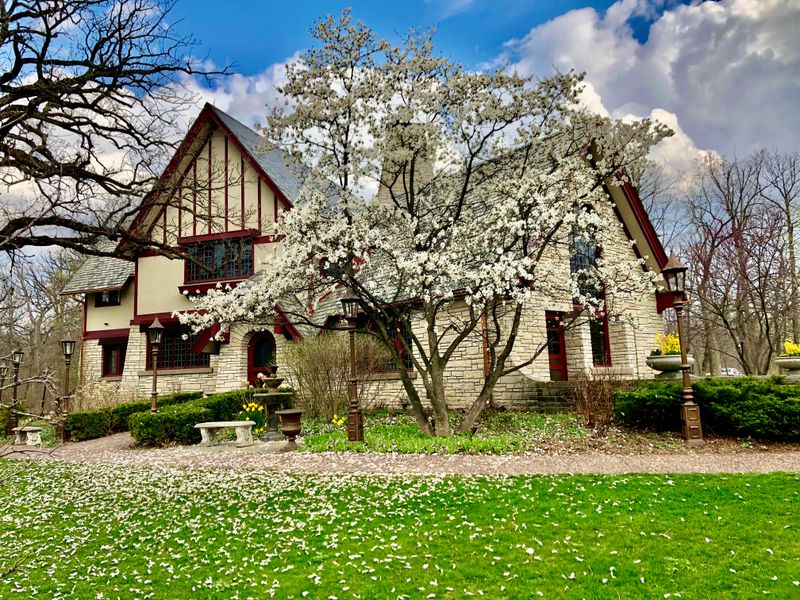
You can read a block by its porches and rooflines. Stories live in the tiny details like hand painted house numbers and careful stoop repairs.
Many homes started as worker housing tied to mills or rail yards. That history still sets the tone more than any trendy makeover could manage.
Grandparents point at a corner lot and tell you who used to live there. Kids ride bikes in the same lazy loops their parents once did.
The rhythm is less about hype and more about continuity. Yard signs celebrate school teams and union anniversaries rather than flashy slogans.
Walking after dinner, you see mismatched additions that tell you someone chose practicality over curb theater. It is honest, and the honesty feels welcoming.
Reinvention shows up in small ways like fresh siding or a new ramp that makes a house easier for aging knees. The neighborhood breathes, slowly and on purpose.
Economic Stability That Feels Fragile And Uneven
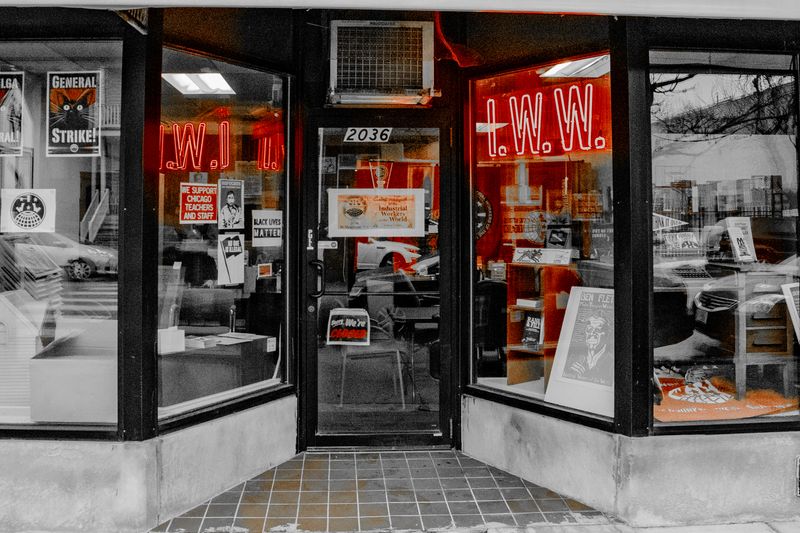
You can feel the economy in the way a main street hums on some days and murmurs on others. Open signs flicker like small beacons and people notice when one disappears.
Jobs ebb and flow with contracts and maintenance cycles. Families learn to stretch and plan, because Illinois weather is not the only thing with mood swings.
There is steadiness in public sector roles, hospitals, and schools. Still, everyone keeps an eye on rumor mills because news travels faster than any train.
When things tighten, folks swap gear or trade tasks instead of swiping cards. That barter energy keeps skills in motion and spirits a bit higher.
On good weeks, you see small purchases that signal quiet confidence like new work boots or a fresh coat of paint. The wins are measured in practical upgrades rather than splashy buys.
Fragile does not mean doomed. It means careful, community minded, and alert to openings that might carry the town a little further down the road.
Pride Rooted In Labor And Longevity
Walk into a union hall and you can feel the spine of the place. The walls carry photos that look you in the eye and say keep going.
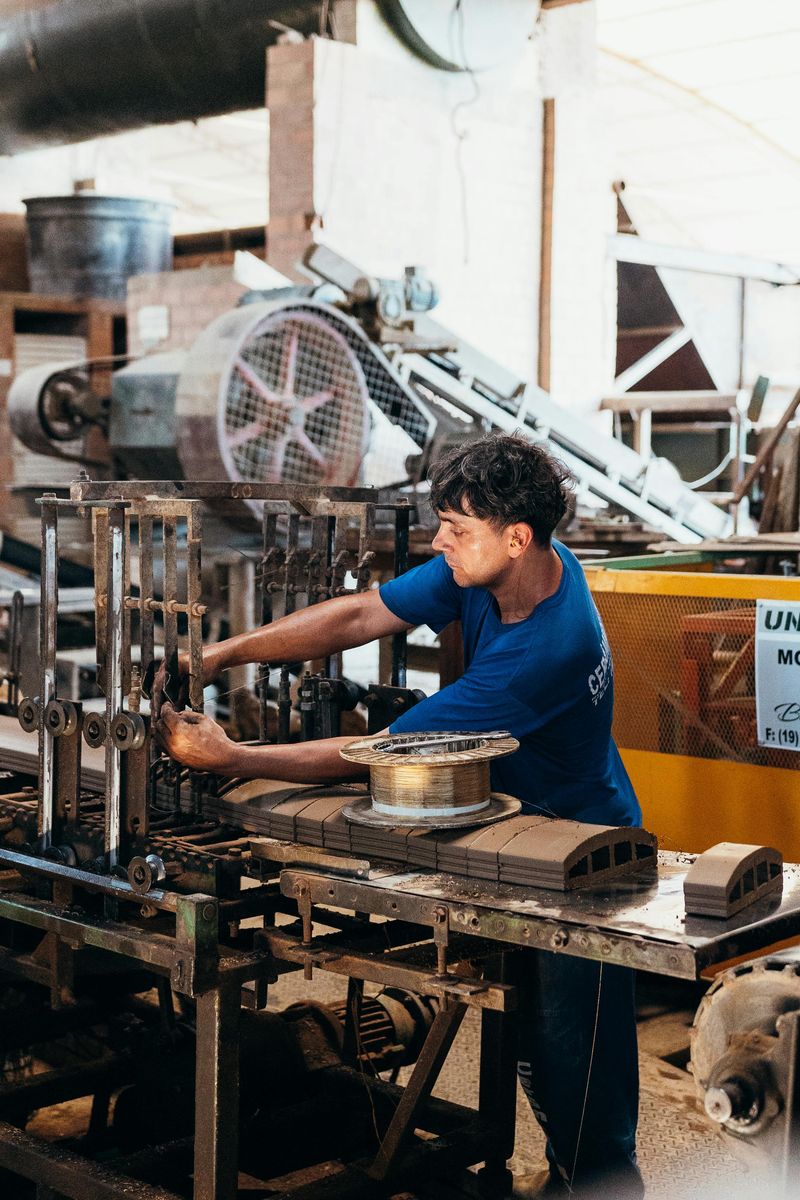
That pride is not loud, but it is sturdy. It shows up in the way people maintain tools, keep certifications current, and mentor the next set of hands.
Parades in small Illinois towns highlight work as heritage. Banners honor trades right alongside marching bands and school teams.
You will hear stories about tough winters and long repairs that ended with a handshake and a clean restart. Those stories are a kind of community currency.
At shift change, a nod at the gate means I see your effort and I respect it. No speeches required, just that daily acknowledgment.
Longevity is the brag, not luxury. Staying power matters here, and it keeps the town anchored when the market sways.
Limited Access To Tourist Focused Amenities
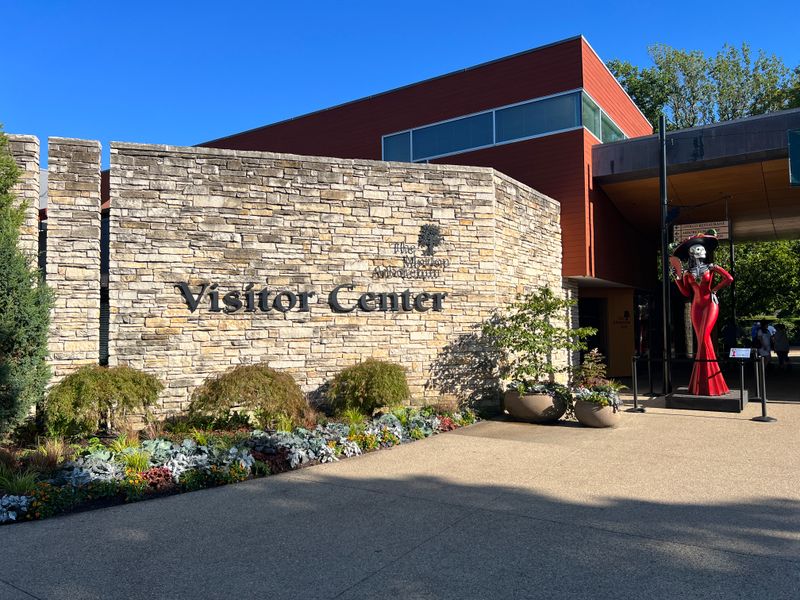
Do you know that feeling when you look for a visitor center and end up asking a librarian instead? That is normal here and honestly it works just fine.
These towns are built for residents getting things done. Amenities lean toward practical services, not curated experiences with scripted selfies.
Parks are for pickup games, not photo ops. The nicest view might be the quiet river bend where no one put a plaque.
When friends visit, you show them the mill lights at night from a safe overlook. It is simple and strangely calming in a way brochures rarely capture.
Public art appears in school murals and memorials rather than towering sculptures. You read names and feel a line of continuity stretching forward.
Limited does not equal lacking, it just means the town spends attention on what people use every day. That focus keeps life grounded and real.
Small Wins That Matter More Than Big Attractions
You start to measure a good day differently out here. A repaired streetlight or a reopened playground feels like a festival without the noise.
Public works wraps a project and the block breathes easier. People notice and say thanks in everyday ways like waving from a porch.
A library adds longer hours and homework gets easier for a lot of households. That win ripples before anyone writes a headline.
Volunteer crews clear brush along a trail and suddenly evening walks feel safer. The reward is quiet and immediate, which makes it stick.
In Illinois, seasons give these small wins a rhythm you can count on. Spring brings fresh paint and winter brings careful plowing and shared patience.
None of it looks splashy on a postcard, but it adds up to a life that functions, welcomes, and keeps moving forward. You feel it most when the routine holds steady.
Community Ties Forged Through Shared Struggles
When a plant slows down, the town closes ranks without a lot of fuss. Someone starts a tool exchange and someone else lines up rides for interviews.
Church basements and school gyms quietly flex into support centers. You see tables of forms, patient volunteers, and that steady Midwestern calm.
Block by block, neighbors trade phone numbers instead of platitudes. The care is practical and it shows up on doorsteps.
Sports fields double as meeting grounds where news travels with a hopeful filter. Kids keep playing and that normalcy steadies the grownups too.
Illinois has a way of making weather and work feel like shared challenges rather than private battles. That perspective softens the edges when days get rough.
The ties hold because they are used often, not just during big headlines. You can feel the net beneath you even when you hope not to need it.
Why Brochures Miss The Full Picture Of Local Life
Brochures chase highlights, and these towns are more about throughlines. Daily life is the plot, not a single glossy scene.
The pride, the maintenance, the quiet favors, the shift calendars, all of that refuses a quick caption. You have to stand in the chill at dusk and listen to the hum.
Illinois industrial towns keep their voice low and steady by choice. That tone is easy to miss if you are sprinting between photo spots.
Instead, talk to a crossing guard or a custodian about their route. Those conversations will sketch a map you will not find in a rack.
The full picture includes the scuffed floors and the dependable lights flicking on at odd hours. It includes the rail horn that tells you dinner needs to wait two minutes.
Once you tune in, the place feels complete and honest without chasing spectacle. That is the story I wanted you to hear.
