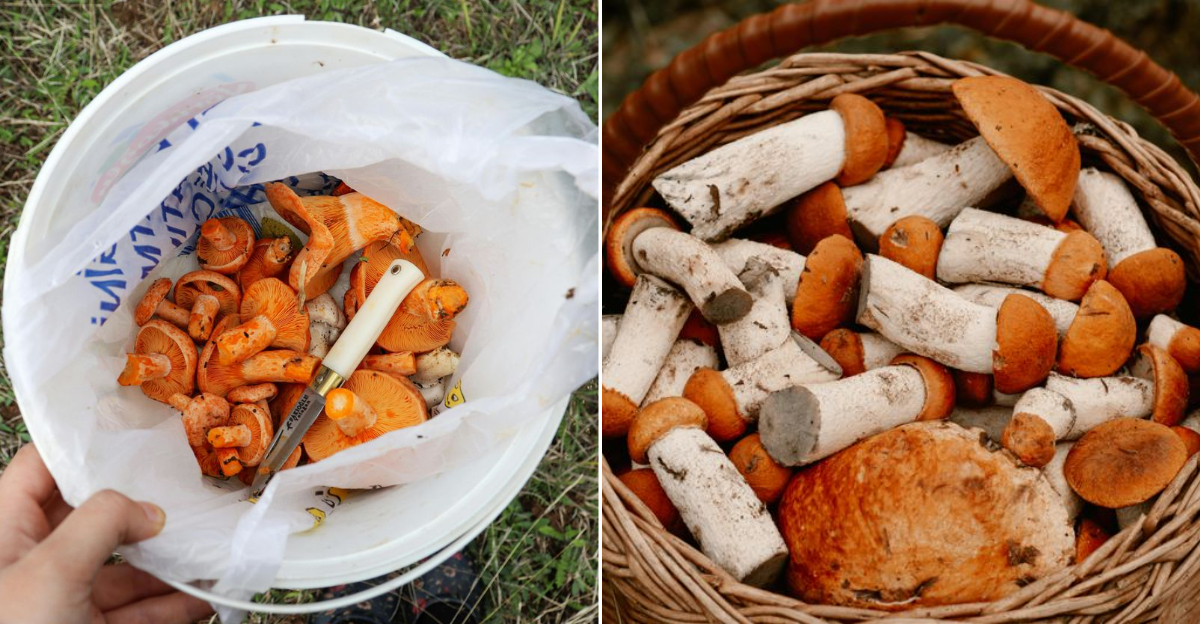
You know how we keep talking about a road trip through Washington and sniffing around for chanterelles like we know what we are doing? Here is the catch that keeps tripping up visitors, even the polite ones with baskets and good intentions.
Picking mushrooms sounds simple until you realize the rules change with the sign at the trailhead, the boundary on a map, and which ranger district you are standing in at that minute.
If you want to avoid fines and keep the trip mellow, let me walk you through what actually happens out there in the woods. A casual pull off can land you in a completely different set of regulations than the one you just left.
Limits, permits, and allowed areas can shift fast, sometimes within the same stretch of forest. Knowing where you are standing matters as much as knowing what you are picking.
Why Wild Mushroom Foraging Is So Popular In Washington
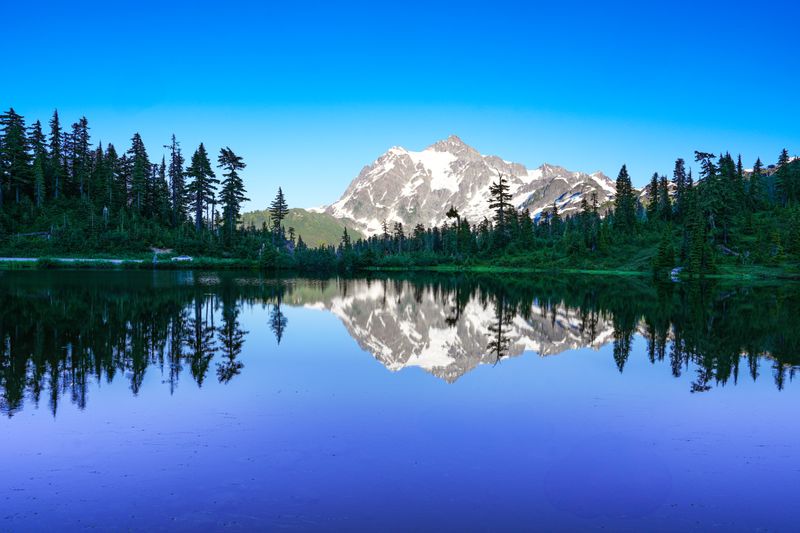
It starts with the smell after a rain, right? That damp cedar note and the way the light hits the duff makes you want to wander off trail and look under every sword fern.
Washington has this mix of coastal forests, foothills, and mountain slopes where mushrooms pop like small surprises.
You get everything from mossy creek banks to high ridges that stay cool, and that variety keeps folks exploring.
In places like Mount Baker Snoqualmie National Forest, 2930 Wetmore Ave, Everett, the draw is as much about the walk as the basket. People see others carrying finds and assume the same rules apply everywhere.
Local foragers often treat it like a seasonal ritual you do with a map and a plan.
Visitors show up and follow the crowd, which is where the confusion begins.
Add the internet chatter and it feels open to anyone. But each patch can have limits, closures, or sensitive habitat you will not notice without reading the board.
That is why the popularity keeps climbing.
The vibe feels friendly, the woods feel endless, and the stakes do not seem high until a ranger asks where you got your permit.
The Common Assumption Tourists Get Wrong
Here is the snag that snows people. They think public land means pick what you find as long as you are gentle.
On the ground, rules shift by agency, district, and even trail corridor.
A spot that allows small personal use can sit next to a research area where picking anything draws a citation.
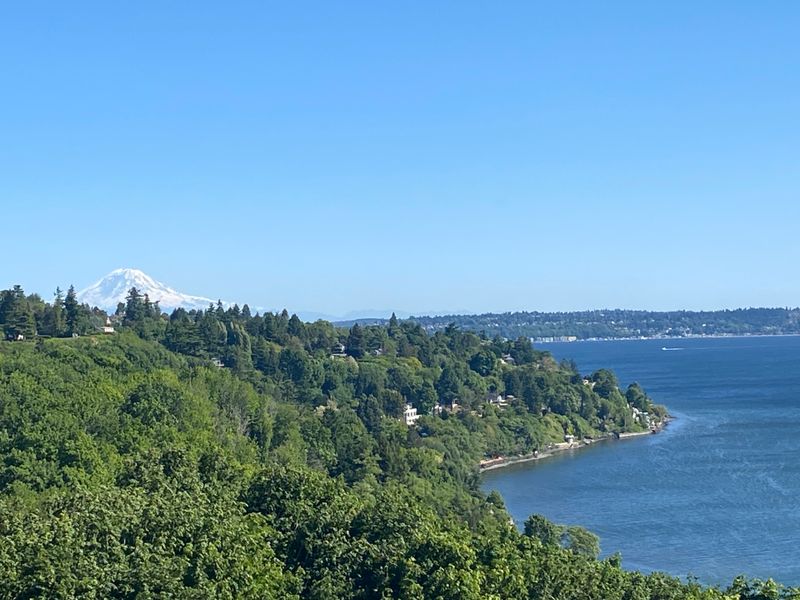
At Discovery Park, 3801 Discovery Park Blvd, Seattle folks wander with baskets because it feels open and city friendly. But city parks usually restrict collecting to protect restoration zones and wildlife.
Tourists see photos of baskets online and assume it is common practice everywhere.
The photos rarely mention permits or boundaries, which is what matters.
Another assumption is that a single handful will not bother anyone. The trouble is that rangers cannot read intent at a glance, only behavior in a managed space.
If you are on vacation, you do not want to memorize codes.
Still, knowing which land you are standing on before you pick will save you from a fast lesson with a fine attached.
How Public Land Rules Actually Work
Think of Washington like a patchwork quilt. Every square looks green from the road, but each square has different stitching holding it together.
National forests allow personal-use picking within limits and often require a free or simple permit.
State parks lean toward no collecting because they protect intact ecosystems for education and conservation.
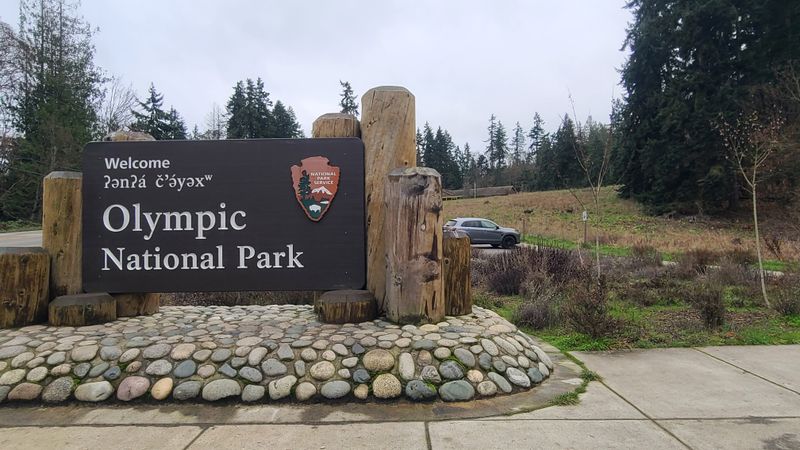
Olympic National Park, 3002 Mount Angeles Rd, Port Angeles, manages resources as part of a national system. That means stricter rules than a multiple-use forest just outside the boundary.
Jump one road over into Olympic National Forest and the rules can relax for small amounts.
Cross back into a park unit and the same action becomes a violation.
County parks, city greenspaces, and wildlife areas add more layers. So the trick is learning which layer you are standing on before your hand reaches down.
Maps, ranger stations, and the kiosk at the trailhead are your best friends.
If the sign says no collecting, that is the whole story for that spot, no matter what your friend did last weekend.
Permits Most Visitors Do Not Realize They Need
Permits sound intimidating, but they are just labels that say you know the rules.
In national forests, a personal-use permit may be simple and quick, while commercial permits carry strict terms.
Without that slip of paper, a ranger has no way to tell if you are within limits. That is why the conversation at the trail can turn into a citation faster than expected.
At Gifford Pinchot National Forest headquarters, 987 McClellan Rd, Vancouver, staff can point you to district specifics. They will explain daily limits, species restrictions, and areas off limits during restoration.
Some districts let you print permits at home. Others want you to swing by and sign, which is painless if you plan ahead.
State-managed lands often require different authorizations or ban collecting entirely.
If a ranger sees volume that looks like resale, they treat it as commercial until proven otherwise.
Keep a photo of your permit on your phone and the paper in your bag. That way, if someone asks, you can show exactly what you are allowed to do and keep the day easy.
Why Enforcement Is Stricter Than People Expect
Rangers have seen the boom times. When a mushroom season lines up with weather, the pressure on a single hillside can be unreal.
Enforcement ramps up not to ruin anyone’s day, but to keep commercial-scale picking from stripping habitat. They look for volume, tools, and group behavior that signal more than a casual walk.
In Mount Rainier National Park, 39000 State Route 706 E, Ashford, protection goals come first.
Staff manage use so the forest floor keeps doing its quiet work without heavy disturbance.
Tourists think a small bag is harmless. Multiply that by constant traffic and you end up with trampled soil and fewer future flushes.
When a ranger stops you, it is usually because the pattern on that trail went sideways. They count containers and ask questions to understand intent and location.
If this sounds strict, that is by design.
The forest is resilient, but only if the rules hold when the crowds and the rains arrive together.
The Difference Between Casual Picking And Regulated Foraging
Here is where lines get blurry. Casual sounds like a stroll with a pocketful, but the law reads volumes, locations, and purpose.
Personal use usually means small amounts for yourself, within stated limits and outside restricted zones.
Anything that looks like resale or exceeds limits slides into regulated territory fast.
In Wenatchee River Ranger District, 600 Sherbourne St, Leavenworth, staff break it down in plain language. They will tell you which trails are closed for restoration and what counts as a reasonable amount.
Tools can tip the scale too. Buckets, multiple bags, and a little convoy of pickers make it look like a commercial run even if you are not selling.
Keep to the limits, leave small mushrooms to mature, and avoid digging or raking. That behavior reads as responsible, and it keeps the conversation friendly if someone checks in.
If you are unsure, ask before collecting.
One quick stop at a ranger office saves you from guesswork and that awkward talk on the trail with a citation book in view.
How Popular Trails Became High-Risk Areas
The busier the trail, the more eyes on behavior. That means more education and more enforcement in the same places people love to hike.
High-traffic routes get patrolled because resource impacts stack up fast.
One person wandering off trail becomes a social path that everyone repeats.
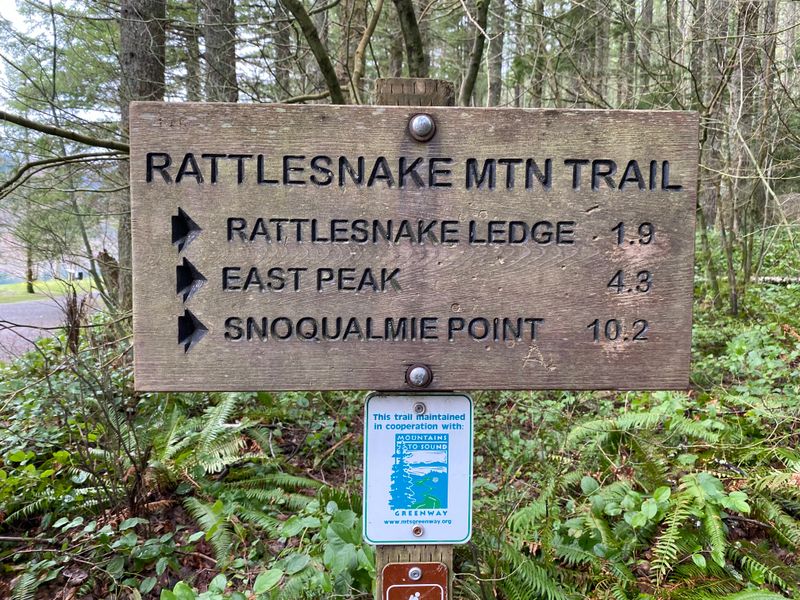
At Rattlesnake Ledge Trailhead, 15400 Cedar Falls Rd SE, North Bend, you see the pattern in real time. Crowds pull in, and rangers focus there because the footprint adds up.
Social media tags leak exact spots, which is part of the issue.
The moment a patch gets attention, it gets pressure whether the rules allow picking or not.
Staying on trail and leaving the basket in the car goes a long way at these hubs.
Save collecting for less visible areas where it is allowed and permitted.
If it feels like a parade of hikers, assume regulation presence. That assumption alone will keep your day simple and your wallet safe.
Why Mushrooms Are Treated As Natural Resources
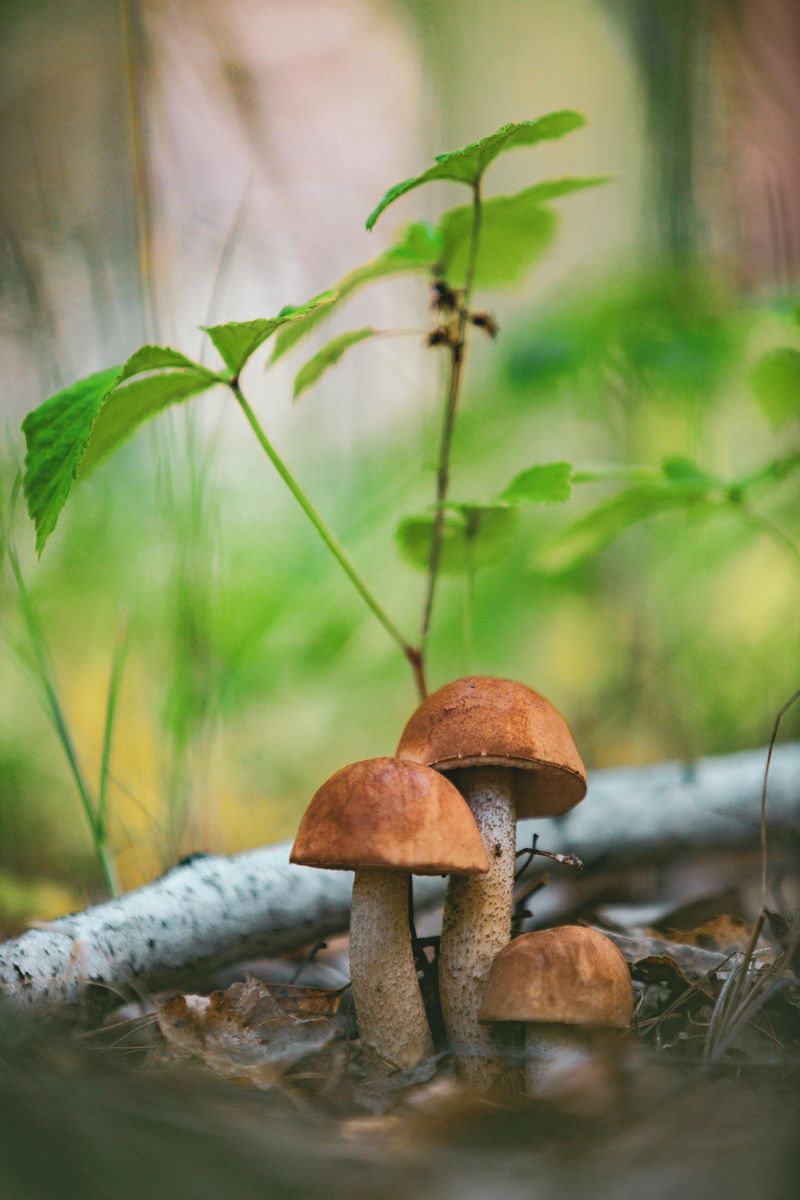
Mushrooms are more than souvenirs. They are the network hubs of the forest, feeding trees and recycling everything that falls.
When picking gets heavy, the impact is not just what leaves the forest. It is also the trampling, soil compaction, and the damage to the threads you cannot see.
At Washington Park Arboretum, 2300 Arboretum Dr E, Seattle, staff talk about fungi as part of the teaching landscape.
Even though it is a city space, the principle holds in wild forests.
Managers are not guarding trophies. They are keeping the whole system running, especially in areas with rare species or ongoing studies.
You do not need to be a scientist to help.
Step where the soil is durable, leave the tiny ones, and skip collecting where signs say hands off.
Think like a guest at someone’s house. If the host leaves a note on the counter, you follow it and thank them with your actions.
The Fines That Catch Visitors Off Guard
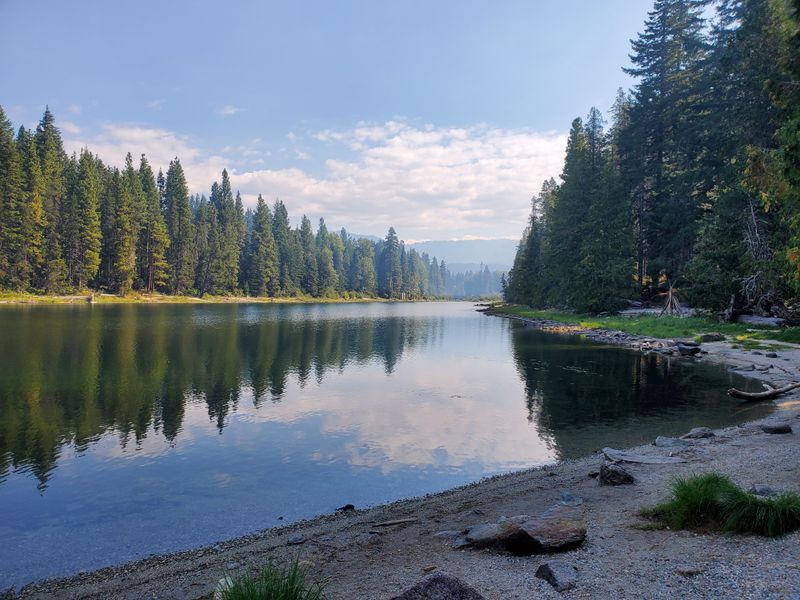
No one plans for a ticket on a nature day. But fines stack when violations cross categories like unauthorized collecting and resource damage.
The dollar amounts vary by land manager and citation type.
What surprises people is how quickly it shifts from a warning to something formal when rules are posted nearby.
At Lake Wenatchee State Park, 21588 SR 207, Leavenworth, enforcement can be brisk because it is a protected recreation area.
State park rules lean conservative on collecting, which keeps it clear for everyone.
Another curveball is documentation. If you claim personal use without a permit where one is required, that argument falls apart fast.
Rangers are not out to make your day bad. They are trying to keep policy consistent so the next group hears the same message.
Read the board, carry your permit, and stay within the lines. That tiny bit of prep is cheaper than any citation and calmer than explaining your basket to a patrol.
What Locals And Experienced Foragers Do Differently
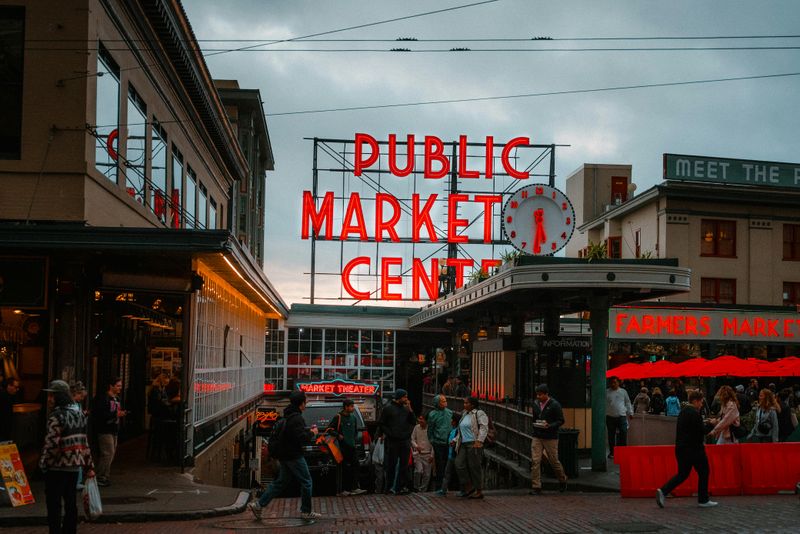
Locals move slow and read signs first. They plan routes around ranger districts and skip the photogenic hotspots during peak hours.
They also chat with staff and double check limits before the season gets rolling. That habit avoids gray areas and keeps their day focused on the walk, not paperwork.
In North Bend Ranger Station, 902 SE North Bend Way, North Bend, you can watch the ritual.
People drop in, ask about closures, and grab maps before they head out.
Gear stays low key. A small breathable bag and a knife look casual, not commercial, and they keep volume in check.
Locals keep notes on where collecting is legal and how conditions shift with weather. That notebook matters more than any online rumor or pin.
Follow their lead and you will avoid headaches.
Ask questions early, travel light, and let the rules steer you toward a chill day in the woods.
How Tourists Can Avoid Trouble Without Giving Up The Experience
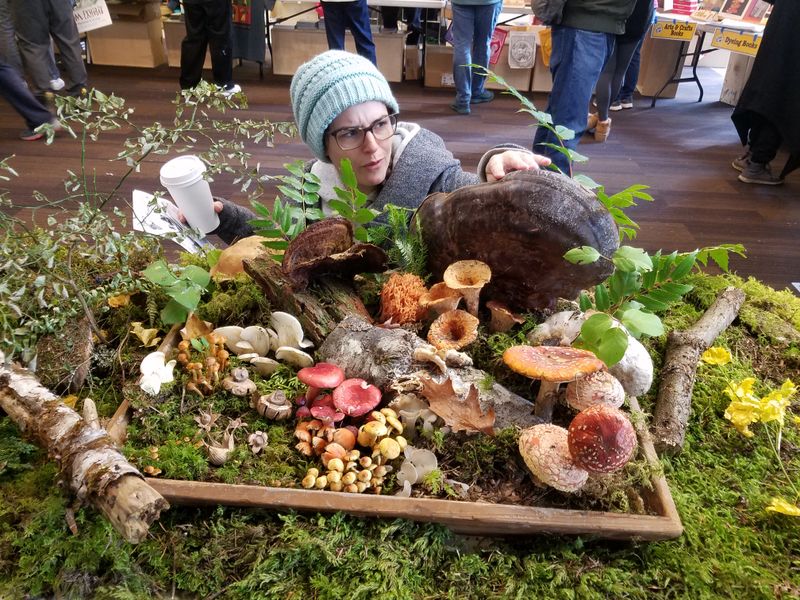
You do not have to bail on the idea. You just need to switch from impulse to plan mode and pick spots where collecting is allowed.
Start at a ranger office, grab a permit if needed, and ask for one or two legal zones with clear boundaries. Then stick to trails and only step off where the surface can take it.
Cedar River Watershed Education Center, 19901 Cedar Falls Rd SE, North Bend, is a good place to learn how forests function.
The more you understand the system, the easier it is to read the landscape.
Consider a guided walk that focuses on identification and ecology without collecting.
You get the thrill of the hunt without the rule maze.
If you really want to harvest, set a tiny personal limit for yourself below the posted maximum. That keeps intent clear and footprint small.
When in doubt, leave it. The woods will still be there tomorrow, and so will your road trip stories.
Dear Reader: This page may contain affiliate links which may earn a commission if you click through and make a purchase. Our independent journalism is not influenced by any advertiser or commercial initiative unless it is clearly marked as sponsored content. As travel products change, please be sure to reconfirm all details and stay up to date with current events to ensure a safe and successful trip.
