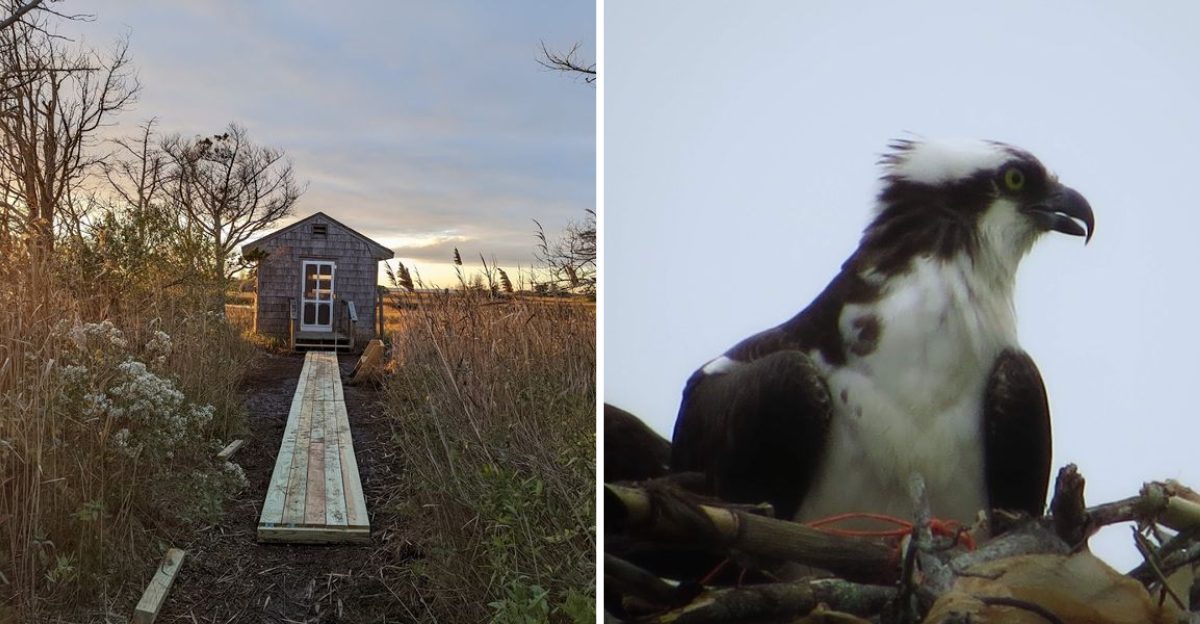
Step into this New Jersey marsh and the world slows down. The air hums with quiet, broken only by wings slicing through sky.
Reeds sway like dancers keeping time, while herons glide past with effortless grace.
It’s serene, but never dull (nature has a way of sneaking in surprises).
One moment you’re listening to silence, the next you’re grinning at the rhythm of feathers.
Out here, the calm feels alive, and every beat of a wing is part of the show.
The Trail That Quietly Earns Your Full Attention
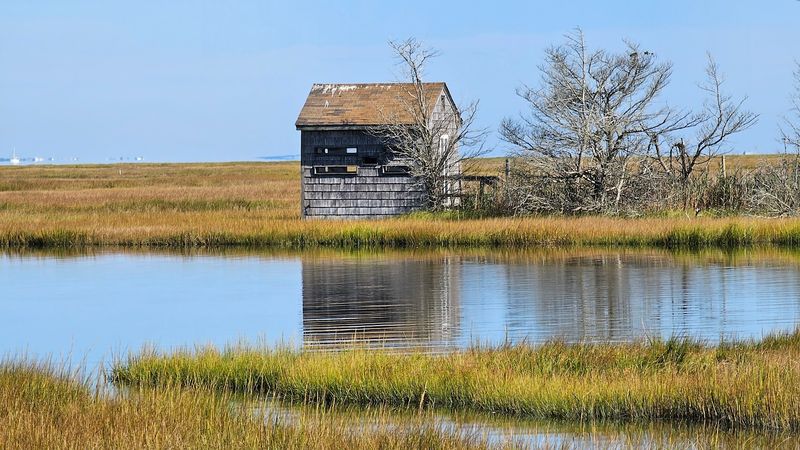
Some trails announce themselves loudly. This one does the opposite, easing you in gently through a canopy of low maritime trees before opening up into something that genuinely stops you mid-step.
The Spizzle Creek Bird Blind Trail stretches just 0.8 miles through Island Beach State Park, making it one of the most accessible natural experiences on the Jersey Shore. The path is mostly flat, which means you can spend less energy watching your footing and more time paying attention to what is happening around you.
Muddy patches show up after rain, so waterproof shoes are a smart call.
What makes this trail work so well is its pacing. The forest section feels enclosed and calm, almost like a hallway leading somewhere important.
Then the marsh opens up, and suddenly the sky doubles in size. The shift is dramatic without being jarring.
Every step forward feels like a reward for the ones that came before it, which is a rare thing for a trail this short.
A Maritime Forest That Smells Like the Sea Forgot Something
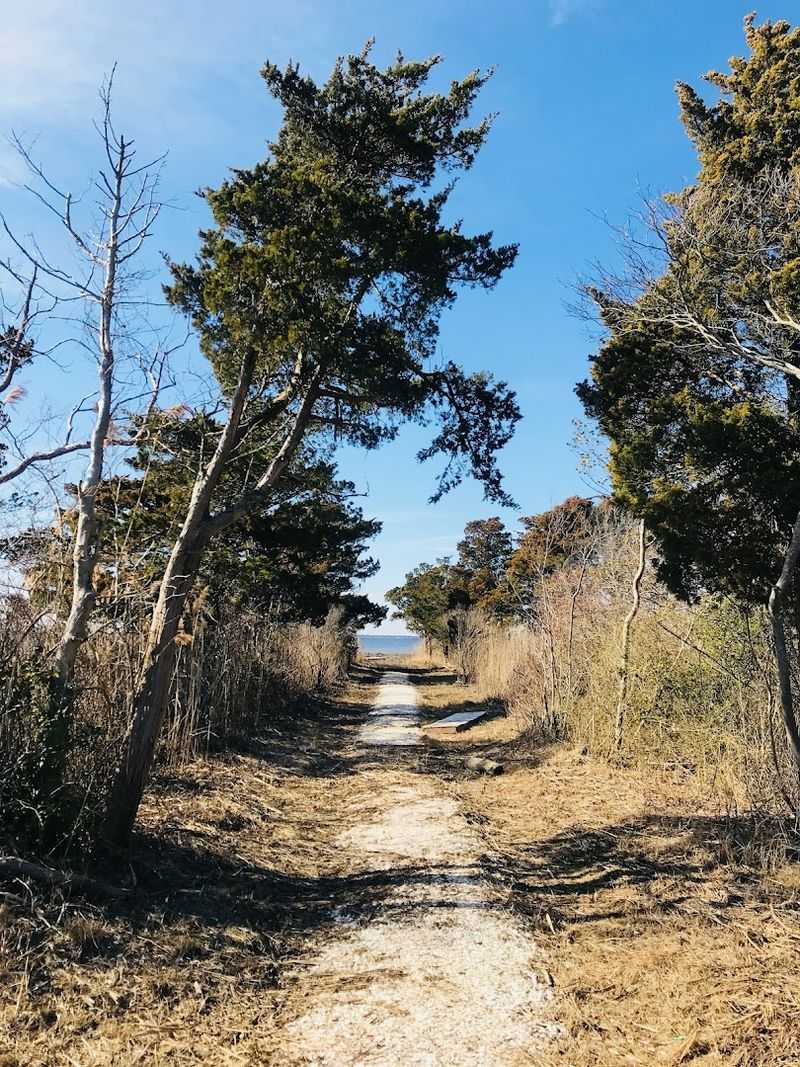
Walking into the maritime forest section of this trail is a little like stepping into a different climate zone. The air carries a mix of salt, pine resin, and damp earth that you cannot really find anywhere else.
The trees here are shaped by decades of coastal wind, leaning slightly inland with bark worn smooth in places. Wax myrtle, American holly, and pitch pine crowd close to the trail edges, creating a sheltered corridor that muffles outside noise almost completely.
It is genuinely quiet in a way that feels earned rather than empty.
This stretch of the trail also serves as a transition zone for wildlife. Birds that prefer woodland edges move through here regularly, and the dense shrub layer provides cover for species that would never venture out into the open marsh.
Keep your pace slow and your voice low. The forest rewards patience more than speed, and the sounds you start picking up after a few minutes are worth every quiet second.
The Salt Marsh and Why It Is Basically a Five-Star Bird Hotel
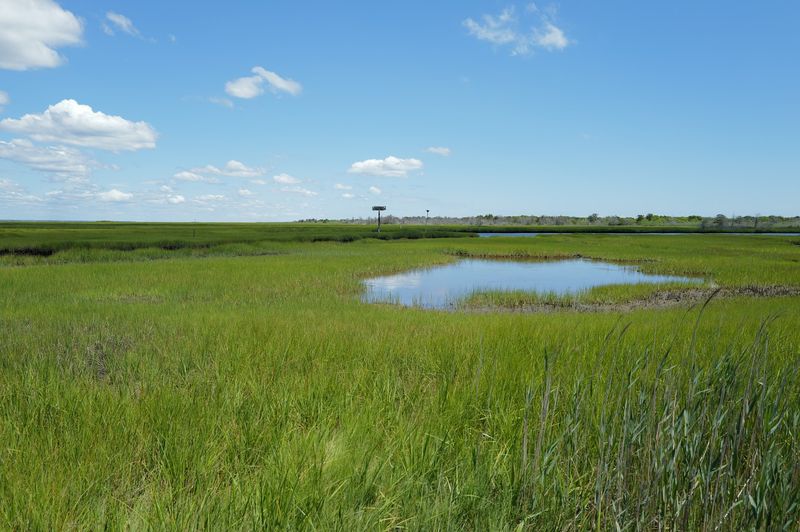
Salt marshes do not get nearly enough credit. They look flat and unremarkable from a distance, but up close they are teeming with life in a way that rivals any nature documentary setting.
The marsh along this trail is dominated by smooth cordgrass, the kind that shifts from green to amber depending on the season. Tidal channels cut through it in lazy curves, creating shallow feeding zones that attract wading birds from surprising distances.
The ecosystem is incredibly productive, supporting everything from fiddler crabs to migratory songbirds that stop here to refuel during long journeys.
Standing at the edge of the marsh and just listening is an underrated activity. The sound of water moving through grass, the distant call of a heron, and the occasional splash of something unseen beneath the surface create a kind of ambient soundtrack that is hard to replicate anywhere else.
This marsh is not just a backdrop. It is the whole point of being here, and it delivers every single time.
The Bird Blind and the Art of Watching Without Being Seen
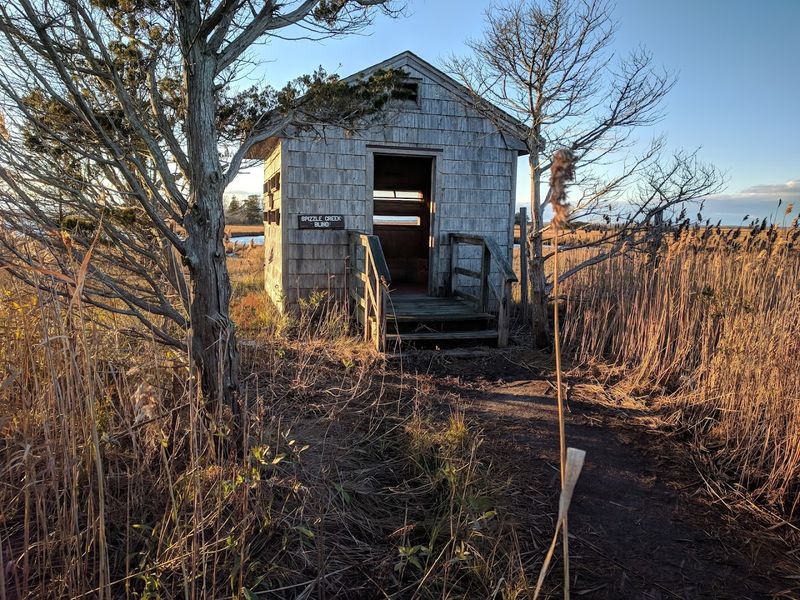
There is something almost playful about a bird blind. You are essentially hiding from animals, crouching behind weathered wood and peering through narrow slots like a kid playing hide and seek with nature.
The blind at the end of this trail overlooks Barnegat Bay and offers one of the cleanest, most unobstructed views of the surrounding marsh you can find on foot in this part of New Jersey.
Because the structure removes your visible profile from the landscape, birds behave naturally nearby, going about their feeding and preening without any awareness of an audience.
Bring binoculars. Seriously, do not skip that step.
The blind gives you proximity, but good optics give you detail, and the detail is where the real magic lives. Watching an osprey hover and then plunge into the water from this vantage point is the kind of moment that makes you understand why birdwatchers get up before sunrise without complaint.
The blind is small, so arriving early means you get the best unobstructed viewing angles.
Ospreys, Herons, and the Birds That Make This Marsh Famous
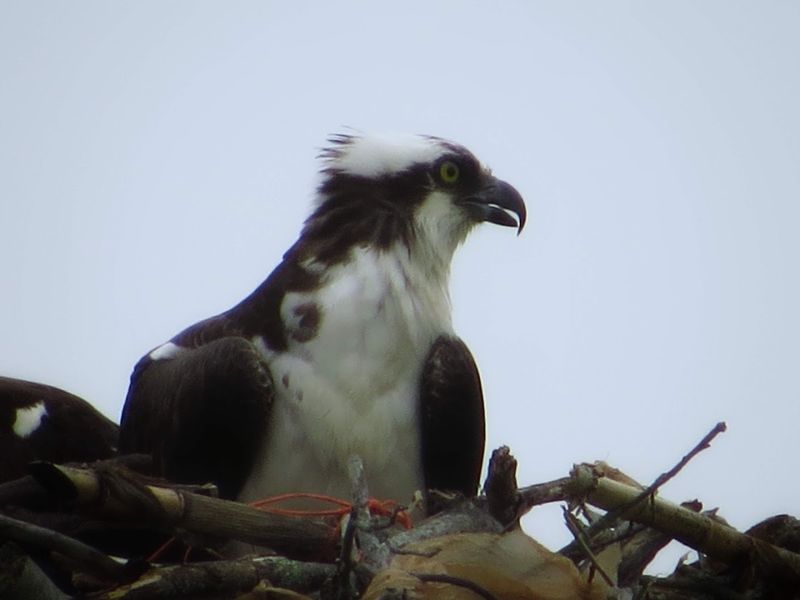
Few birds command attention the way an osprey does. Watching one hunt over open water is like witnessing a precision instrument in action, all focus and timing and controlled power.
The Spizzle Creek area is well established as a reliable spot for osprey sightings, particularly during warmer months when nesting activity peaks around Barnegat Bay.
Great Blue Herons stalk the shallows with the patience of seasoned fishermen, while Snowy Egrets move in short, quick bursts that always seem slightly chaotic until they come up with something in their beaks.
Tricolored Herons add a splash of color that feels almost tropical against the muted tones of the marsh.
Bald Eagles pass through with enough regularity to keep things exciting, and during migration seasons the variety spikes dramatically. The trail sits along the Atlantic Flyway, one of the most significant bird migration corridors on the continent, which means the cast of characters changes with the calendar.
Checking recent eBird reports before visiting gives you a good sense of what to expect on any given week.
Migration Season and the Atlantic Flyway Connection
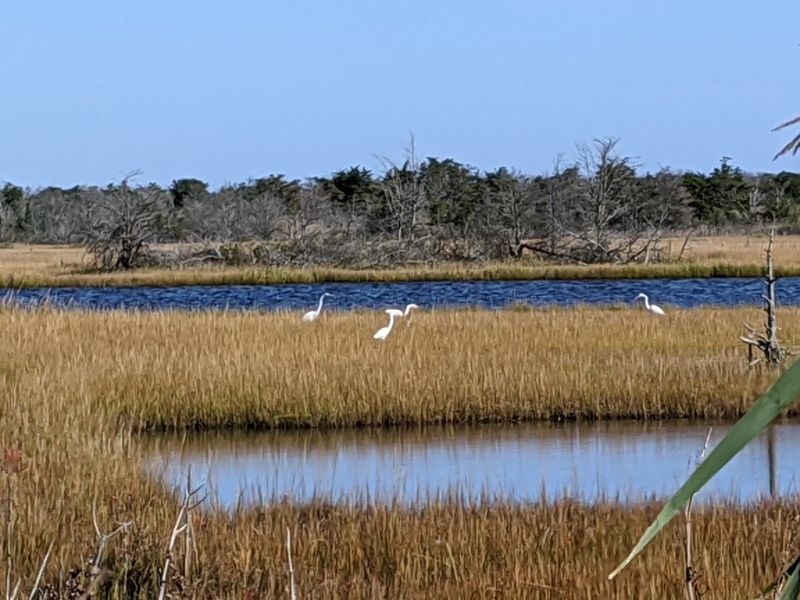
The Atlantic Flyway is one of those concepts that sounds technical until you actually stand in a marsh during migration and watch the sky fill with birds moving in a direction that has nothing to do with wind.
Island Beach State Park sits directly in the path of this major migratory corridor, which stretches from the Arctic tundra all the way down to South America. For birds making that journey, coastal New Jersey marshes like Spizzle Creek represent a critical refueling stop.
The combination of food-rich tidal flats, protected marsh, and proximity to open water makes this area particularly attractive to both shorebirds and songbirds.
Spring migration runs roughly from April through early June, while fall migration can stretch from late July all the way into November. Each window brings a different mix of species, which is one of the reasons regular visitors return multiple times a year.
The trail itself does not change much season to season, but what shows up in and around the marsh absolutely does, keeping every visit genuinely fresh and unpredictable.
The Sedge Islands and the Bigger Ecosystem Picture
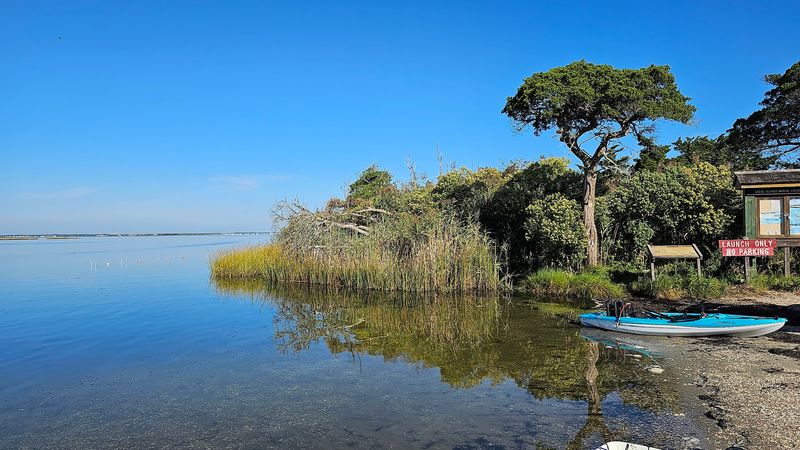
The Spizzle Creek trail does not exist in isolation. It connects to one of the most ecologically significant areas in the entire state, and understanding that context makes the visit feel more meaningful.
The Sedge Islands Marine Conservation Zone sits at the southern tip of Island Beach State Park and encompasses a rich combination of tidal marsh, maritime thicket, and open water. This zone is recognized as one of New Jersey’s most productive wildlife habitats, supporting a remarkable range of species across all seasons.
The islands are accessible by water but visible from the park’s southern areas, adding another layer to what is already a compelling natural landscape.
Knowing that the marsh you are walking beside is part of a protected, functioning ecosystem changes how you experience it. Every heron standing in the shallows and every warbler flitting through the shrubs is part of something larger and older than the trail itself.
The conservation work happening in this area is quiet and unglamorous, but the results are visible every single morning that the birds show up on schedule.
Visiting Year-Round and What Each Season Offers

One of the underappreciated things about this trail is that it genuinely rewards visits across all four seasons, each one offering a completely different version of the same landscape.
Spring arrives with an explosion of activity as migratory birds push northward and resident species begin nesting. The marsh fills with sound in a way that feels almost competitive.
Summer brings intense bird activity around the bay, with ospreys and herons at peak visibility, though the insects are also at their most enthusiastic during this window. Lightweight, breathable clothing and solid insect protection make summer visits much more enjoyable.
Fall migration is arguably the most dramatic season, with shorebird diversity peaking in August and September before giving way to waterfowl and raptors moving through in October and November. Winter strips the marsh down to its structural bones, and the quiet is different from any other time of year.
Ducks, loons, and occasional wintering raptors keep things interesting even when the temperature drops. The trail stays accessible year-round, which means there is never a wrong time to go.
Getting There and Making the Most of Your Visit
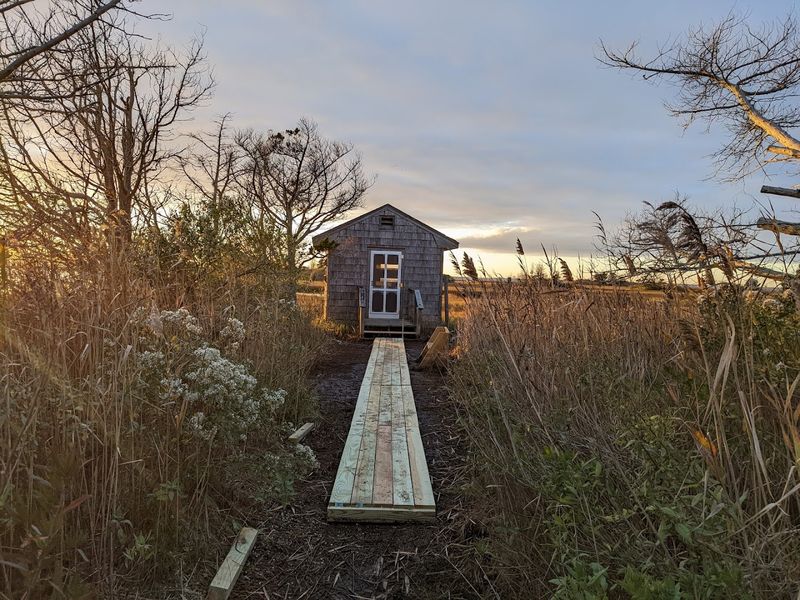
Finding the trailhead requires a little attention to detail, but the directions are straightforward once you know what to look for.
The trail begins between parking areas 19 and 20 inside Island Beach State Park, roughly 7.5 miles south of the main park entrance.
Island Beach State Park charges a vehicle entry fee, which varies by season and day of the week. Arriving early on weekday mornings typically means less crowding at the trailhead and significantly better birding conditions overall.
The park can get busy on summer weekends, so planning a visit for a Tuesday or Wednesday in late spring or early fall tends to produce a quieter, more rewarding experience.
Cell service inside the park is limited, so downloading an offline map or printing a trail guide before you arrive is worth doing.
The New Jersey DEP publishes a free interpretive trail guide specifically for the Spizzle Creek trail, and it adds real depth to what you see along the way.
Address: Berkeley Township, NJ 08734.
Dear Reader: This page may contain affiliate links which may earn a commission if you click through and make a purchase. Our independent journalism is not influenced by any advertiser or commercial initiative unless it is clearly marked as sponsored content. As travel products change, please be sure to reconfirm all details and stay up to date with current events to ensure a safe and successful trip.
