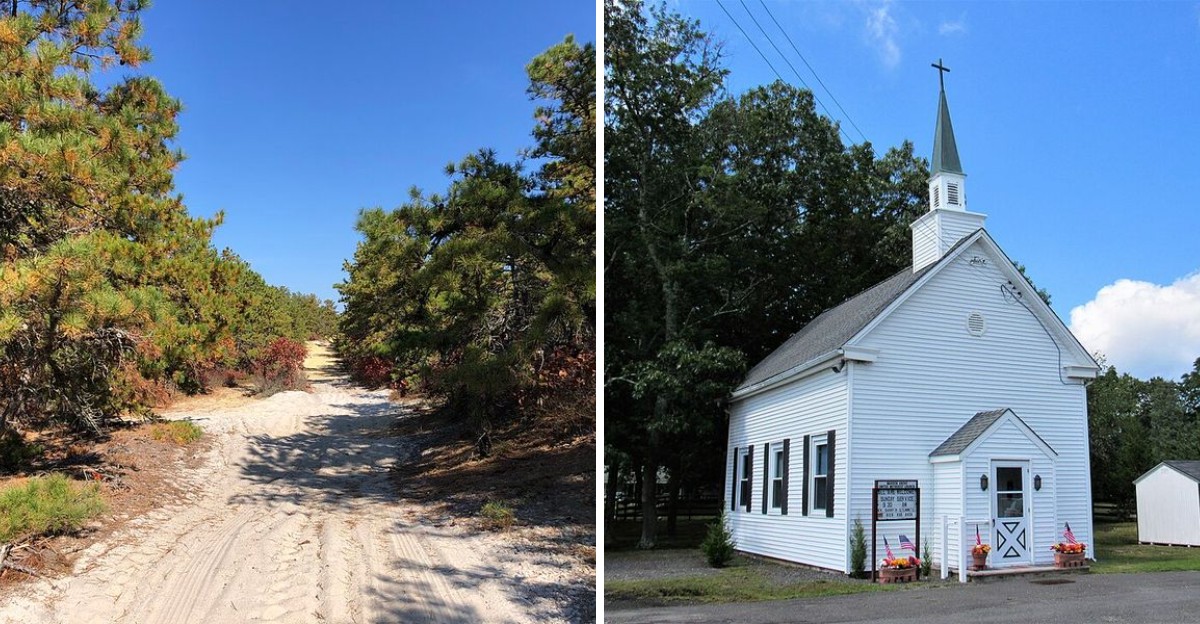
You know a place is genuinely under the radar when even longtime locals hear the name and respond with, “Wait, where?”
That is part of the charm here.
New Jersey still has corners that seem determined to stay out of the spotlight.
Deep in the Pine Barrens, the roads grow quieter, the trees crowd closer, and suddenly the state feels much bigger than it did twenty minutes ago.
There are no flashy attractions announcing your arrival and no busy downtown begging for attention. Instead, you get sandy roads, pine woods, scattered homes, and the strange satisfaction of finding somewhere most people simply pass by.
Even the surrounding landscape gets unusual, with preserved bogs and low-growing pygmy pines nearby.
This is the kind of place that makes you check the map twice, then feel slightly smug for finding it at all.
A Community That Isn’t Quite a Town
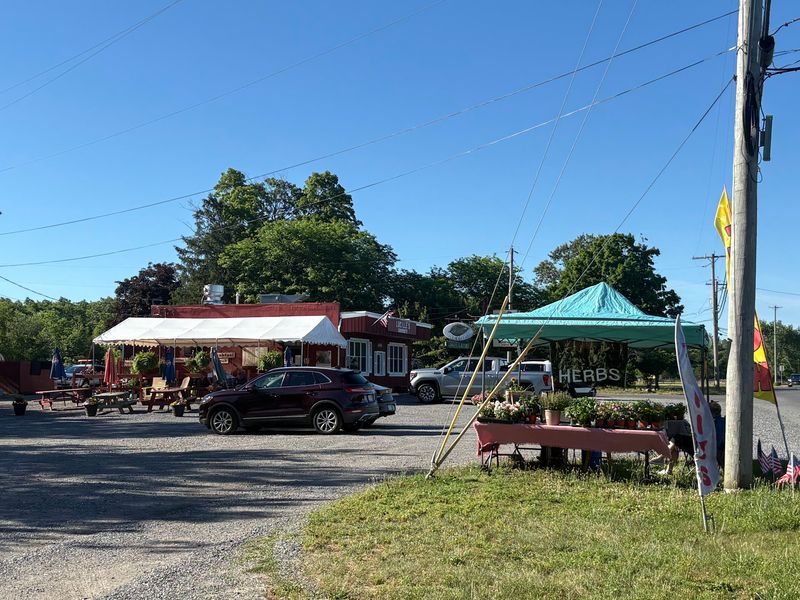
Look up Warren Grove and you will not find a downtown, a welcome sign committee, or a town hall with a flagpole. That is because it is an unincorporated rural community rather than a municipality of its own.
Its land is split across Stafford Township, Barnegat Township and Little Egg Harbor Township, all within Ocean County. So depending on where you stand, your mailing address might technically belong to a different township than your neighbor’s.
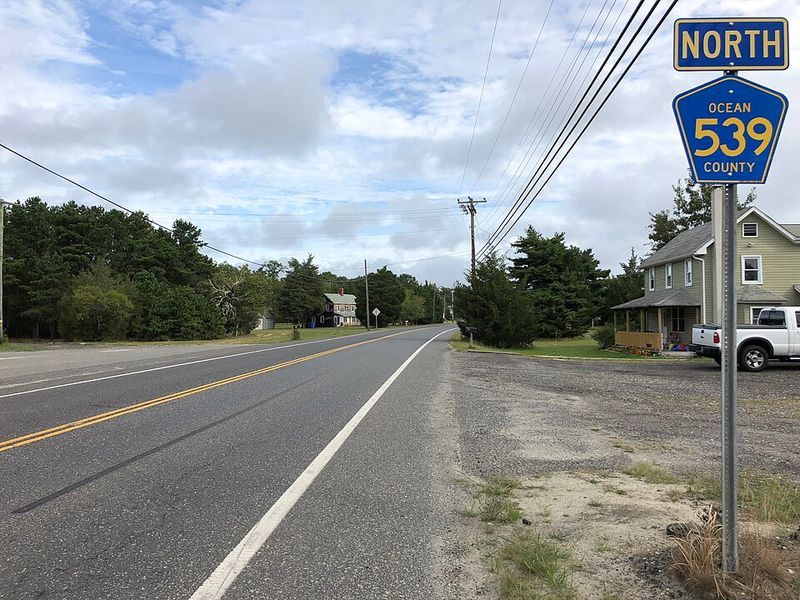
Sitting in the heart of the Pine Barrens, it ranks among the most secluded corners in New Jersey. Getting there means trading highways for two-lane roads lined with scrub and sand.
What struck me was how quickly the noise drops off. One minute there is the hum of passing cars, the next there is only wind moving through needles overhead.
For travelers, the practical tip is simple. Fill up your tank and pack water before you head in, because services are scarce and the nearest convenience stop can be a long stretch of road away.
The Pygmy Pine Plains, Where Trees Stay Small
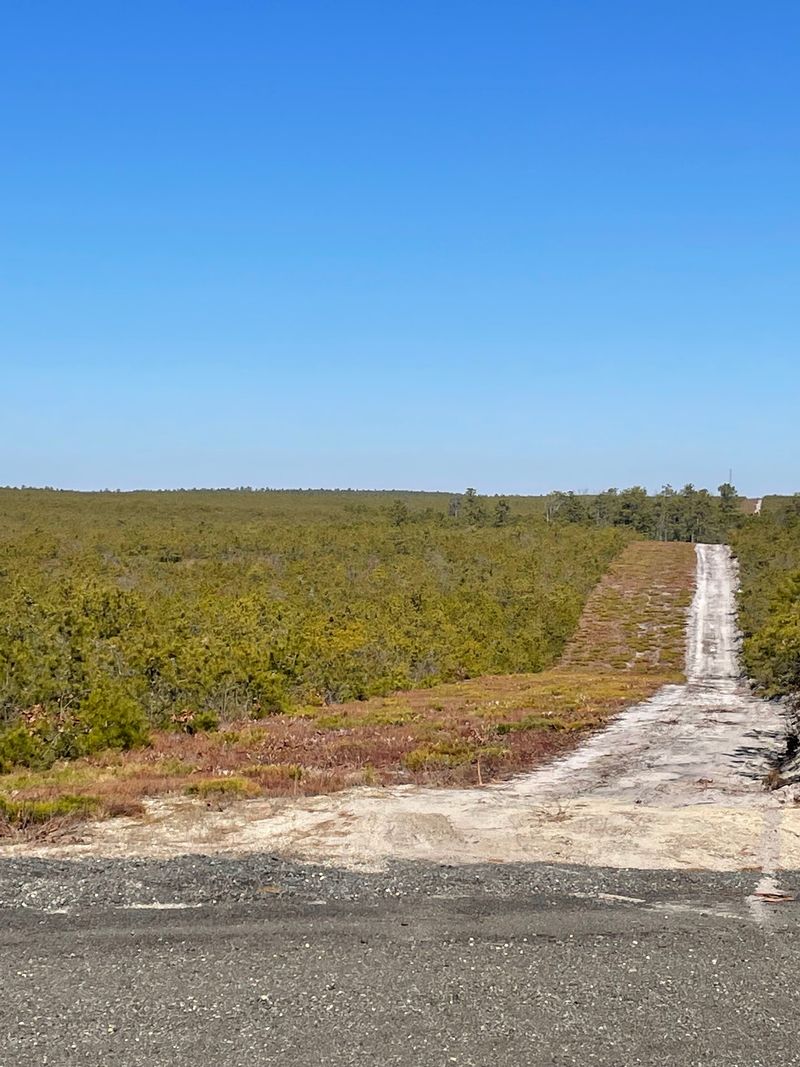
Nothing prepared me for a forest I could see over. The Pygmy Pine Plains near Warren Grove is a globally rare ecological community where pitch pine and blackjack oak reach only about four to six feet tall at full maturity.
These are species that normally grow into proper trees. Here they stay knee to shoulder height, forming what looks like a miniature woodland built to scale.
The cause is a combination of harsh, nutrient-poor sandy soil and a long history of frequent wildfires. Together those forces have created a habitat found in very few places on Earth.
The East Plains at Warren Grove is widely considered the best spot to experience it. Standing among the dwarf canopy, you get an unusual view: horizon in every direction, with the tops of trees below eye level.
Bring a hat. There is very little shade out there, which is exactly the point, and midday sun can be surprisingly strong across the open plains.
Sand Roads Instead of Marked Trails
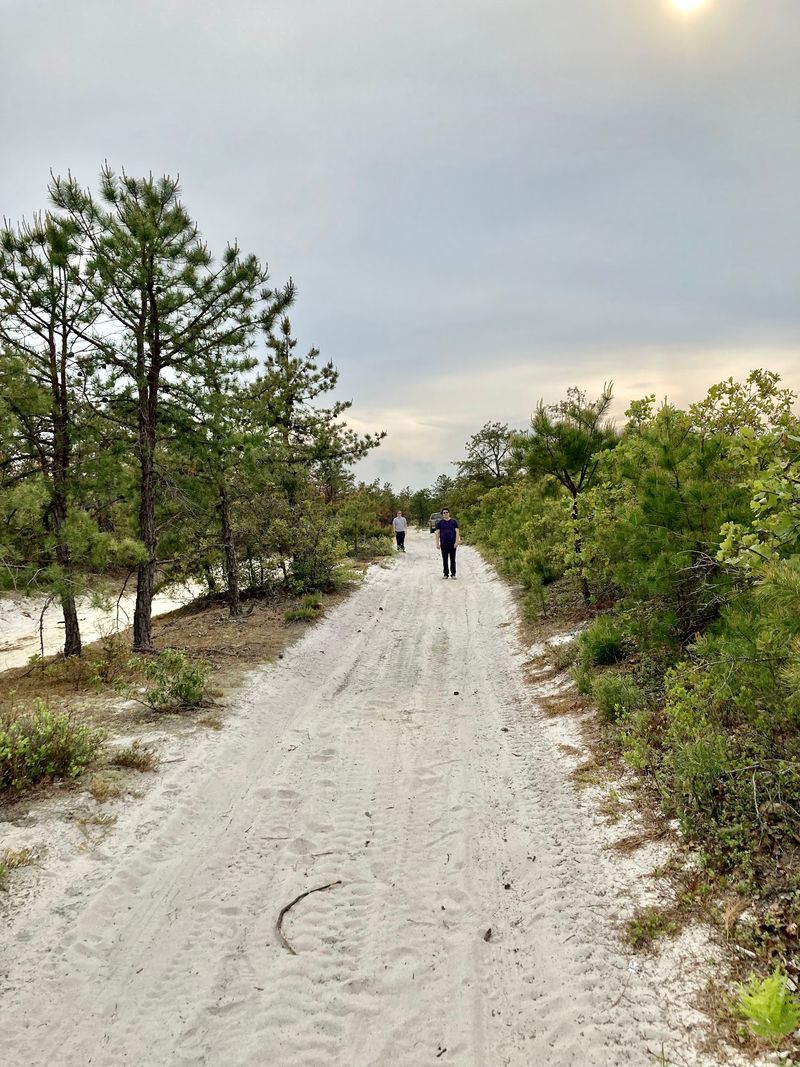
Hikers used to color-coded blazes may need a moment to adjust here. The Warren Grove Recreation Area covers roughly 617 acres of undeveloped wilderness with no marked trails, no visitor center, and no modern amenities.
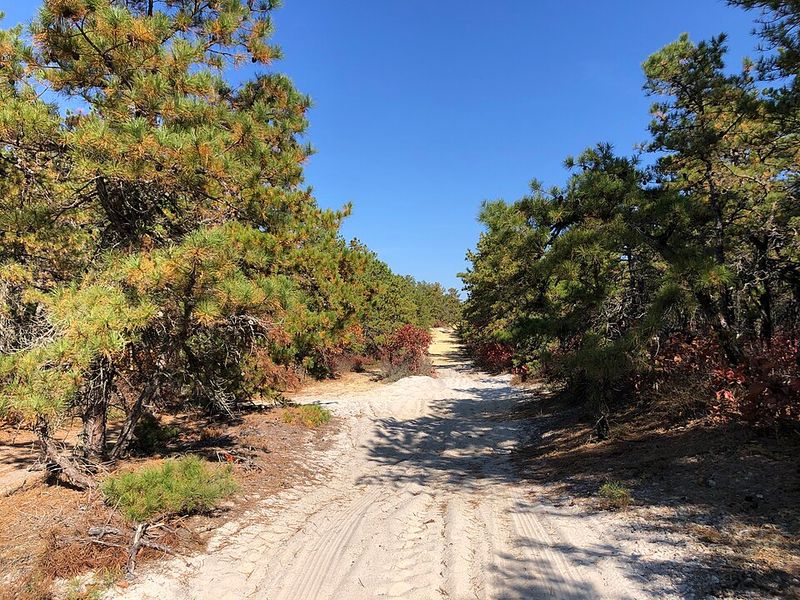
Instead, you navigate a network of sand roads and old woods roads. They branch, loop, and occasionally fade, which turns a walk into genuine exploration.
Hiking, birding, bicycling, and horseback riding are the main ways people move through the parcel. Nature study fits right in too, since the plants and wildlife are the whole attraction.
I liked how much responsibility that puts back on the visitor. Nobody is holding your hand out there, and that changes how carefully you pay attention.
Practical advice worth taking seriously: download an offline map before arriving, since cell service can be unreliable. Soft sand also swallows tires easily, so parking on firm ground and continuing on foot is the smarter move for most vehicles.
Rare Plants and Elusive Wildlife
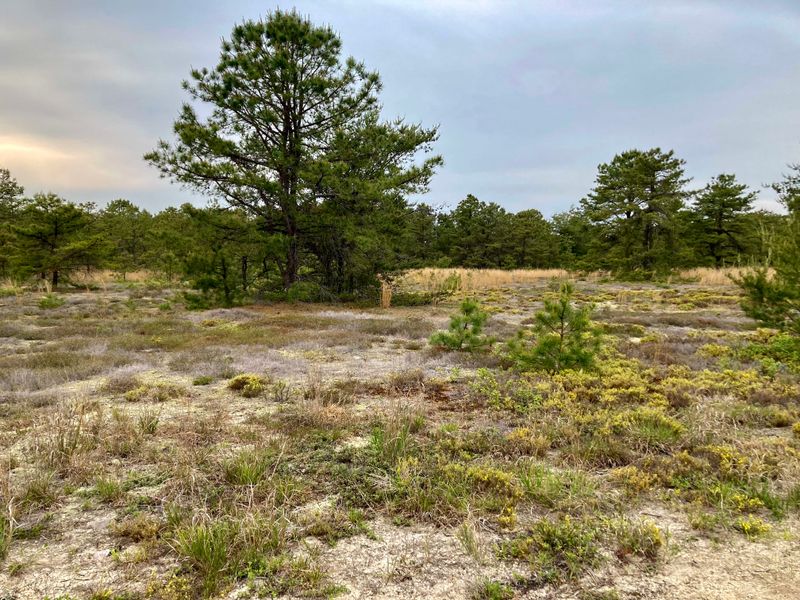
Rarity is the theme out here, and not just in the trees. The habitat around Warren Grove shelters an unusual collection of plants and animals, including the federally endangered broom crowberry, a low mounded shrub that thrives in these sandy openings.
Pitch pine forests, cranberry bogs, and cedar swamps stack up beside one another in a small area. That mix creates room for very specialized species.
The northern pine snake and the Pine Barrens tree frog both make their homes here, though neither is easy to spot. Bald eagles have also been observed overhead, which is a real reward for anyone patient enough to keep scanning the sky.
My honest suggestion is to slow way down. Wildlife here rarely announces itself, and most of what you notice comes from standing still for a few minutes.
Binoculars help enormously. So does staying on established roads, since these fragile ground plants take years to recover from careless footsteps.
From Cedar Grove to Warren Grove
Names change for surprisingly ordinary reasons. What we call Warren Grove today was originally known as Cedar Grove, and the switch happened in 1910 when a new post office opened.
Another New Jersey location already carried the old name, so the change was made to avoid confusion in the mail. A small administrative decision ended up defining the place permanently.
That story fits the larger history of the Pinelands, which was never as empty as it looks now. Through the 18th and 19th centuries the region supported bog iron production, forestry, charcoal making, and even paper and glass manufacturing.
Those industries left behind ghost towns and scattered ruins across the Pine Barrens. The forest has been quietly reclaiming them ever since, one root and one drift of sand at a time.
History buffs will enjoy reading up before visiting. Knowing what once stood in these woods makes the emptiness feel layered rather than blank.
Bogs, Cedar Swamps and Slow Water
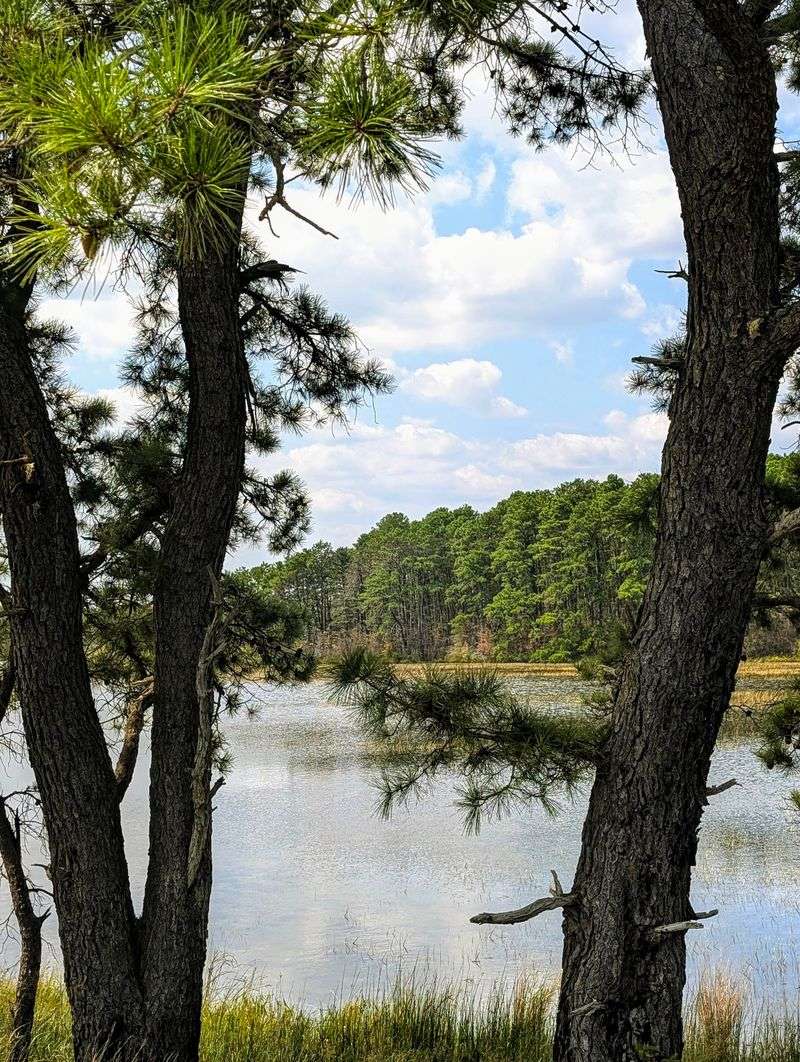
Water changes everything about this landscape. The Warren Grove Bogs Preserve protects cranberry bogs and Atlantic white cedar forests along the East Branch of the Wading River, and the mood there is completely different from the dry plains.
Once a working agricultural landscape, the old cranberry bogs have gradually shifted back toward wild wetland. Beavers deserve much of the credit for that transformation.
Their work has turned abandoned bogs into shallow water and thick emergent vegetation, which in turn feeds and shelters migratory waterfowl. Birdwatchers tend to linger here longest.
Deeper into the preserve, more mature stands of Atlantic white cedar still grow tall and straight. Those dark, cool groves feel almost cathedral-like compared with the sun-blasted pygmy forest nearby.
Footwear matters at the bogs. Ground that looks solid can be soft and wet, so waterproof boots and a willingness to backtrack will save you a soggy afternoon.
Everyday Life at a Slower Speed
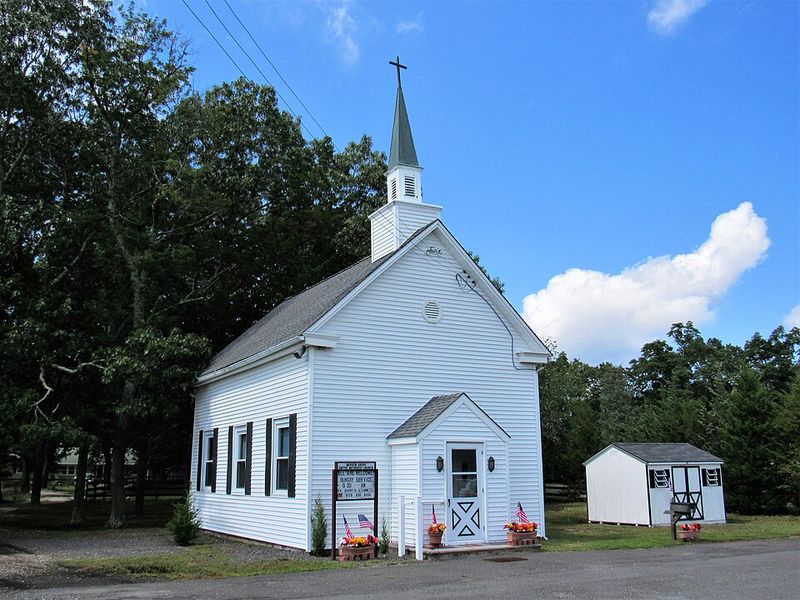
Neighborhoods here do not sprawl, they scatter. Life in the unincorporated community of Warren Grove runs at a noticeably unhurried pace, with houses set apart and forest filling the gaps between them.
Homes tend to be medium to large single-family residences, many built in recent decades or during the later part of the 20th century. There is space between properties, and that space is mostly pine.
The area skews toward an older median age, which adds to the calm, settled atmosphere. It also has a notably high share of residents who work in government jobs, an interesting quirk for such a remote spot.
Driving through, I noticed how little visual clutter there is. No billboards, no strip plazas, just mailboxes and sand driveways disappearing into trees.
Visitors should treat the roads as neighborhood roads, because they are. Keeping speeds low and respecting private property goes a long way in a community this small.
Shaped by Fire and Sand
Two forces explain almost everything about this place: sand and fire. The acidic, nutrient-poor sandy soil of the Pine Barrens sets the rules, favoring tough plants like pitch pine and scrub oak over thirstier species.
Add in a long history of recurring wildfires, and the picture gets clearer. Fire is not an outsider here, it is part of how the ecosystem functions.
Many Pine Barrens plants are fire-adapted, meaning they have developed ways to survive burns and regrow afterward. Some even depend on that cycle to reproduce successfully.
Seeing charred trunks with fresh green shoots pushing out beside them reframes the whole landscape. Damage and renewal happen in the same frame.
Knowing this made the stunted trees make sense to me. They are not struggling failures, they are precisely what this soil and this climate produce.
Visitors should always check local fire conditions and posted restrictions before heading out, since this environment can dry out quickly.
The Quiet Is the Main Attraction
Do not come looking for gift shops or guided tours. What Warren Grove offers instead is quiet, and a lot of it, which turns out to be the whole appeal.
The lack of facilities in the Warren Grove Recreation Area pushes visitors to slow down and notice smaller things. The texture of pine bark, the crunch of sand underfoot, light filtering sideways through low branches.
Sound carries strangely across the open plains, and birdcalls seem to arrive from farther away than they should. It took me a while to stop expecting engine noise.
That undeveloped quality builds a real connection to the landscape rather than a packaged version of it. Nothing here is arranged for your convenience.
Plan accordingly and the payoff is enormous. Pack snacks, sun protection, and patience, then give yourself permission to sit in one spot longer than feels normal.
Planning a Visit Beyond the Map’s Edge
Timing makes a big difference out here. Spring and fall bring milder temperatures and better wildlife activity, while summer sun on the treeless plains can feel relentless.
Daylight is your friend, since unlit sand roads and unmarked junctions get confusing fast after dusk. Aiming to be back at your car before sunset is just good sense.
Bring more water than you think you need, sturdy shoes, and a paper or offline map as backup. Trash cans do not exist here, so carry out everything you carry in.
Cyclists with wide tires do well on the firmer stretches, and horseback riders share the same road network. Everyone benefits from staying off fragile vegetation.
New Jersey hides plenty of surprises, but few feel as genuinely undiscovered as this one.
If a landscape that rewrote its own rules sounds appealing, point the car toward Warren Grove Recreation Area at 762 Stage Road, Warren Grove, NJ 08005, in Stafford Township.
