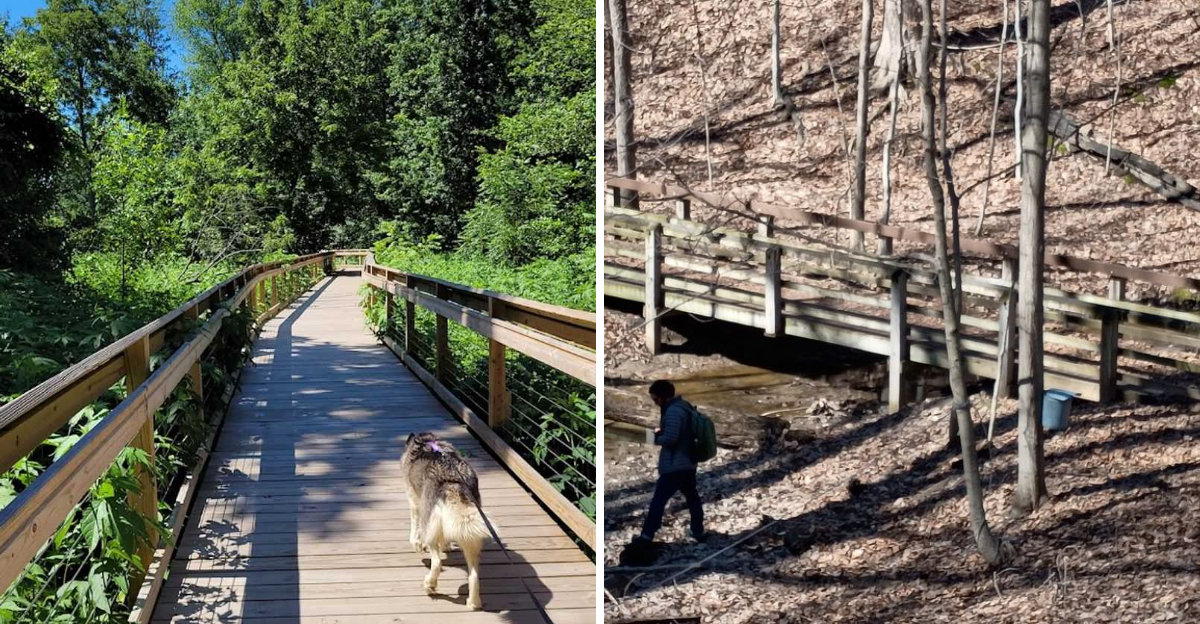
I grew up in Indiana thinking I knew every corner of this state, but the first time I walked this prairie trail in Porter, I felt like I had stumbled into a completely different world. The wind moved through the tallgrass in long, slow waves, and for a moment, I could almost picture the bison herds that once roamed this exact ground.
Birds called to each other from the sky, and the quiet hum of nature made the whole place feel suspended in time. This trail sits inside a national park, and it quietly holds one of the most remarkable ecological restoration stories in the entire Midwest.
If you have never visited, you are missing something genuinely special right in your own backyard, a place that makes you stop, breathe, and remember why Indiana’s landscapes are worth exploring.
A Restored Tallgrass Prairie That Feels Like Stepping Back in Time
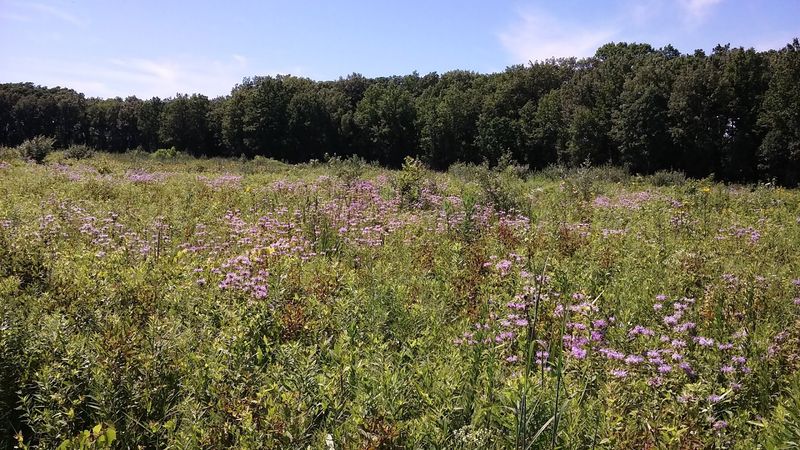
Before European settlers arrived, the landscape of northern Indiana was dominated by vast stretches of tallgrass prairie that stretched as far as the eye could see. The Mnoké Prairie is a 120-acre restoration project located at 401 Howe Road in Porter that brings that ancient world back to life.
Walking through it feels less like a modern hike and more like a rare glimpse into what this land looked like centuries ago.
The National Park Service has worked for decades to remove invasive species and replant native grasses and wildflowers that once defined this ecosystem. Big bluestem, Indian grass, and prairie dropseed now stand tall where farmland and scrub once crowded out the original landscape.
The transformation is nothing short of remarkable when you see it with your own eyes.
What makes this place especially moving is knowing that bison once grazed here in enormous numbers. The prairie grasses you walk through today are the same species those animals depended on for survival.
Every step on this trail is a walk through living history, and the scale of the restoration gives you a real sense of what Indiana looked like long before it was ever called Indiana.
The Deep Bison History Beneath Your Boots
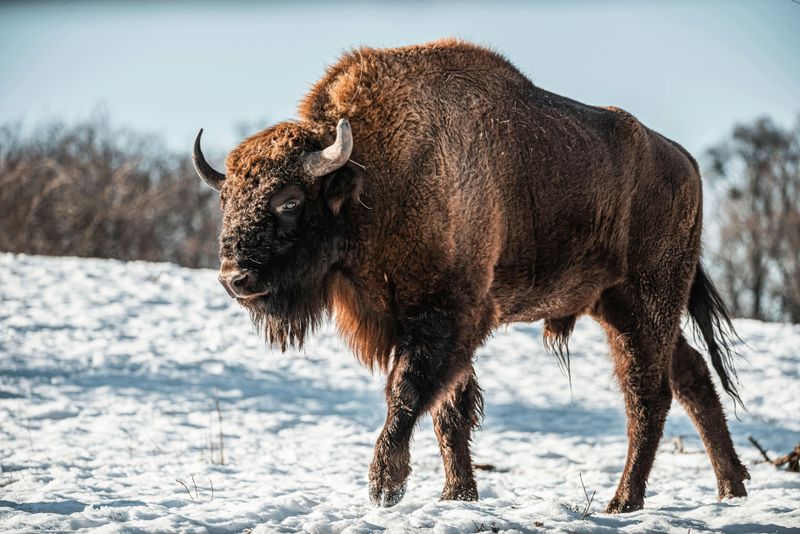
Long before roads and cornfields defined the Indiana landscape, massive herds of American bison moved through this region following the open prairie corridors. The Mnoké Prairie sits directly within that ancient territory, and the land still carries the memory of those animals in its soil and its plant communities.
Knowing that history changes the way you experience every step of the trail.
Bison were not just a symbol of the American West. They were a keystone species here in the Midwest, shaping the very grasslands that the Mnoké restoration is working to bring back.
Their grazing patterns, wallowing behavior, and movement kept the prairie healthy and diverse for thousands of years. Without them, the ecosystem changed dramatically after European settlement.
Visiting this trail gives you a tangible connection to that lost world. You are not just reading about bison history in a textbook or watching a documentary.
You are standing on the actual ground where these animals lived, fed, and shaped the land. That kind of direct connection to natural history is rare and genuinely powerful.
Bring that knowledge with you on your hike and the prairie takes on a completely different emotional weight that no museum exhibit can fully replicate.
The Historic Bailly Homestead and Chellberg Farm Right Along the Route
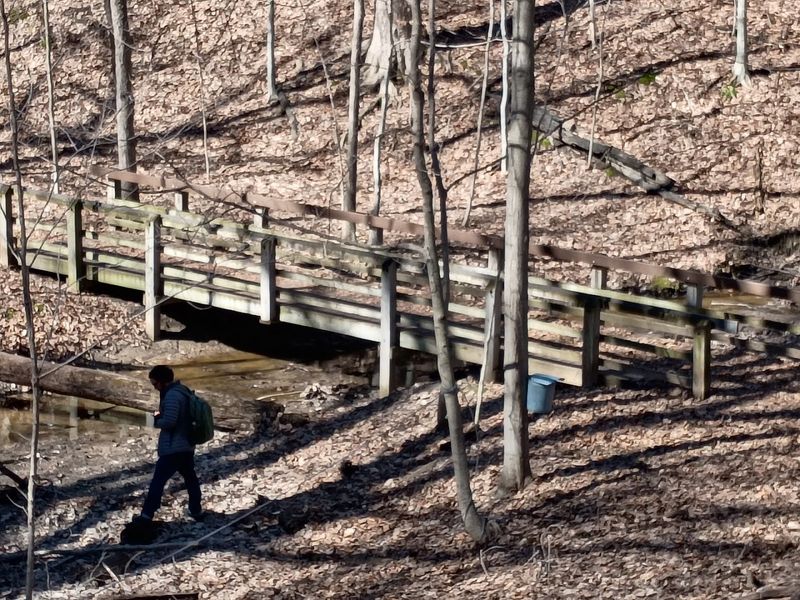
One of the most unexpected surprises of hiking the Mnoké Prairie Trail is that it passes directly by two genuinely historic sites that most people outside the region have never heard of. The Bailly Homestead, established in 1822 by fur trader Joseph Bailly, stands as one of the earliest permanent settlements in all of northern Indiana.
Walking past these structures while surrounded by restored prairie puts the entire timeline of this land into sharp focus.
The nearby Chellberg Farm adds another layer to the story. A Swedish immigrant family farmed this land for generations, and the original farmhouse, barn, and outbuildings are still standing and well preserved.
The National Park Service maintains both sites, and they are open for exploration as part of your visit to the trail area. History and nature rarely overlap this seamlessly anywhere else in the state.
Every spring, Chellberg Farm hosts the beloved Maple Sugar Time event, where visitors can watch traditional maple syrup production using methods that go back well over a century. It is hands-on, educational, and genuinely fun for all ages.
If you time your visit right, you can hike the prairie and then watch syrup being made the old-fashioned way all in a single afternoon. That combination is hard to beat anywhere in Indiana.
Birdwatching That Will Make You Want to Come Back Every Season
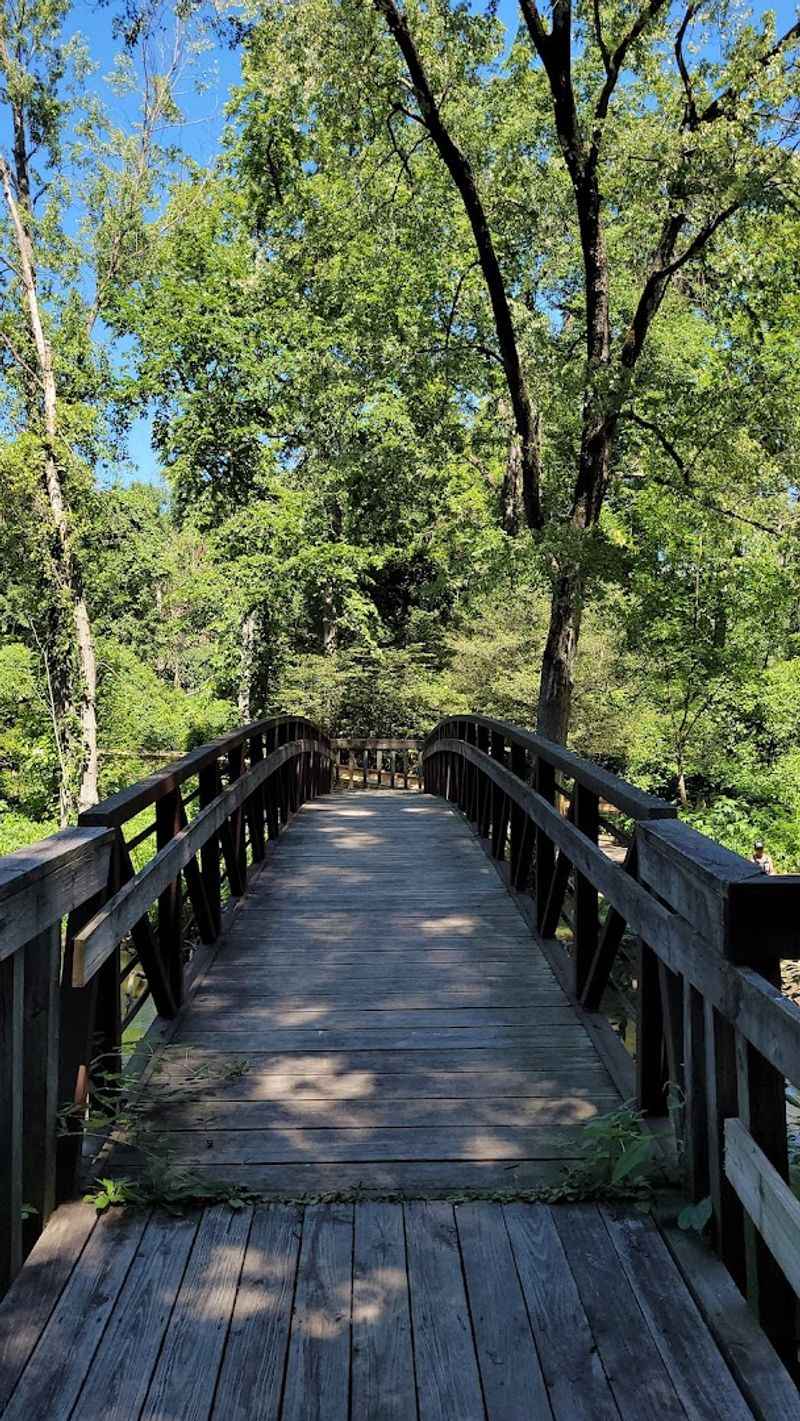
The Mnoké Prairie is one of those rare places where the restored habitat has attracted a genuinely impressive variety of bird species. Open grassland birds that have become increasingly rare across Indiana show up here regularly, drawn by the native grasses and the relative quiet of this tucked-away section of the national park.
Bobolinks, meadowlarks, and red-tailed hawks are regular sights during the warmer months.
Migration season turns the trail into something extraordinary. Because the prairie and surrounding woodland habitats sit close together, the variety of species passing through in spring and fall is exceptional.
Warblers moving through the tree canopy, shorebirds working the river edges, and grassland specialists hunting the open meadow can all appear within a short stretch of trail. Serious birders and casual observers alike tend to leave with a longer life list than they expected.
Early morning is the best time to arrive if birds are your focus. The prairie comes alive with sound before the sun is fully up, and the light during golden hour makes photography genuinely rewarding.
Bring a good pair of binoculars and a field guide if you have one, though even without those tools the experience is memorable. The sheer number of species this restored habitat supports is a testament to how powerful ecological restoration can be when it is done right.
The Little Calumet River Adds Scenery and History to Every Step
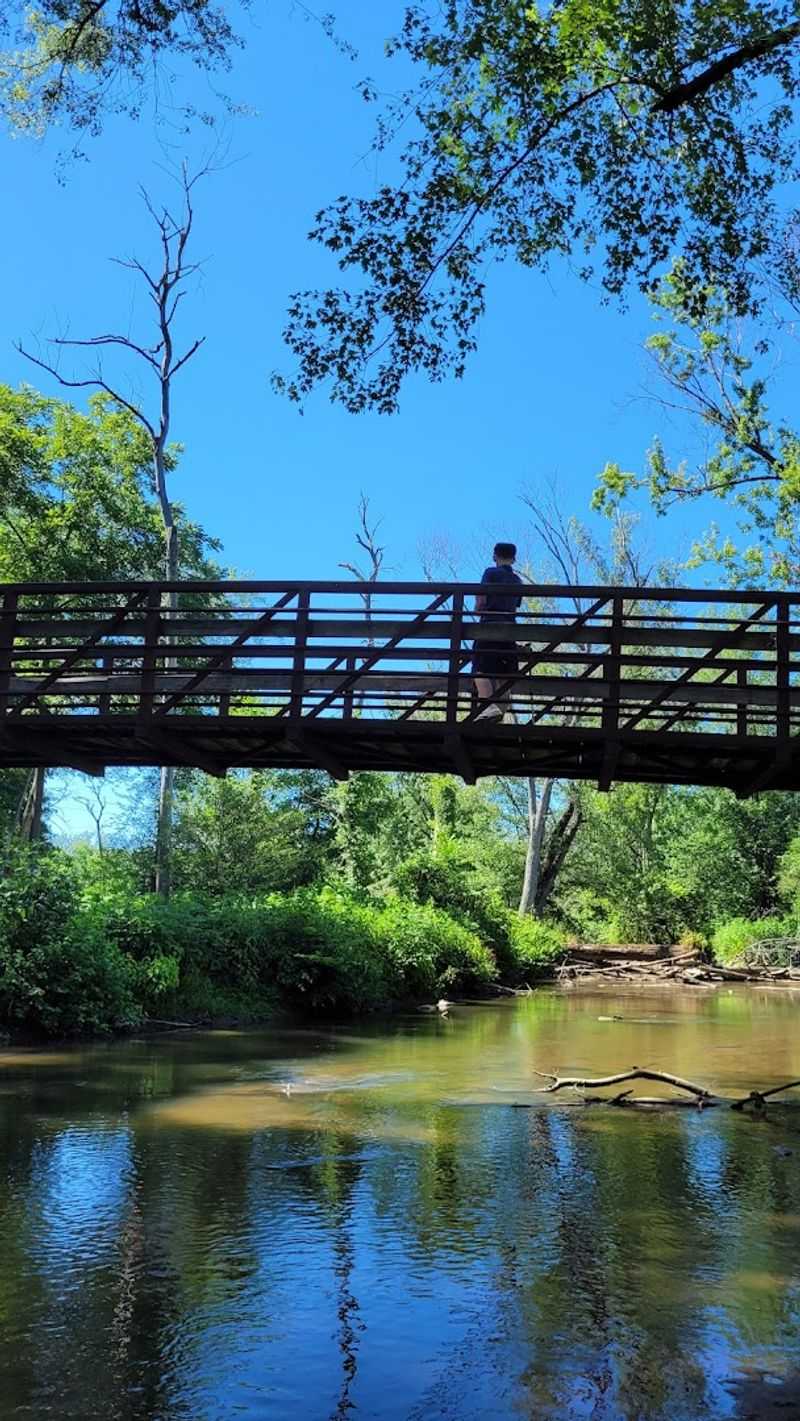
The Mnoké Prairie Trail does not stay in the open grassland the entire time. Part of what makes this hike so satisfying is the way it moves through multiple landscapes, and one of the most beautiful transitions is when the path follows along the Little Calumet River.
The river is calm and quiet here, lined with trees that create a completely different atmosphere from the open prairie sections just minutes away.
The Little Calumet has its own deep history in this region. For centuries it served as a critical transportation corridor for Native American peoples and later for early European fur traders and settlers.
Joseph Bailly himself used this river as part of his trading network, and the Bailly Homestead was positioned deliberately close to its banks for that reason. Walking beside it connects you to that long chain of human activity in a way that feels immediate and real.
In late spring and early summer, the riverbanks are lined with wildflowers and the water level is typically high enough to reflect the surrounding tree canopy beautifully. Wildlife is active along the river corridor as well, including turtles, herons, and various fish species visible from the bank.
The contrast between the wide open prairie and the sheltered river environment makes this trail feel like two hikes in one, which is a genuine bonus for anyone who appreciates varied natural scenery.
An Accessible Loop Trail That Works for Almost Everyone
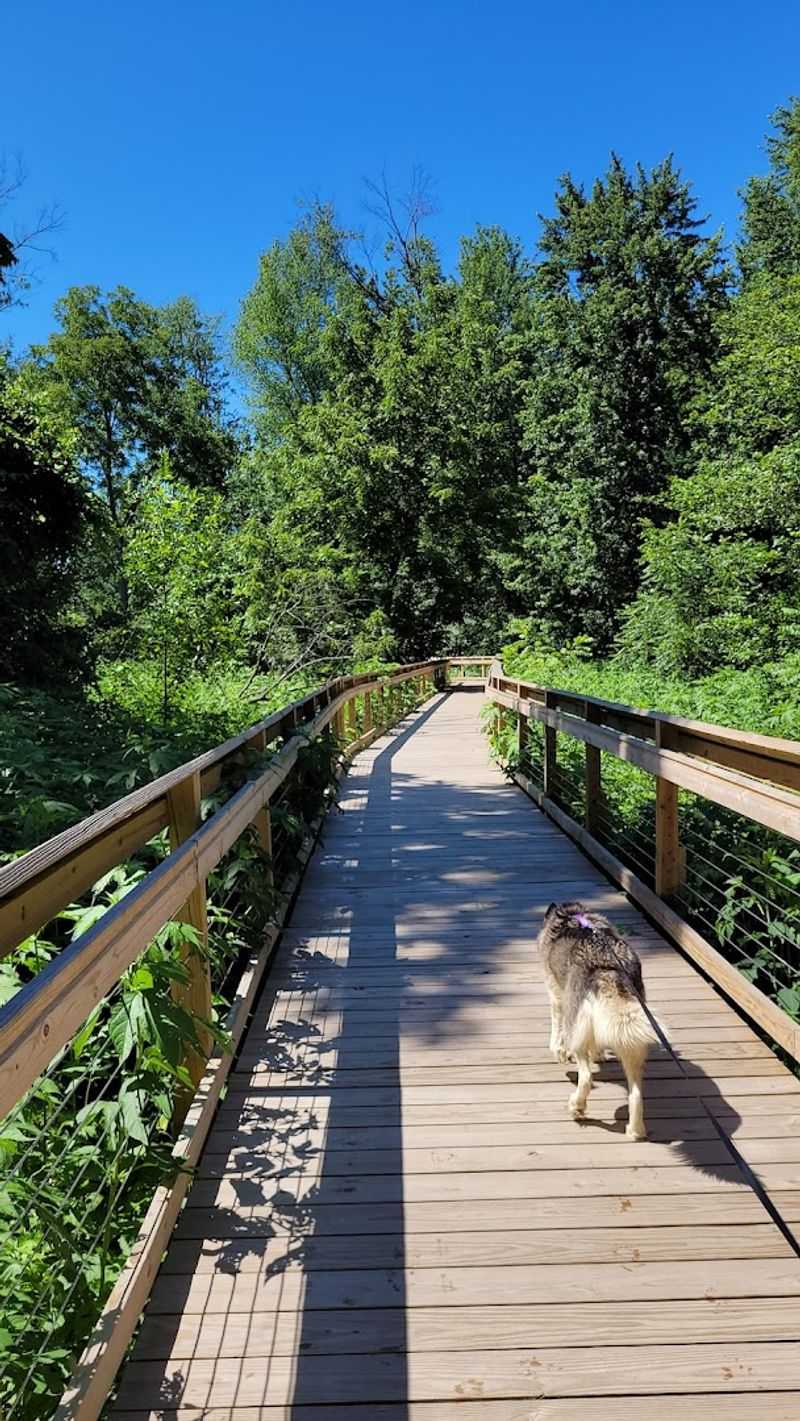
Not every great hike has to be a grueling endurance test. The main loop of the Mnoké Prairie Trail runs approximately 3.4 miles and stays relatively flat throughout, making it genuinely accessible for hikers of different ages and fitness levels.
Families with older kids, older adults, and casual weekend walkers all find this trail comfortable and rewarding without needing serious gear or training.
The trail is well maintained by the National Park Service, and the signage along the route is clear and informative. You are not going to get lost, and the path surface is generally firm enough to handle without specialized footwear.
Good walking shoes or light hiking boots are more than adequate for most of the year, though early spring can bring some muddy sections near the river corridor worth keeping in mind.
Because the trail is part of a larger network within Indiana Dunes National Park, you can extend your outing significantly if you want more mileage. Connecting trails lead to other areas of the park, giving experienced hikers the option to turn a casual afternoon into a full-day adventure.
The flexibility of the trail system here is one of the things that makes Indiana Dunes such a rewarding destination for repeat visitors who want something different every time they come out.
Educational Programs and Seasonal Events That Bring the Park to Life
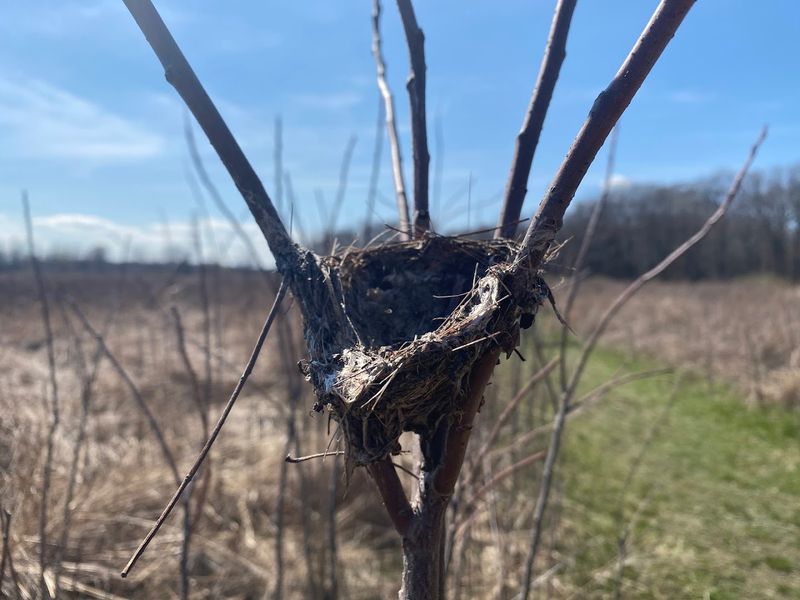
Indiana Dunes National Park offers some of the most engaging public programming of any national park in the Midwest, and the Mnoké Prairie area sits at the center of much of that activity. Ranger-led hikes, seasonal nature programs, and special events are scheduled throughout the year, giving visitors a reason to come back in every season rather than just once.
The programming is genuinely educational without ever feeling like a school lecture.
The Maple Sugar Time event at Chellberg Farm is probably the most well-known of these seasonal offerings. Held each spring, it gives visitors a hands-on look at traditional maple syrup production, complete with demonstrations of the tapping process and the old wood-fired evaporator still used on the property.
Kids tend to love it, but adults find it just as fascinating once they realize how much skill and patience the process actually requires.
Beyond Maple Sugar Time, the park hosts prairie restoration volunteer days, guided birdwatching walks, and educational talks about the natural and cultural history of the area. Checking the National Park Service website before your visit is always worth the few minutes it takes, because there is often something happening that adds real depth to the experience.
The Mnoké Prairie Trail is wonderful on its own, but pairing a hike with one of these programs turns a good outing into something genuinely memorable and worth talking about long after you get home.
Dear Reader: This page may contain affiliate links which may earn a commission if you click through and make a purchase. Our independent journalism is not influenced by any advertiser or commercial initiative unless it is clearly marked as sponsored content. As travel products change, please be sure to reconfirm all details and stay up to date with current events to ensure a safe and successful trip.
