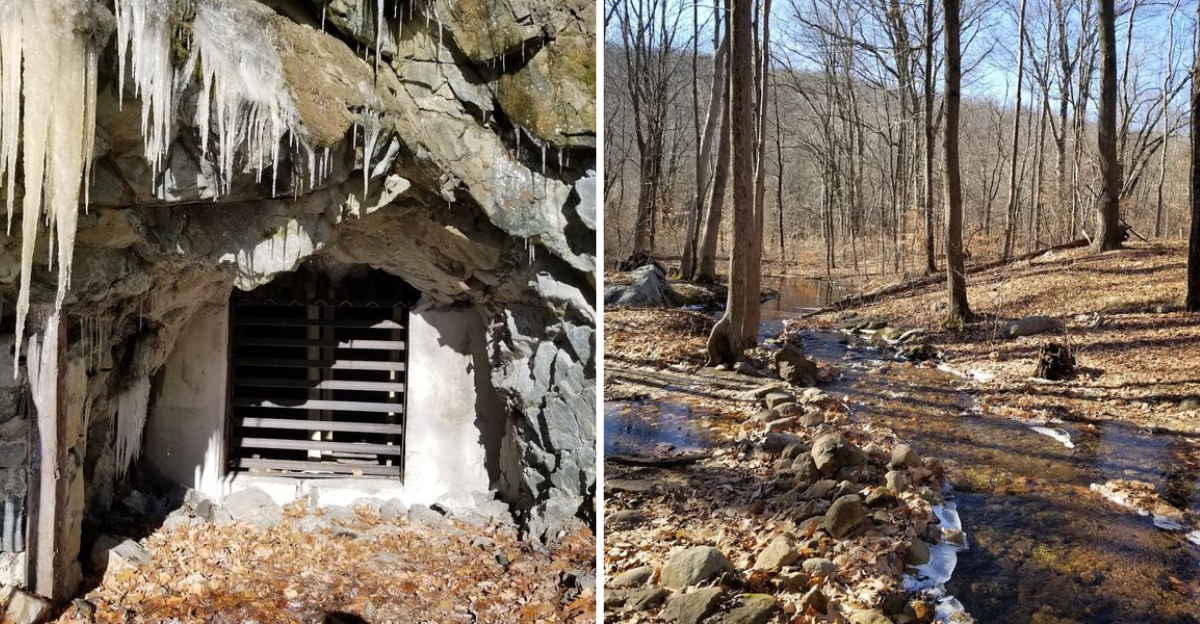
Perched on a rugged ridge in New Jersey, nature has carved out a fortress for bats.
This sanctuary is so vital that the caves and cliffs feel like prime real estate for thousands of winged tenants.
Hikers come chasing panoramic views, but the bats stay for the rent-free housing and endless bug buffet.
It’s a rare spot where “hanging out” upside down is the lifestyle choice.
And honestly, the ridge guards its residents better than any gated community ever could.
The Hibernia Mine Bat Hibernaculum: Heart of the Sanctuary
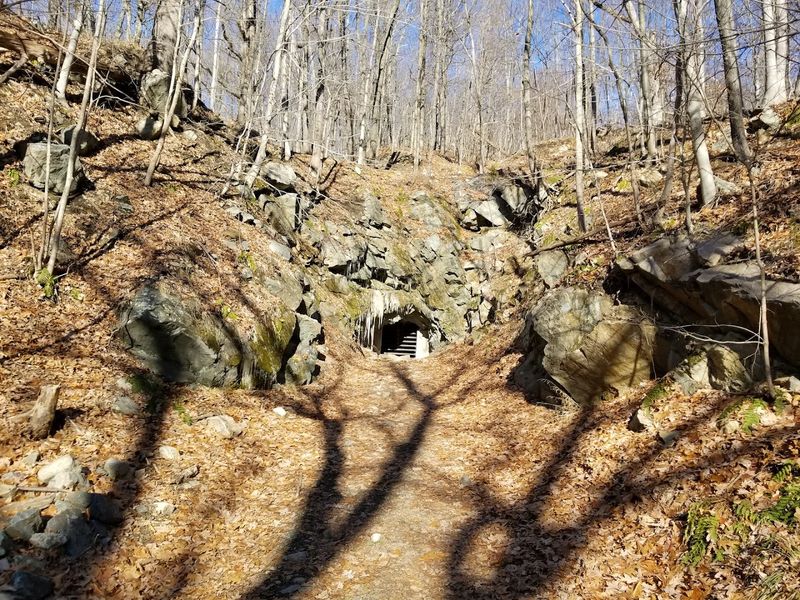
Walking up to the mine adit portal at Wildcat Ridge feels like stumbling onto a set from an old adventure film. The stone entrance sits quietly in the hillside, framed by forest, and yet it carries enormous ecological weight.
This single tunnel has housed up to 26,000 little brown bats, making it the largest known bat hibernation site in all of New Jersey.
The Hibernia Mine was originally dug for iron ore, operating for generations before being abandoned. Once the miners left, nature moved in.
Bats discovered the mine’s stable temperatures and humidity made it ideal for winter hibernation, and the colony grew remarkably large over the decades.
White Nose Syndrome, a devastating fungal disease, has since reduced the population significantly. Even so, the hibernaculum remains active and critically important.
Several species still rely on it, including big brown bats and tricolored bats. Conservation efforts continue to protect what remains of this fragile colony.
Standing near the sealed entrance, you feel the quiet gravity of a place that matters far beyond its modest appearance.
Wildcat Ridge’s Rugged Terrain: Where the Trail Gets Real
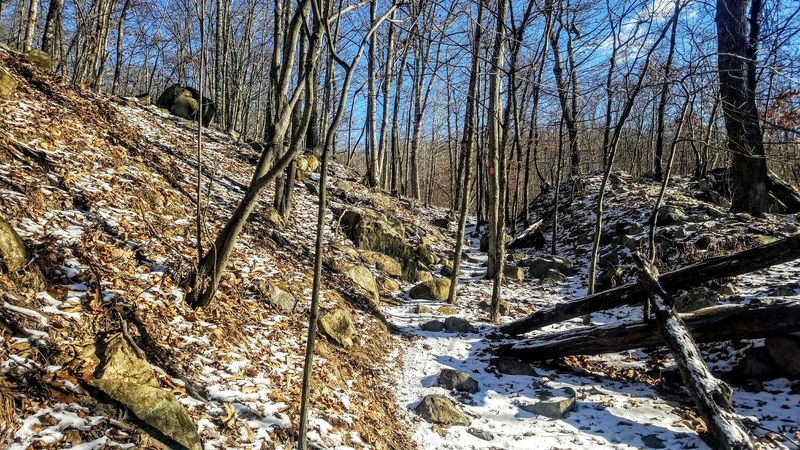
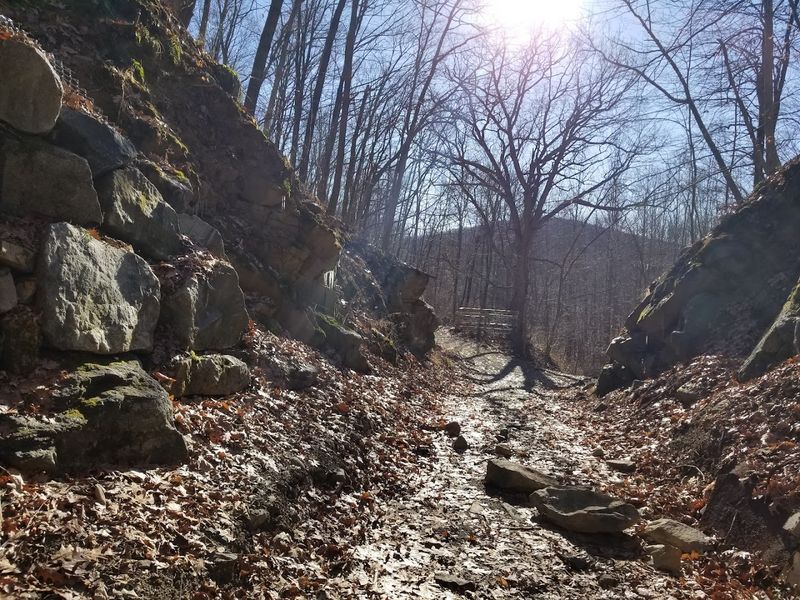
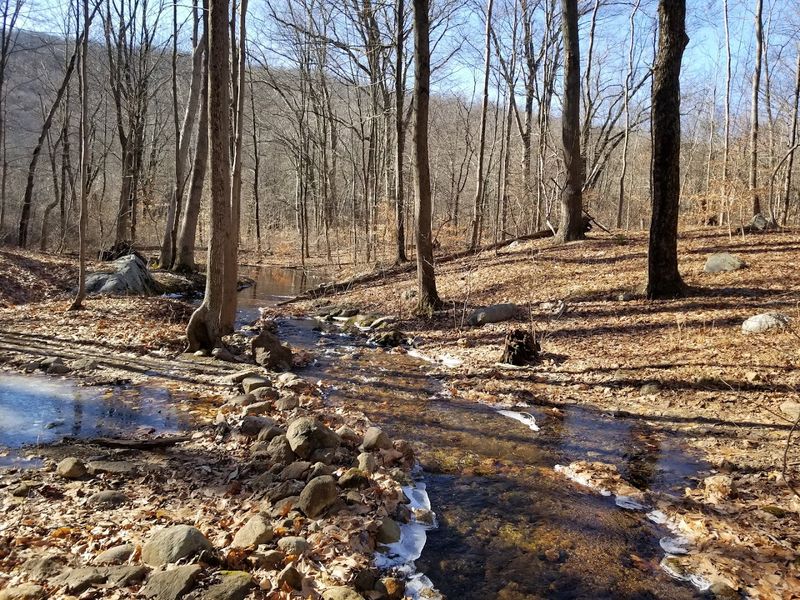
The trails at Wildcat Ridge do not pamper you, and that is exactly the point. Steep slopes, exposed rock faces, and dense forest make every step feel earned.
The ridge itself rises sharply from the surrounding lowlands, offering hikers a genuinely physical challenge that rewards effort with sweeping views and total solitude.
The orange-blazed trail from the Lower Hibernia Road parking area is the go-to route for first-time visitors. It winds north through the woods, gaining elevation steadily before delivering you to the mine ruins and the bat hibernaculum.
Side paths branch off toward higher ridgelines where the tree canopy opens up just enough to catch a breeze.
Mountain bikers also love this place, though some trails are restricted during hunting seasons, so checking the schedule before visiting is a smart move. The terrain rewards those who come prepared with solid footwear and a trail map, since cell service can be unreliable deep in the woods.
Bring enough food for the full hike because there are no concession stands or facilities anywhere on the property.
The Iron Mine Ruins: History You Can Actually Touch
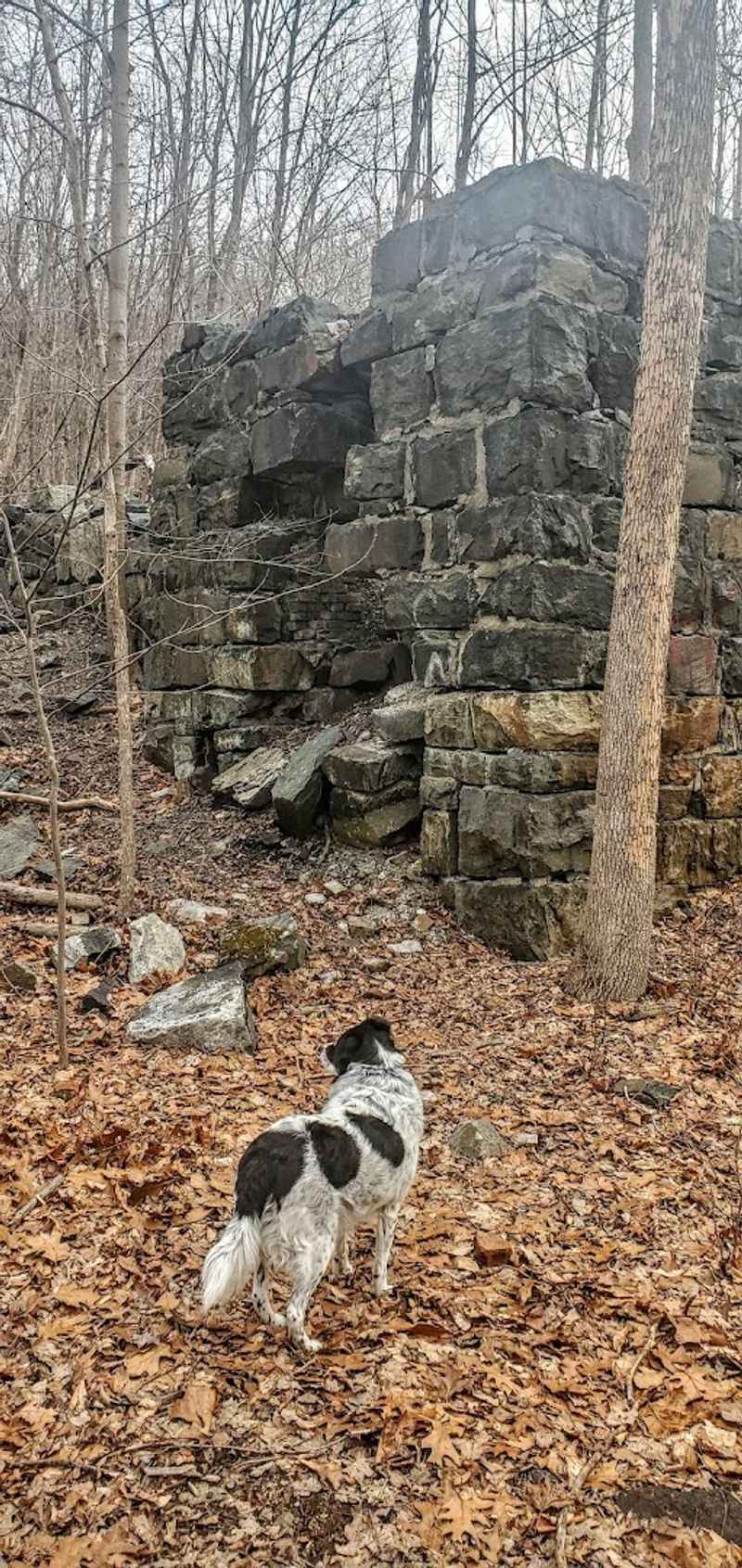
Scattered throughout the northern section of the trail network, the ruins of the old Hibernia iron mine buildings feel like pages torn from a history book and left in the woods. Crumbling stone walls rise from the forest floor, half-swallowed by moss and root systems that have been reclaiming the land for well over a century.
Hibernia Mine was once one of the most productive iron mines in New Jersey. Workers pulled ore from these hills for generations, and the infrastructure they built, including processing buildings and support structures, left behind a remarkable archaeological footprint.
Hiking past these remnants gives the trail a layered quality that goes beyond simple nature walking.
Photographers especially love this stretch of the orange trail. The contrast between weathered stone and living forest creates compositions that feel timeless.
Kids tend to go wide-eyed at the ruins too, spinning stories about who might have worked here and what the mine looked like in full operation. Bring a picnic and settle near the ruins for a lunch spot unlike anything you will find at a standard park.
Saint Patrick’s Cemetery: A Quiet Hilltop Surprise
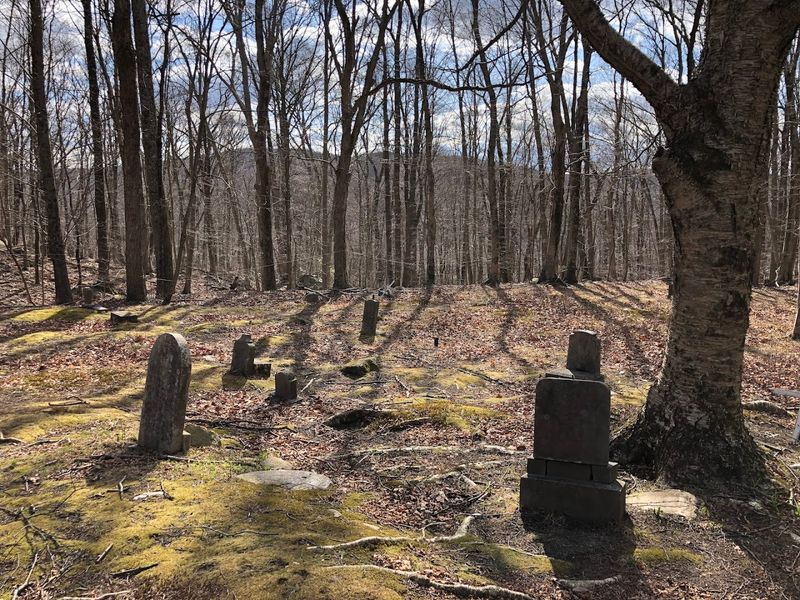
Most people come to Wildcat Ridge for the bats or the trails, but the hike north along the orange trail eventually leads to something unexpectedly moving: a small historic cemetery perched on a hillside, known as Saint Patrick’s Cemetery. It sits quietly among the trees, easy to miss if you are not looking for it.
The graves here date back generations, connected to the families who once lived and worked in the Hibernia mining community. Walking among the old headstones puts a human face on the industrial history embedded in this landscape.
It is a reflective moment tucked into an otherwise active outdoor experience.
The cemetery is well-maintained despite its remote location, and reaching it requires a solid hike, which somehow makes the visit feel more meaningful. Pair the stop with a packed lunch eaten nearby on a flat rock overlooking the ridge, and you have a travel memory that sticks.
The combination of physical exertion, historical discovery, and quiet contemplation is rare in any day trip destination, let alone one within an hour of major New Jersey cities.
Bat Species of Wildcat Ridge: Meet the Nighttime Residents
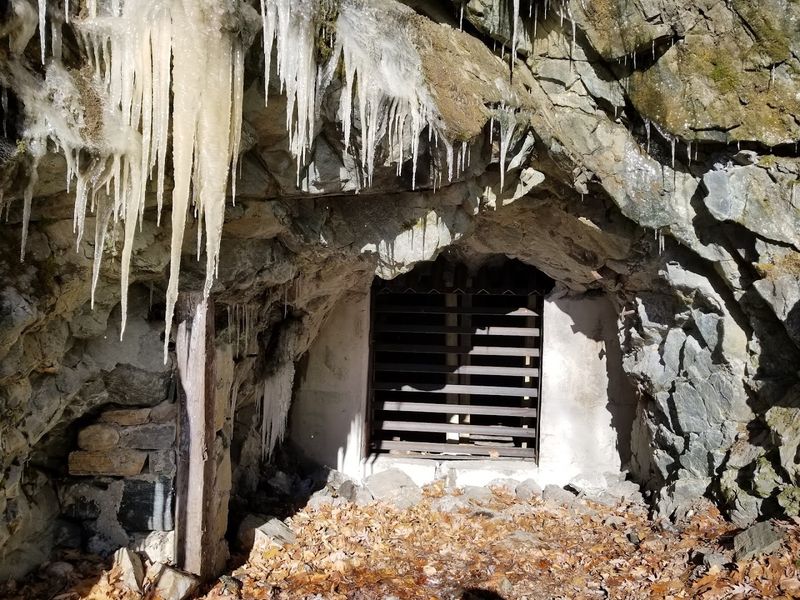
Few places in the northeastern United States shelter as many bat species in one location as Wildcat Ridge does. The Hibernia Mine hibernaculum has historically hosted little brown bats in staggering numbers, but the ecosystem also supports big brown bats and the increasingly rare tricolored bat, a species now listed as endangered at the federal level.
Bats are genuinely fascinating creatures once you get past the Hollywood mythology. A single little brown bat can consume thousands of insects in a single night, making them essential to the health of forests and farms across New Jersey.
The ecological value of a colony this size is almost impossible to overstate.
White Nose Syndrome has devastated bat populations across North America since it was first identified in a New York cave in 2006. Wildcat Ridge has not been spared, and the population decline here has been significant.
Ongoing research and protective measures at the site aim to give surviving colonies the best possible chance at recovery. Visiting with an appreciation for this context transforms a simple hike into something that genuinely matters.
Splitrock Reservoir: Water, Waterfowl, and Winter Solitude
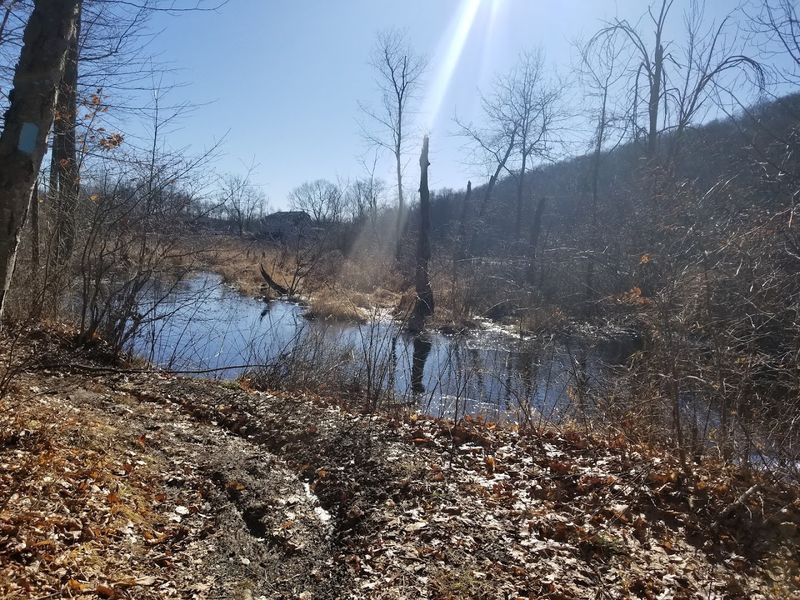
Splitrock Reservoir sits within the boundaries of the Wildcat Ridge WMA and adds a completely different dimension to the landscape. In winter especially, the reservoir becomes a staging ground for waterfowl species seeking calm, ice-free water and surrounding forest cover.
The contrast between the open water and the dense ridgeline framing it makes for a striking visual.
Birders who visit during the colder months often find mergansers, buffleheads, and ring-necked ducks riding the reservoir’s surface in loose flocks. The area around the water is quieter than the main trail network, which gives it a meditative quality that is hard to find in more trafficked parks.
Accessing the reservoir from the Wildcat Ridge trail system adds meaningful mileage to any hike, so planning accordingly matters. Bringing a map is genuinely important here, as the trail network branches in multiple directions and the reservoir is not always immediately visible from the main paths.
A packed lunch enjoyed on the shoreline with a pair of binoculars is a simple pleasure that this spot delivers exceptionally well, especially on a crisp November morning when the mist sits low over the water.
Trail Snacks and Outdoor Eating: Fueling Up for the Ridge
There are no food vendors, no cafes, and absolutely no vending machines anywhere near the Wildcat Ridge trail system. That means everything you eat out here is something you carried in, which honestly makes it taste better.
A simple peanut butter sandwich eaten on a boulder overlooking the mine ruins hits differently than anything served at a restaurant table.
Trail mix with dried cranberries and nuts is a classic for good reason: it is lightweight, energy-dense, and does not require refrigeration. Granola bars, apples, and hard cheese wrapped in wax paper all travel well on longer hikes.
The physical demands of the terrain mean calorie intake genuinely matters, especially on the steeper sections near the ridgeline.
Planning a picnic at a scenic spot along the trail adds a celebratory quality to the outing. The ruins area and the hawkwatch overlook are both excellent lunch spots with enough natural character to make the meal feel like an event.
Packing a small thermos of hot soup for cooler months turns a rest stop into a genuine comfort moment. Good food and wild places have always belonged together, and Wildcat Ridge makes that pairing feel effortless.
Visiting Wildcat Ridge: Practical Tips for the Perfect Day Trip
Getting to the bat hibernaculum area means heading to the parking lot off Lower Hibernia Road, which serves as the main access point for the northern trail network. The lot fills up on busy weekend mornings, so arriving early is genuinely useful.
There are no restroom facilities at any of the parking areas, so planning accordingly before leaving home saves a lot of discomfort on the trail.
Cell service is inconsistent throughout much of the WMA, which means downloading a trail map or picking up a printed one before arrival is a practical necessity rather than optional advice. The orange trail is the primary route to the mine ruins and the hibernaculum, running north from the parking area through varied terrain that rewards steady hikers.
Hunting seasons affect trail access during certain months, so checking the New Jersey Fish and Wildlife schedule before visiting helps avoid any surprises. Dogs are welcome but must be kept under control given the wildlife sensitivity of the area.
The site is open 24 hours and there is no admission fee, making it one of the most accessible and rewarding natural destinations in the state.
Address: 1 Lower Hibernia Rd, Hibernia, NJ
Dear Reader: This page may contain affiliate links which may earn a commission if you click through and make a purchase. Our independent journalism is not influenced by any advertiser or commercial initiative unless it is clearly marked as sponsored content. As travel products change, please be sure to reconfirm all details and stay up to date with current events to ensure a safe and successful trip.
