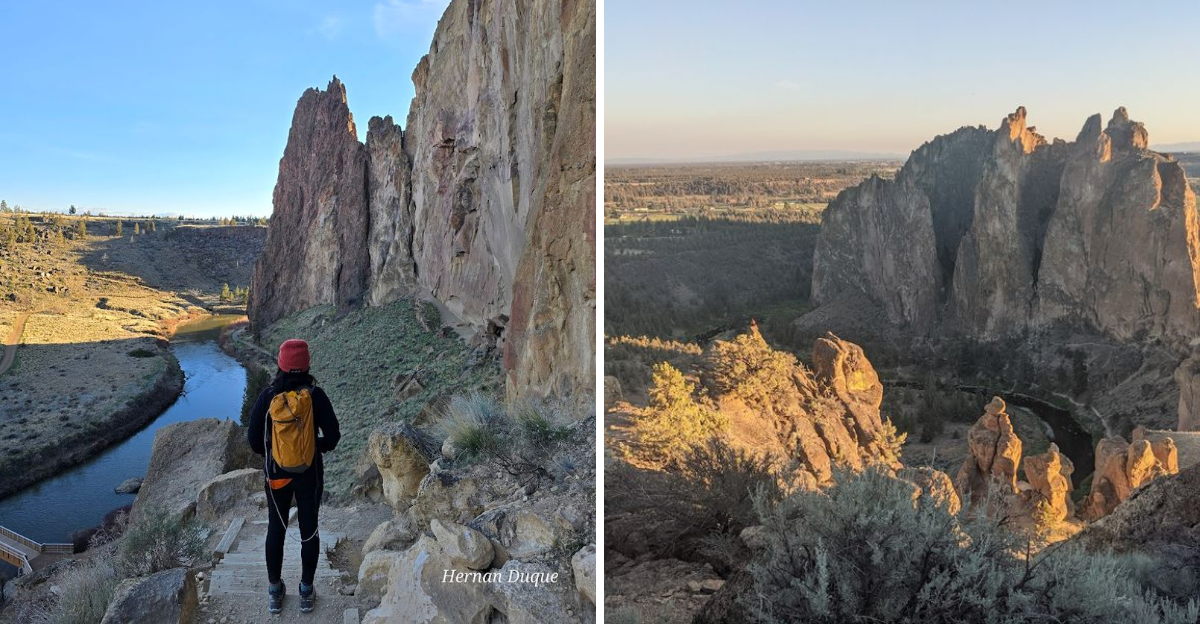
What if the most breathtaking scenery in Oregon came wrapped in a challenge you’d normally reserve for seasoned trekkers? Imagine a narrow ridge that suddenly opens to a panorama so vivid you can almost taste the fresh mountain air.
The ground beneath your boots offers a satisfying crunch of ancient gravel. I found myself laughing at the absurdly steep climb, then pausing to watch a fleeting rainbow arc across a mist-shrouded valley.
It’s something I’d only ever seen in postcards.
The trail’s rugged character hides a series of little surprises. There’s a hidden creek that sings over smooth stones and a meadow dotted with wildflowers that seem to glow in the late afternoon light.
Want to know the insider tip that turns this Oregon hike into a perfect blend of adrenaline and awe? Keep scrolling, and I’ll spill the details that made this trek unforgettable.
The Trail That Lives Up to Its Name
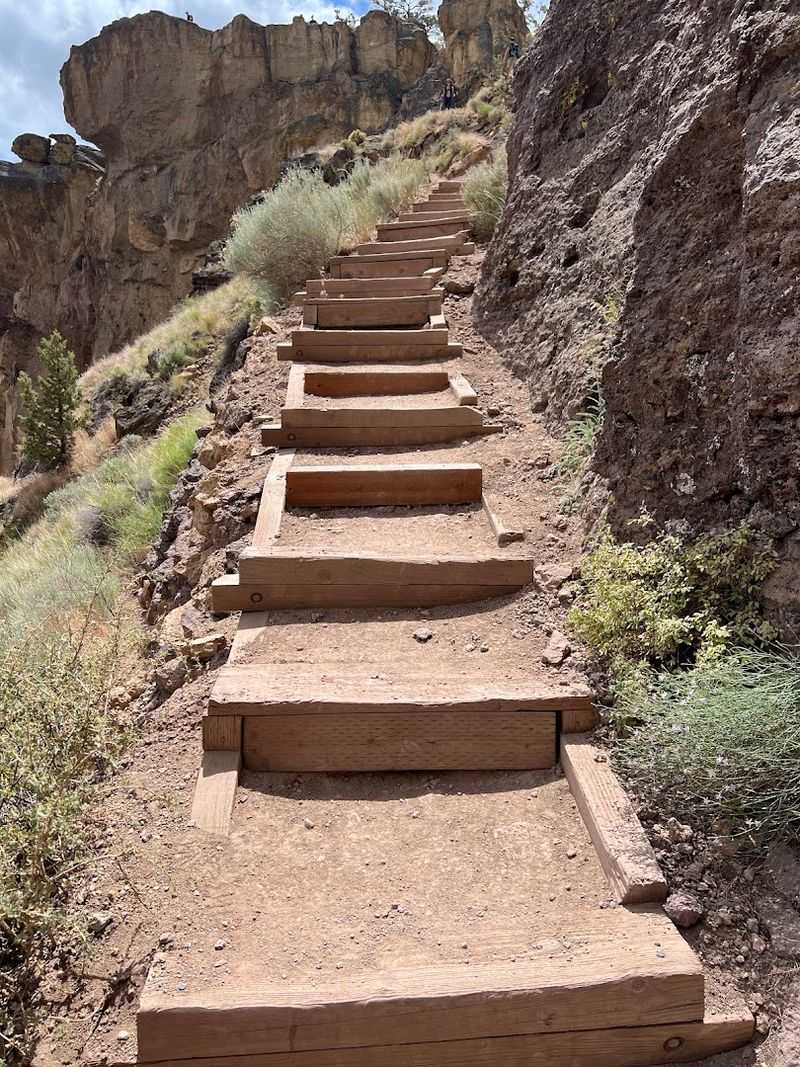
Nobody names a trail “Misery” without reason. The first section of the Misery Ridge Loop wastes no time introducing itself.
It pitches sharply upward almost immediately, a relentless incline that tests your lungs fast.
The path is rocky and exposed. There is very little shade on the climb, so the sun bears down hard on clear days.
You feel every step, especially in the first quarter mile.
But here is the thing: the difficulty is honest. The trail does not pretend to be something it is not.
That kind of straightforward challenge is actually refreshing.
Regular hikers will find it a solid workout. First-timers should pace themselves early.
Short breaks on the way up make a real difference.
Going counterclockwise is widely suggested by those who have done it multiple times. It helps you avoid long, punishing switchbacks on the descent.
The loop rewards smart planning as much as strong legs.
What You See at the Summit Changes Everything
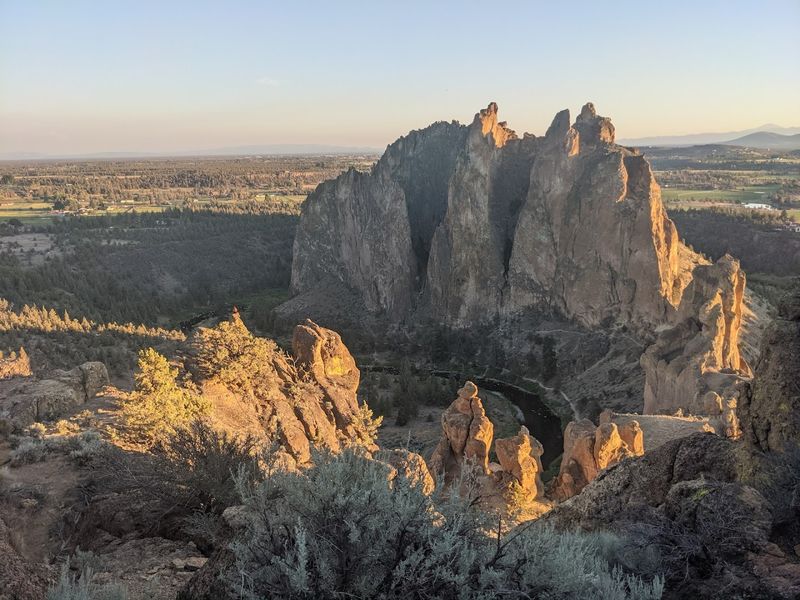
Reaching the top of Misery Ridge feels like unlocking a secret. The view opens up suddenly, wide and breathtaking in every direction.
Agricultural fields stretch far into the distance.
Below, the Crooked River curves through the canyon like a green ribbon. The scale of it all hits you at once.
You can see the canyon walls, the river, the ridgelines, all layered together beautifully.
Raptors circle overhead sometimes. Spotting one riding a thermal above the canyon is one of those quiet, unforgettable moments.
It adds a wildness to the summit that no photo fully captures.
Many hikers pause here for a long rest. The summit area is wide and open.
It is a perfect spot to sit, breathe, and actually absorb what you are looking at.
The views just kept getting better the longer I stayed. Every angle offered something different.
This summit is the kind of reward that makes every hard step feel completely worth it.
Monkey Face: The Iconic Rock You Cannot Miss
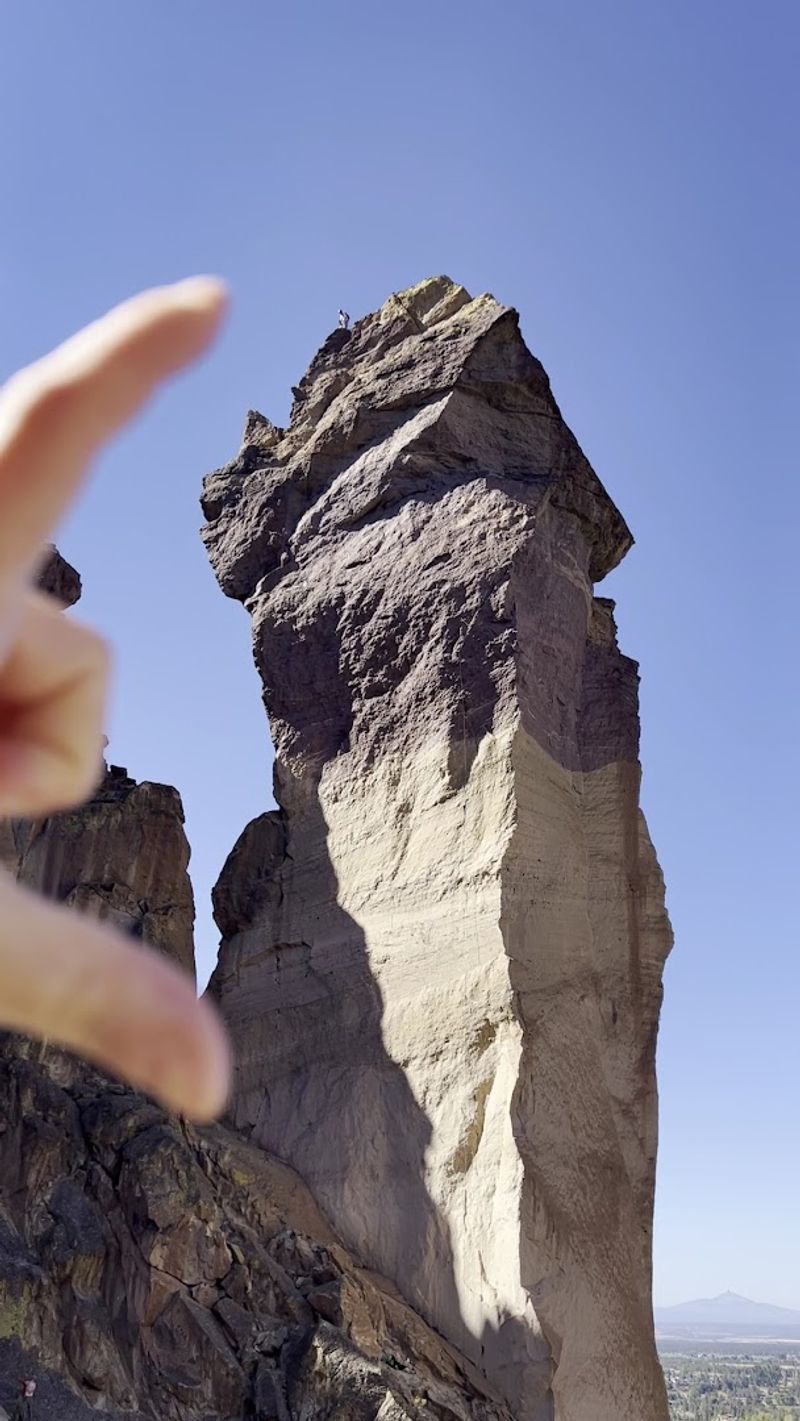
Monkey Face is one of those landmarks that stops you mid-stride. It is a towering volcanic spire with a profile that genuinely resembles a primate face.
Even on a cloudy day, the formation is striking.
From the Misery Ridge Loop, you get excellent views of Monkey Face from multiple angles. The perspective shifts as you move along the ridge.
Each new vantage point reveals a slightly different character to the rock.
Rock climbers are drawn here from all over the world. On a clear day, you can spot climbers working their way up the spire with ropes and gear.
Watching them move across vertical rock is quietly mesmerizing.
The formation has become a symbol of Smith Rock. It shows up on postcards, park maps, and hiking guides.
But seeing it in person is a completely different experience.
Standing near it, you feel the true scale of the canyon. Monkey Face towers above everything around it.
It is a reminder of just how dramatic this landscape really is.
The Crooked River Trail: A Peaceful Finish
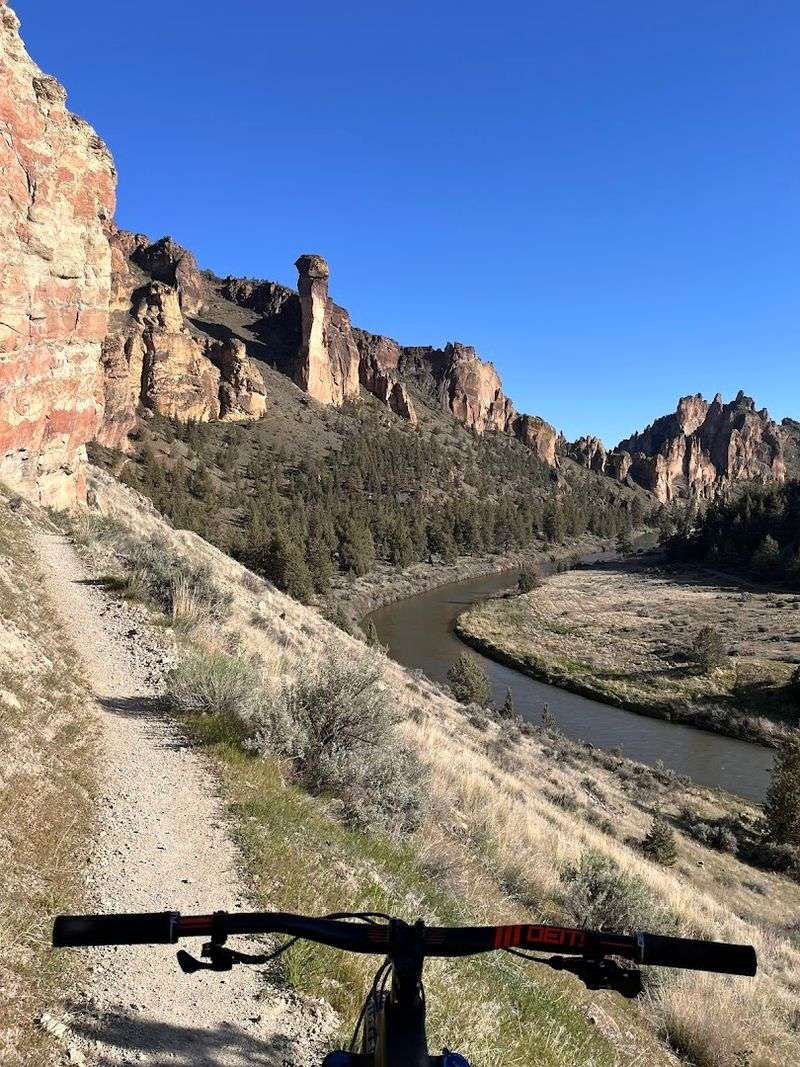
After the intensity of Misery Ridge, the River Trail feels like a deep exhale. The path flattens out completely and follows the Crooked River back to the trailhead.
It is a gentle, easy walk.
The contrast is almost funny. One minute you are scrambling over loose rocks on a steep ridgeline.
The next, you are strolling beside a calm river lined with trees and tall grasses.
Lush vegetation hugs the riverbanks here. The greenery feels surprising given how dry the surrounding canyon looks.
The river creates its own little ecosystem in the middle of a semi-arid landscape.
This section adds some extra miles to the total hike. But those miles are easy and enjoyable.
Most people who do it say they would not skip the River Trail.
The full loop, including the River Trail, brings you right back to where you started. It completes the experience in a satisfying, circular way.
Finishing beside the river feels like a proper ending to a big adventure.
Sun, Heat, and Why Preparation Matters
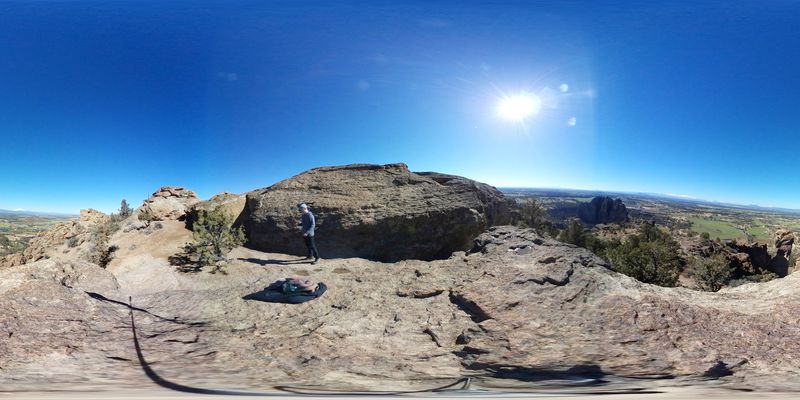
The sun at Smith Rock is not messing around. Most of the Misery Ridge climb sits fully exposed, with almost no tree cover overhead.
On a warm day, this trail can become genuinely demanding.
Bringing enough water is non-negotiable. Running low on hydration halfway up the ridge is a fast way to turn a fun hike into a miserable one.
Two liters minimum is a smart starting point.
Sunscreen matters just as much as water here. The UV exposure on the open ridge is intense.
A hat and sunglasses make a noticeable difference in how you feel at the top.
Starting early in the morning is a popular strategy. The trail is cooler before 9 AM.
Parking also fills up quickly on weekends, so an early arrival solves two problems at once.
Late afternoon hikers have found relief in the shade that builds up along certain sections. The experience changes significantly depending on when you go.
Planning around the heat makes this trail far more enjoyable for everyone.
Footwear and the Descent You Need to Respect
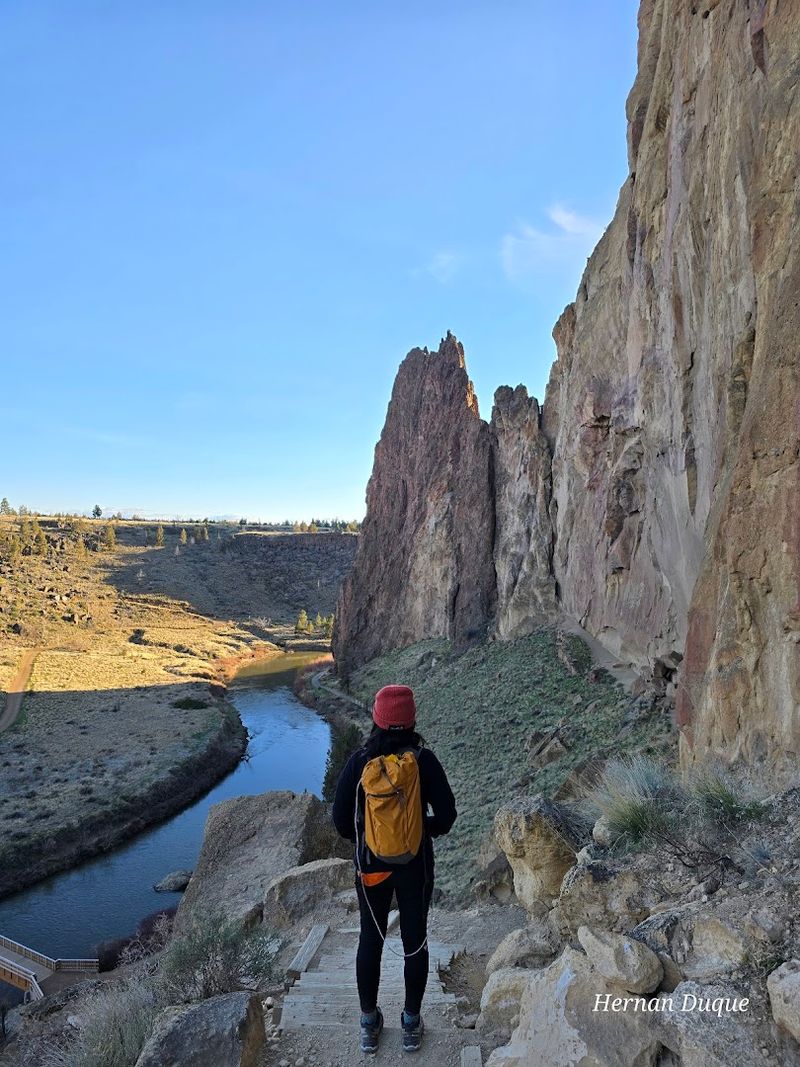
The descent on Misery Ridge has a reputation. Loose rocks and sandy conditions make the downhill sections tricky, even for experienced hikers.
Your footwear choice matters more here than on most trails.
Shoes with solid grip are strongly recommended. Smooth-soled sneakers on this descent is an uncomfortable gamble.
Trail runners or proper hiking boots with good traction handle the terrain much better.
Even with the right shoes, taking your time is important. The loose gravel can shift underfoot without warning.
Planting each step carefully is better than rushing and sliding.
Trekking poles are genuinely helpful here. They give you extra stability on the steep, sandy sections.
A lot of repeat visitors bring them specifically for the descent.
The descent is not dangerous if you are mindful. It just requires more attention than a typical trail finish.
Treating it with respect keeps the end of your hike as enjoyable as the beginning. Good preparation turns a sketchy descent into just another part of the adventure.
Wildlife and the Natural World Around You
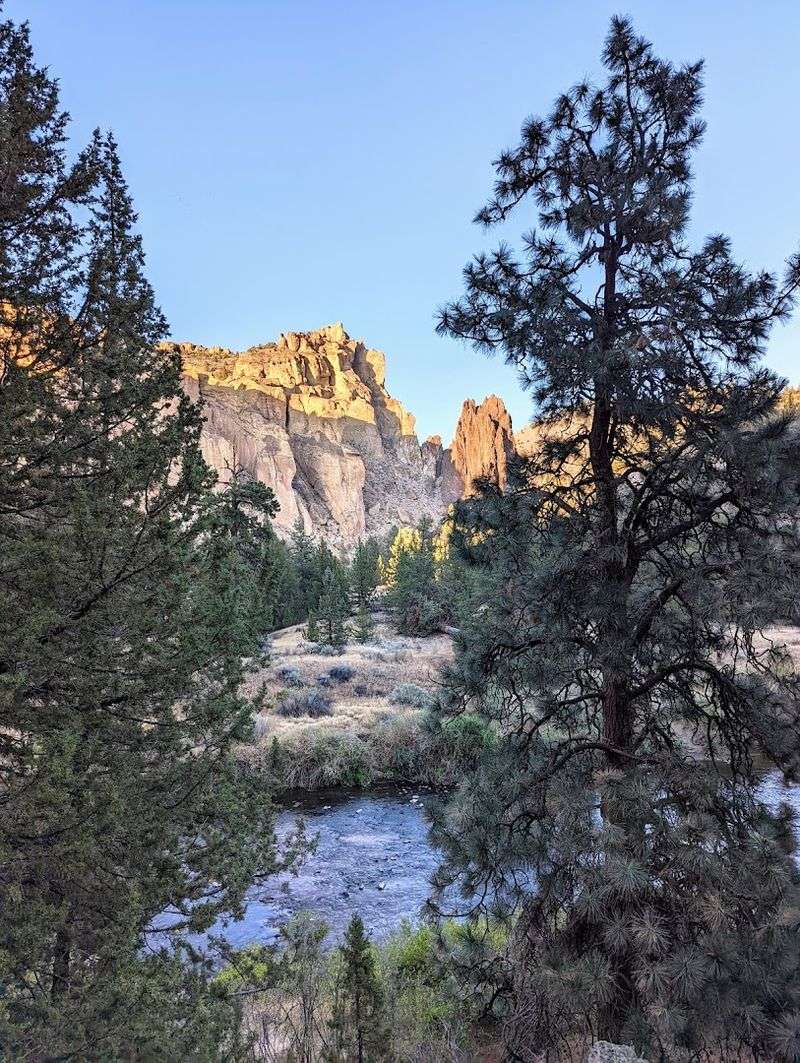
Smith Rock is not just about the rocks. The park supports a surprising variety of wildlife that you can spot throughout the hike.
Raptors are among the most exciting sightings.
Hawks and eagles ride the thermals above the canyon. Watching one glide effortlessly over the ridgeline is one of those moments that makes you stop walking entirely.
The sky here feels alive in a way that catches you off guard.
Deer are sometimes seen near the river sections early in the morning. Ground squirrels dart across the trail with impressive speed.
Smaller birds flit through the riverside shrubs constantly.
The canyon itself creates distinct micro-environments. The dry, rocky ridge supports different life than the lush riverbank below.
Moving through both zones in a single hike gives you a real sense of the park’s biodiversity.
Bringing binoculars is worth considering. They add a whole new layer to the experience.
Even a short pause to watch a hawk hunt above the canyon can become one of the most memorable moments of the entire day.
The Unique Landscape of Central Oregon
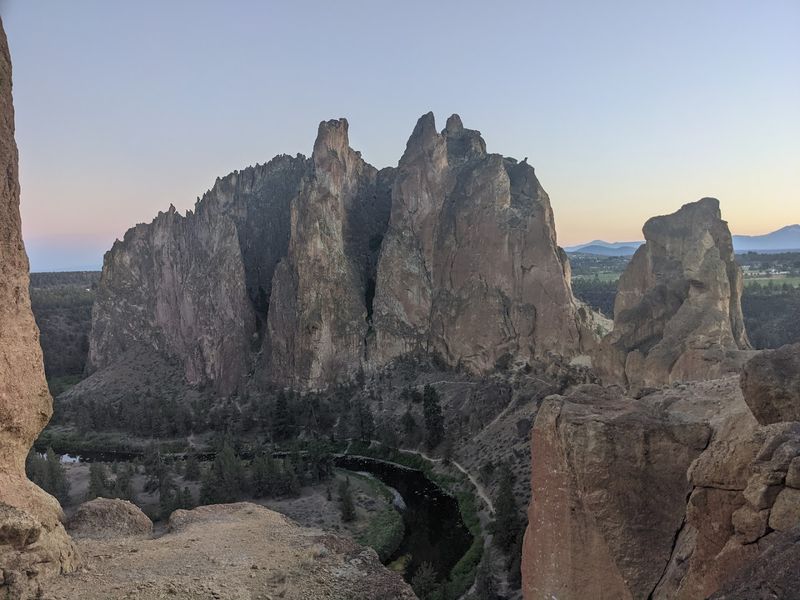
Central Oregon has a landscape unlike anything in the Pacific Northwest. The high desert stretches out in every direction, dry and wide open.
Smith Rock rises out of it like something from another planet.
The rock formations here are rhyolite and basalt, shaped by ancient volcanic activity. The rust, orange, and golden hues shift throughout the day as the light changes.
Morning light makes the cliffs glow in a way that feels almost unreal.
Coming from the mountains, the shift in scenery is dramatic. Snow-capped peaks give way to dry canyon walls and scrubby desert vegetation.
The contrast hits you fast and sticks with you.
The Crooked River adds an unexpected softness to the rugged terrain. Green trees and tall reeds line the banks.
It creates this vivid visual tension between lush and arid that defines the whole park.
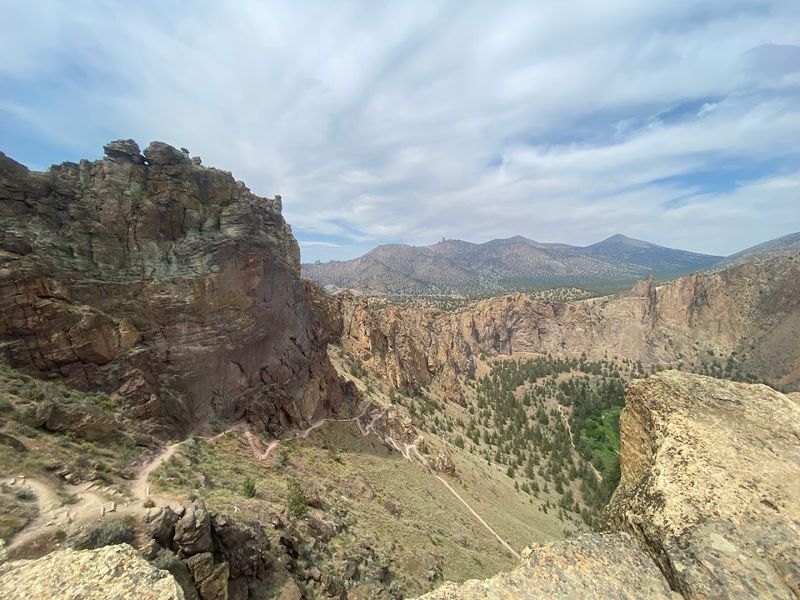
The scale of the canyon only becomes clear from the top of the ridge. Looking down at the river and across at the surrounding farmland puts the landscape in perspective.
It is genuinely unlike any other hike in Oregon.
Parking, Permits, and Practical Know-How
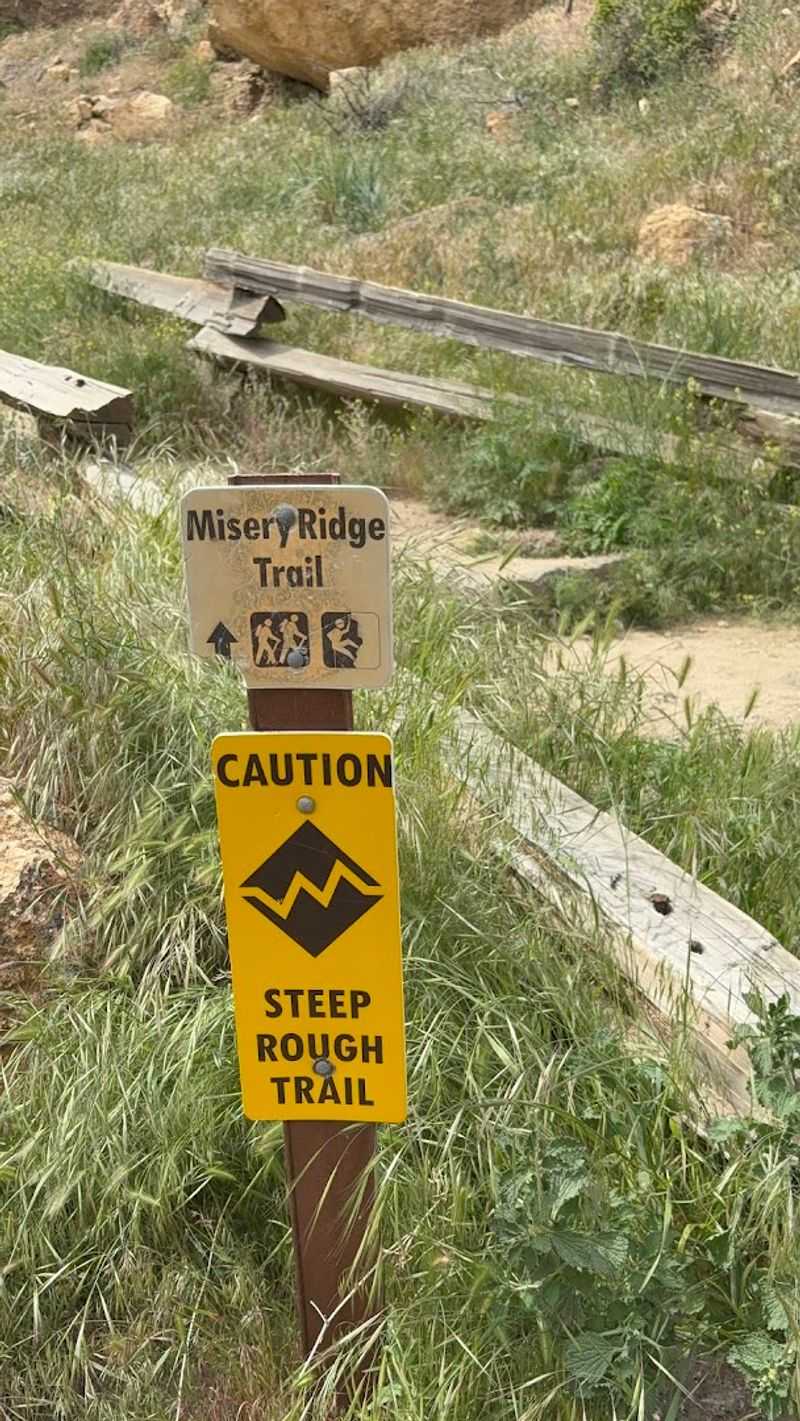
Getting to Smith Rock is straightforward, but parking requires some planning. The lot fills up fast on weekends, especially during peak season.
Arriving by 8 AM on a weekend is a safe strategy.
A parking permit is required to use the lot. Oregon State Parks pass holders can use it for free.
Others pay a day-use fee at the entrance kiosk.
Weekday mornings are noticeably quieter. One visitor arrived at 7:45 AM on a weekday and found plenty of open spots.
The trail itself also feels calmer during off-peak hours.
Cell service in the park can be inconsistent. Downloading an offline map before you arrive is a smart move.
It keeps navigation easy without depending on a signal.
Dogs are allowed on the trail but require some thought. The steep, rocky terrain and heat can be hard on some animals.
Bringing extra water for your dog and knowing their limits keeps the trip safe for everyone. Planning ahead makes the whole experience run smoothly from start to finish.
Why the Misery Ridge Loop Stays With You
Some hikes are just exercise. This one is something more.
The Misery Ridge Loop gives you a physical challenge, a visual spectacle, and a sense of place that is hard to shake.
The combination of steep climbing, exposed ridgeline, iconic rock formations, and a peaceful river finish creates a complete experience. Each section of the loop feels like a different chapter.
The story it tells is one of contrast and reward.
Hikers who visit Bend or Redmond often list this as the highlight of their entire trip. That says a lot in a region full of outstanding trails.
The loop earns its reputation honestly.
The views from the top do not fade quickly in memory. The image of the canyon below, the river curving through it, and the wide agricultural land beyond stays vivid.
It is the kind of scenery that keeps pulling you back.
Smith Rock is a place that rewards the effort you put in. The harder you work to get up that ridge, the more the view means when you get there.
Dear Reader: This page may contain affiliate links which may earn a commission if you click through and make a purchase. Our independent journalism is not influenced by any advertiser or commercial initiative unless it is clearly marked as sponsored content. As travel products change, please be sure to reconfirm all details and stay up to date with current events to ensure a safe and successful trip.
